Why It Happens Here
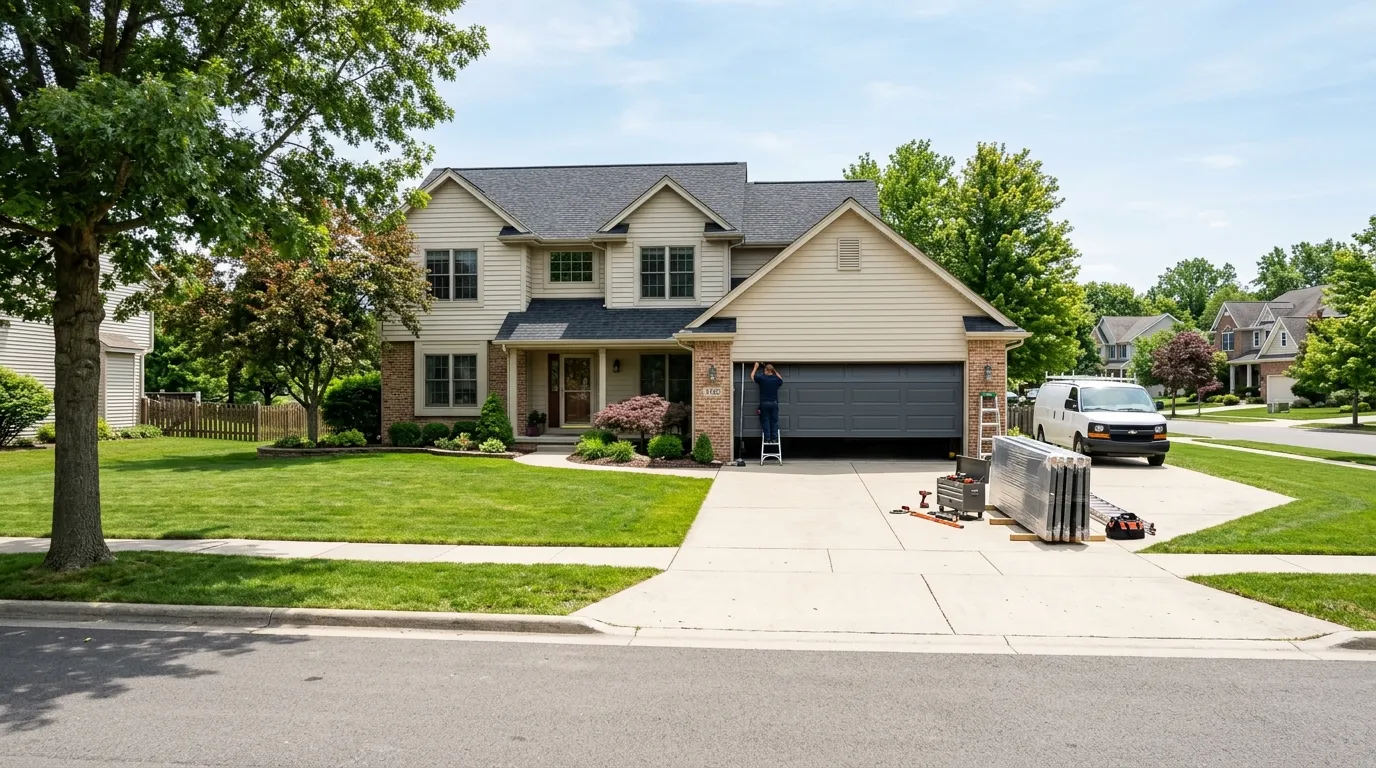
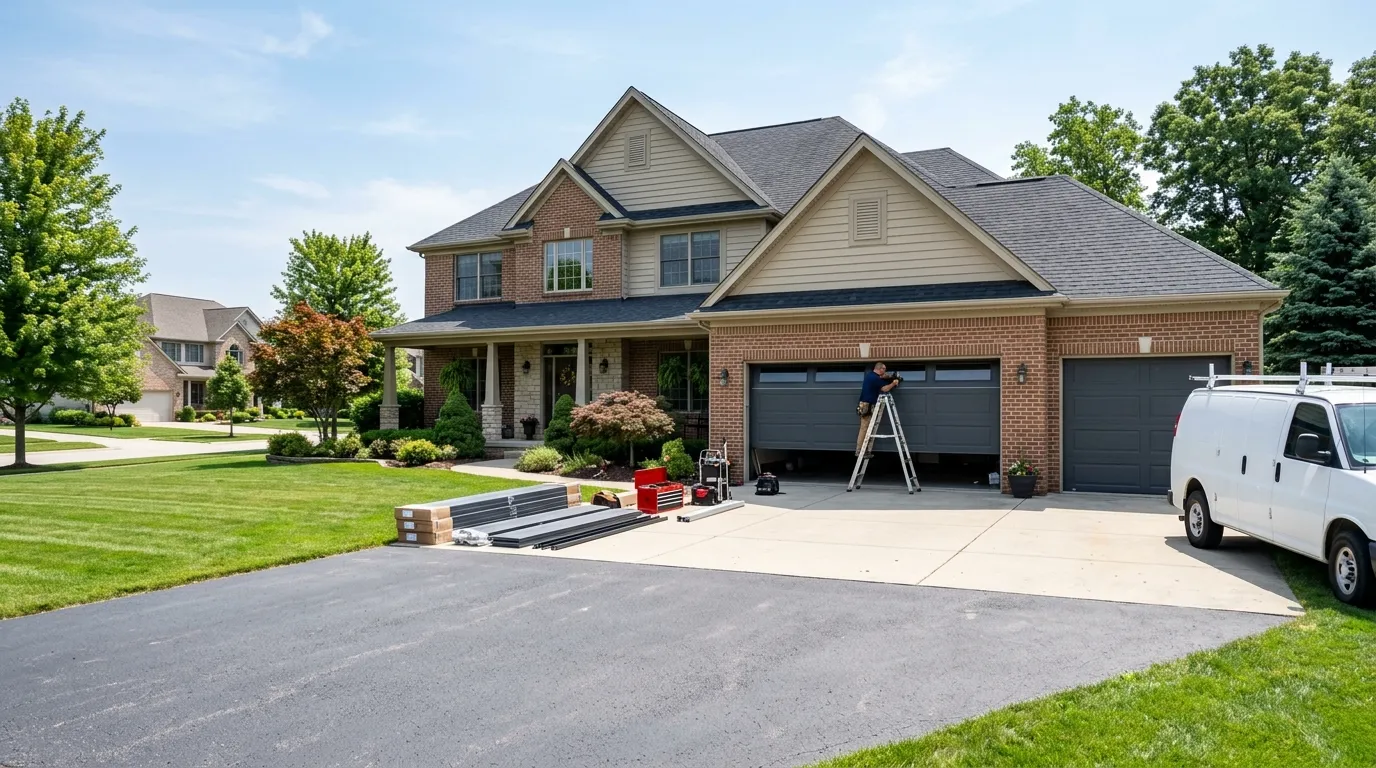
Most of the housing stock in this part of the North Shore went up between 1938 and 1996, with the median build year landing around 1974. That means a huge share of doors still running on original or first-replacement lift cables, sized for the openers and drums of that era rather than anything installed in the last decade. Across the 61 named areas this service covers, the pattern repeats: 1960s and 70s construction with garage hardware that's been repainted, resprung, and re-openered over the years but never fully rewired.
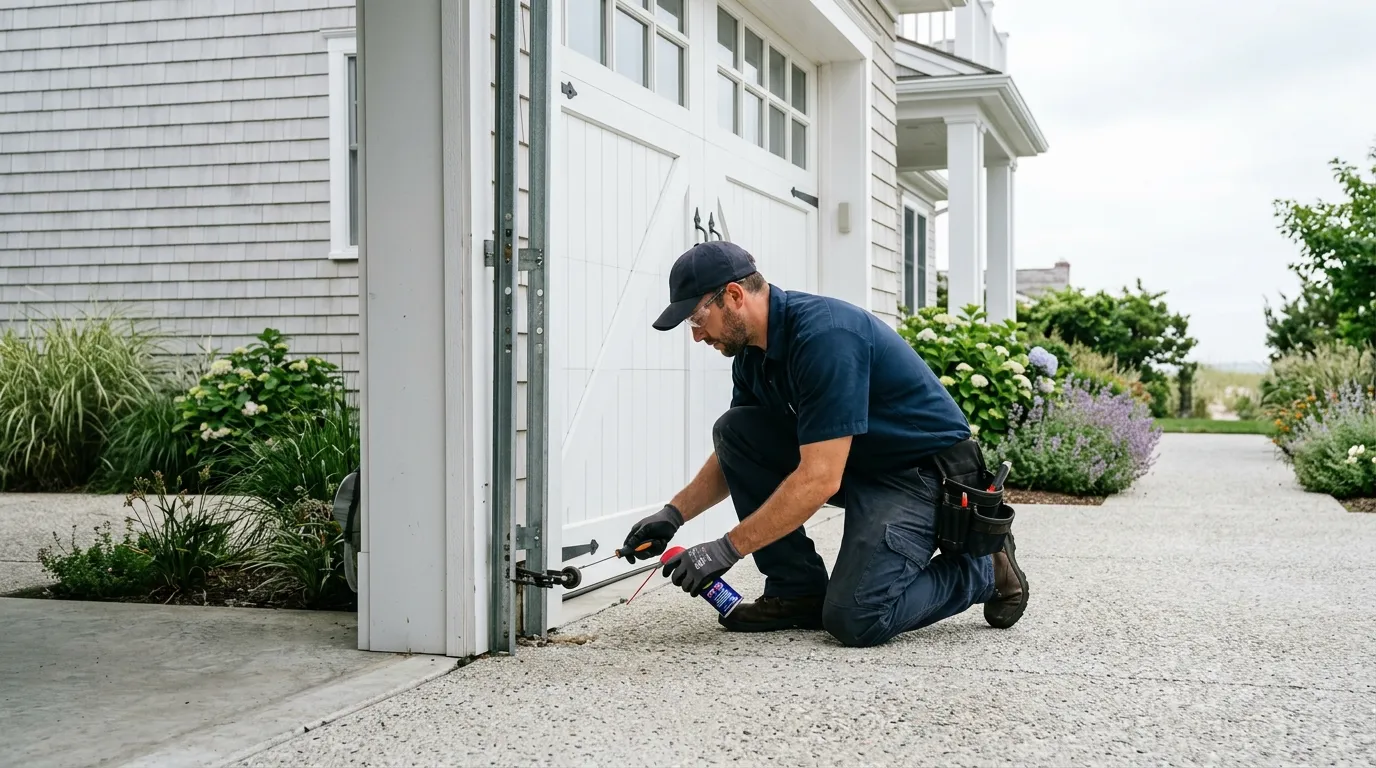
Cable wear in this climate band isn't subtle. Cold, moderate winters mean repeated freeze-thaw cycling on any moisture that gets into the track or drum area, and that cycling works on braided steel cable the same way it works on concrete - a little at a time, at the strands closest to the drum where flex is constant. A cable that's frayed at the drum on a 45-year-old door doesn't announce itself with a snap most of the time. It announces itself as a door that runs crooked, hangs low on one side, or stalls halfway up.
Newer doors in the newer pockets of construction see less of this because the cable, drum, and spring were matched at install and haven't seen forty winters. Older stock hasn't had that advantage.
The DIY Question
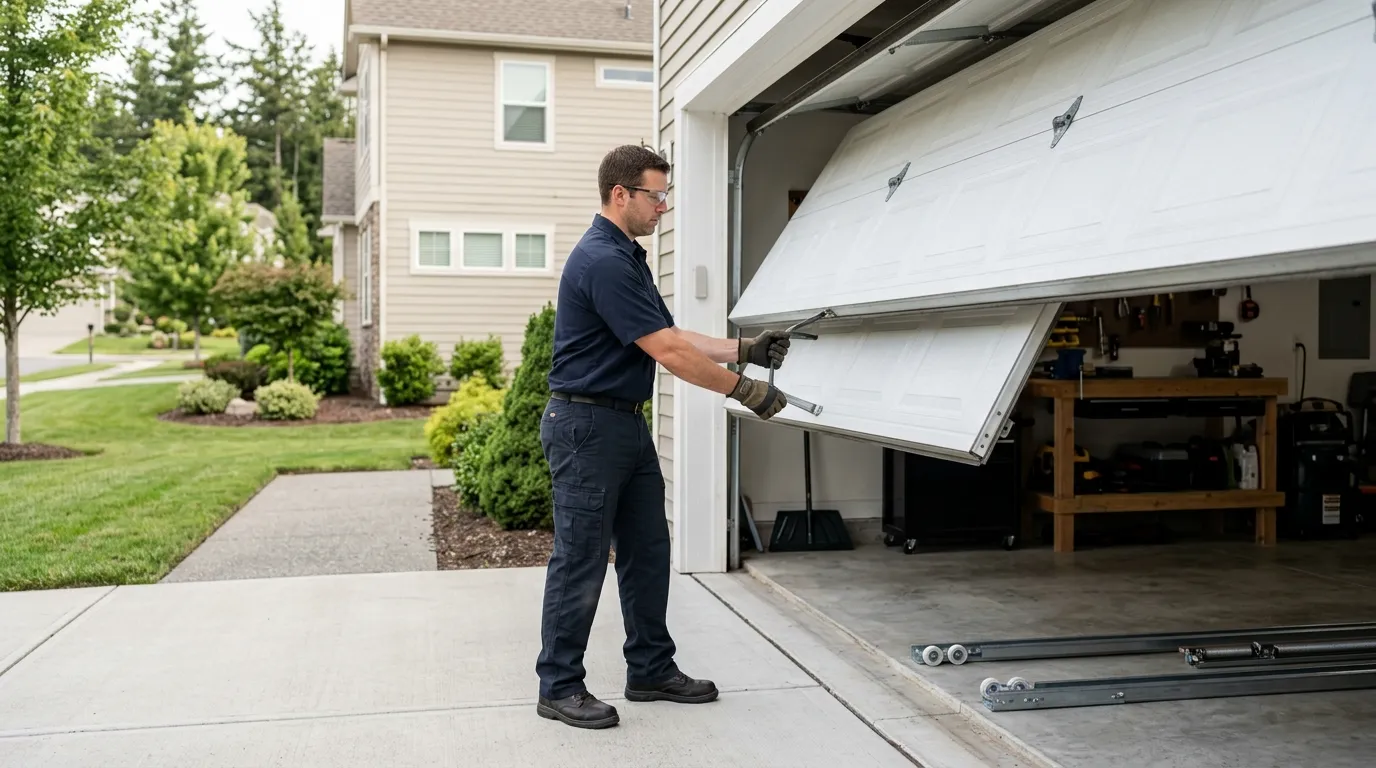
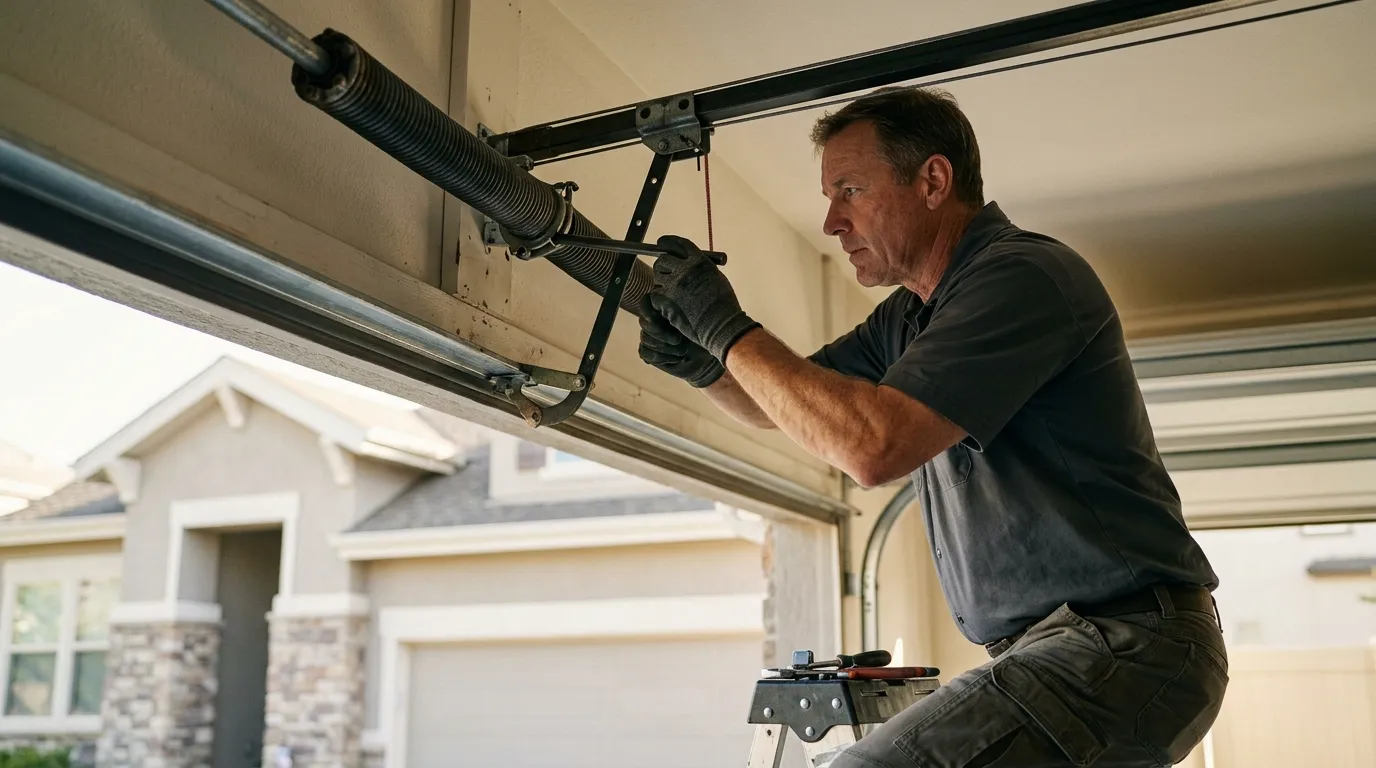
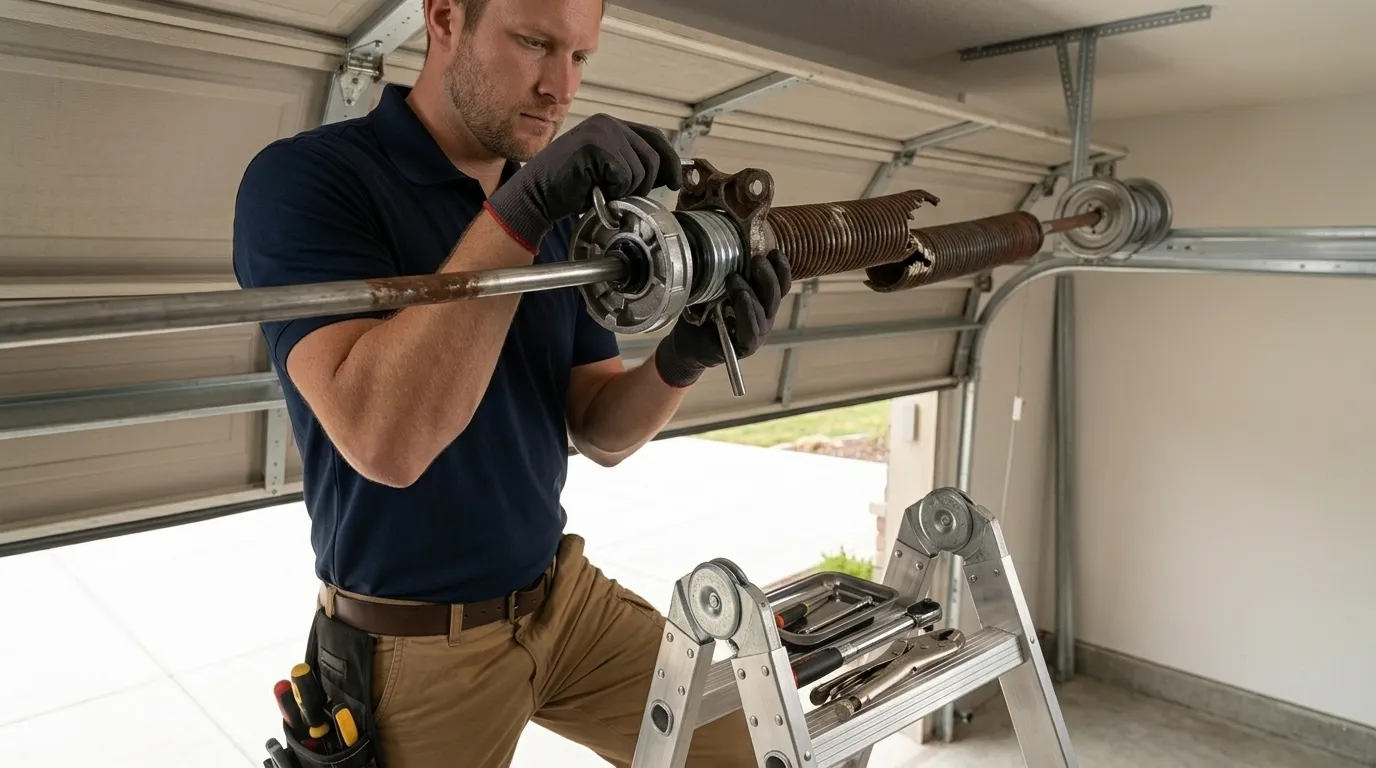
A garage door lift cable is under load the entire time the door is closed - the spring is trying to lift, the cable is holding the drum from spinning, and a two-car door can weigh well over a hundred pounds. That's the honest reason this isn't a bolt-and-wrench job for most homeowners: if a frayed cable lets go while you're working on it, the drum can spin free and the door can drop.
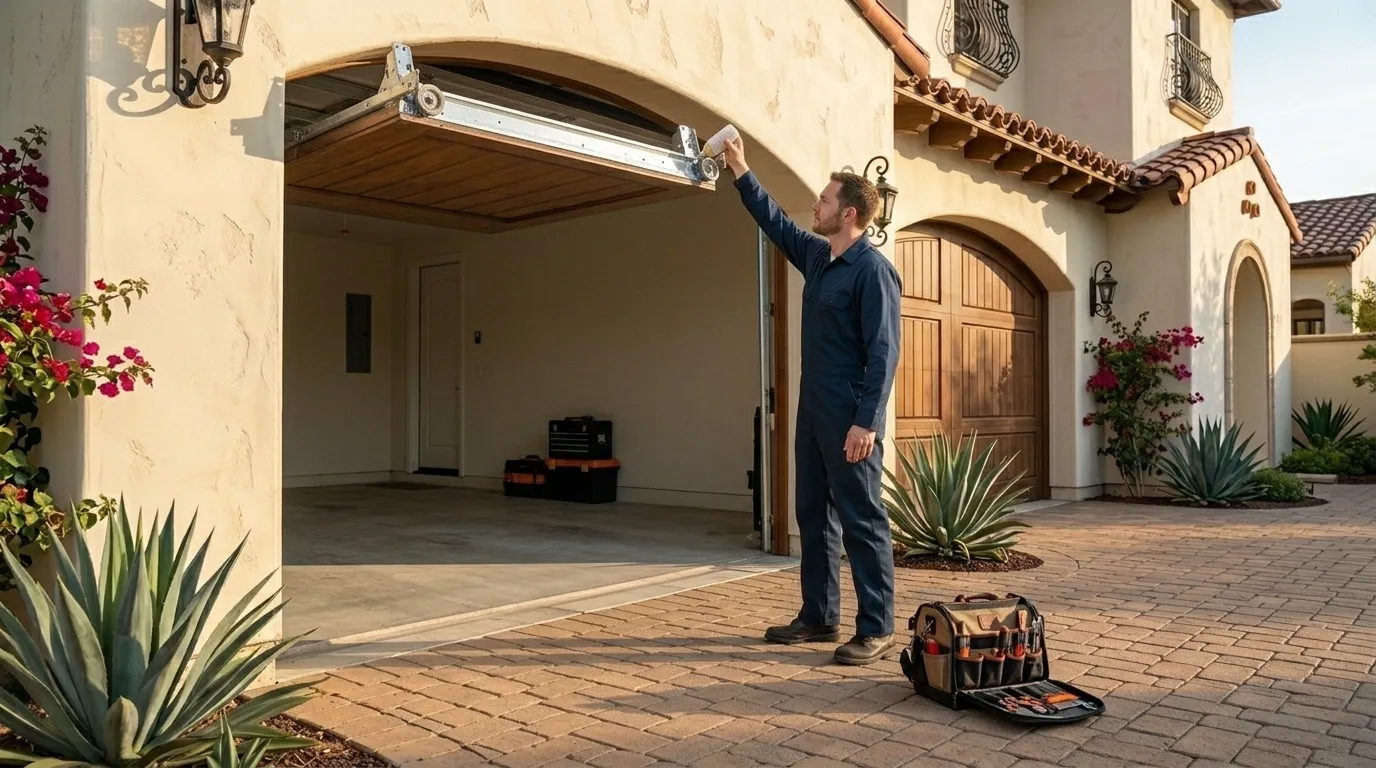
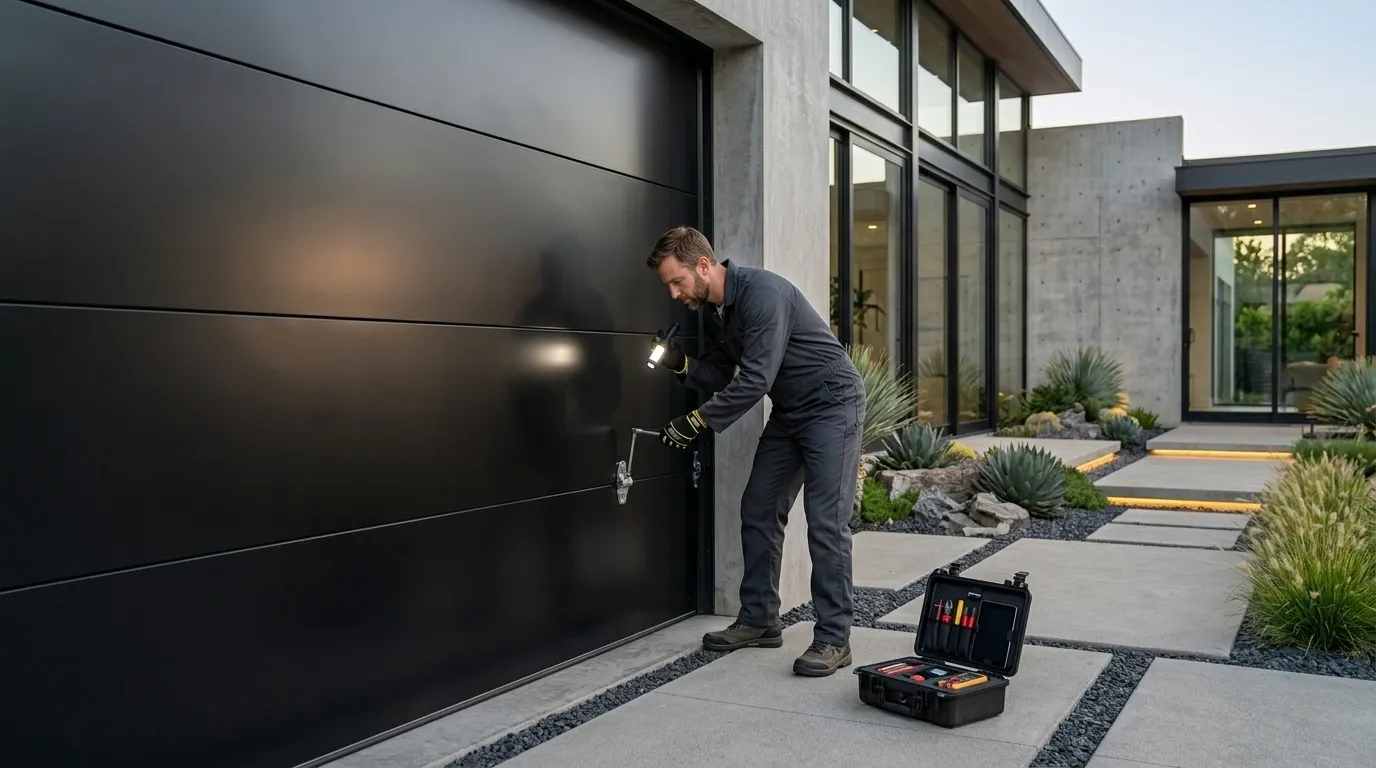
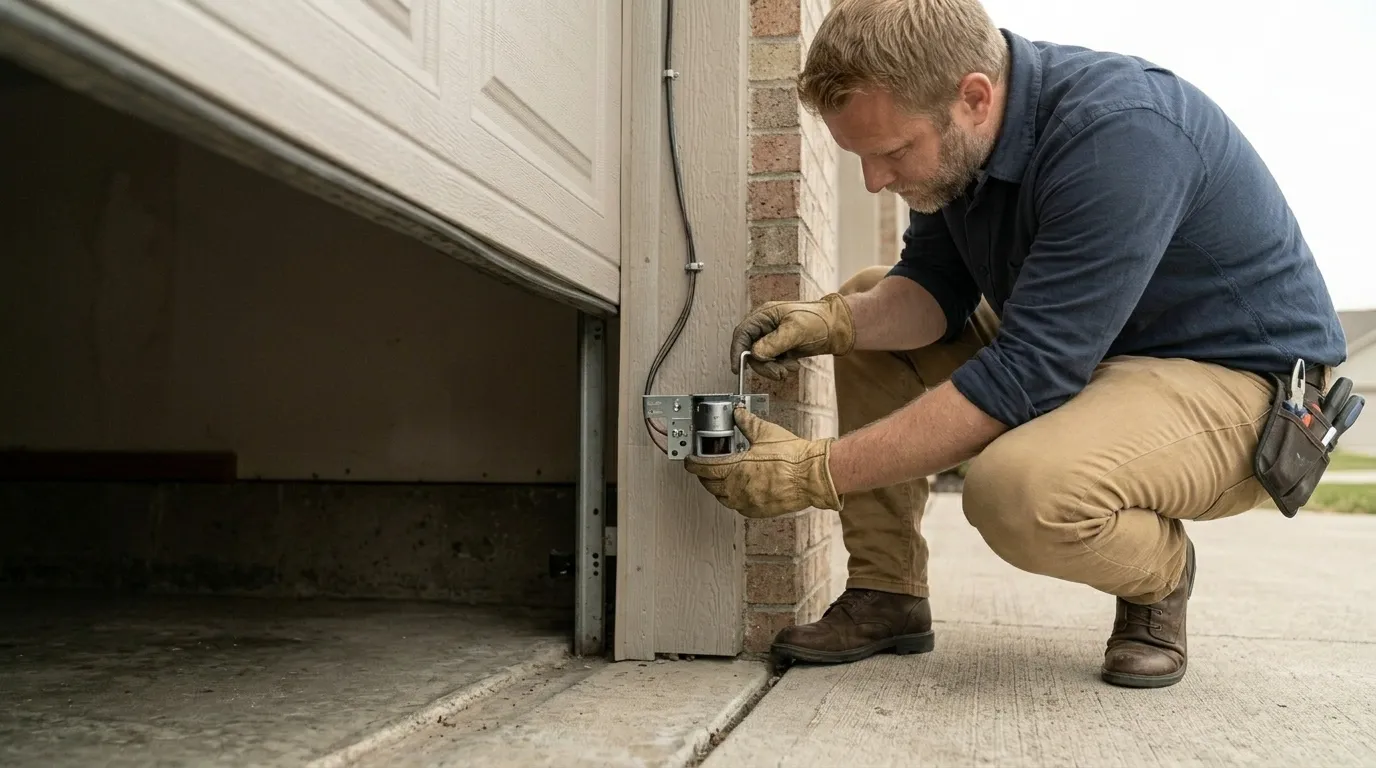
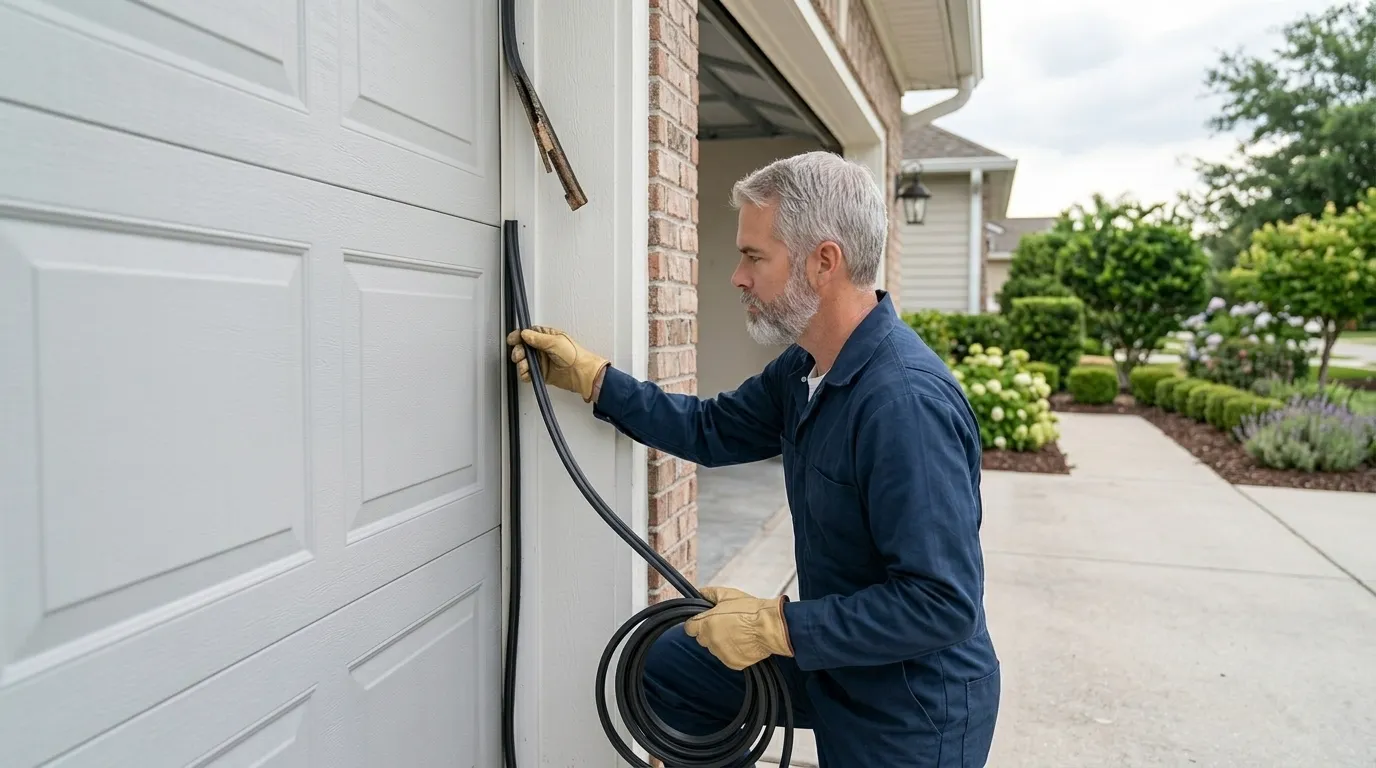
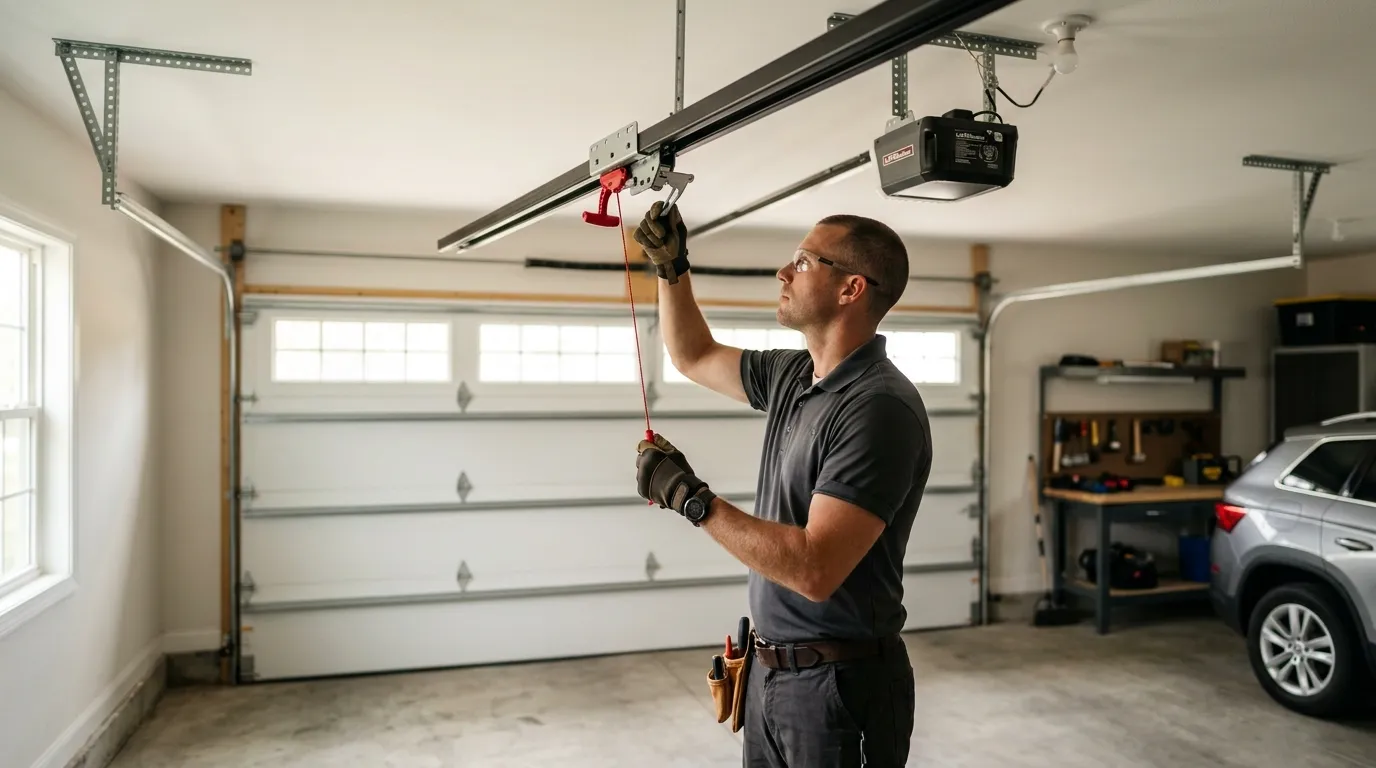
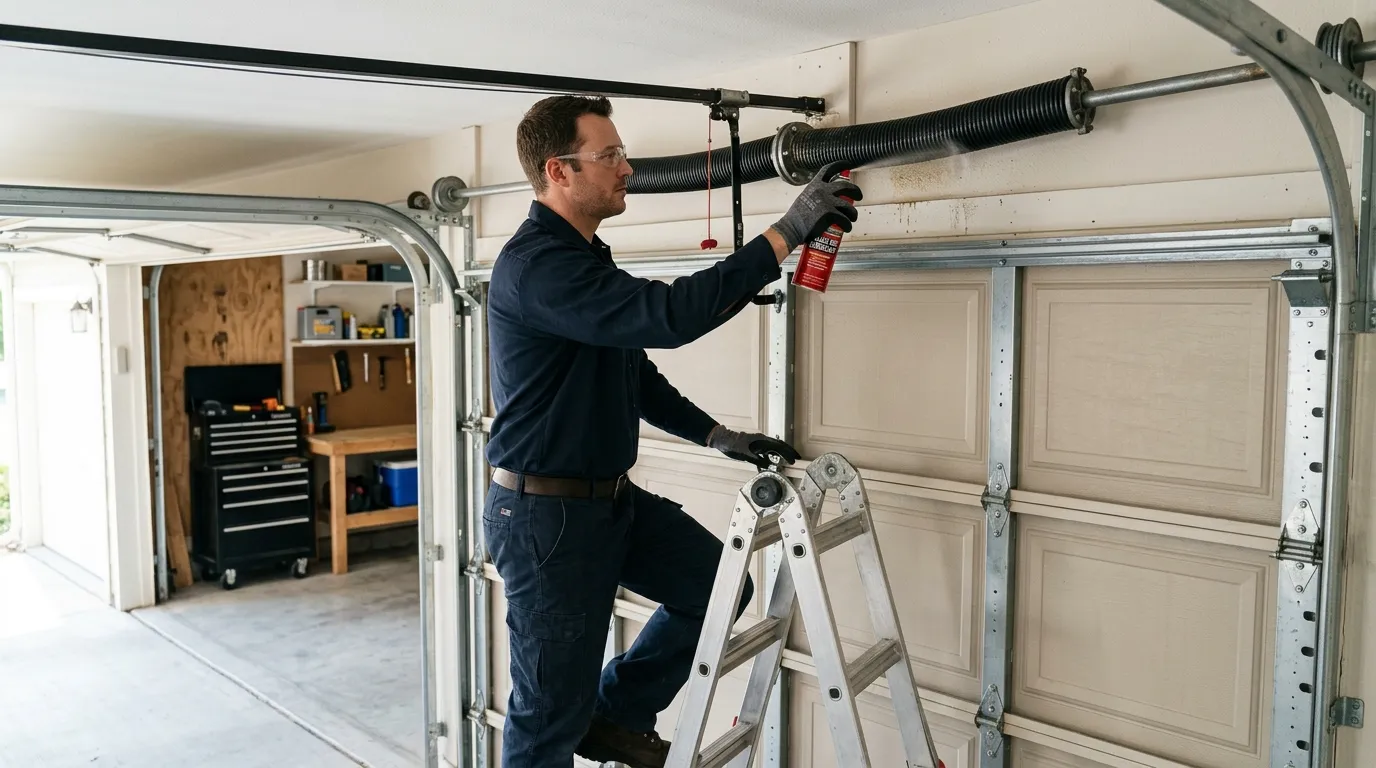
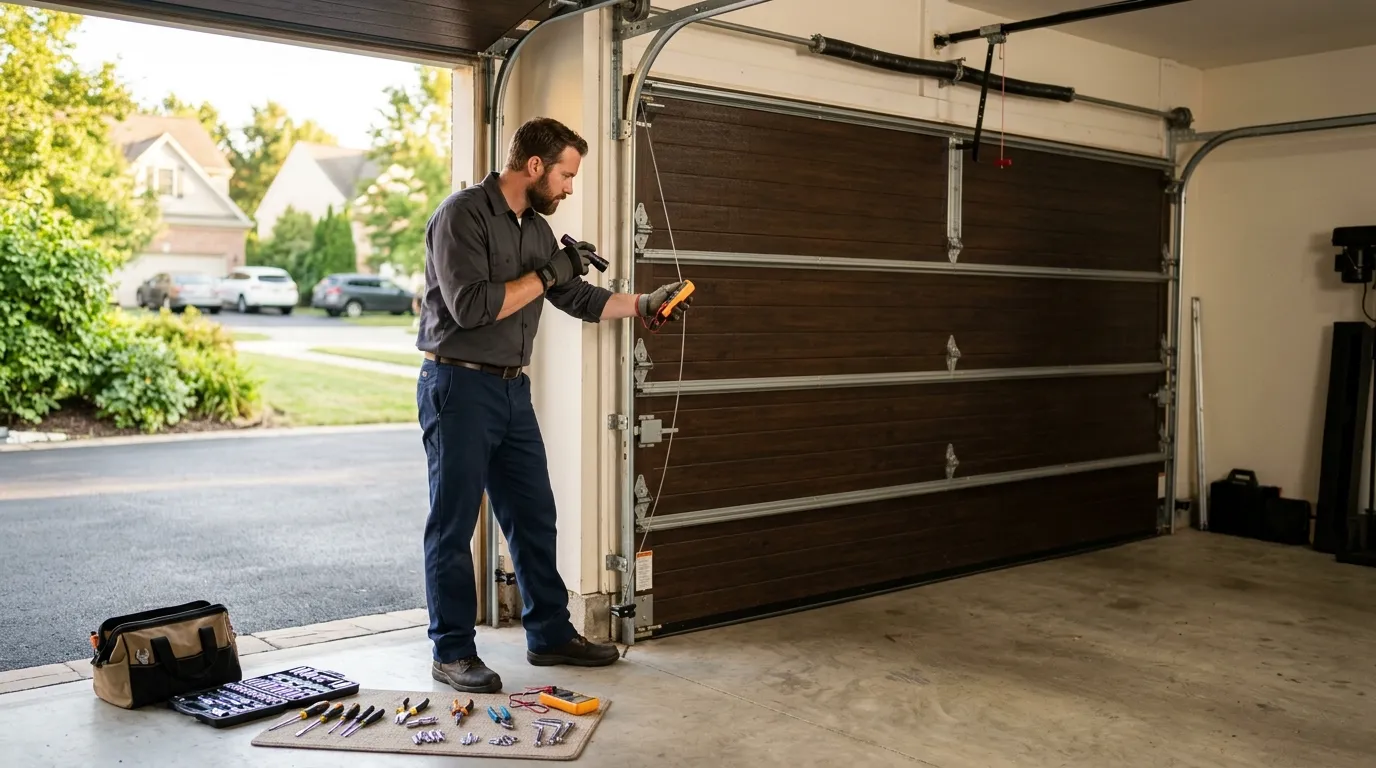
There's a smaller, real DIY zone. You can look. Pull the release cord, disconnect the opener, and with the door down, check the cable where it wraps the drum for splayed strands or rust bloom. You can check the bottom bracket for a cable that's slipped its groove. You can note whether the door is sitting level or dropped on one corner - that's often the first visible sign of a cable starting to give, well before it fully lets go.
What you shouldn't do is unwind or tension anything near the drum, torsion tube, or spring cone yourself. That's where stored energy lives, and it's also where most of the injuries in this trade happen - to homeowners, not just to us. If the cable's already frayed, treat the door as a one-way trip: down and staying down until it's fixed.
Where This Job Goes Sideways
Cable repair is straightforward when it's caught early: replace the cable, check the drum groove for wear, confirm the spring is still doing its job, and the door runs like it should. It goes sideways in a few predictable ways.
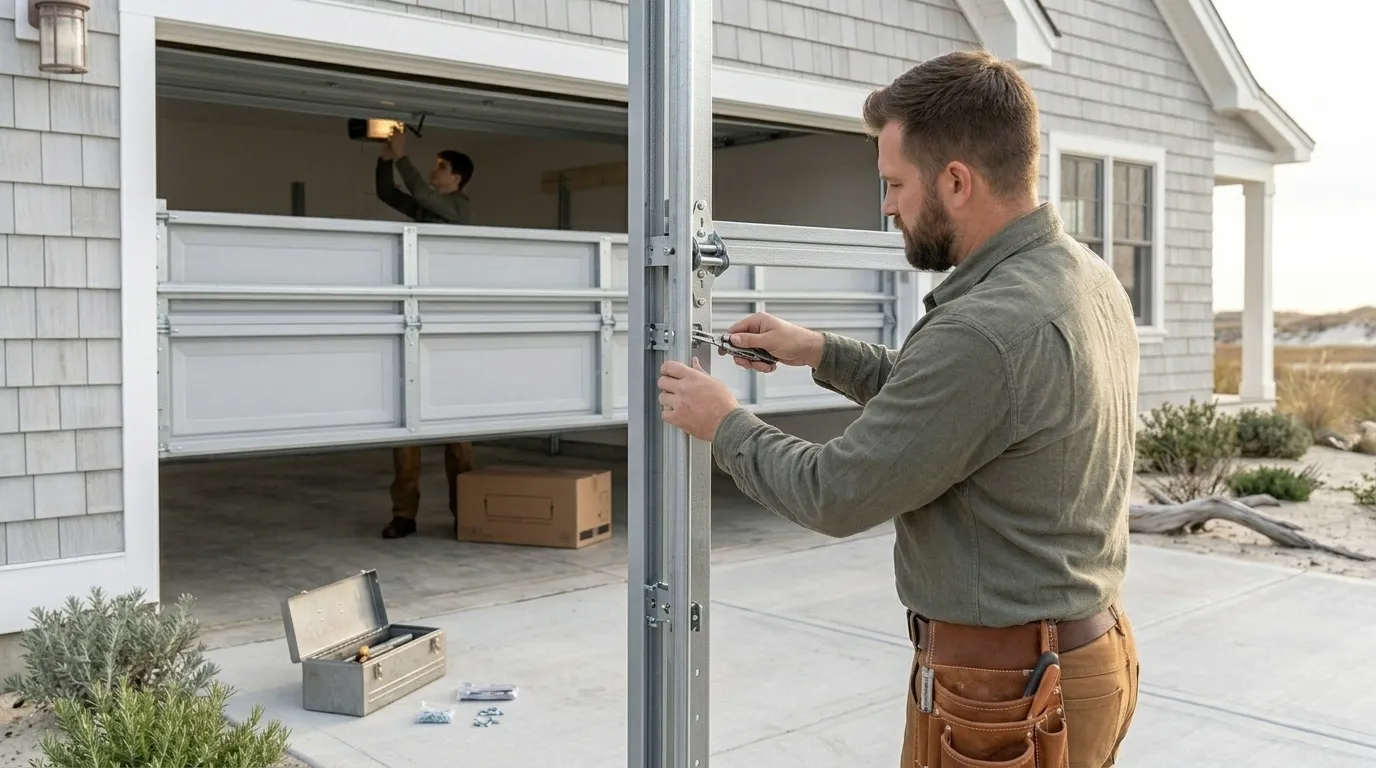
First, if the drum itself has worn a groove or developed a burr from the frayed cable rubbing against it, a new cable alone won't fix the problem - the drum needs replacing too, and skipping that step means you're back out again in a few months. Second, on doors old enough to be near the middle of this area's 1938-1996 build range, the cable failure is sometimes a symptom of a spring that's near the end of its life rather than the actual cause - replace the cable and leave a tired spring in place, and you've fixed the symptom, not the job. Third, if a cable snapped with the door partway up and the door dropped, the track or roller on that side can bend on impact, which turns a cable call into a track-and-roller call too.
The honest limitation: if a door has had multiple hardware failures in a short span - cable, then drum, then spring - on a door already decades old, patching each part separately usually costs more over a year than replacing the aging assembly once. We'll tell you when that math applies instead of just working the ticket in front of us.