Why It Happens Here
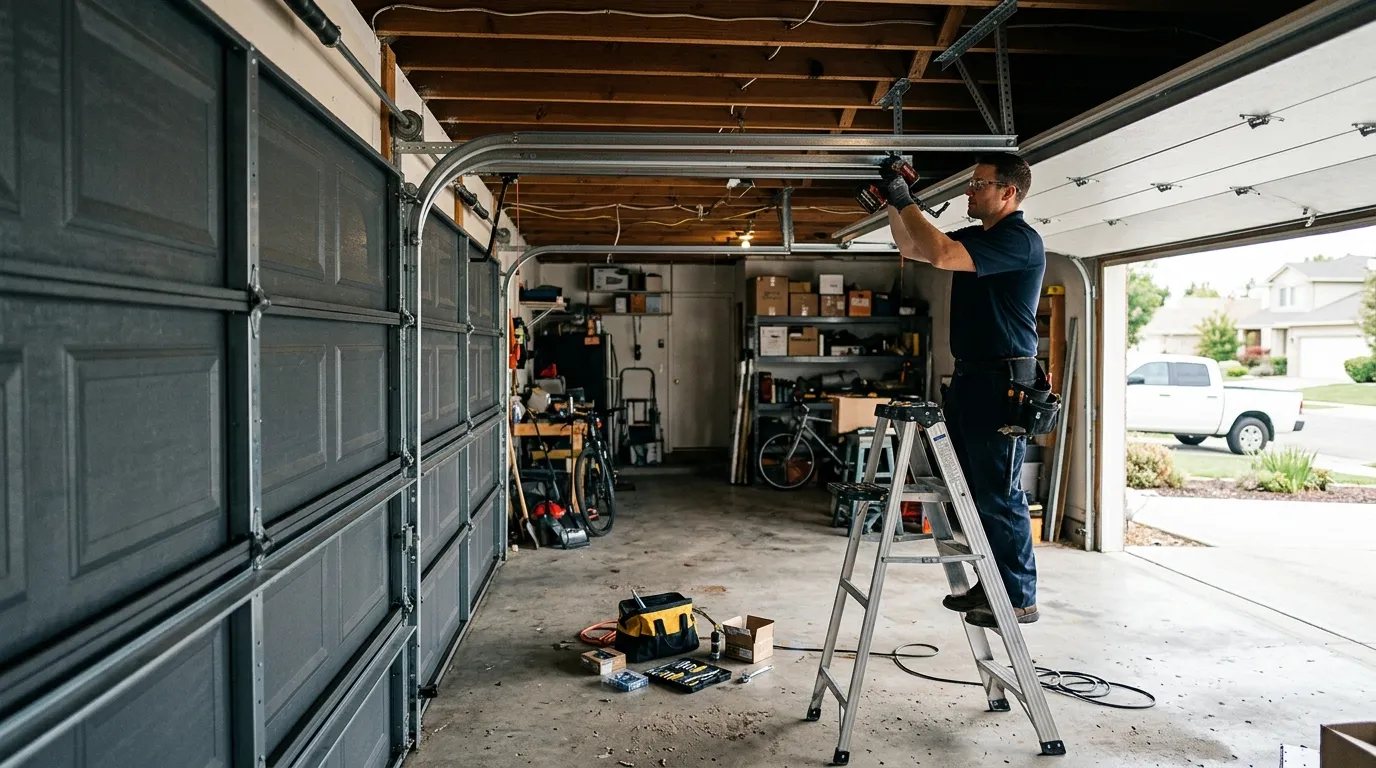
Most of the housing across this part of the North Shore went up between 1938 and 1996, with the median build year sitting around 1974. That means a huge share of the garages in Northbrook and the towns around it - Glencoe - still have openers that are either original to the house or one generation removed from it. A chain-drive unit installed in 1974 was built for a different set of expectations: no smart-home tie-in, no battery backup, no rolling-code security, and hardware rated for the winters this area actually gets.
The cold band matters more than people think. This is a cold-moderate climate, and openers sitting in an unheated or semi-heated garage take a beating from repeated freeze-thaw cycling on the gears and the drive screw. A belt or screw-drive unit that's forty-plus years old wasn't engineered with today's lubricants or cold-rated circuit boards. When a unit from that era finally quits, it's rarely a single part - it's the accumulated wear of decades in a garage that gets well below freezing several months a year.
Across the roughly 132,434 owner-occupied houses in this service area, a lot of these openers are original equipment nobody's touched since the house was built. That's not neglect - chain-drive openers from the 1960s and 70s were built to last, and many did exactly what they were sold to do for forty or fifty years.
The DIY Question
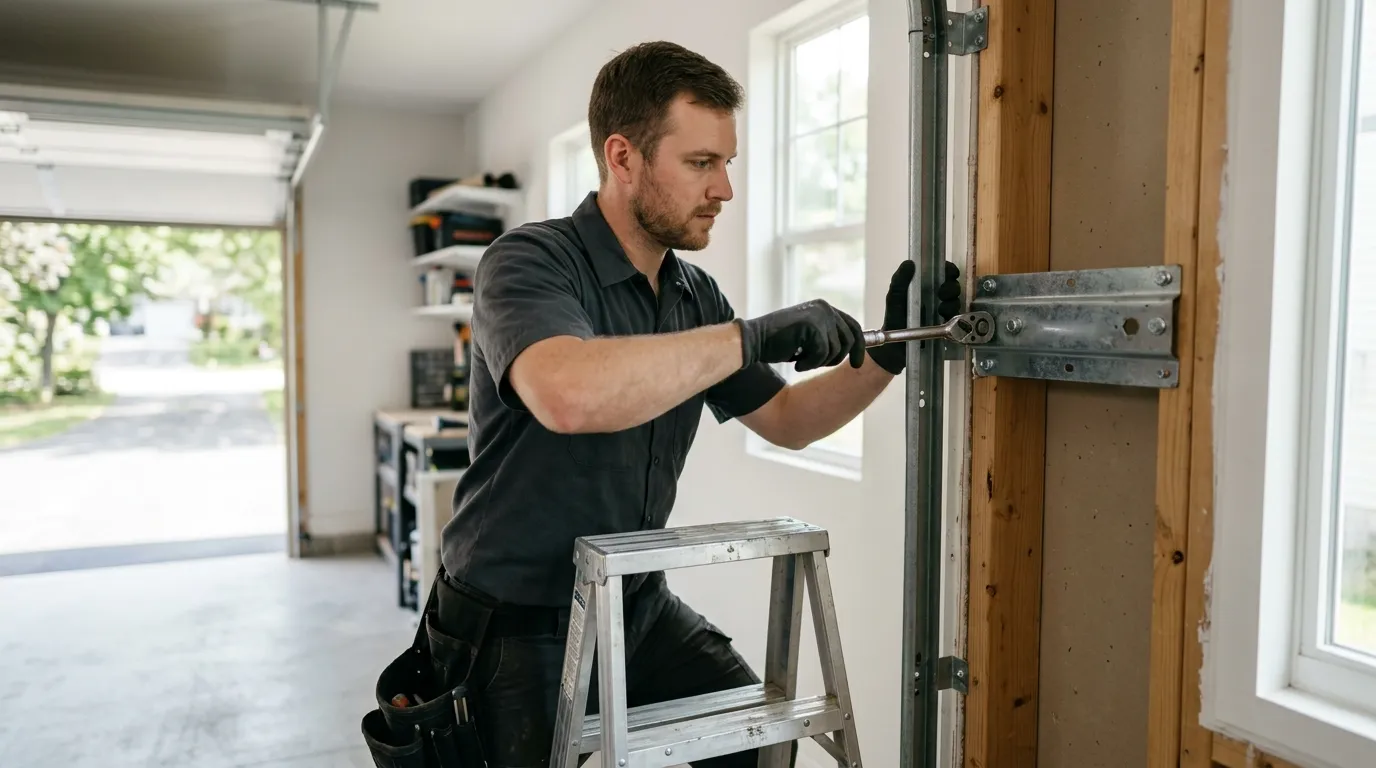
You can swap a remote battery or reset a keypad code yourself, no argument there. What you shouldn't do is mount a new opener bracket into a header that's been carrying an original 1970s-era unit for decades without checking whether that framing still meets the load spec of a modern opener. Newer units are lighter, but the mounting hardware and header bracing on houses from this build era weren't always designed with today's opener weight and torque in mind.
Wiring is the other place people get into trouble. Homes built before the 1990s often have garage circuits that were never meant to run a modern opener with a battery backup, a camera, and a Wi-Fi bridge on the same line. If your garage still runs on the original circuit from the house's construction, that's worth having looked at before the new opener goes in, not after it trips a breaker every time it rains.
Our honest limit here: we don't rewire your electrical panel or run new circuits - that's an electrician's job, and we'll tell you plainly when a job needs one before we start, rather than working around it and leaving you with a fix that doesn't hold.
Where This Job Goes Sideways
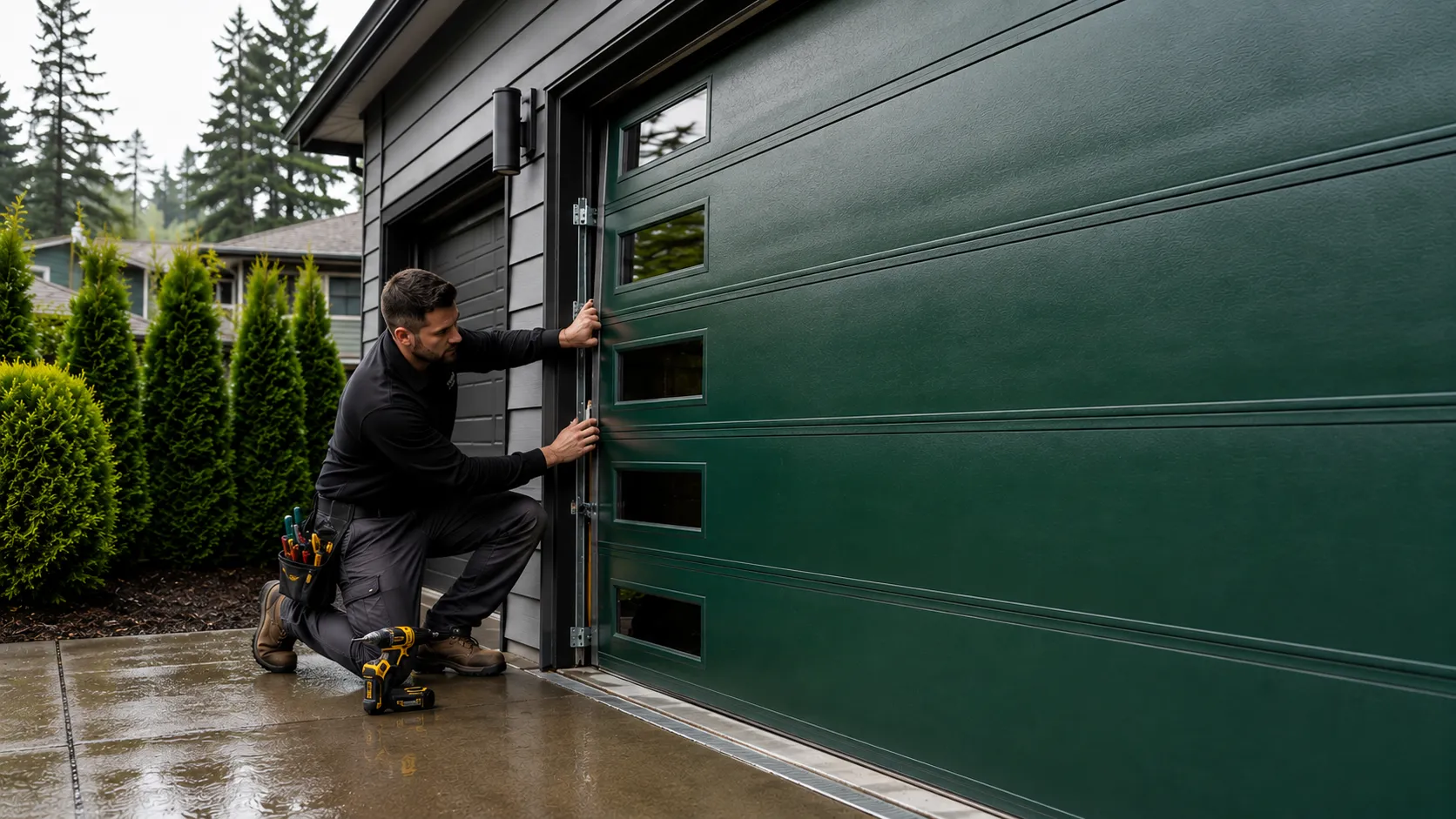
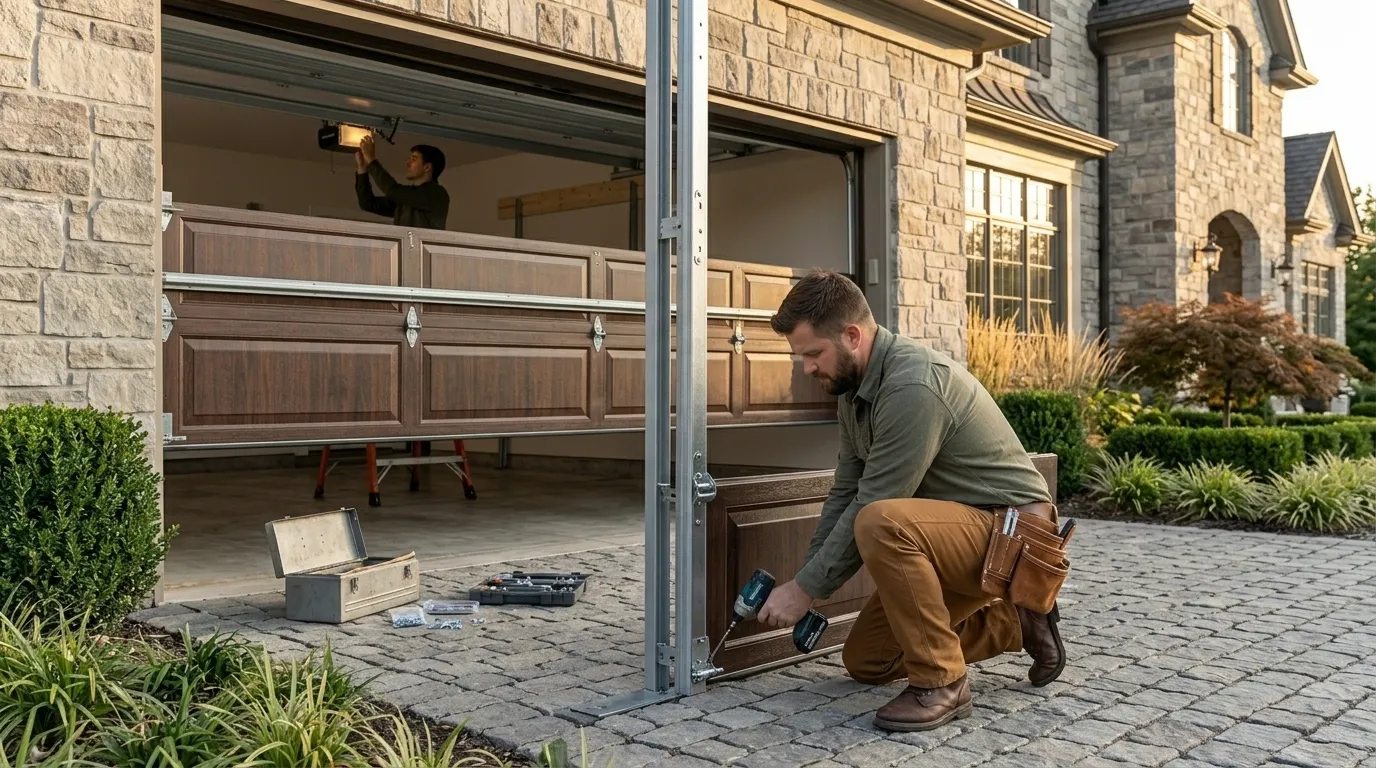
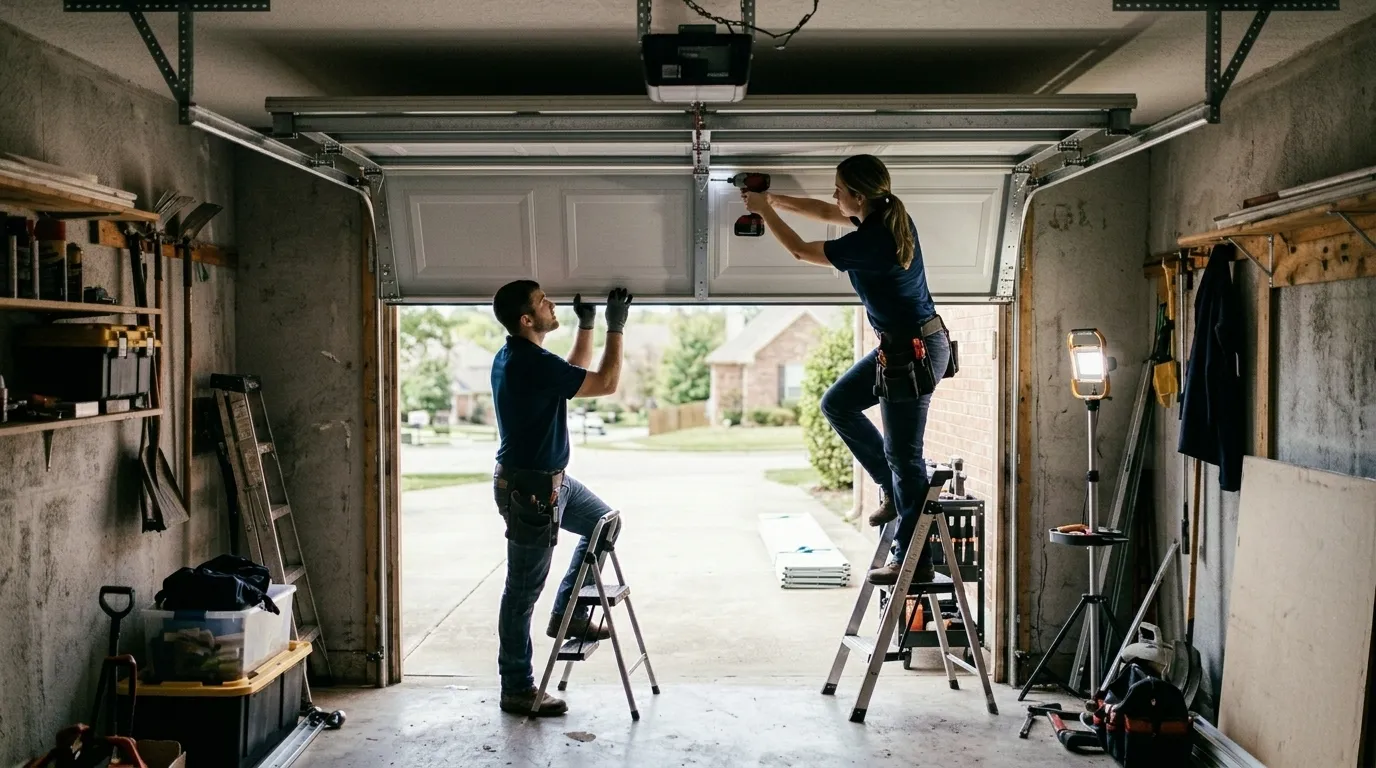
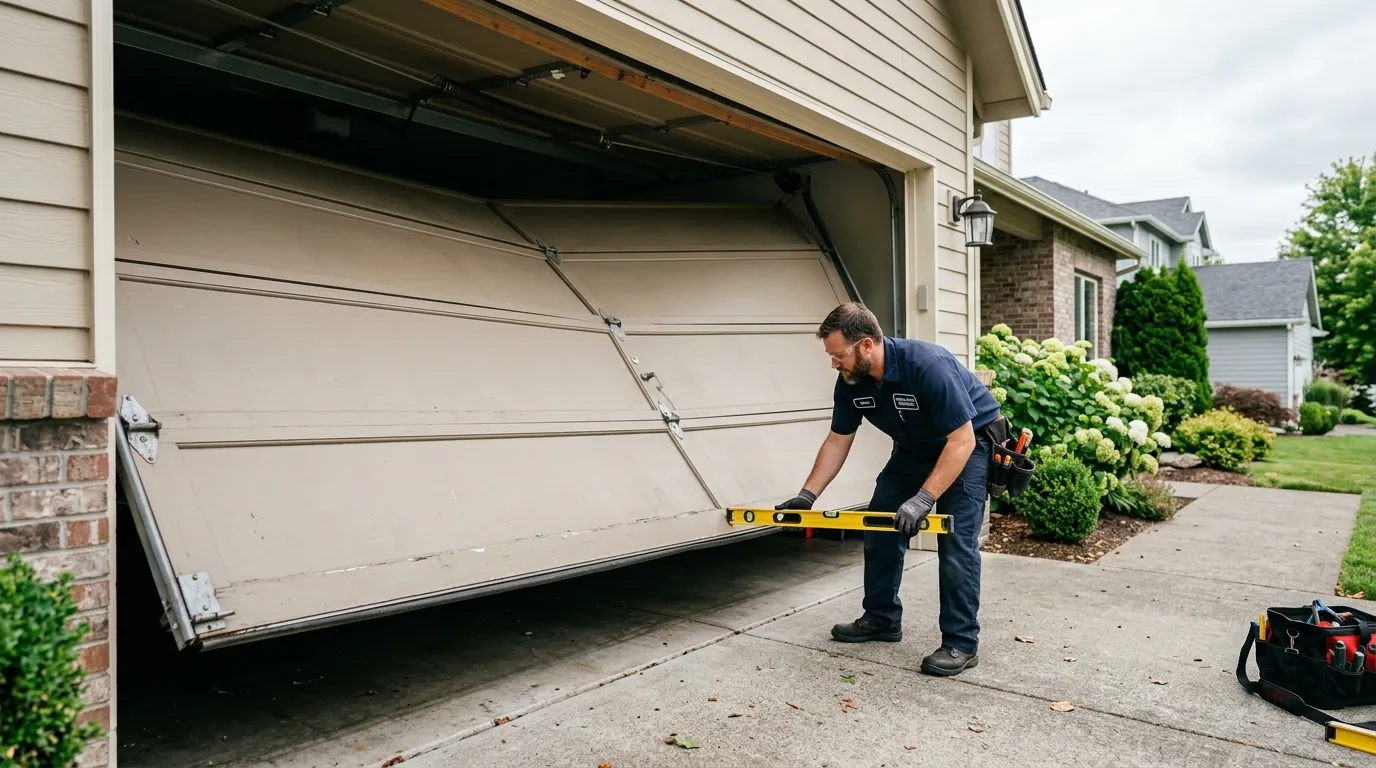
The install itself is usually straightforward. Where it goes sideways is when the door on the other end of that new opener wasn't built to run with it. A lot of the original doors from the 1960s-70s stock in this service area are heavier than what current openers assume as a baseline - steel panel doors from that era, especially, put more strain on a lightweight modern drive unit than the spec sheet accounts for.
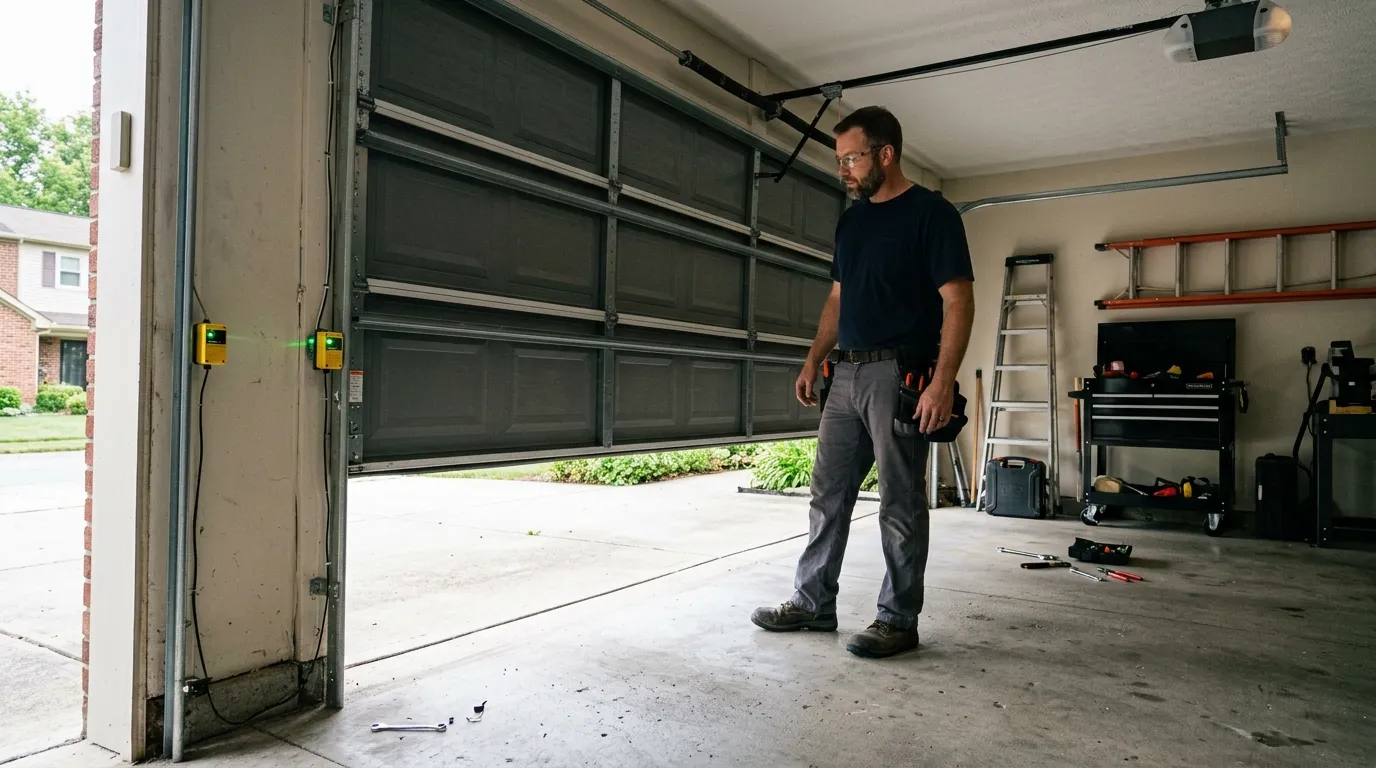
The second failure point is the safety sensor alignment. Older garages often have the photo-eye brackets mounted at whatever height made sense forty years ago, and getting a new opener's auto-reverse system to actually meet code sometimes means moving those brackets, not just plugging in a new unit.
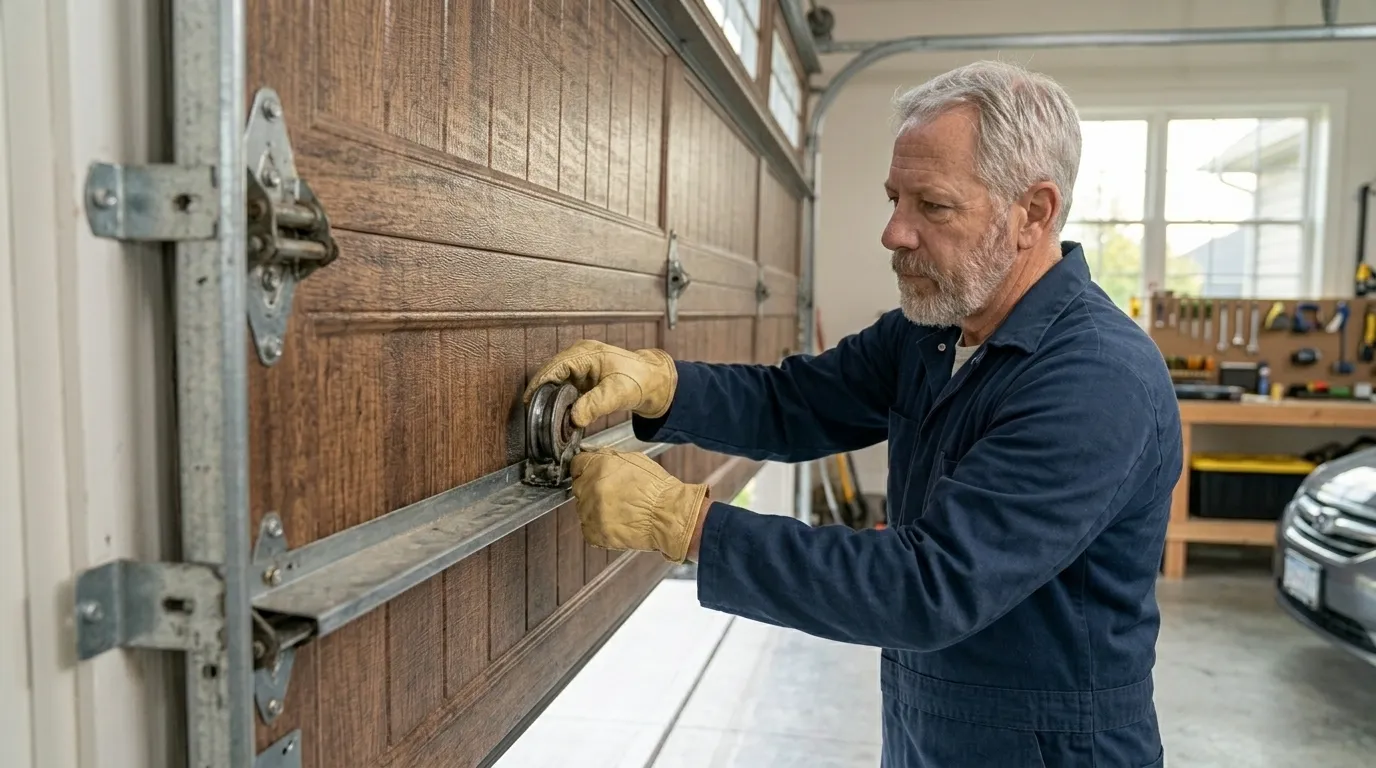
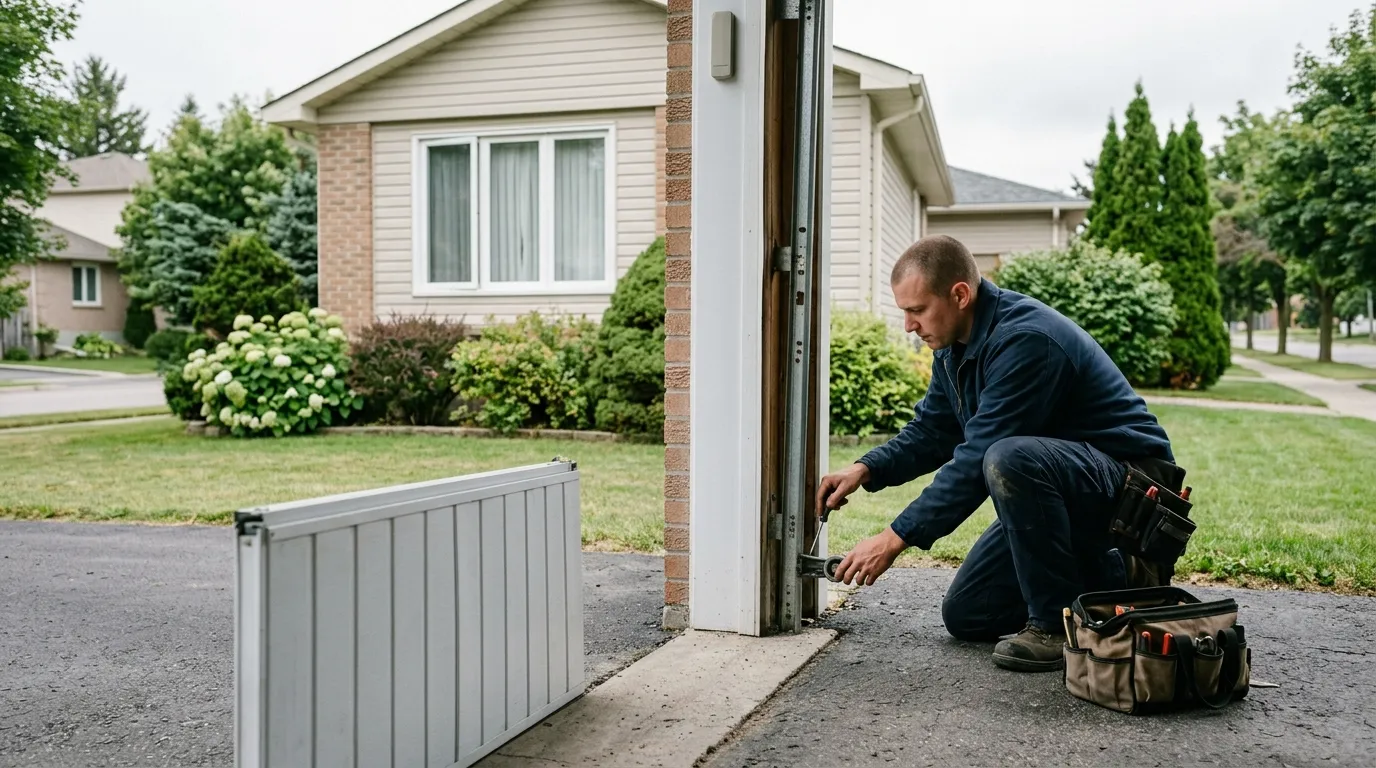
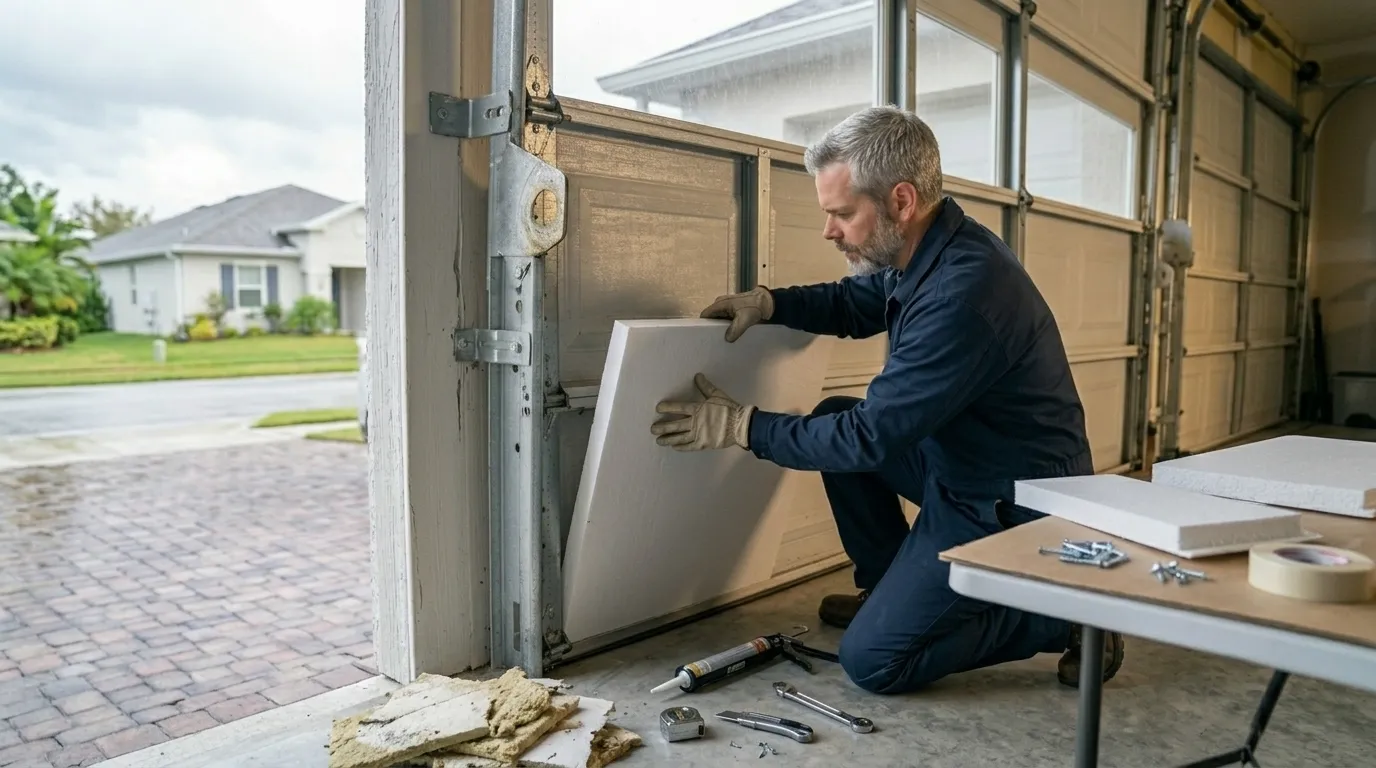
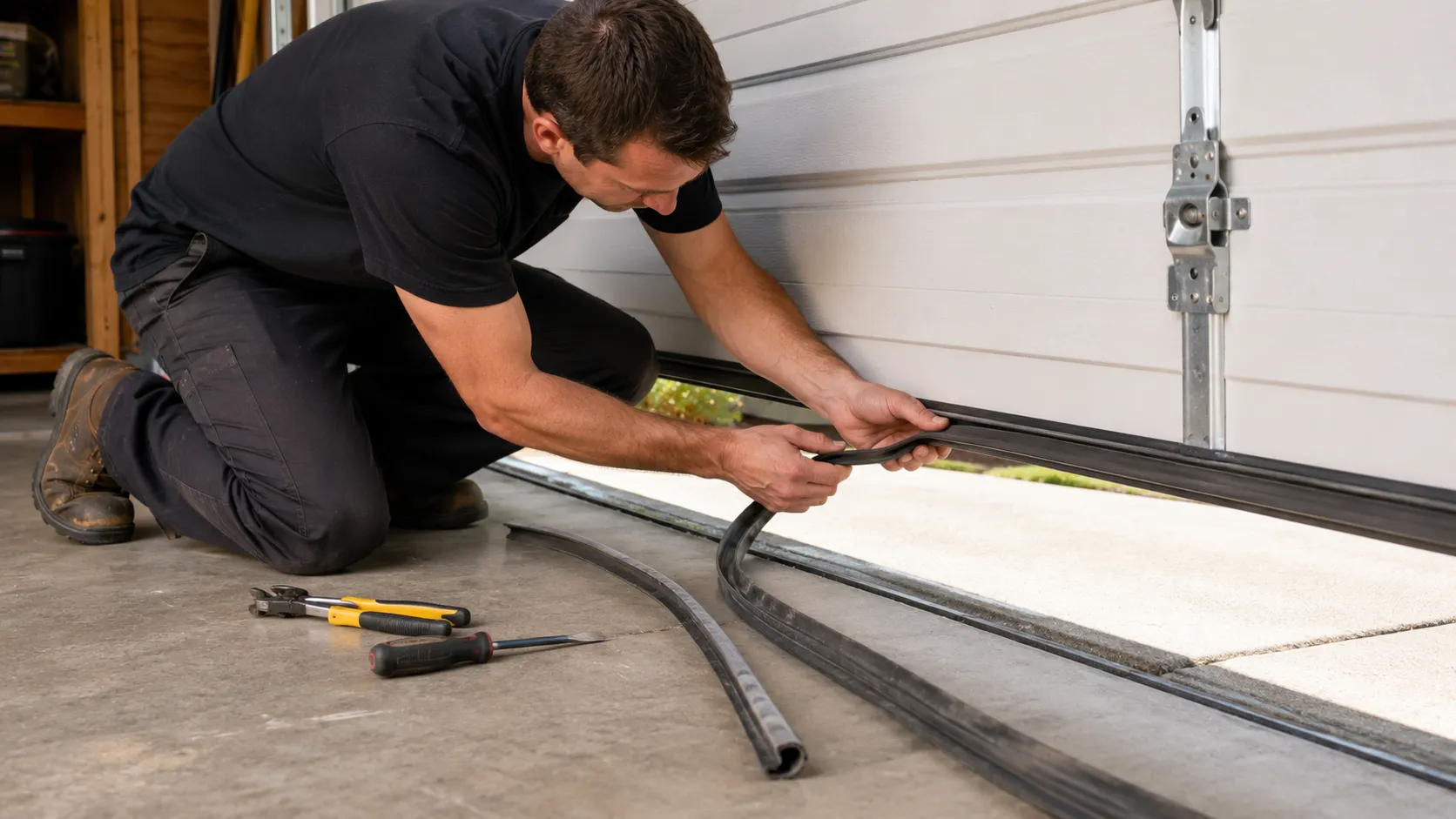
And sometimes the honest answer is that opener installation isn't the job that fixes the actual problem. If the door itself is original to a house from this build era and the track, rollers, and springs are all at the same age as the opener, putting a new motor on old hardware just moves the failure point somewhere else. We'll say so before we sell you an opener you don't need yet.