Why It Happens Here
Most of the houses across this service area went up between 1938 and 1996, with the median sitting around 1974. That's a lot of doors running on the original steel rollers that came with the house, riding in tracks that were installed once and never touched again. Steel rollers on cheap sleeve bearings were standard through that whole build era, and they weren't built to run quiet or last fifty years.
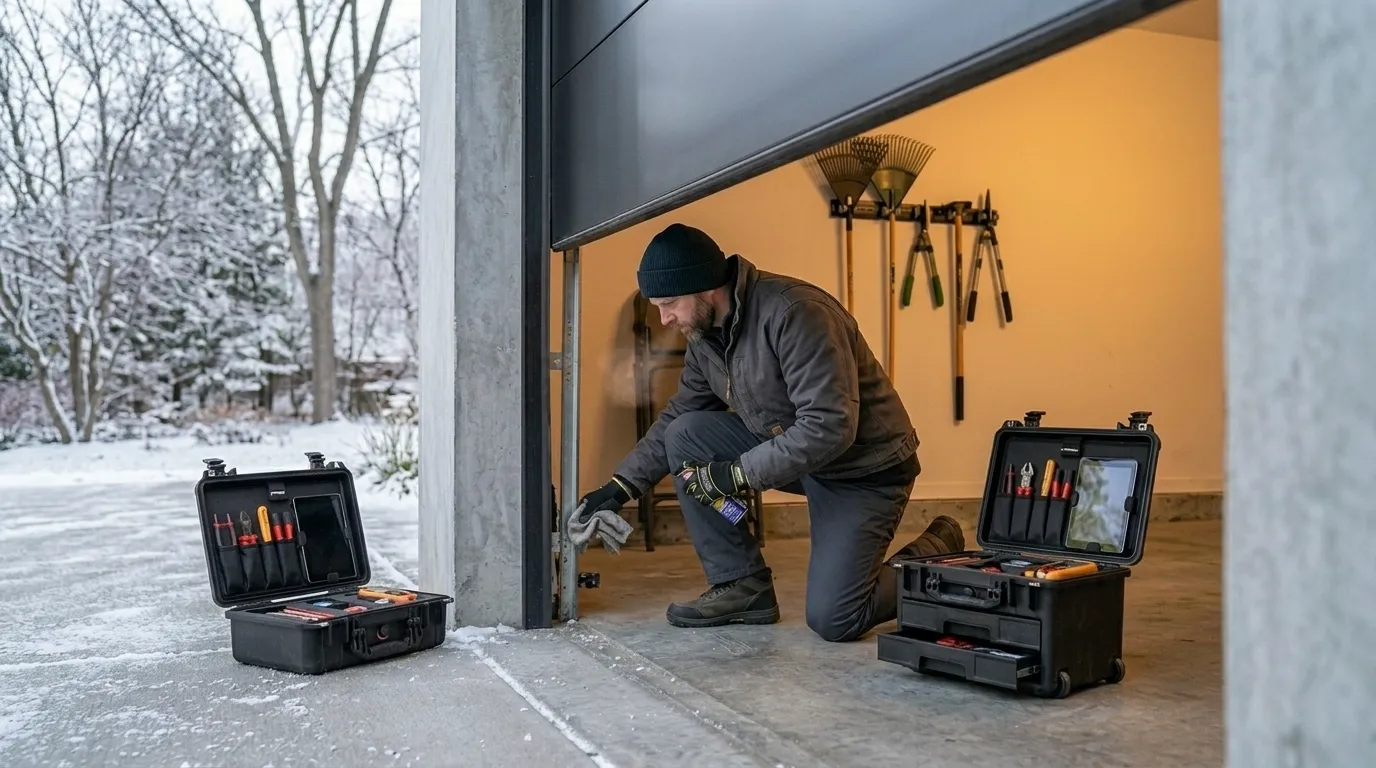
Add the climate to that. Northbrook sits in a cold-moderate band, and every winter the grease packed into those old roller bearings stiffens up. A door that rolled smooth in August starts grinding in January because the roller isn't turning free anymore - it's dragging, chipping, or has flattened on one side. Do that every winter for forty-some years and the roller edge wears into a shape that doesn't match the track anymore.
Across the roughly 132,434 owner-occupied houses in this service area, roller wear is one of the most predictable failures we see once a door passes the twenty-year mark, because the housing stock and the winters are working against the same set of parts at the same time. It's not bad luck. It's the math of an old roller and a cold garage.
The DIY Question
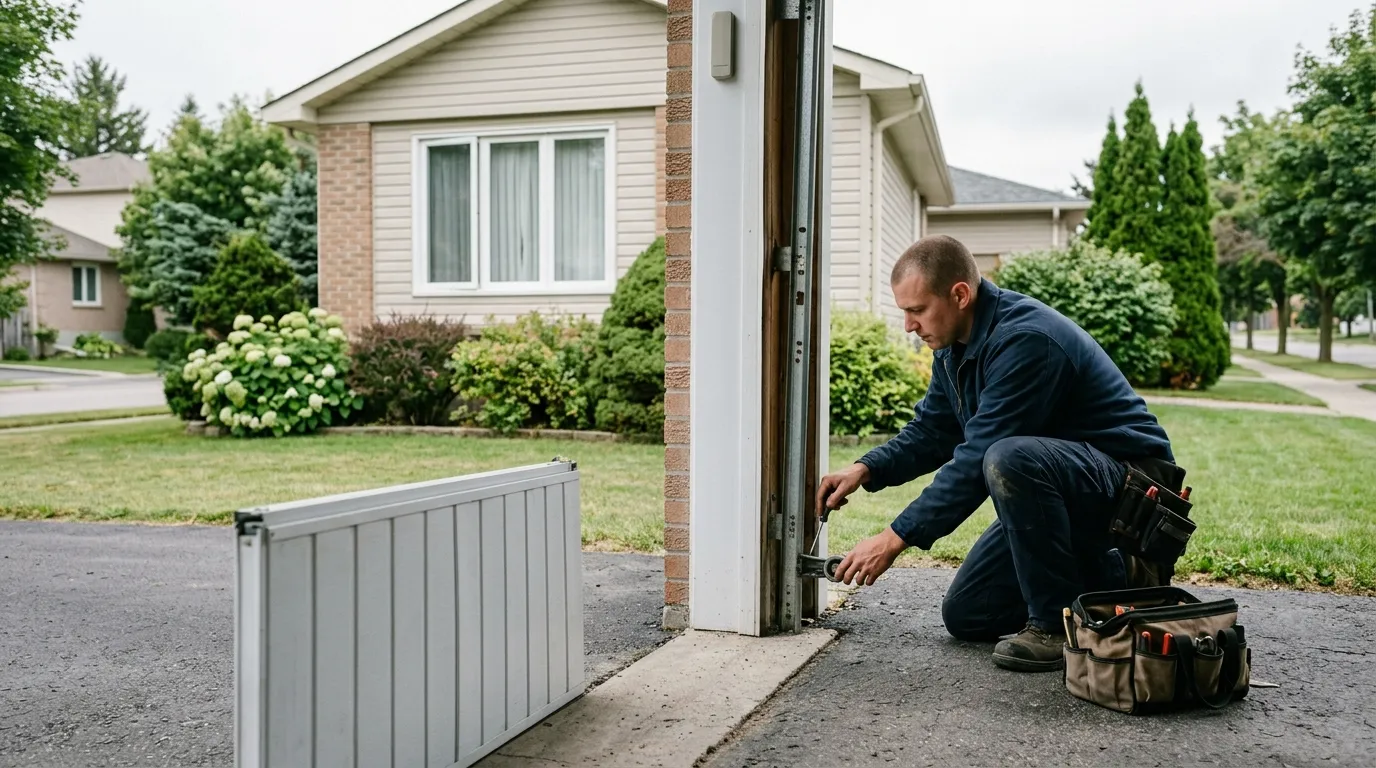
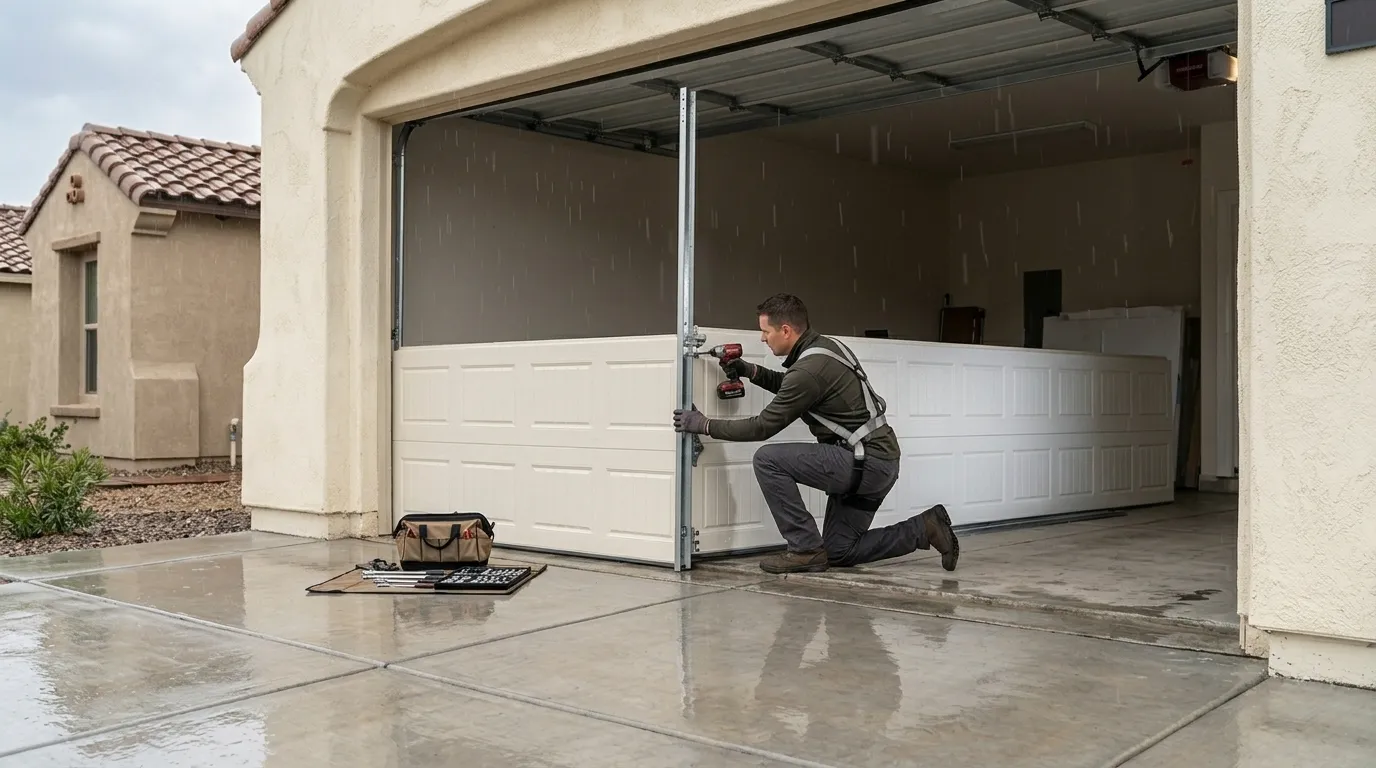
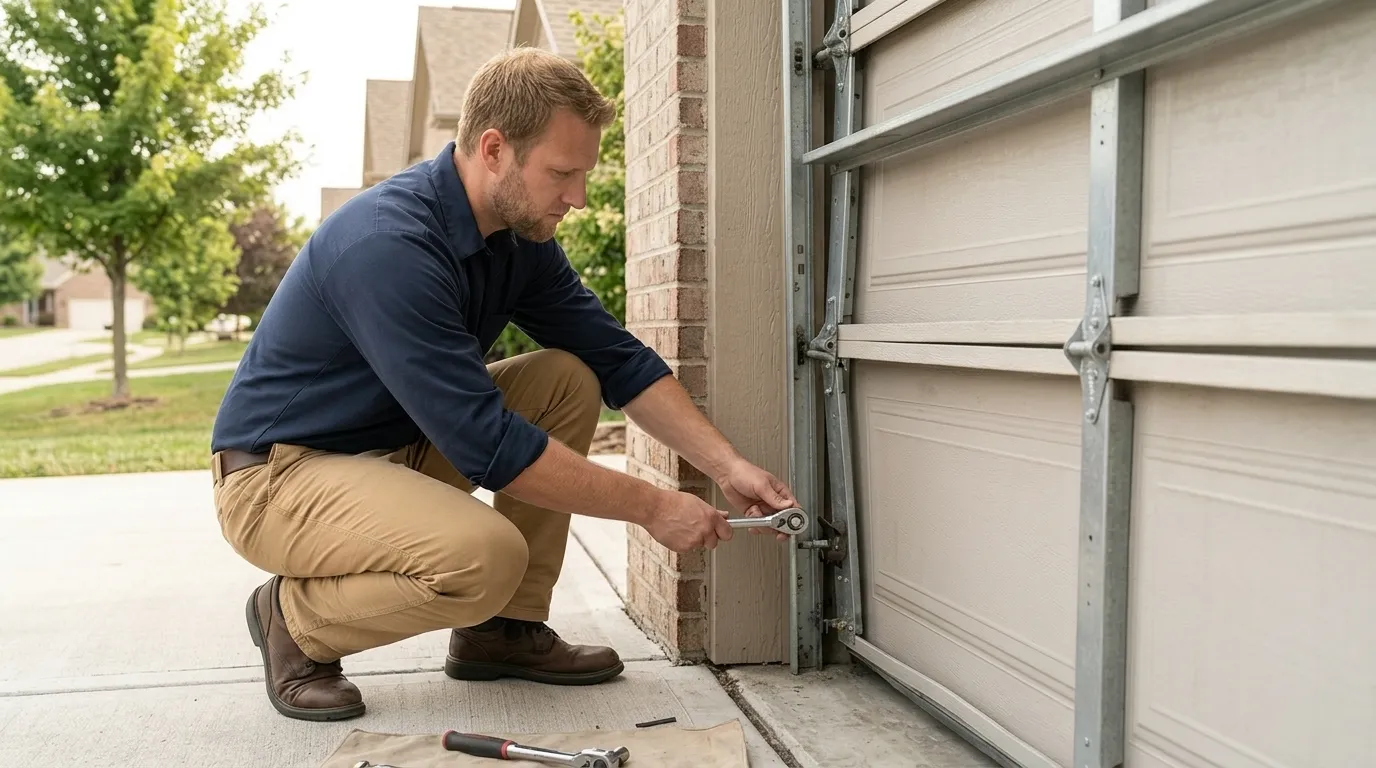
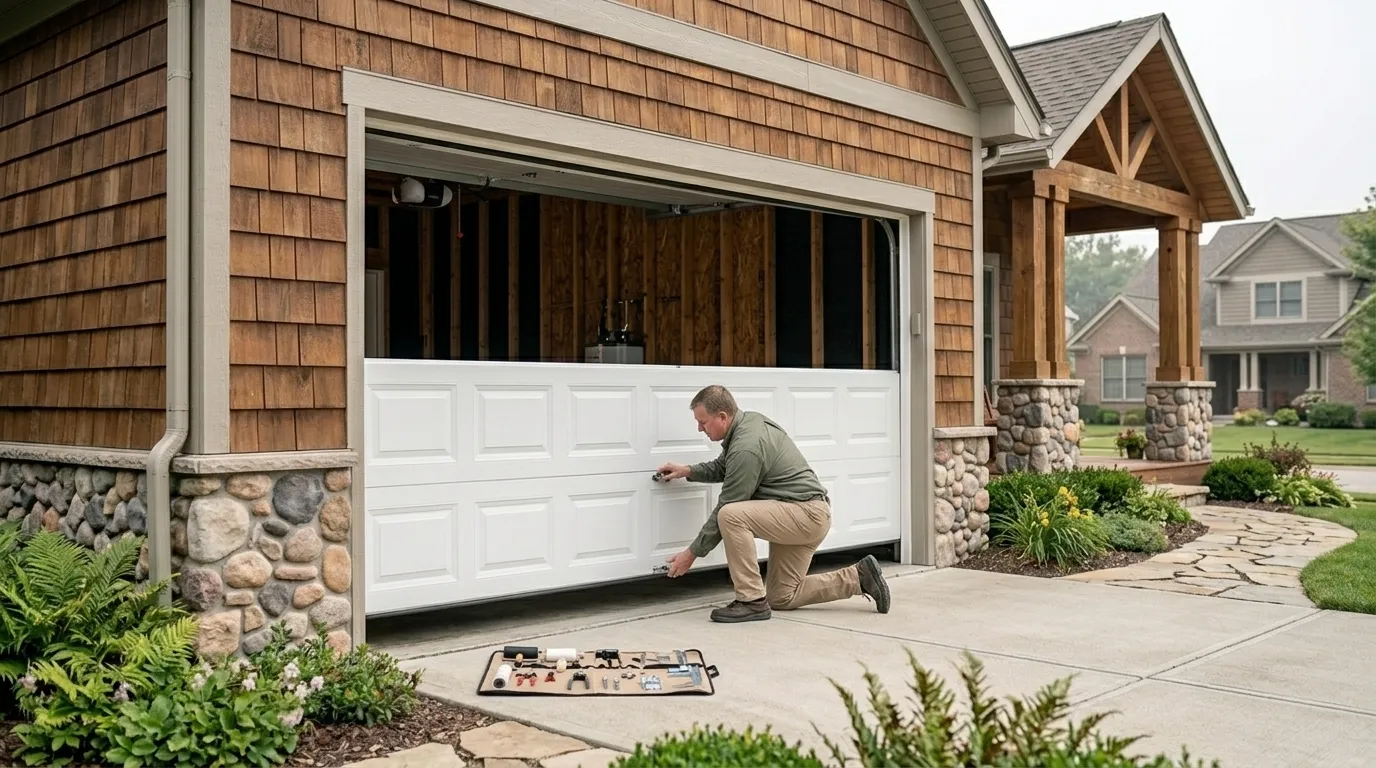
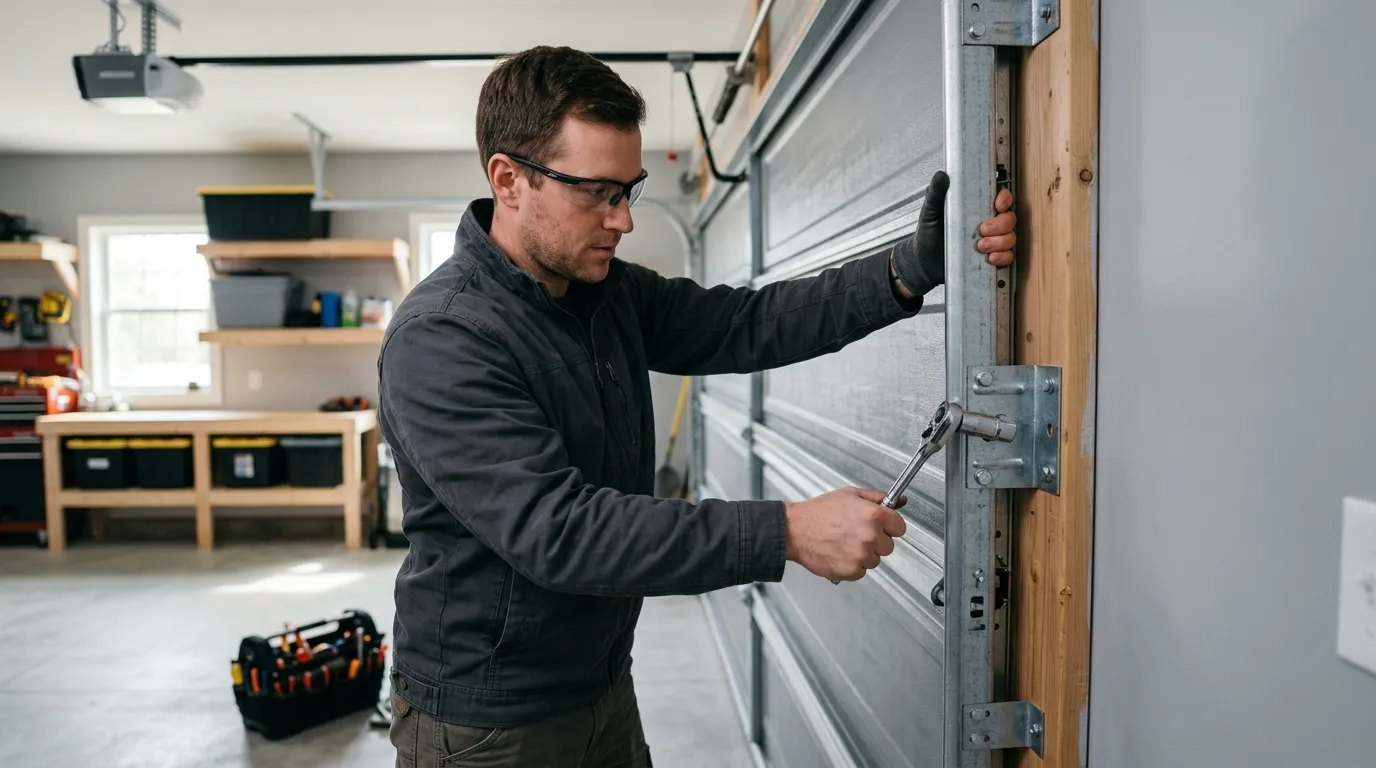
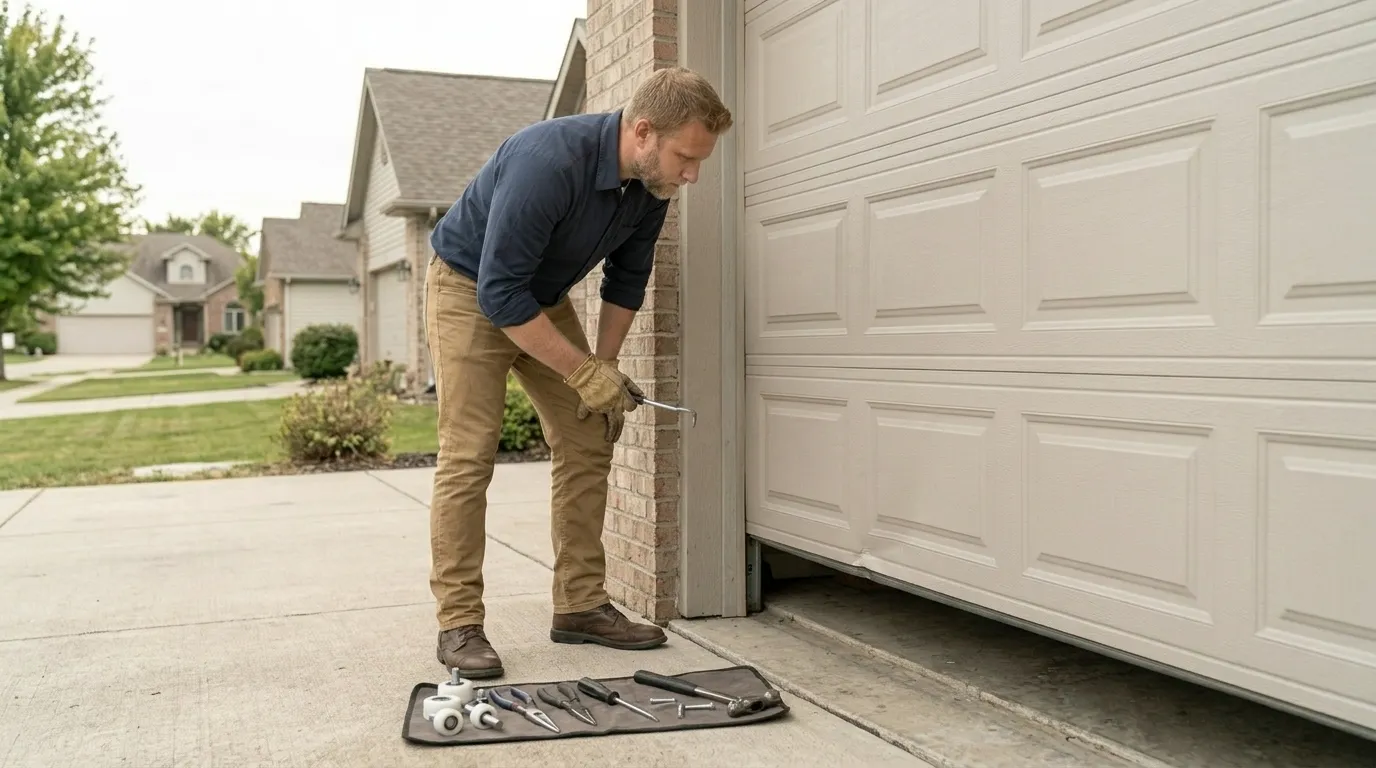
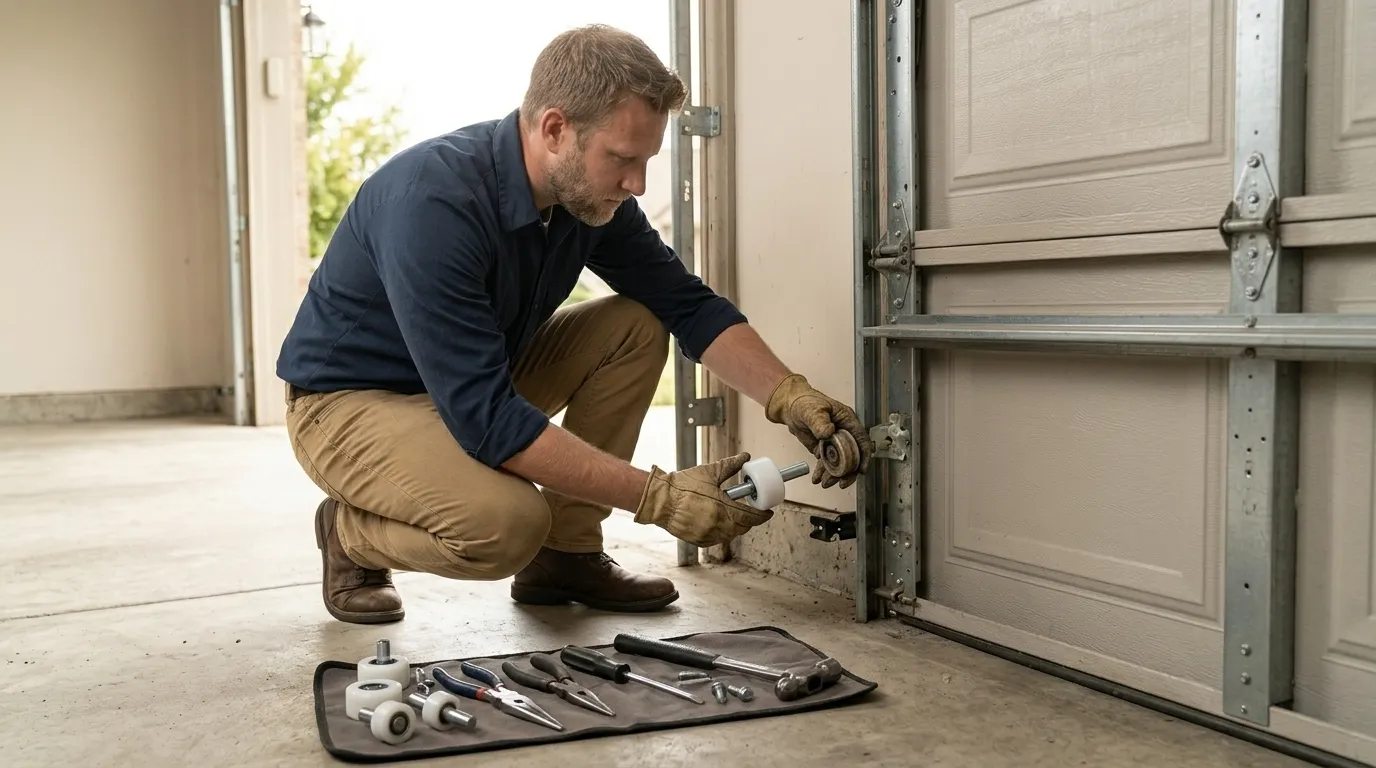
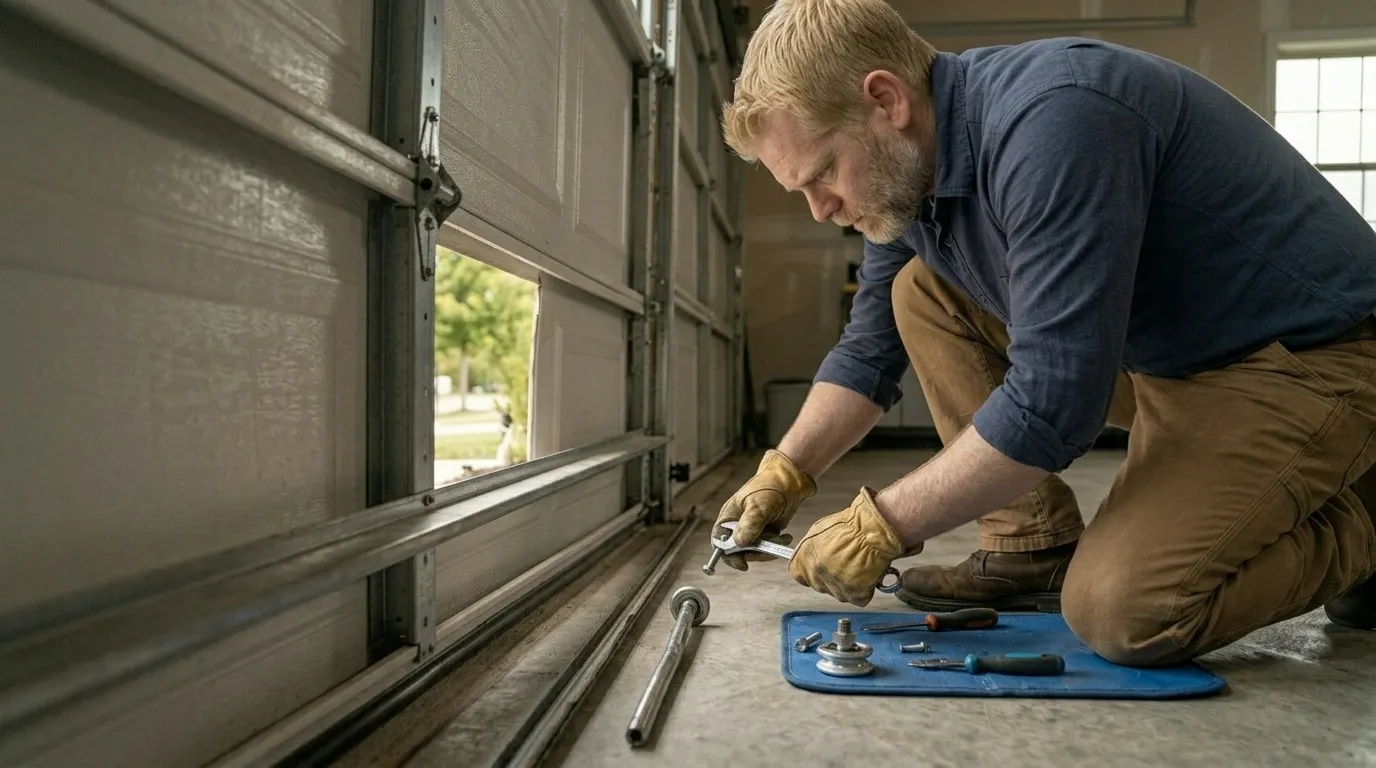
Swapping a roller yourself is doable if the door is up and the spring is holding tension - you release the track retainer, slide the old roller out, and drop a new one in. Nylon rollers with sealed bearings are a straightforward upgrade over steel and they run quieter, which is the fix a lot of homeowners want anyway.
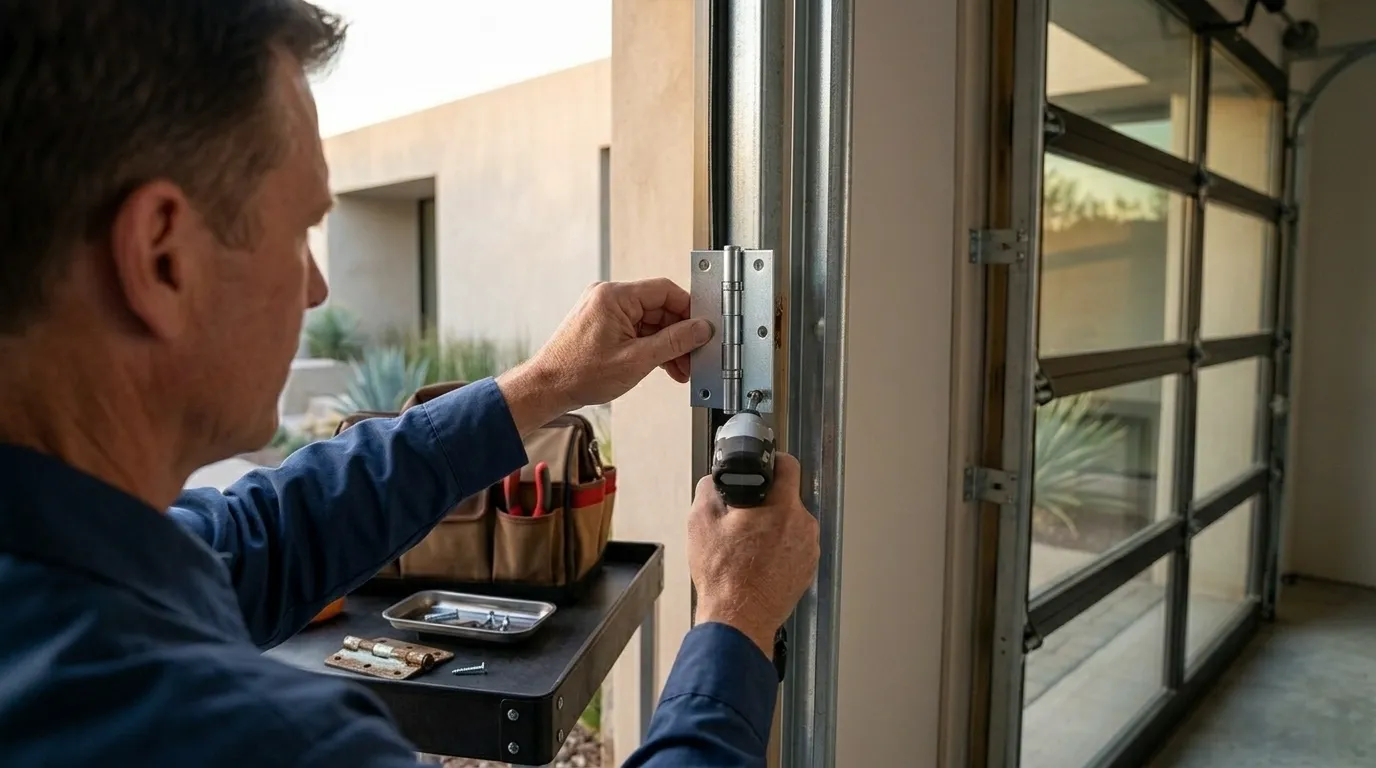
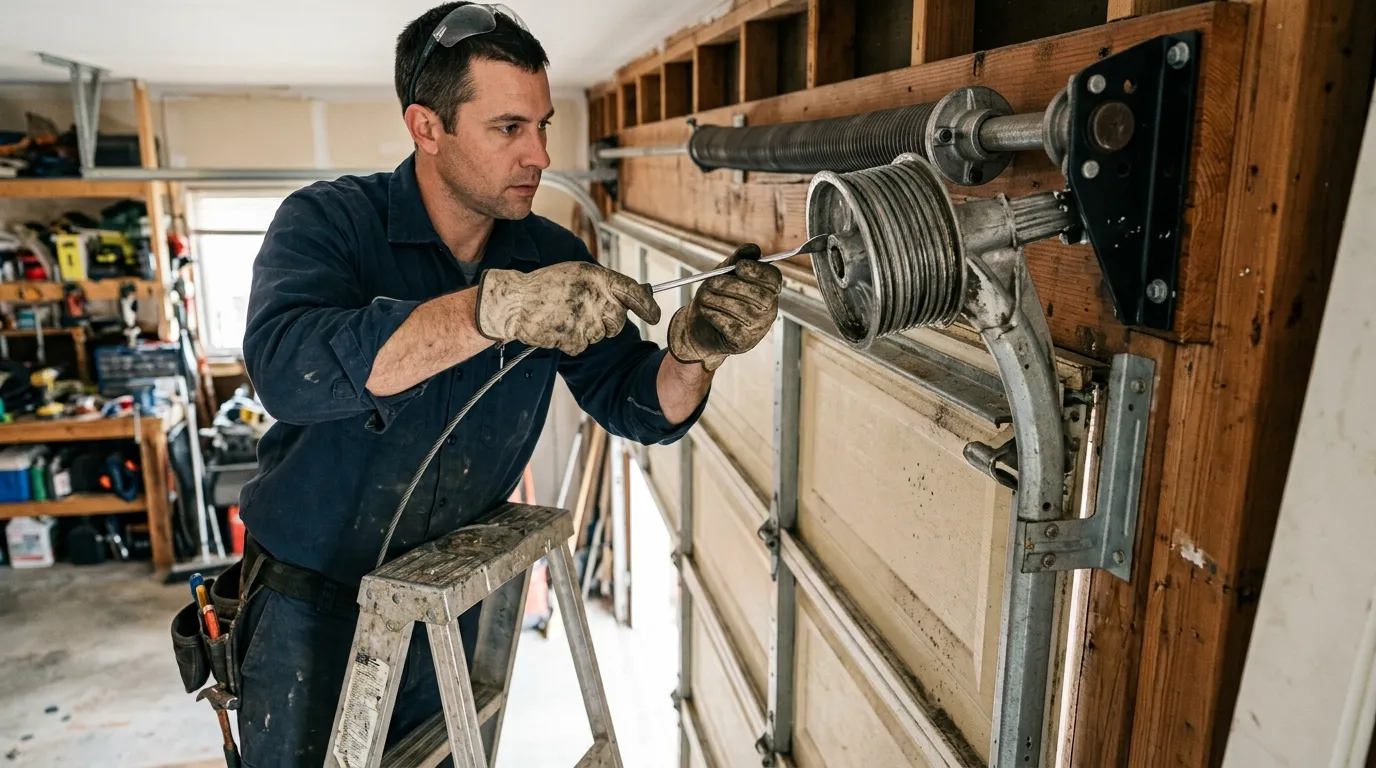
Where it gets past a weekend job is the two rollers at the bottom of the door, closest to the hinges that carry the cables. Pull those wrong and the door can drop off the track while it's under spring tension, and that's not a scraped knuckle - that's a trip to the ER. If your door has a broken spring, a bent track, or a hinge that's cracked along with the worn roller, that's not a roller job anymore, that's three problems stacked on one door, and it's worth a call instead of a second trip to the hardware store.
Where This Job Goes Sideways
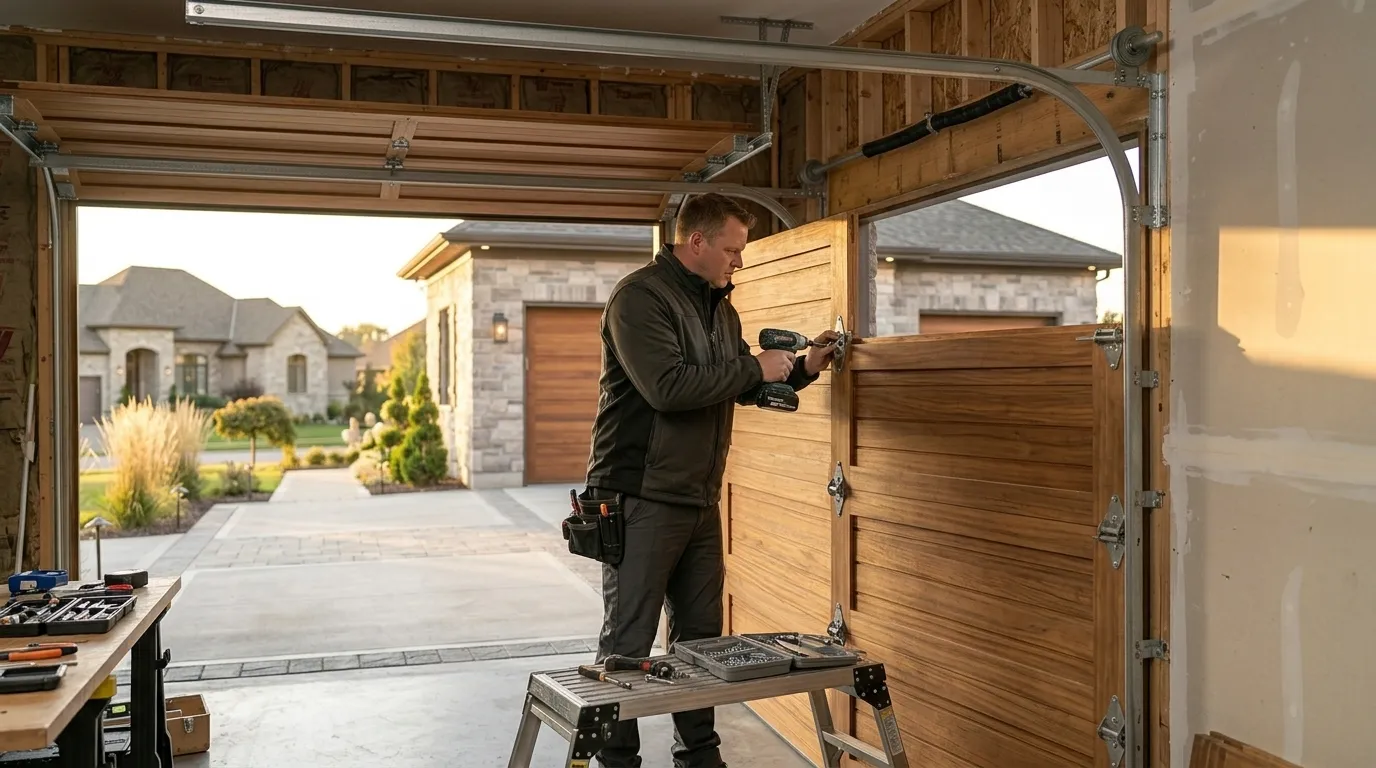
A roller job goes sideways when the track is bent, not just worn. New rollers riding in a track that's out of alignment will chew through in months instead of years, so straightening or replacing the track has to happen first or the repair doesn't hold.
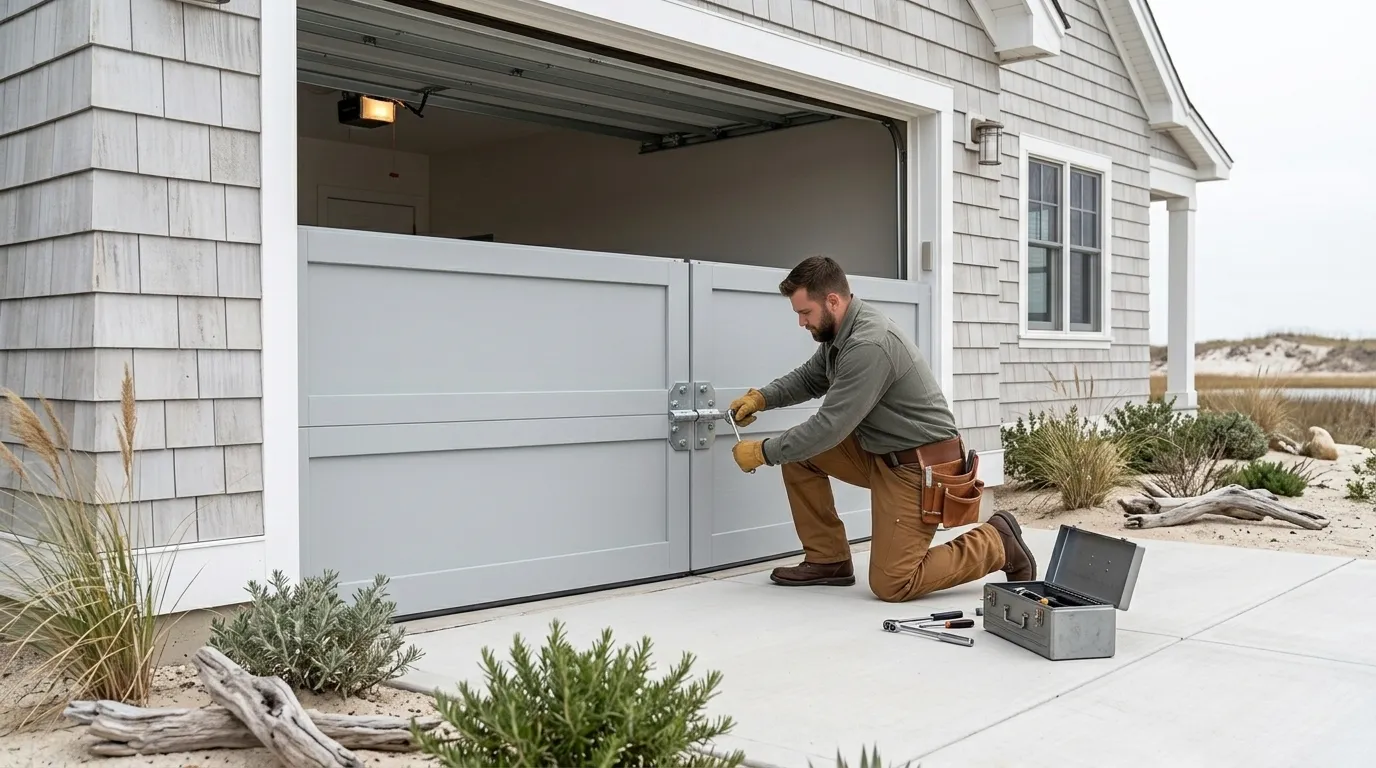
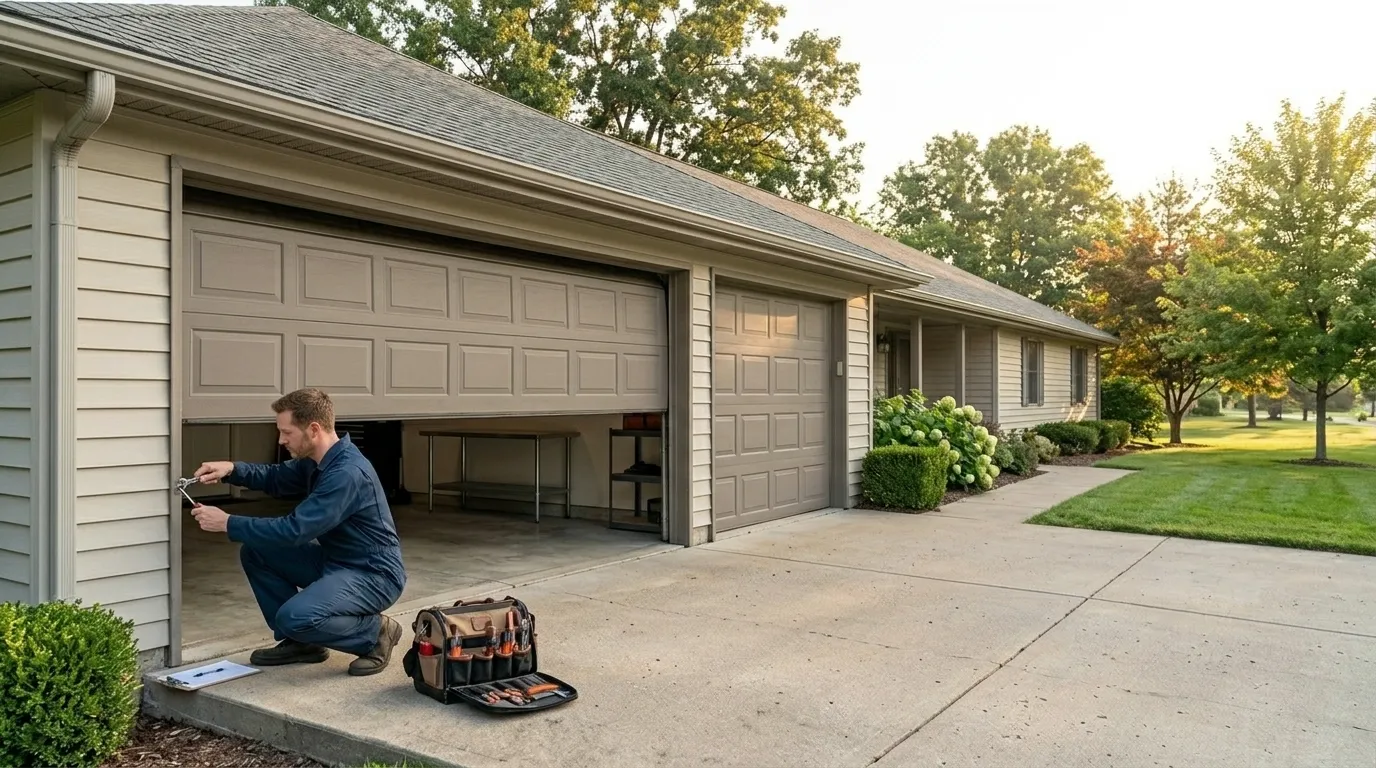
It also goes sideways on double doors, where the center bearing plate carries load from both panels. Worn rollers on both sides at once put uneven strain on that plate, and if it's cracked or loose, a roller swap alone won't quiet the door down.
Honest limitation: if the door is original to a house from the early part of that 1938-1996 build window and the track hardware is the older side-mount style, matching parts can take longer to source than a same-day nylon swap on a newer door. We'll tell you that up front instead of promising a fix we can't get parts for that day.