Getting It Booked In
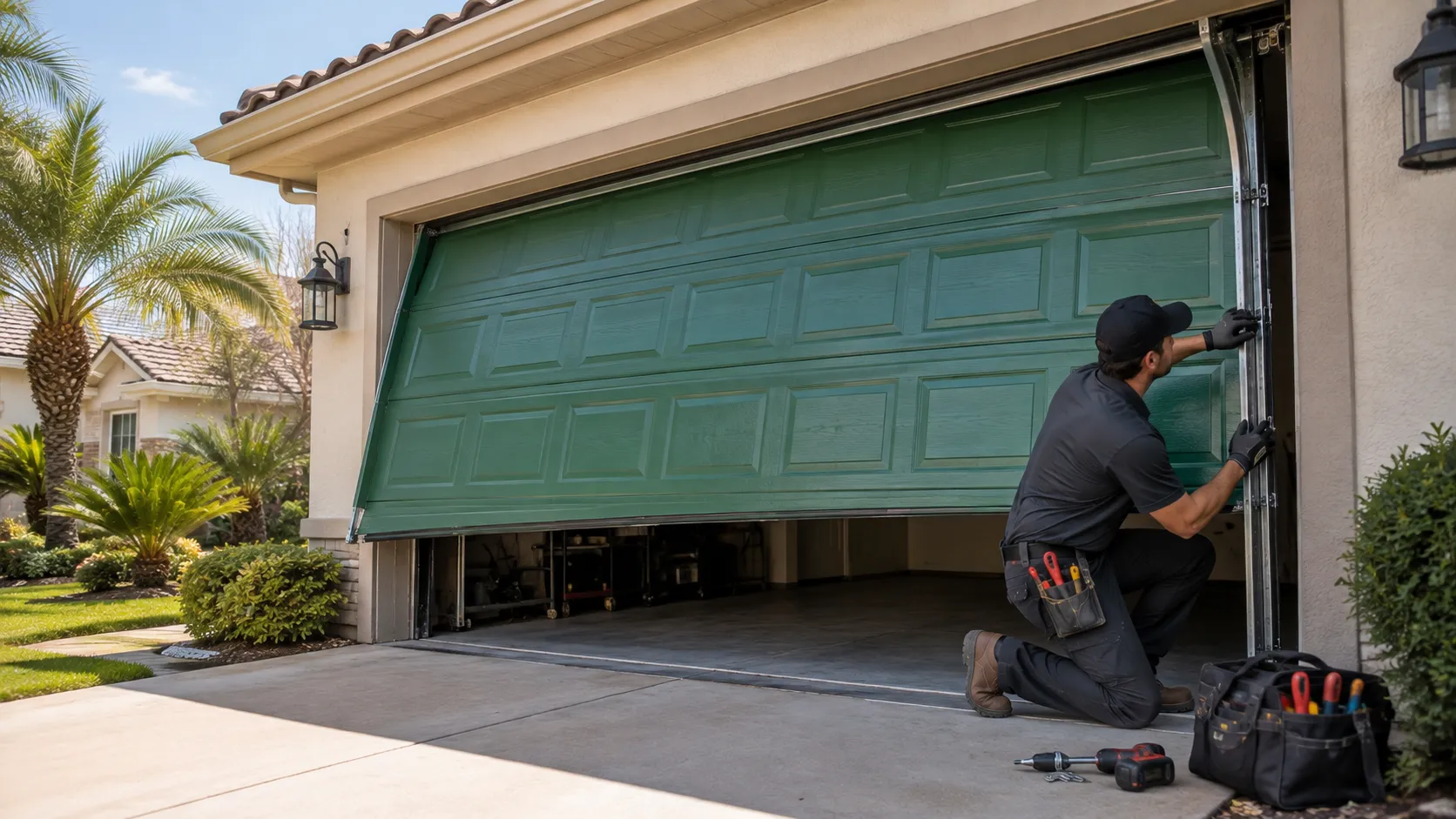
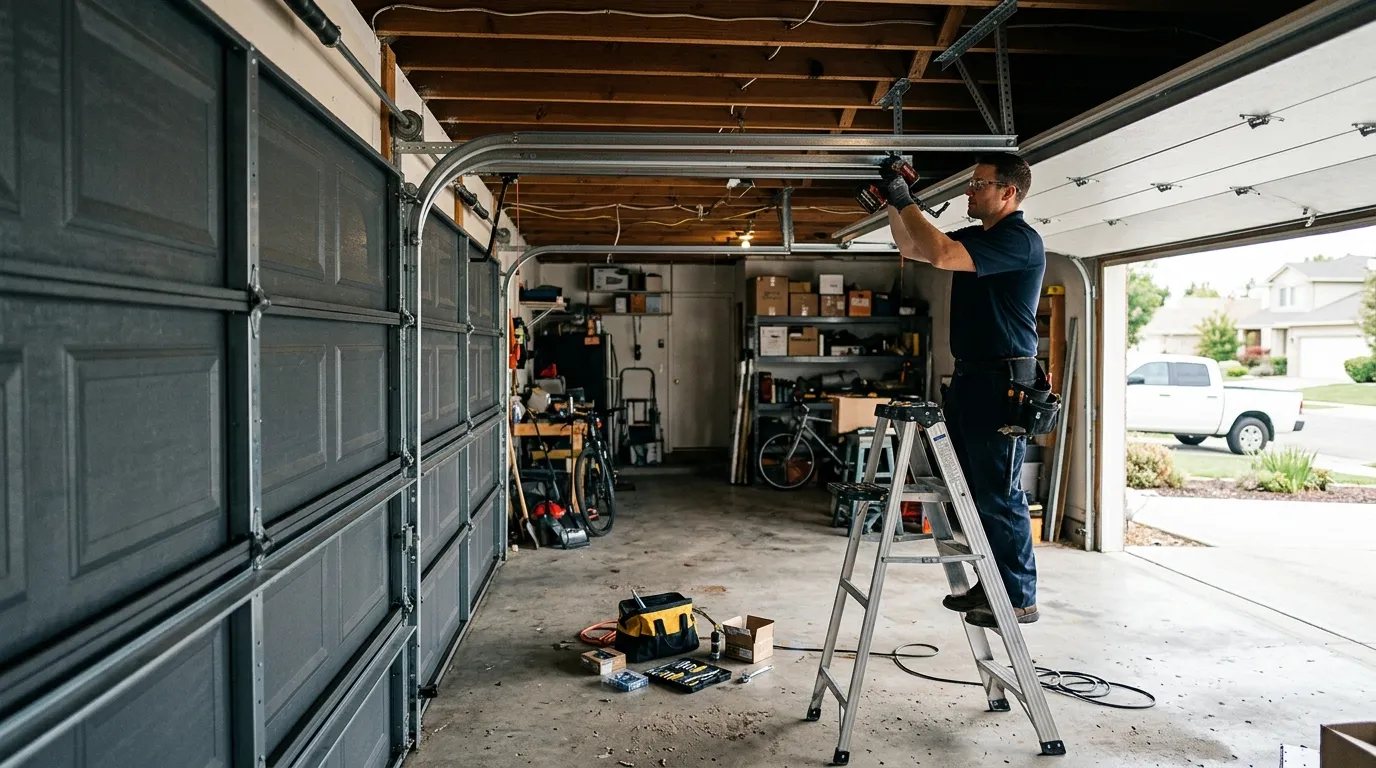
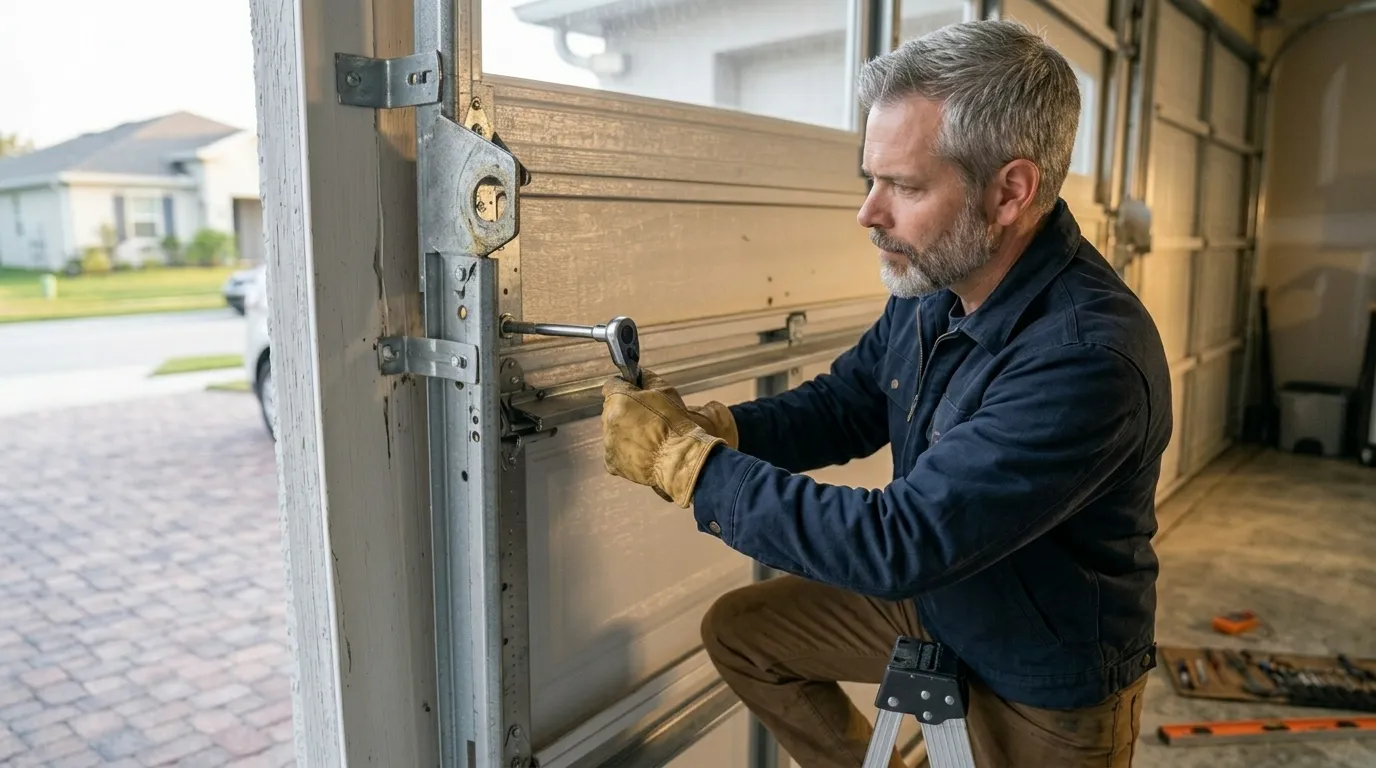
Most calls we get from Glencoe start the same way: a door that worked fine yesterday and won't budge today, or one that's making a grinding sound on the way up. We work out of Northbrook, about 4 miles from Glencoe, so when you call we're not sending someone across the county to get to you. We ask a few questions up front - is the door stuck open or closed, does the opener hum without moving the door, is one side of the door lower than the other - because on a house built around 1955, those answers usually point straight to a torsion spring that's given out or a cable that's frayed through. We don't guess at parts over the phone, but we can usually tell you what we're bringing before we leave the truck. With only 3,033 households in Glencoe, we're not juggling a big backlog of calls from your block specifically, but we are working the whole area between here and Northbrook, so an exact arrival window depends on where the truck already is that day.
What You Pay
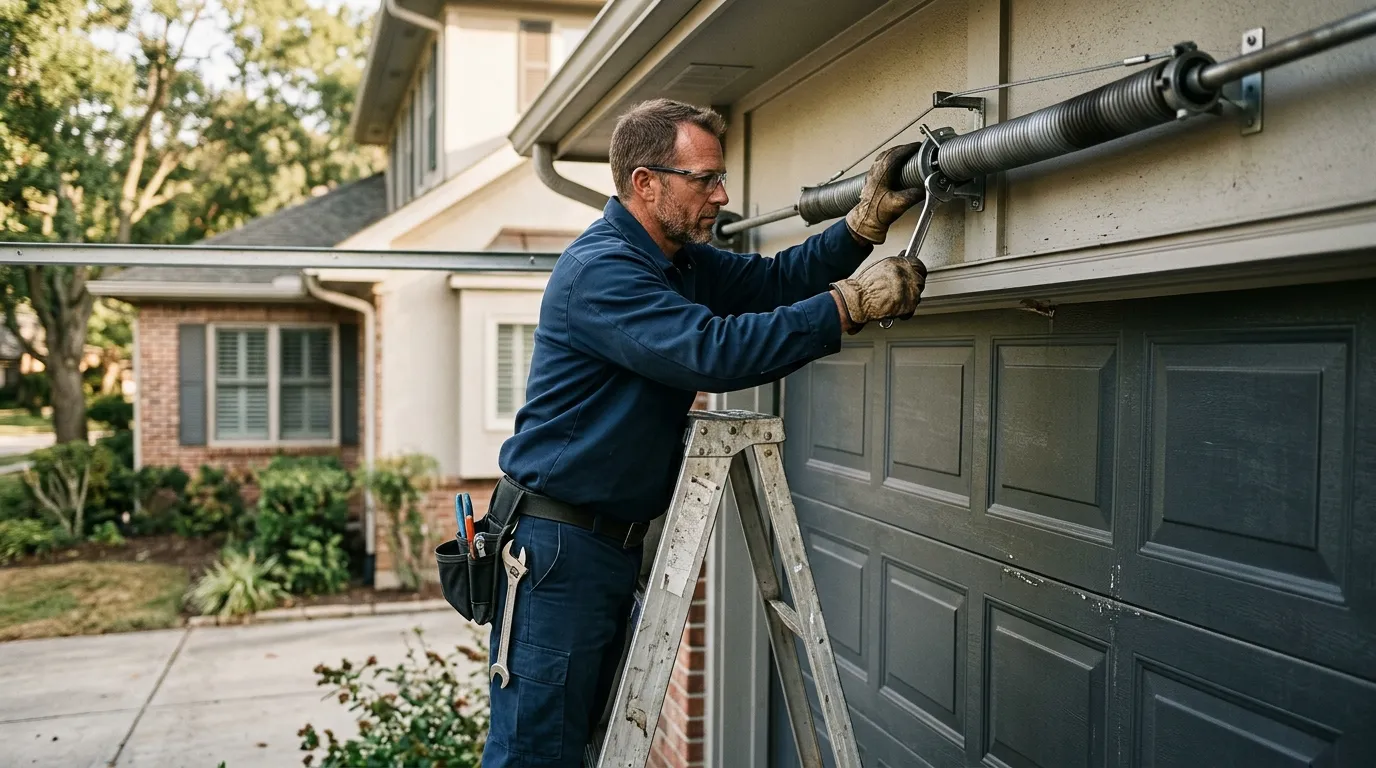
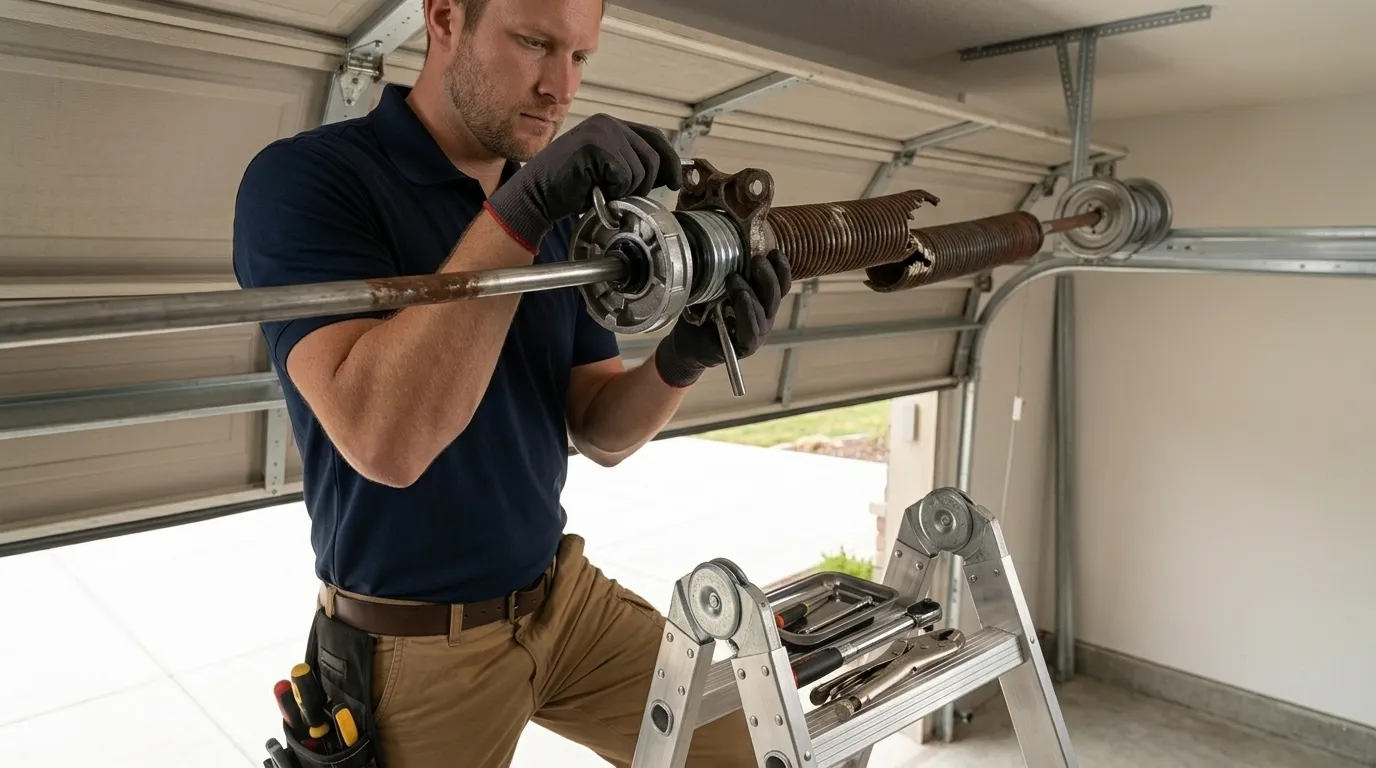
We don't have a published price list for Glencoe repairs, and we're not going to make one up to fill space here. What we can tell you is that the median household income in Glencoe runs around $250,001, well above the wider service area's median of $103,561 - and in practice that means more Glencoe calls end in a full spring and hardware upgrade rather than a patch job, because owners here tend to replace worn parts before they fail twice. A single broken torsion spring on a standard double door is usually the cheapest fix we do. A stripped gear on an older chain-drive opener, or a bent track that's been dragging for months, costs more because there's more to pull apart. We'll give you the number for your door once we've looked at it, not before.
Why It Happens Here
The area sits in a cold-moderate climate band, and that matters more on a door built to a 1950s standard than on something newer. Steel hardware from that era wasn't built with the same weatherstripping or insulation assumptions we design to now, so a garage that swings from summer heat to winter cold puts more stress-cycling on old springs and cables than a modern door sees. We see it most in late fall and again coming out of winter - a spring that's been quietly stretching for years finally lets go once the cold sets in. Glencoe's housing, sitting closer to that 1955 median than a lot of the towns we cover, shows this pattern more than newer subdivisions do. It's not a defect in how the houses were built; it's just hardware doing sixty-plus years of work it was never rated to do forever.