Getting It Booked In
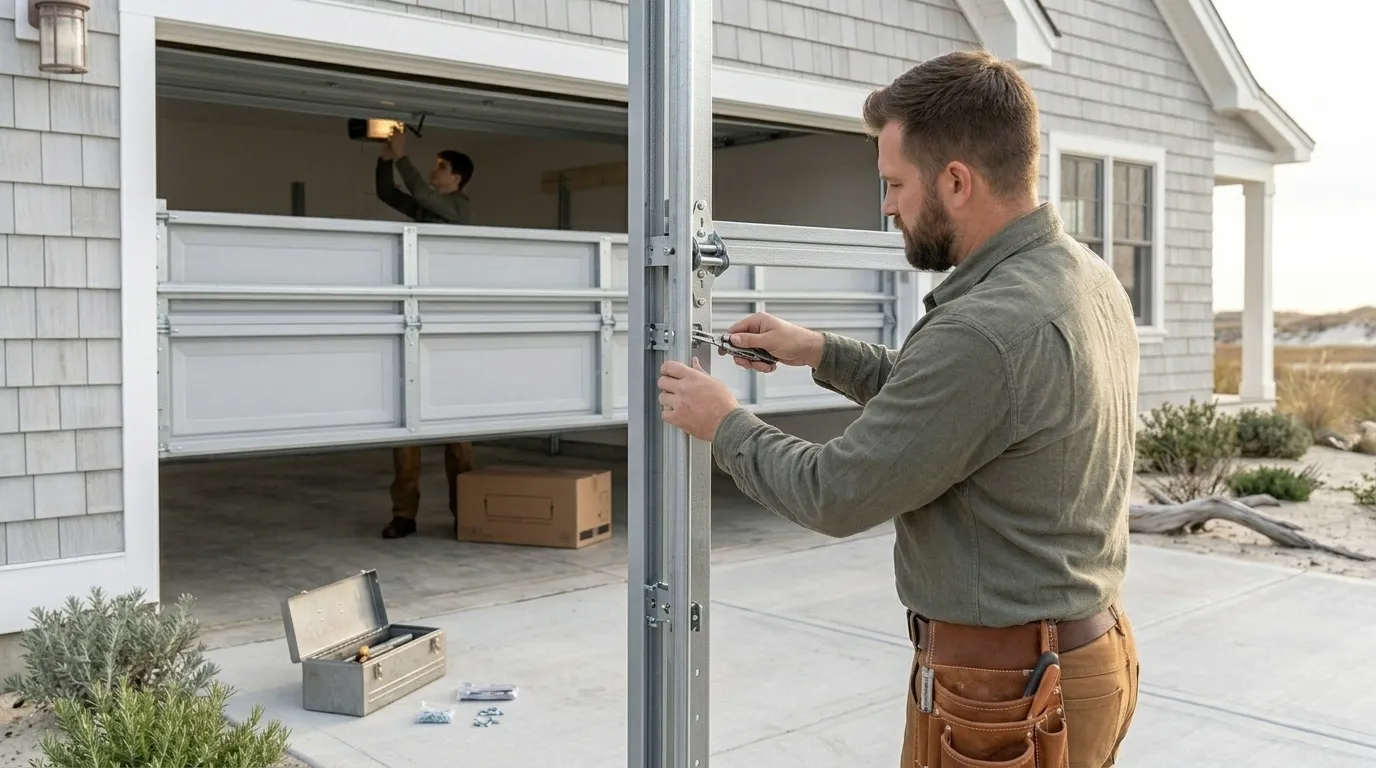
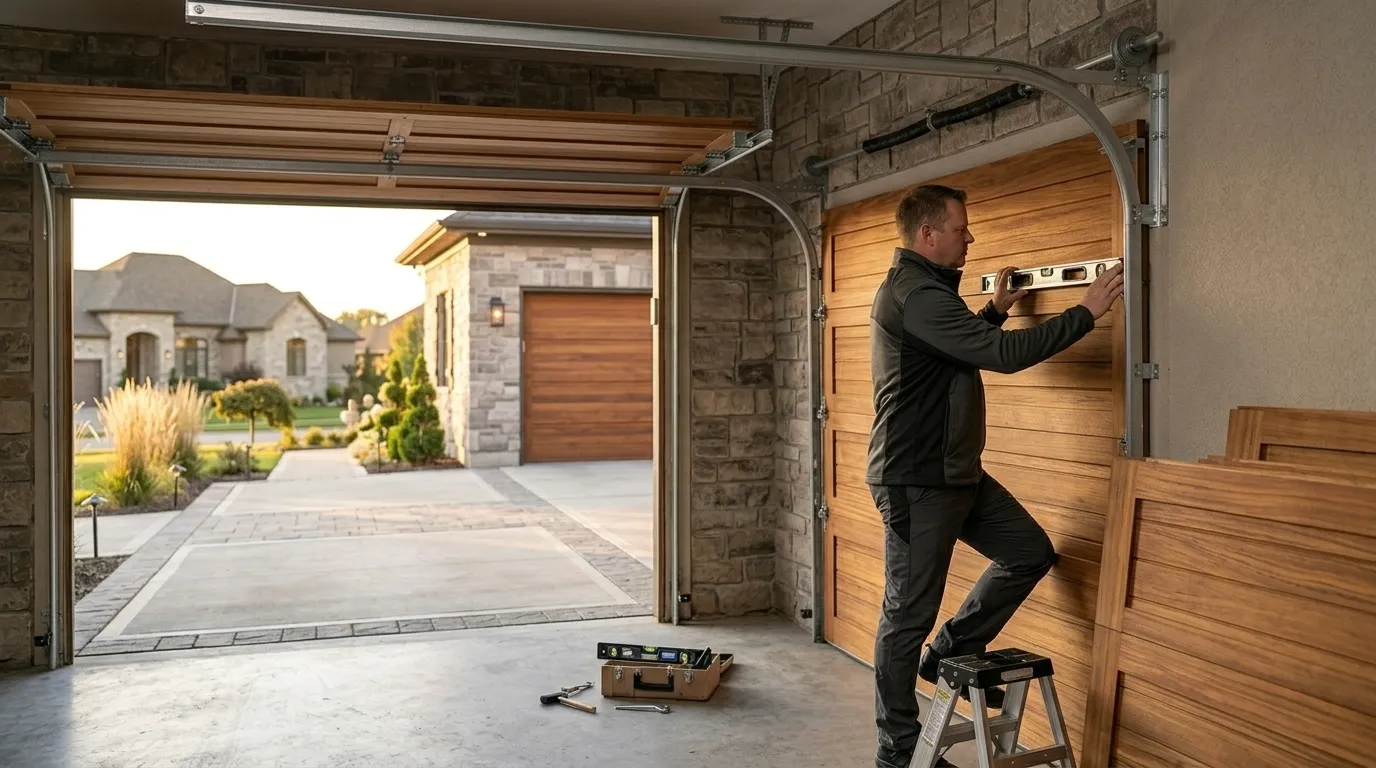
Glencoe sits four miles from our Northbrook shop, so we're not guessing at what we'll find when we pull up. A house built around 1955 usually has a single-car bay barely wide enough for a modern sedan, or a double bay sized well under what current doors ship as standard. Before we quote anything, we measure the opening itself, because a lot of these openings are narrower or shorter than today's stock 16x7 or 9x7 sizes. That means the first visit is about the rough opening and the header, not the door in the catalog. We walk the site, take the numbers, and tell you straight if your opening needs framing work before a new door goes in at all. With roughly 3,033 households in Glencoe, most built in that same postwar stretch, this isn't a one-off problem we're solving for you specifically - it's the norm here, and we plan the visit around it rather than being surprised by it on install day.
What You Pay
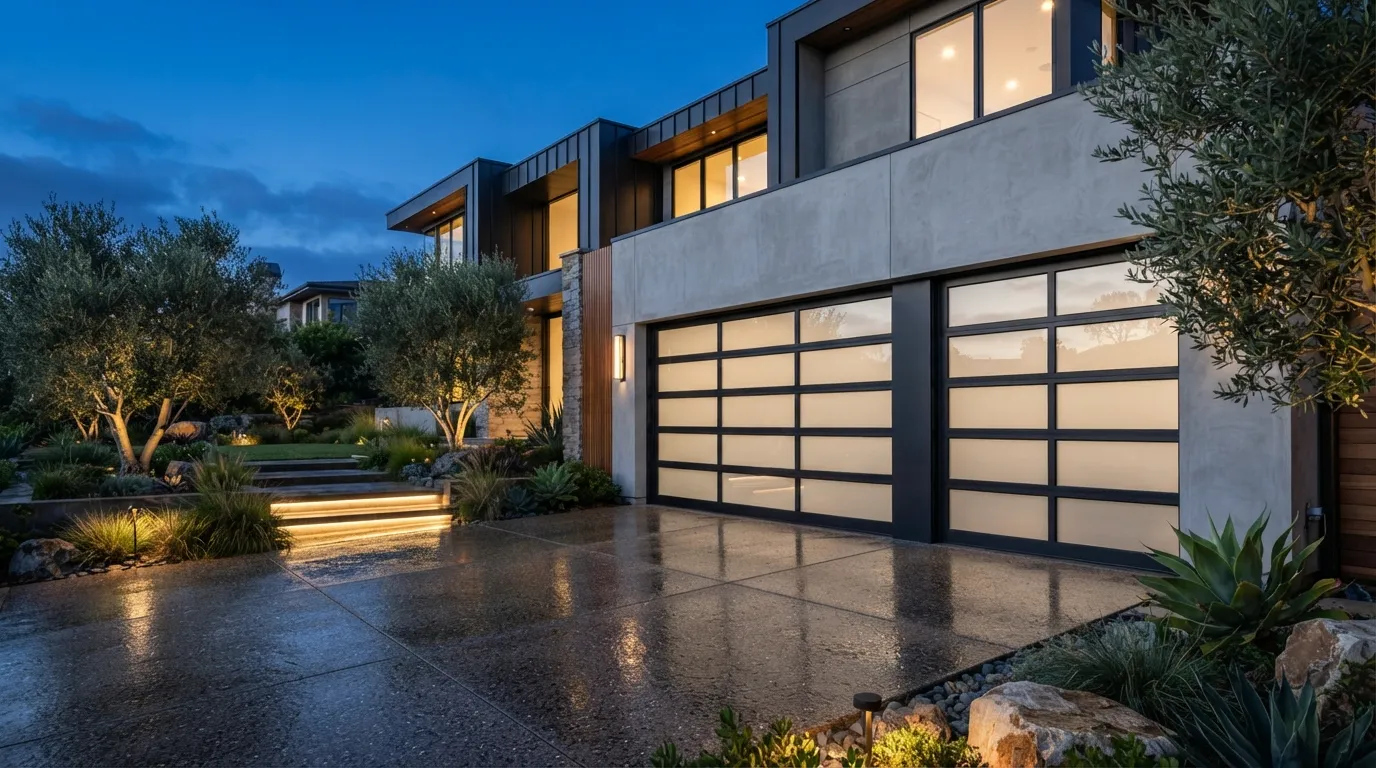
Glencoe's median household income runs around $250,001, well above the wider service area's $103,561, and we mention it because it changes what people actually choose here - insulated steel and composite doors with better hardware tend to be the norm rather than the exception, not the base-model door. We don't have a set price list to hand you here since costs move with size, insulation, and window options, but a narrower 1955-era single opening generally costs less to fill than the wider double bays common in newer construction elsewhere in our area. What we can tell you plainly: if your opening is undersized for today's standard doors, there's a framing cost on top of the door itself, and we'll break that out separately so you're not guessing which part of the bill is the door and which is the carpentry.
Why It Happens Here
Glencoe's housing stock centers on 1955, which puts it squarely in the postwar building wave that shaped garages as an afterthought rather than a planned feature - narrow single bays, low headers, and doors that were never meant to carry insulation or heavy hardware. That's a different problem than what we see in newer construction elsewhere in the area, where openings are already sized for modern doors and the job is closer to a straight swap. The area sits in a cold, moderate climate band, so an uninsulated original door from that era is doing you no favors on a January morning - it's not a comfort upgrade at that point, it's a structural mismatch between a 70-year-old opening and today's weather demands and today's door weights.