The DIY Question
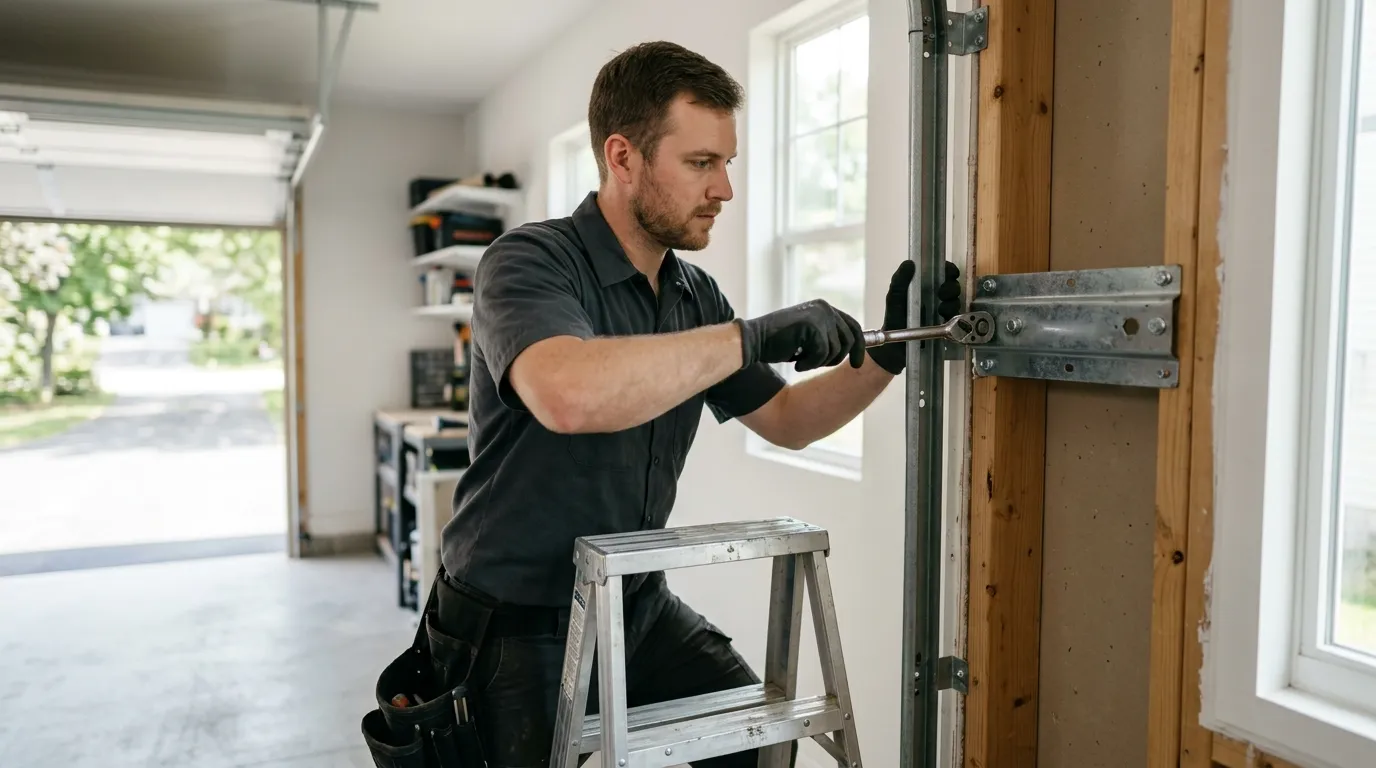
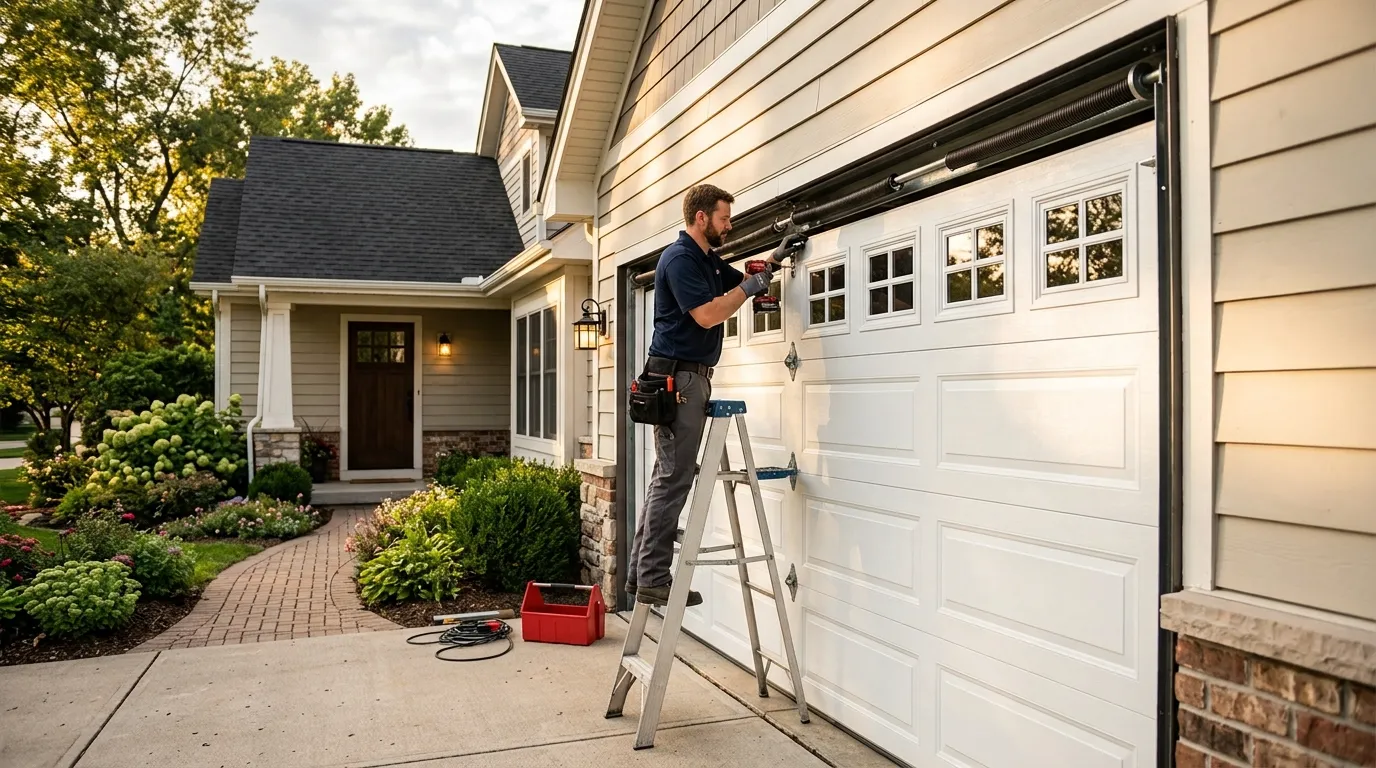
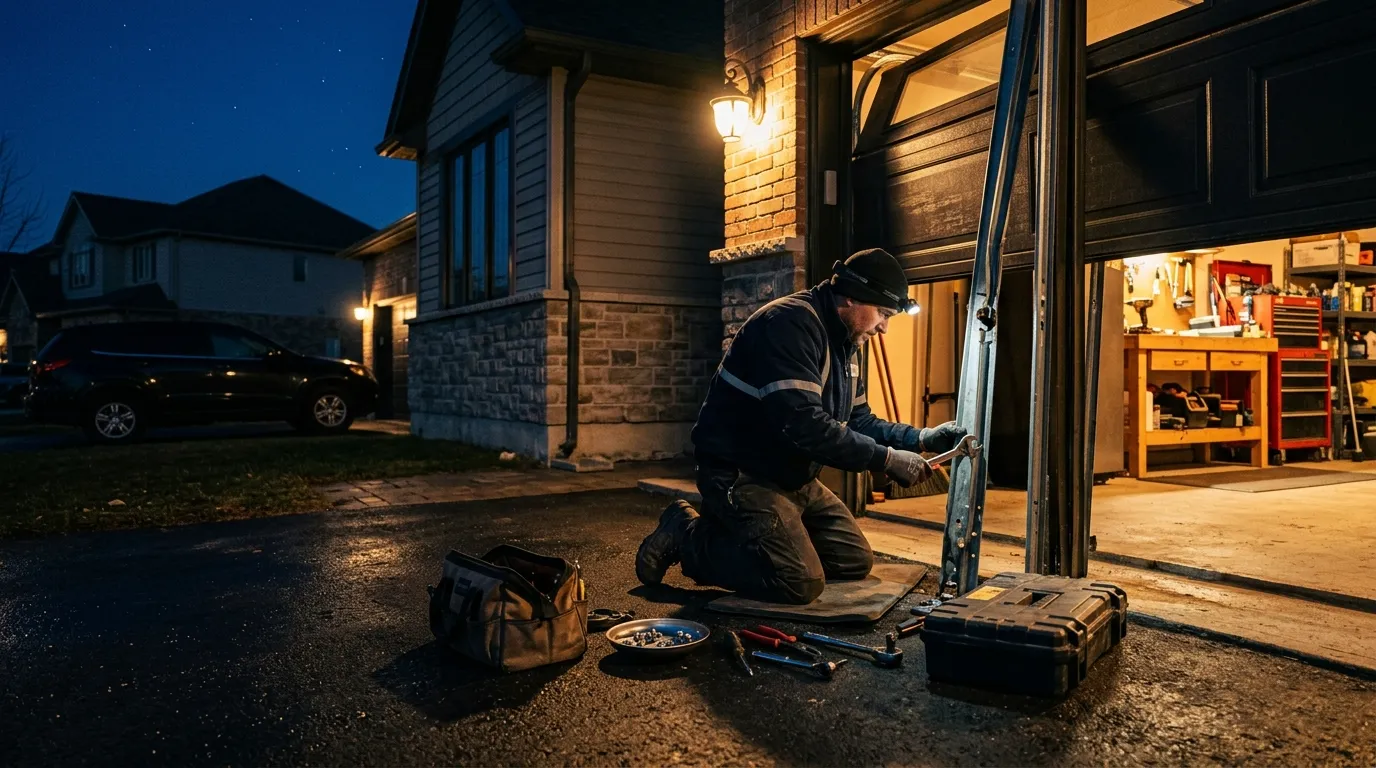
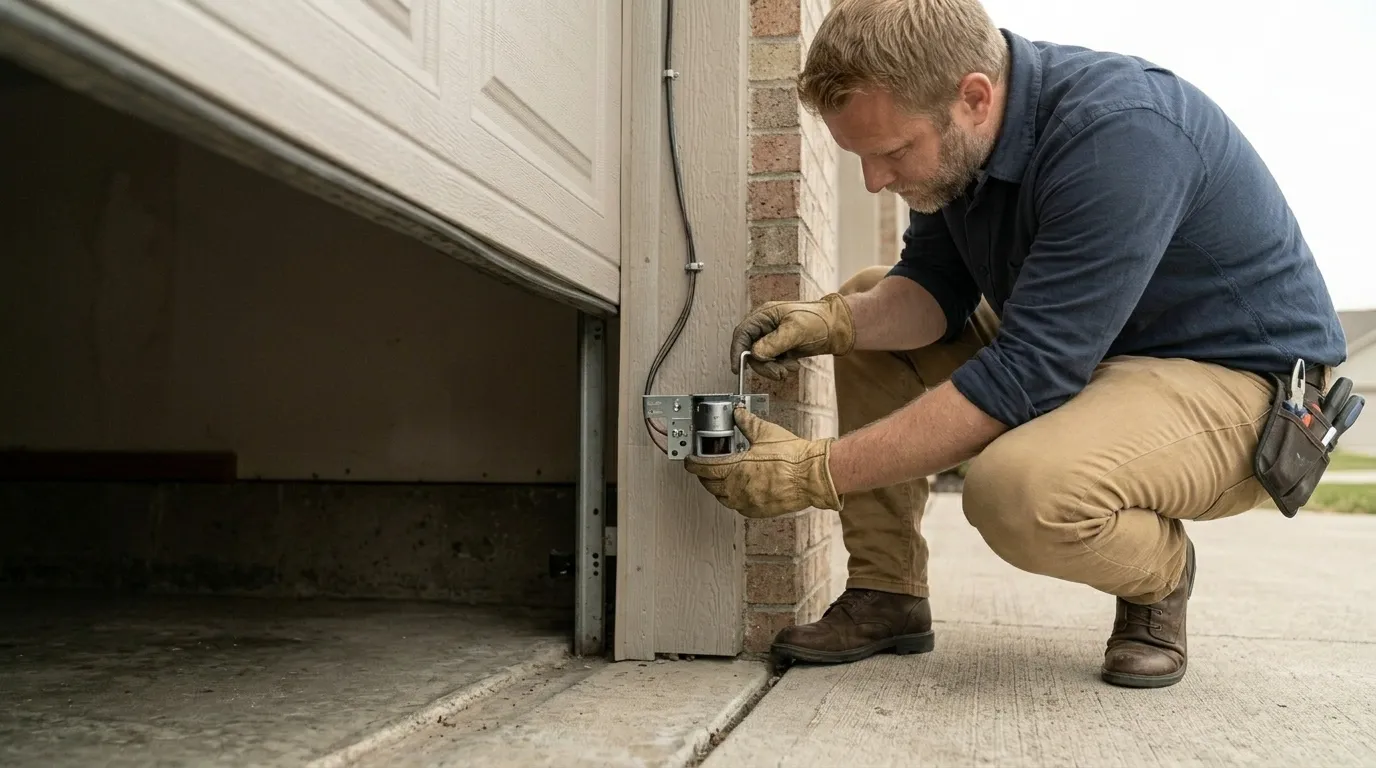
If your house in Libertyville was built around 1976 - which is close to typical for this stretch of the service area - there's a decent chance nobody has ever touched the garage door hardware. Not the springs, not the track, not the cable drums. That's not neglect; it's just how these doors were built. A torsion spring from the mid-70s that's never failed is still on borrowed time, and swapping it yourself means working against 150+ pounds of stored tension on a shaft you've never seen before.
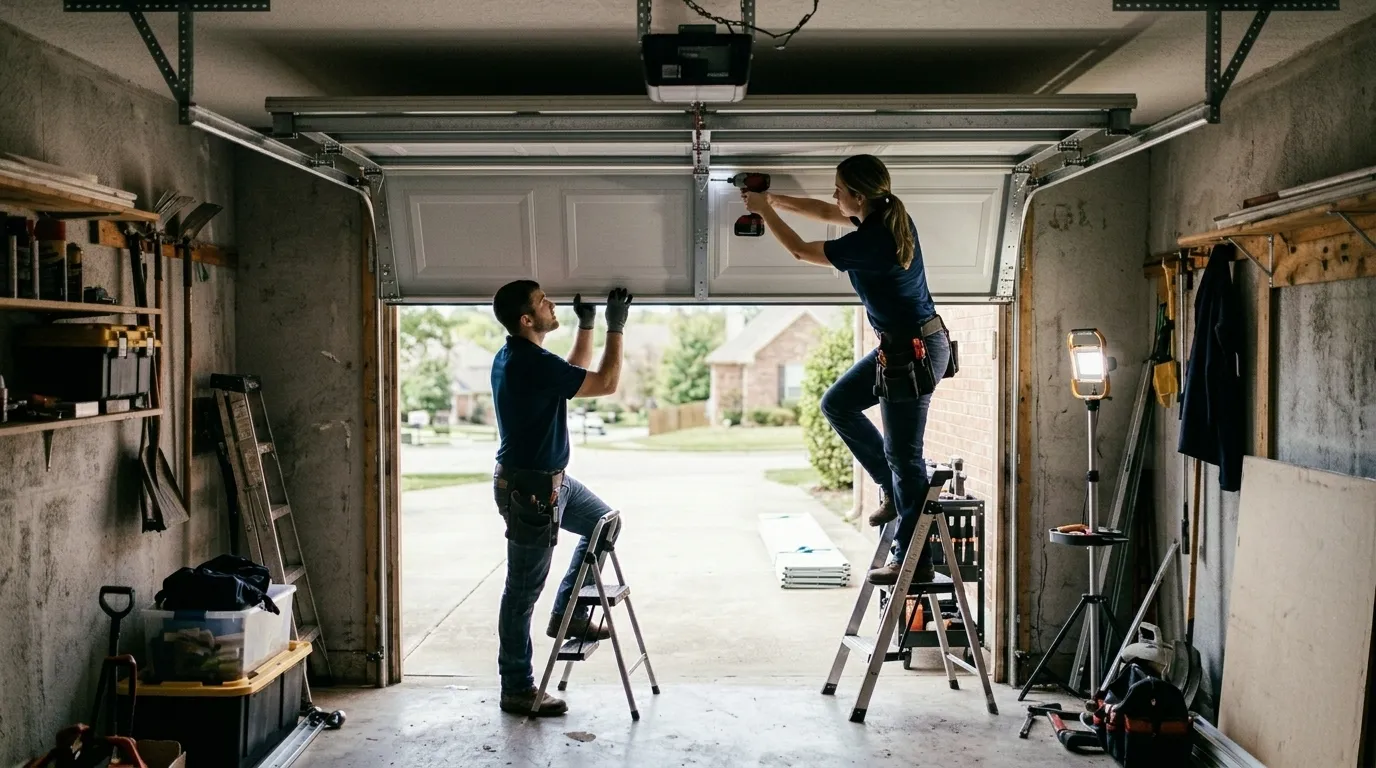
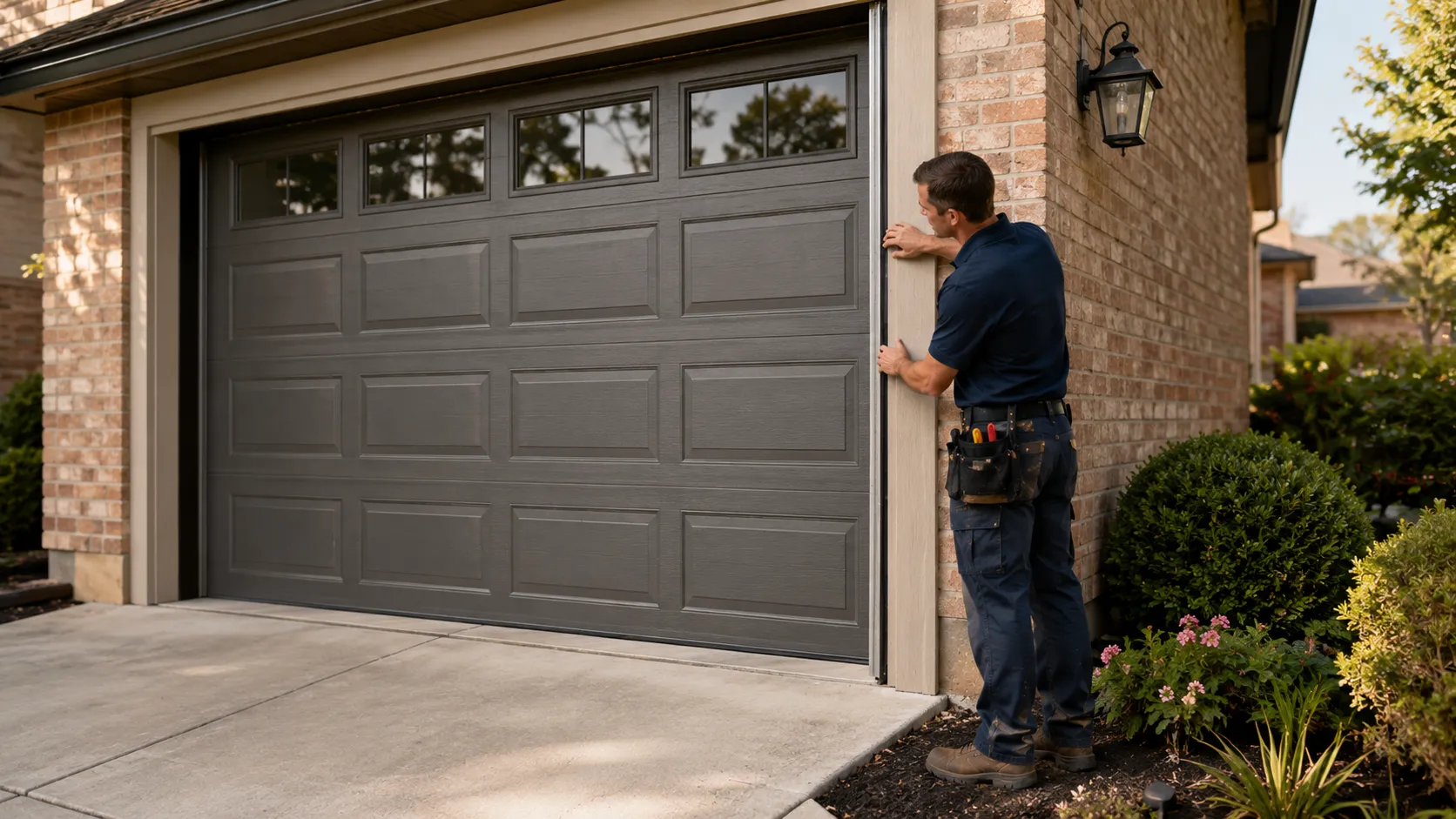
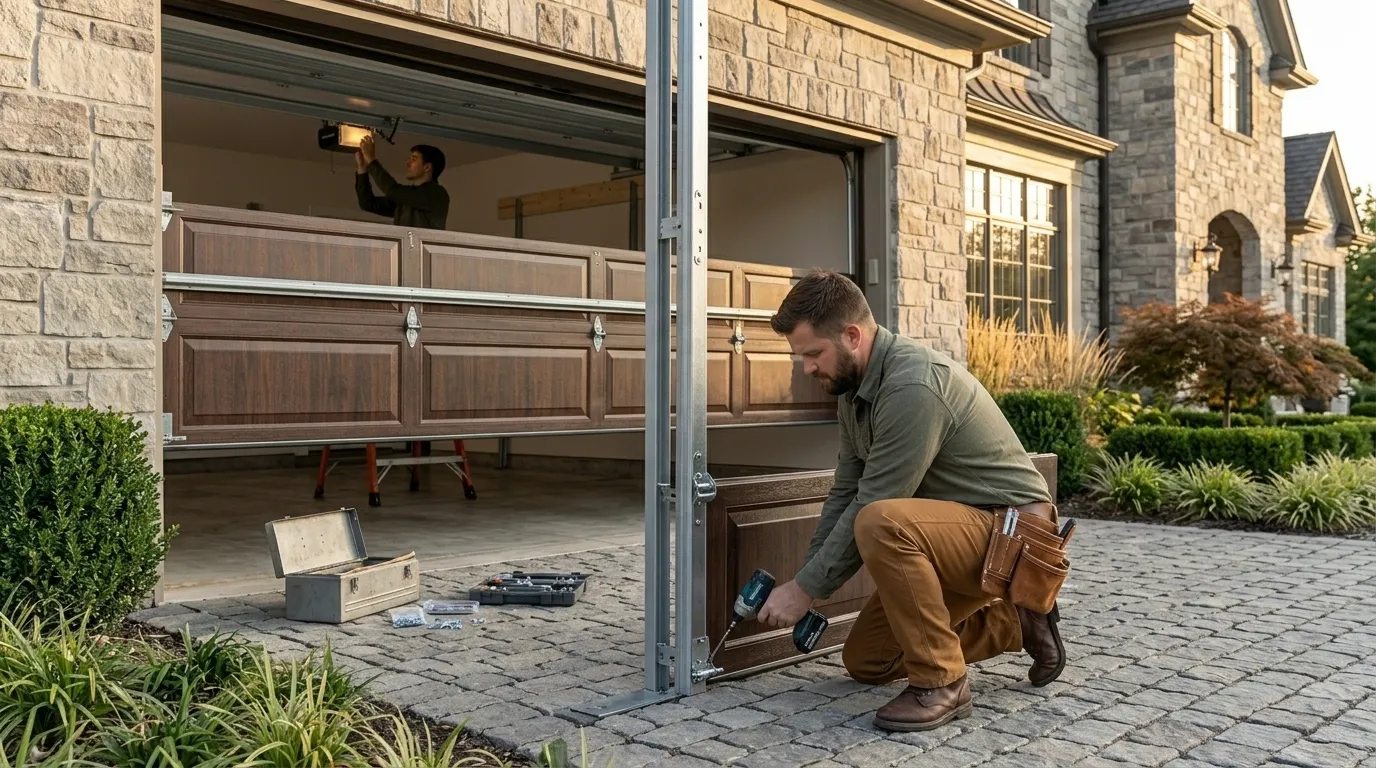
Installing a brand new door is a different job than a spring swap, but the same age problem shows up: if the opening itself has settled or the old jamb brackets are rusted into the framing, a new door won't hang square without some correction first. That part isn't a YouTube afternoon. You can absolutely handle removing the old door panels yourself to save labor time, and plenty of owners do - but the track alignment, the spring sizing for the new door's weight, and the opener mounting are where DIY installs go sideways and get expensive to fix twice.
The honest limit here: we don't sell you a door kit and walk you through it over the phone. If you want it done right the first time on a house this age, that's a job for someone standing in your garage with a tape measure and a torsion bar.
What You Pay
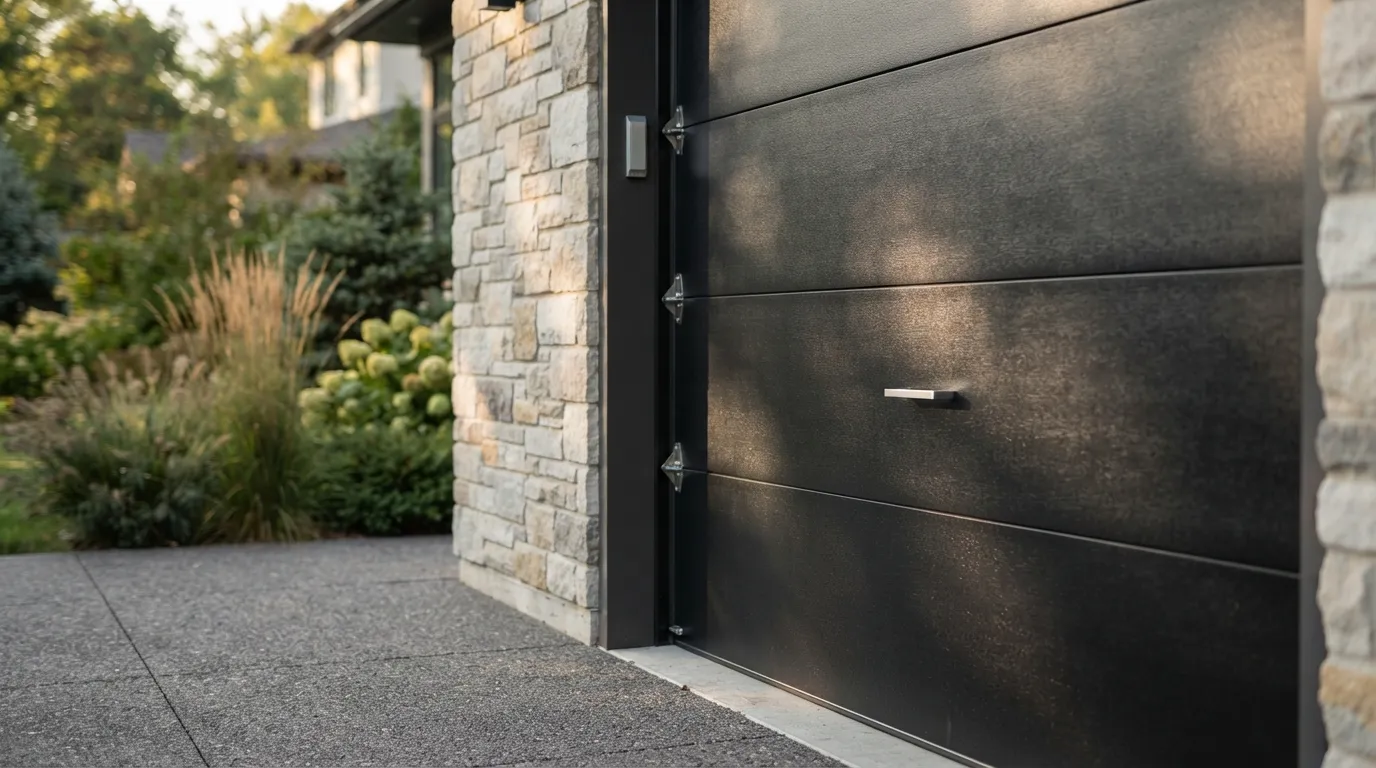
Libertyville's median household income runs around $162,270, well above the wider service area figure of $103,561, and that gap shows up in what people ask for out here - insulated steel doors, quieter belt-drive openers, sometimes custom panel styles instead of the builder-grade steel that came standard in 1976. None of that changes the mechanics of the install, but it does change what we quote, because materials and door weight drive the number more than labor does.
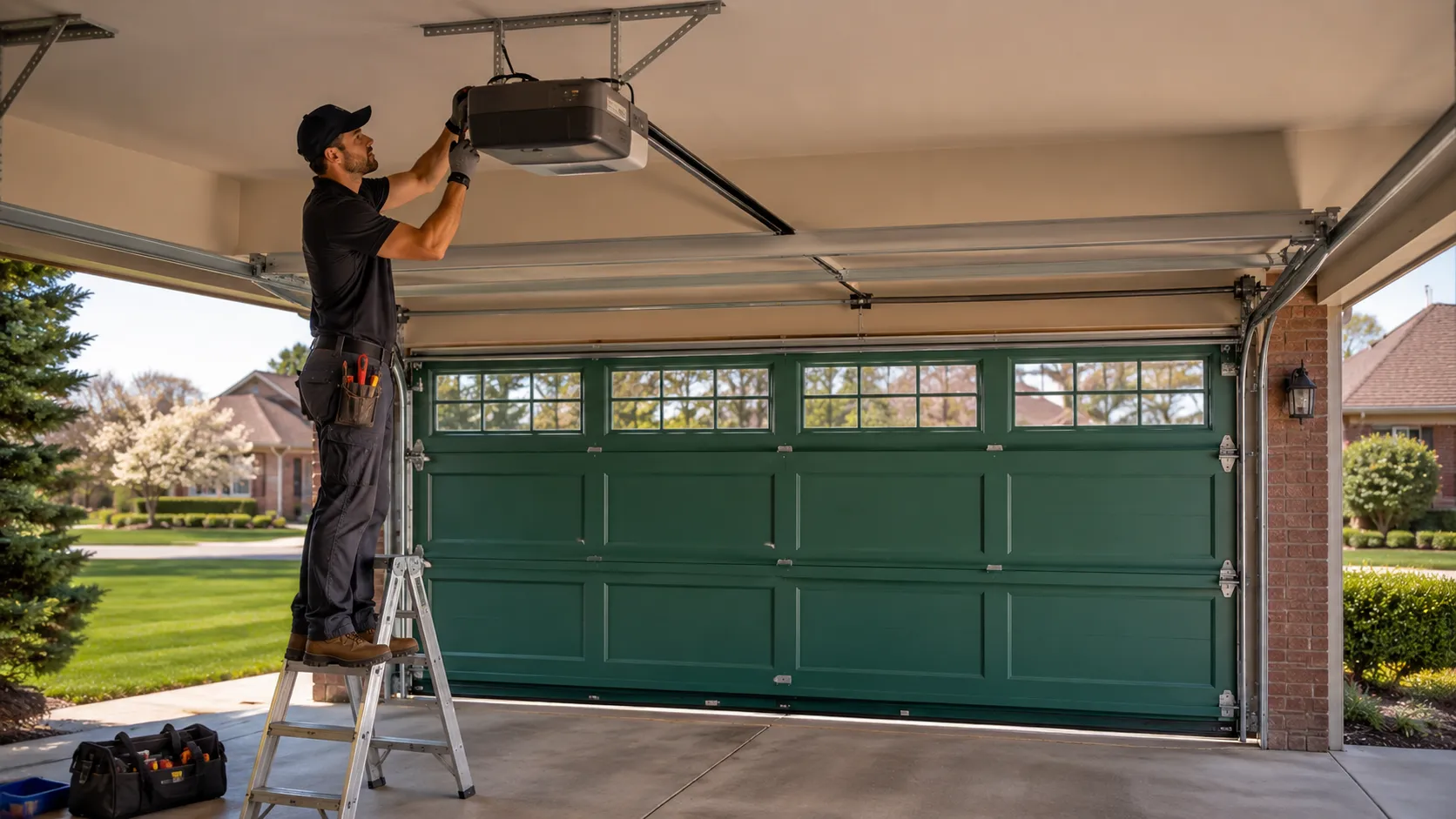
We're not going to print a flat price here, because your opening size, your current header condition, and the door you pick all move the total. What we can tell you is that a straight swap - same size opening, new door on existing track hardware if it's still sound - costs less than a full replacement that includes new track, new springs sized for a heavier insulated door, and a new opener. Ask us to walk through both numbers before you commit to either.
Why It Happens Here
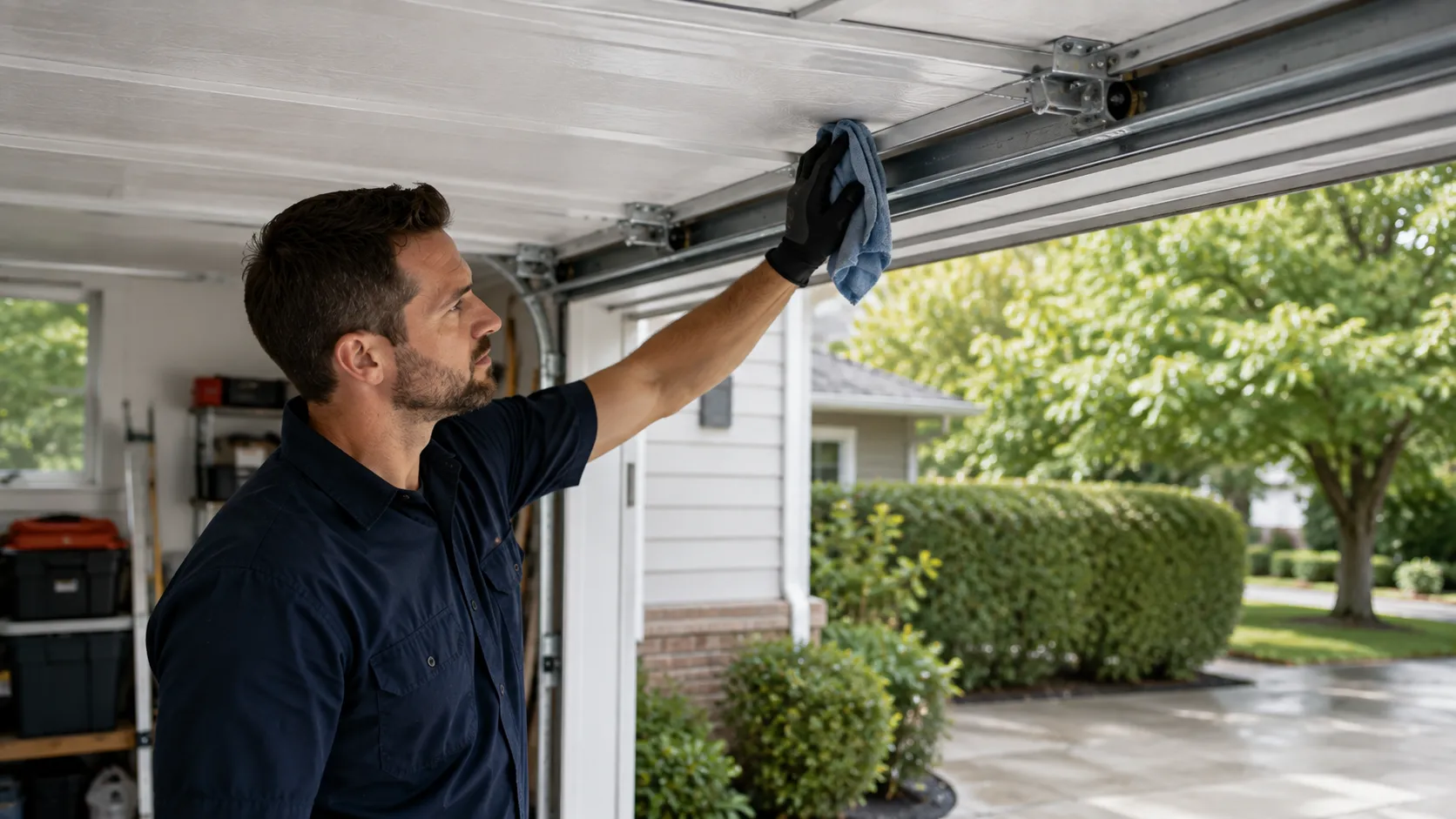
The service area overall skews to housing built between 1938 and 1996, with a median around 1974; Libertyville tracks close to that, at roughly 1976. Combine that build era with the region's cold-moderate climate band and you get a specific failure pattern: steel torsion springs that have cycled through 45-plus winters of temperature swings, galvanized cable that's outlasted its coating, and single-layer steel doors that were never insulated to begin with.
With 7,573 households in Libertyville, a lot of those original doors are still up, just getting heavier to lift and louder on the way down. That's usually the point where a homeowner calls not for a repair, but for a new door outright - the old one still closes, but the hardware underneath it is done, and patching a 1970s system with new-old-stock parts isn't always possible anymore. Replacing the whole assembly at once, rather than piecing it back together, tends to be the more practical call once a door's original spring and track are both original to the house.