The DIY Question
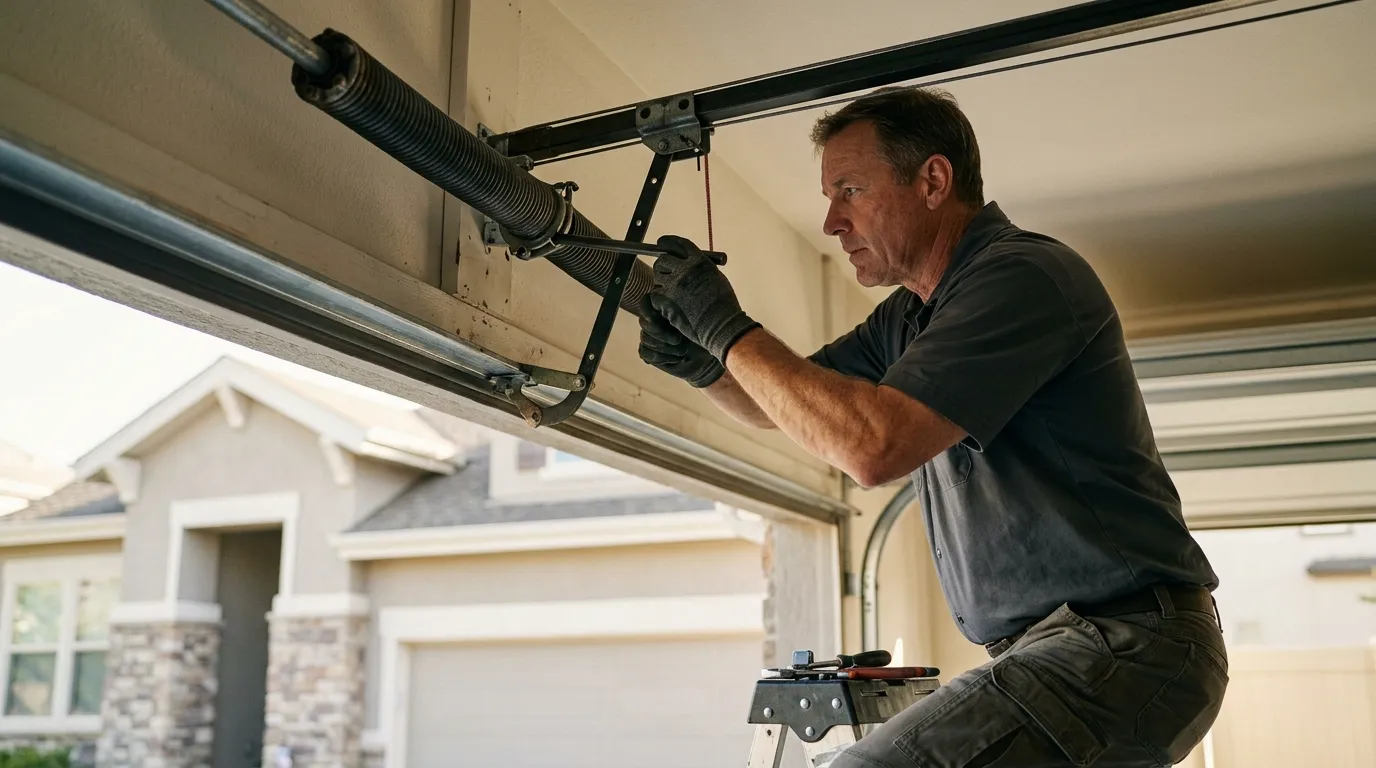
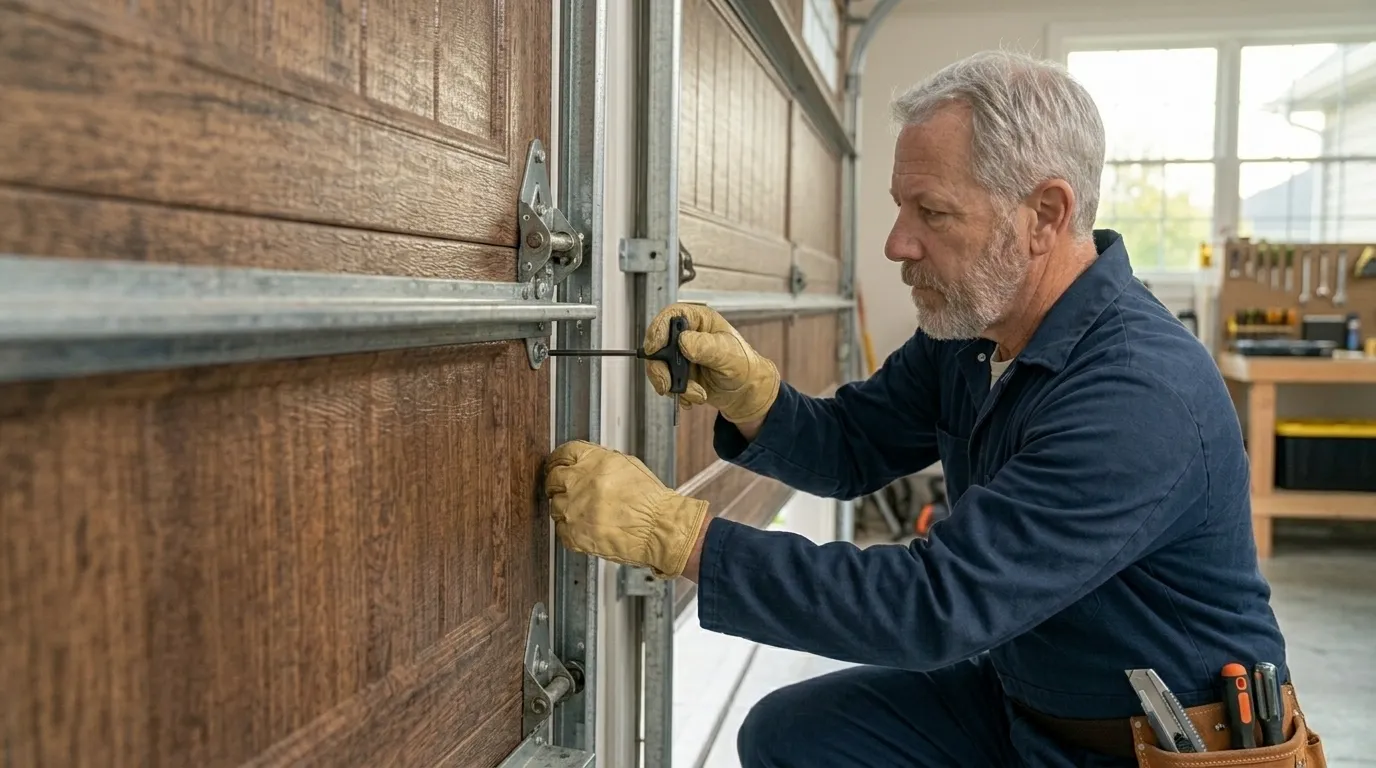
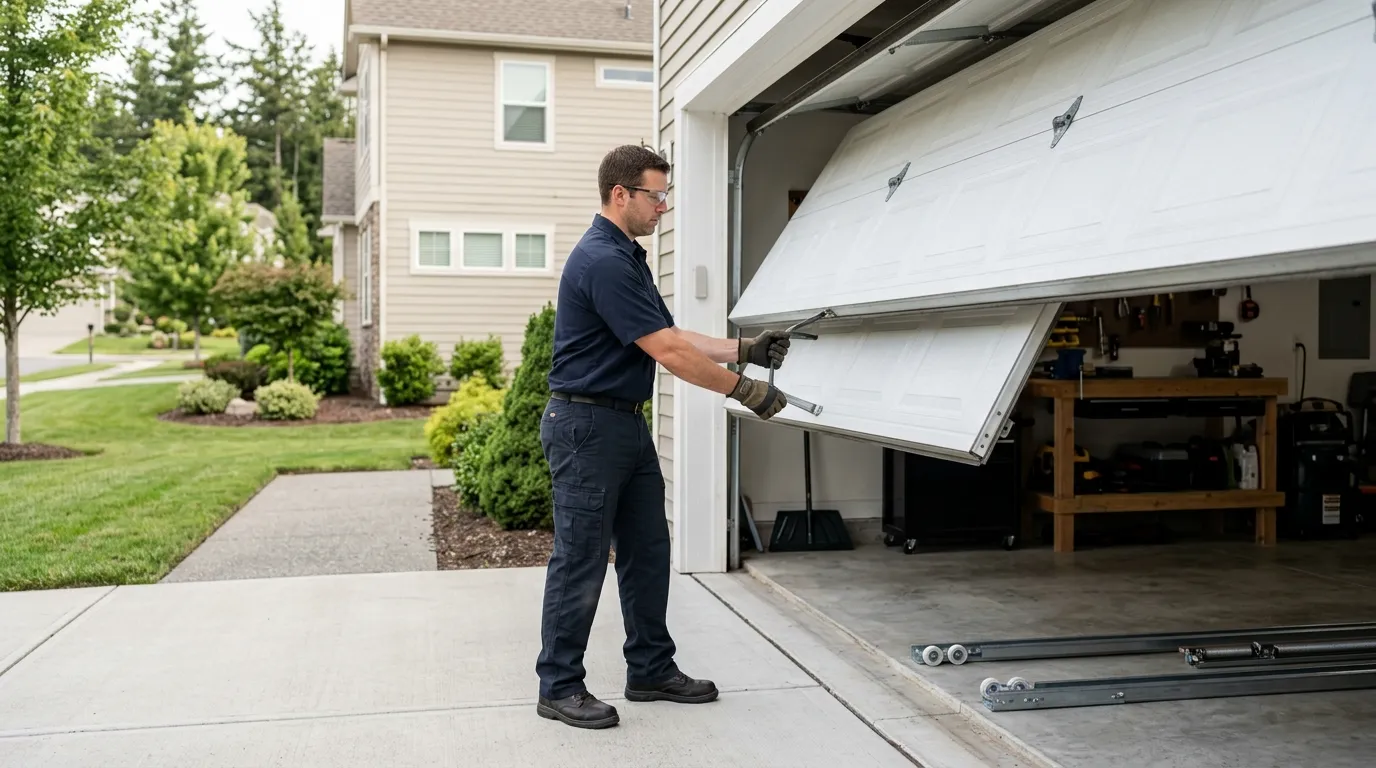
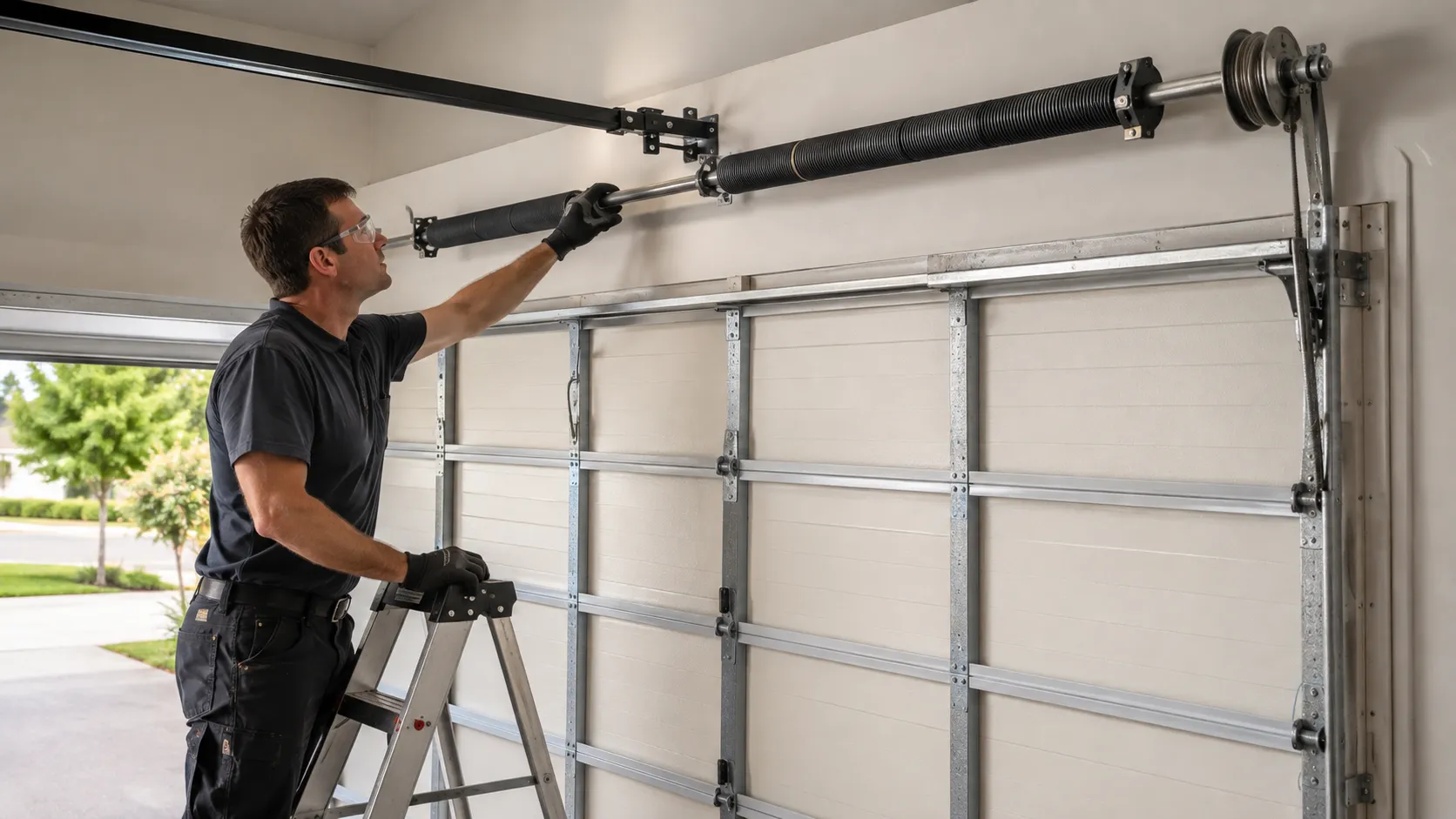
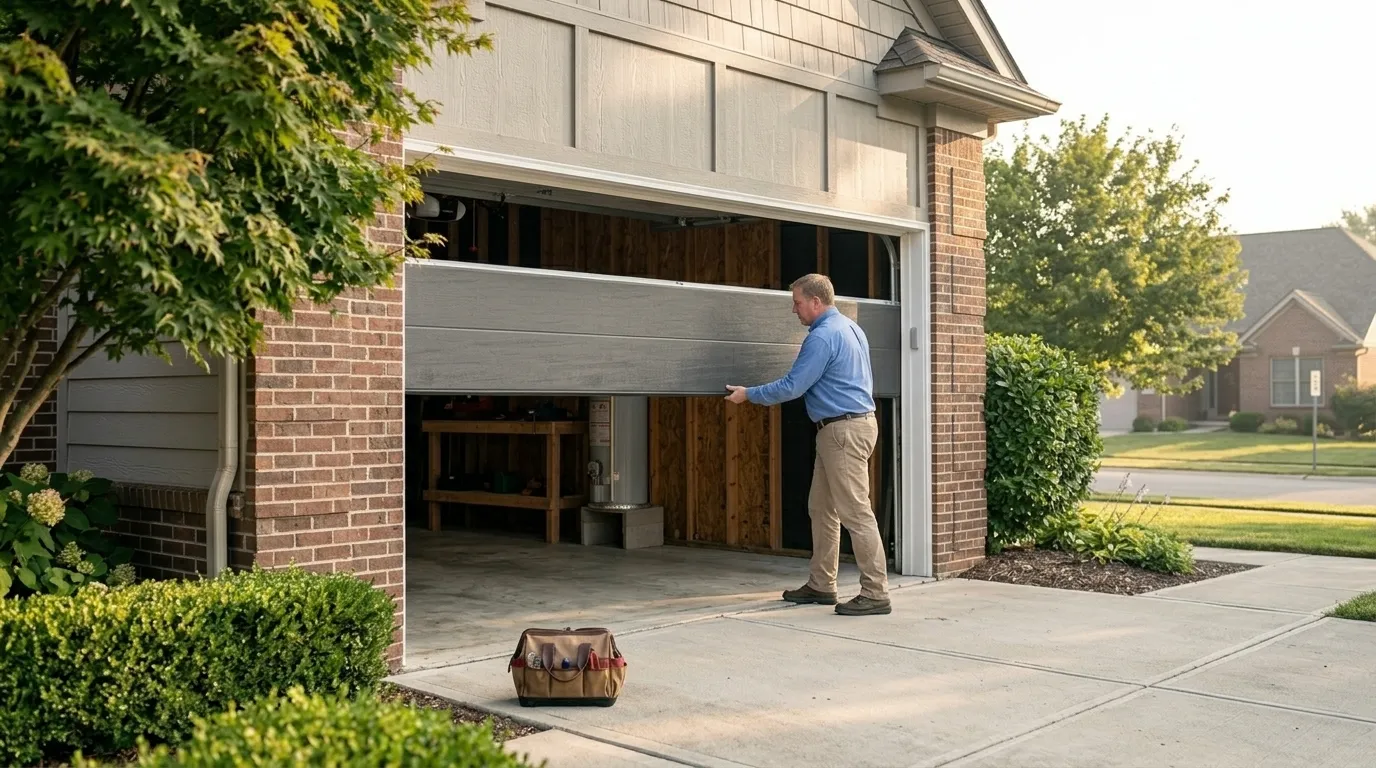
Libertyville is a mid-size suburb - about 7,573 households, not a sprawling grid, which means the openers we swap out here tend to share a pattern rather than being scattered across every era of hardware. A lot of the housing went up in the 1970s, and by now the chain-drive units that came standard with those builds are 30-plus years past their design life. Swapping a wall unit yourself is doable if the door itself is sound: track aligned, springs balanced, no rust on the rail. Where it stops being a weekend job is when the old opener was hiding a bad spring or a track that's been fighting gravity for a decade. Bolt a new opener onto a door that's already out of balance and you've just given a stronger motor something to strain against, which shortens its life fast. If you're comfortable with basic wiring and have a helper to hold the rail steady, a straightforward swap on a door in good shape is within reach. If the door groans, sags on one side, or the old opener has been compensating for something else, that's worth a look before the new unit goes in - not because the install is hard, but because a new motor on bad hardware just fails again sooner.
What You Pay
We don't have a posted price list for opener installs specific to Libertyville, and we're not going to invent one here. What we can tell you is what drives the number: the drive type (chain, belt, or screw), whether the existing wiring and rail can be reused or need replacing, and whether the door's spring system needs adjustment to carry the new motor properly. Homes in this area skew toward higher household incomes than the wider service area average, and we see that reflected in more requests for quieter belt-drive units with battery backup rather than the base chain-drive model - not because chain drives are wrong, just because the upgrade gets asked for more often here. Get a number by describing your door and current opener when you call; we're not going to quote blind over a form.
Why It Happens Here
The housing across this part of the service area was mostly built between 1938 and 1996, and Libertyville's own stock centers on the mid-1970s. Openers from that era, and even the first couple rounds of replacements since, were built for a cold-moderate climate that still puts real stress on garage door hardware - expansion and contraction in the rail, grease that stiffens in a cold snap, sensors that drift out of alignment when a slab settles over 50 years. None of that is unique to any one house; it's what happens to a chain-drive unit anywhere north of Chicago that's been running since before smart-home add-ons existed. The failure we see most in this kind of stock is a worn drive gear or a sensor eye that's shifted just enough to trip false readings - not dramatic, just tired equipment doing exactly what tired equipment does. That's the honest limit of what we can tell you without walking your specific door: the general pattern, not your exact fault, comes from the numbers.