The DIY Question
Libertyville sits on the higher end of the income range in this service area, and that changes the math on a roller job more than people expect. A household making six figures a year can afford to fix a door right instead of patching it, and that's usually the smarter call here - nylon rollers with sealed bearings cost more up front than the steel ones builders used when these houses went up, but they outlast them by years and run quieter, which matters if the garage sits under a bedroom.
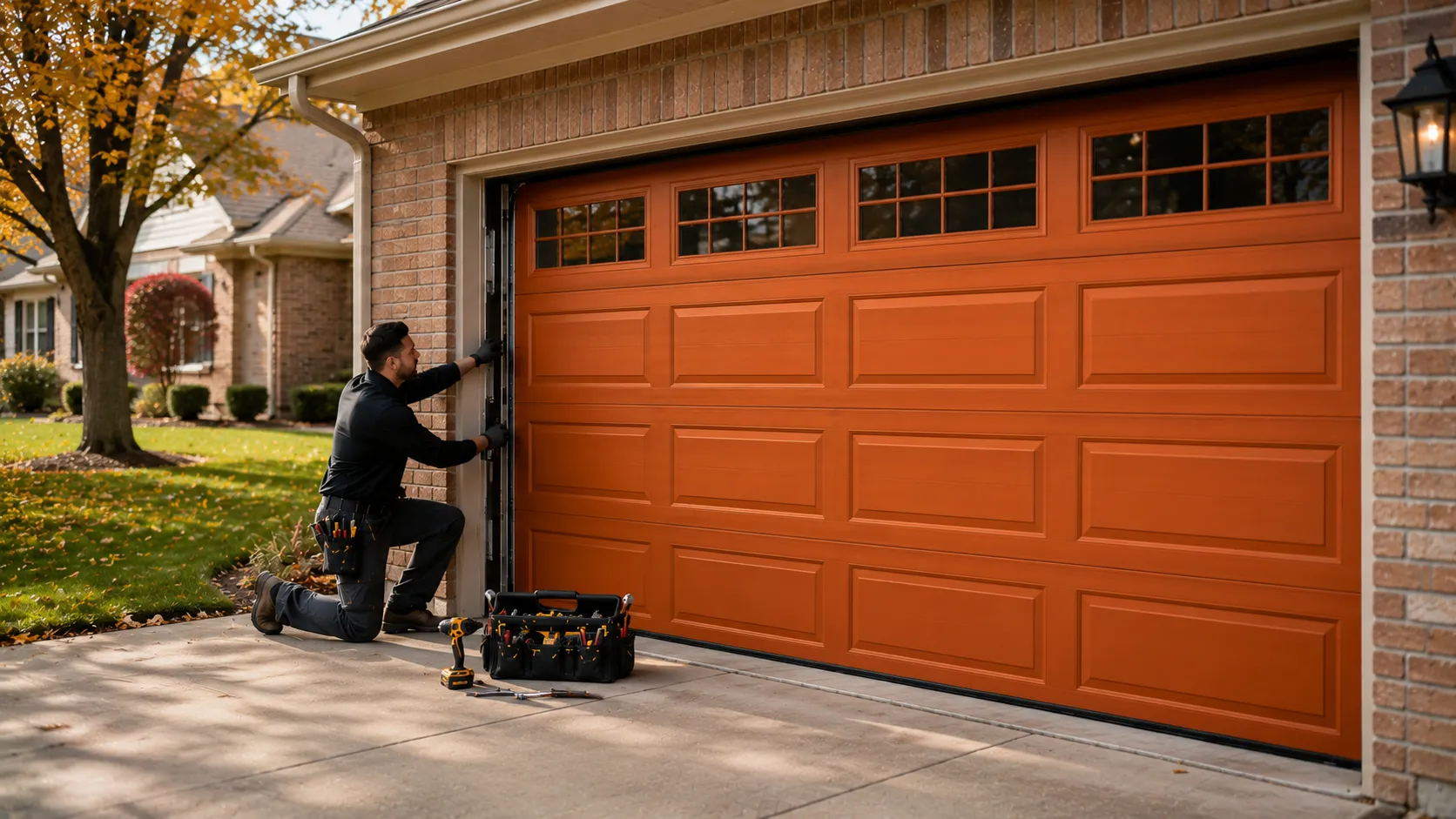
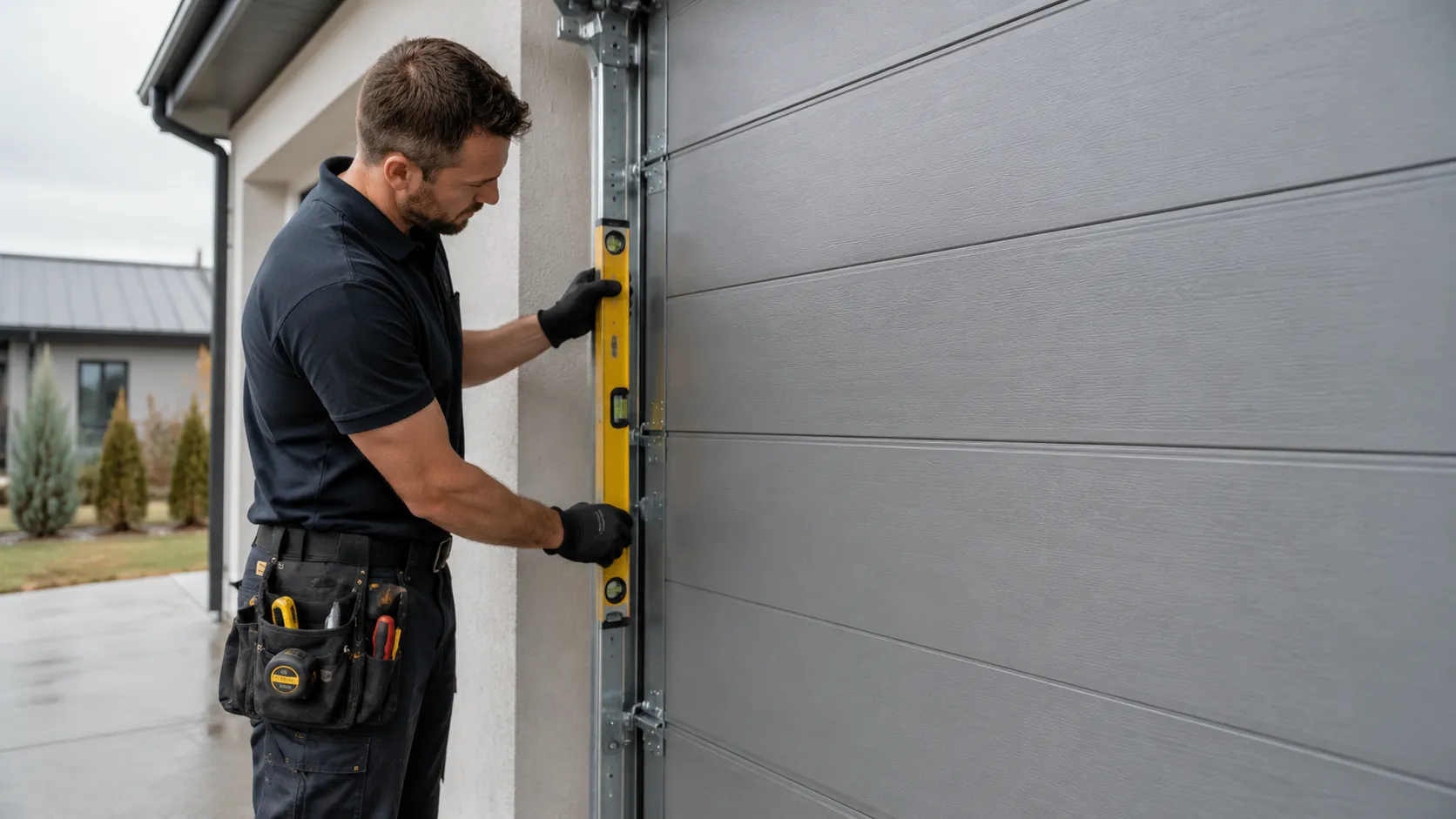
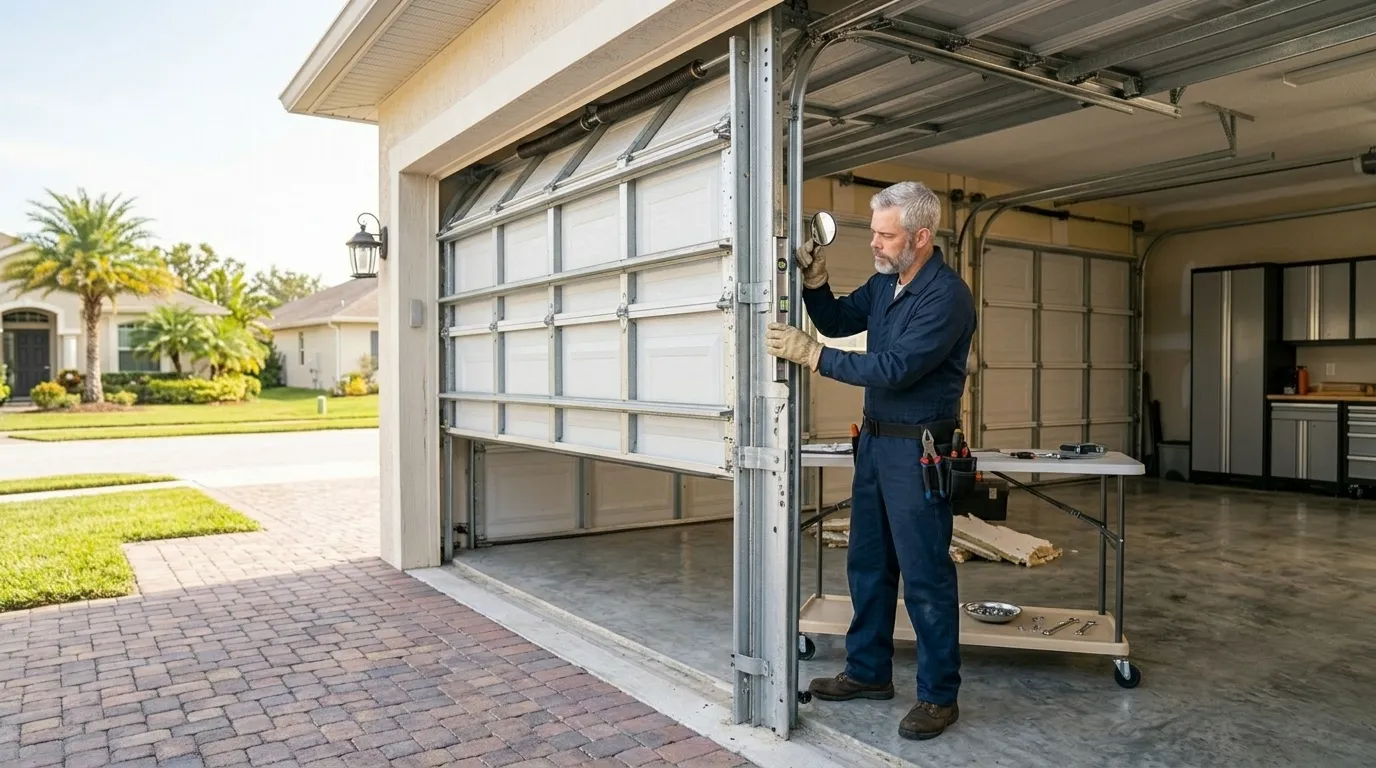
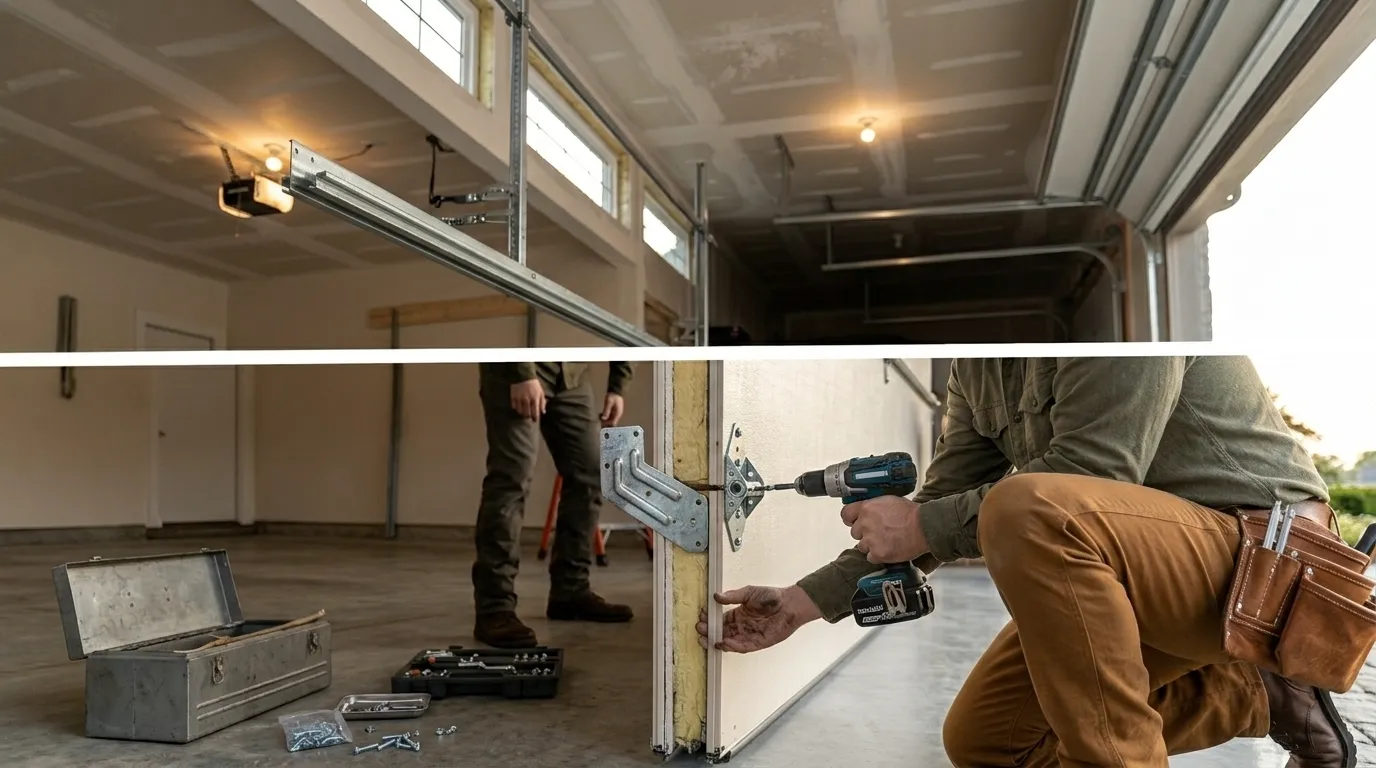
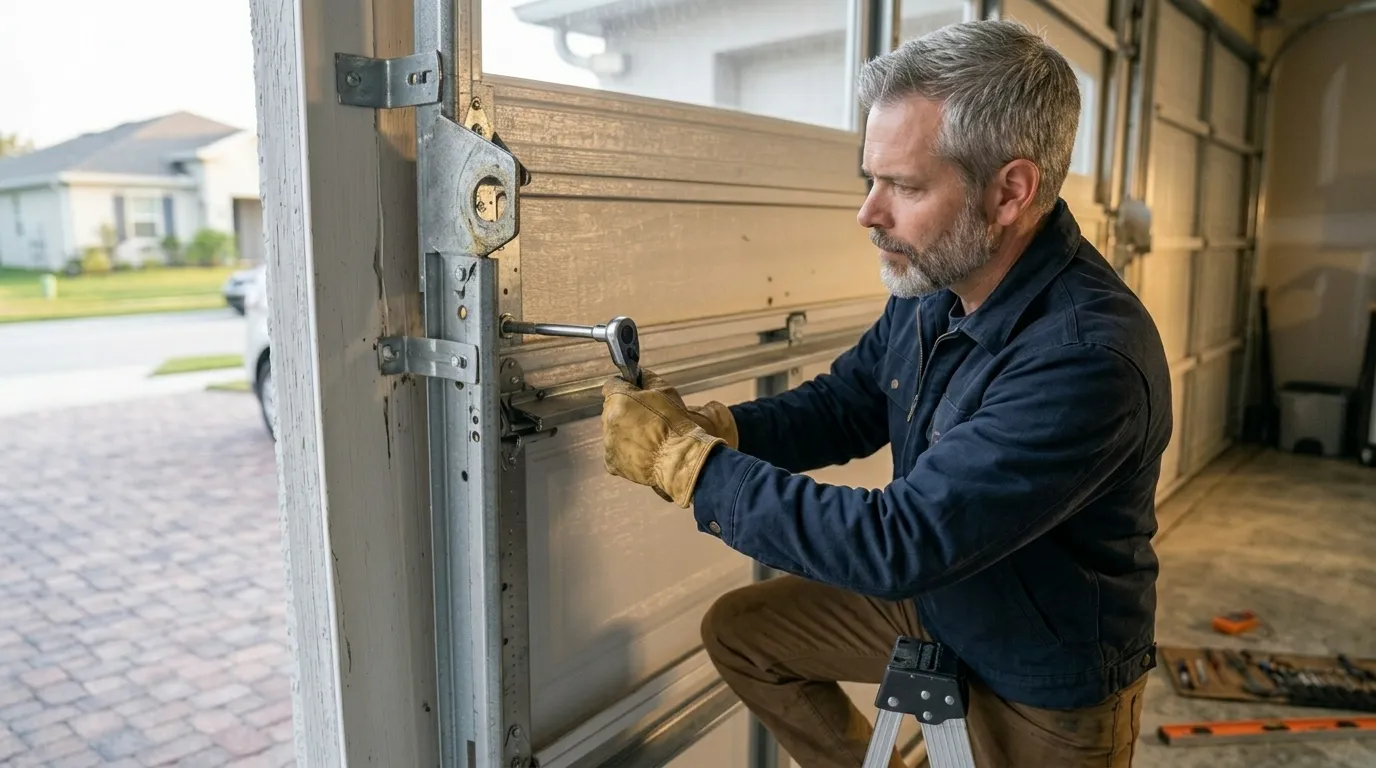
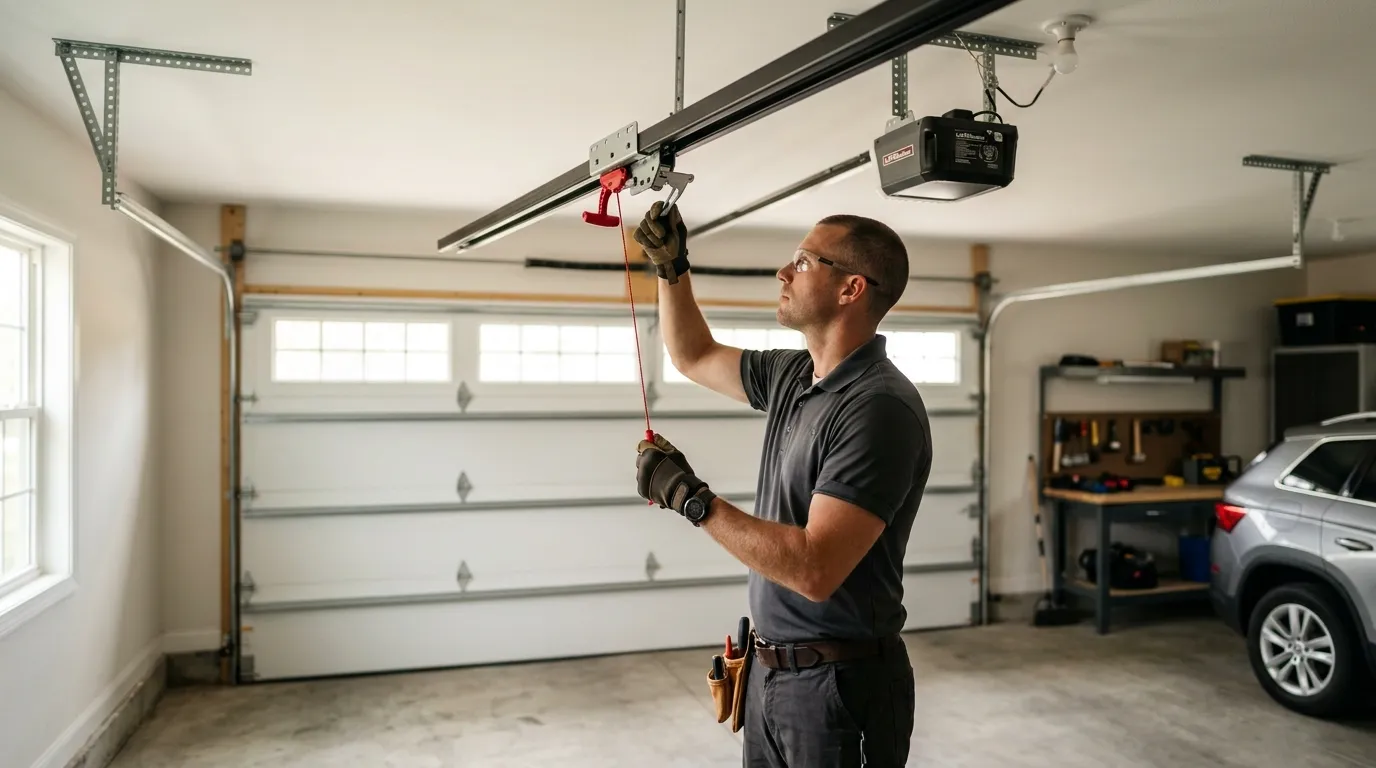
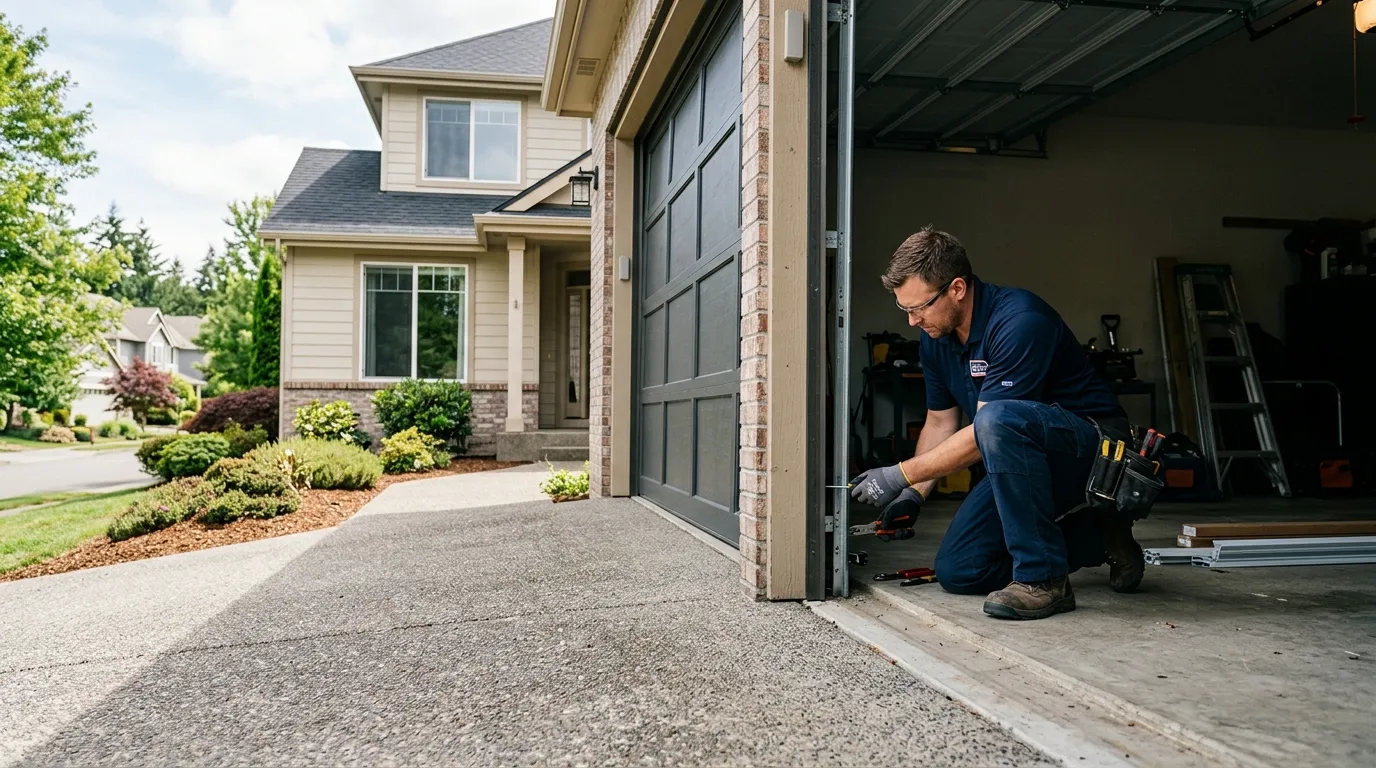
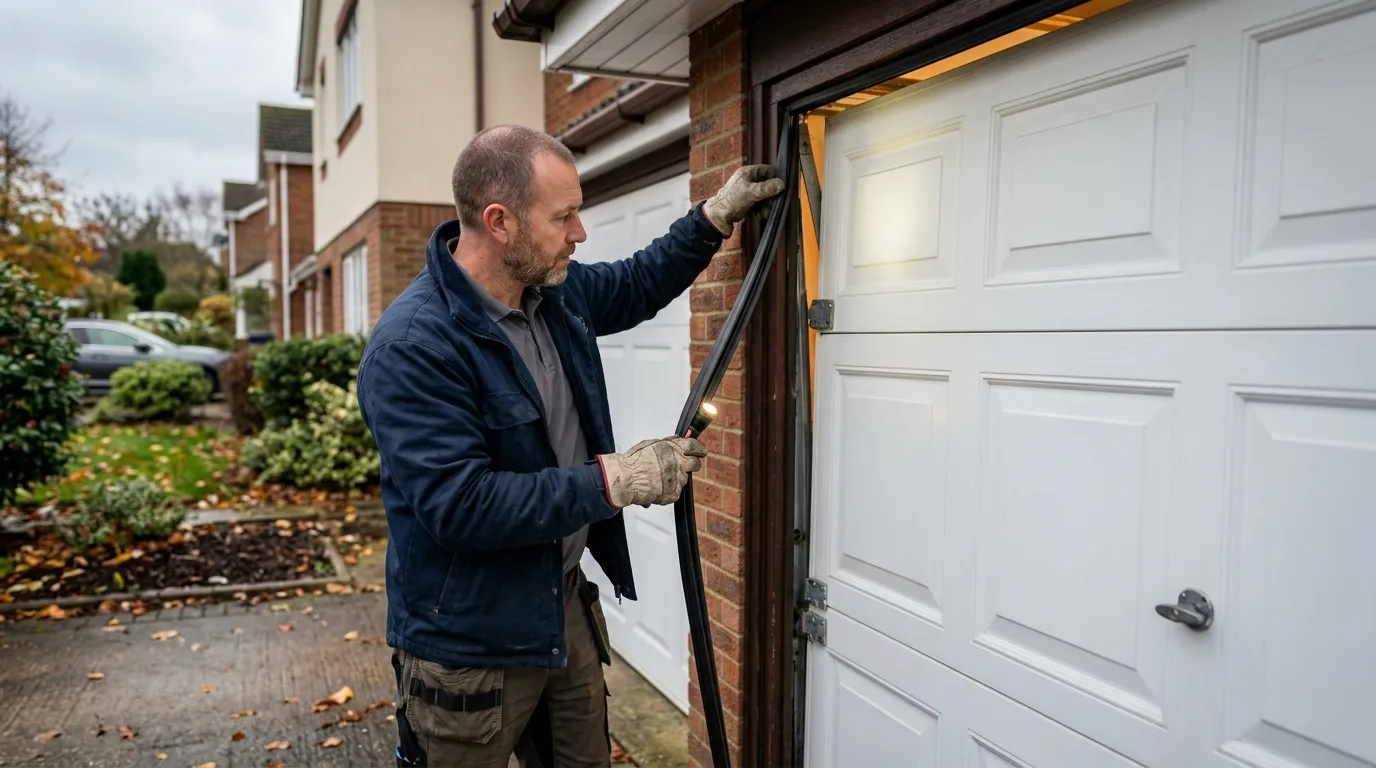
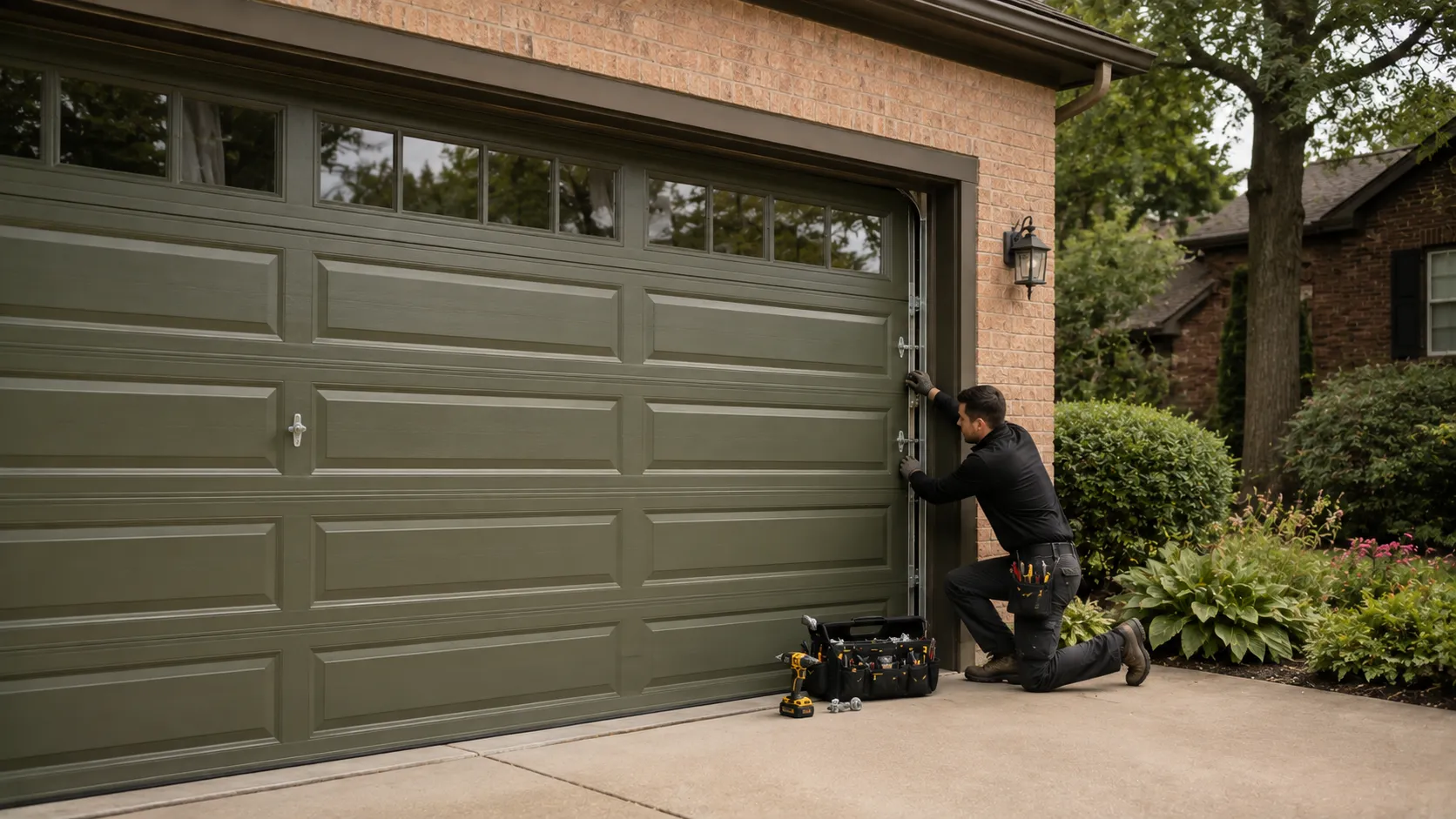
Can you do it yourself? Some of it. Bottom rollers on a door that's off its track are within reach if you're comfortable with a socket wrench and you disconnect the opener first. What trips people up is the top roller near the spring side - pull the wrong bracket on a door under tension and you're looking at a bent track or a lot worse. If your door was built with the house stock common through here, 1960s and 70s construction with steel rollers riding in a track that's never been serviced, expect some rust and resistance that a first-timer won't have tools for.
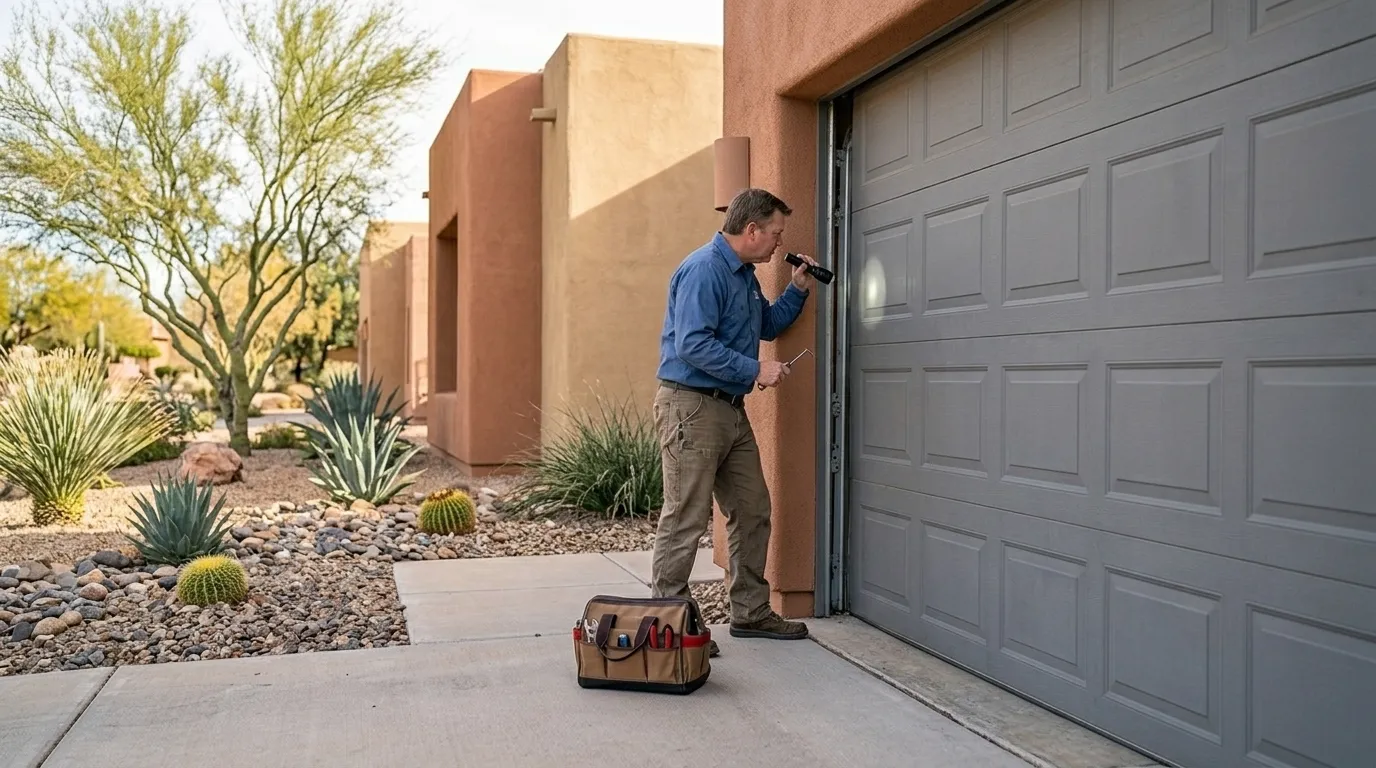
Our honest limit: we don't send someone out for a single loose roller with no other symptoms. If the door tracks fine and just rattles, tightening the track bolts might be all it needs, and that's a five-minute fix, not a service call.
What You Pay
We don't quote a flat number for Libertyville sight unseen, because roller count, roller material, and whether the track needs realignment all move the price. What we can tell you is how the decision usually breaks: on a house built in the 1976 range - which is close to typical for this town - the original steel rollers are past their working life by now even if they haven't failed outright. Replacing a full set of ten with sealed nylon rollers is a different job than swapping two that seized.
The income level here means most owners choose the full nylon set over patching a couple of steel ones, since the labor to open the door is the same either way and the difference in materials is small next to that. Where it gets expensive is when a stuck roller has already chewed up the track - then you're paying for track stock too, not just rollers.
We'll give you the actual number after we look at the door, not before, and we won't upsell a spring or opener replacement onto a roller call unless we find something that's actually failing.
Why It Happens Here
This region's cold winters put real stress on garage door hardware, and rollers take the brunt of it. Steel rollers in an unheated garage contract in the cold, and the grease that keeps them turning smoothly thickens up or dries out over a season, so the roller starts binding in the track instead of rolling through it. On a door that's original to a house from the 1970s, that steel roller has likely never been swapped, and thirty-plus winters of that cycle is enough to flatten the roller face or crack the bearing housing.
We see this pattern across the older stock in this part of the area - houses that went up mid-century through the 1990s, largely still running whatever rollers came with the door. It's not damage from one bad winter; it's decades of the same cold-weather stress with no maintenance in between. A yearly track wipe-down and light lubrication would head most of this off, but most owners never think about rollers until the door starts grinding or jumping the track on a cold morning.