How It Shows Up
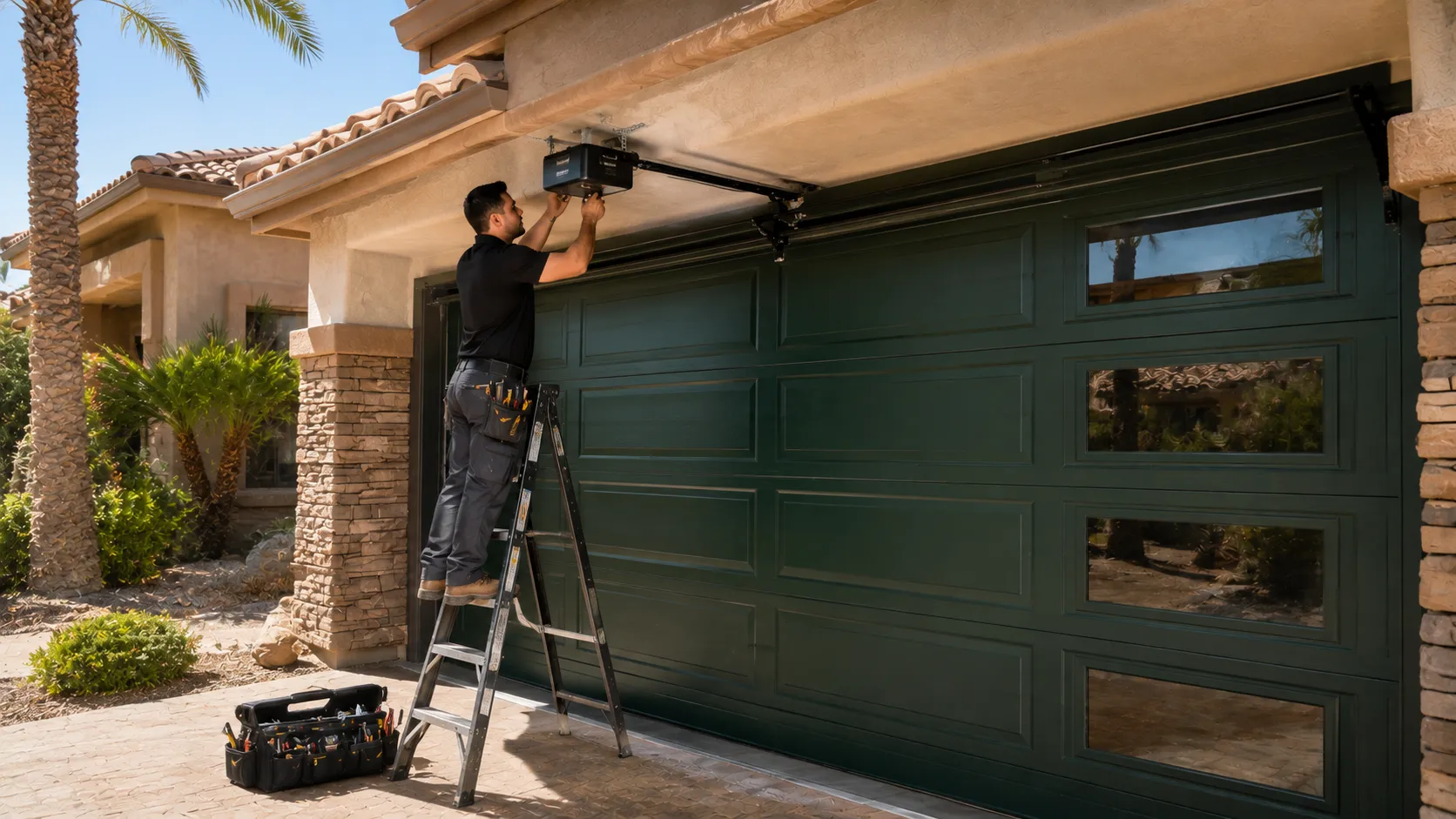
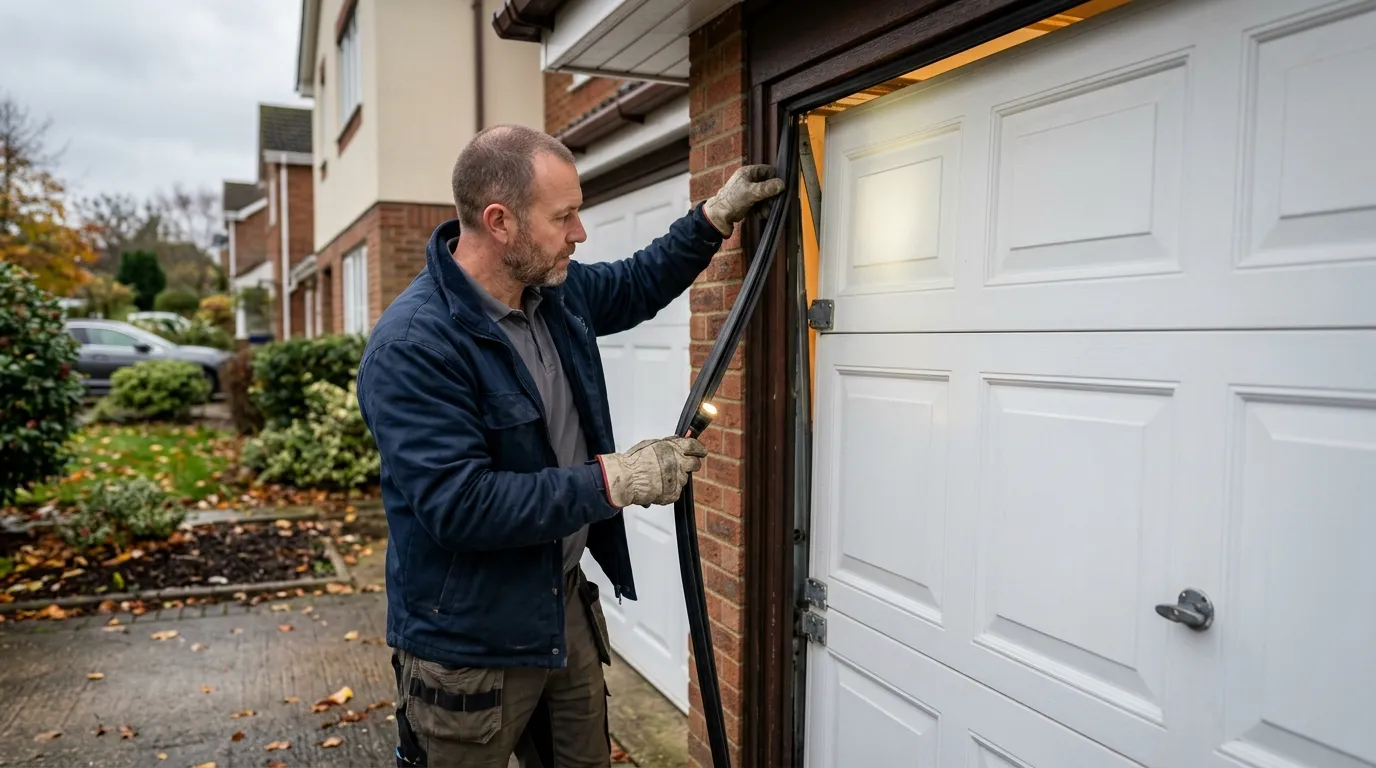
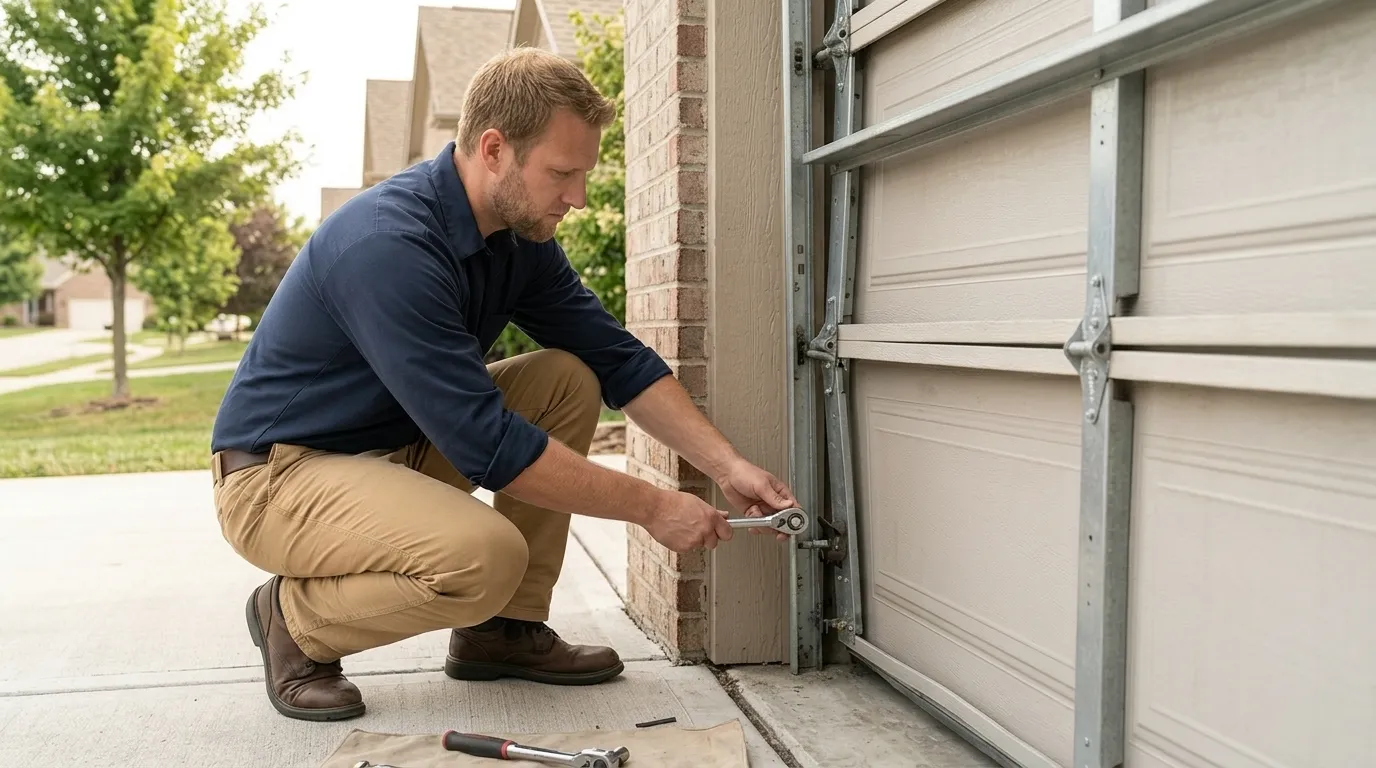
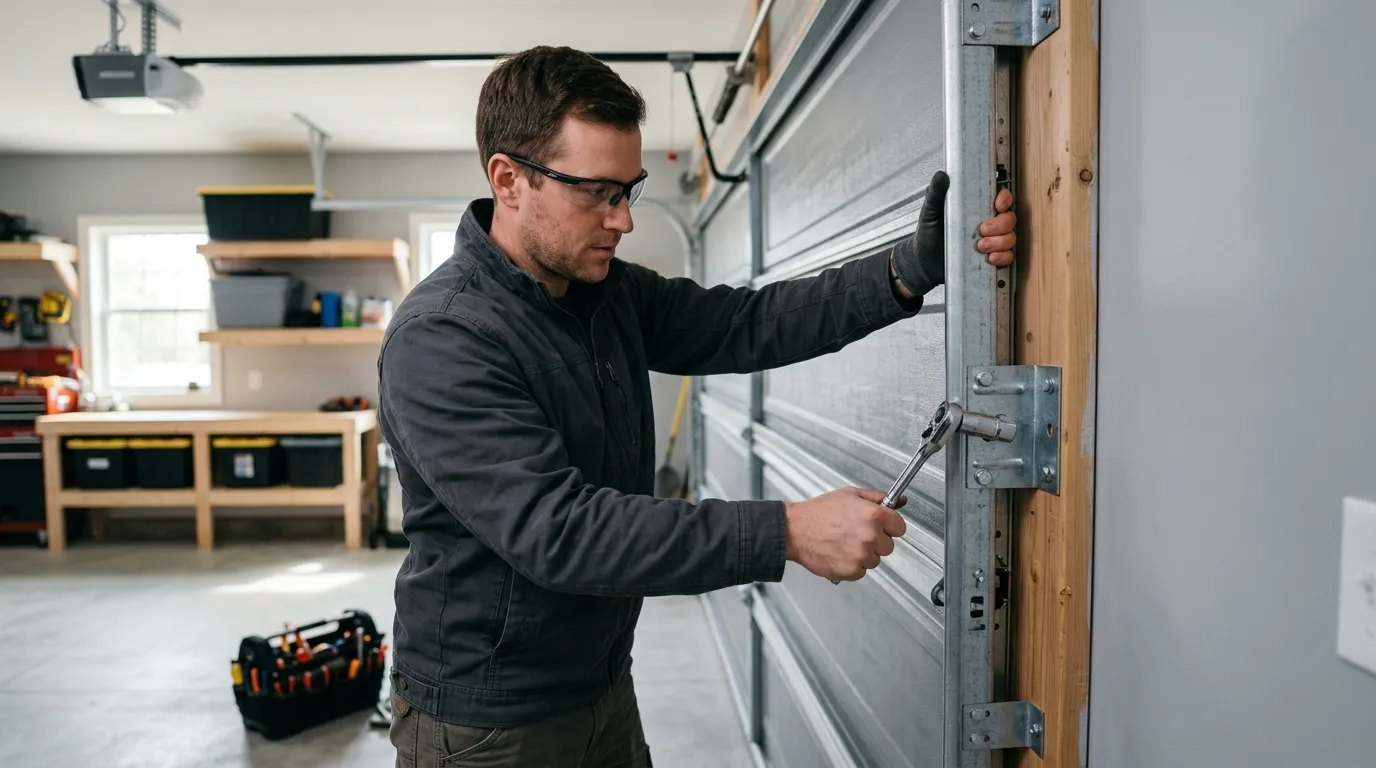
Streamwood carries about 13,041 households, a modest slice of the roughly 275,099 households spread across our whole service area. That smaller number matters here: it means the cable failures we run into in this particular town cluster tighter around one kind of hardware instead of spanning six decades of different setups. You'll usually notice a cable problem one of three ways - the door hangs crooked at one corner because a cable slipped off its drum, a frayed strand catches the light near the bottom bracket before it lets go entirely, or the door simply won't budge because a snapped cable has let the torsion spring dump all its tension into the track. None of these are a DIY fix with pliers and hope. A cable under load can whip when it breaks, and the drum it was wound on can be damaged in the process, which changes what the repair actually needs. If your opener is straining and grinding but the door isn't moving square, that's usually the cable, not the motor.
How Long It Takes
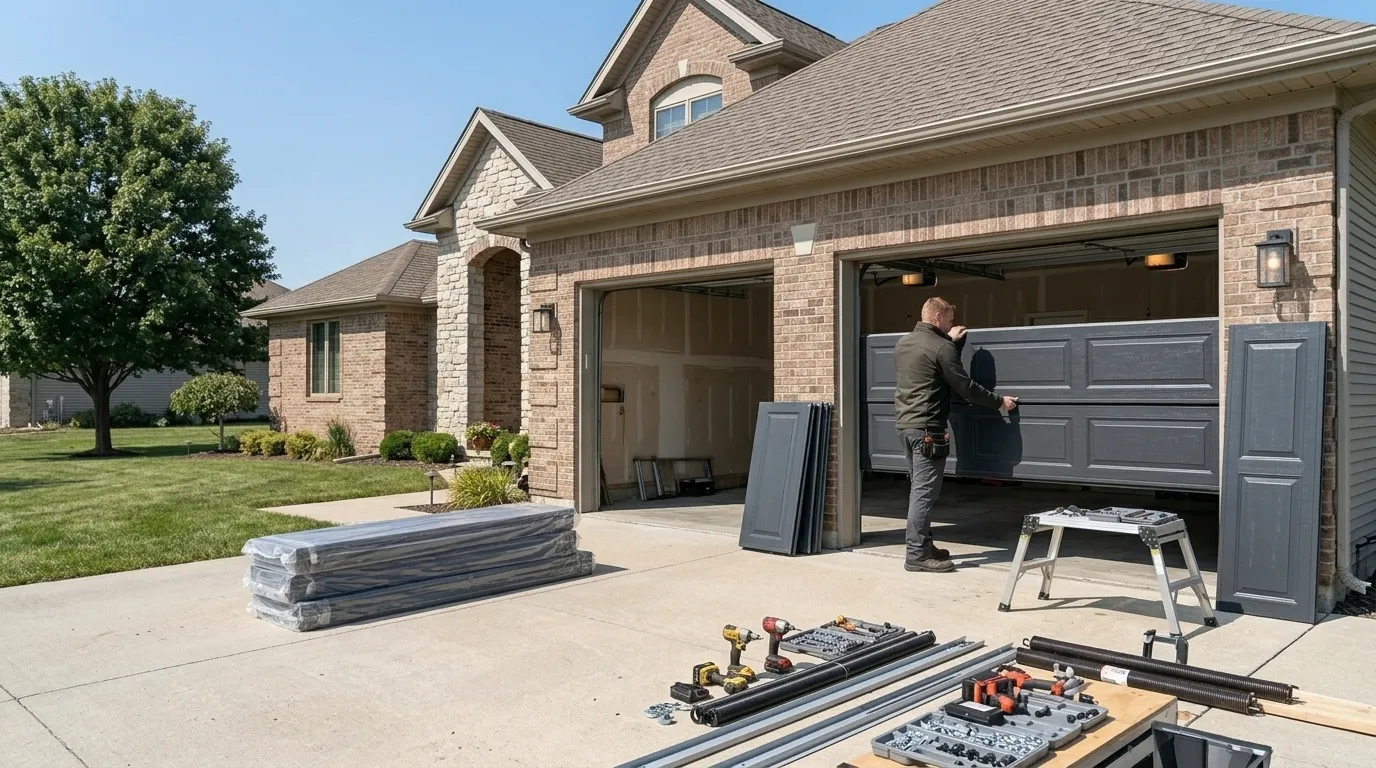
The cable swap itself, once we're on site with the door secured and the spring tension released, is a contained job - most of the time on a Streamwood call goes into safely unloading the spring, checking the drums and track for damage from the failed cable, and making sure the replacement is wound to match the door's actual weight, not just the old cable's length. Because Streamwood sits 19 miles out from Northbrook, we build travel into the visit rather than treating it as a same-day walk-in the way a closer town might expect. We don't have a fixed turnaround number to promise you here, and we won't invent one - what we can tell you is that a straightforward two-cable replacement on a standard torsion setup doesn't turn into an all-day job unless the drums or bottom brackets are also shot.
Why It Happens Here
Most of Streamwood went up around 1981, a decade newer than the 1974 median build year for the wider service area, but the service area's owner-occupied housing overall - 132,434 of the 275,099 households - still skews to 1960s and 70s stock built to older hardware standards. Streamwood's doors are a step newer than that pattern, which usually means torsion cables and galvanized drums rather than the extension-spring rigs found on the oldest houses nearby, but a cable installed when a house was built in 1981 has still had four decades to fatigue, rust at the drum end, or fray where it wraps the bottom bracket. The cold-band winters here don't help: a cable that's already thinning gets brittle in a hard freeze, and the stress of a door opening against a sticky, ice-stiff track is often what finally snaps it. Median household income here runs $101,049, and what we mostly see from that isn't fancier hardware, it's that the original 1981-era cable is often still the one on the door - nobody's swapped it preventively.
Where This Job Goes Sideways
The most common misstep isn't ours, it's a rushed diagnosis: a homeowner or a handyman hears the door slam down and assumes the opener failed, when it's actually a snapped cable that let the spring's tension go somewhere it shouldn't. Ordering a generic replacement cable without matching it to the actual drum diameter is another one - drums vary enough between eras that a cable cut to the wrong length either won't wind evenly or slips off under load, which just brings you back to the same failure a month later. And here's the honest limit: if the drum is gouged, the bottom bracket is bent, or the track's been pulled out of alignment by the door dropping unevenly, a cable swap alone won't fix the door. At that point replacing the damaged hardware alongside the cable is the only repair that actually holds, and pretending otherwise just costs you a second call.