How It Shows Up
Streamwood sits 19 miles from our shop in Northbrook, and that drive shapes how we plan a job here more than anything else. We don't run a crew out of Streamwood every day, so when a homeowner calls about a new door, we're scheduling a dedicated trip, not slotting in a stop between five other calls in the same zip code. That means we ask more questions up front - door size, opener type, whether it's a single or double bay - so the truck that shows up has the right door on it the first time. A wasted trip costs everyone half a day. Streamwood's housing stock also tells us what we're likely dealing with before we ever measure the opening. With a median build year around 1981, a lot of these garages were framed for steel sectional doors of that era: single-layer panels, lighter-gauge track, and chain-drive openers that have usually been swapped once already. If yours hasn't been touched since the house was built, the header and jamb may need shimming to take a modern insulated door, since standard sizing has shifted slightly since then.
How Long It Takes
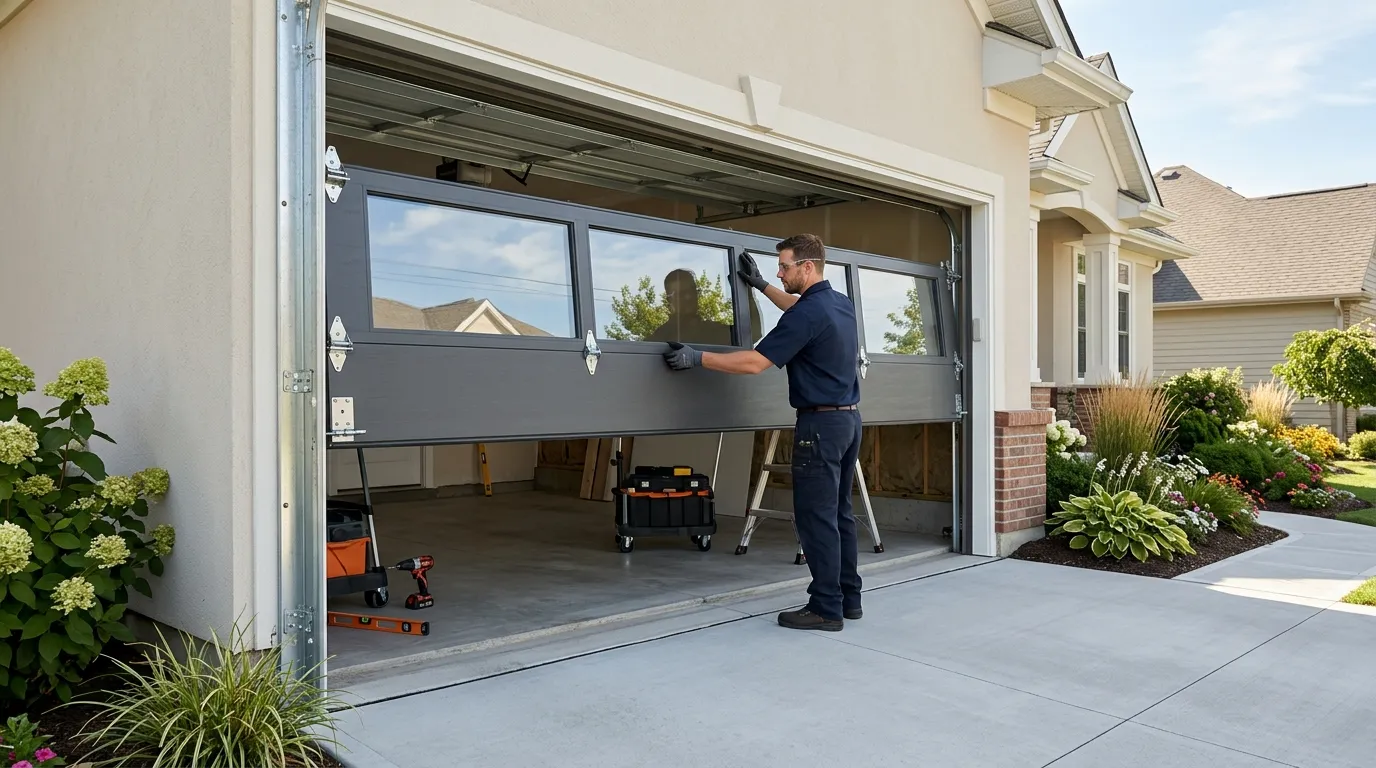
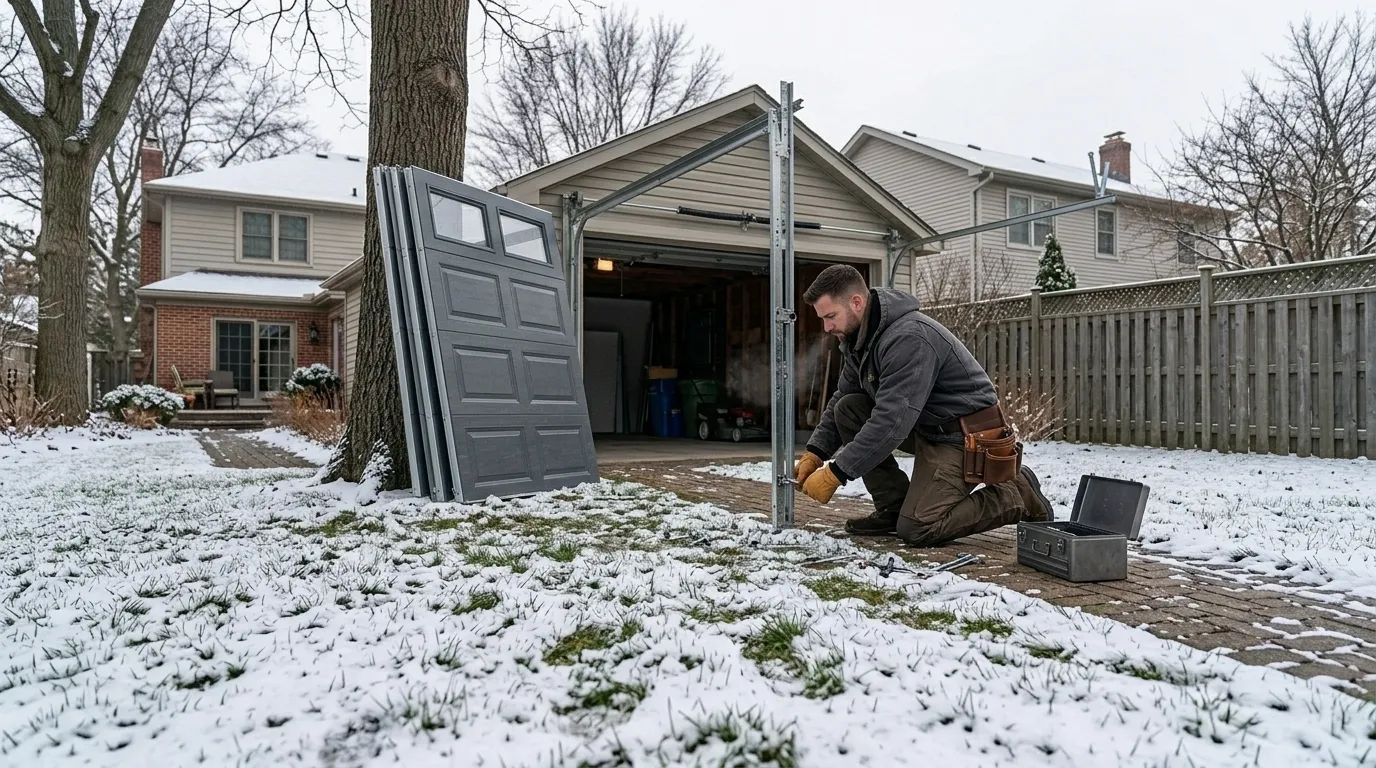
Because this is a trip from Northbrook rather than a local stop, we build the schedule around a single visit doing the full job - old door off, new door and hardware on, opener paired and balanced - rather than splitting it into a measure visit and an install visit. For a straightforward single-door swap on a house from the early-1980s build era, that's usually a one-day job once the door itself is on the truck. Where it stretches longer is track or header work: houses built around 1981 sometimes have openings that were framed to slightly different standard sizes than what's manufactured now, and that means custom track cuts or jamb adjustments done on site, not back at a shop. We tell you on the phone, before we drive out, if what you're describing sounds like it needs that extra time, so you're not guessing on the day.
Why It Happens Here
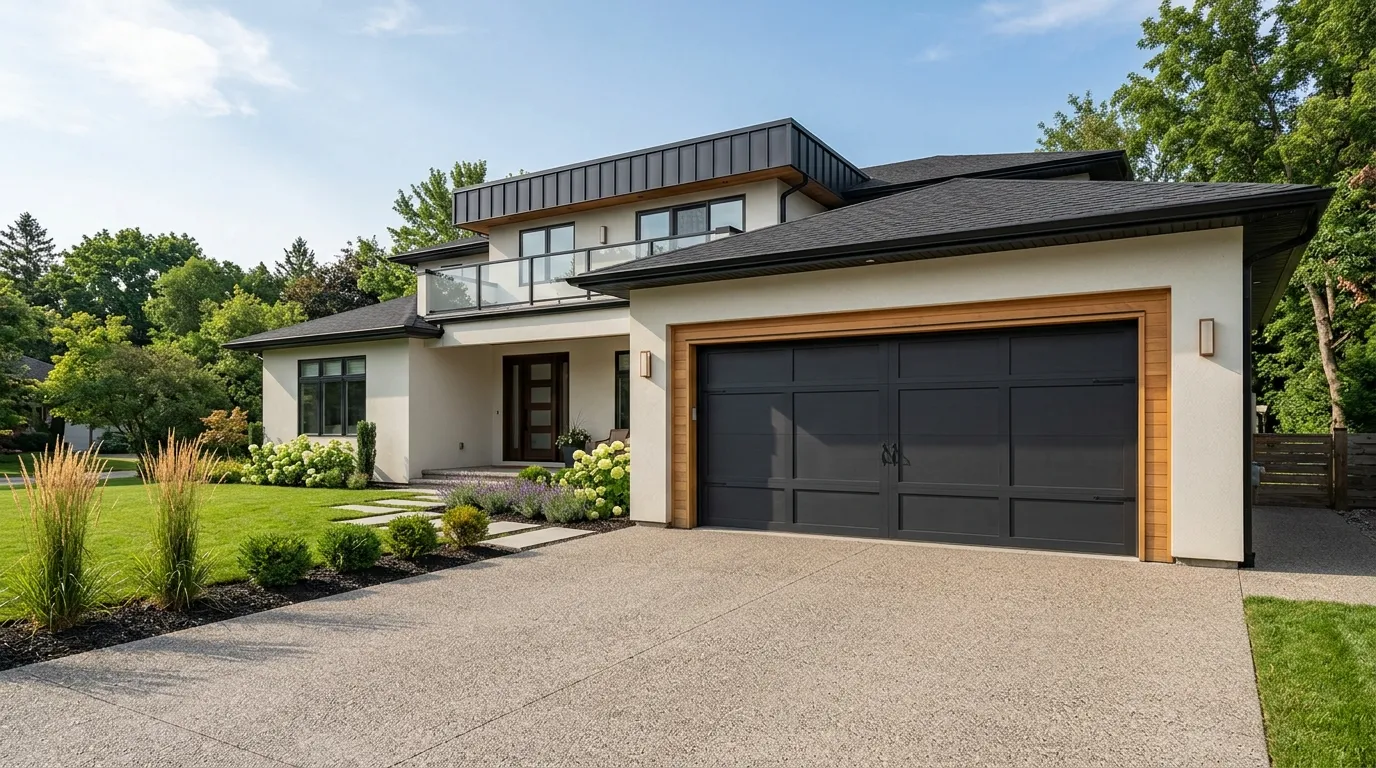
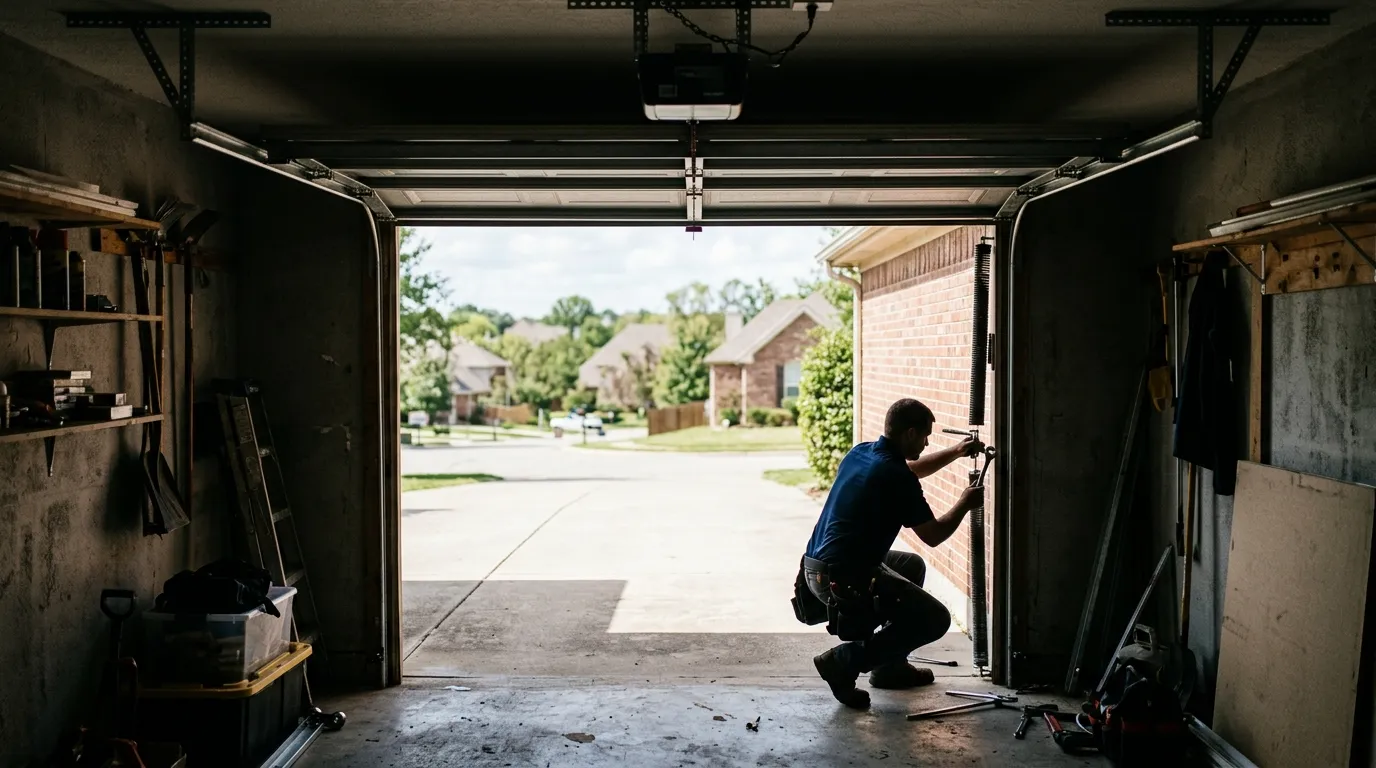
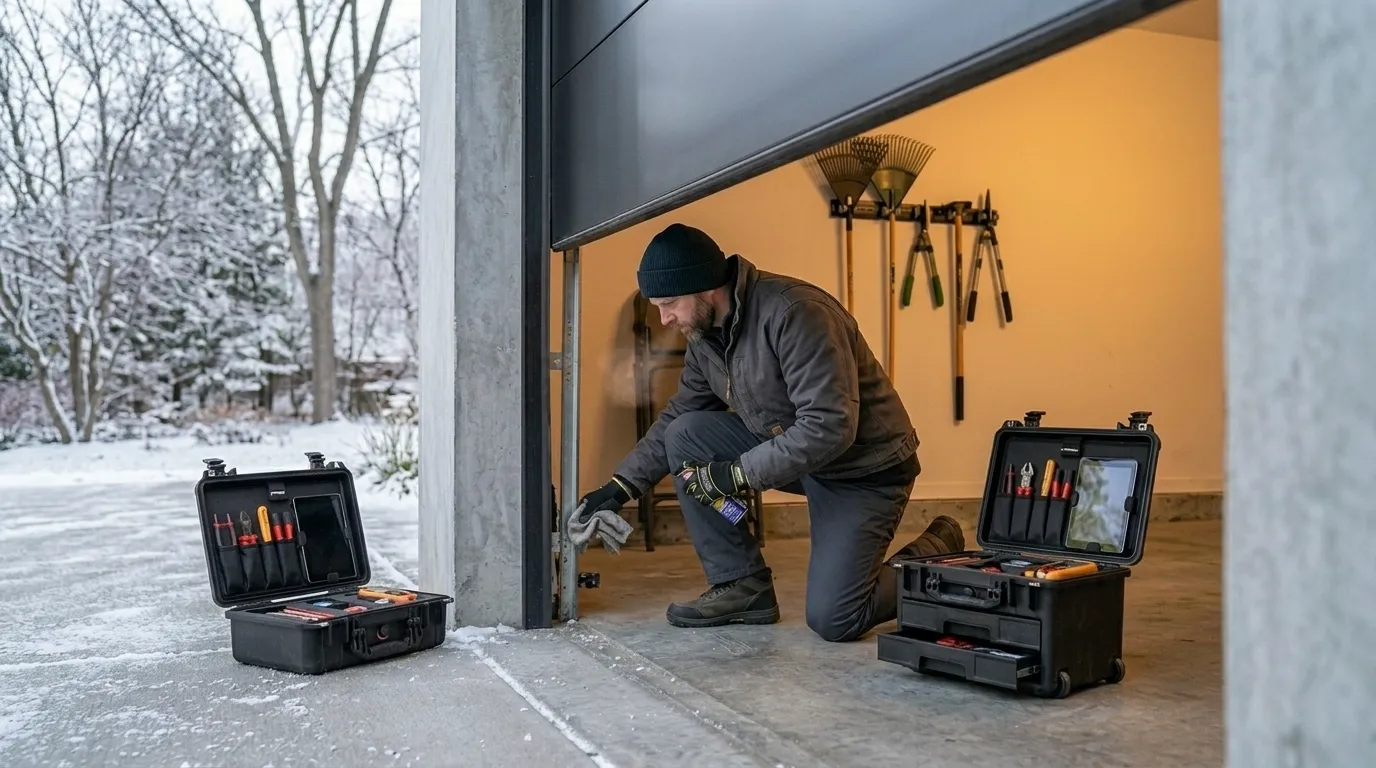
Streamwood's median year built of 1981 puts it a few years past the broader service area's median of 1974, and that gap matters for garage doors specifically. Openers from the early 1980s were almost universally chain-drive, and a lot of them are still running on the original rail, just with a newer head unit bolted on somewhere along the way. Doors from that build era were typically single-layer steel with no insulation, which was fine for the building codes of the time but leaves the garage as one of the coldest rooms in the house once winter sets in - and this area sits in a cold, moderate climate band where that gap gets felt every year, not just in a bad one. When we install new here, insulated panels and a weatherstrip kit that actually seals against the slab aren't upsells, they're the fix for a problem the original door was never built to handle.
Where This Job Goes Sideways
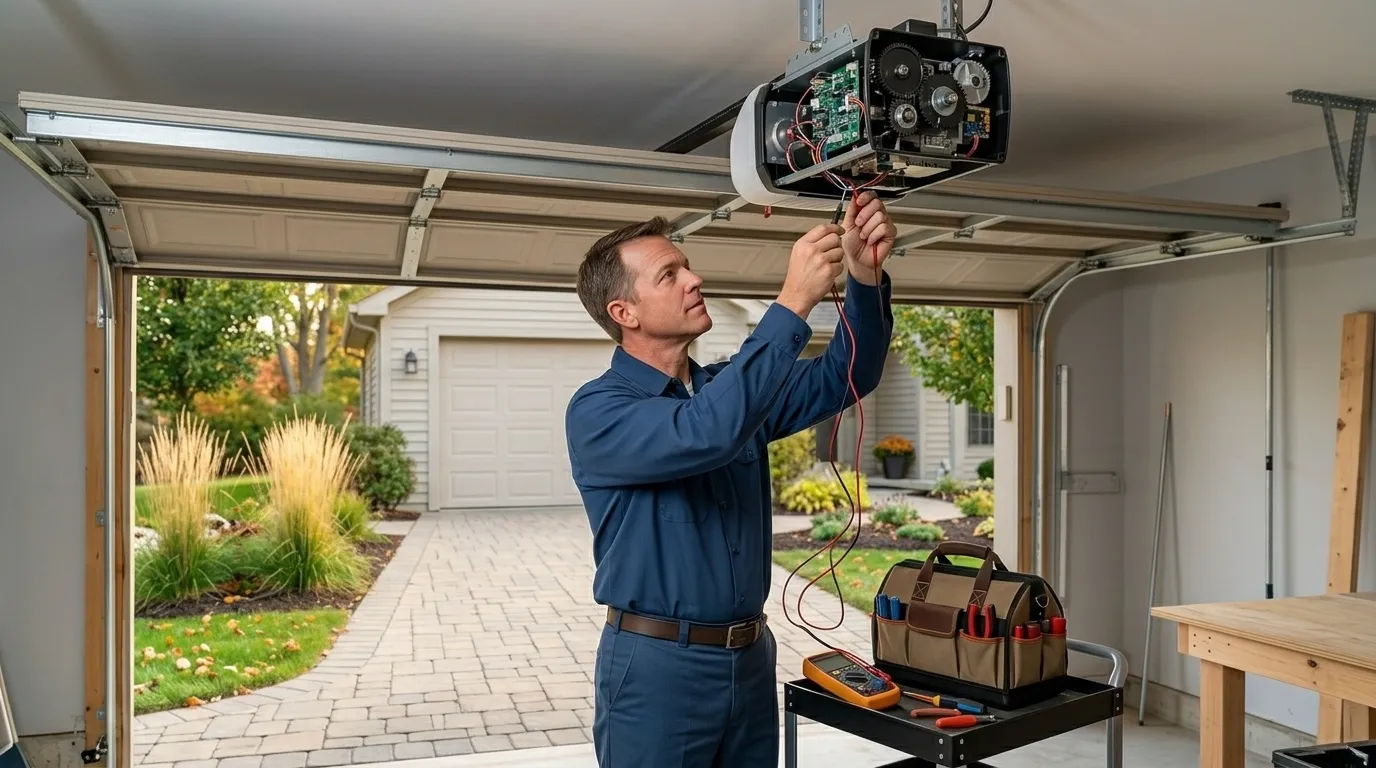
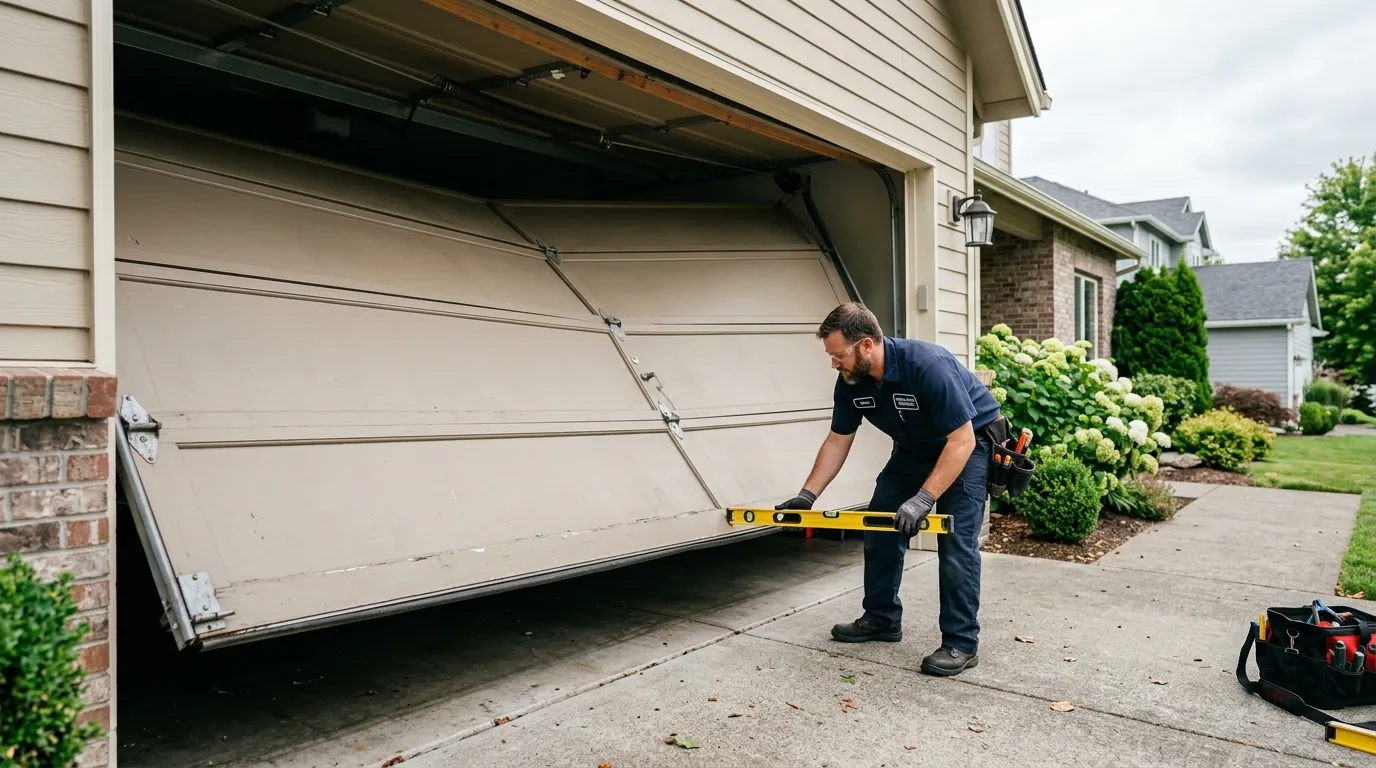
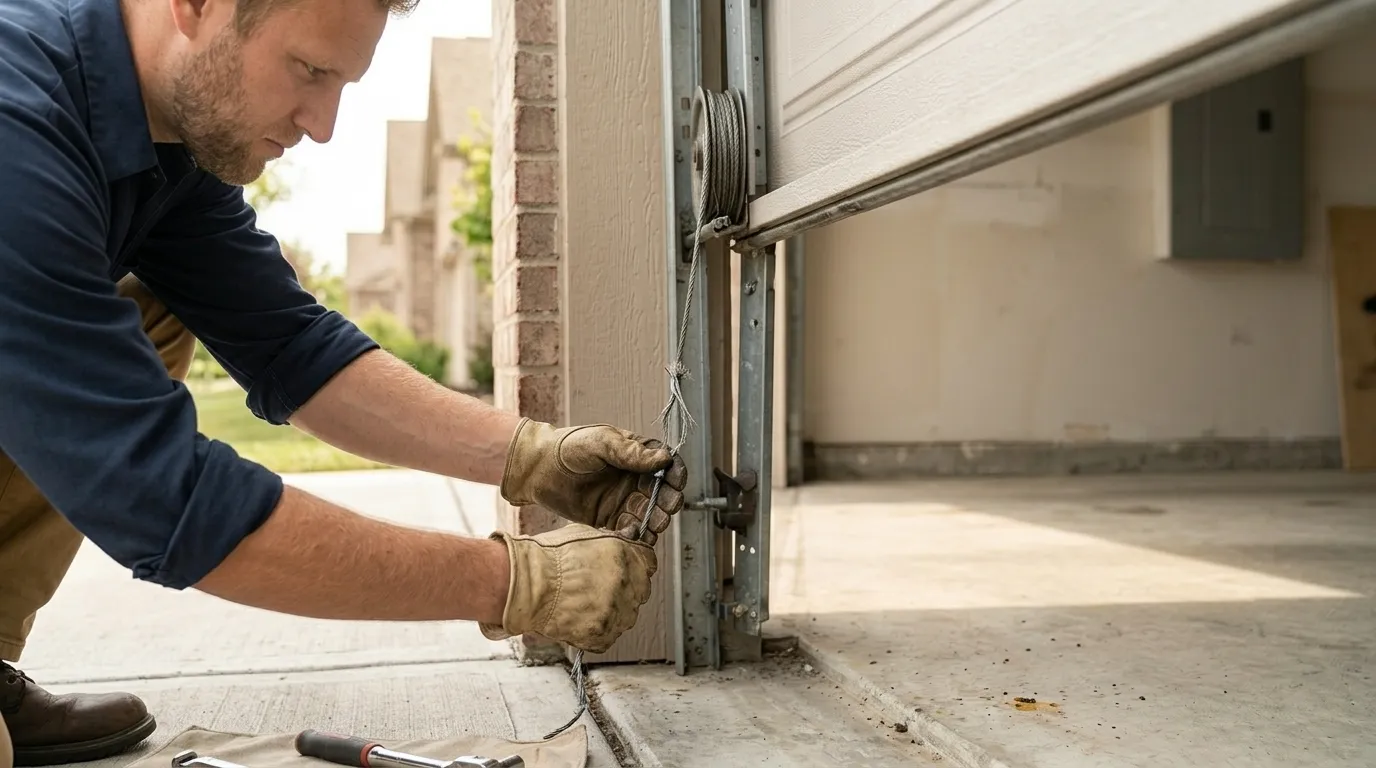
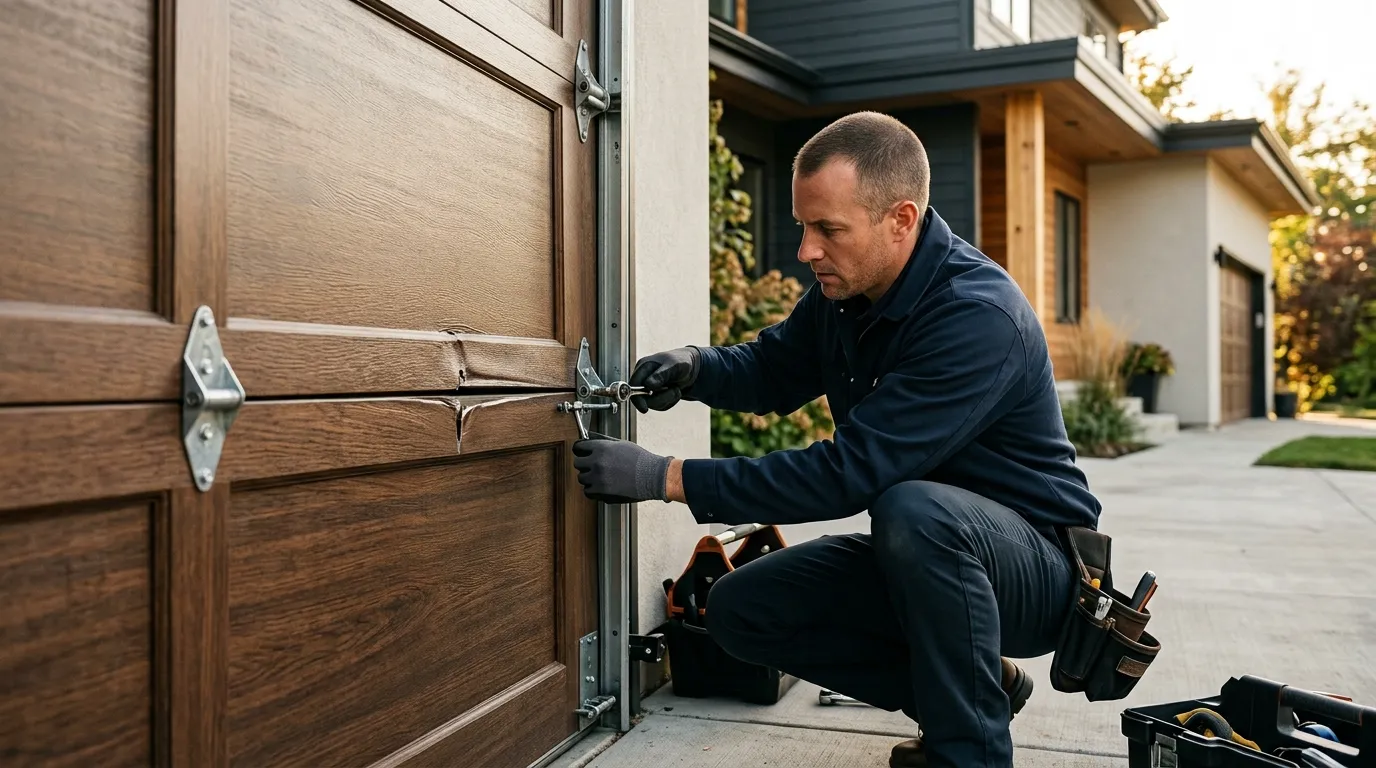
The most common surprise on a Streamwood install isn't the door, it's the opening. Houses built in 1981 sometimes have garage bays framed a couple inches off from today's standard sizing, especially on custom or semi-custom builds from that period. If nobody measures the header height and the track clearance before the new door arrives on the truck, you end up with a door that's close but doesn't seat right, and now we're modifying track on site instead of just hanging it. The other place it goes sideways is the opener. A chain-drive unit from that era draws differently than a modern belt-drive, and if the new door is heavier or has thicker insulated panels, the old opener may not have the lift capacity to run it safely. We'll tell you straight if your existing opener needs to go with the door - replacing both at once is sometimes the honest answer, even if it's not the cheaper one that day.