How It Shows Up
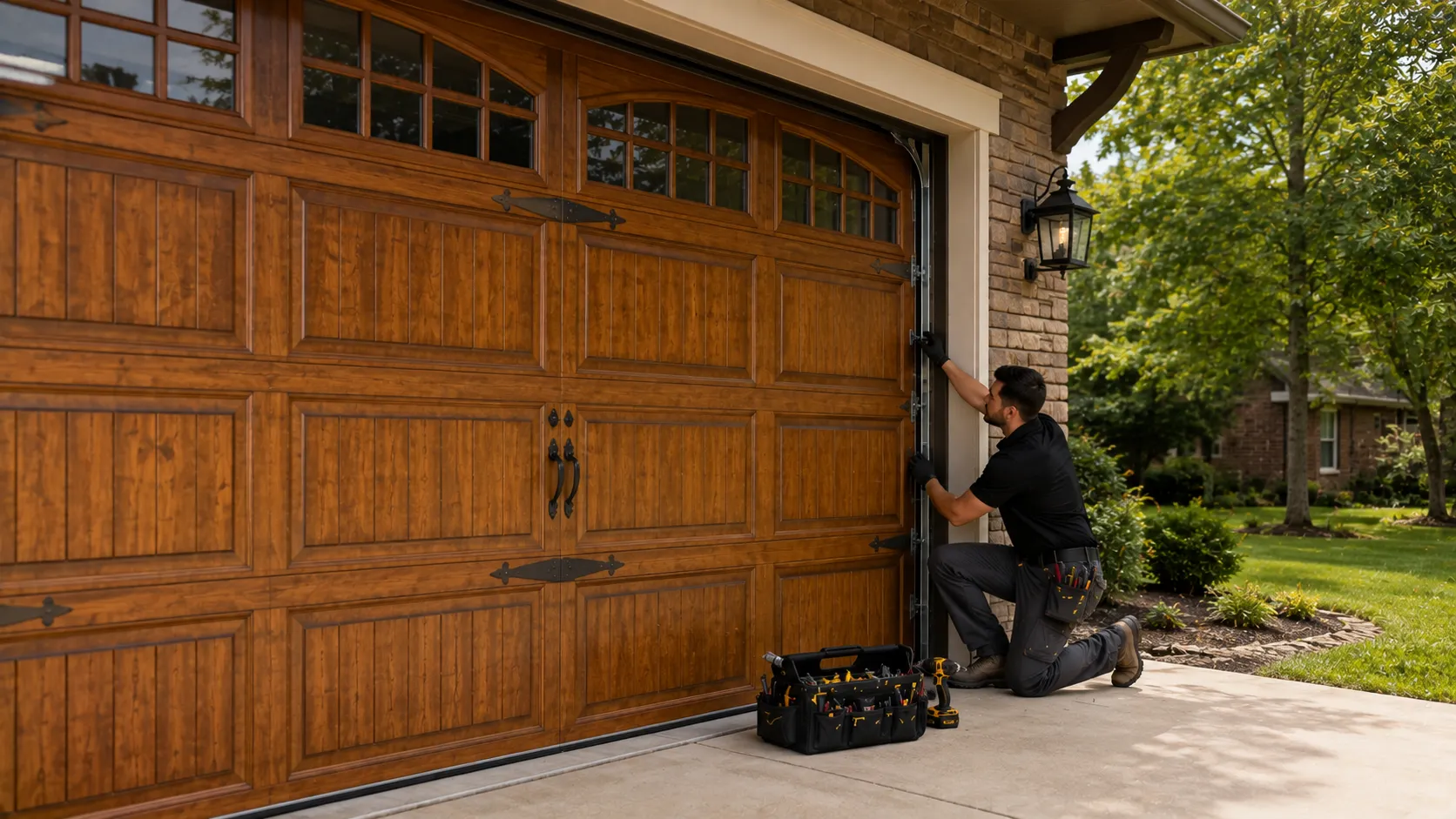
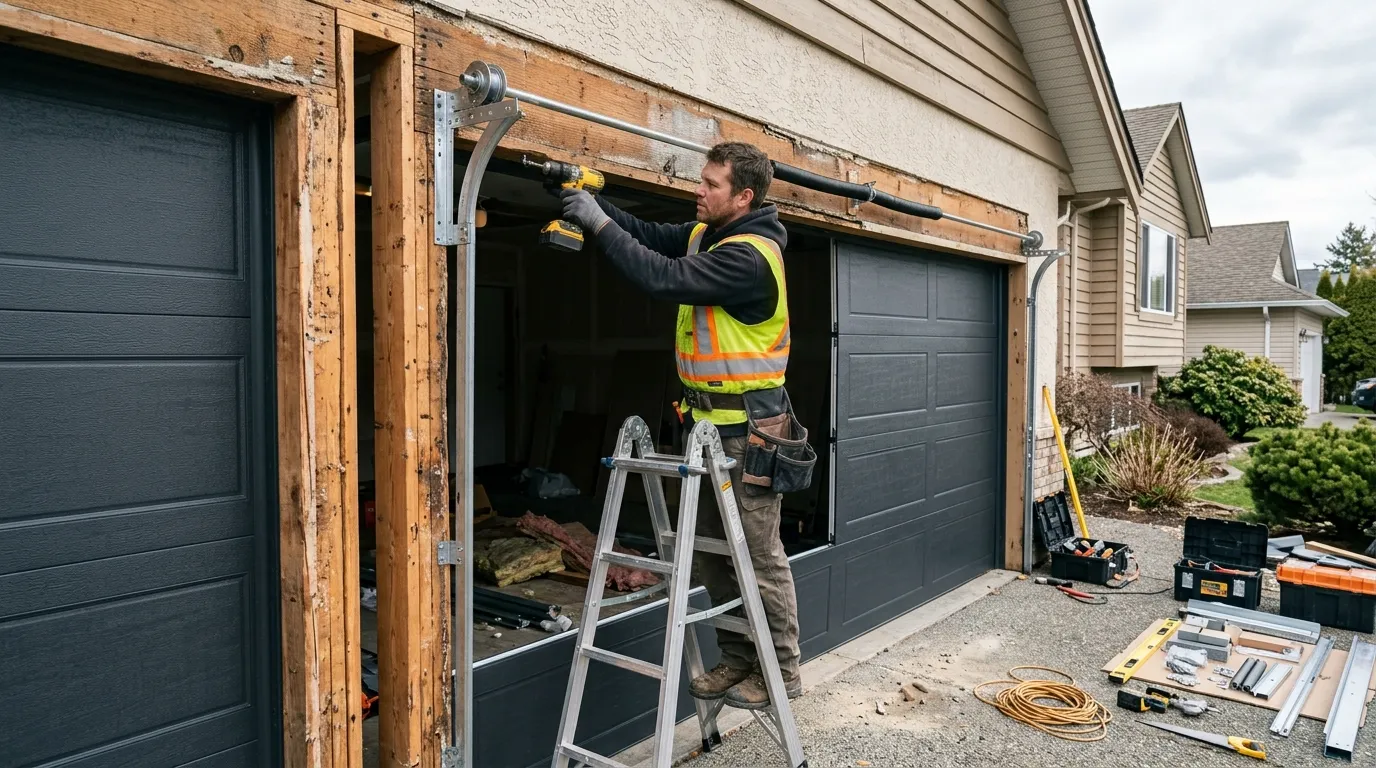
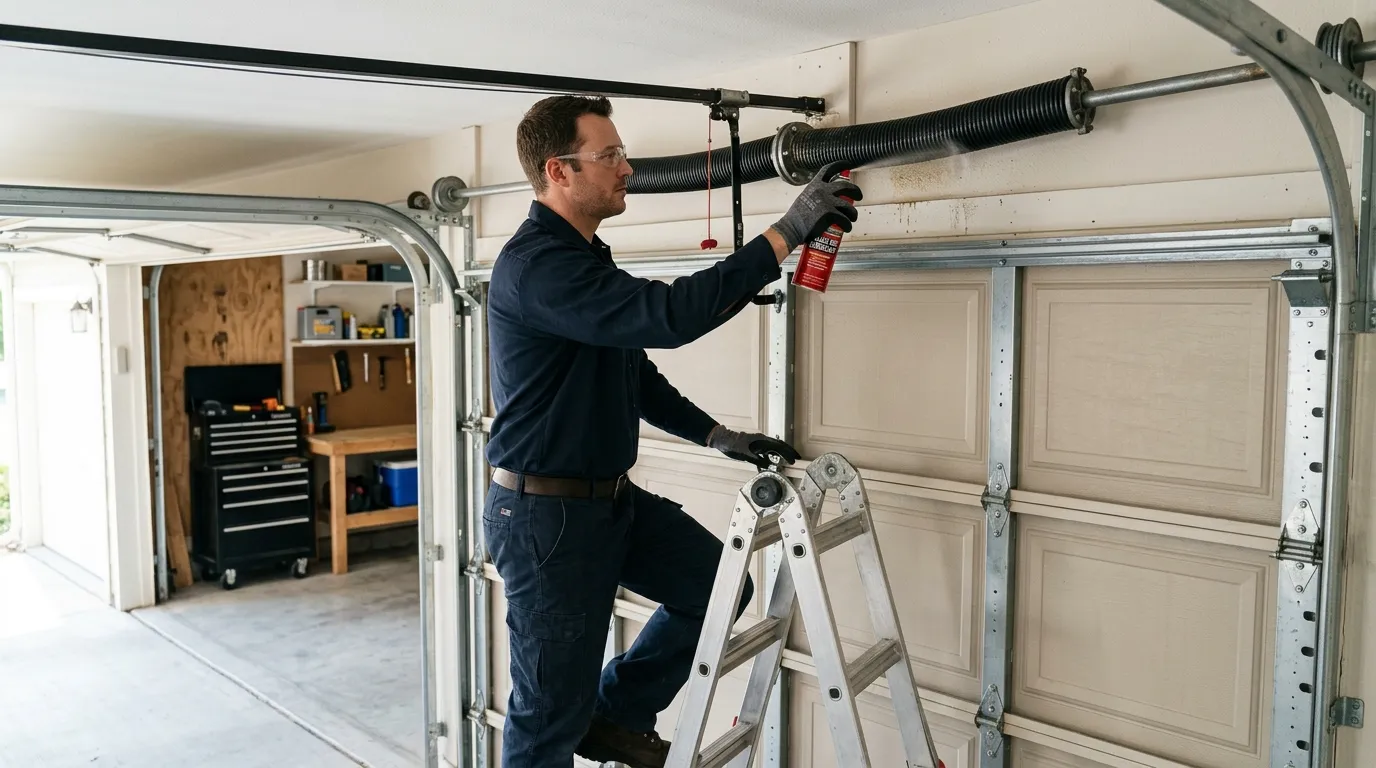
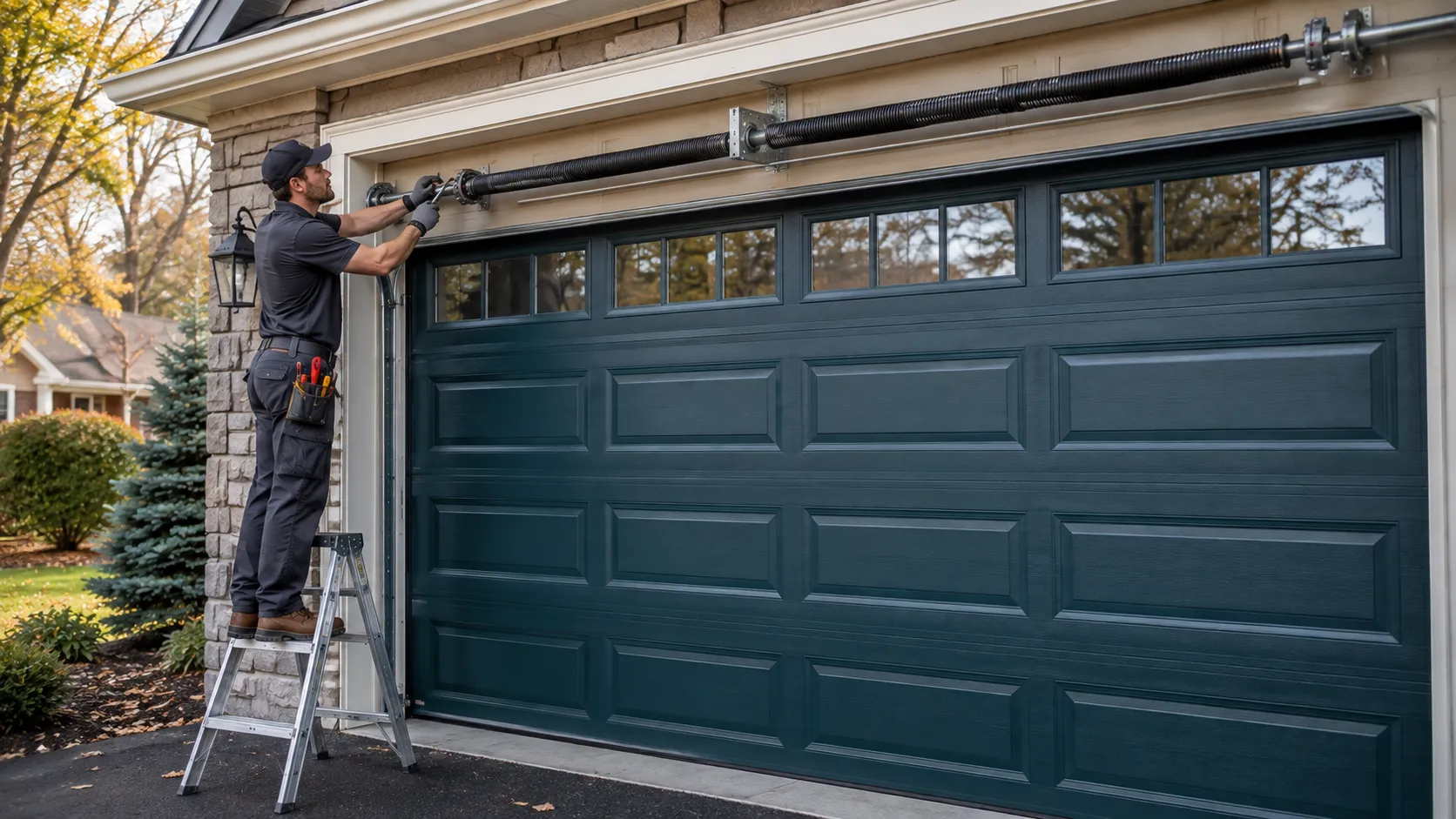
Streamwood's housing stock centers on a median build year of 1981, which puts most garage doors here about a decade past what you'd find on the older side of the service area. By 1981, steel sectional doors had mostly replaced wood, and torsion spring setups were becoming the standard over the side-mounted extension springs common on older builds. What that means on a service call: the failure you're likely dealing with is a torsion spring snapping at the center of the header, a chain-drive opener grinding on worn gears, or a steel panel that's rusted through at the bottom section where moisture sits longest. You won't often see the wood-rot panel failures or the exposed extension-spring cable snaps that show up on 1950s stock elsewhere in the area - this housing generation skipped straight to the hardware that's still standard today, just thirty-plus years worn. Rollers going flat, cable fraying at the drum, and openers losing their force settings are the common calls. The door itself is usually sound; it's the moving parts and the opener that give out first on houses this age.
How Long It Takes
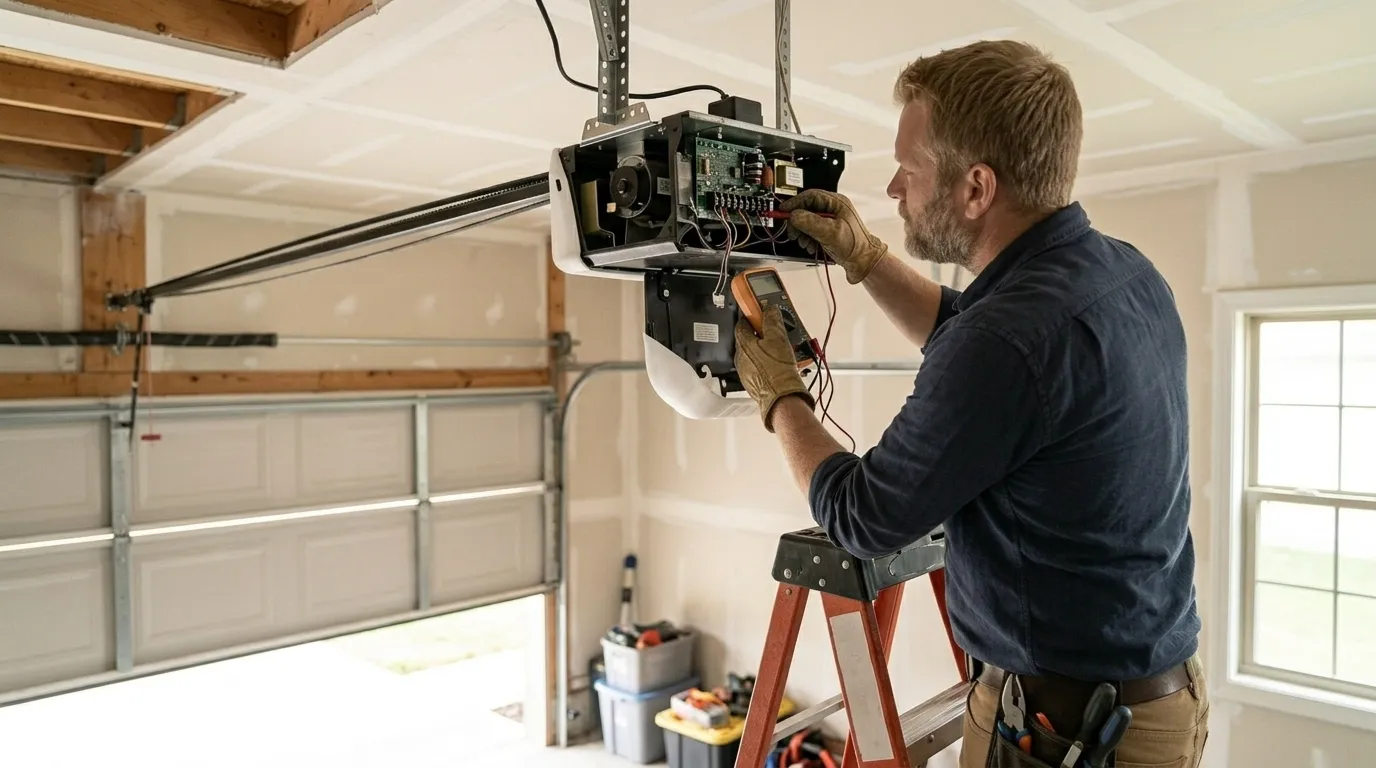
A torsion spring swap or a cable replacement on a door from this era is usually a same-visit job - the parts are common sizes because the hardware standardized by 1981 and hasn't changed shape since. Where it runs longer is opener work: if the chain-drive unit itself needs replacing rather than adjusting, that's a full unit swap, not a quick fix, and scheduling depends on what's in stock that week. We don't keep a branch in Streamwood - the crew comes from Northbrook, about 19 miles out, so the job gets scoped over the phone first and the truck comes loaded for what the visit actually needs rather than guessing on site. That first call matters more here than it would somewhere closer, because a wasted trip costs more time on a route this long.
Why It Happens Here
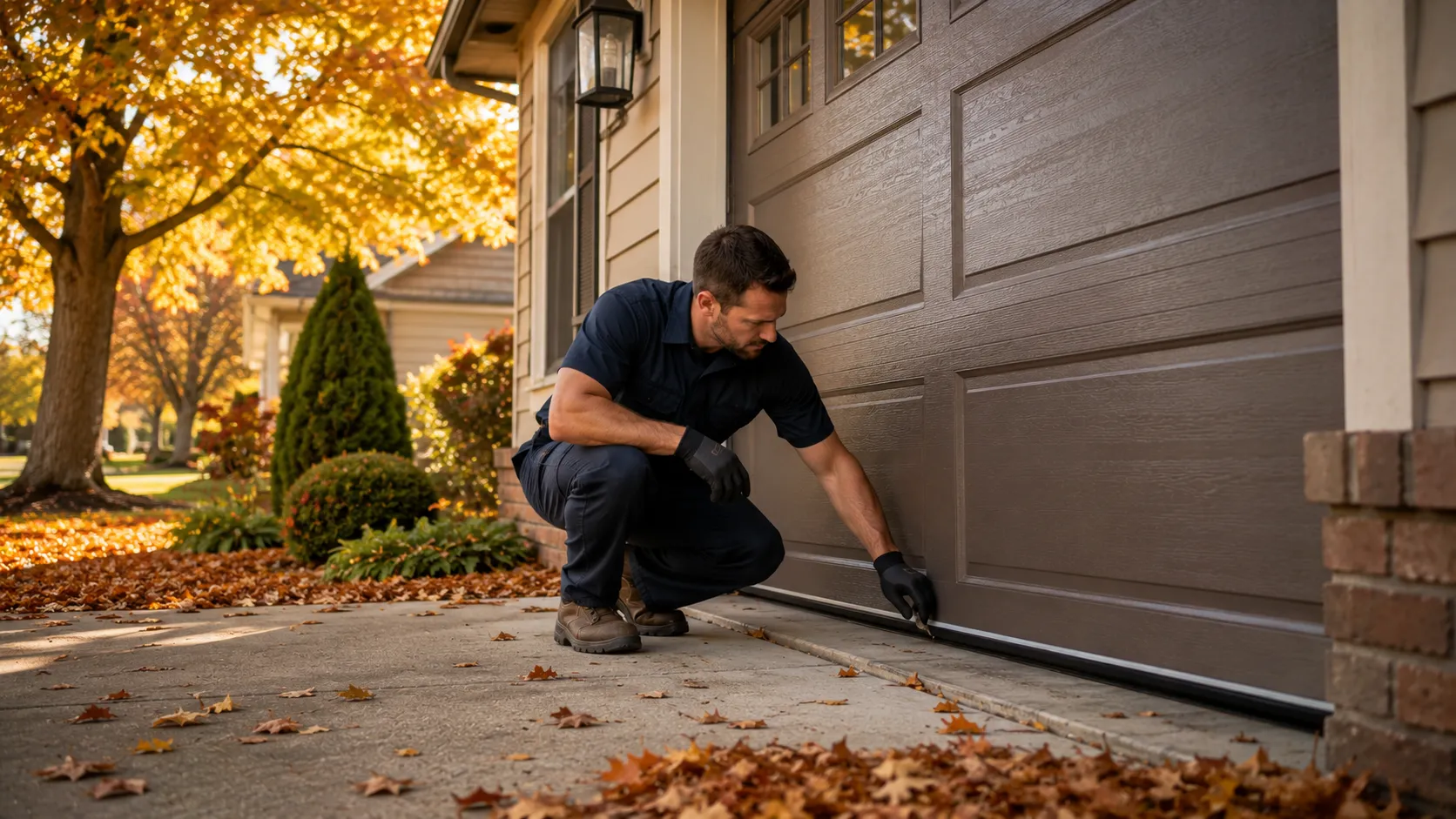
The service area sits in a cold-moderate climate band, and that cuts two ways for doors this age. Steel panels from the early 1980s don't insulate as well as anything made in the last fifteen years, so freeze-thaw cycling works on the weatherstripping and the bottom seal every winter, and that seal failure is often what brings a homeowner to check the door in the first place - before they notice the spring underneath is also on its last cycle. Torsion springs lose tension gradually with cold-weather cycling, and on a door this age, that gradual loss usually ends in a sudden snap rather than a slow give. With roughly 13,041 households in Streamwood, a lot of these doors were installed in the same few years, which means a lot of springs are aging out on a similar clock right now, not spread evenly across decades like they would be in a newer subdivision.
Where This Job Goes Sideways
The mistake we see most on doors from this era is someone replacing a spring without checking the drum and cable it rides on - both wear together, and putting new tension on an old cable is how a cable snaps mid-cycle instead of at rest, which is the more dangerous version of the same failure. The other one is opener-side: swapping in a universal replacement opener onto original 1981 track hardware without checking the header bracket is still solid. It usually is, but on a door this old we check it rather than assume it. Honest limit: if the panels themselves are bowed or the track is bent beyond a clean realignment, that's a replacement conversation, not a repair one, and we'll say so on site rather than patch something that's going to fail again in a year.