The DIY Question
A snapped lift cable looks like a job you could handle with a trip to the hardware store, and for some homeowners that's true. But the drive from our shop in Northbrook to Westchester is 20 miles, and if you call us out for a cable job, we'd rather you know upfront what we're bringing versus what you might be able to do yourself.
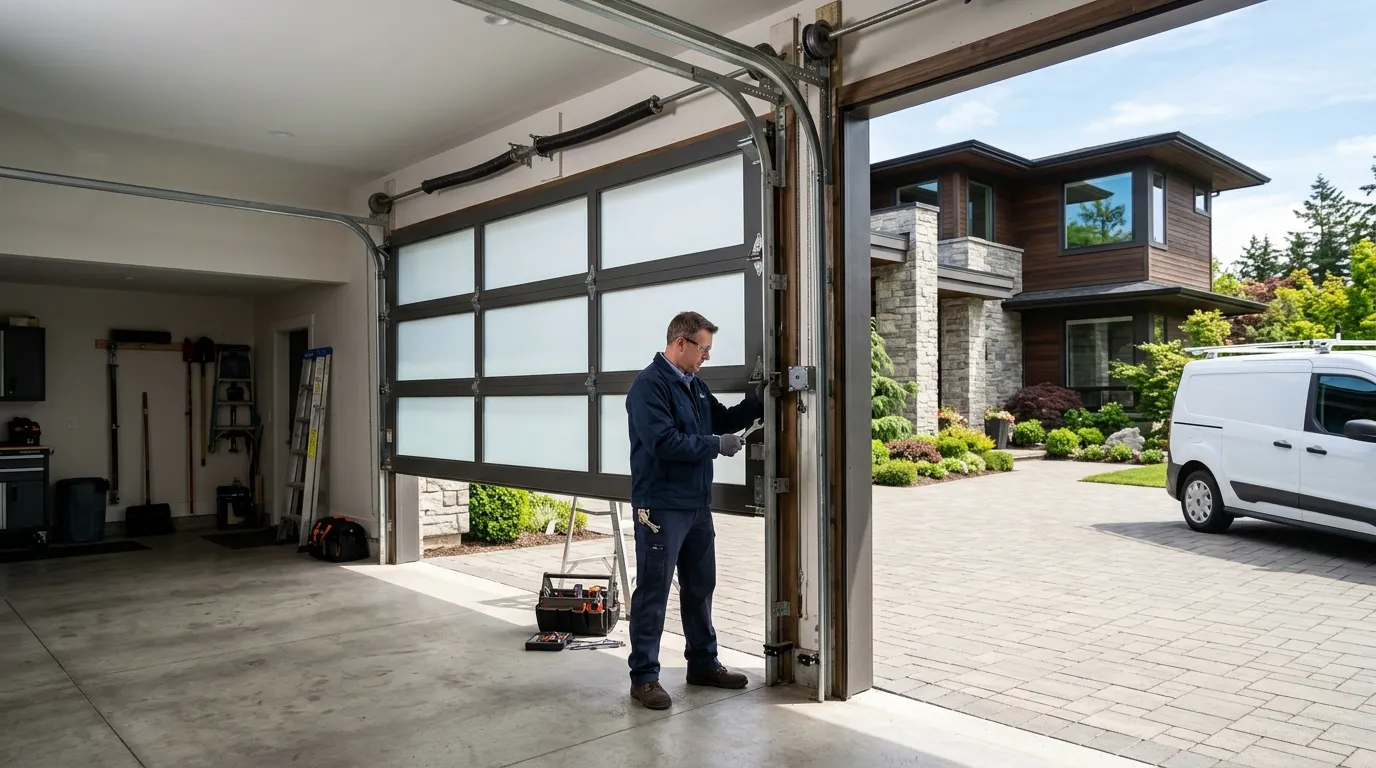
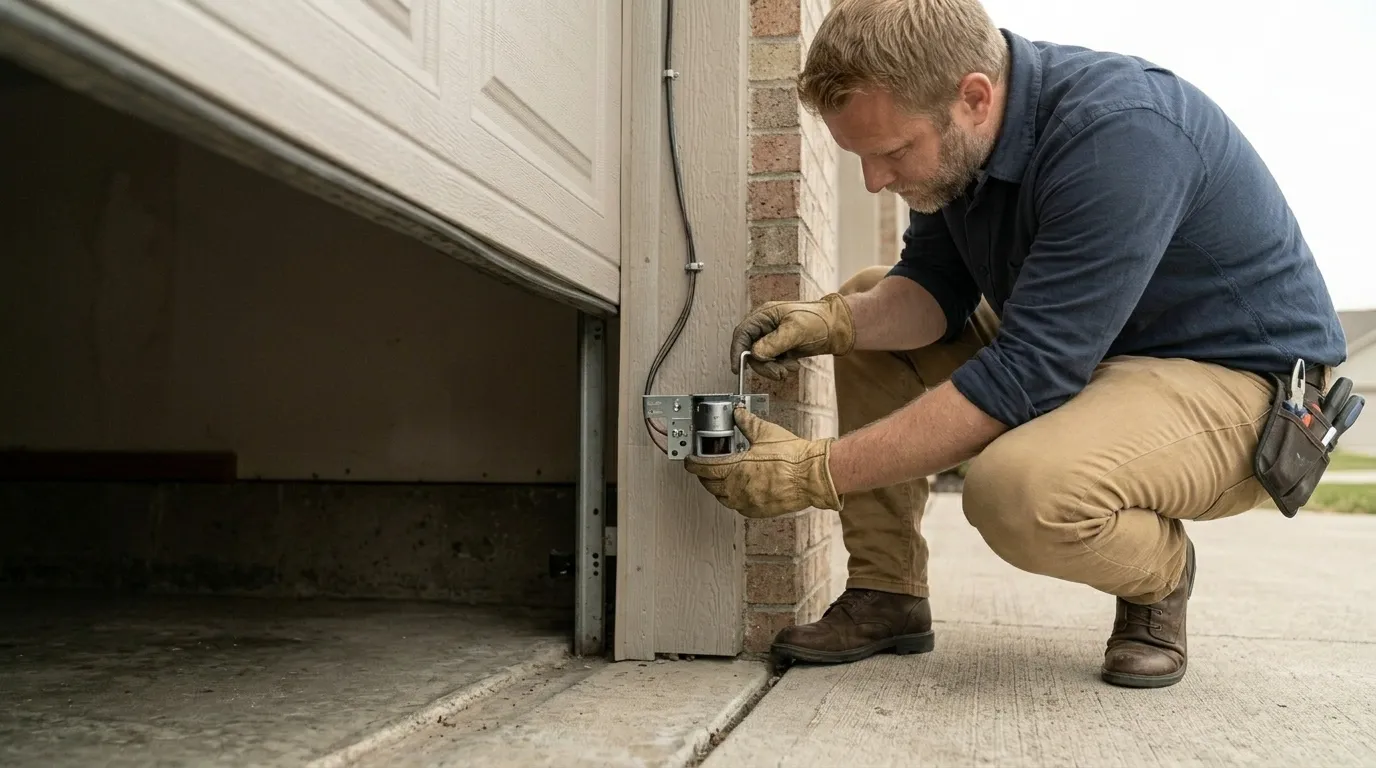
If one cable frayed and the door is still tracking straight, you can sometimes get away with a cable-only swap and no other parts. But if the door dropped unevenly, jumped a track, or the drum spun loose, that's not a bare-cable fix anymore - you're looking at drum, track, or spring involvement too, and that's where DIY gets dangerous fast. A cable under tension can whip hard enough to break a finger or worse.
We won't talk you out of a simple job you can safely do. We will tell you when it's not simple. If you're not sure which one you're looking at, a phone description of how the door came down usually tells us.
Why It Happens Here
Housing in this part of the service area runs from 1938 to 1996, with a lot of it clustered in the 1960s and '70s. Westchester's median build year sits around 1957, which puts a good share of its garage doors on hardware from a design period before galvanized aircraft cable became the standard everyone stocks today.
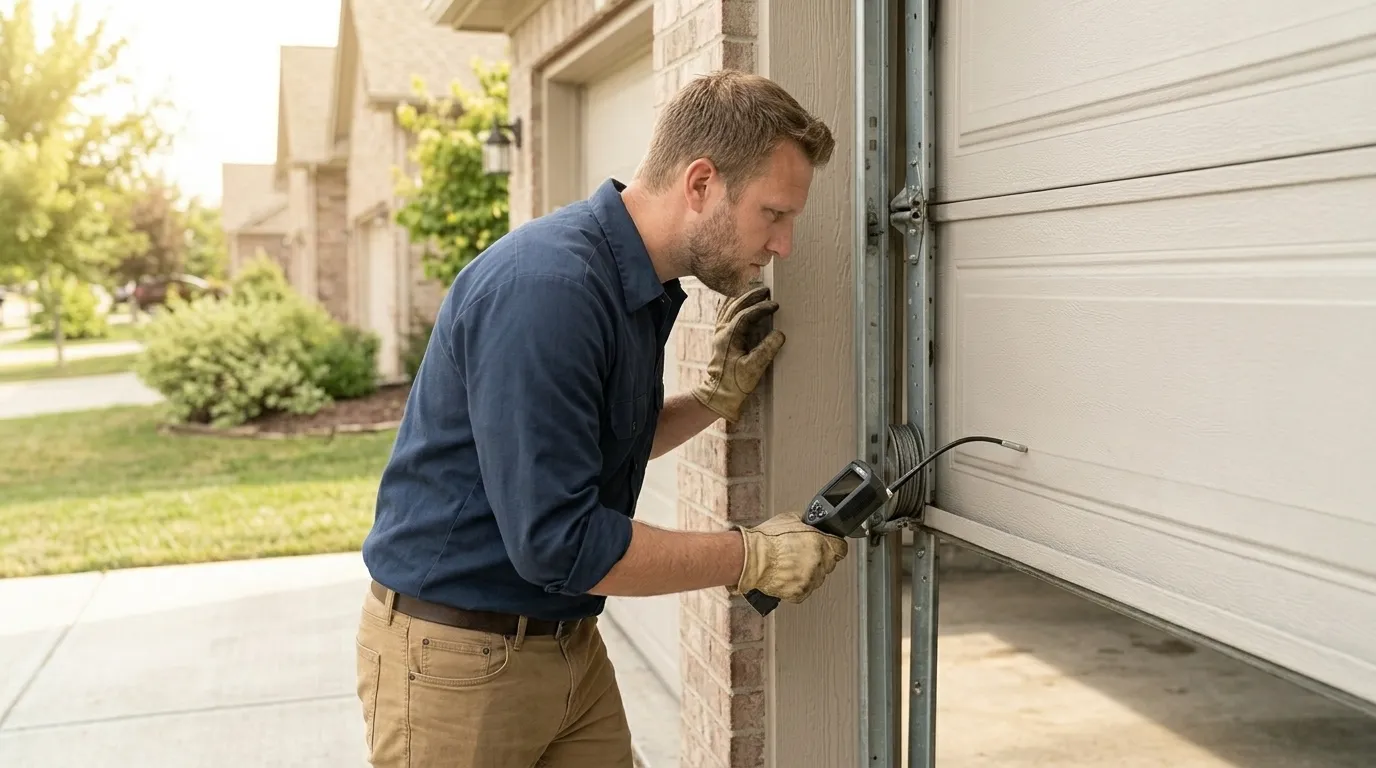
Doors from that era often ran lighter-gauge cable on drums sized differently than what ships on new doors now. When a cable on one of these goes, it's rarely a clean break - it's usually years of rust creep at the drum end, especially after a winter freeze-thaw cycle that lets moisture into the cable groove. Illinois winters put doors in a cold, moderate climate band, and the cable is one of the first parts to show that wear, well before the opener or the panels do.
We see this pattern often enough across the area's older housing stock that a Westchester call with a mid-century door doesn't surprise us - it's close to what we expect before we even see the door.
Parts We Carry
For a service area where median household income runs $103,561 and a lot of the housing dates to the 1950s through '70s, we've built our cable stock around what actually fails on doors of that vintage, not just what's newest. That means galvanized lift cable in the gauges that fit older drum styles, not only the sizes common on doors built in the last fifteen years.
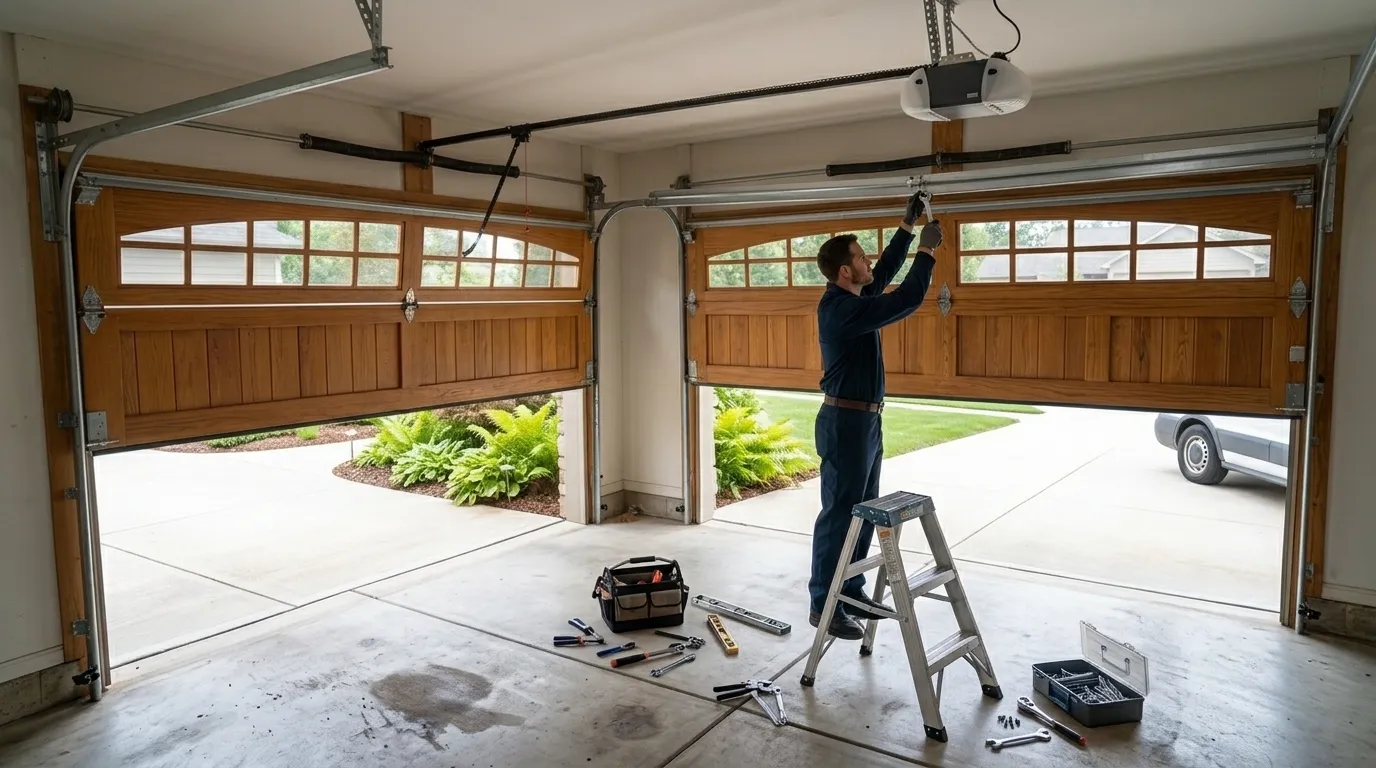
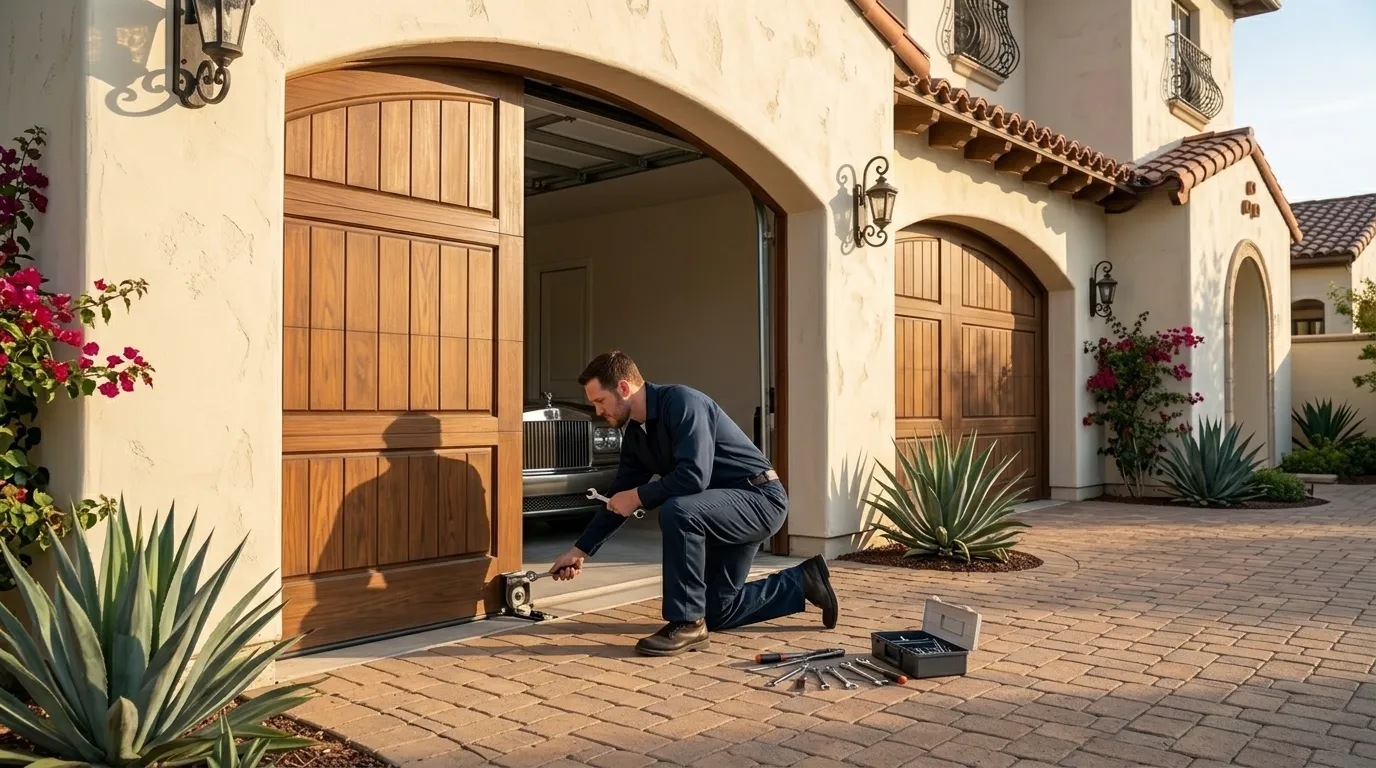
We carry standard drums and cable clips that match torsion setups from that period, along with the extension-spring cable hardware still found on some older Westchester garages that never got upgraded to torsion. What we don't stock on the truck is anything proprietary to a specific door brand's newer opener-integrated cable system - if your door turns out to need one of those, we'll tell you on the spot rather than pretend we have it in the van.
Having the right gauge on hand matters more on cable jobs than almost any other repair, since a mismatched cable will just fail again within months.
How It Shows Up
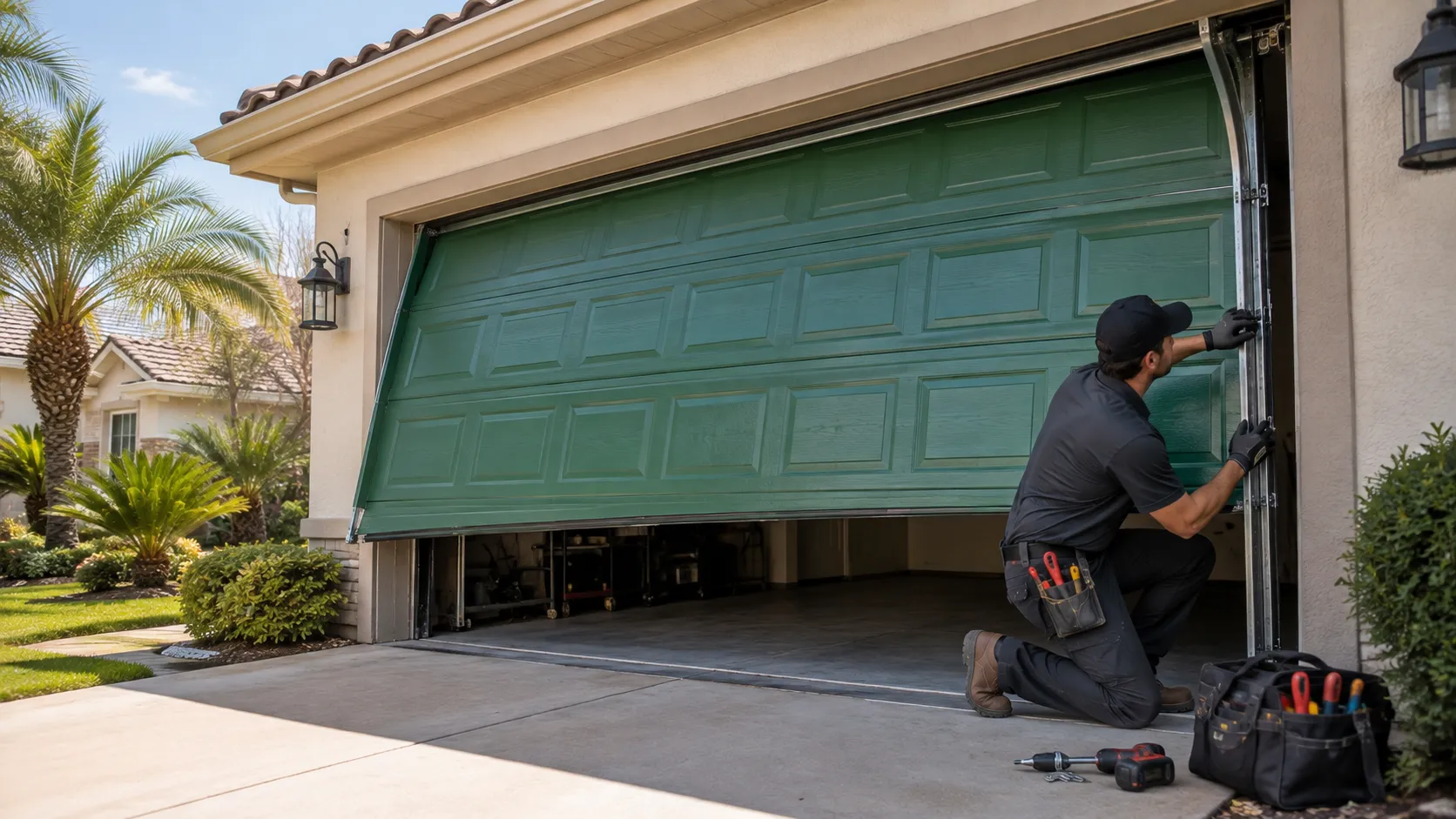
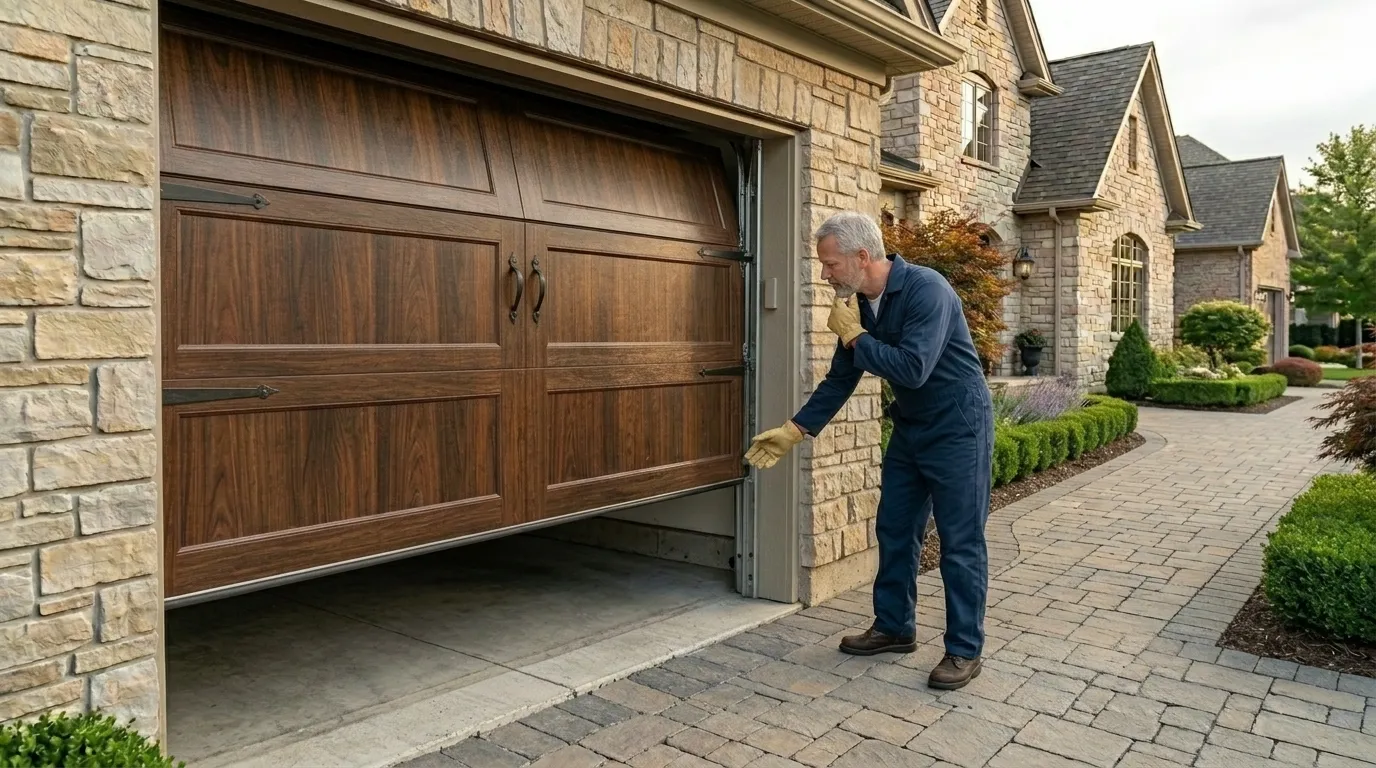
On a door with a failing cable, you'll usually notice one side of the door hanging lower than the other before the cable actually lets go completely - that's the tell-tale sign on double doors especially, since a single frayed cable pulls one corner down while the other side still holds.
Some owners hear it first: a light popping or pinging sound near the top corner of the door as the last strands give way. Others just find the door stuck halfway, refusing to open or close because the cable's come off the drum and jammed the track.
With roughly 7,084 households in Westchester, and a good number of them sitting on doors from that same mid-century build period, this is one of the more common calls we get from this side of the service area - right alongside spring failures, which often show up on the same visit since the two parts age together on a door this old.