The DIY Question
Westchester sits at a median household income of $103,561, which is right where the repair-or-replace question gets real. At that income level, most owners aren't choosing between a $40 bracket and a new door on impulse - they want to know if a repair actually holds before they spend money on a full replacement. That's the honest starting point for an off-track door.
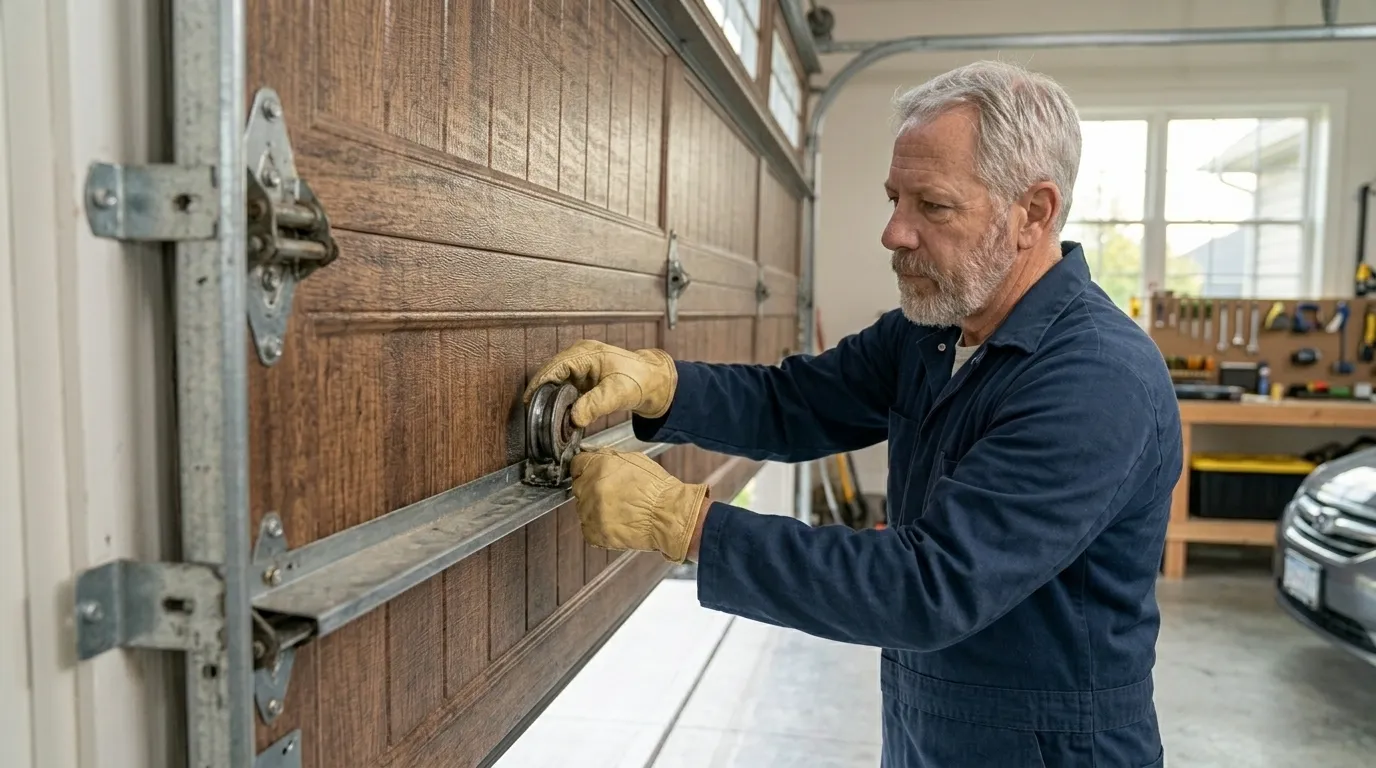
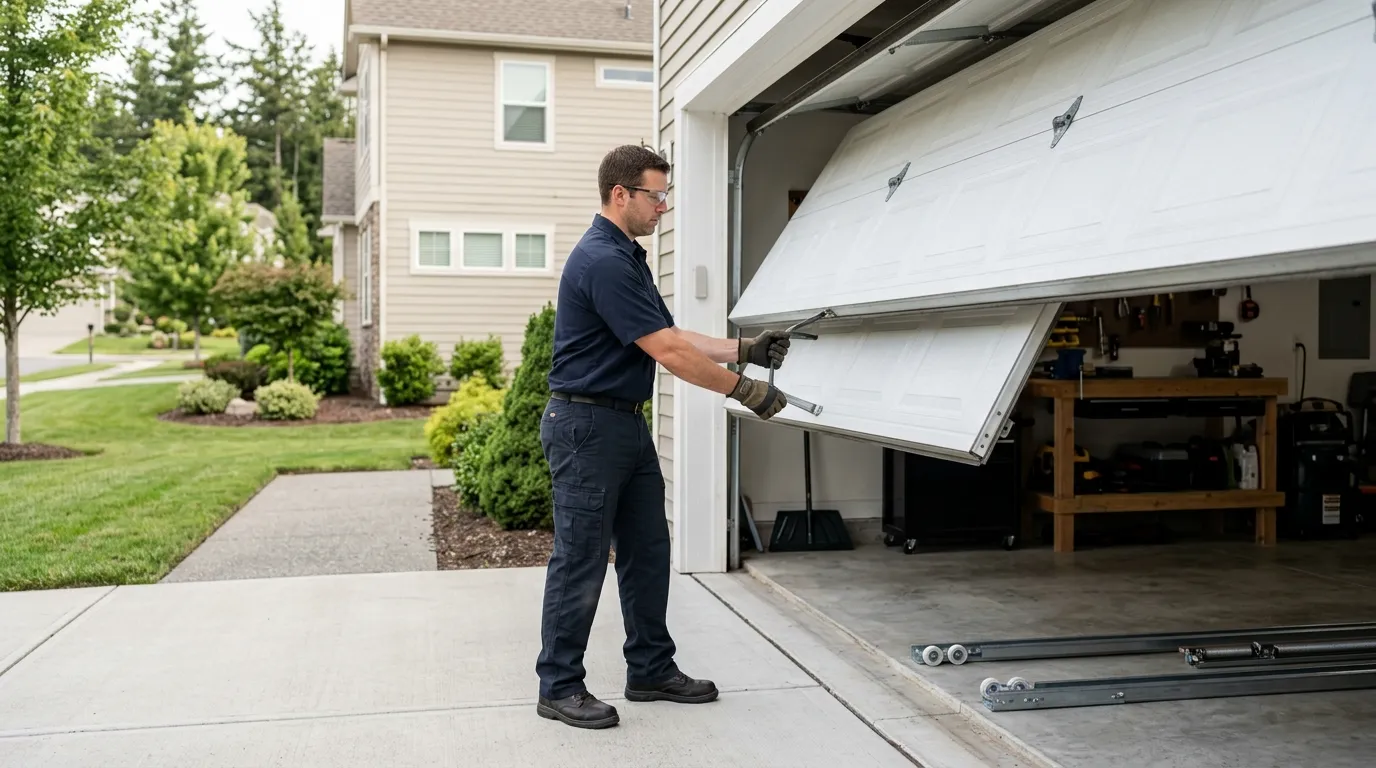
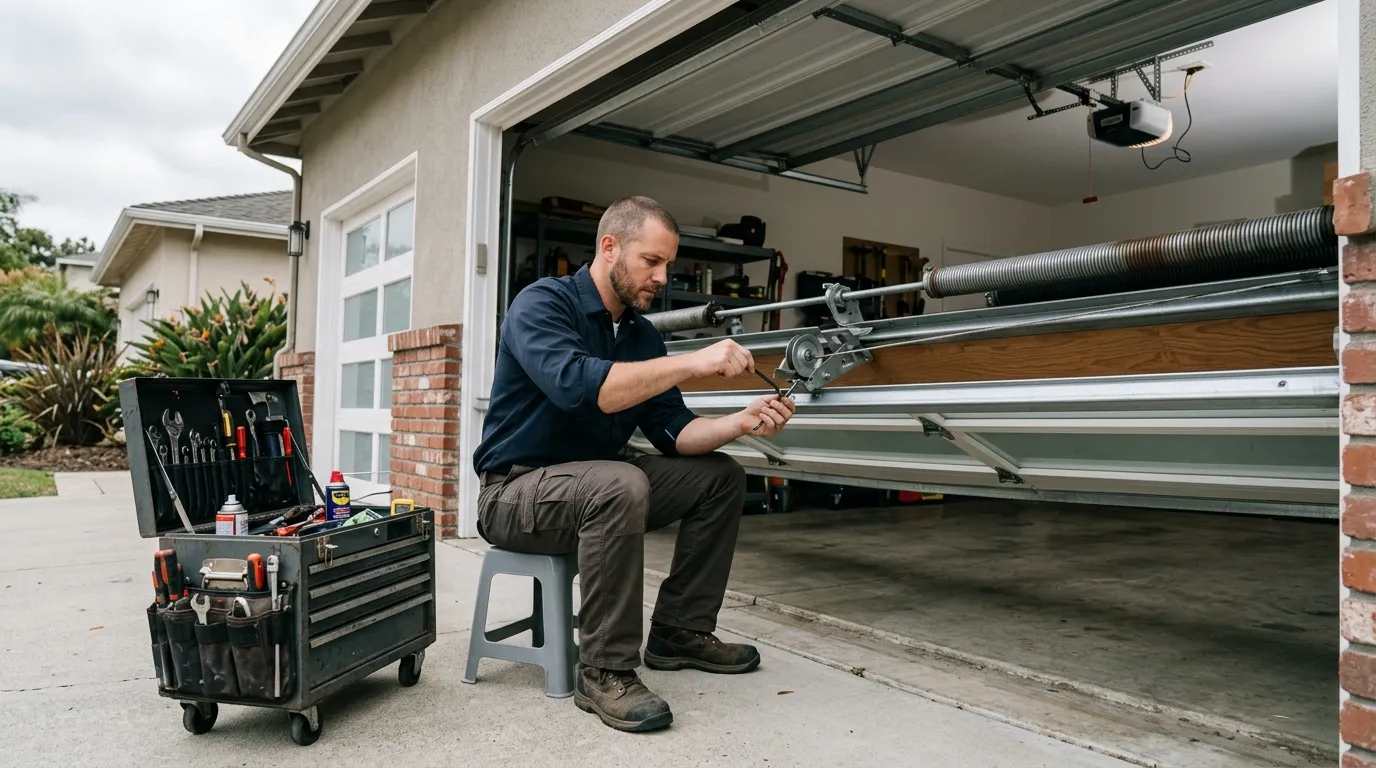
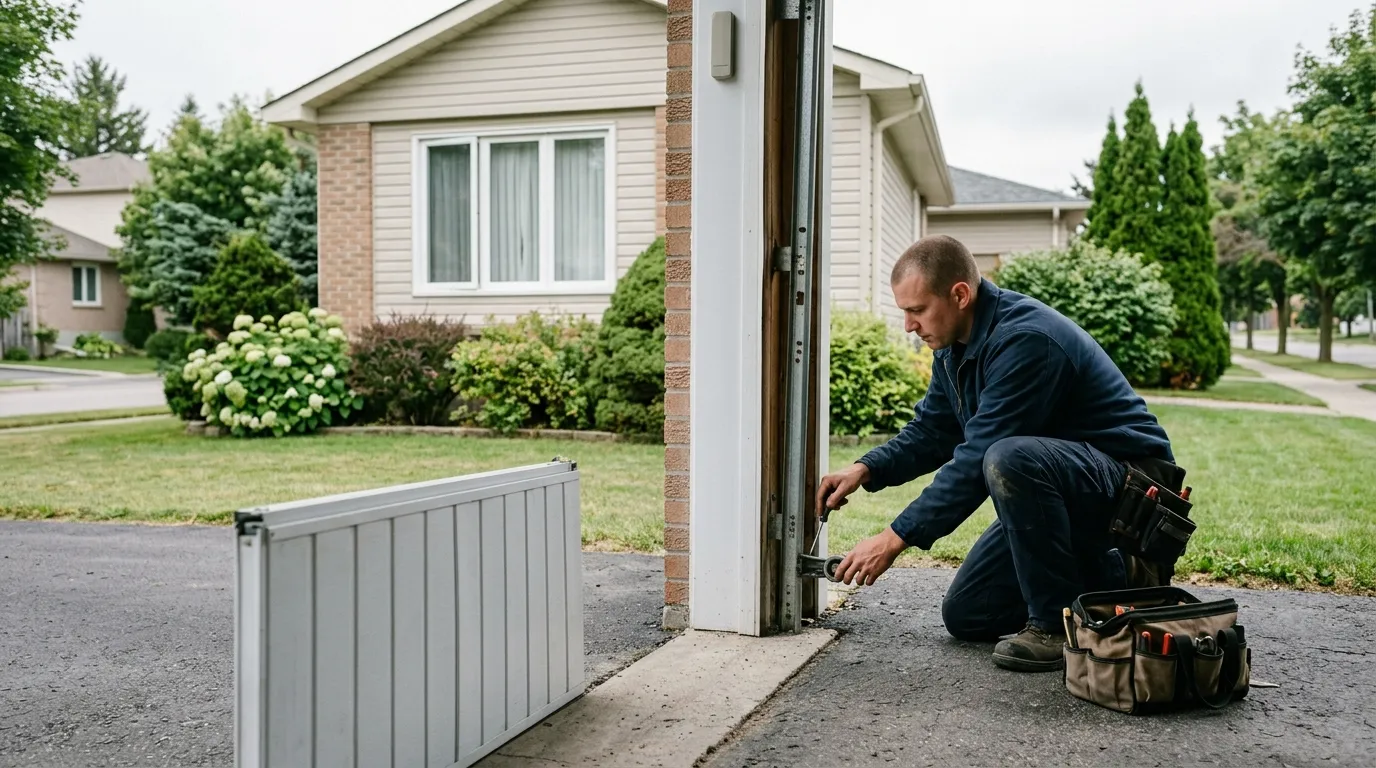
As for doing it yourself: don't push the door back onto the track by hand. A door that's jumped its track is still connected to a spring under load, even a broken one. People get hurt trying to muscle a panel back into a bent or twisted track, and a rushed fix often bends the track further, turning a $150 job into a full track replacement. If the door came off cleanly and the track itself looks straight, you can sometimes reseat rollers yourself with the door manually disconnected from the opener. If a cable is off the drum or the track is bent, that's not a DIY afternoon - it's a call.
Why It Happens Here
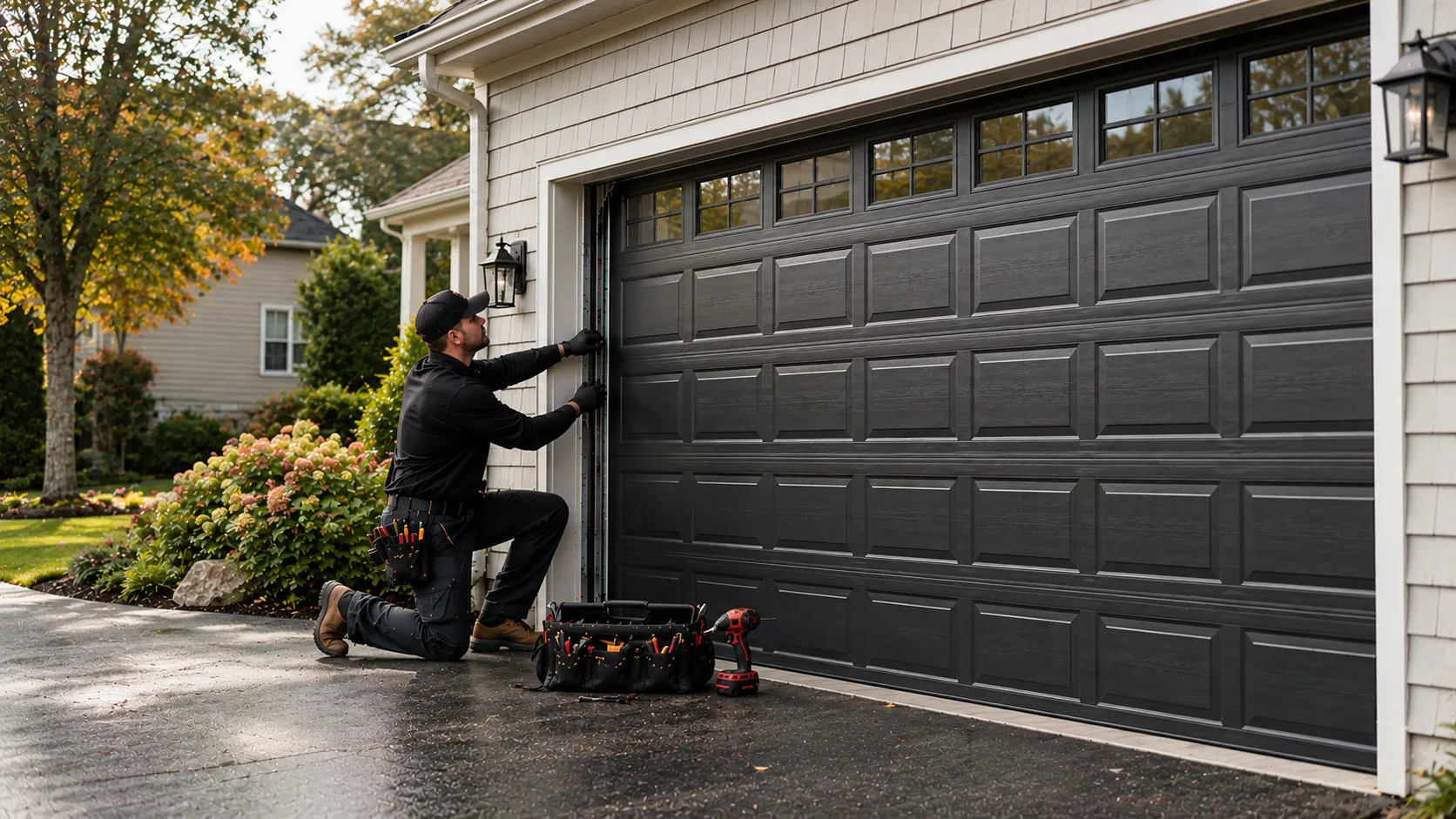
Median year built in Westchester is 1957. That matters for off-track doors specifically because the track brackets on houses from that era were bolted into framing and masonry that has moved over close to seven decades - settling, thermal cycling, sometimes a garage slab that's shifted a half inch since Eisenhower. A bracket that's loosened even slightly lets the track flex sideways every time the door runs, and eventually a roller walks right out of it.
The cold-moderate climate band this area sits in adds to it. Steel track contracts in winter and expands in summer, and on an older bracket that's already lost some of its grip, that seasonal movement is enough to work a lag bolt loose over a few years. We see it most on the side of the door opposite the opener, where there's less tension holding things in line. None of this is unique to any one house - it's what happens to track hardware installed when Westchester's housing stock went up, running through decades of Chicago-area winters.
Parts We Carry
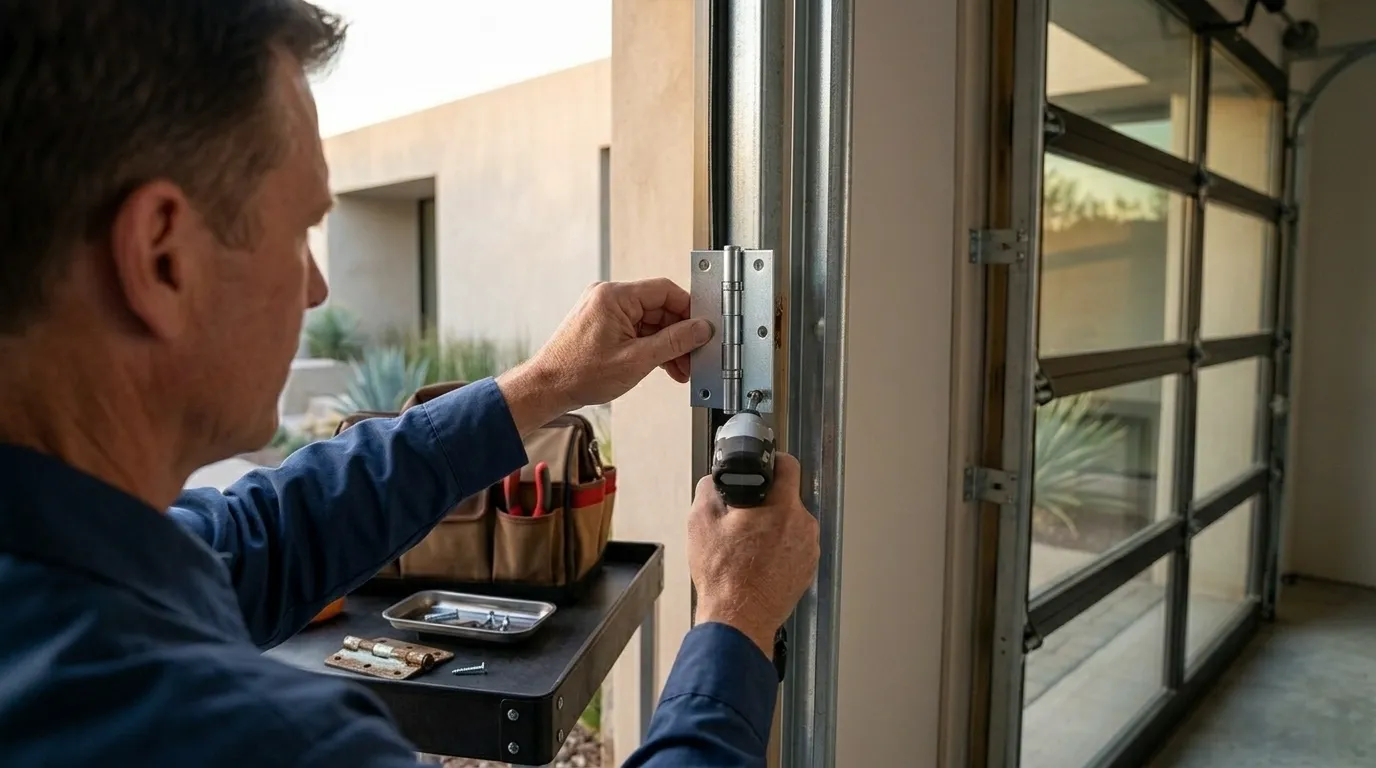
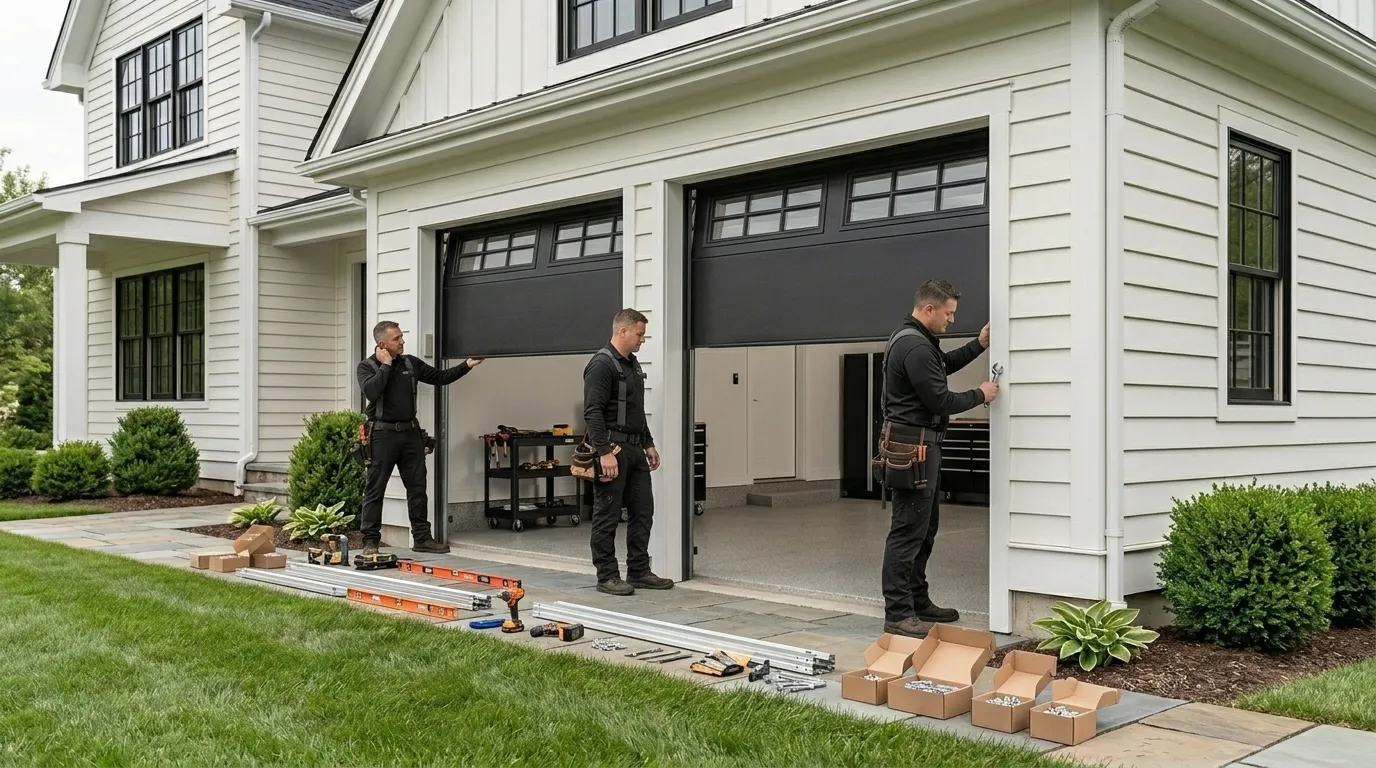
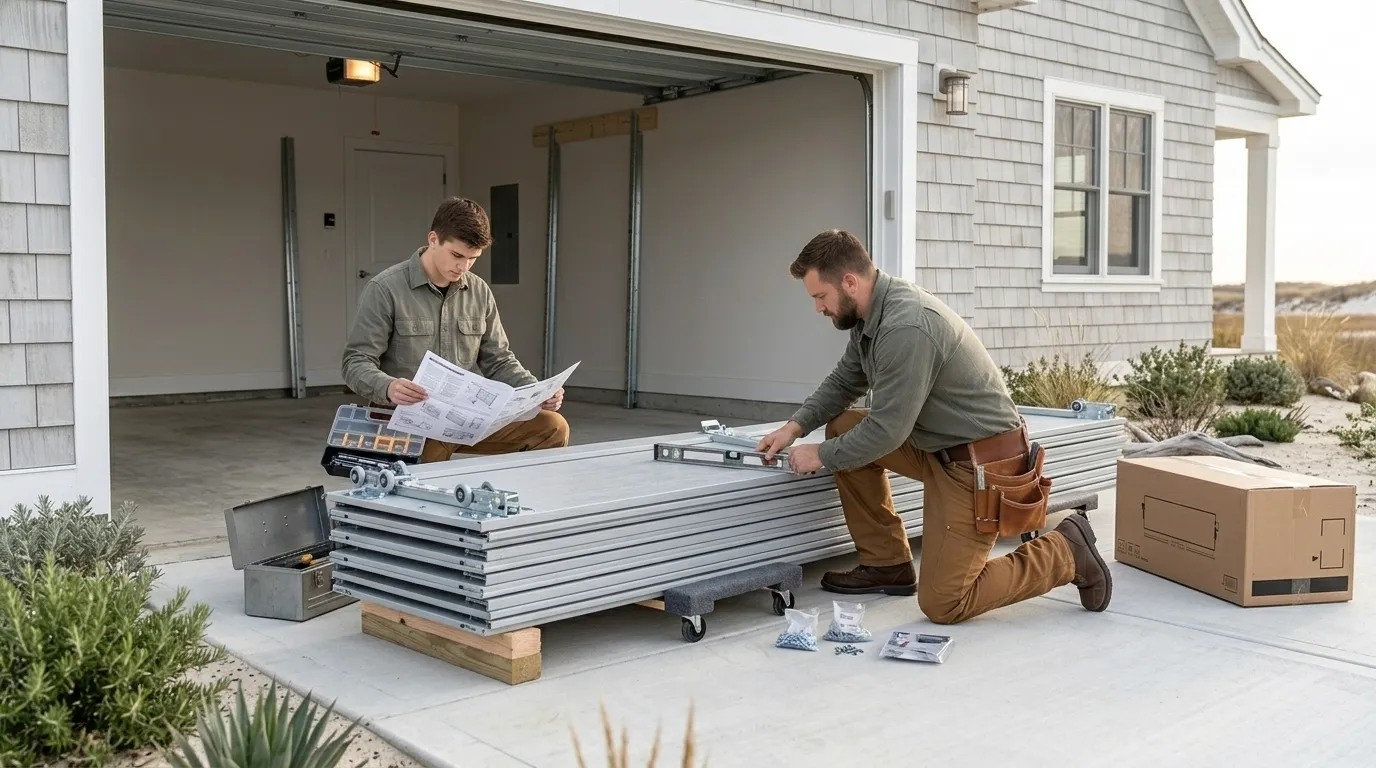
We carry the roller, bracket, and track hardware sized for the doors most common on houses built in the 1950s and 60s - narrower track gauge, older-style hinge spacing, and the shorter roller stems that fit those original openings. That's the hardware an off-track call in Westchester actually needs, not the wider modern track sizing you'd find on a door installed in the last decade.
We stock standard nylon and steel rollers, both flag and center-hinge brackets, and straight track sections in the lengths that match a single or double door on a residential opening. What we don't carry on the truck is custom or oversized track for a non-standard opening - those get special-ordered, and lead time on that isn't something we control. If your door needs a specialty part, we'll tell you that on the first visit instead of guessing.
How It Shows Up
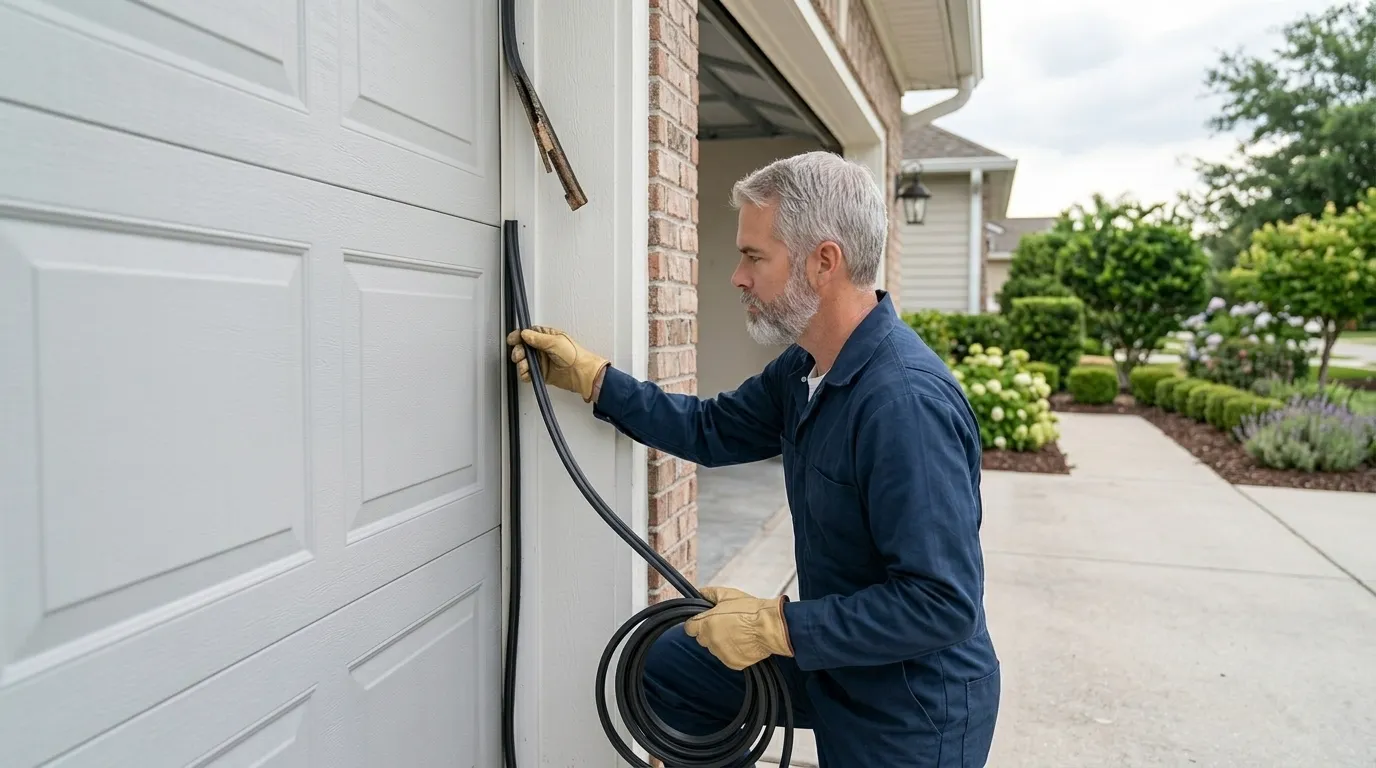
The most common sign is a gap along one edge of the door where it should be flush against the frame, usually with a grinding or popping noise as it opens. Sometimes the door stops partway and won't budge - that's a roller wedged sideways in the track rather than riding inside it. On older brackets, you'll sometimes see the bracket itself pulled slightly away from the wall or frame before the door ever visibly jumps.
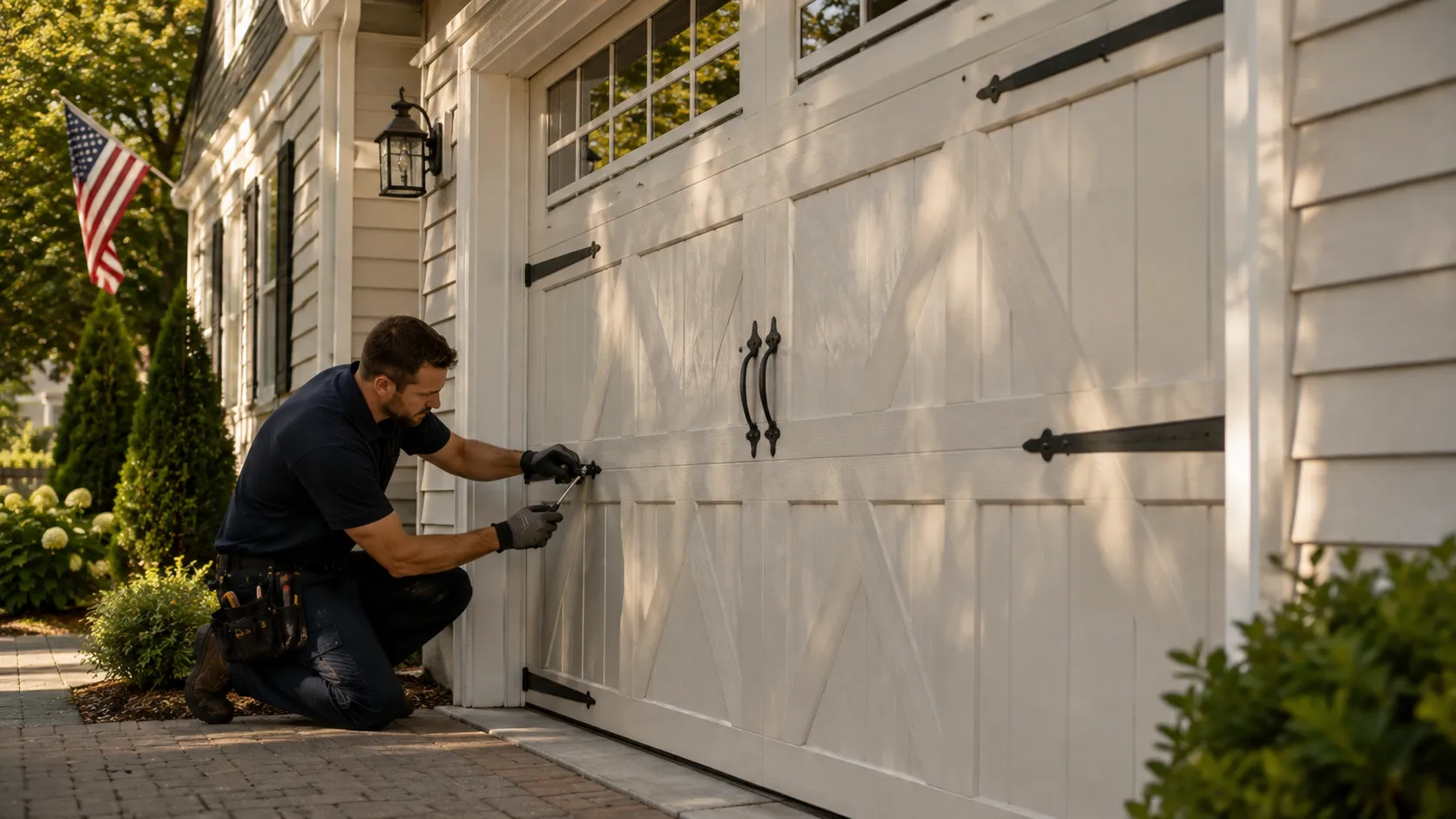
In winter, watch for a door that runs fine most of the year but starts binding or popping loose during a cold stretch - that's the seasonal contraction working on a bracket that's already a little loose. It's worth checking twice a year, especially on a door original to a 1950s-era opening, because catching a loose bracket before it lets go is a five-minute fix. Catching it after is a truck call.