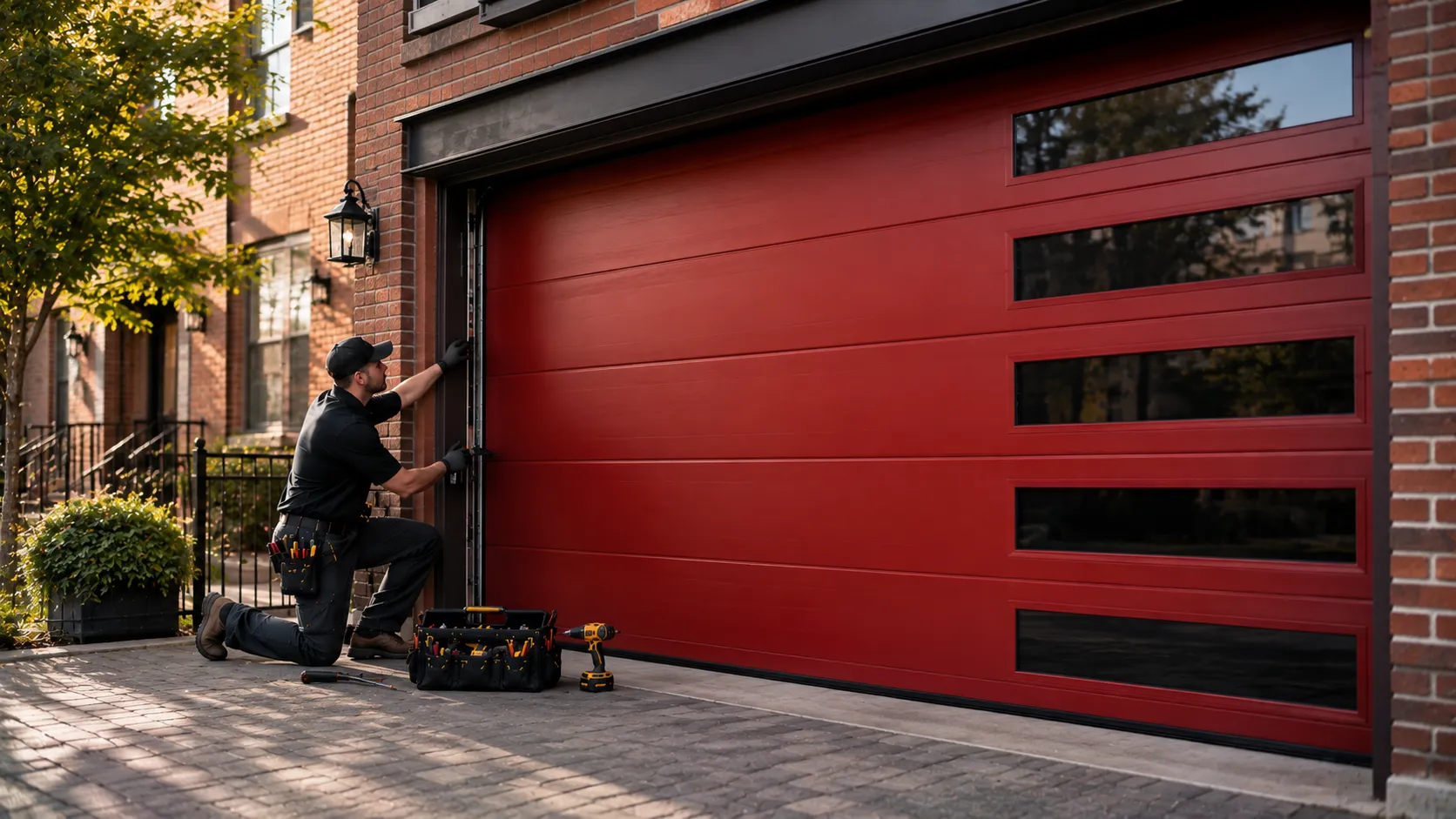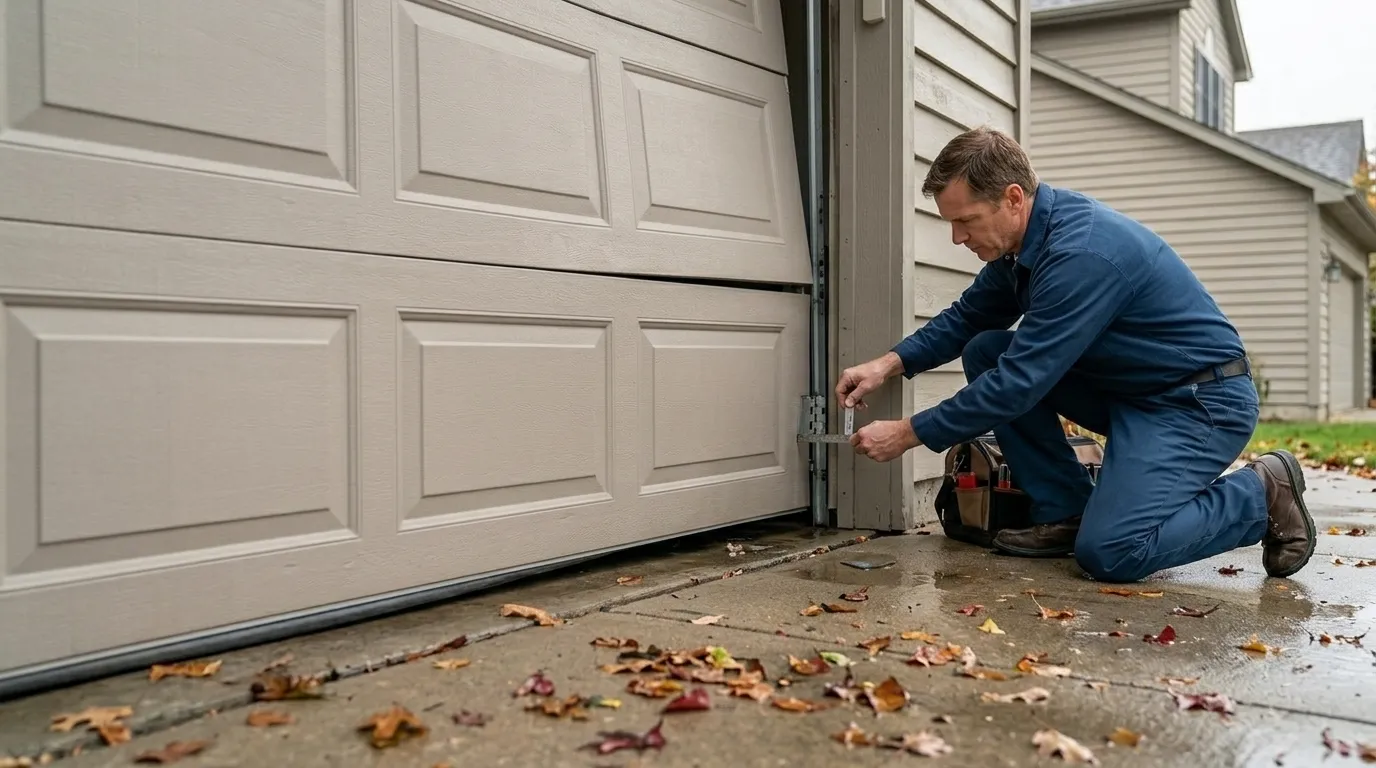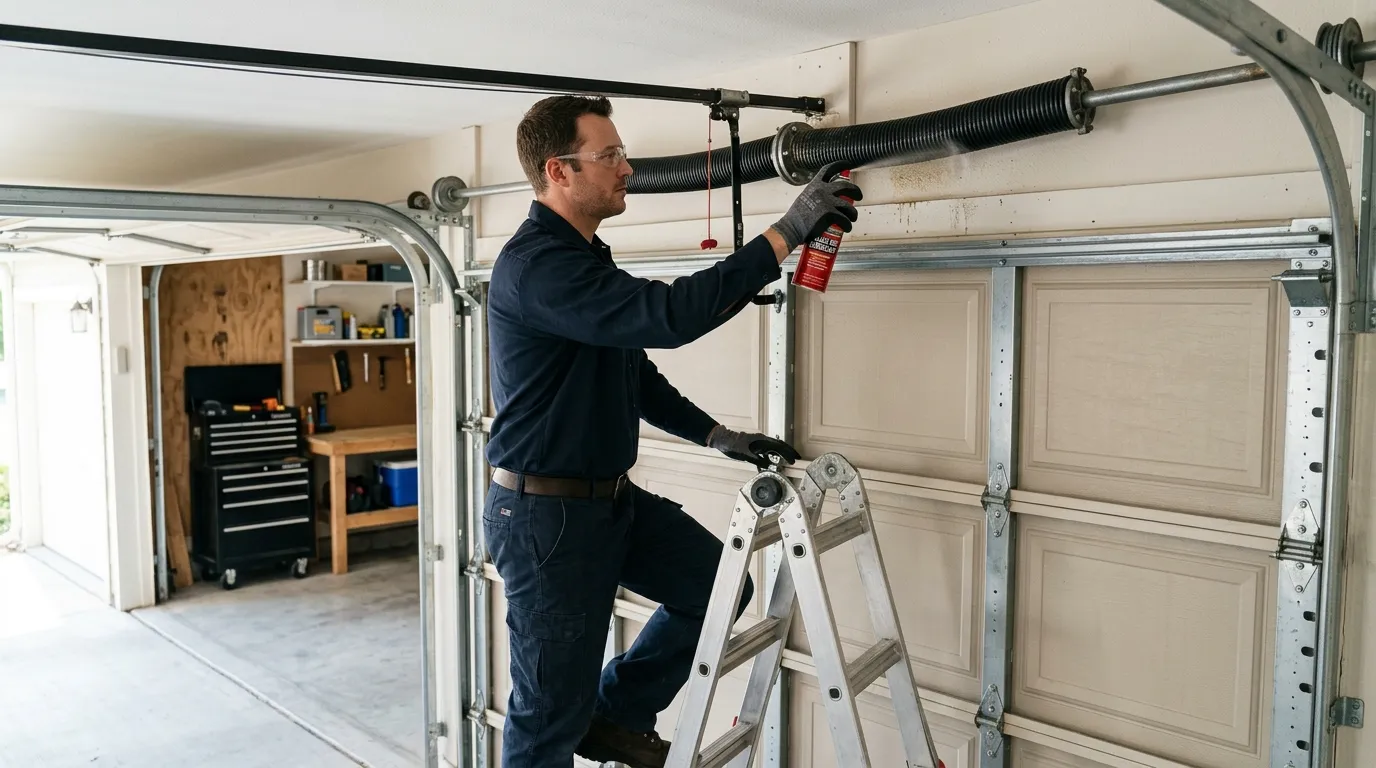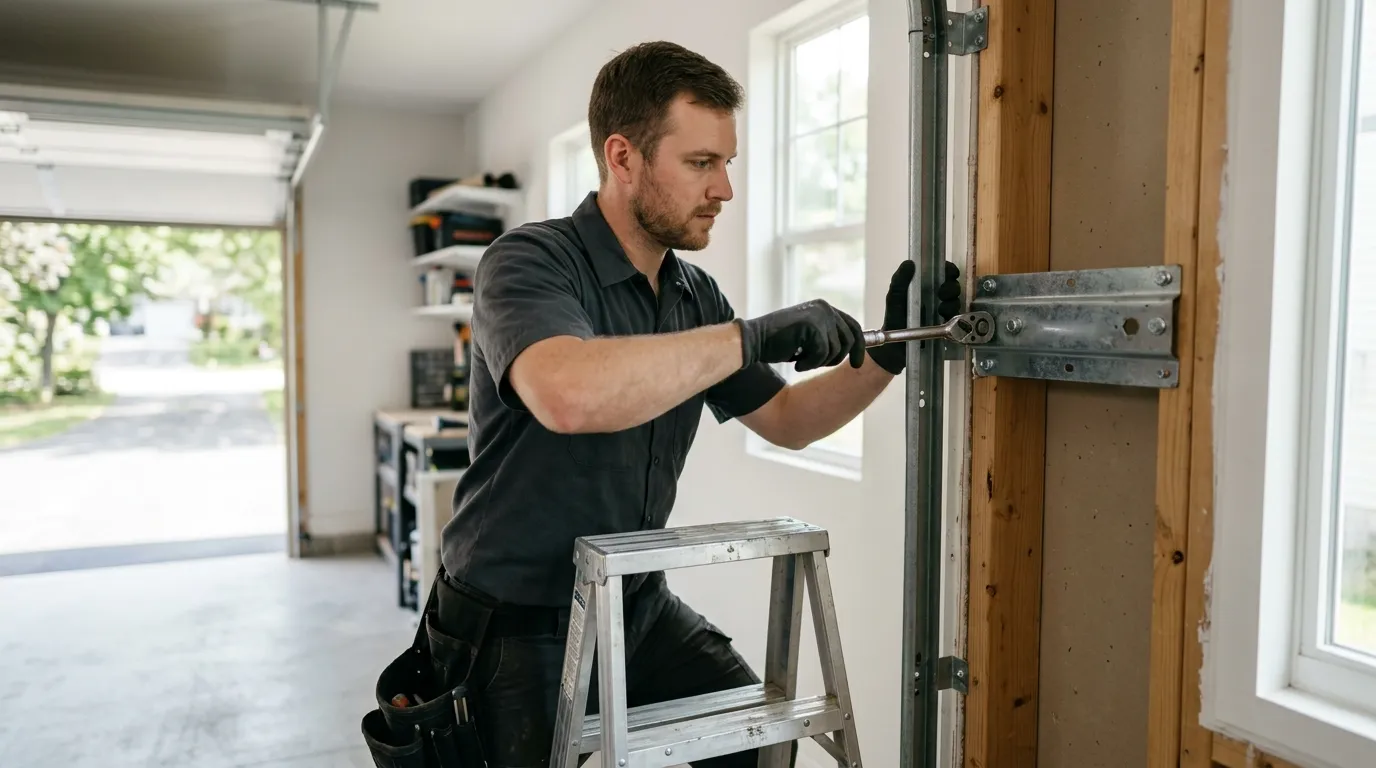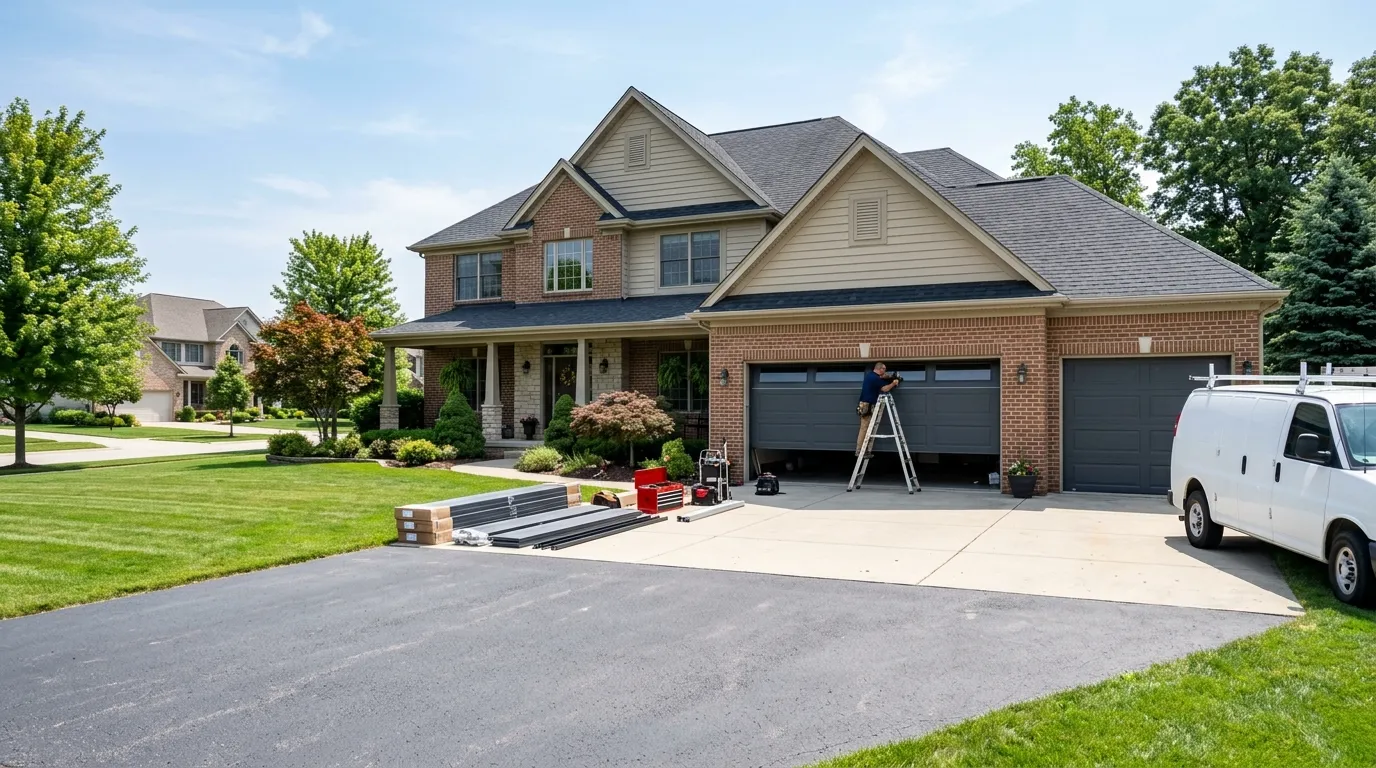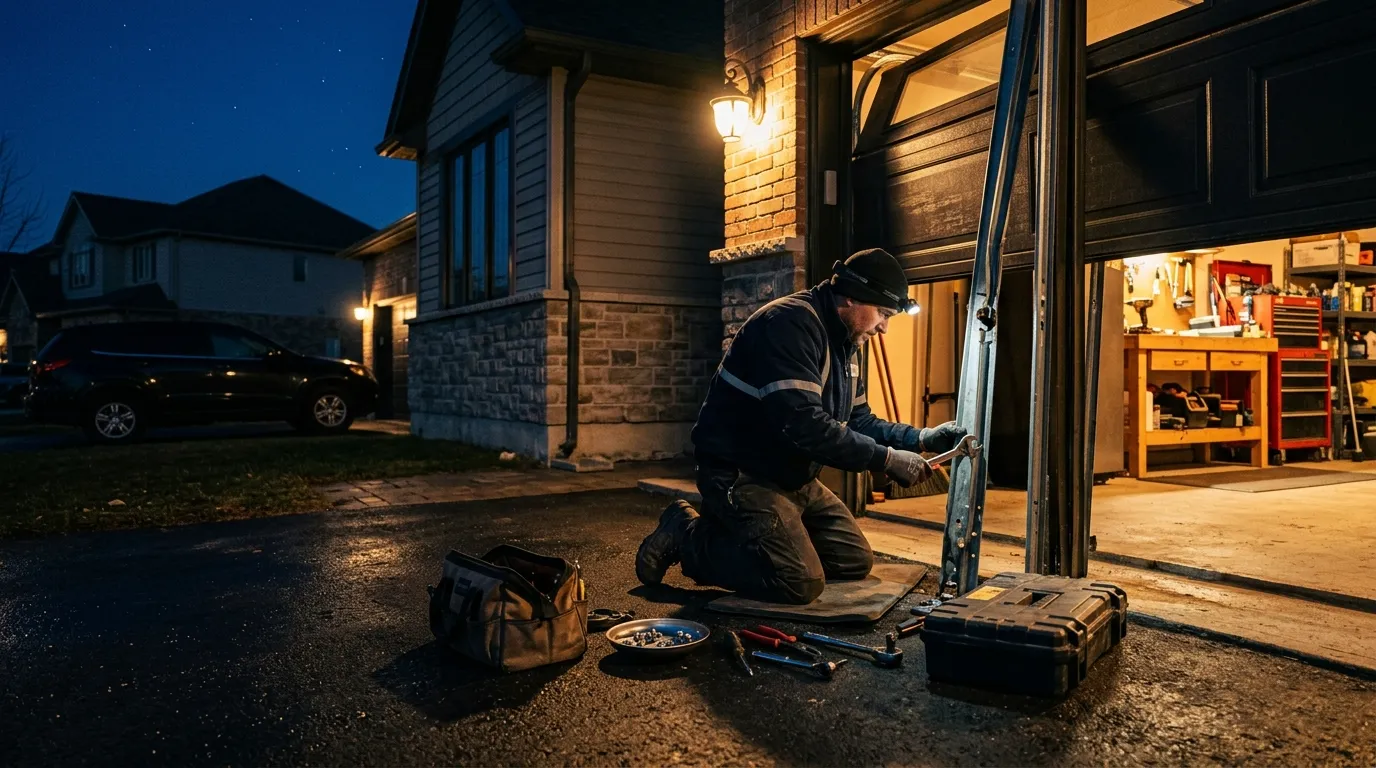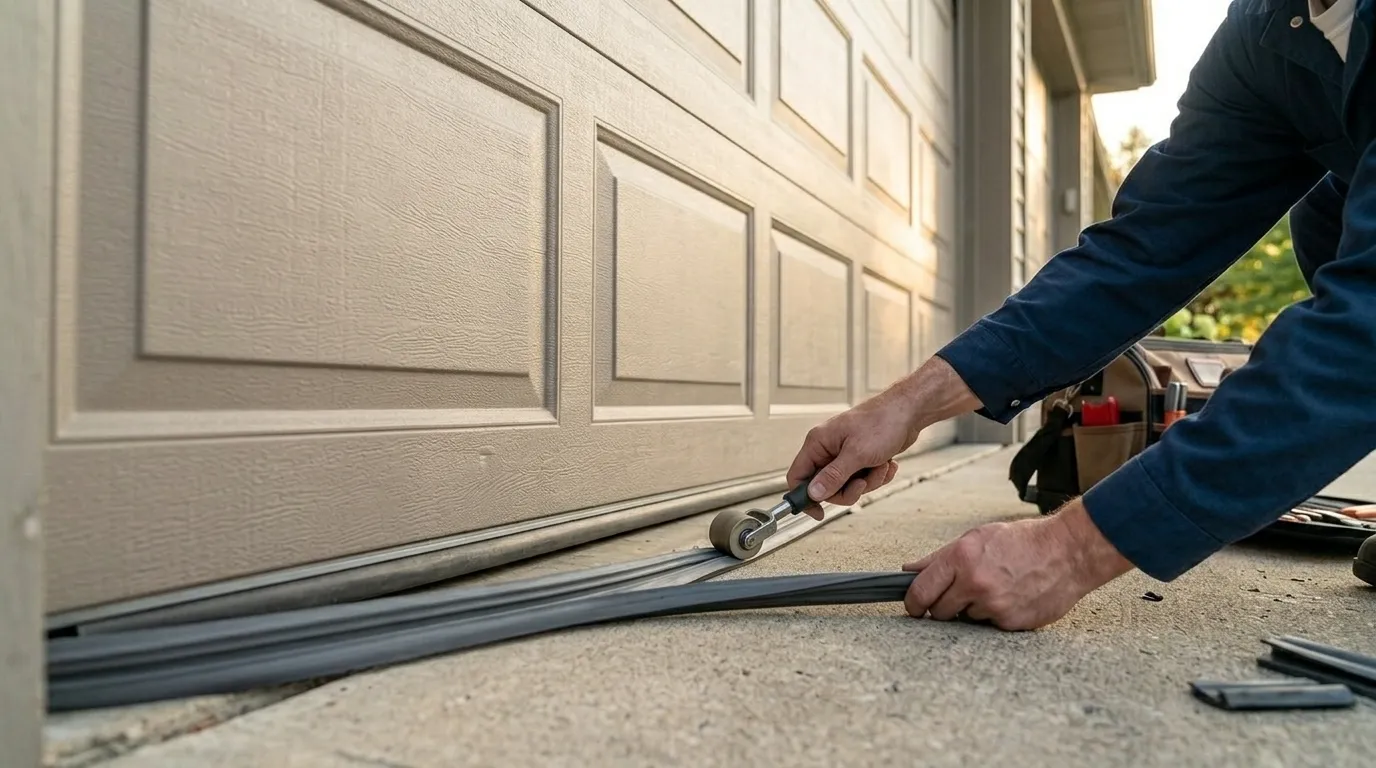
The DIY Question
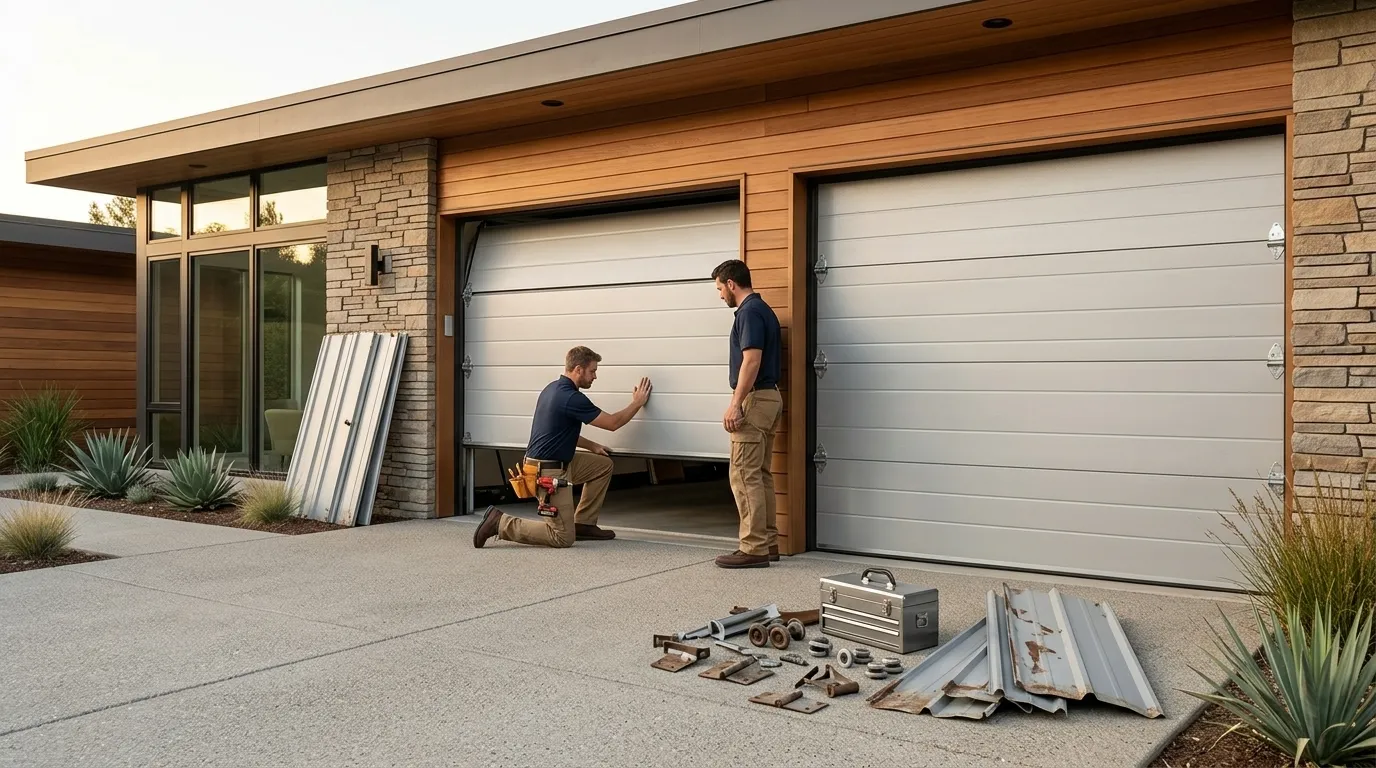
Westchester's houses carry a median build year of 1957, roughly two decades ahead of the 1974 median across the wider Northbrook service area we work in. That gap matters the moment you're standing in a big-box aisle staring at an opener box. A universal bracket kit assumes a door and track built to modern spec. A lot of Westchester garages still have the original header configuration from the late 1950s, sometimes with a low headroom clearance that the standard drive-arm mount was never designed to clear.
Can you install a new opener yourself in a house like that? Sometimes. If the door, track, and springs are already up to date and someone already re-hung the door on modern hardware, a straight opener swap is a reasonable weekend project. If the bracket doesn't line up, or the header is wood instead of steel, you're now improvising a mount on a load-bearing point above your car, and that's a different job than the box implies.
We'll say plainly: if your garage still has its original 1950s track and drum-style hardware, that's not a same-afternoon opener swap. It's a hardware evaluation first, opener second. We're honest about that even when it means a longer job than you hoped for.
Why It Happens Here
A house built around 1957 was framed for a door and hardware that predate the belt-drive and screw-drive openers on shelves today. The header framing in a lot of these garages was sized for a single torsion spring and a chain-hoist opener from decades later - not for the heavier trolley carriages some modern openers use. When we open up a Westchester garage, we're often finding a mounting point that was never load-tested for a modern unit's pull weight.
Cold-climate stress adds to this. This part of Illinois sits in a moderate-cold climate band, and older garages from this build era typically don't have the insulation or the vapor barrier a 2020s garage does. Wood expands and contracts more here than in a newer structure, which loosens screws in header brackets that were driven into softer old lumber decades ago. That's not a Westchester-specific defect - it's what happens to a mid-century garage in this climate over sixty-some years.
Across the roughly 7,084 households in Westchester, the pattern repeats: original framing, a chain-drive opener installed at some later point as a retrofit, and a bracket that's due for reinforcement before anything new goes up.
Parts We Carry
For a mid-century Westchester garage, the parts that actually get used aren't the flashiest ones. We carry standard reinforcement brackets sized for older wood headers, trolley rail extensions for the odd headroom clearances common in 1950s framing, and both chain-drive and belt-drive opener units so we're not forcing a quieter belt-drive onto a header that can't take the added torque without reinforcement first.
We also stock the wall-mount control stations and basic keypad entry units that a lot of these older garages never had - a fair number were built before remote entry was standard, so there's often no existing wiring to reuse, and that's a separate part of the job, not an add-on we skip.
One limitation worth saying out loud: we don't stock every proprietary rail or carriage type from every discontinued opener brand. If your garage has an obscure old opener model we can't source a matching part for, replacement is usually the faster and cheaper route than hunting for a part that hasn't been made in years.
How It Shows Up
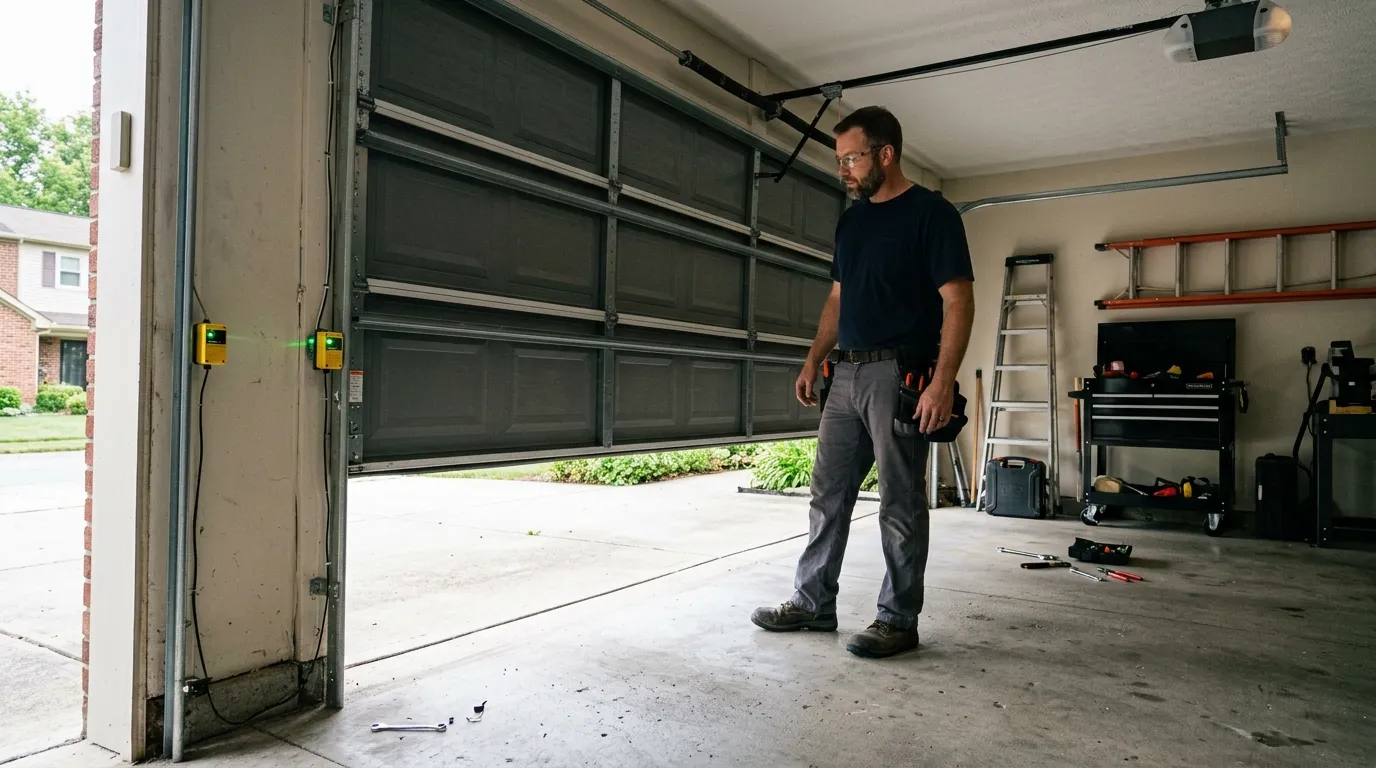
In a Westchester garage, opener trouble usually announces itself as movement at the header, not just noise from the unit. You'll see the bracket flex slightly when the door starts, or notice the whole mounting board shift a fraction on each cycle - a sign the header behind it was never built to carry what's bolted to it now. That's different from a newer garage, where a failing opener usually just gets loud or slow before it quits.
Another pattern specific to this build era: openers installed as retrofits decades after the house went up, often mounted at odd angles to clear rafters that weren't planned around an opener at all. When that unit finally fails, the replacement isn't a straight swap - the new opener needs a mount that the original framing was never designed to offer.
If your door has started reversing on its own, or the opener runs but the door lags behind the carriage by a beat, that's usually the header flexing under load, not the opener motor failing. Worth having someone look at the bracket before you spend money on a new unit that will have the same problem in a year.