The DIY Question
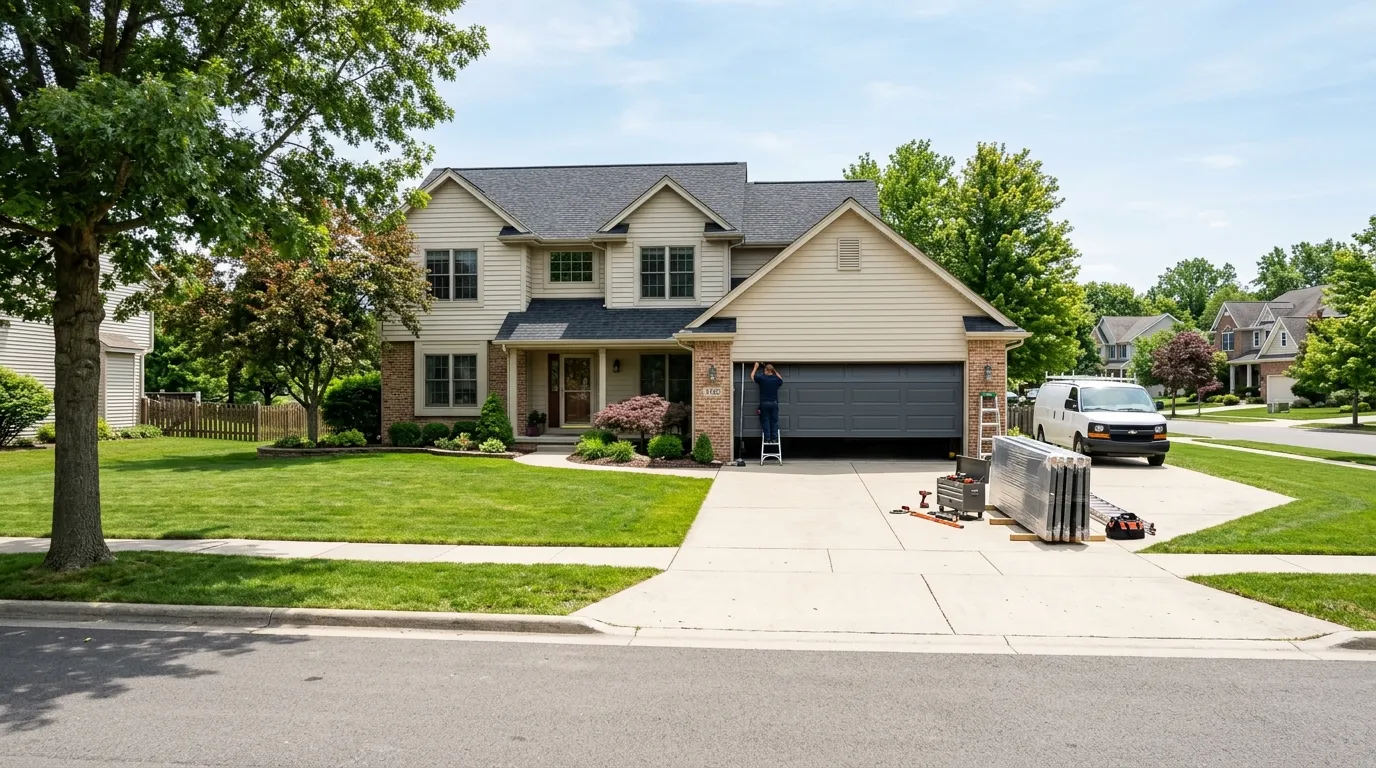
Before you touch anything, figure out how old the hardware actually is. Westchester's housing stock centers on 1957, and a lot of doors on this side of the service area are still running the torsion springs, the track brackets, and even the panel sets that went in when the house was framed. That's nearly seven decades on steel that was never meant to last that long.
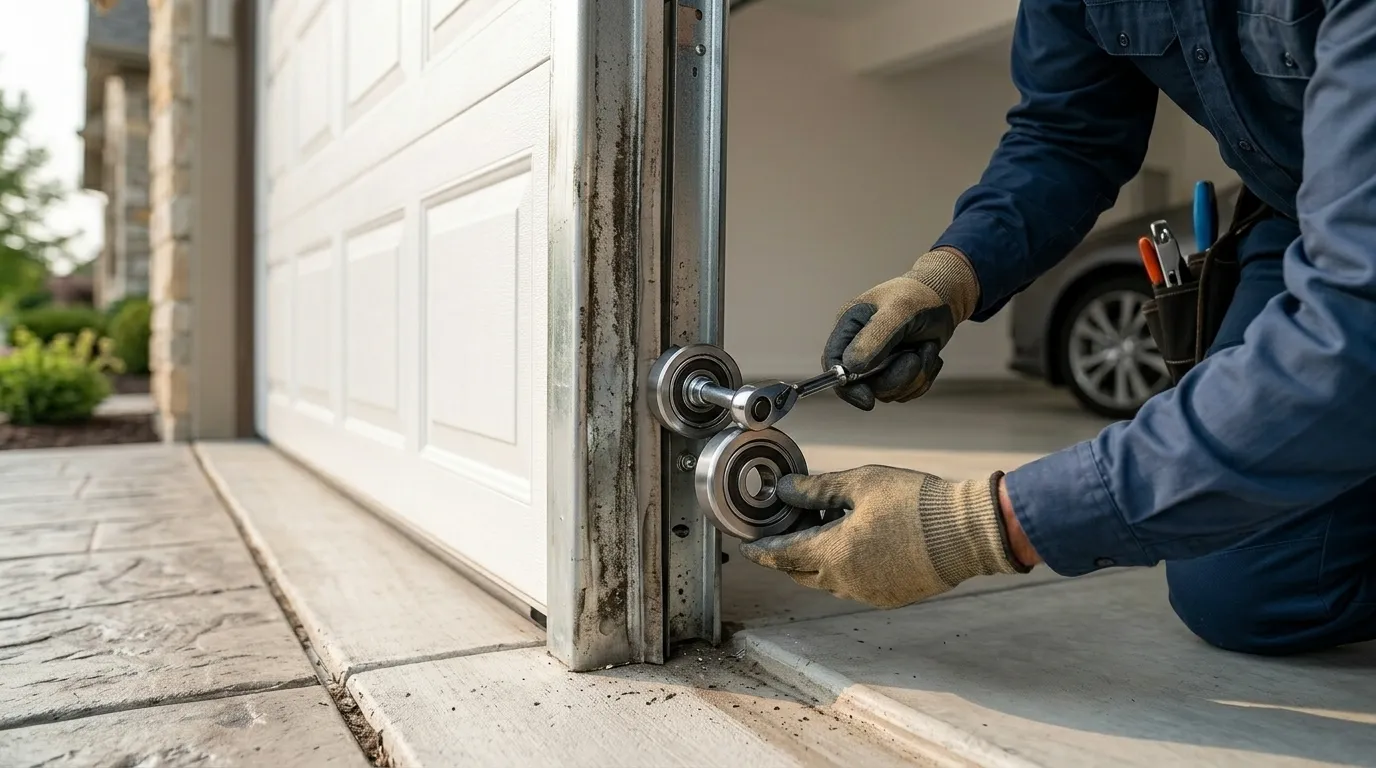
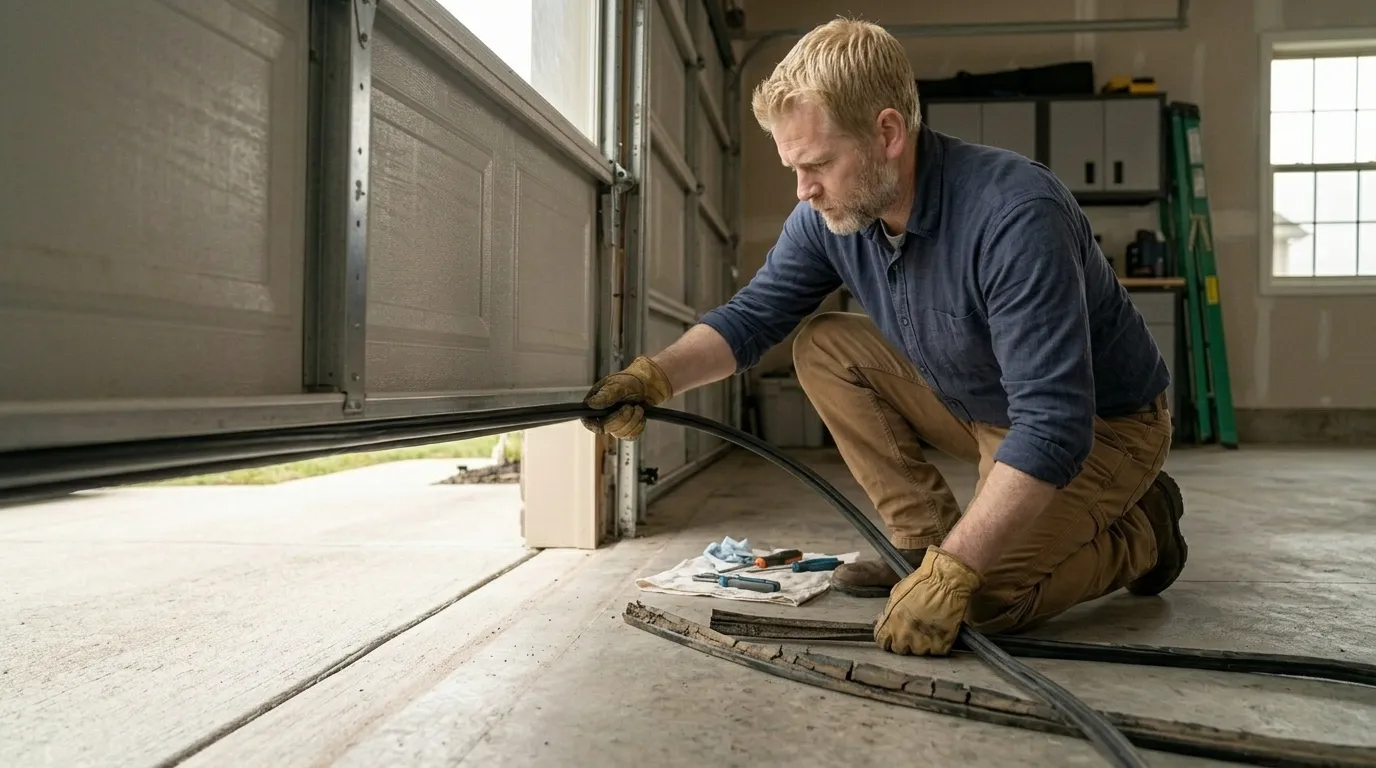
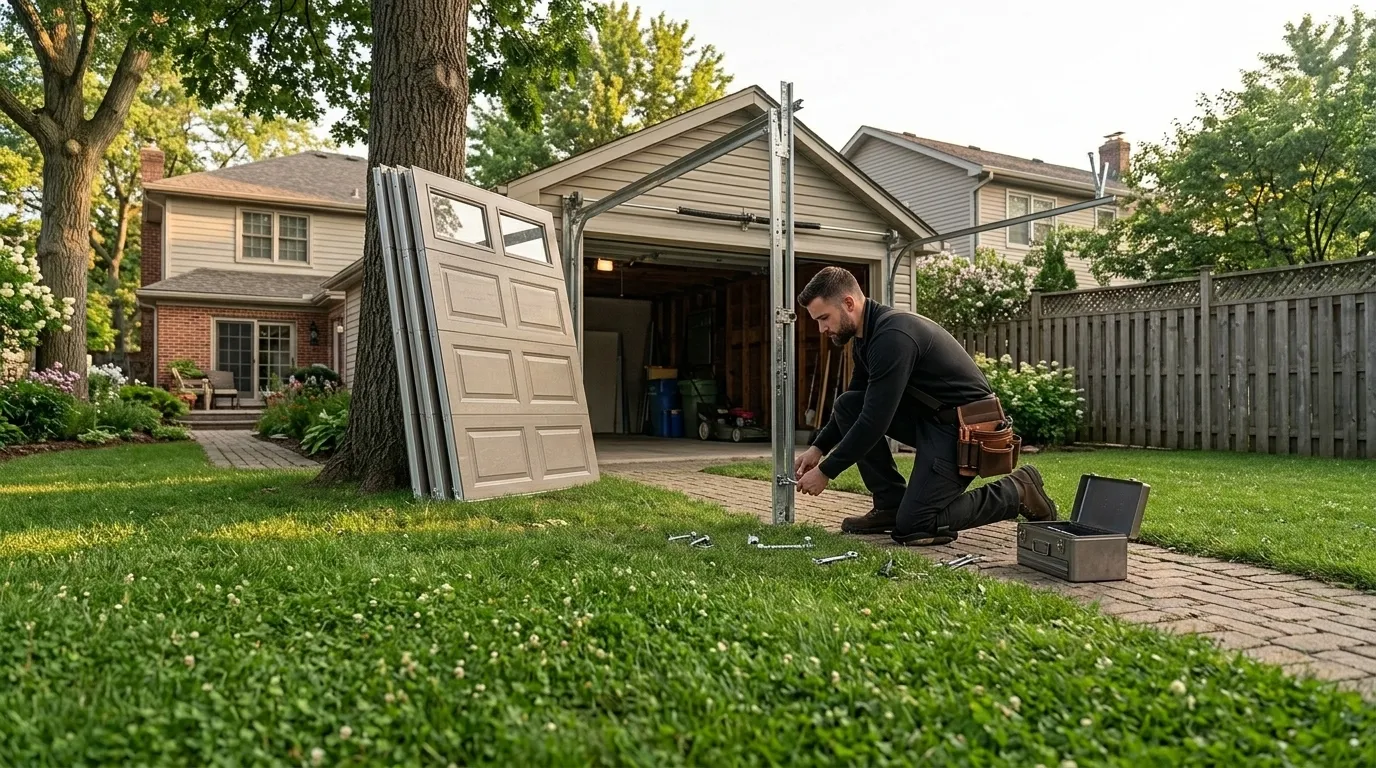
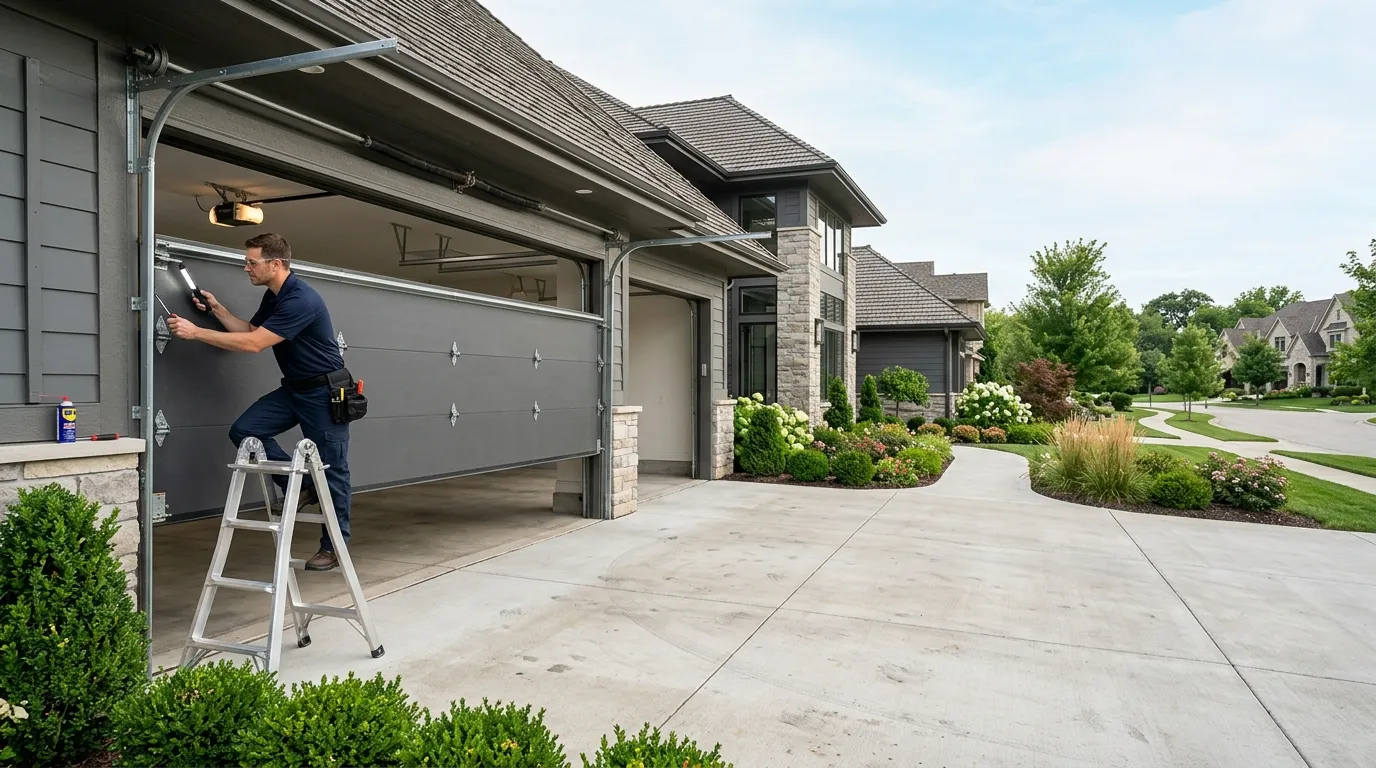
A broken spring on a door that old isn't a five-minute YouTube job. The winding cones, the drums, and the shaft on 1950s hardware were sized differently than what's sold today, and a mismatched replacement spring will either underpower the door or slam it down hard enough to snap a cable. If you're comfortable disconnecting the opener and testing balance by hand, do that much. Past that - pulling a wound spring, swapping a bent track, or replacing an end bearing plate - call it in. We'd rather talk you through the safe stopping point on the phone than patch a bad DIY fix later.
The honest limit here: we don't stock every obsolete bracket size on the truck. If your door needs a part that hasn't been made in twenty years, we tell you that up front instead of guessing.
Why It Happens Here
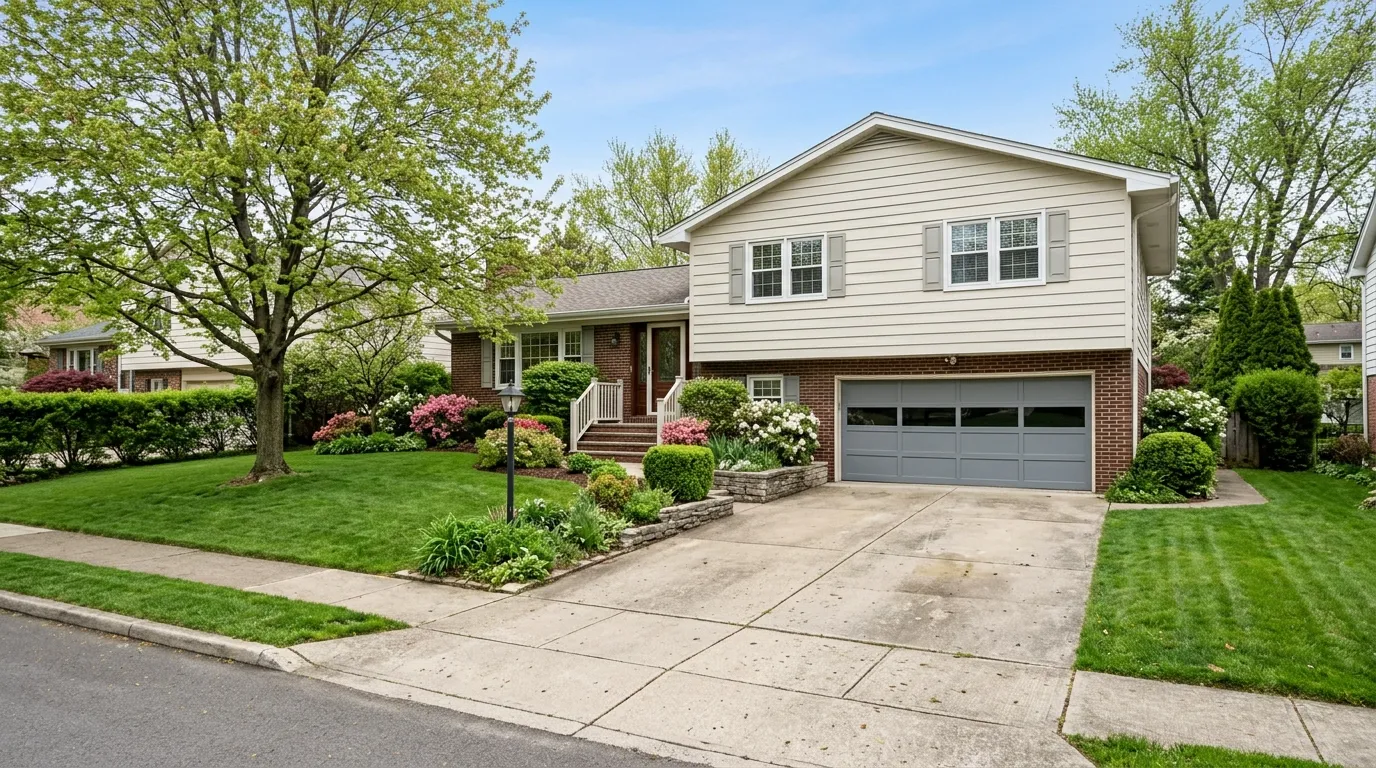
Westchester's 7,084 households sit mostly in homes built close to that 1957 median, which puts this town squarely in the same building era as most of the region we work - homes from 1938 to 1996, with the bulk going up in the 1960s and 70s across the wider area. That means the failures we see here track the housing age, not the season.
The climate band for this whole area is cold and moderate, which is a fancier way of saying steel contracts hard every winter and the freeze-thaw cycle works on anything with a joint or a hinge. On a door with original 1957-era hardware, that cycle finds the weakest link - usually a rusted end bearing or a spring that's already lost temper from decades of winding and unwinding.
We drive the roughly 20 miles out from Northbrook for these calls, so what we're describing isn't guesswork about a generic suburb - it's the pattern we actually see on doors this old, in a climate that's hard on them twice a year.
Parts We Carry
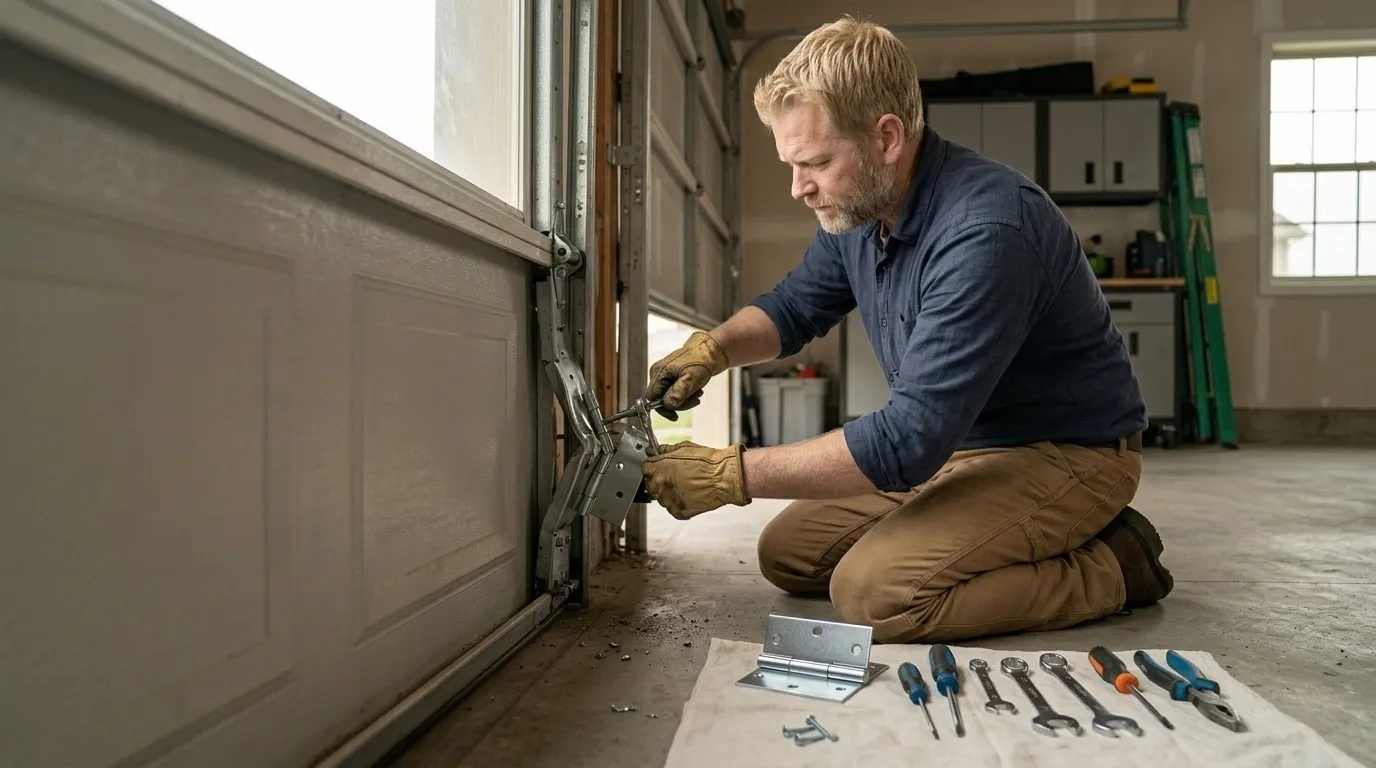
For a house built around 1957, the parts most likely to fail are the torsion spring, the lift cable, the end bearing plate, and the roller track brackets - all original-era components that have been through decades of temperature swings. We carry standard-size torsion springs and cables that fit most of what we find on doors this age, along with common roller and hinge hardware.
What we don't carry on the truck: obsolete bracket castings or discontinued panel sections specific to a manufacturer that stopped making that model decades ago. If your door needs one of those, we order it and tell you the wait rather than force a part that doesn't fit.
Openers are a separate question from the door hardware itself - if yours has already been swapped for something newer, that part of the job looks like any other repair, regardless of when the house was built.
How It Shows Up
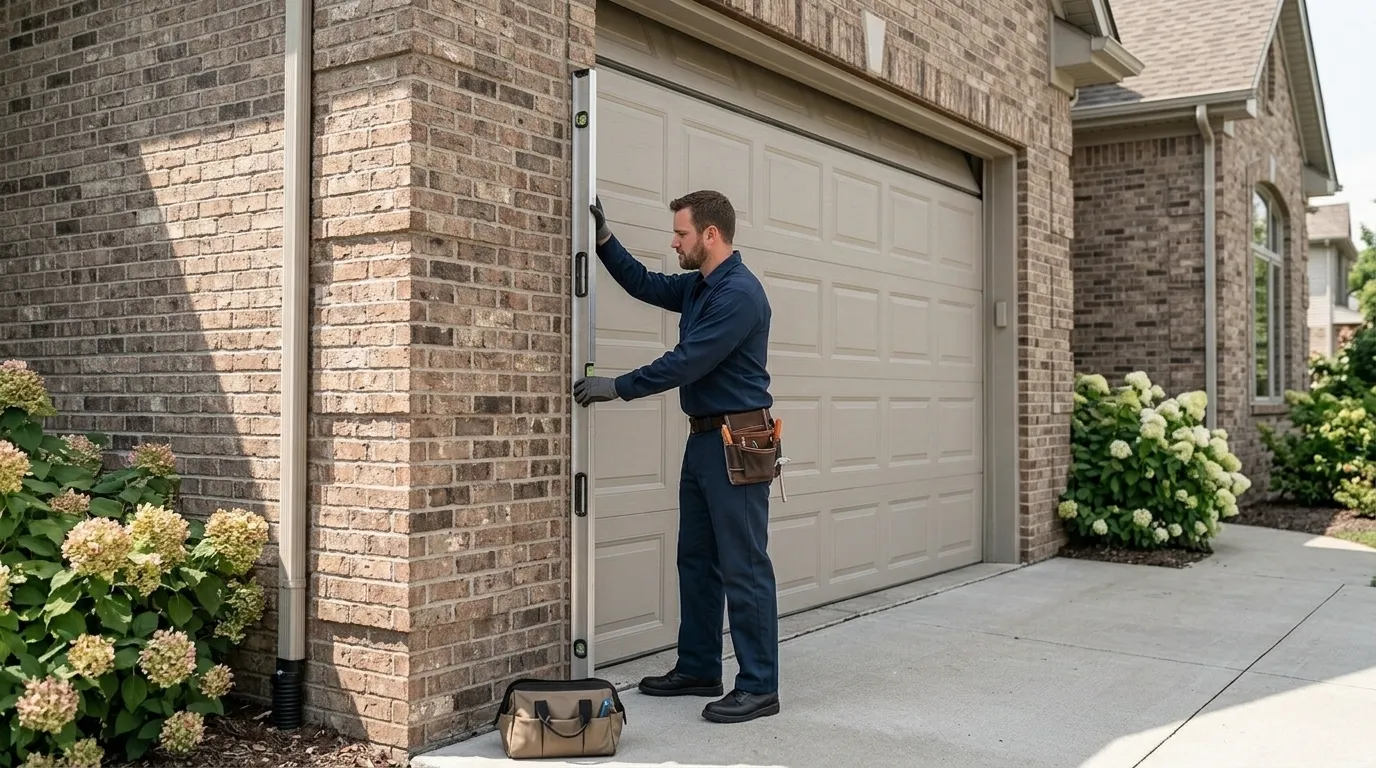
On a house with original 1957 hardware, the first sign is usually noise - a grinding or popping from the spring side as it winds down toward failure, not the sudden snap most people picture. The door might also start drifting off level, closing crooked because one original bracket has loosened while the other side holds.
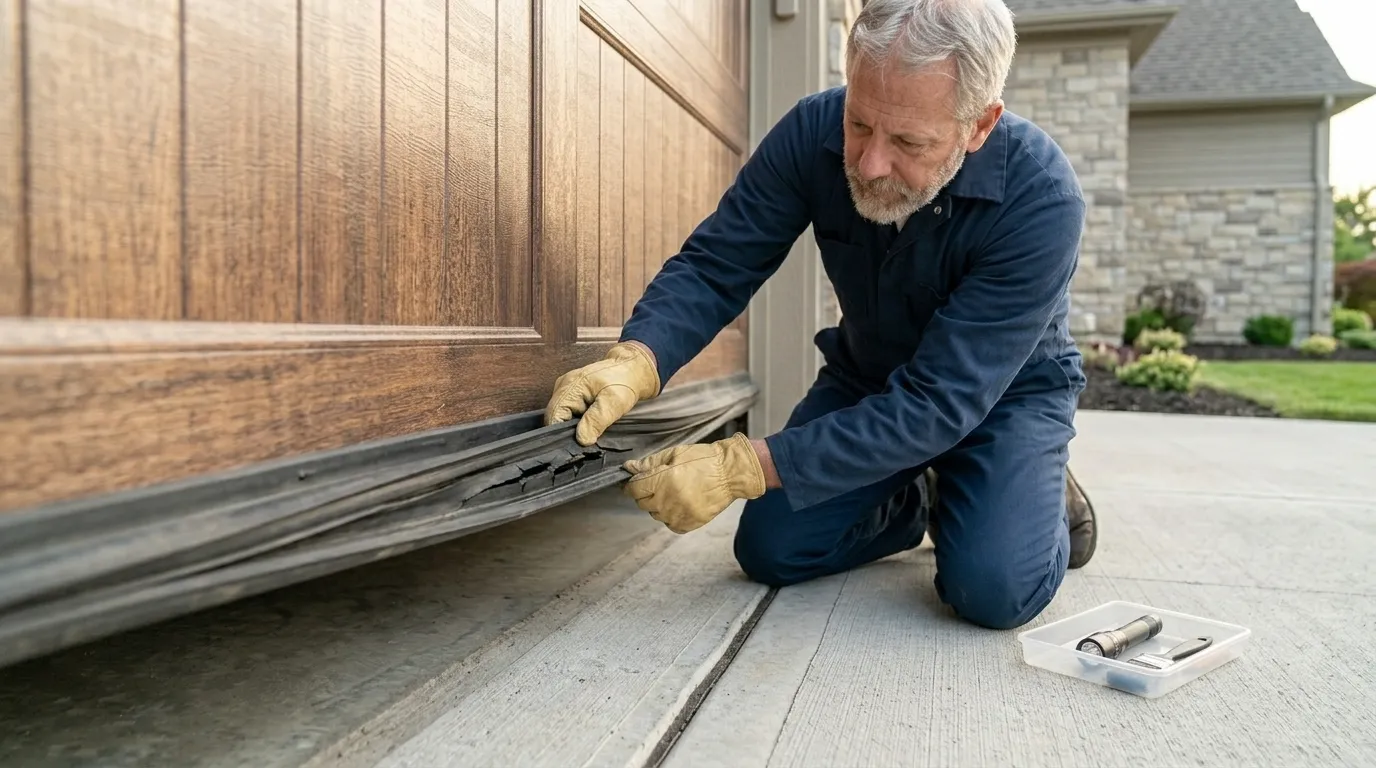
Cold-band winters make it worse. A door that closed fine in October can start binding or refusing to seal by January, as decades-old track brackets shift slightly with the freeze-thaw cycle. If you're hearing a new sound or seeing the door hang unevenly, that's the hardware telling you its age, not a random glitch.
We cover this from Northbrook, about 20 miles out, so if something's off with a door this old, get it looked at before a stressed spring lets go under load.