How Local Conditions Play In
Most of the doors around Northbrook first went in when the houses here were built, and that window runs 1938 to 1996 with the bulk of it landing in the 1960s and 70s. That matters because openings and header heights from that era don't always match what a big-box store stocks off the shelf today. A door that was fine in 1971 was built for a different set of expectations than what's sold now.
Northbrook sits in a cold moderate climate band, not the brutal end of the Midwest but cold enough that an uninsulated single-layer steel door lets a real amount of heat walk out of an attached garage all winter. If your garage backs onto a mudroom, laundry room, or shares a wall with living space, that gap in insulation shows up on the heating bill and in how the door itself performs - panels can warp and hardware works harder when the temperature swing across the door is wider than it needs to be.
Techny sits about a mile southeast of Northbrook, and the housing stock there runs the same age and the same narrow older-style openings as the rest of this part of town. If you're getting quotes, mention the age of the house up front - it changes which doors are even options before price ever comes up.
What Most People Get Wrong
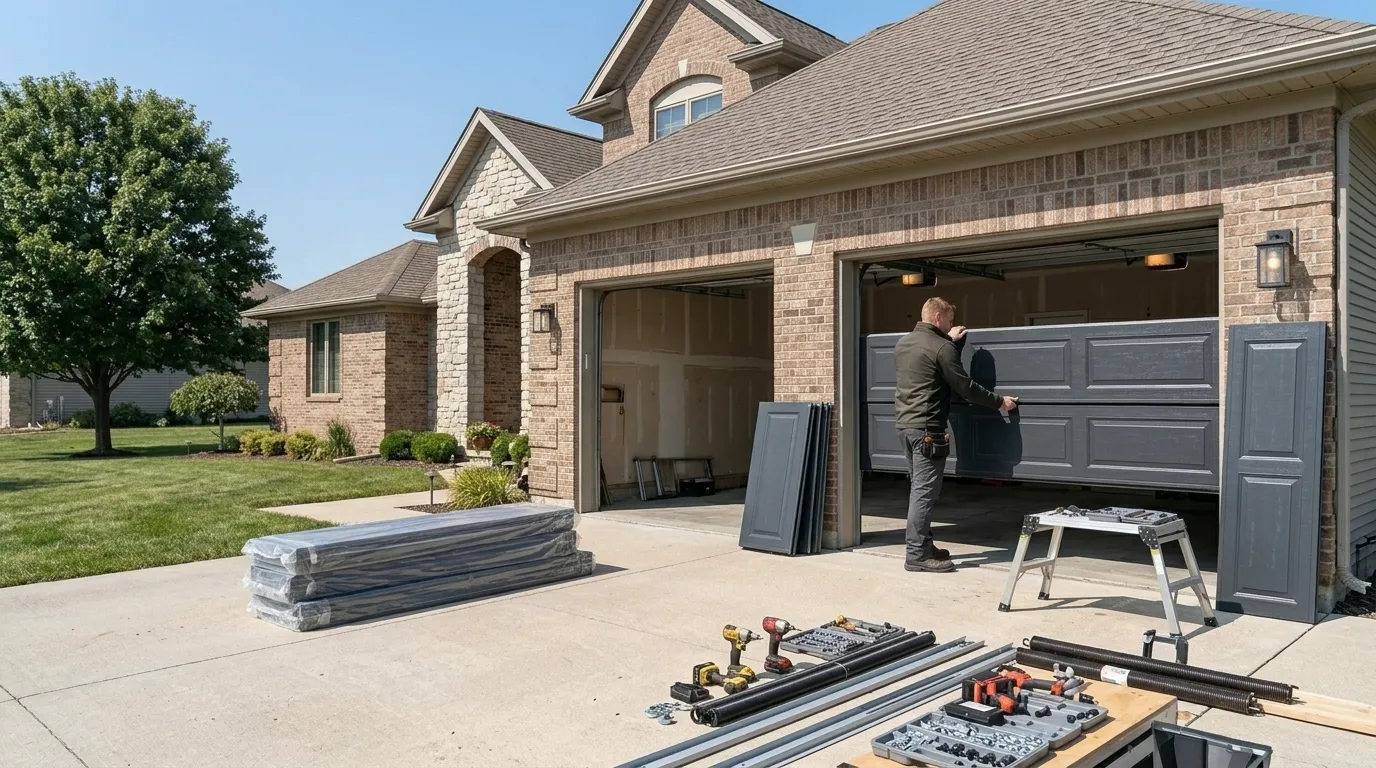
The biggest mistake is assuming a new door will drop into an old opening without any adjustment. Houses in this window - 1938 to 1996, median around 1974 - often have framing and track clearances sized for the doors of that decade, not the thicker, more insulated panels sold today. A double-car opening built in 1968 can need track or header work that nobody quoted for, simply because the new door is a different thickness.
The second mistake is treating insulation as an upgrade you can skip to save money. In a cold moderate climate, a bare steel door on an attached garage is doing less work than owners expect, and the difference between a single-layer and an insulated door isn't cosmetic here - it's the gap between a garage that stays workable in January and one that doesn't.
The third is shopping on price alone without checking what the door is rated to handle. Median household income in this service area runs $103,561, and in practice that's why insulated steel and composite doors move faster here than the bare minimum options - buyers are comparing total cost against a door that's actually built for the winters this area gets, not just the sticker price.
When to Get Help
If your door is original to a house built anywhere in that 1938-1996 range and you're noticing daylight around the edges, a panel that's stopped sitting flush, or a noticeably colder garage than it used to be, that's worth a look before you're picking a door in an emergency. A planned replacement gives you time to match the door to the opening correctly instead of taking whatever's in stock the day the old one won't open.
If you're already getting quotes, bring the age of your house into that conversation, not just the measurements of the opening. In a cold moderate climate, the insulation spec matters as much as the size, and a contractor working from measurements alone can miss that a 1974-built opening needs different track hardware than a newer one.
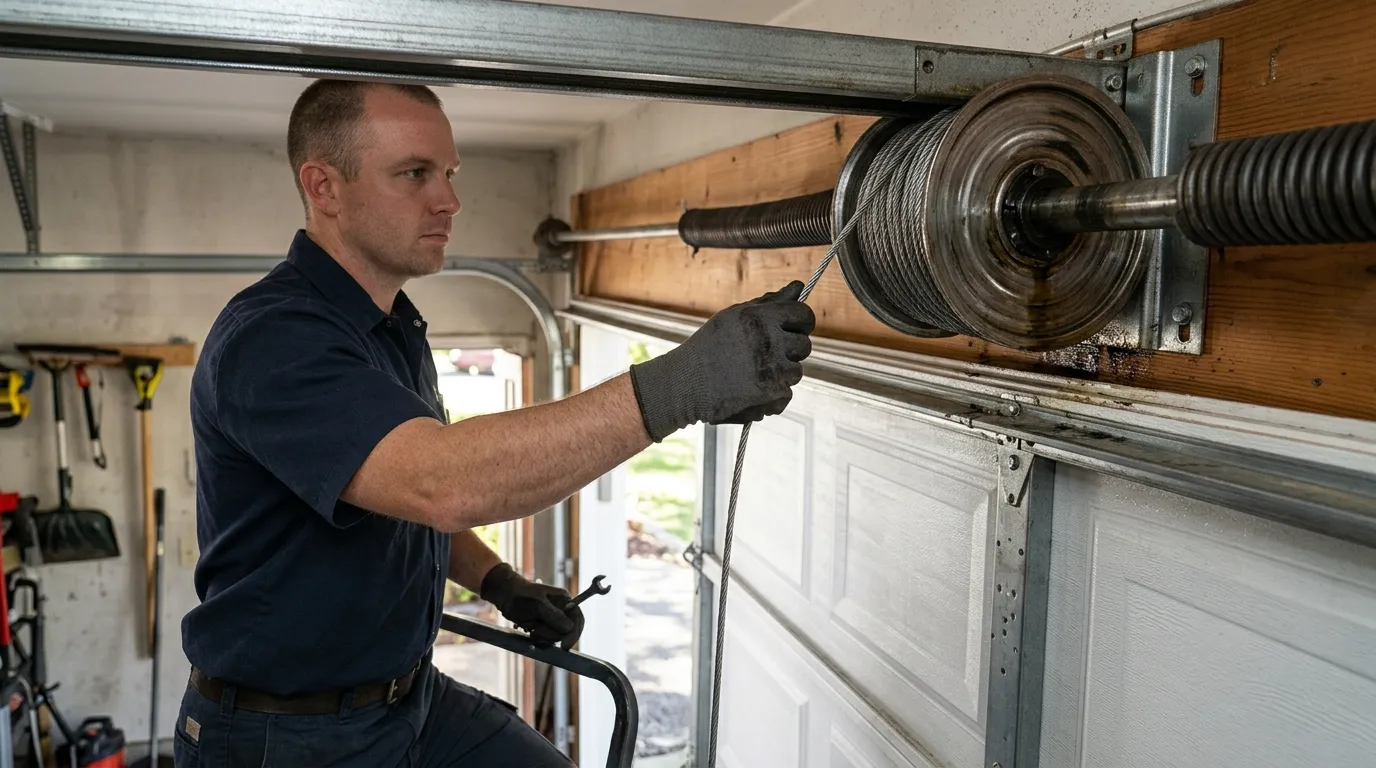
Call sooner rather than later if the door is sagging on one side or the springs sound different than they used to - those are the signs that the hardware, not just the door, is past matching to a new install.