How We Get to You
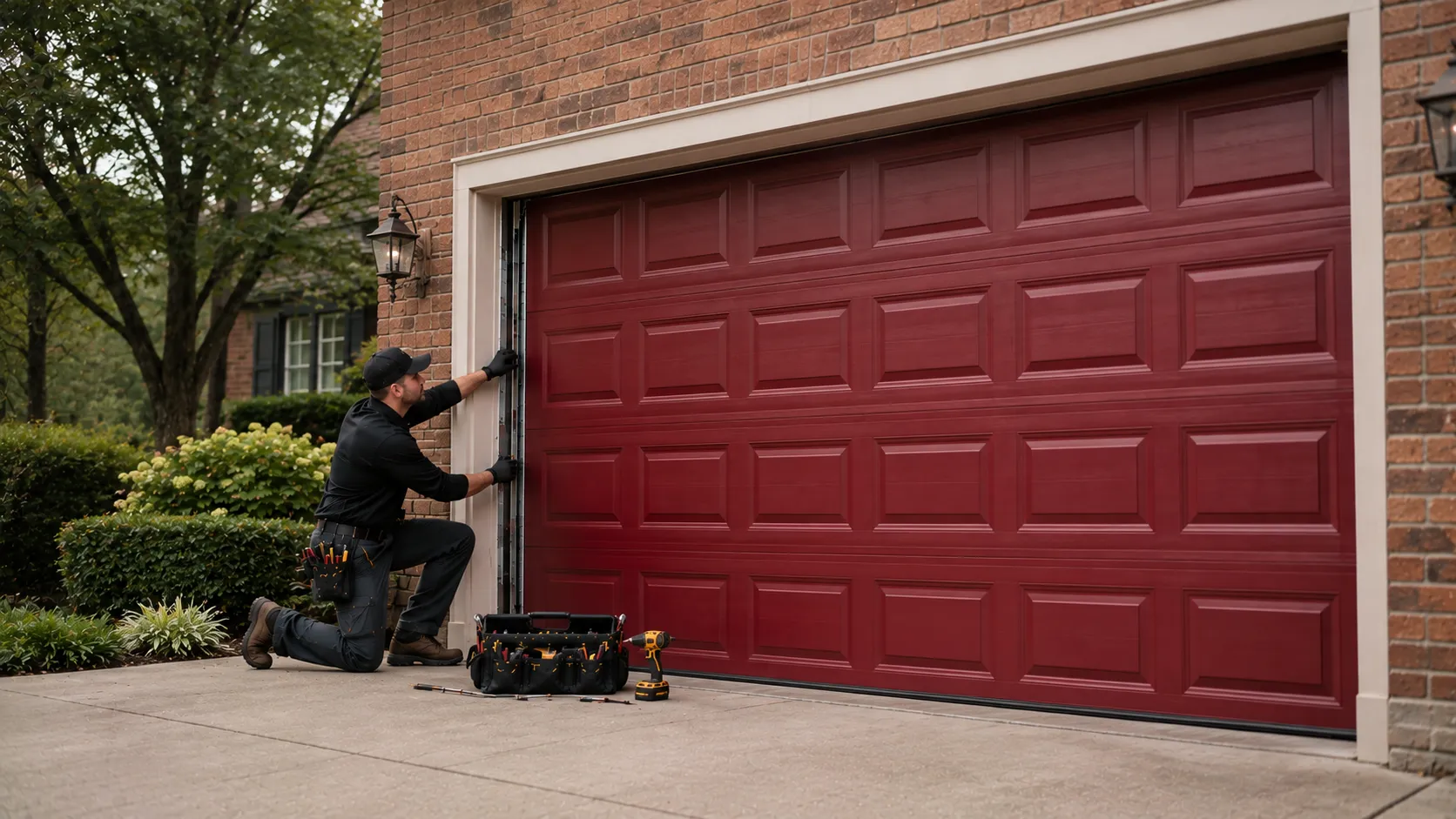
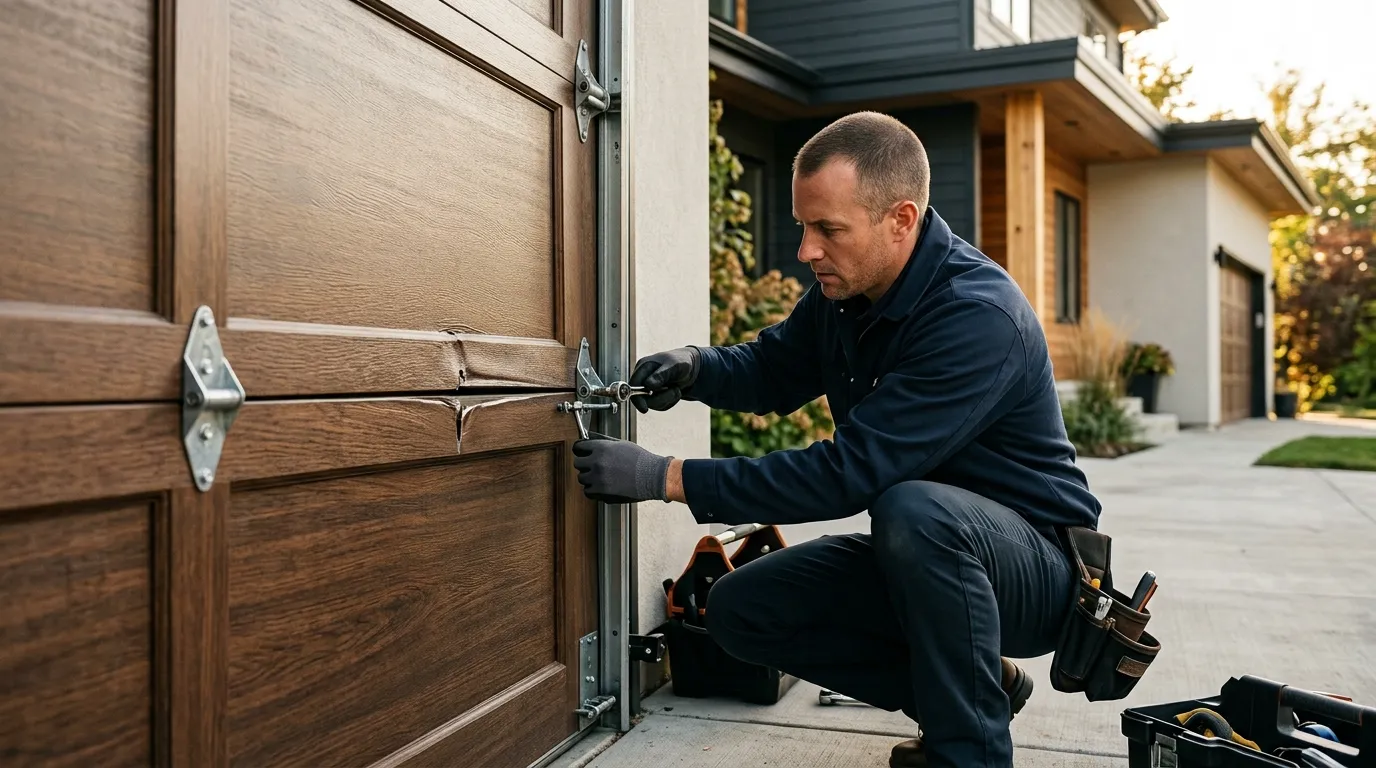
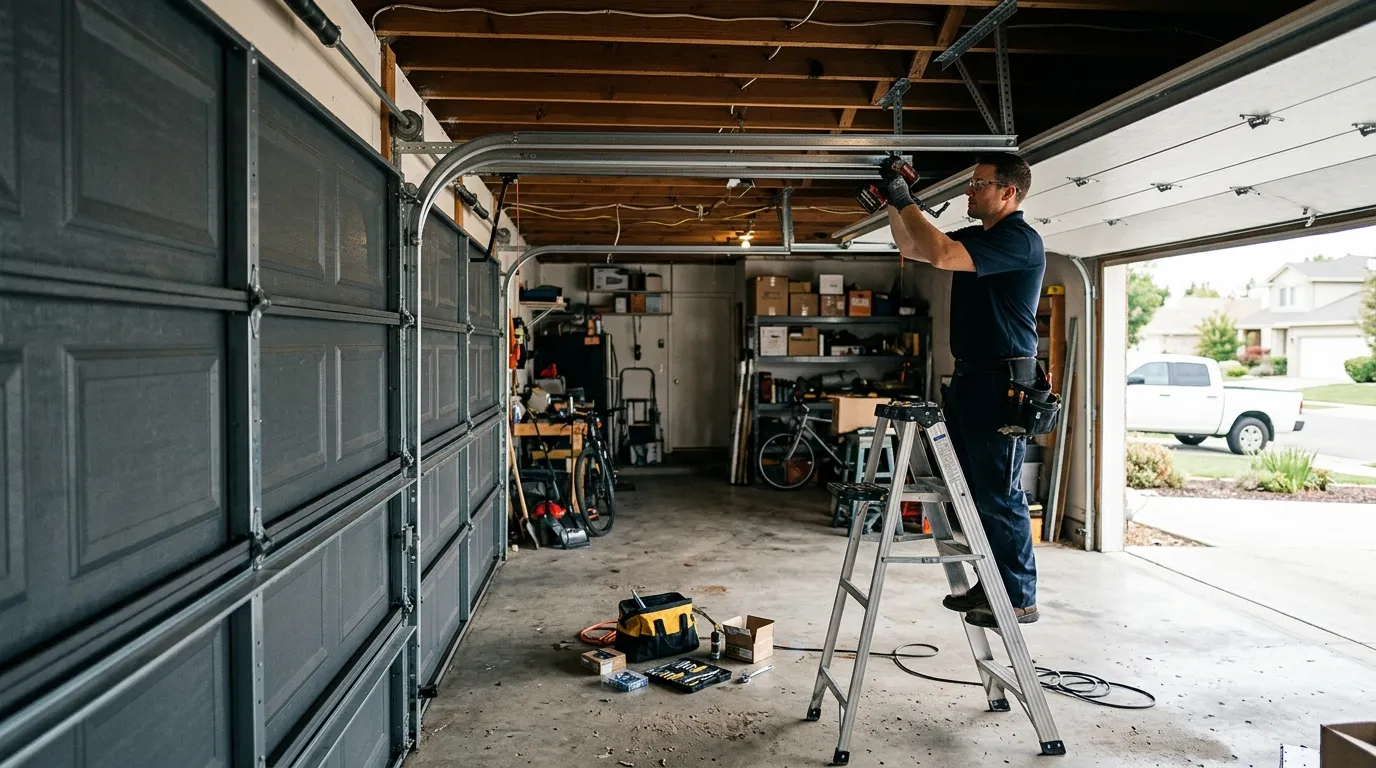
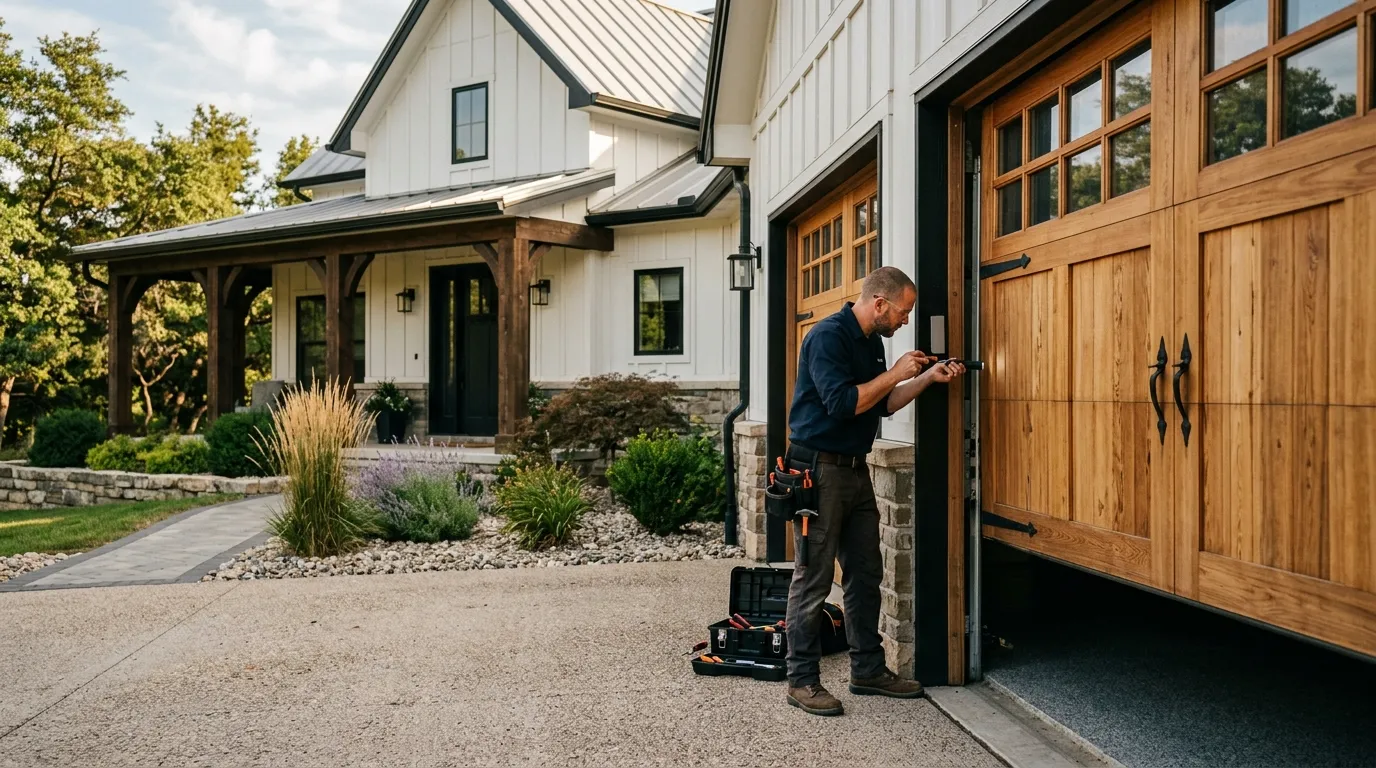
Bellwood sits about 17 miles from our shop in Northbrook, so we're not a next-door outfit here - we're a truck that comes to you. We don't run a depot or a drop box in town, and we won't tell you otherwise. What we do is schedule the run so the tech who shows up has the parts for what your door actually is, not a generic kit.
Because the drive is real, we ask a few more questions on the phone before we load the truck: age of the door, whether it's one spring or two, whether the opener is chain or belt. That's not stalling - it's so we don't burn 17 miles finding out we need a part we left on the shelf. If your spring let go on a Sunday afternoon, we're honest that a same-day Northbrook job gets priority over a same-day Bellwood one; we'll give you a real window instead of a vague promise.
What That Means for Doors
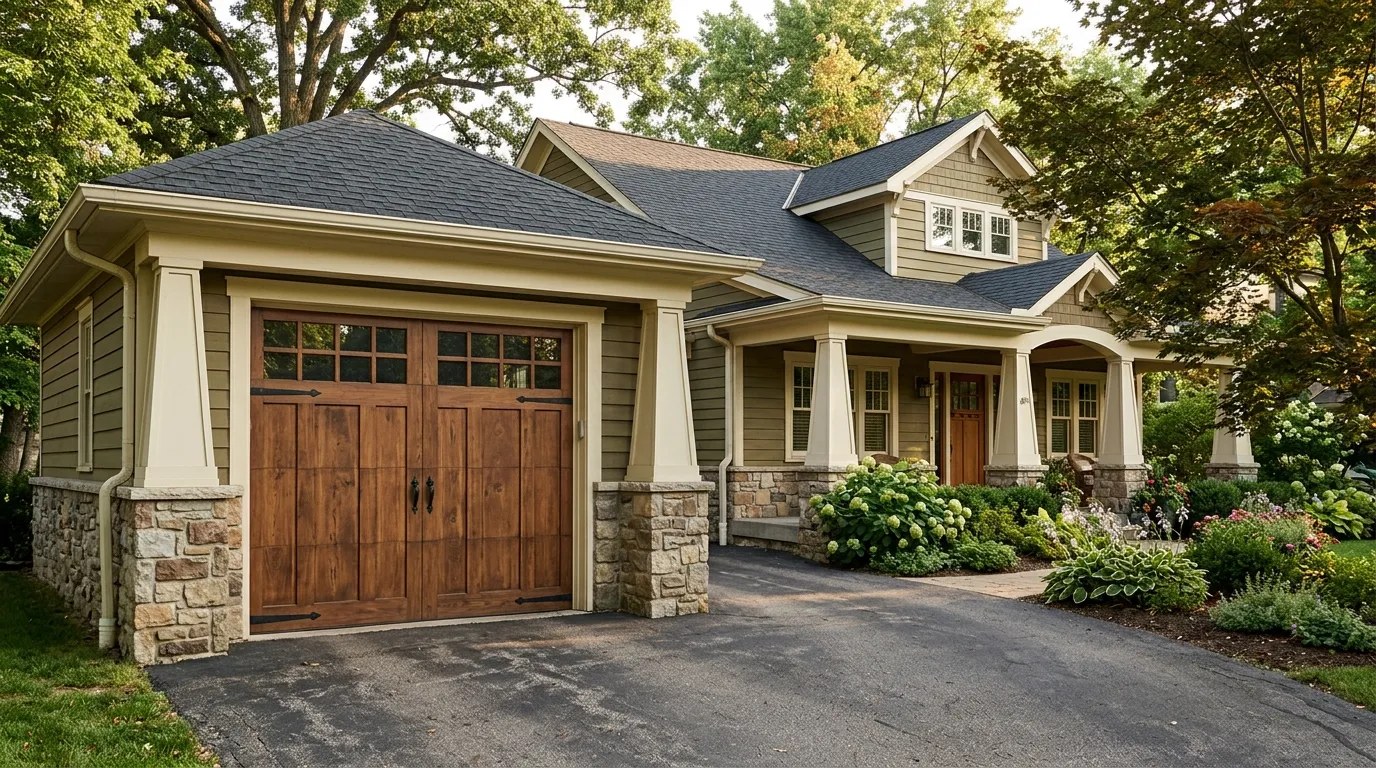
Across the wider service area the typical house dates to 1974. Bellwood's median is 1955 - call it a generation older. That gap matters more than it sounds. A door installed on a house built in the mid-1950s has usually been replaced once or twice already, but the opening itself, the framing, and often the track mounting are original to a house that predates the double-car garage boom.
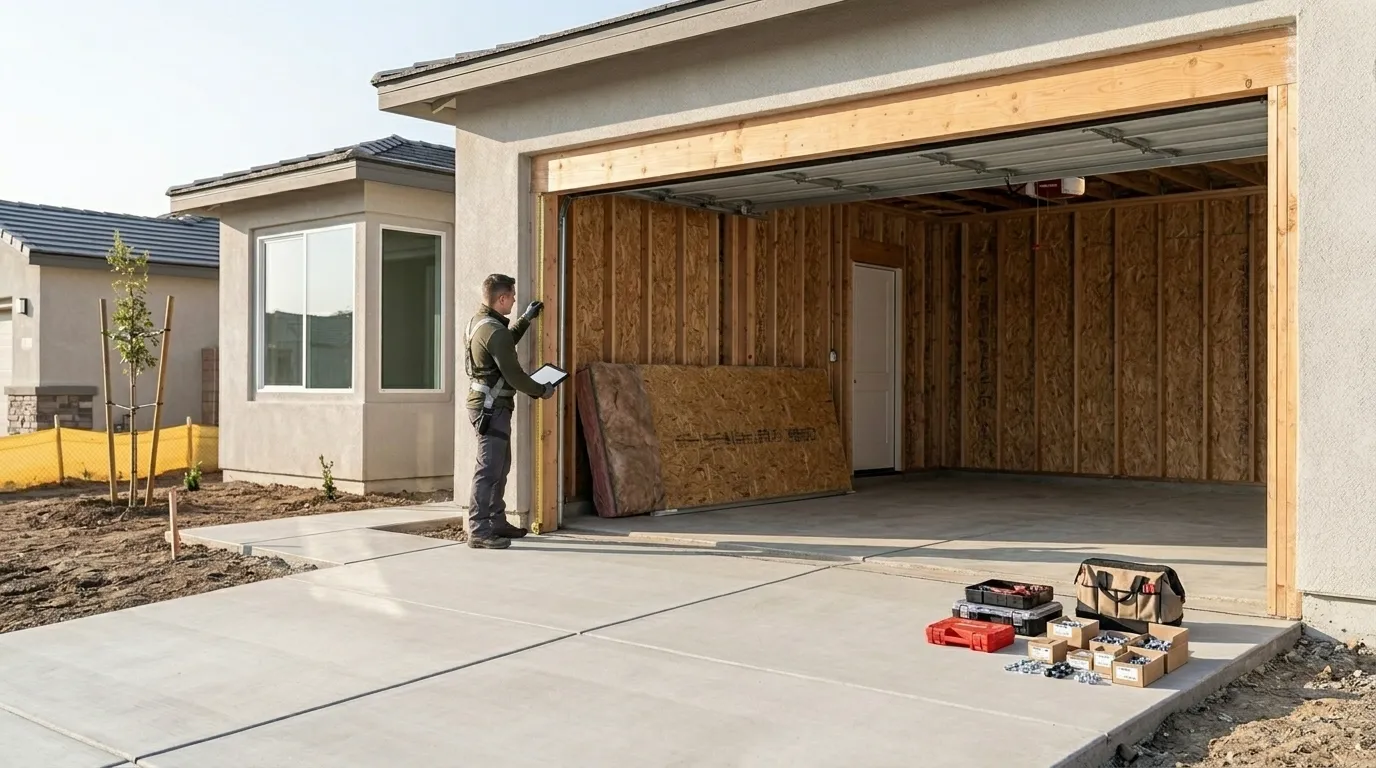
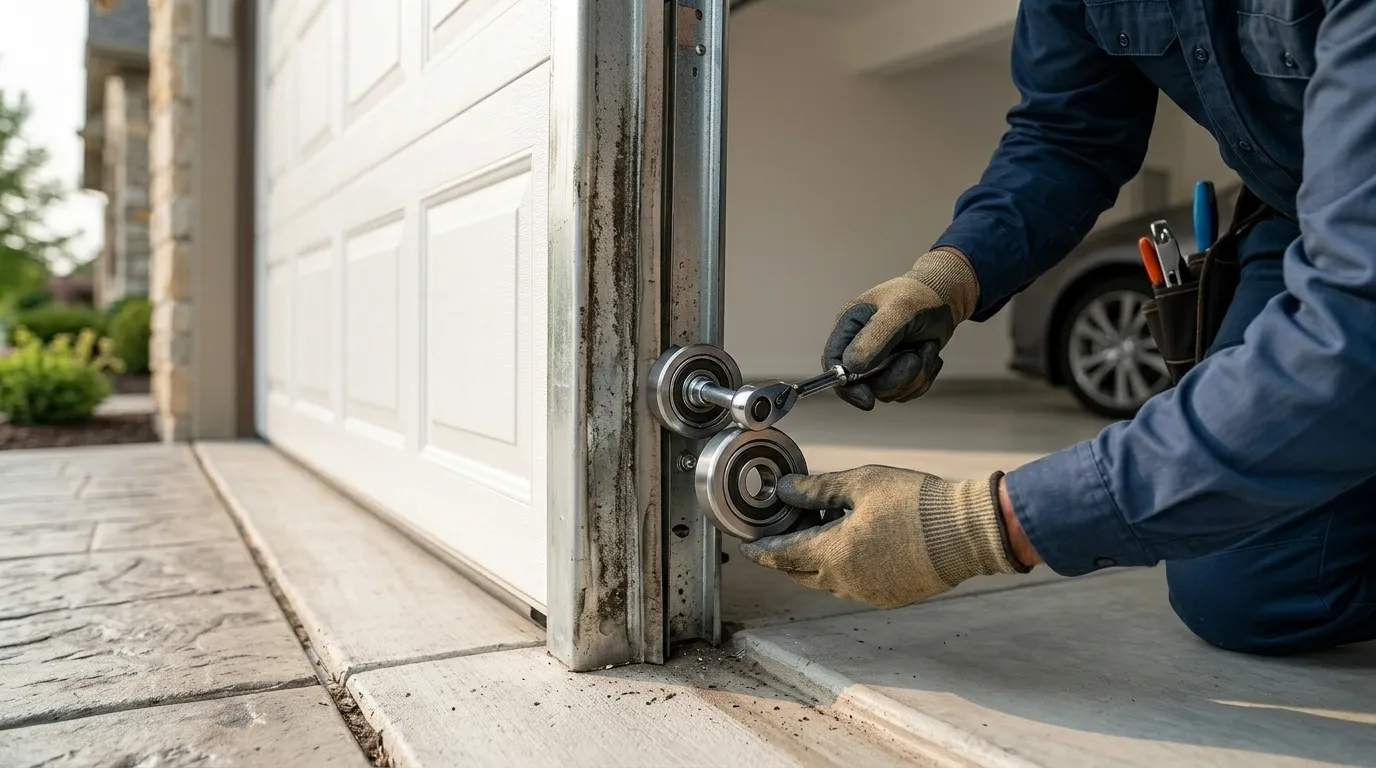
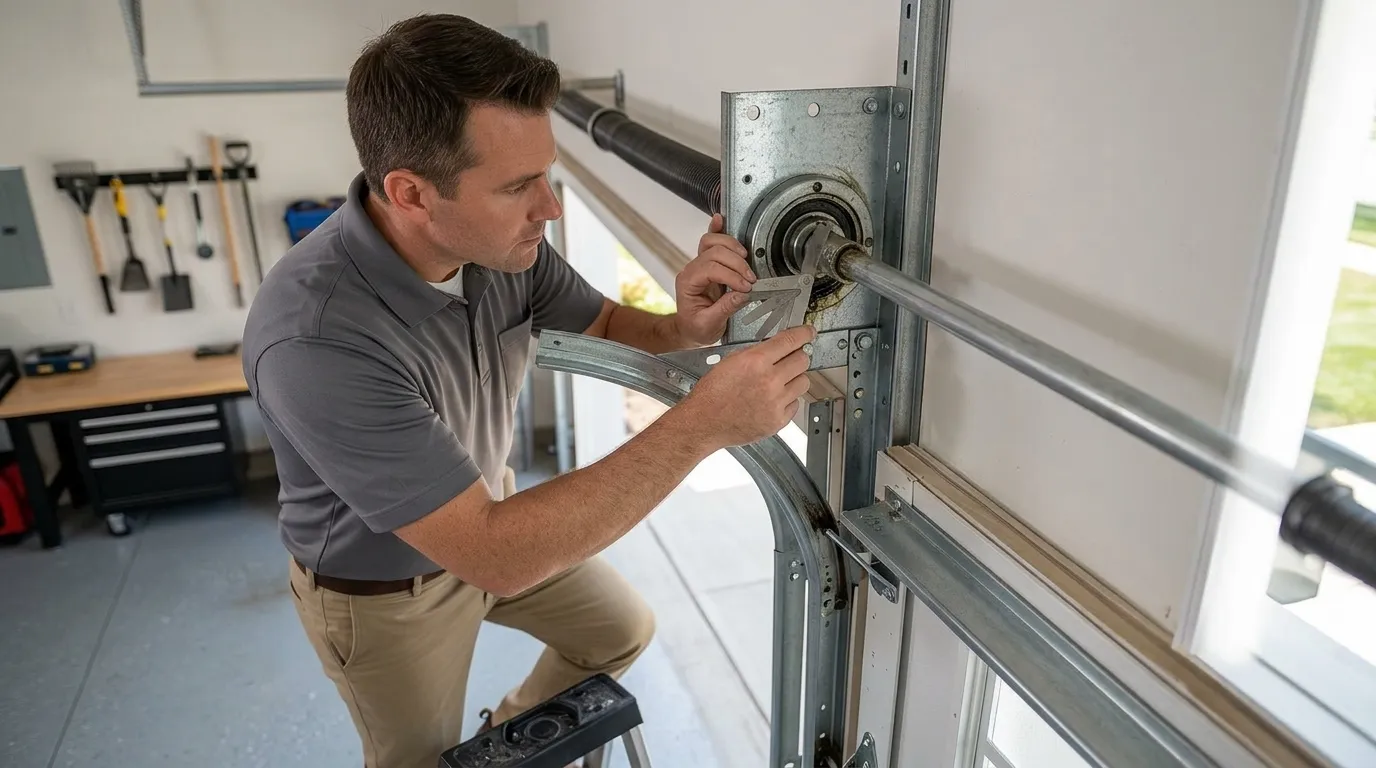
What we see coming out of that: single-torsion setups on openings that were sized for one car, jamb brackets that have been re-drilled more than once, and openers bolted to framing that was never meant to carry a heavier steel door. None of that is a defect - it's just what a 1955 garage looks like 70 years on. It does mean a straight swap-in replacement door sometimes needs bracket or header work first, and we'd rather tell you that up front than surprise you with it mid-install.
What Was Built Here
Bellwood has roughly 6,103 households, and the housing stock leans older than most of the towns we cover - a 1955 median build year against a service-area median of 1974. Median household income here runs about $76,990, noticeably below the $103,561 median for the wider service area, which tends to show up in the kind of call we get: more repair requests to keep an existing door running, fewer full teardown-and-replace jobs done just for looks.
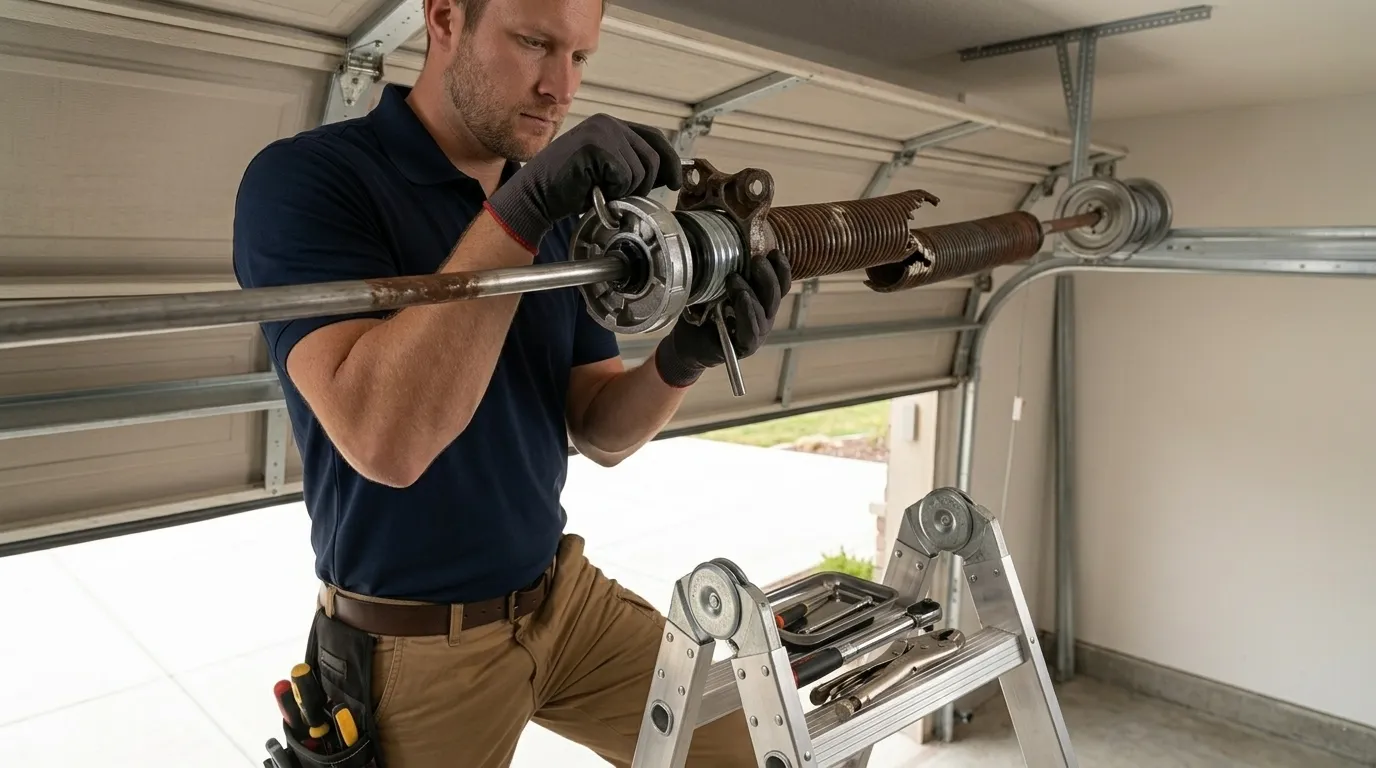
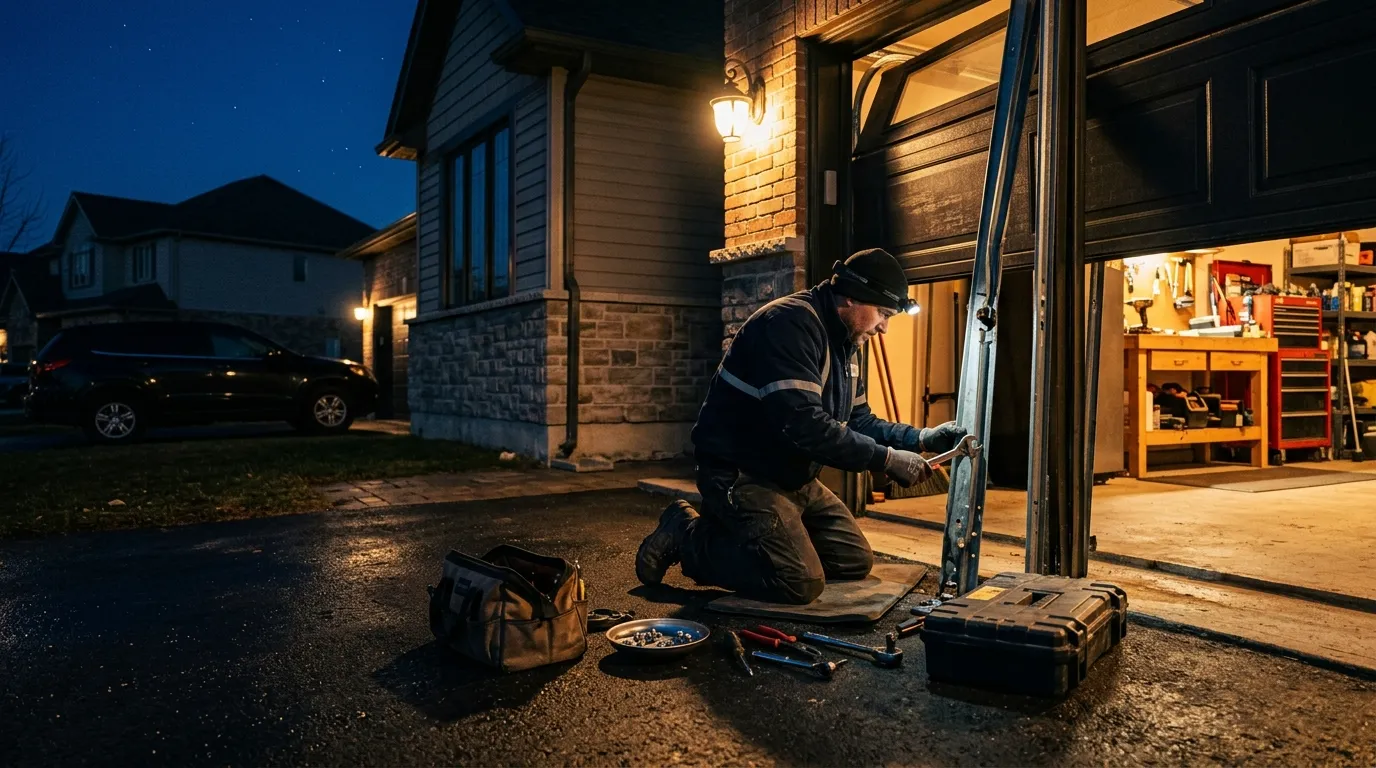
The climate here is the same cold-moderate band as the rest of the area we cover, so the usual issues apply - steel contracting in winter, springs that were fine in October failing in a January cold snap. Combine that with 1950s-era openings and original hardware, and the failure we see most is a fatigued torsion spring rather than an opener problem. We'll tell you straight when a repair makes more sense than a replacement, especially on a door that's otherwise solid.