How We Get to You
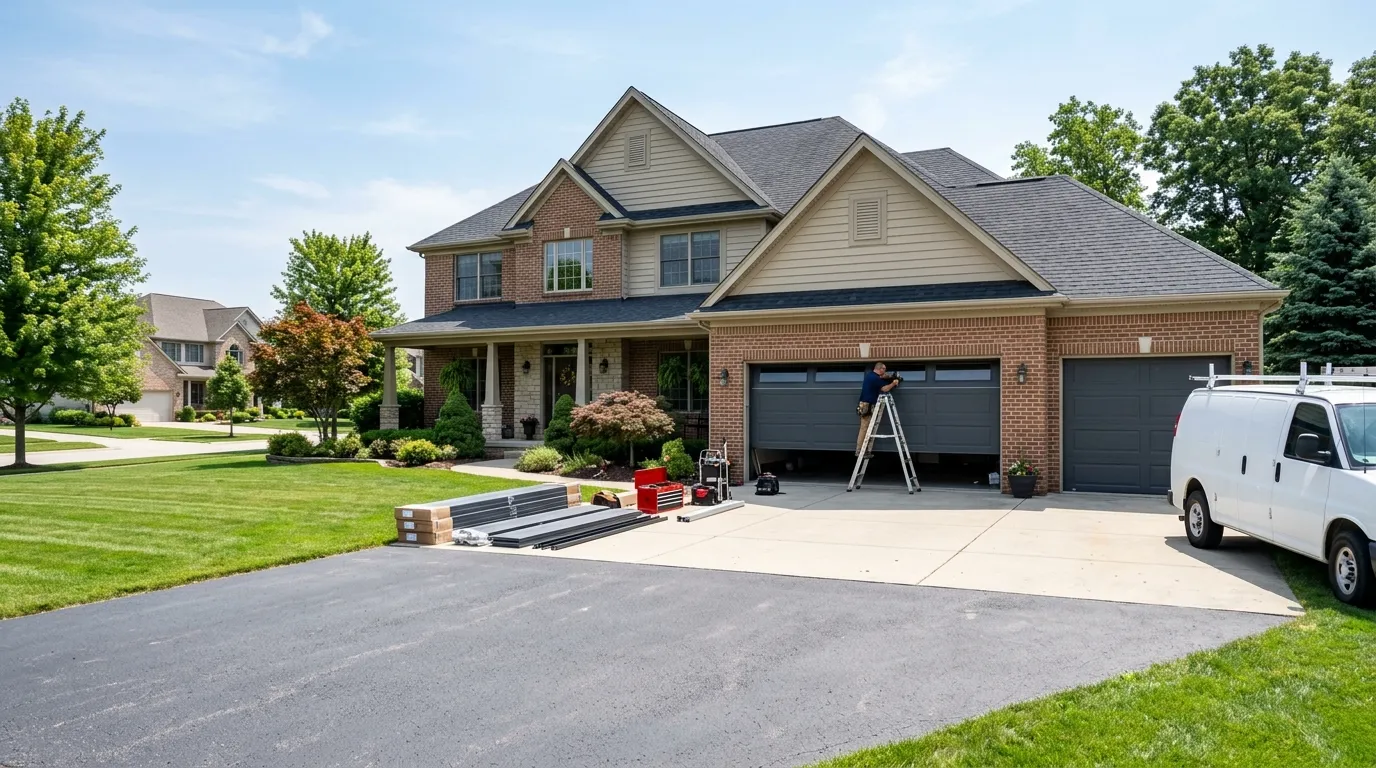
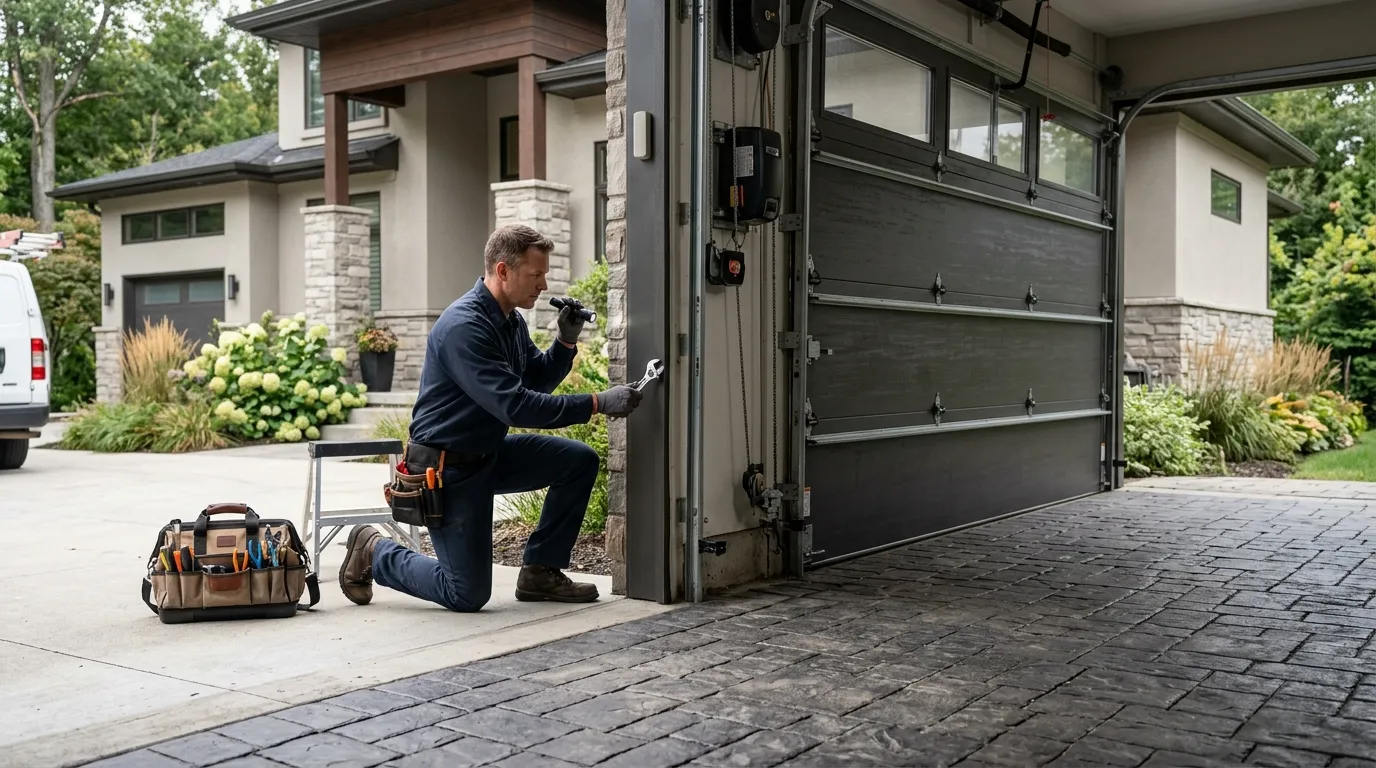
We run out of Northbrook, and Forest Park sits about 18 miles from there - one of the longer hauls on our map, not a neighborhood stop. There's no depot here and no truck parked nearby waiting on a call. Every job means loading up in Northbrook and driving that distance in, which is worth saying plainly rather than dressing up: this isn't a five-minute-away outfit, it's a scheduled trip.
That distance shapes how we work the day. We try to group calls in this part of the coverage area so a technician isn't making the drive for one door and then doubling back for another a few hours later. If you call and we're already routed toward this side of things, you'll hear that. If we're not, you'll get an honest window instead of a promise we can't back up. We'd rather tell you the truck is 18 miles out than pretend otherwise.
What That Means for Doors
Across the wider service area, homes trend toward a median build year of 1974, mostly 1960s and '70s construction. Forest Park doesn't match that. The typical house here dates closer to 1949, a full generation earlier, and that gap matters more than it sounds like it should.
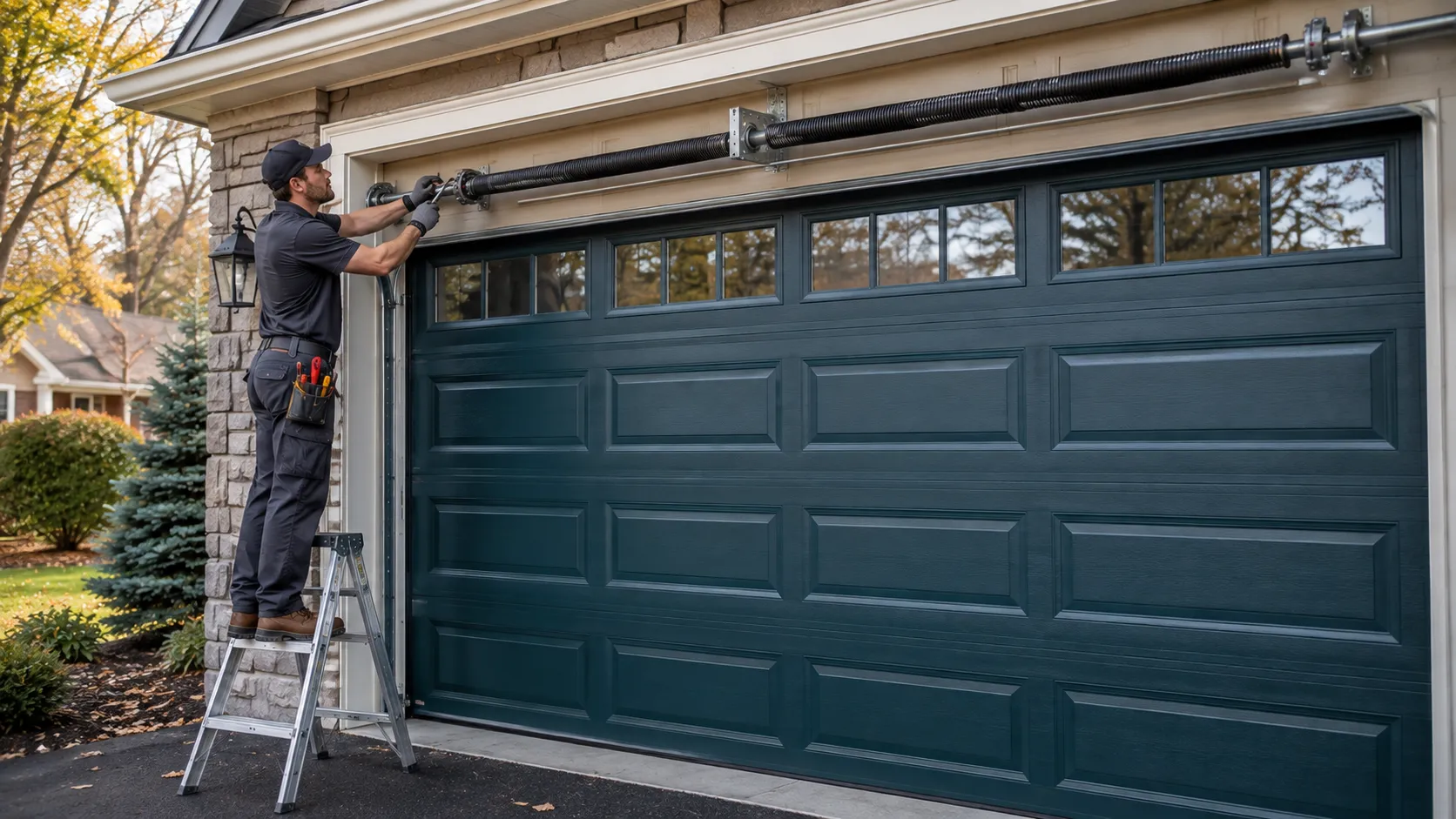
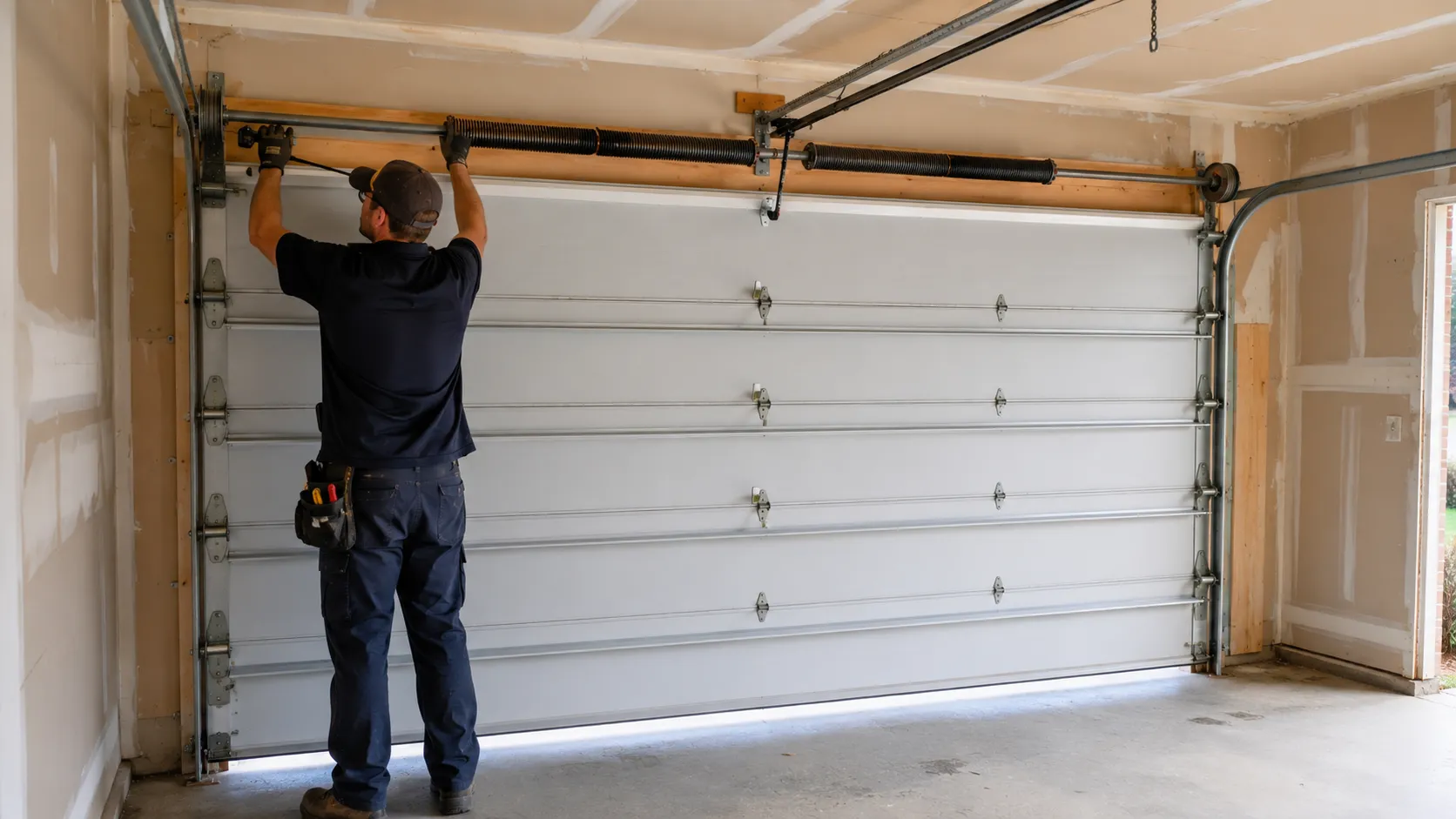
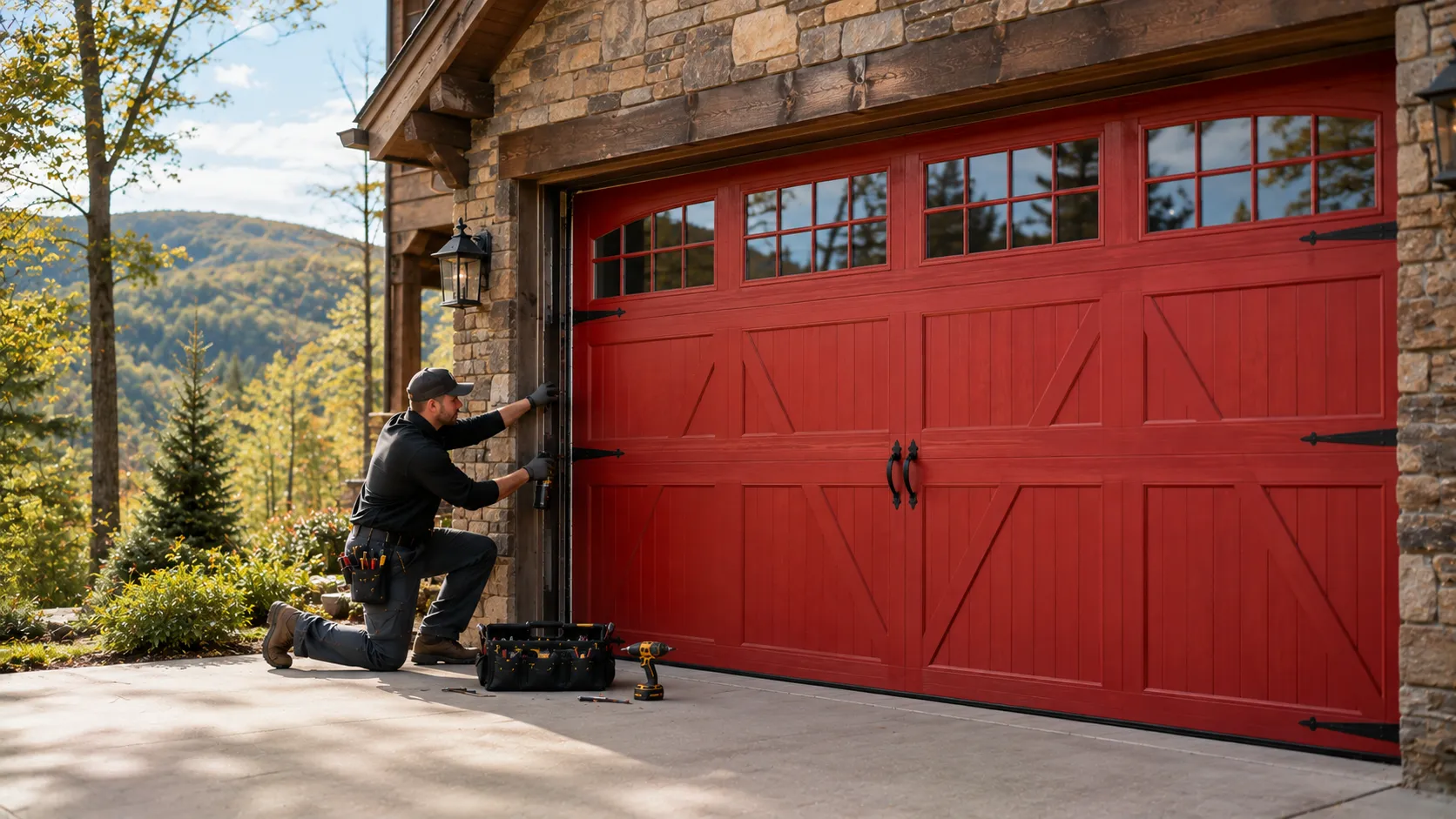
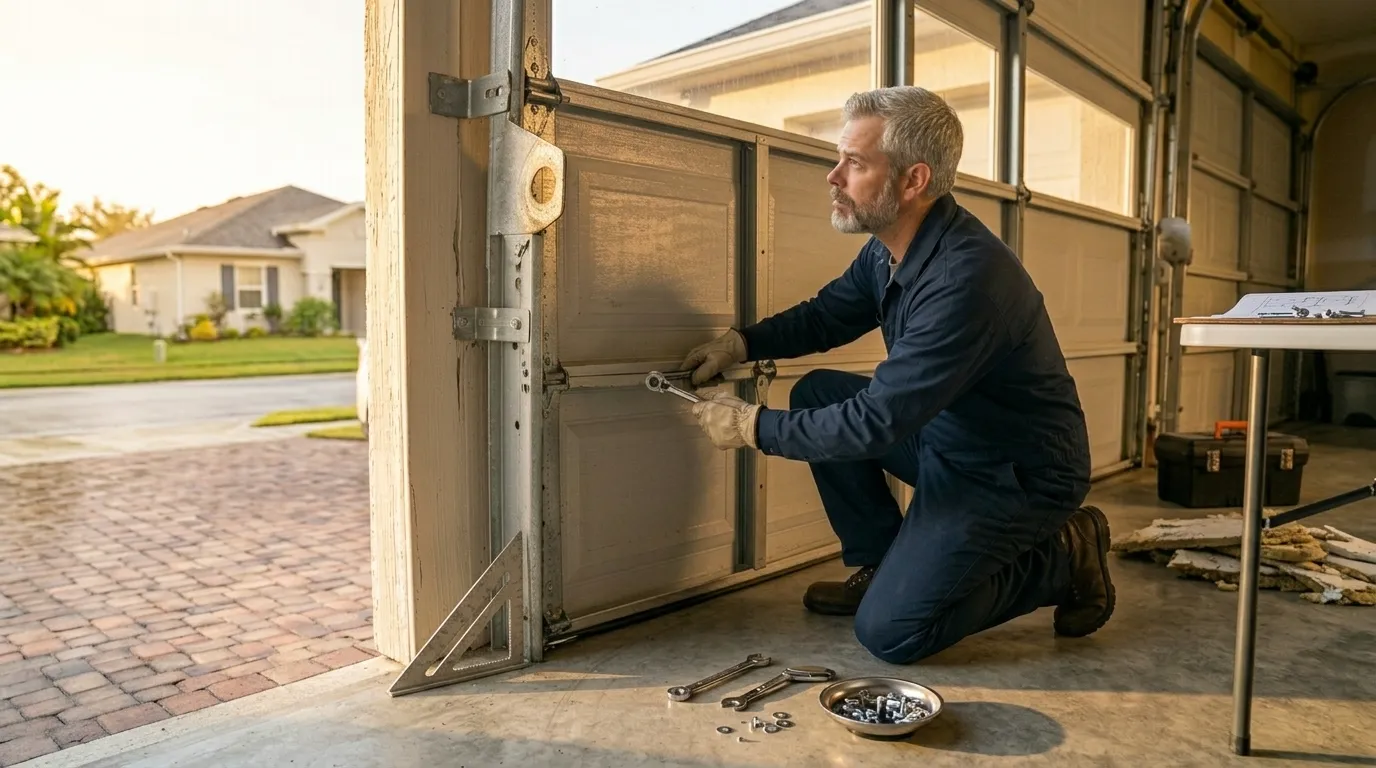
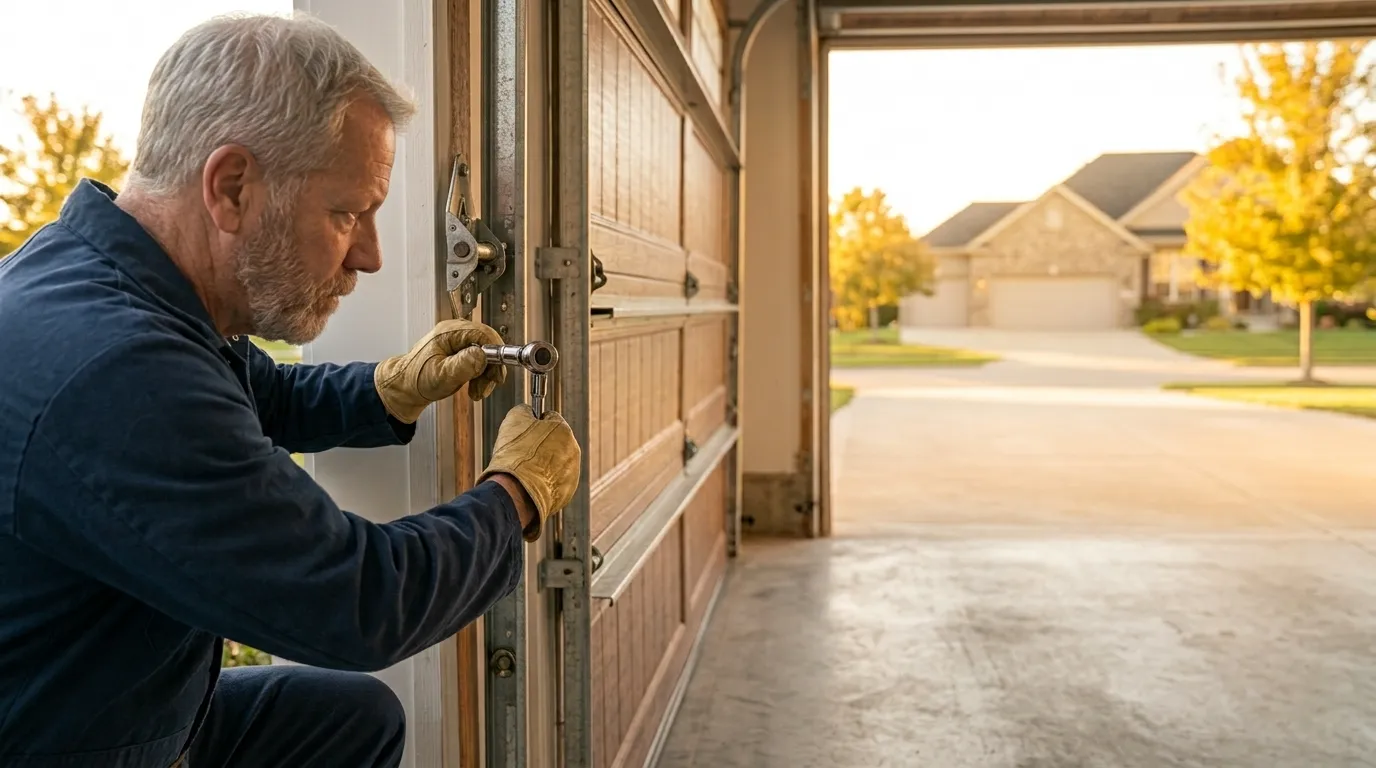
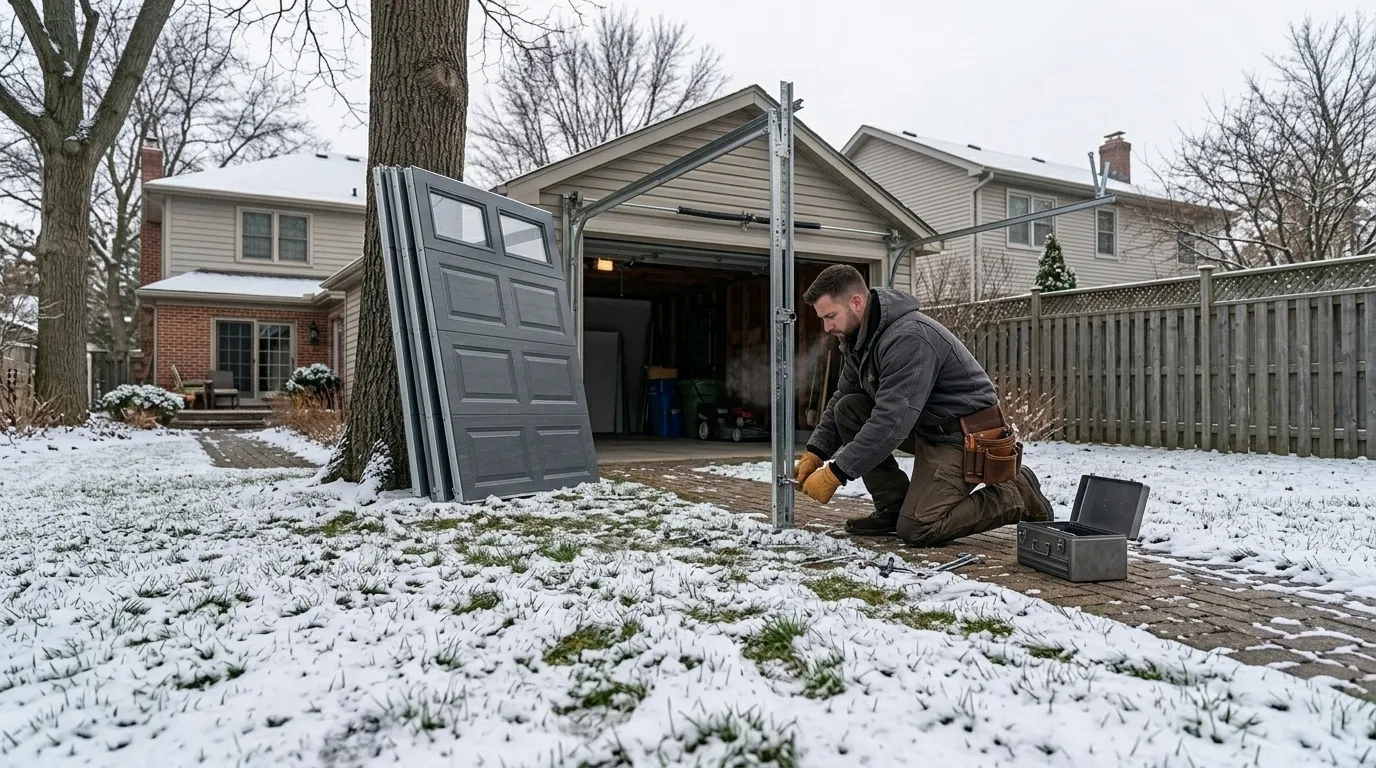
A door installed on a house from that era is usually running on older extension-spring hardware rather than a torsion bar over the opening, narrower rail spacing, and in some cases a jamb that's been shimmed and reshimmed over the decades so nothing sits quite square anymore. Extension springs age differently than torsion springs - they fatigue and can let go without much warning, and the safety cables that are supposed to catch a broken spring aren't always present on older setups. In the cold-climate stretch we work in, that older hardware also handles temperature swings worse: steel contracts, grease stiffens, and a spring that was already tired gives out on the first hard freeze of the year. When we're called to a 1949-vintage house, we're not expecting the same failure points as a 1970s split-level, and we don't treat it like one.
What Was Built Here
Forest Park has about 7,035 households, and the housing stock centers on a median build year of 1949 - older than most of what we see across the rest of the coverage area. Median household income here runs around $81,323, noticeably below the roughly $103,561 median for the broader service area, which tends to track with smaller, older garages rather than the wider three-car bays that came later in the century.
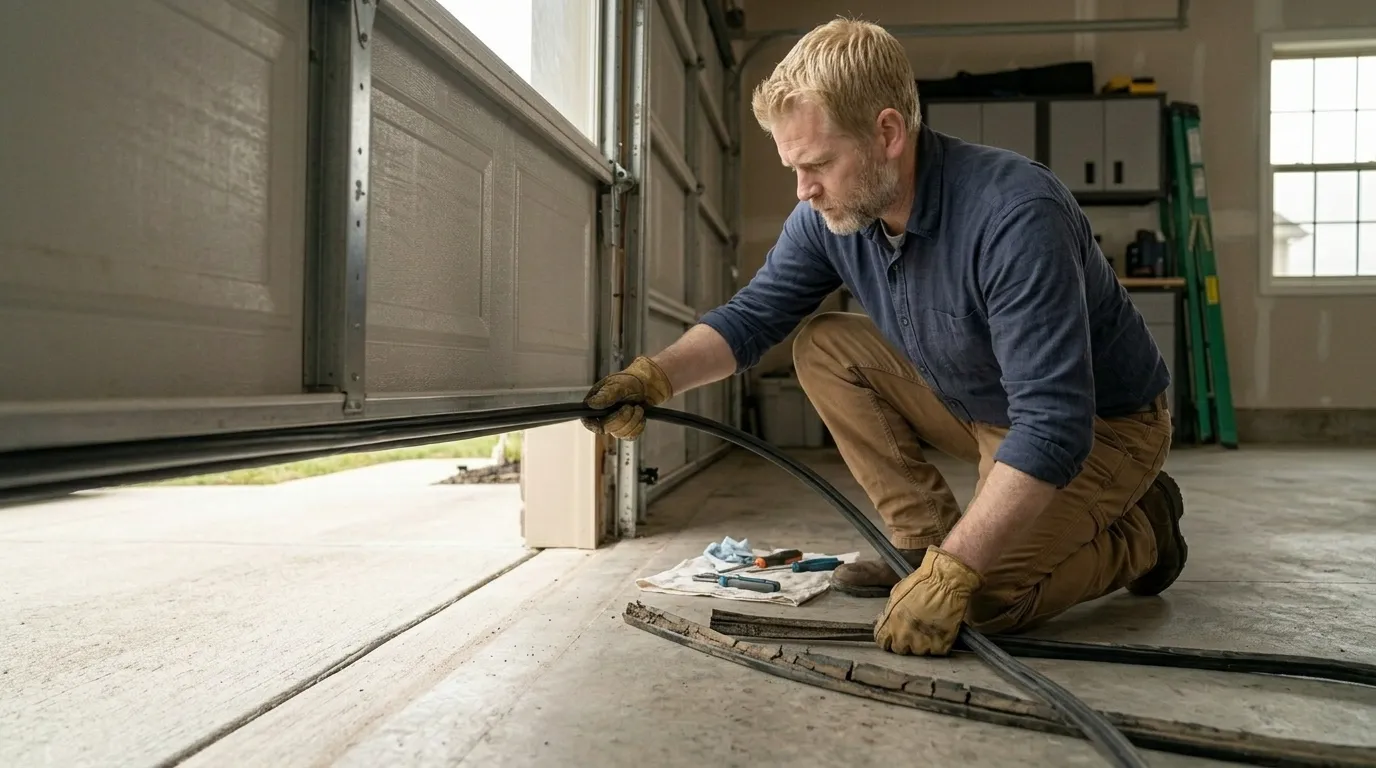
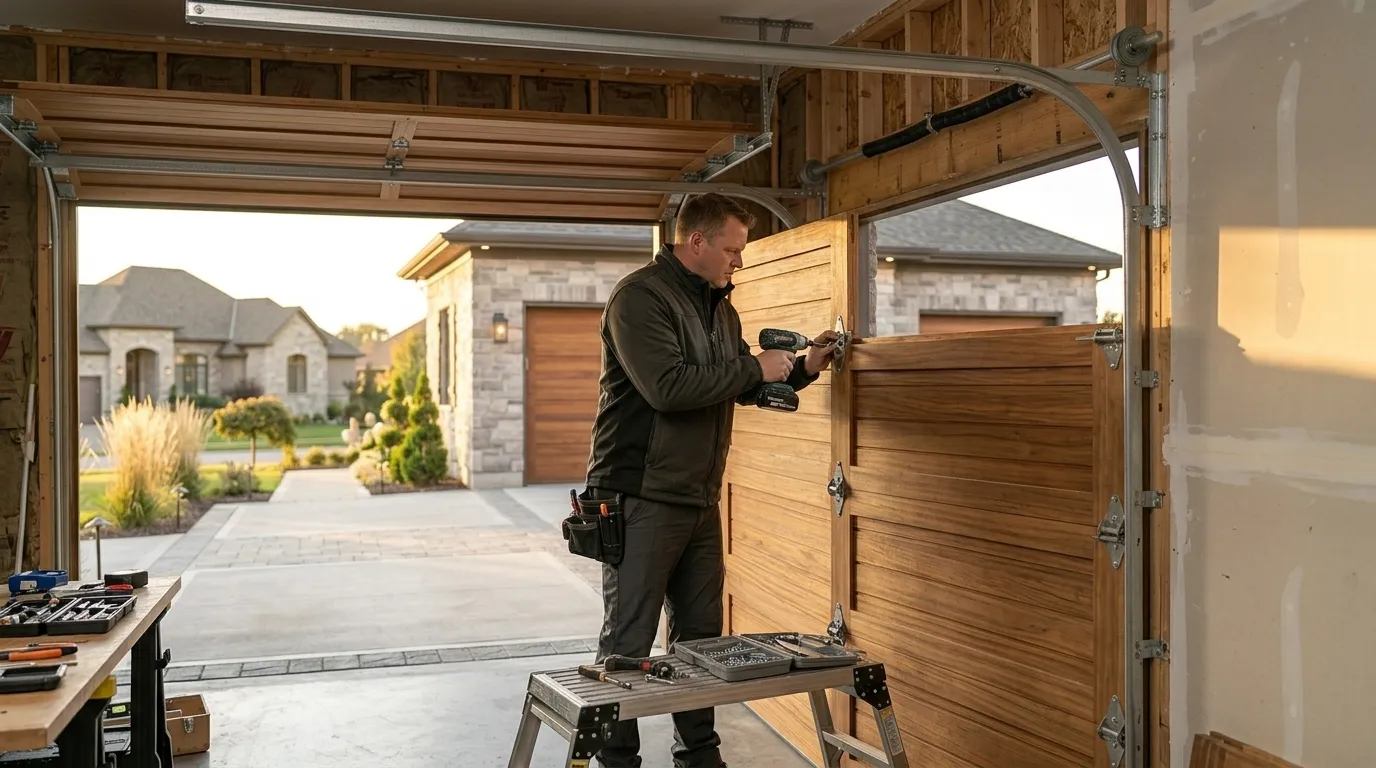
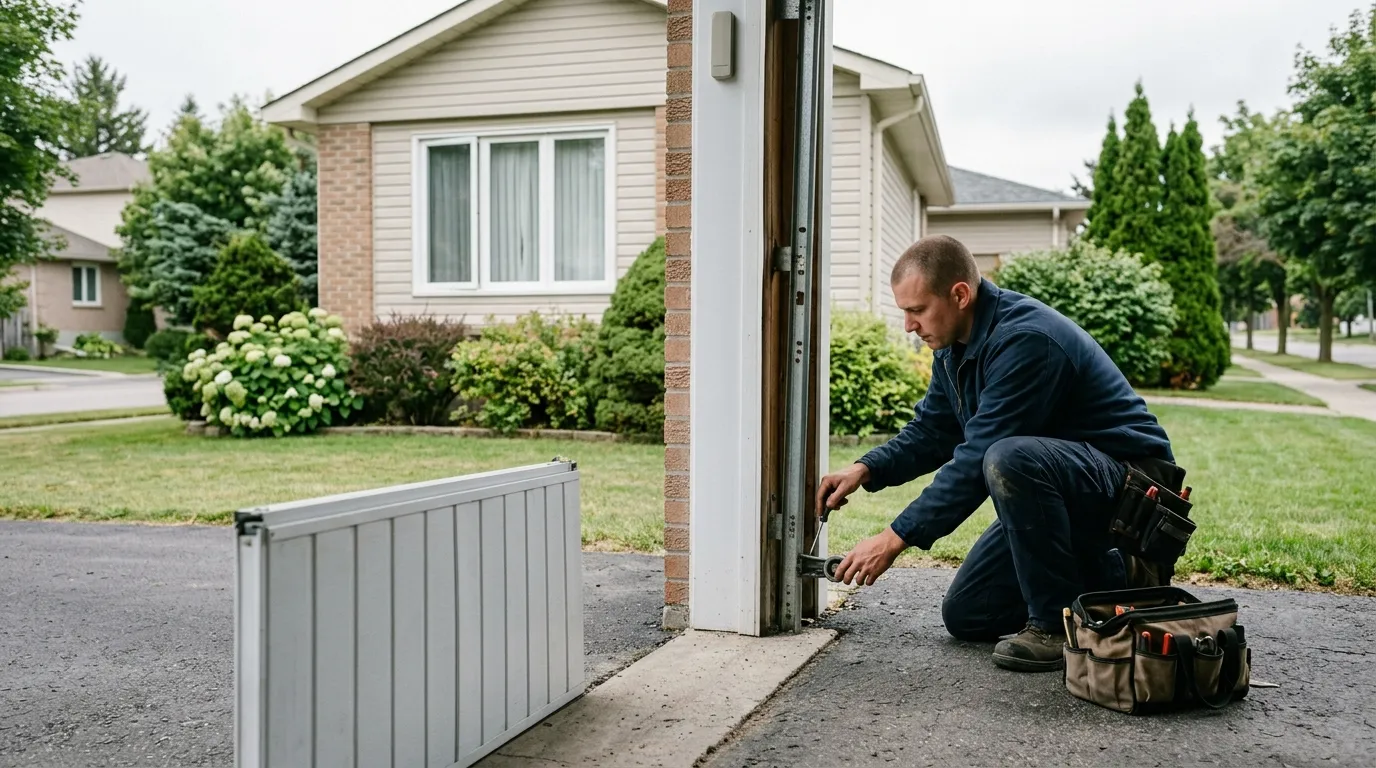
Single-car and narrow two-car garages are common on houses from this period, often with the original wood trim around the opening and hardware that's been patched rather than replaced outright. We see a fair number of doors here that have had one or two individual panels swapped over the years instead of a full replacement - a reasonable way to stretch a door's life, though it's not always the cheaper move once you count in a mismatched panel and the labor to source it. Where a door's frame and track are still original to a 1949 build, a full swap sometimes makes more sense than another patch job.