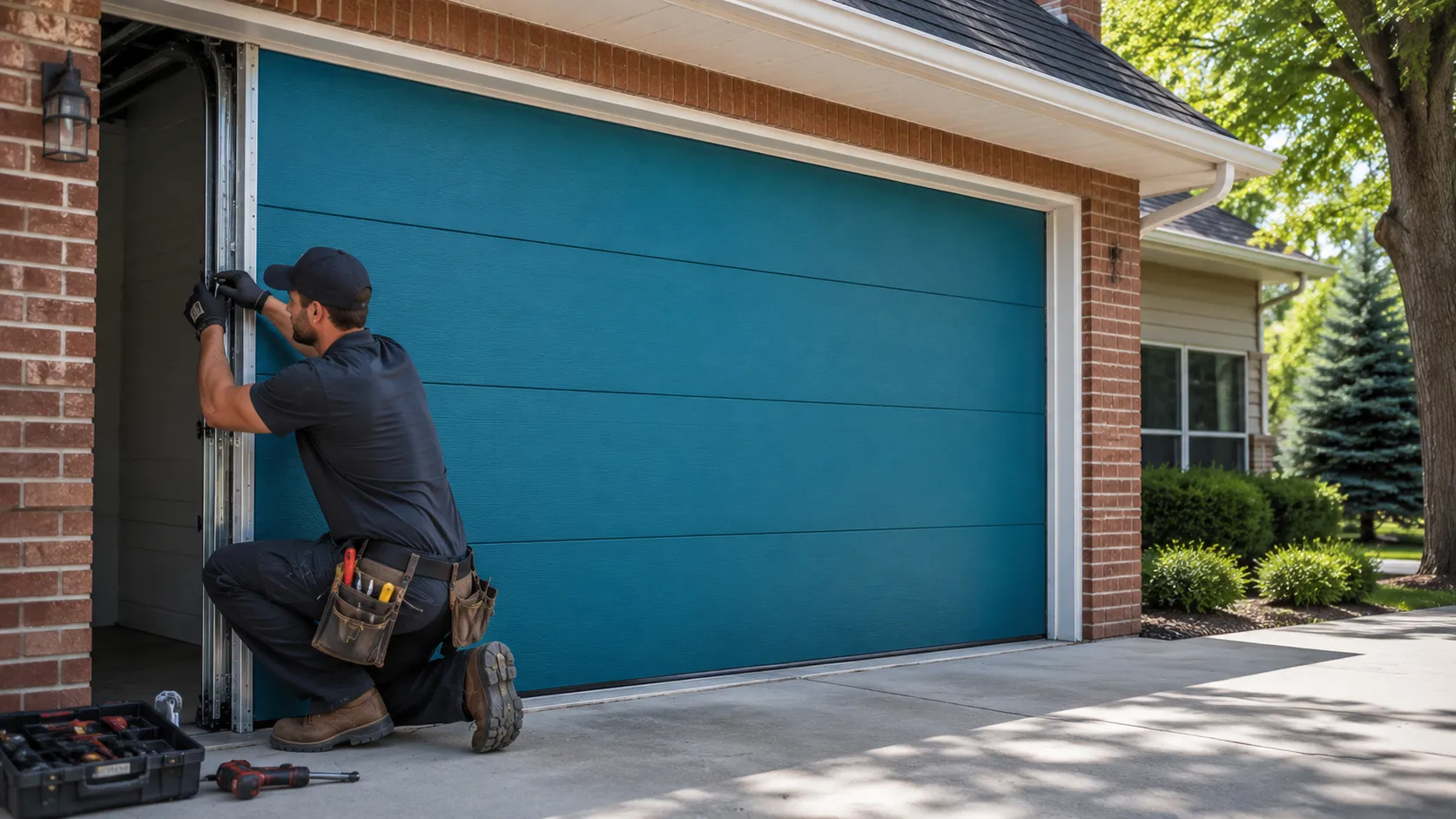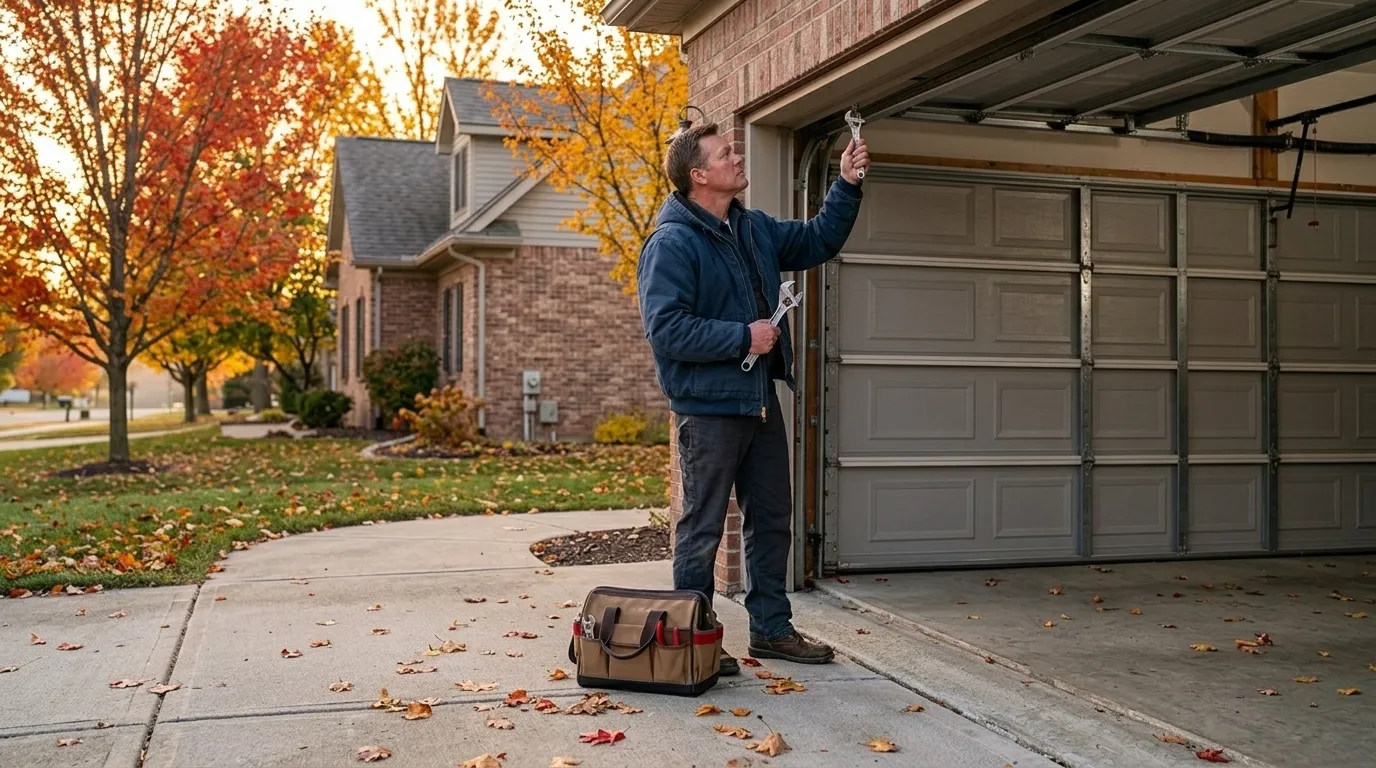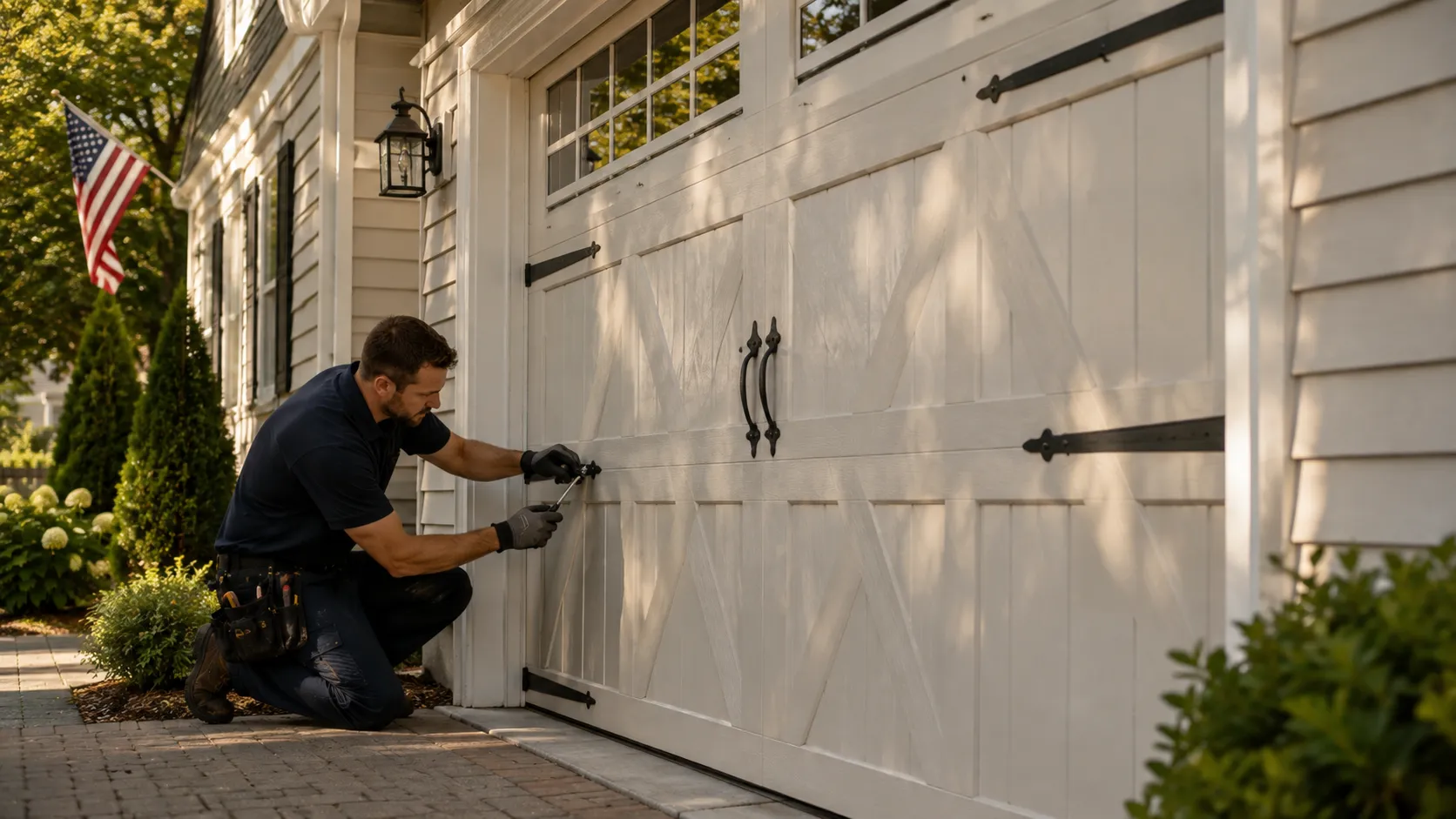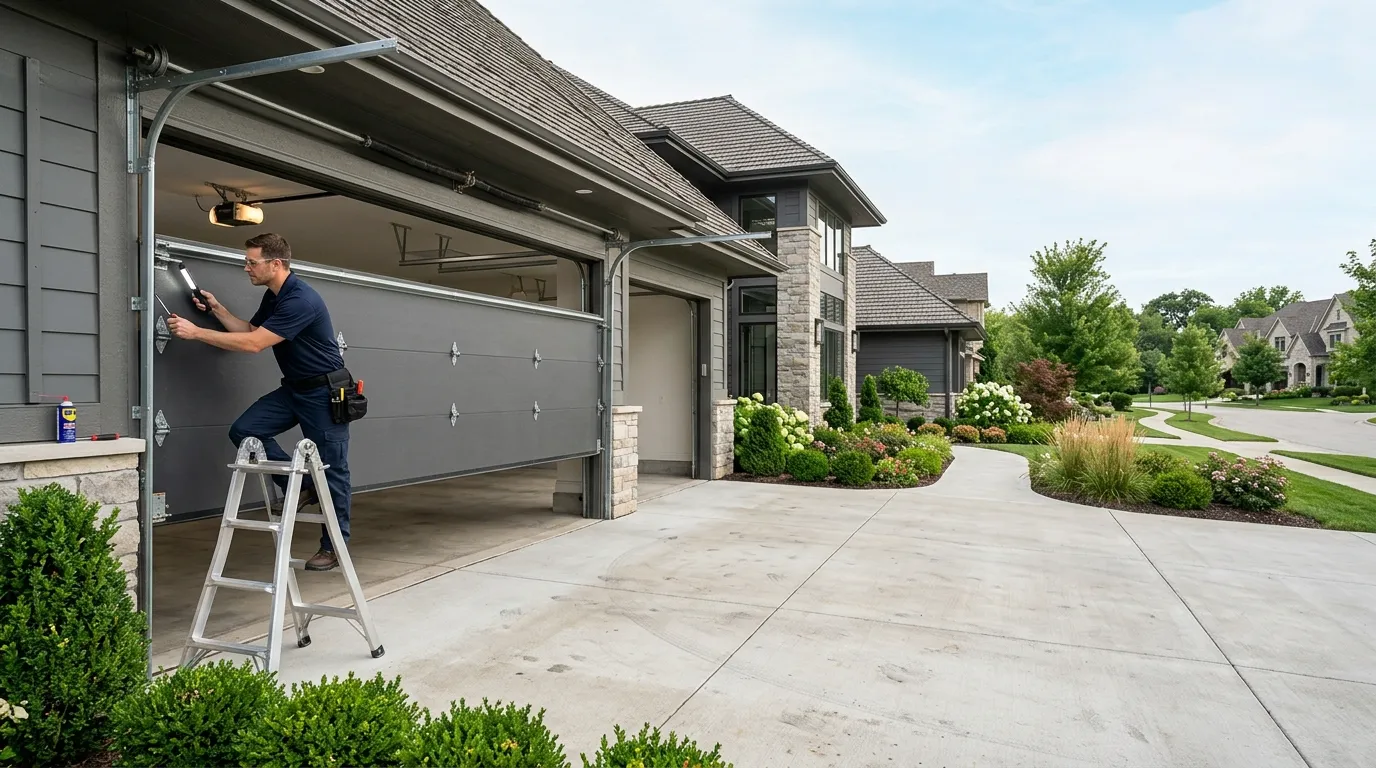
How We Get to You
We don't keep a truck parked in Broadview. Northbrook Garage Door Pros runs out of Northbrook, and the drive down to you is about 19 miles - farther than the runs we make to closer stops like Northfield or Glencoe, which sit just 4 miles out. That distance doesn't change what we bring to the job, but it's worth saying plainly: we're not a local shop with a storefront on your street, we're a company that comes to you.
Because of the drive, we schedule Broadview calls rather than treating them as a walk-by. If your spring lets go on a Tuesday morning, we're not already around the corner - we're routing a truck out from Northbrook like we would for any stop this far into the coverage area. We won't pretend otherwise, and we'd rather you know that going in than have you assume a depot exists that doesn't.
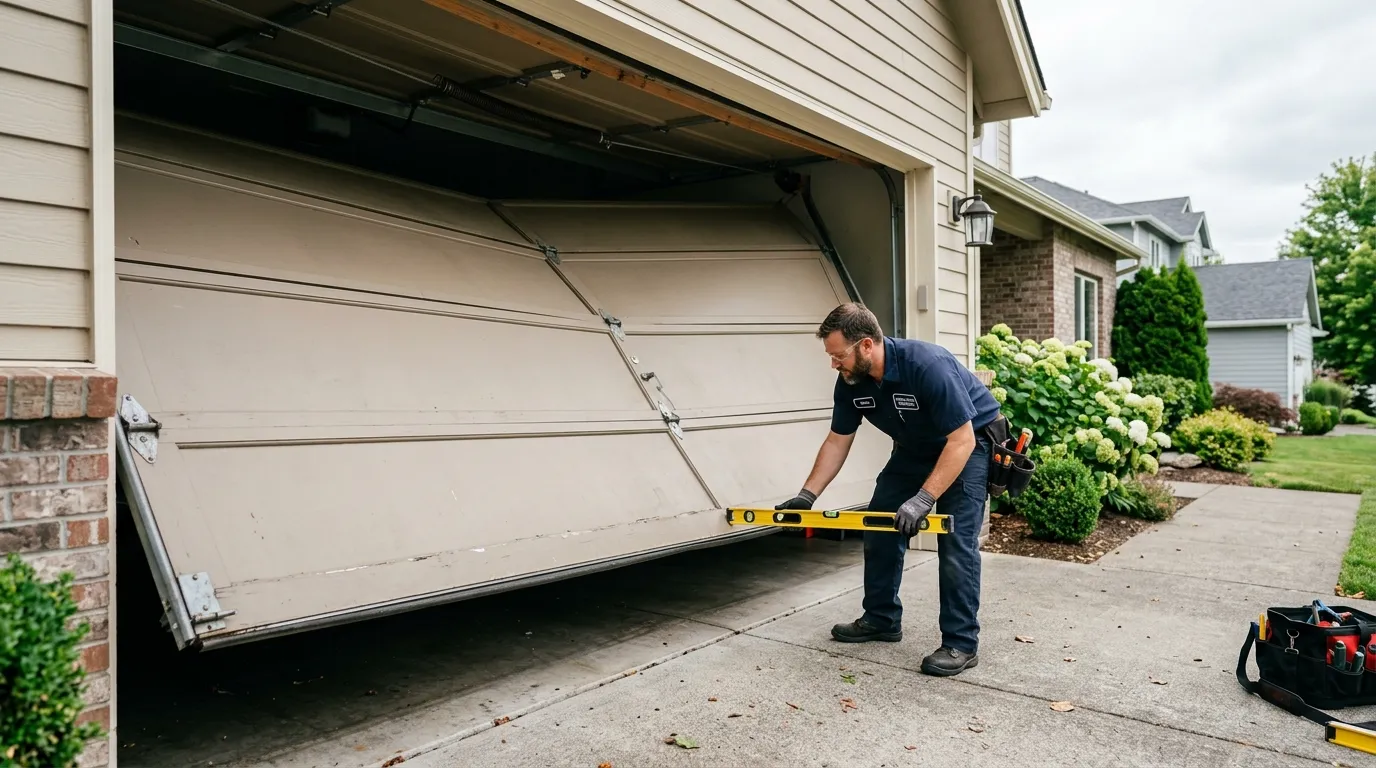
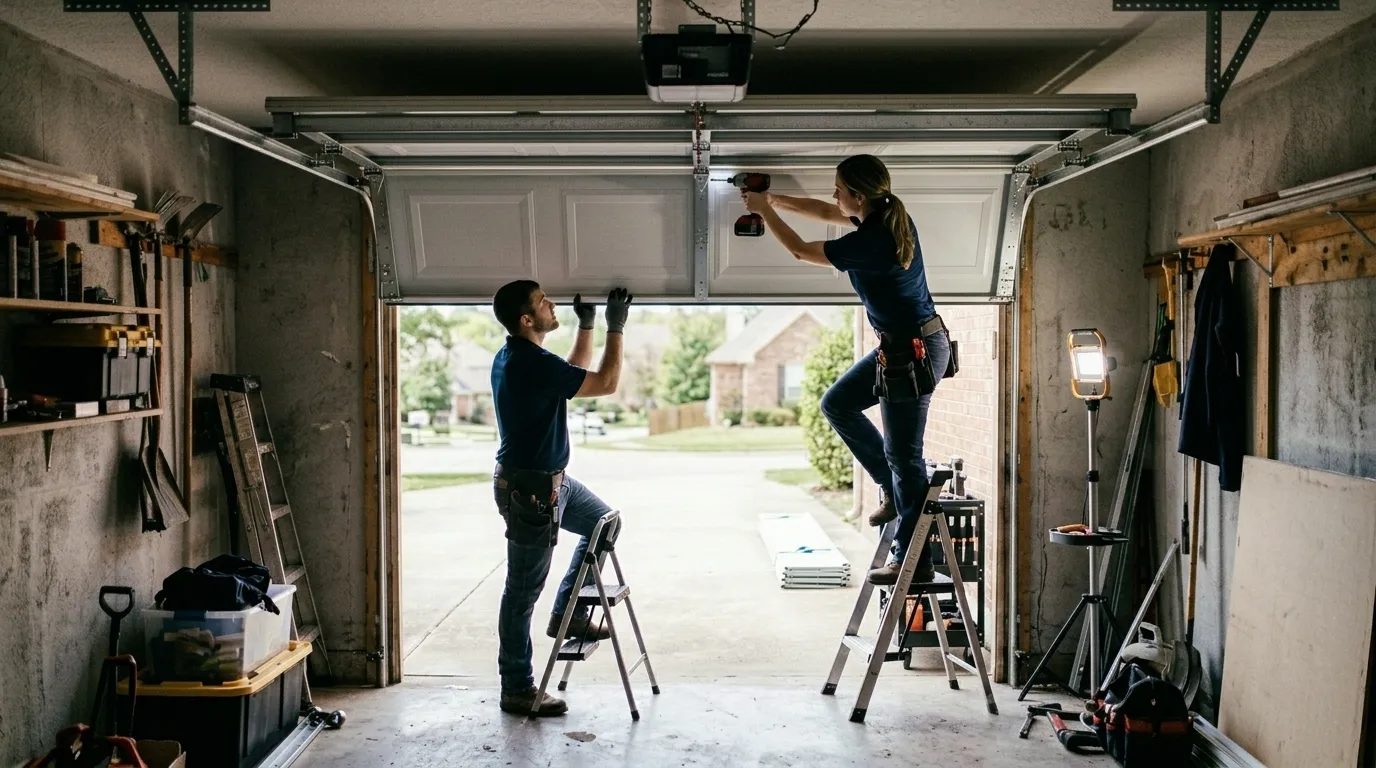
What we can promise is that the trip doesn't change the work. Same tools, same parts inventory, same technician standards whether the job is five minutes from Northbrook or nineteen miles south. The only thing that changes is how far the truck has to go to get there.
What That Means for Doors
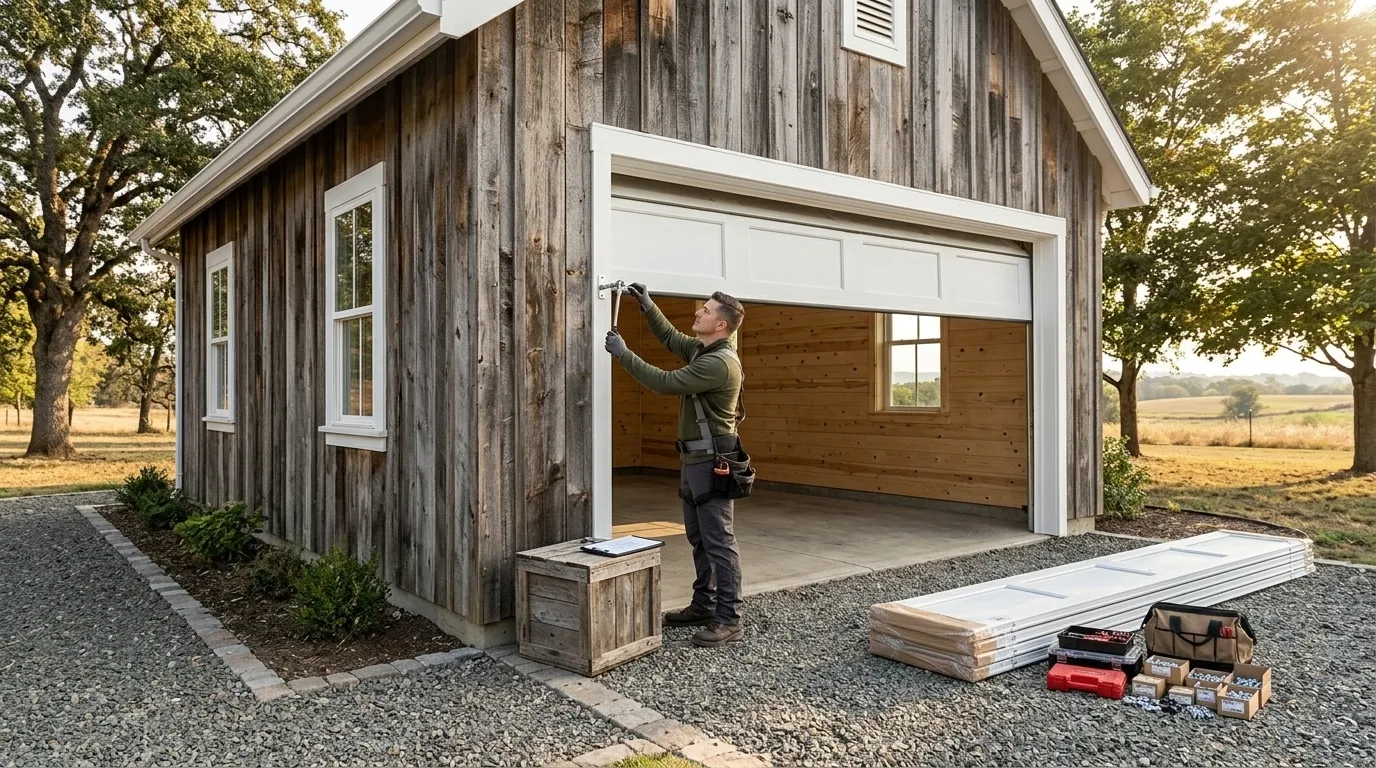
Broadview's housing stock centers on 1954, a good two decades ahead of the 1974 median for the wider service area. That gap matters more than it sounds like it should. A door installed on a house built in the mid-1950s is often the second or third door that opening has seen, and the track and header behind it were framed for hardware that looked nothing like what's sold today.
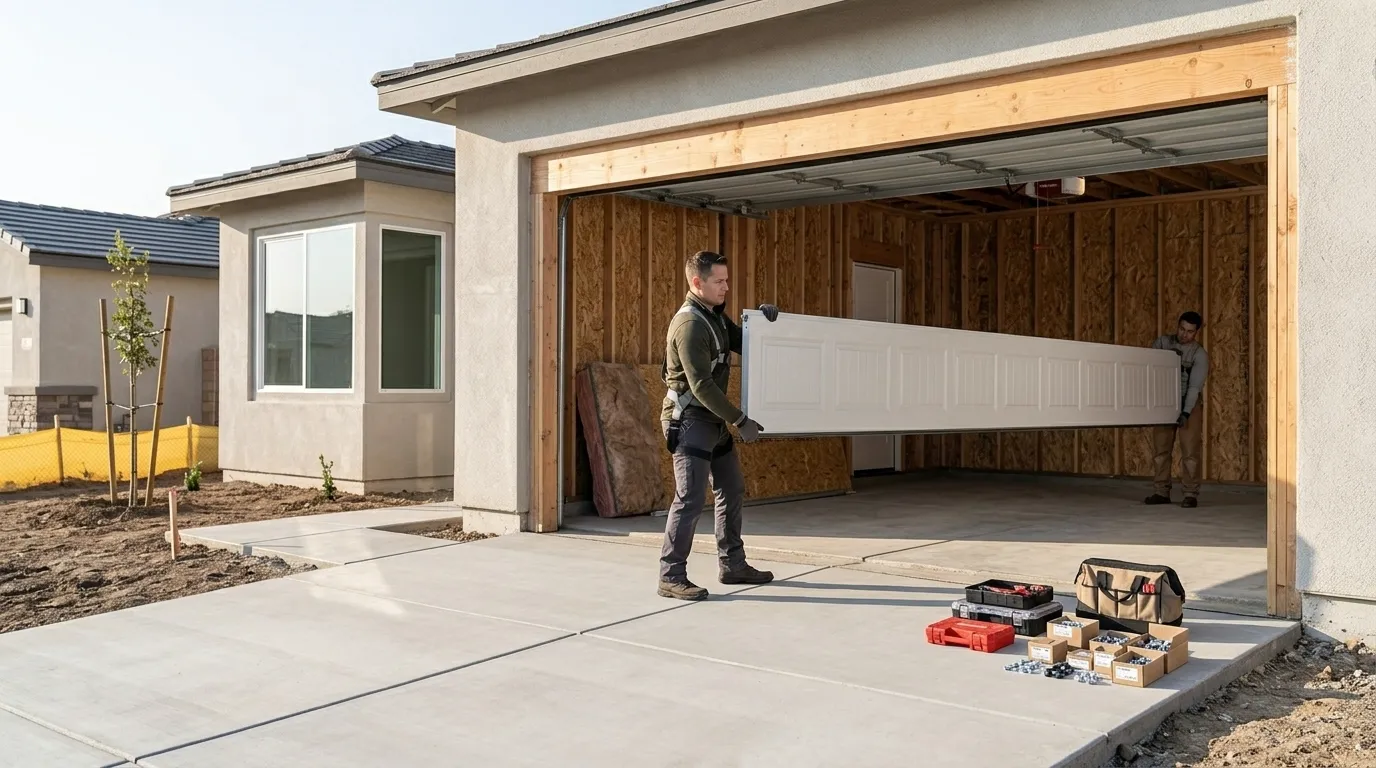
A lot of these openings were built for single-car garages with narrower rough openings than what became standard once two-car garages took over later in the century. That means replacement doors here more often need a size check before ordering rather than a straight swap, and openers mounted on older headers sometimes need bracing that a newer house wouldn't.
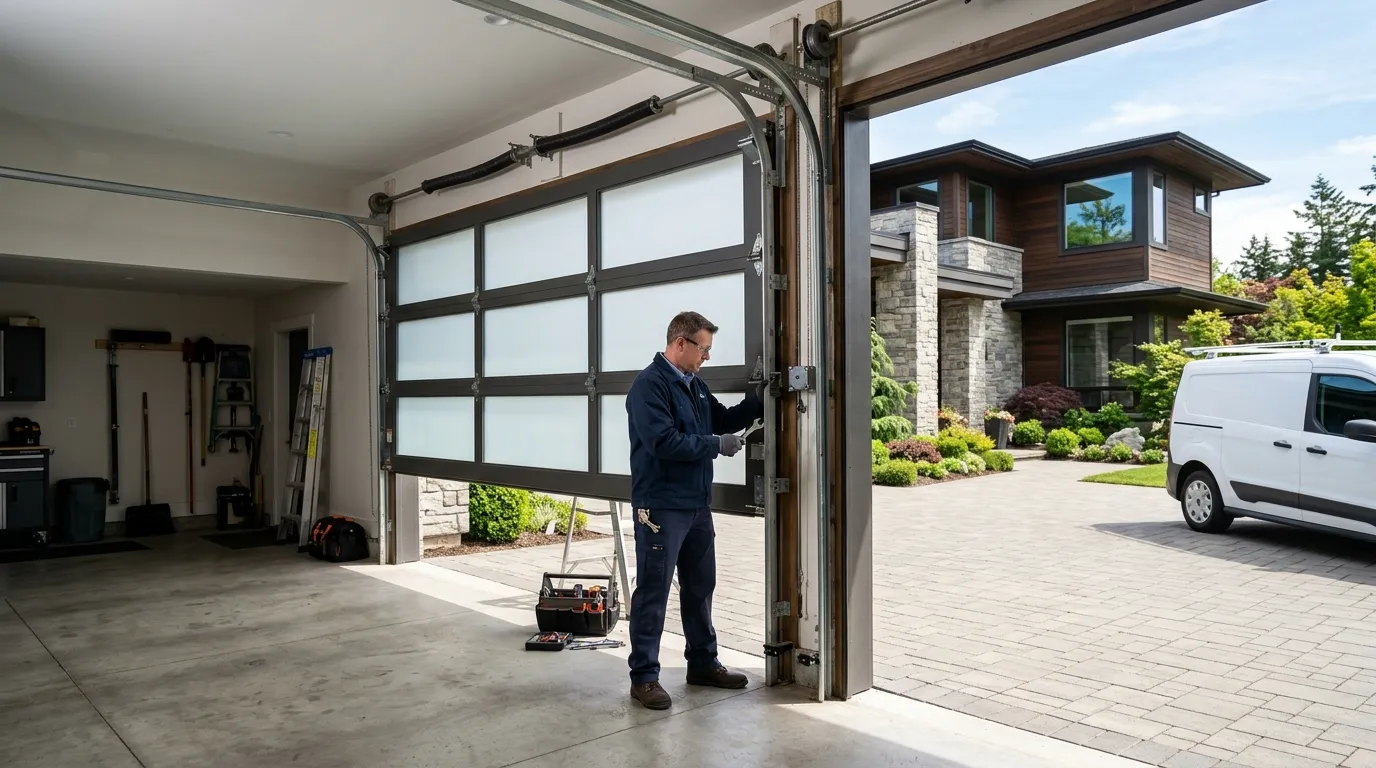
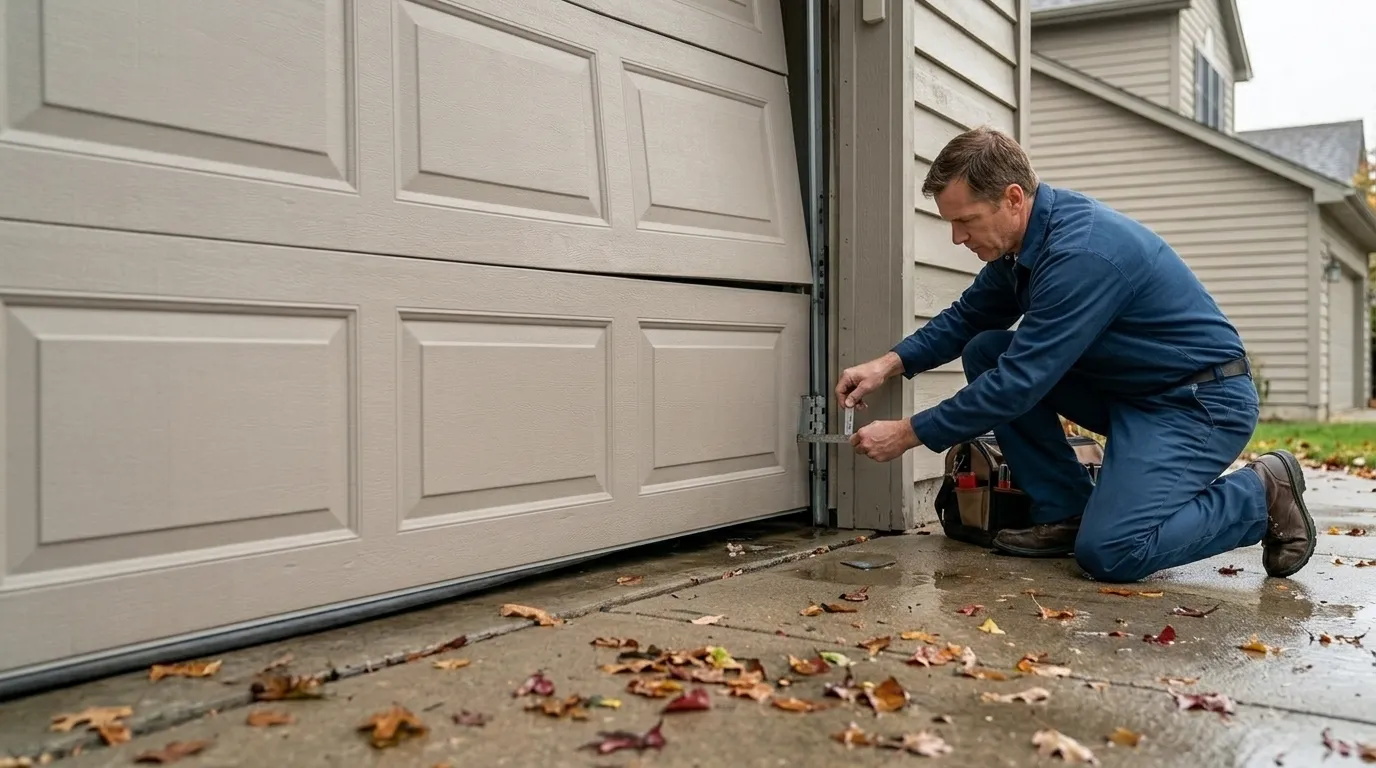
Extension springs instead of torsion bars show up more often on stock this old, especially where a garage was never remodeled past its original build. They work, but they wear differently and they fail differently - and if yours still has the original mounting from the 1950s, that's worth a look before it becomes a Saturday-morning problem.
What Was Built Here
The service area overall runs from houses built as early as 1938 up through 1996, with the median landing around 1974 - but Broadview sits well ahead of that curve at 1954. Most of what's standing here went up in a tighter window, mid-century construction with garages that were an afterthought addition on plenty of lots rather than part of the original build.
The region sits in a cold, moderate climate band, and that matters just as much for a 1954 garage as it does for a house built forty years later. Steel springs and steel track don't care what decade they're bolted to a header in - they still go through the same freeze-thaw cycle every winter. What differs is the hardware absorbing that stress: older mounting brackets and shorter track runs on some of these original openings don't flex the way newer galvanized systems do.
We don't have a count of exactly how many original doors are still in service on these lots, so we won't guess at a number. What we can say is that houses from this build era are common enough here that we plan for older hardware as the rule, not the exception, when a Broadview call comes in.