How We Get to You
We're based in Northbrook, and Bloomingdale sits about 18 miles out - not a corner we can reach in ten minutes, and we won't pretend otherwise. When you call, we schedule the trip; we don't have a second location or a drop box of parts sitting closer to you. That means the appointment window matters more here than it would for a job five minutes from our shop, and if you need a specific torsion spring or a chain-drive gear kit that isn't already on the truck, it can mean a short return visit rather than a same-day fix. We'd rather tell you that up front than promise a speed we can't back up. What we can promise is that once we're on-site, we come prepared for what this part of the region typically needs - which, as the next section covers, is a fairly specific set of hardware, not a generic garage door problem.
What That Means for Doors
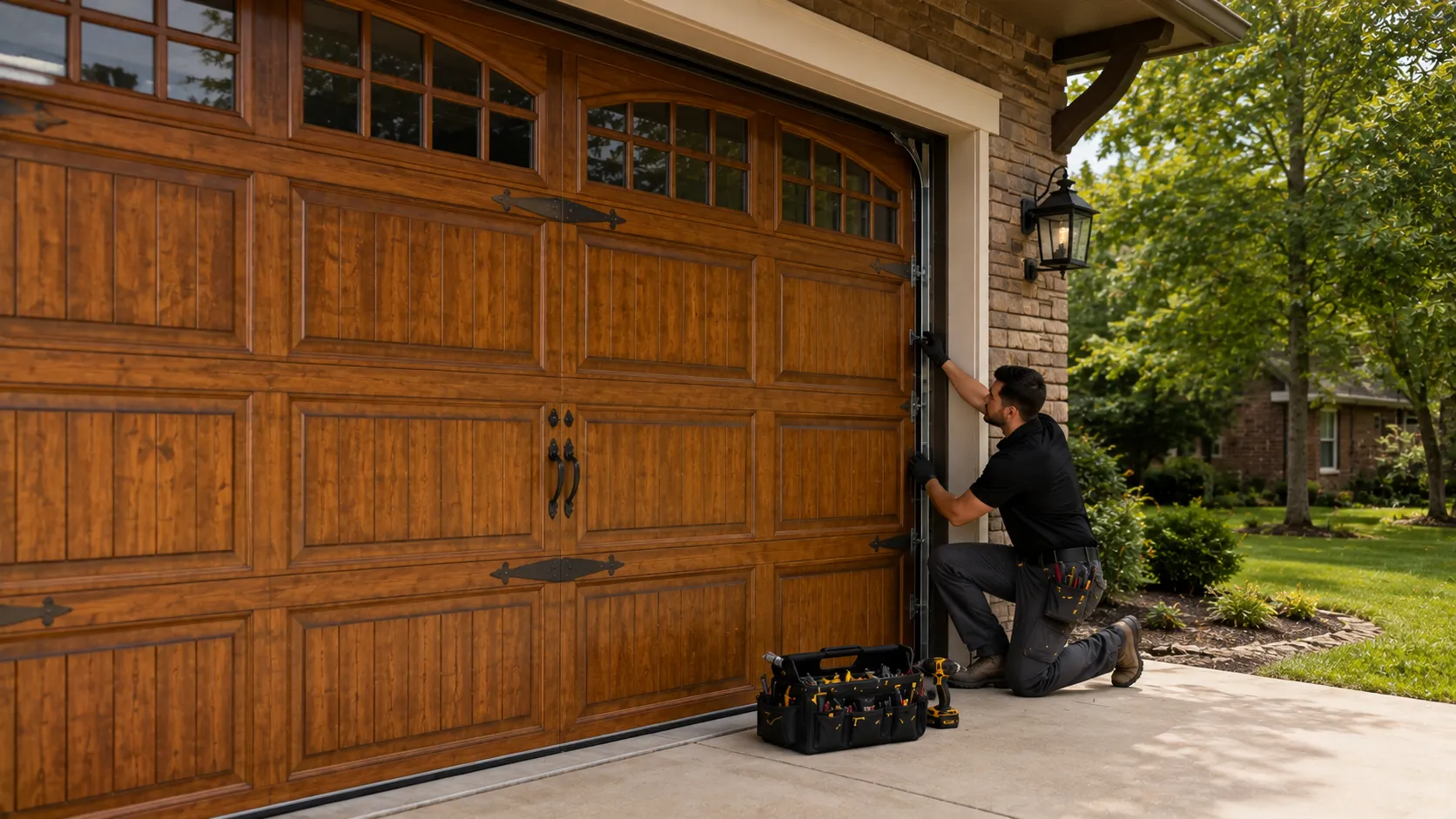
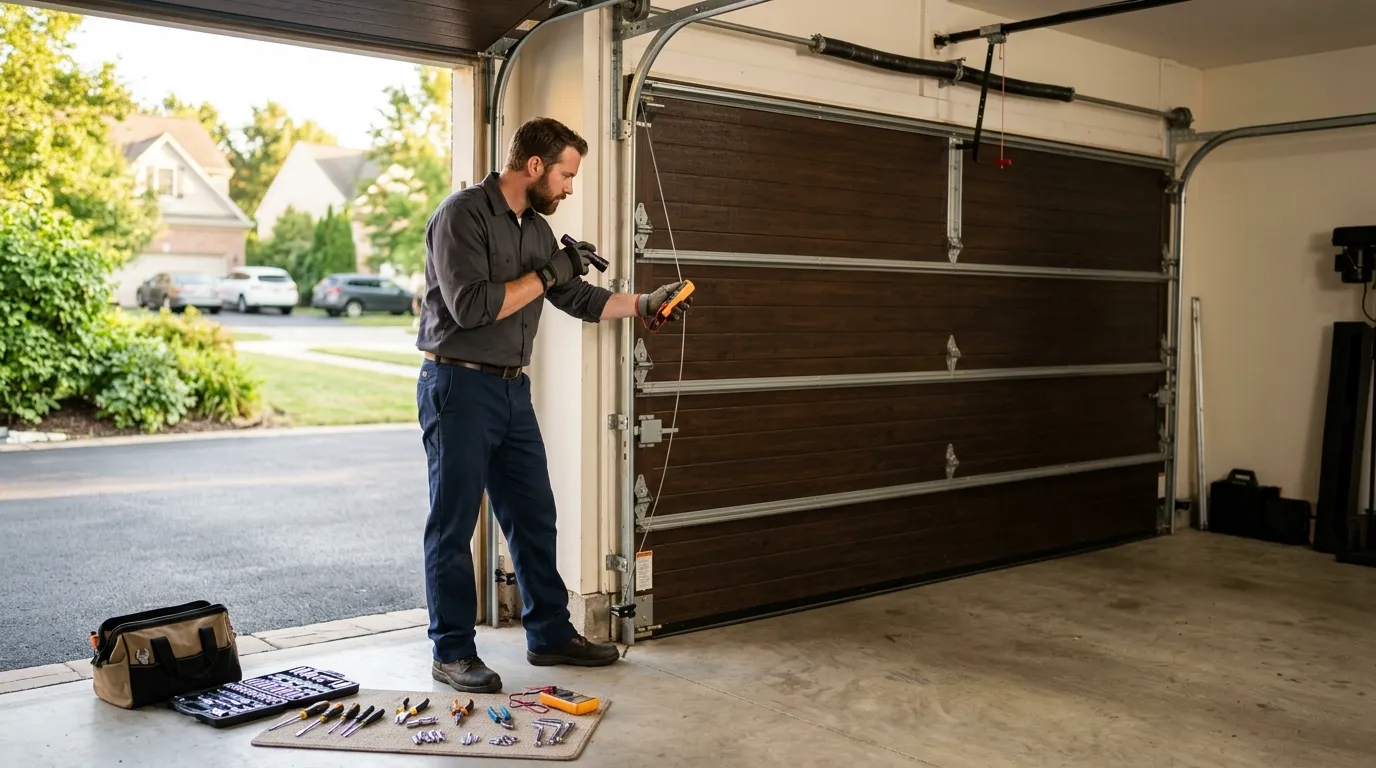
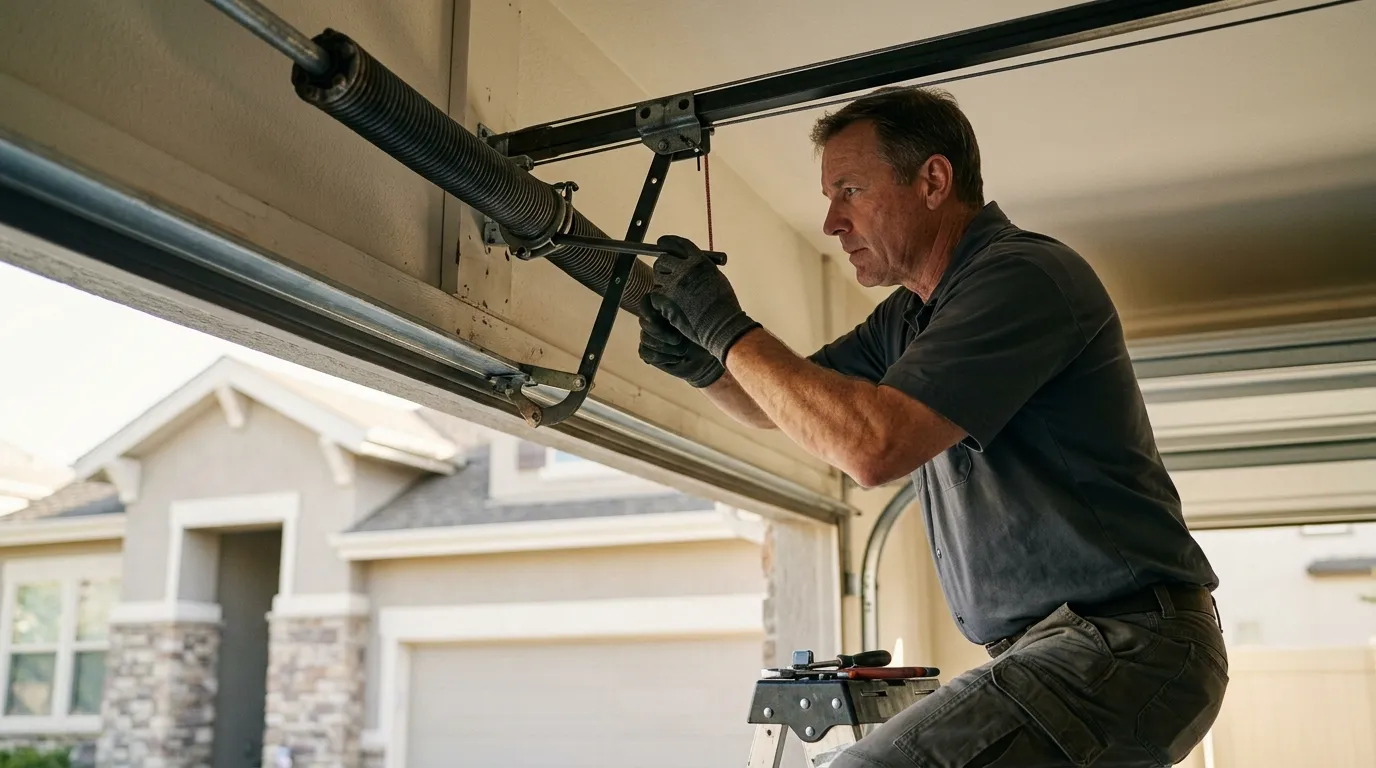
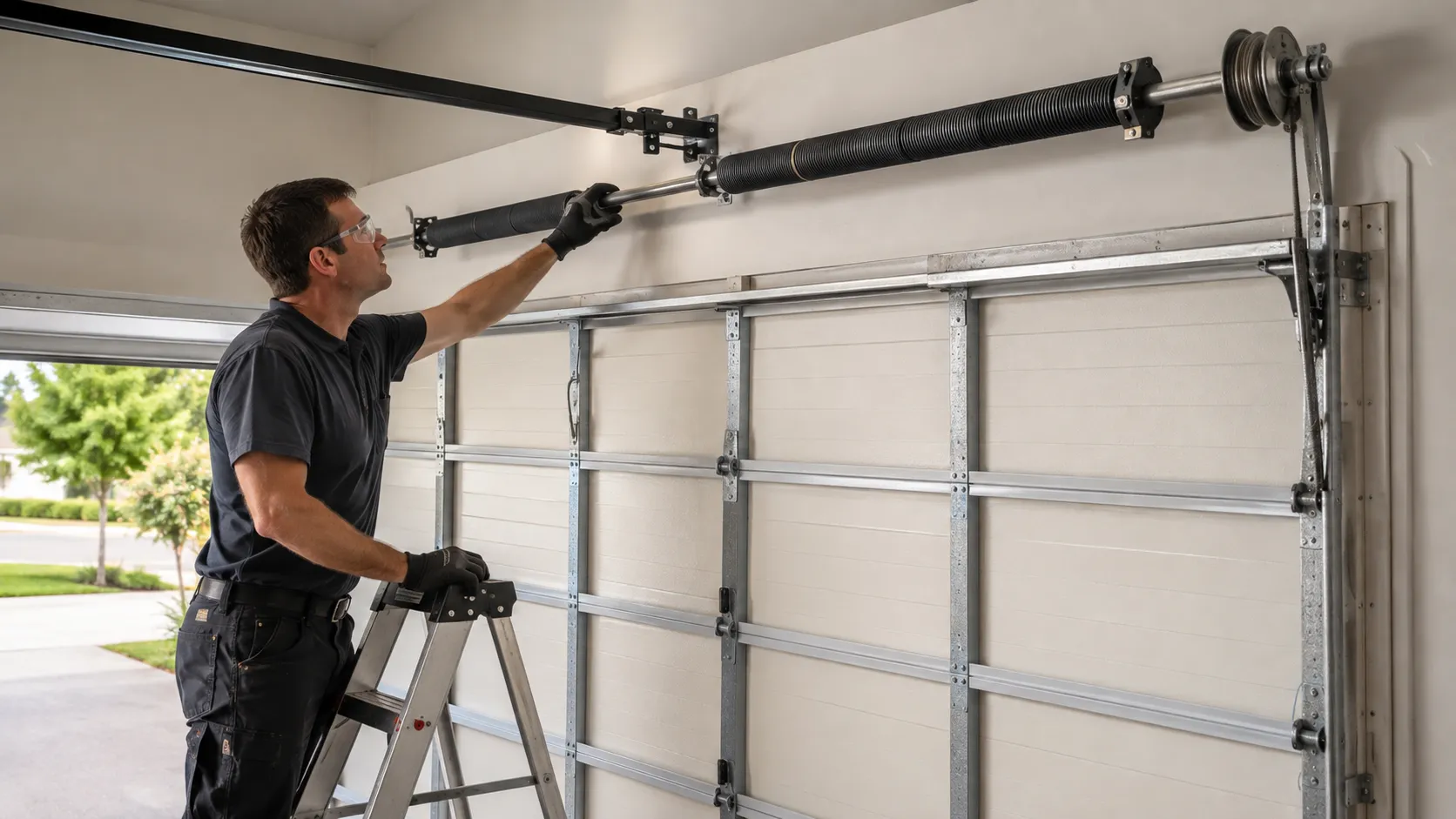
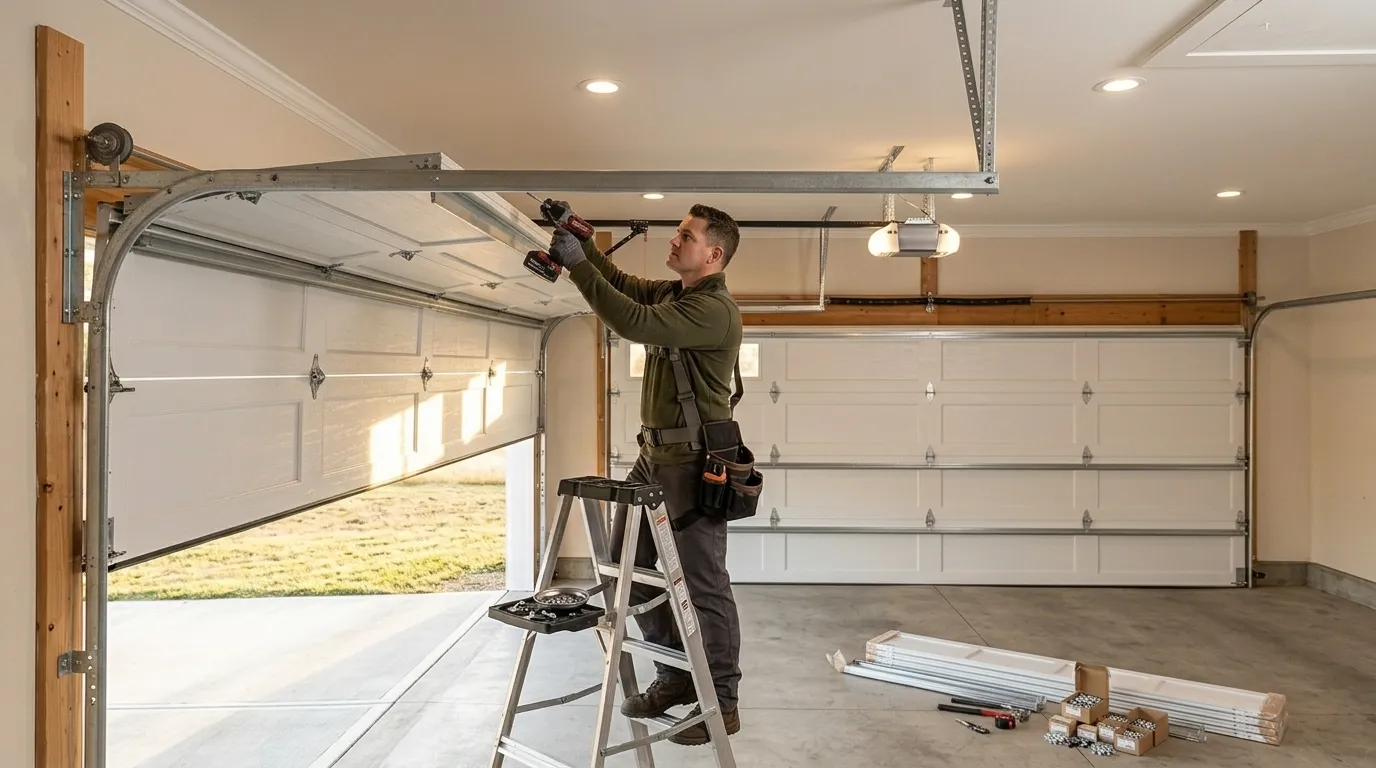
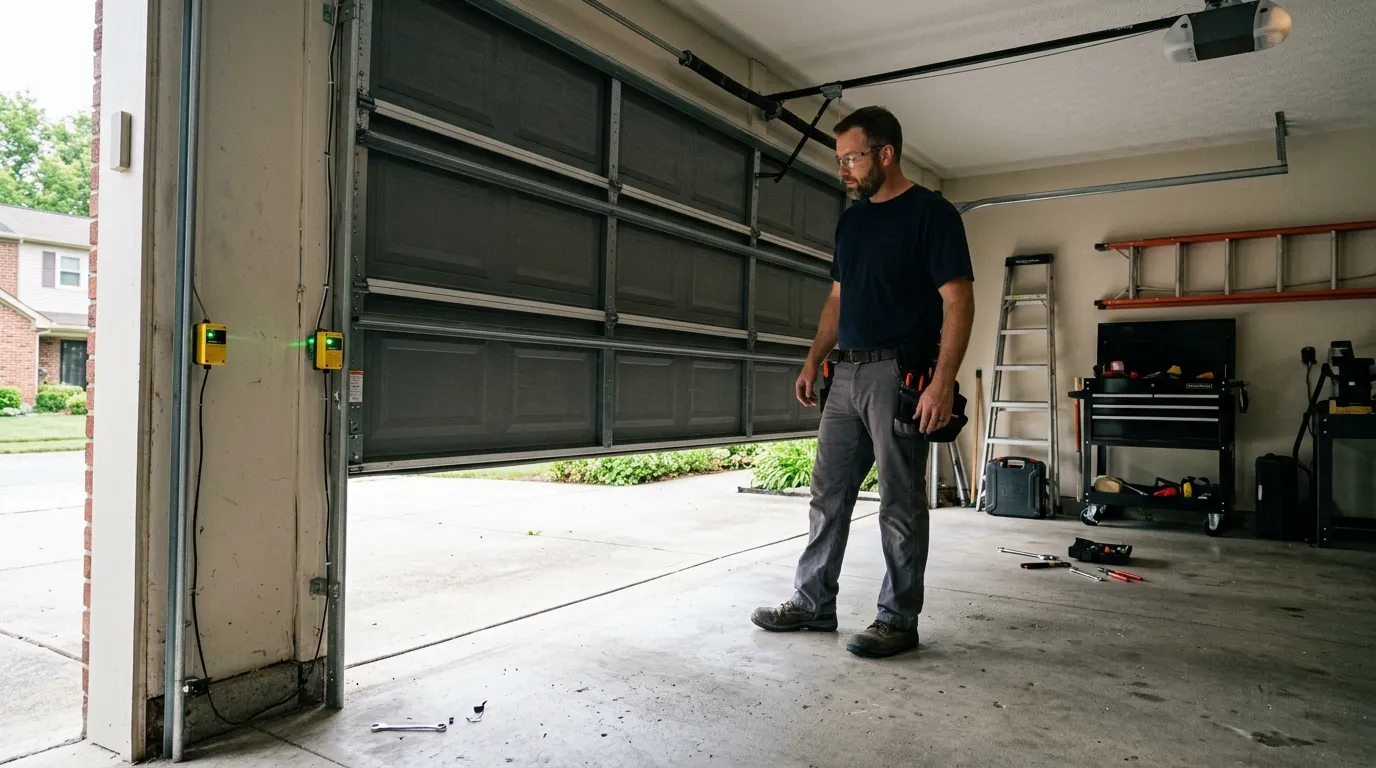
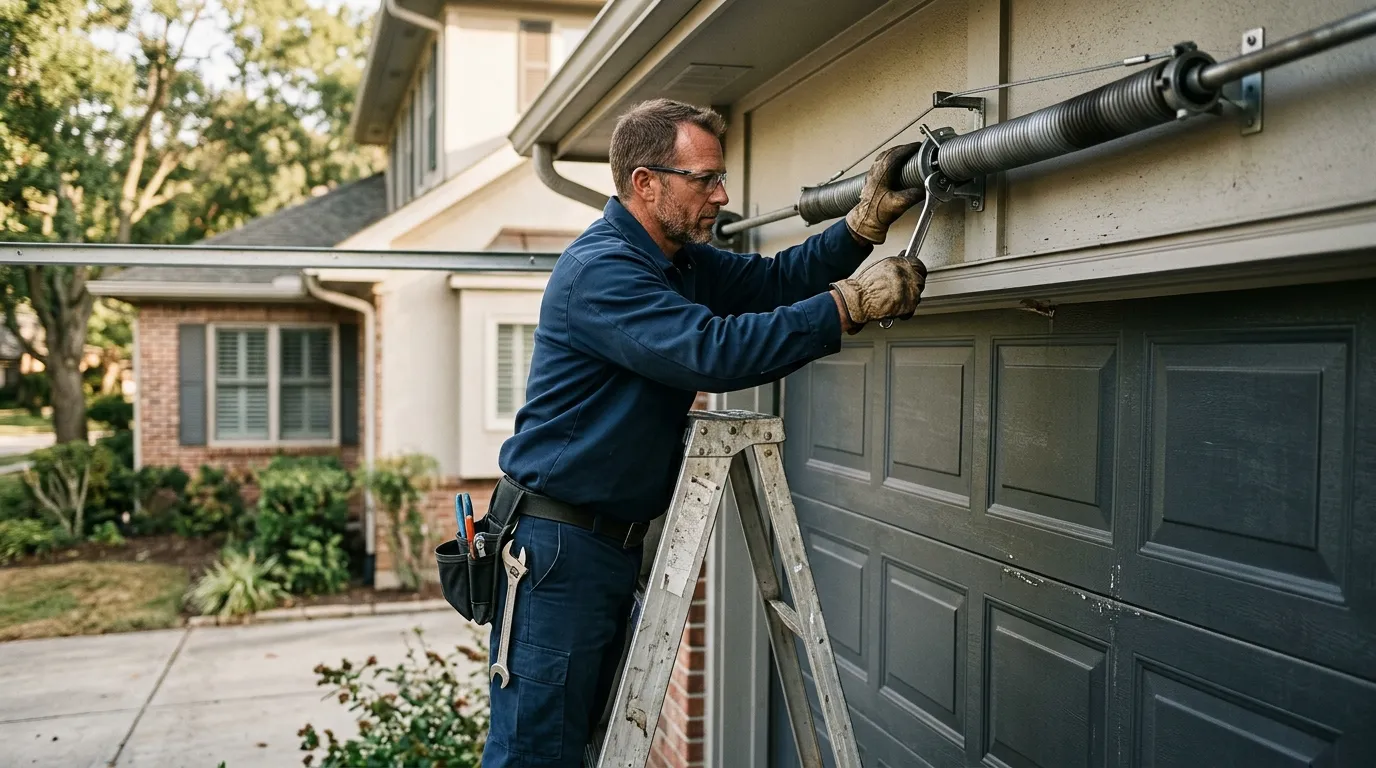
Across the wider service area the median home dates to around 1974, but Bloomingdale's housing stock runs newer on average - median year built is 1981. That seven-year gap isn't trivial for a garage door. Early-1980s construction more often shipped with steel sectional doors and chain-drive openers rather than the older extension-spring, single-panel setups you find on the 1950s and 60s streets closer to Northbrook. The failure points differ too: chain-drive openers wear at the gear-and-sprocket assembly and the drive chain itself stretches over time, where an older belt or screw drive fails differently. Torsion spring counterbalance is more common on these doors than the extension springs you'd see on older stock, and torsion systems need a different repair approach - and different safety handling - than extension coils. If your opener is original to an early-80s build, it's roughly forty years old, which puts it well past the point where parts are easy to source new; replacement often makes more sense than chasing a repair on an obsolete motor unit.
What Was Built Here
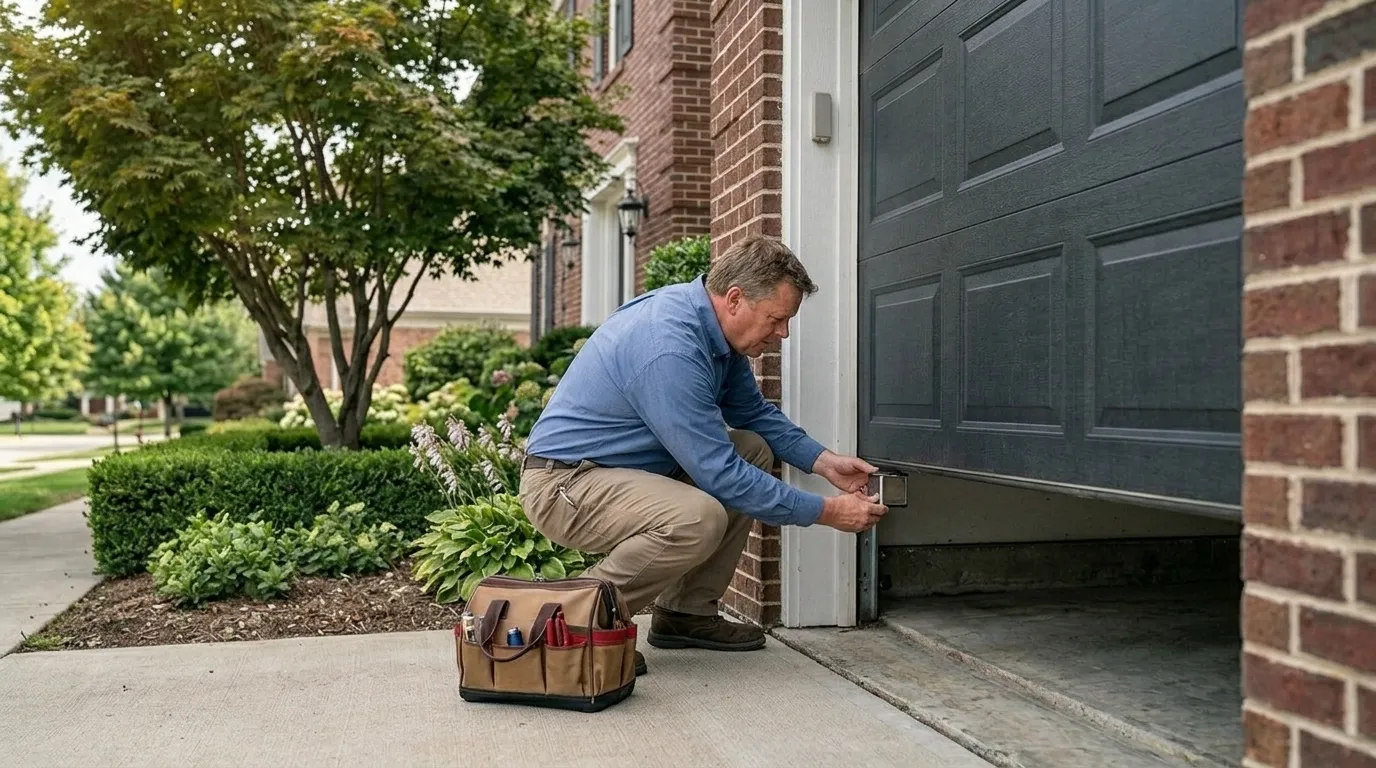
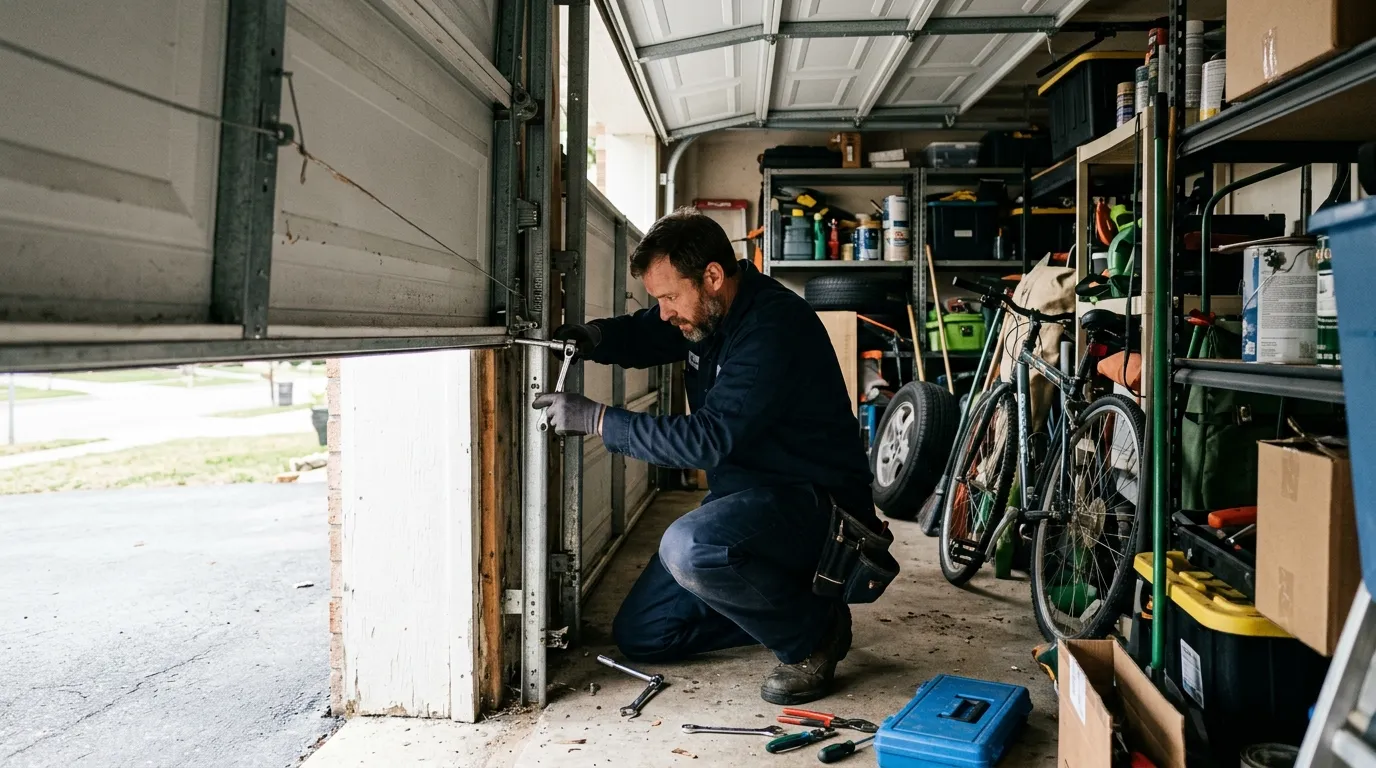
Bloomingdale has around 8,944 households, with a median household income of about $98,891 - close to, though a bit under, the roughly $103,561 median across the wider service area. That's a household base with the means to fix a door right rather than patch it, which matters when a repair decision comes down to replacing a worn chain-drive opener versus nursing a forty-year-old motor along. The region sits in a cold, moderate climate band, and on doors from this build era the original weatherstripping and bottom seals are usually long gone - vinyl and rubber don't last four decades of Midwest winters. If your door drags, whistles, or lets in a draft along the bottom edge, it's often the seal and not the panel, and that's a cheaper fix than people expect.