24/7 Emergency Service Open 7 days · 7am–8pm Serving Northbrook, IL & nearby
(224) 353-7696
Northbrook, IL

Why So Many Northbrook Garage Doors Have No Insulation to Speak Of

Northbrook homes built 1938-1996 often carry garage doors with no real insulation. Here's what that means for your panels, springs, and winter calls.

Why So Many Northbrook Garage Doors Have No Insulation to Speak Of

How Local Conditions Play In

Northbrook's housing stock runs 1938 to 1996, with the median build year sitting around 1974. That matters because insulation requirements for garage doors weren't part of most local codes until well after that median date. A door installed in 1974, or even a replacement hung in the 1980s to match the house, was built to keep out weather in the loosest sense: a single skin of steel or wood, maybe a thin foam liner if you were lucky, and gaps at the bottom seal that nobody worried about because energy codes hadn't caught up yet.

We're in a cold, moderate climate band here, which means the swing from a mild fall afternoon to a hard freeze happens fast and often. An uninsulated steel door doesn't just let heat out - it also flexes more with temperature swings, and that flexing is what eventually cracks old panel seams or throws a spring out of balance. Houses built in that mid-century wave weren't engineered with today's insulation-first hardware in mind, and the doors on them show it: thinner steel, single-layer panels, and springs sized for a lighter door than what often gets swapped in during a repair.

What Most People Get Wrong

The common mistake is treating an old door like it just needs a new opener or a fresh coat of paint. If your house falls in that 1938-1996 range - which covers most of Northbrook - the door itself is probably the original weight class of steel, not insulated steel, even if someone repainted it or added trim to match a remodel. People replace the opener, add smart controls, and wonder why the garage still runs 15 degrees colder than the rest of the house in January.

The other mistake: assuming a door that looks fine is insulated. From the driveway, a single-skin steel door and a polystyrene-core door can look identical. You have to check the edge or the back panel to tell. We see this misunderstanding a lot on the older streets, where doors got swapped once or twice since the house was built but never upgraded to a foam-core panel, because nobody flagged that the original wasn't insulated to begin with.

What Is Going On

On a door built to the standards common through the 1970s and 80s, the steel skin is thin enough that cold transfers straight through it, and the bottom seal is usually a basic rubber strip that shrinks and hardens over years of freeze-thaw cycles. That's the mechanical reality behind the drafty garage, not a mystery draft from nowhere.

There's a knock-on effect on hardware too. Torsion springs get sized to the door's actual weight, and older uninsulated doors are often lighter than the insulated replacements homeowners eventually want. If someone swaps in a heavier insulated door without recalculating spring tension, the opener strains and the springs wear faster than they should. We see this pattern on houses from that mid-century build wave more than anywhere else, simply because that's where the mismatch between original hardware and modern door panels shows up.

When to Get Help

If your garage door was never touched since the house went up somewhere in that 1938-1996 window, and you're feeling real cold coming through the panel on a January morning, that's worth a look before you assume the opener is the problem. A tech can tell in a few minutes whether the door itself is insulated or whether you're dealing with a single-skin panel that's original to the build era.

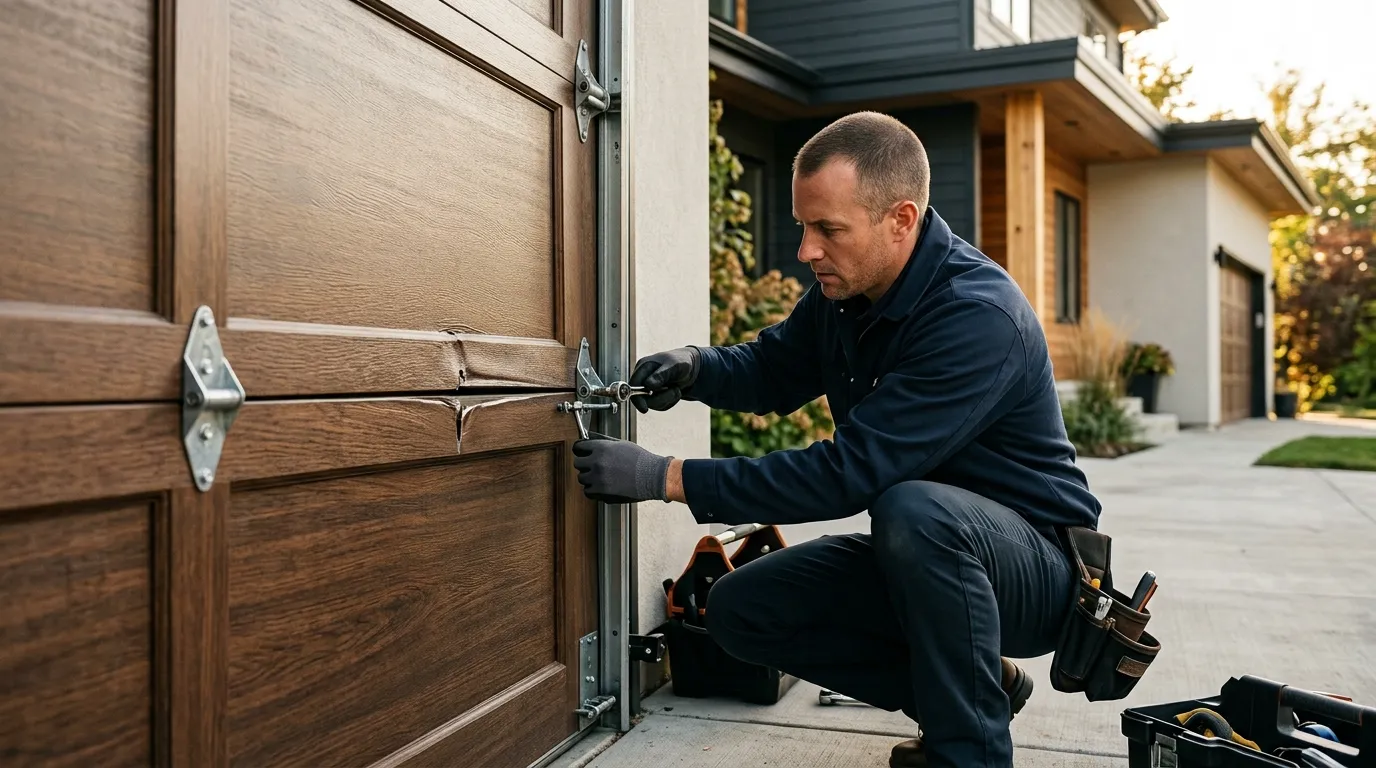
Here's the honest limit: if the door and hardware are original and structurally sound, sometimes an insulation kit or a new bottom seal fixes the draft without needing a full replacement. We won't push a full door swap on you if a simpler fix solves it. But if the springs are already mismatched to a door that's been swapped once before, or the panels are cracking at the seams from decades of temperature swings, patching it further just delays the real fix.
How it works

From “it’s stuck” to “it’s fixed”

A quick, honest process - no guesswork and no surprises, start to finish.

  1. 1
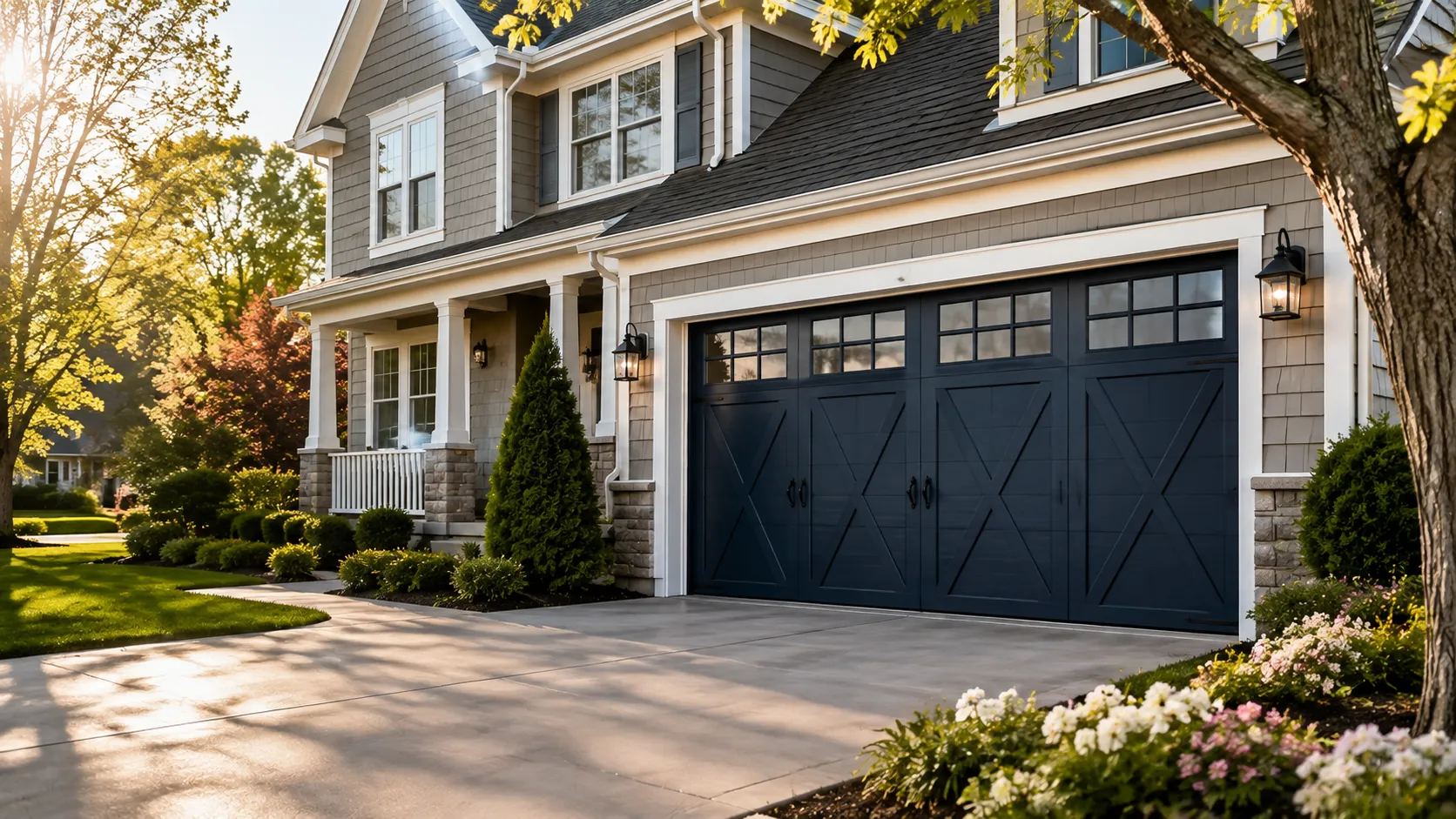
    Tell us what’s wrong - Northbrook garage door service

    Tell us what’s wrong

    Describe the symptom - won’t open, loud bang, opener runs but the door won’t move.

  2. 2
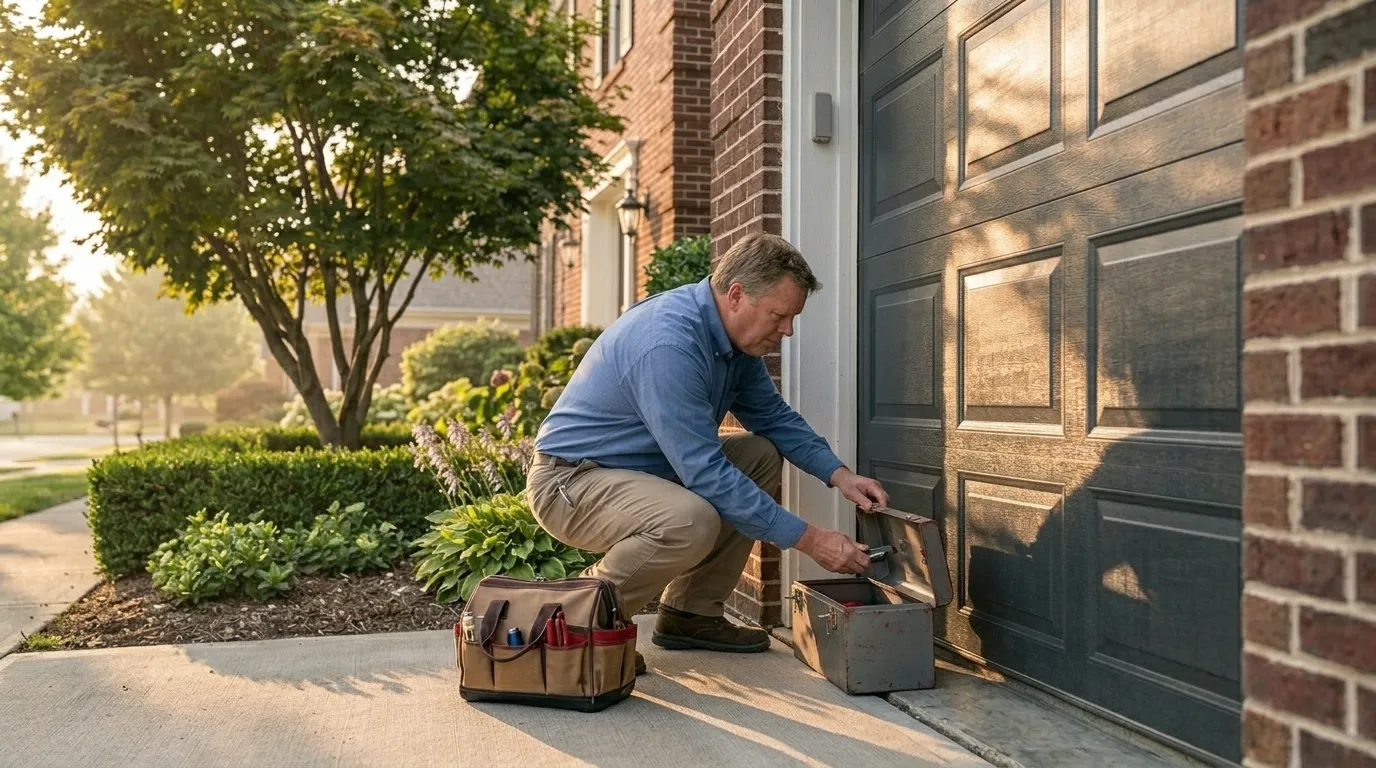
    On-site diagnosis - Northbrook garage door service

    On-site diagnosis

    A technician tests the door under power and by hand and finds what actually failed.

  3. 3
    Clear, up-front plan - Northbrook garage door service

    Clear, up-front plan

    You get the fix that’s needed and what drives the cost - before any work starts.

  4. 4
    Repaired & tested - Northbrook garage door service

    Repaired & tested

    The repair is done, the door is set true and tested, and the work area left clean.

Serving Northbrook, IL - tell us what your door’s doing and we’ll take it from there.

How we work

What to expect

  • Diagnosis firstEvery visit starts by finding what actually failed - not a pre-written parts list.
  • The right part for the doorSprings and openers matched to the door’s weight and age, so the fix holds up.
  • Straight answersWhen a repair makes more sense than a replacement - or the reverse - you hear it plainly.
  • Clean, careful workTension released safely, hardware set true, the door tested under power before we leave.
Questions

Frequently asked

Straight answers about garage door repair in Northbrook. Still unsure? Ask us directly.

01Is my garage door insulated if my house was built in the 1970s?

Not necessarily. Northbrook's housing stock runs 1938 to 1996 with a median build year around 1974, and insulation requirements for garage doors weren't standard in that era. Check the back of the panel or the edge - a single steel skin means no real insulation, even if the door looks newer from the front.

02Why does my garage feel so much colder than the rest of the house in winter?

In this cold, moderate climate band, an uninsulated single-skin door transfers cold straight through, and older rubber bottom seals harden and shrink over the years, letting drafts in at the floor. That combination is common on houses from the mid-century build wave that makes up most of the area.

03Should I just replace the whole door instead of trying to fix the draft?

Depends on the door. If the panel and springs are sound, an insulation kit or new seal can solve the draft without a full replacement. If the springs are already mismatched to a heavier door that was swapped in at some point, or panels are cracking, replacement usually makes more sense than another patch.

Ready to get your garage door sorted?

Tell us what it’s doing and where you are in Northbrook - we’ll take it from there.

Request a QuoteCall