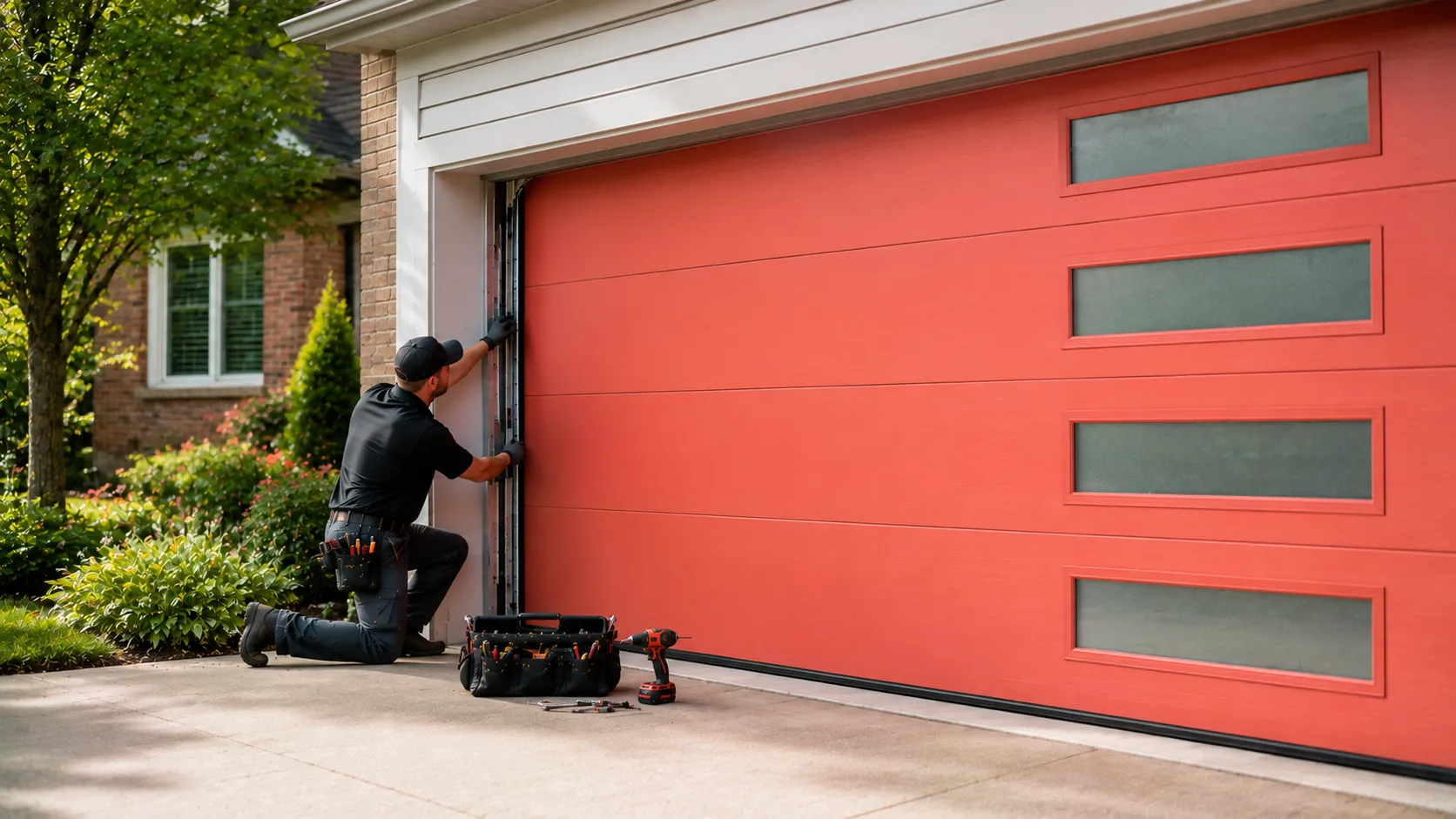
How We Get to You
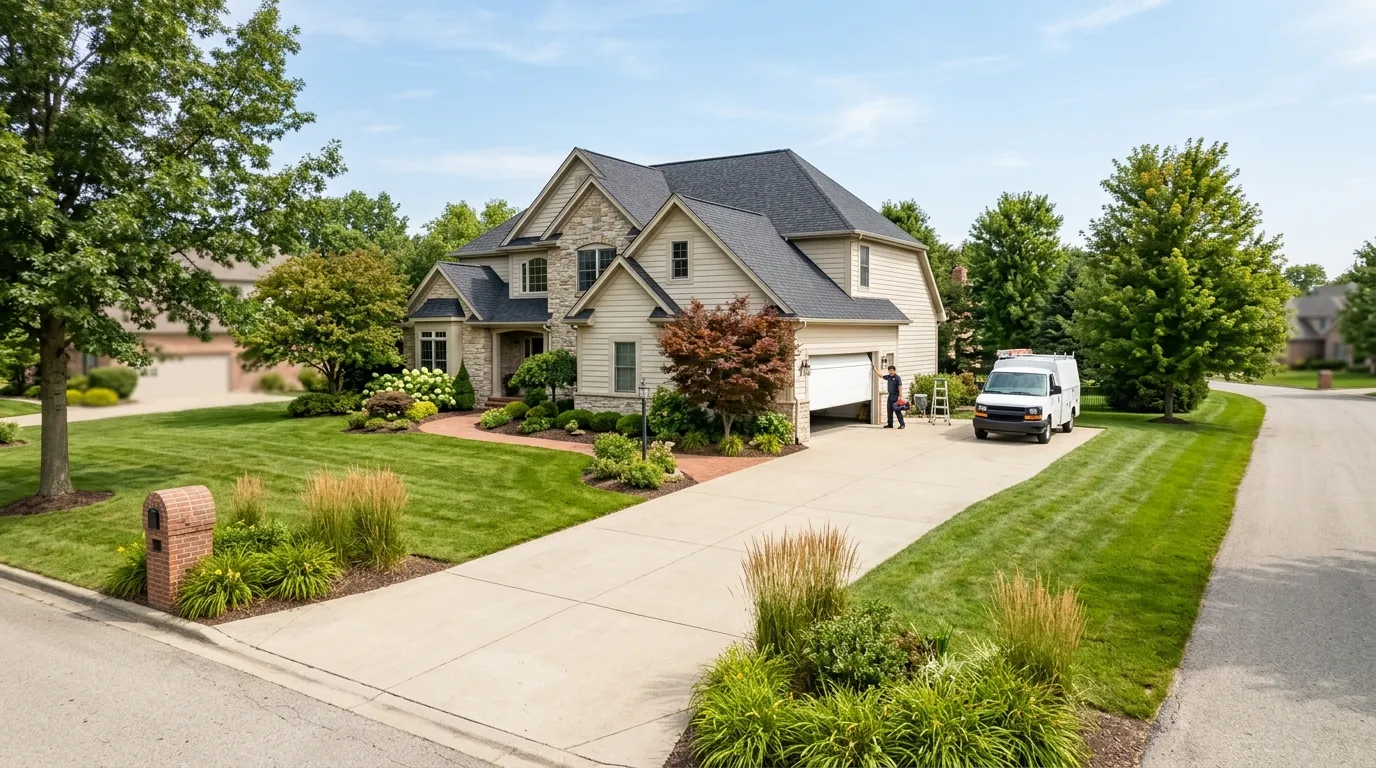
Gages Lake sits about 17 miles from our shop in Northbrook, so a call here isn't a quick hop across town for us. We route it like any other job on the far edge of our coverage: a truck comes out, does the work, and heads back. We don't keep a second location or a crew stationed in Lake County, so we're upfront that a same-day slot depends on what else is on the board that day. What we won't do is send someone who doesn't know what they're looking at just to fill a gap in the schedule. If the drive is long, we make sure the visit is worth it - full diagnosis, parts on the truck for common failures, one trip instead of two whenever we can manage it. That's the tradeoff of covering a wide territory out of one shop: fewer locations, but the same crew and the same standards no matter which town the call comes from.
What That Means for Doors
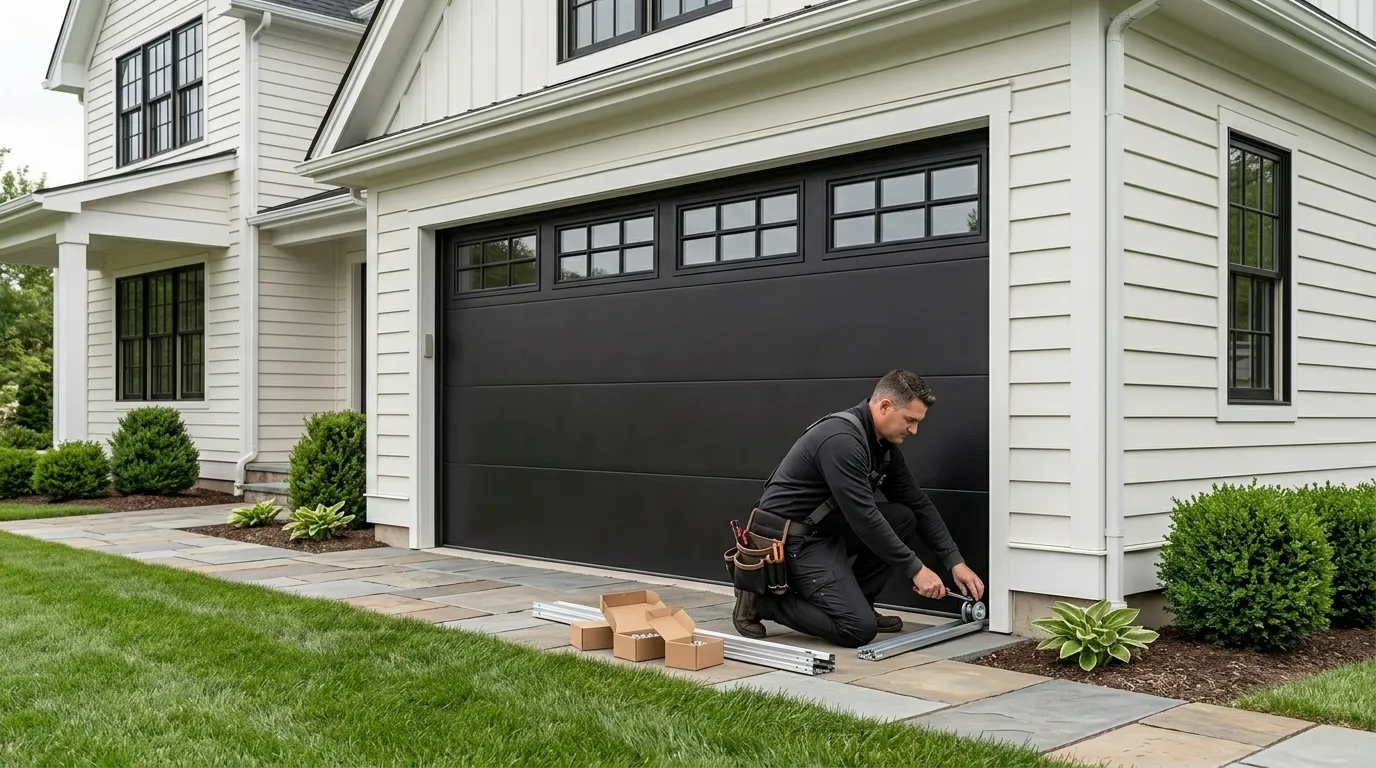
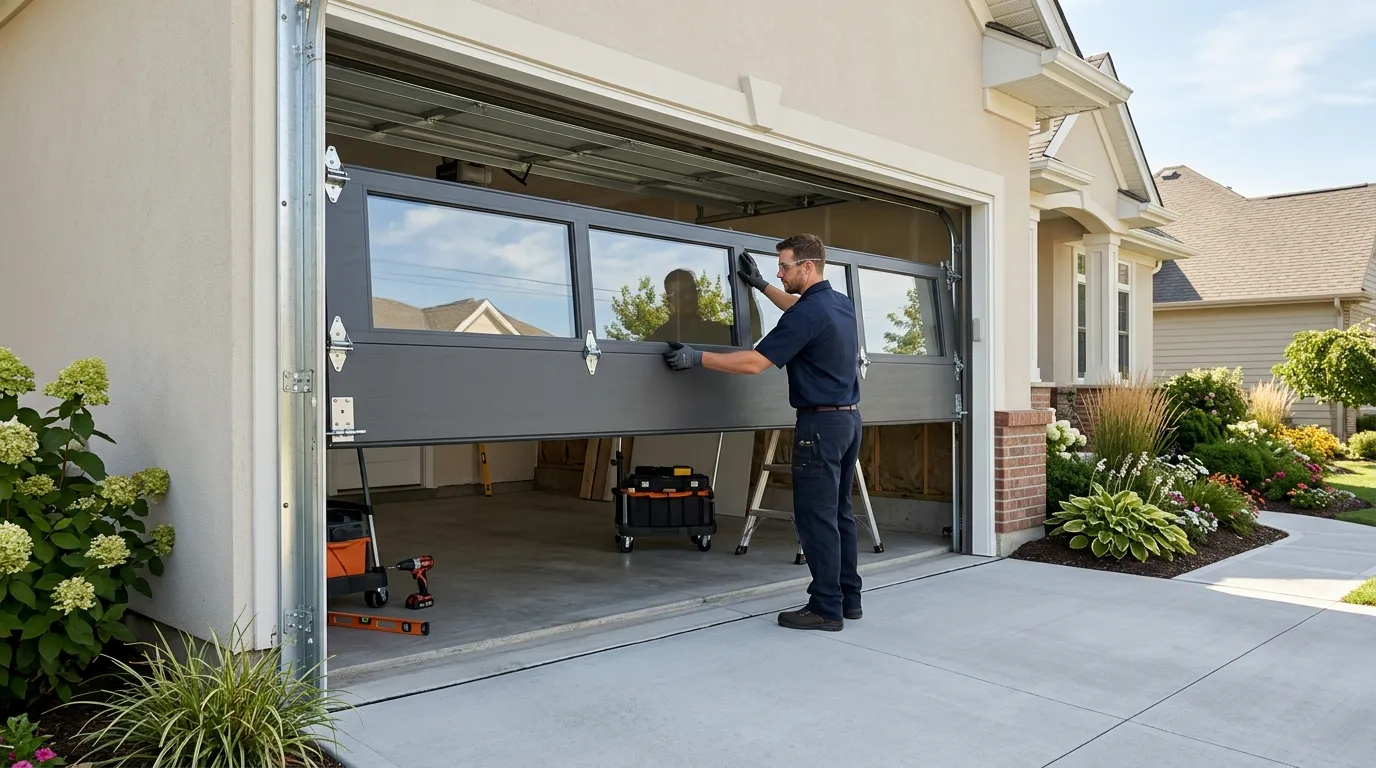
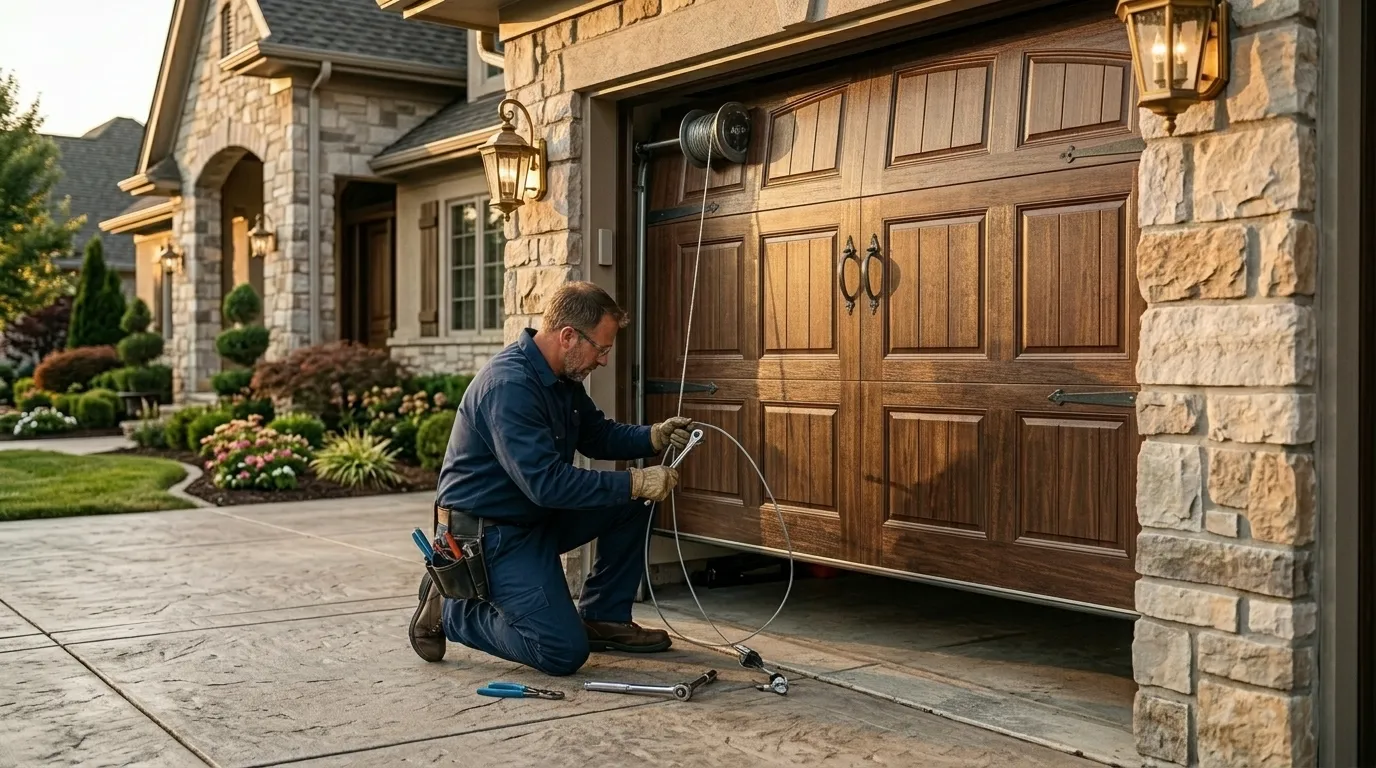
The city-wide housing stock we work on runs from 1938 into the 1990s, with a lot of it dating to the early 1970s. Gages Lake runs later - the typical house here was built around 1984, a full decade newer than the broader area median. That decade matters. Doors from the mid-80s were usually steel sectional units on torsion springs from the factory, not the older extension-spring setups you find on the earlier stock elsewhere in our territory. The openers are a different generation too - chain-drive units from that era are now old enough that replacement parts for the original motor are getting hard to source, even if the rail and drive gear are still fine. What we see most in this build window is worn rollers, sagging track brackets from thirty-plus years of use, and springs that are original to the house and well past a safe cycle count. It's less about torsion conversions and more about age catching up to hardware that was decent when it went in.
What Was Built Here
Gages Lake is a smaller pocket than most of what we cover - around 4,049 households, with a median income near $105,114, which is in line with the broader area's $103,561 figure across the full service territory of 275,099 households. What sets it apart isn't the income, it's the build year. A median construction date of 1984 puts most of this neighborhood's housing a full decade past the older 1974 median that defines a lot of our other stops. That means fewer of the original single-piece wood doors we still find on older streets, and more factory steel sectional doors that are now closing in on 40 years old themselves - old enough for springs to be near end of life and openers to be showing their age, even if the door panels have held up fine.