How We Get to You
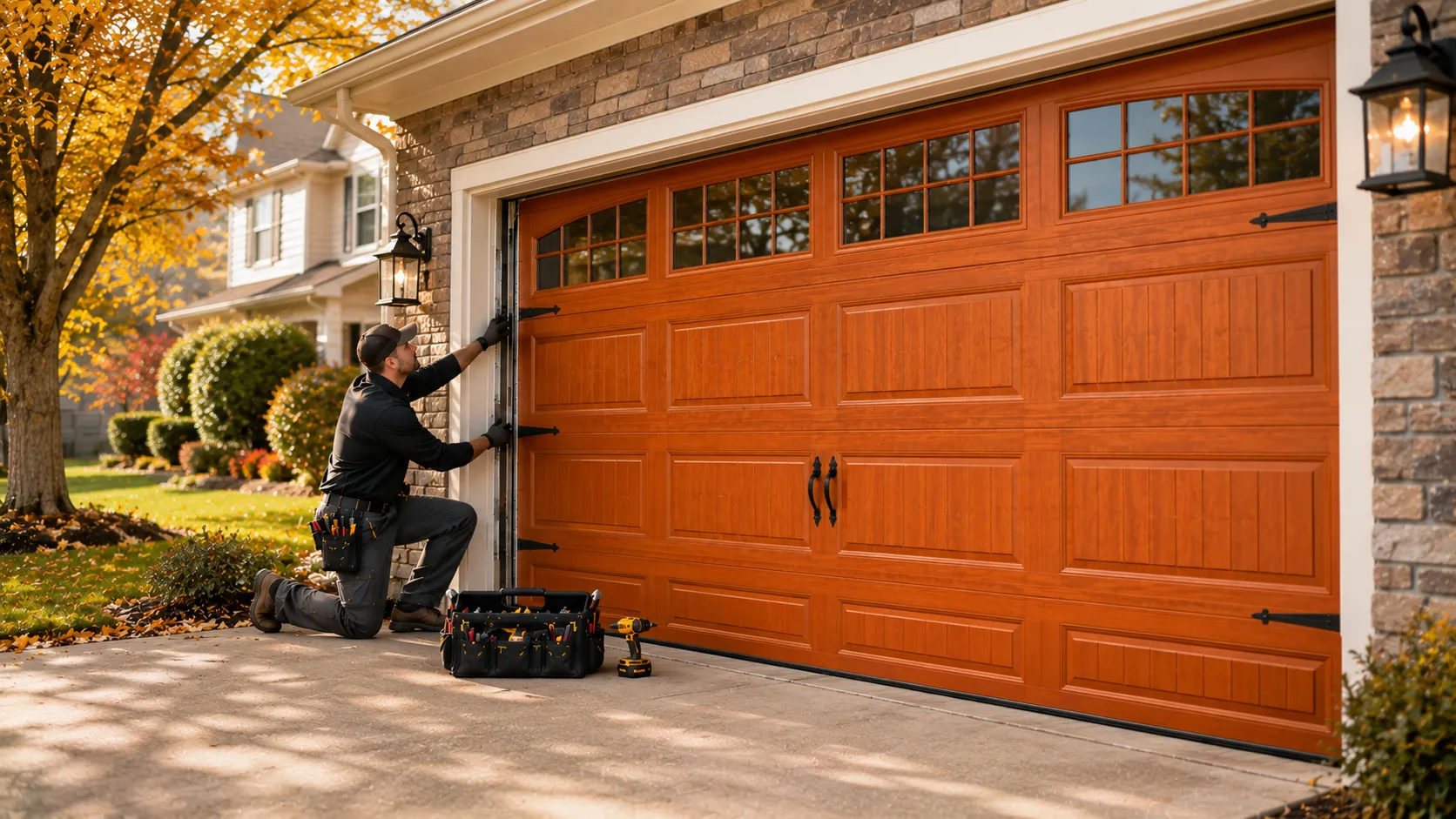
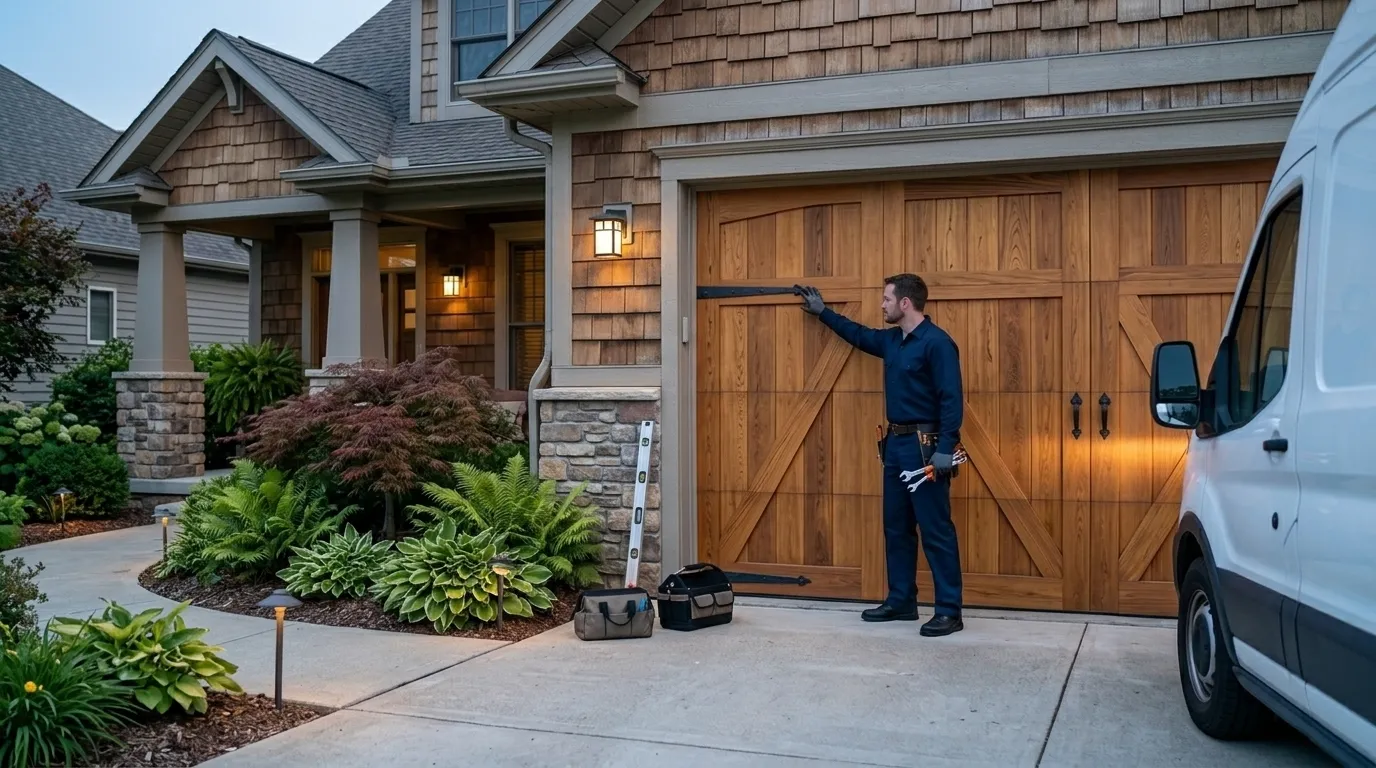
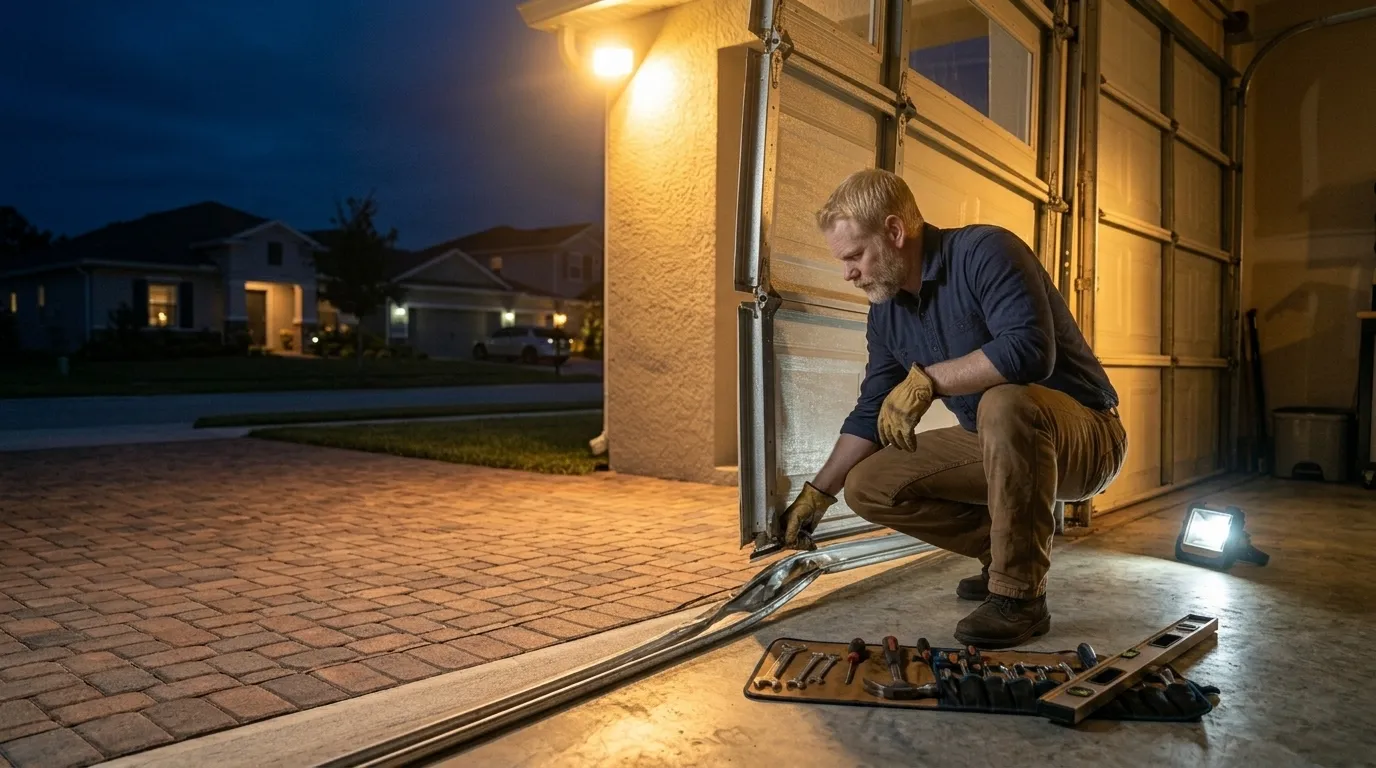
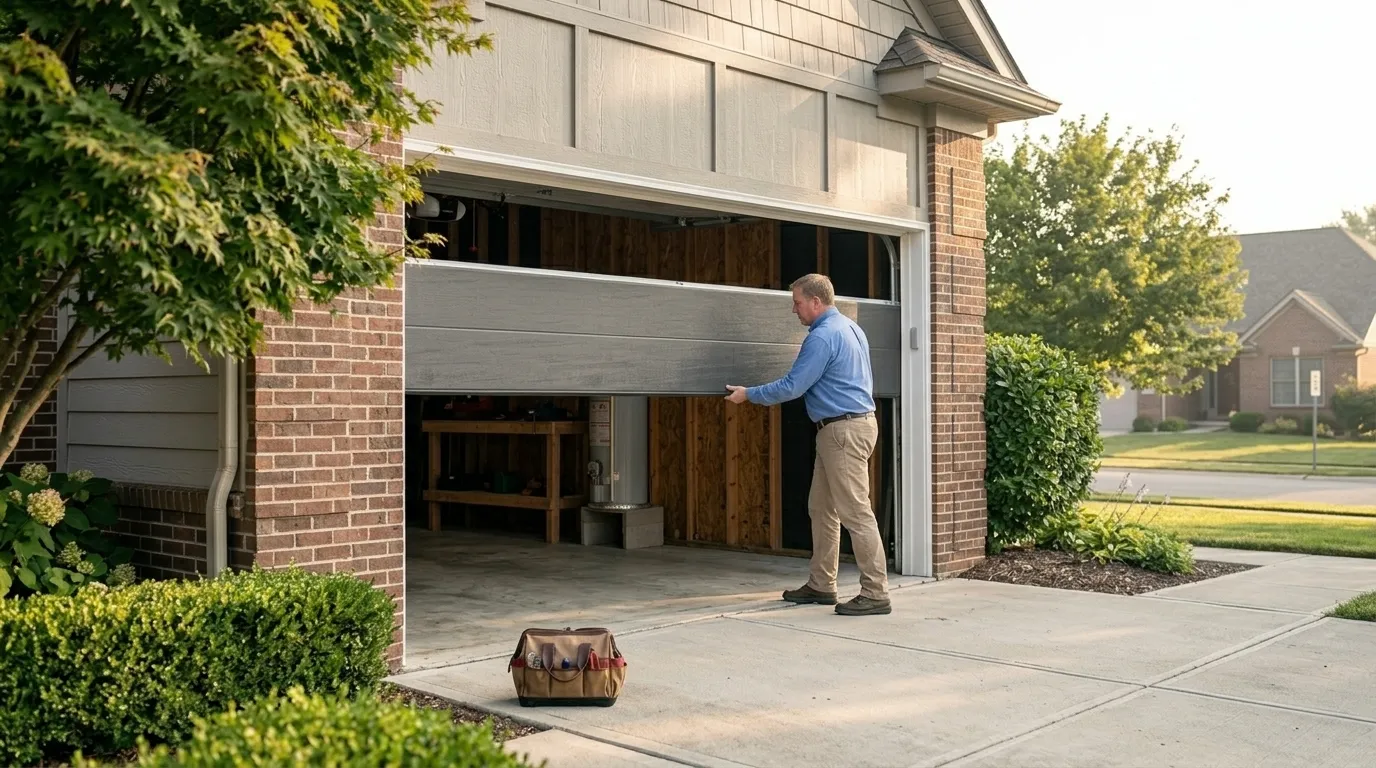
We run out of Northbrook, and Deer Park sits about 13 miles from our shop. That's a real drive, not a same-block call, so when you reach us we're scheduling a truck to come to you rather than dispatching from a depot around the corner. We don't pretend to have a crew stationed in Deer Park, and we're not going to tell you we can be there in twenty minutes. What we can tell you is that the trip is a known quantity for us, and it factors into how we plan the day's route. If you're calling for something urgent, like a spring that let go on a two-car door, say so up front so we can slot the drive time accordingly. Deer Park is a smaller area, 1,311 households by our count, which means fewer jobs here than in the denser parts of our coverage, but that doesn't change how the truck rolls or what's on it when it arrives. We bring the same stock of springs, cables, and opener parts we'd bring on a closer call. The distance is the only real variable, and we plan around it rather than around you.
What That Means for Doors
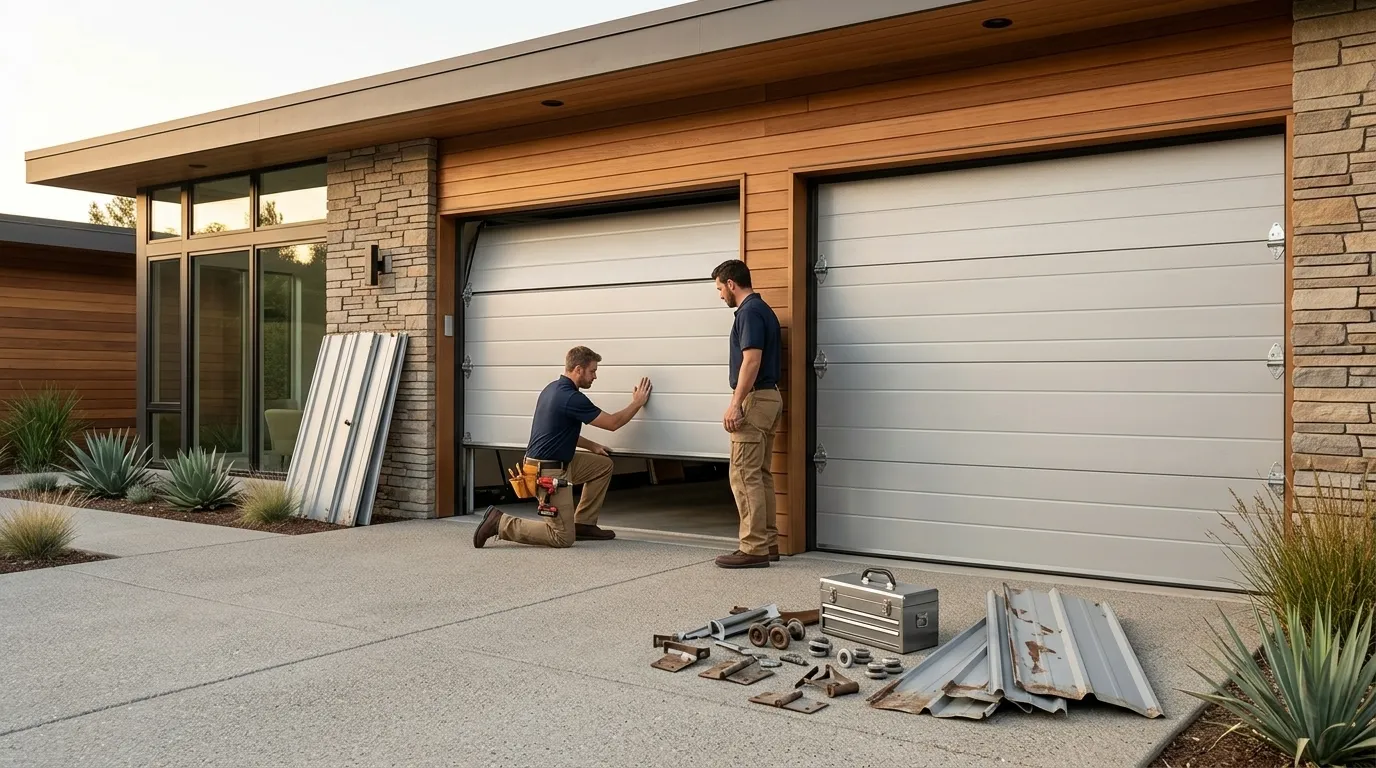
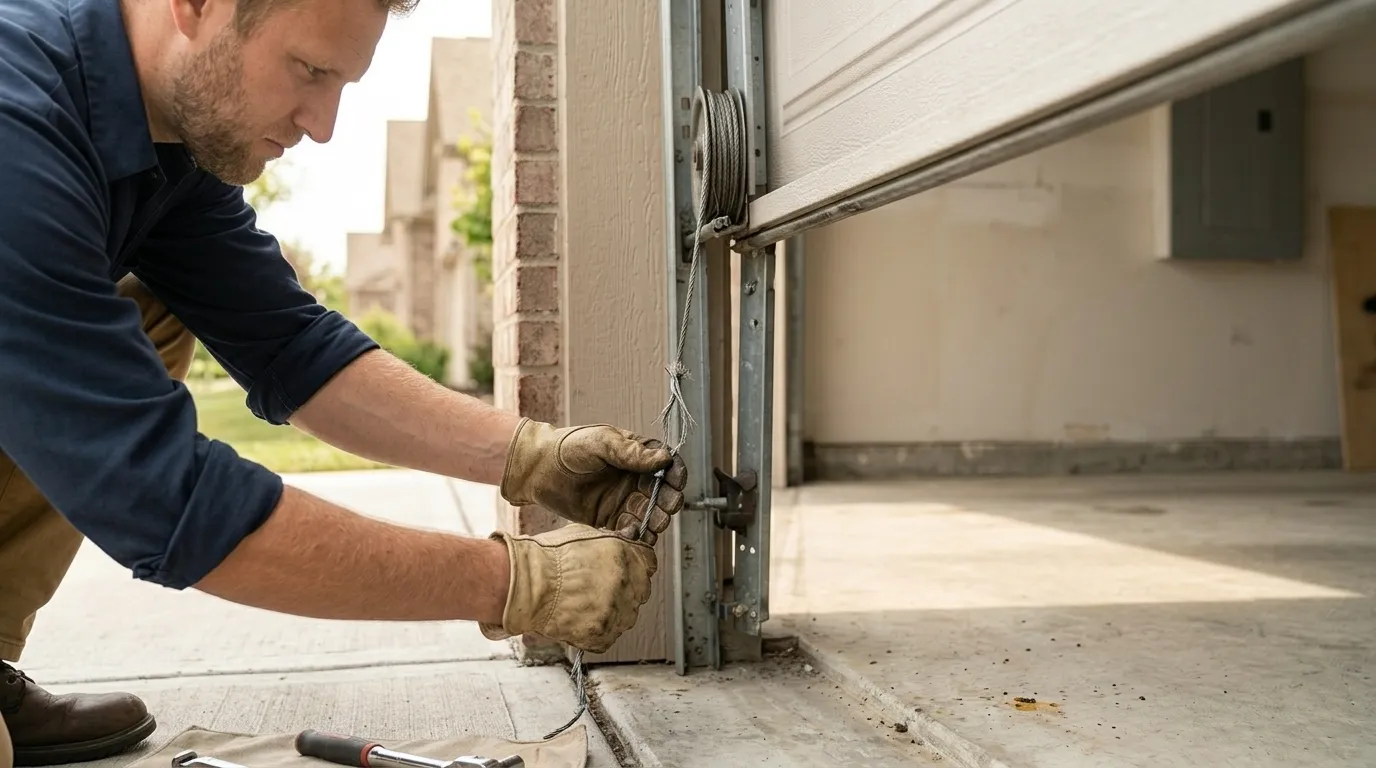
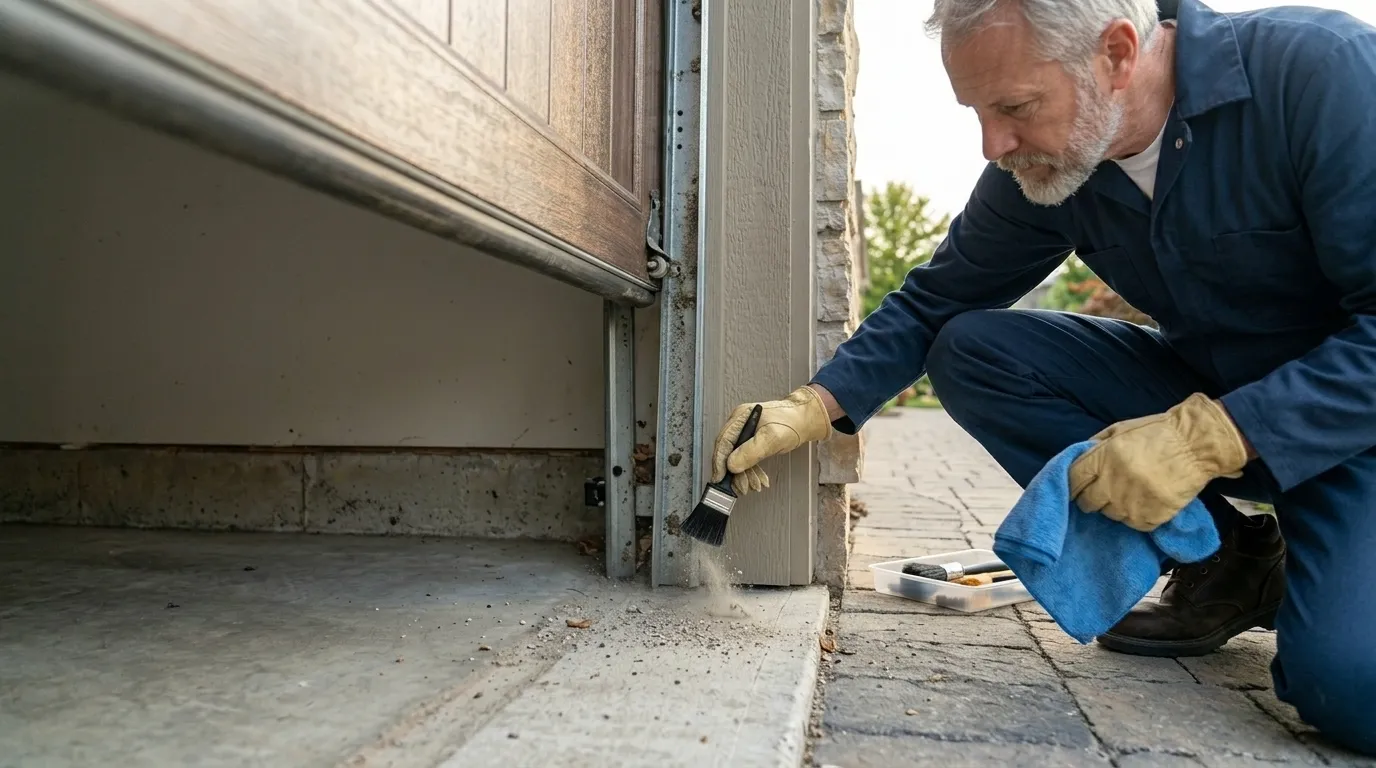
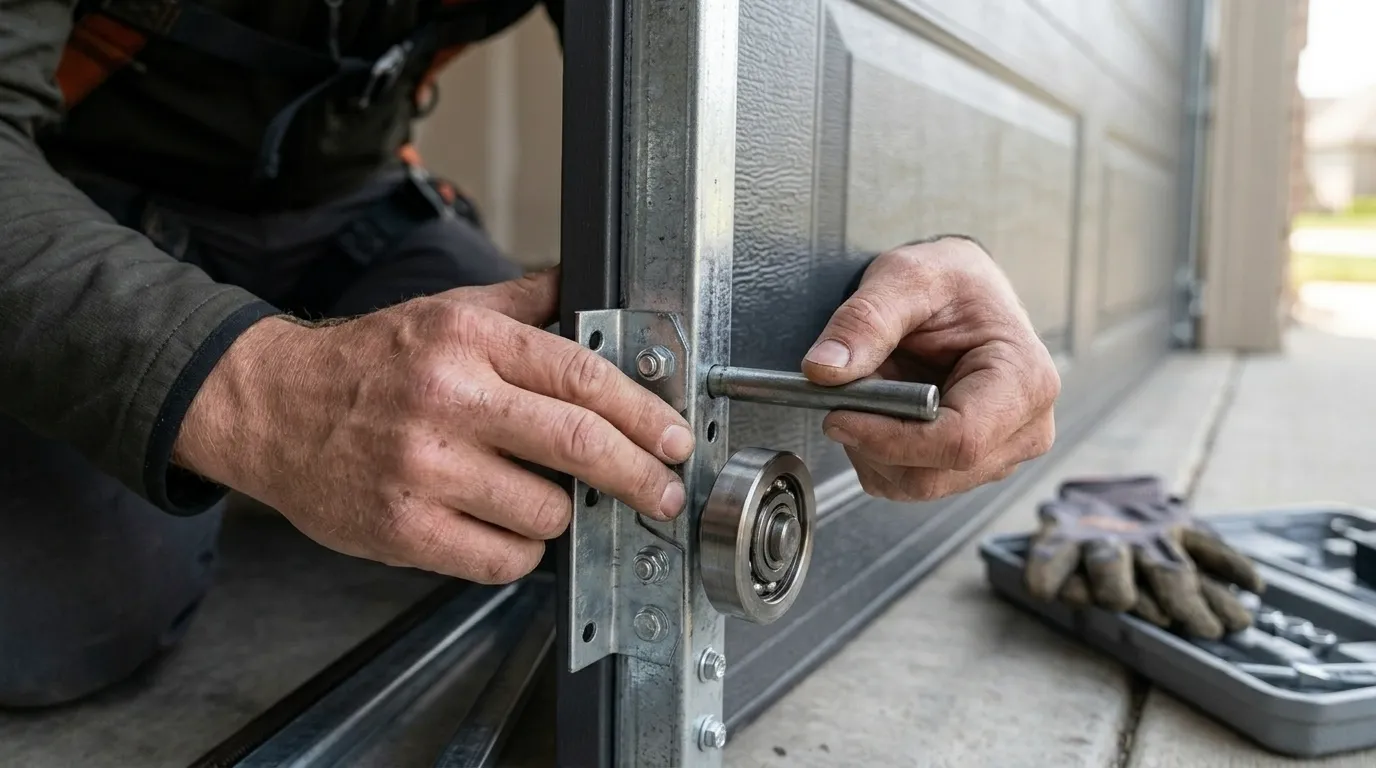
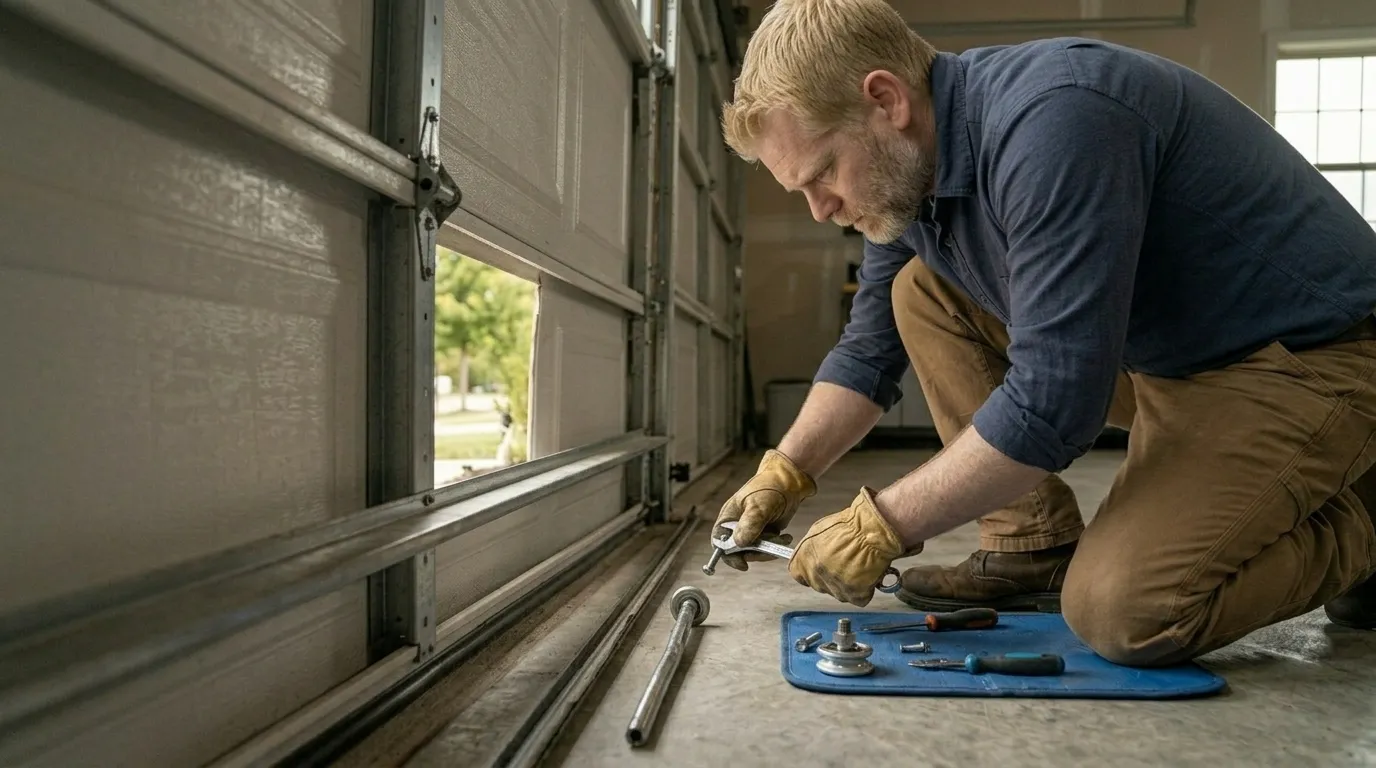
This is the part that actually matters for your door. Across the wider service area the housing stock runs 1938 to 1996, median around 1974, so a lot of what we see is older torsion hardware and doors sized for garages built before insulation codes tightened up. Deer Park doesn't fit that pattern. The area's own median build year lands around 1988, more than a decade past the broader median, which puts most Deer Park garages into a different generation of construction entirely. Doors from that era are typically wider, taller-sectioned, and paired with openers and torsion springs sized for heavier insulated panels, not the older lightweight single-layer doors common in the 1960s and 70s pockets nearby. That means the failure patterns skew differently too, more toward aging circuit boards and worn opener gears than the brittle steel and undersized springs you find on a 1960s door. When you call, tell us roughly when the house was built if you know it. It helps us bring the right spring cable and drum sizing on the first trip instead of the second.
What Was Built Here
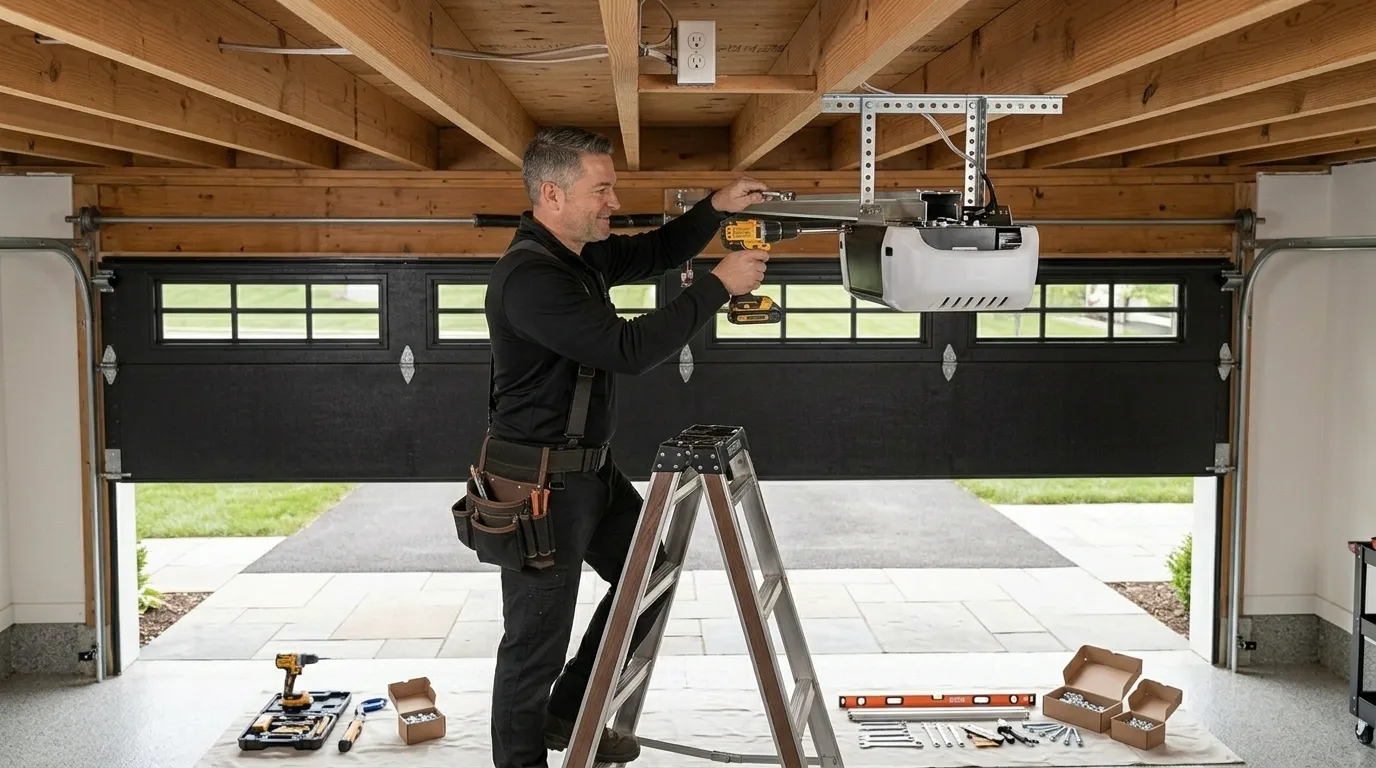
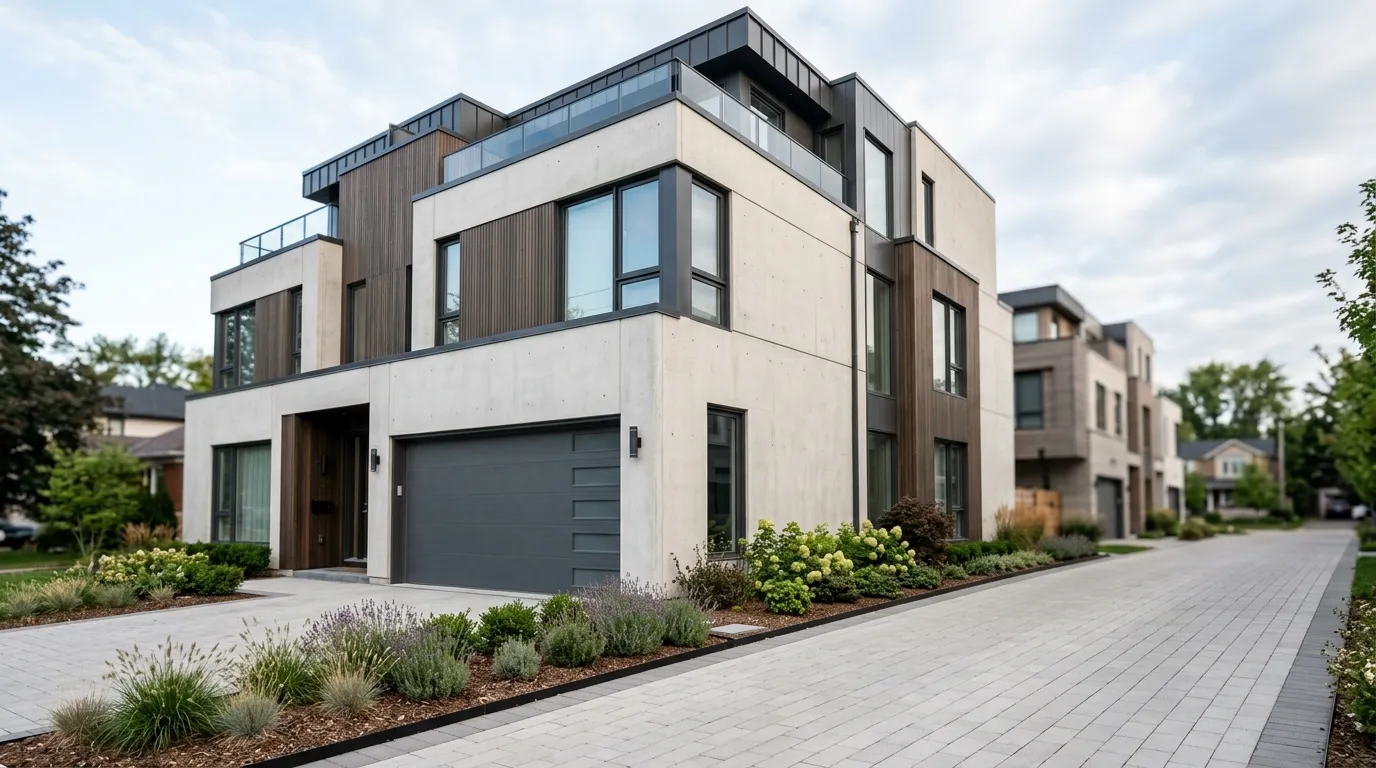
Deer Park's houses trend newer than most of what we work on elsewhere in the coverage area, with a median build year around 1988 against roughly $160,750 in median household income, well above the broader area's $103,561. That combination usually means larger, better-insulated garage doors with heavier panels, and openers original to a house built in the late 80s or early 90s rather than a decades-old holdover. Those openers are getting old enough now that circuit boards and drive gears start to go, even if the door itself still looks fine. It also means when a door does need replacing, the panel sizing and insulation specs are different from what we'd quote for an older, smaller garage nearby. One limitation worth saying plainly: certain opener control boards from that era are no longer stocked new, so a same-day board swap isn't always possible, and we'll tell you that honestly rather than promise a part we can't get by tomorrow.