Why It Happens Here
Northbrook's housing runs from 1938 to 1996, with the median build year sitting at 1974, and most of it clustered in that 1960s-70s wave that put up ranch and split-level homes across the area's named subdivisions, from the streets near Techny a mile southeast of the center out through the rest of town. That means a lot of garage doors and openers in this town are original or close to it - torsion springs rated for a specific door weight that's now 40-plus years into fatigue, and steel tracks that were never built with today's insulation retrofits in mind.
The climate band here is cold and moderate, which sounds mild until you count the freeze-thaw cycles a spring or hinge goes through every winter. Metal contracts in the cold and expands when the door warms up from morning sun, and that constant flex is what tires out a spring or wears a roller down to metal-on-metal faster than it would in a warmer climate. A door installed in 1974 has been through fifty winters of that cycle, and the hardware shows it.
We see this pattern a lot: a homeowner calls about a noisy door, and what's actually going on is a spring nearing the end of its rated cycle count, made worse by decades of cold-season stress on original parts that were never swapped out.
The DIY Question
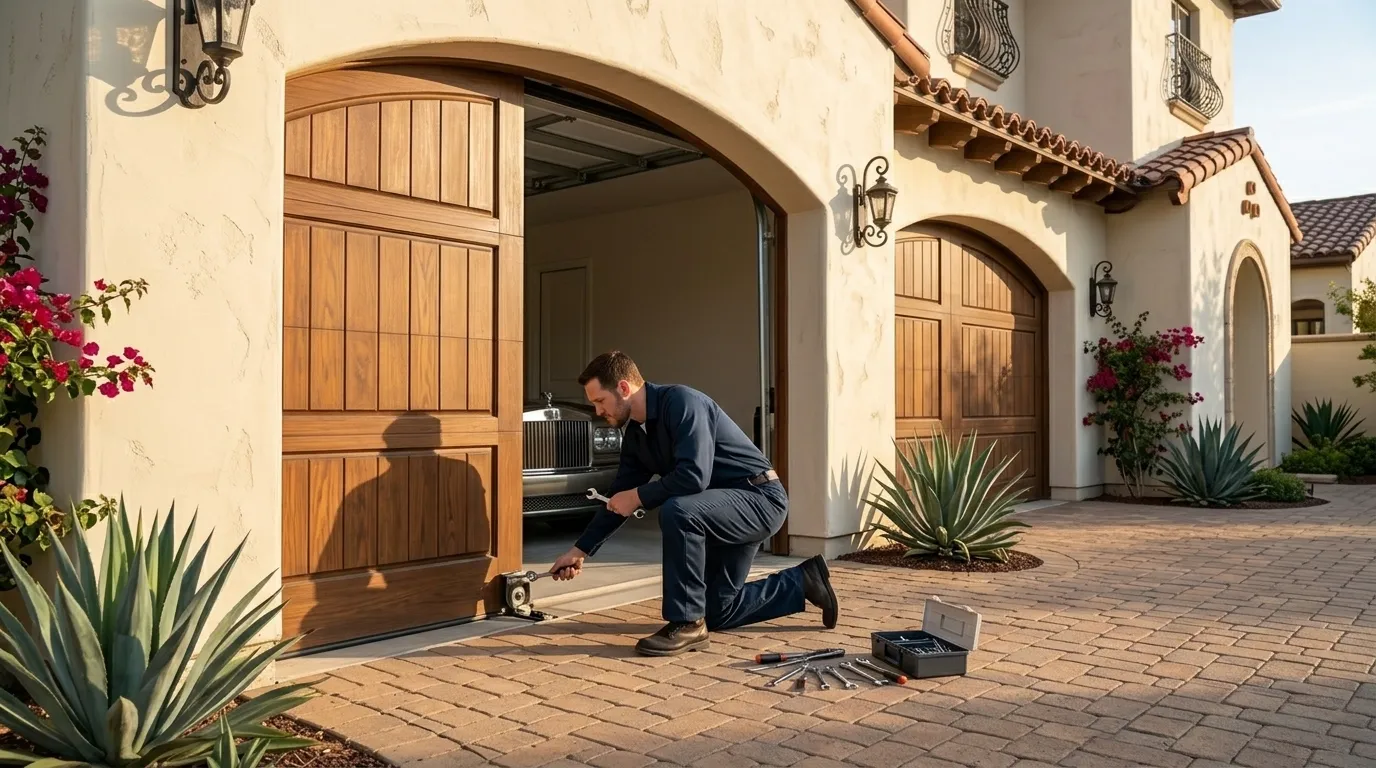
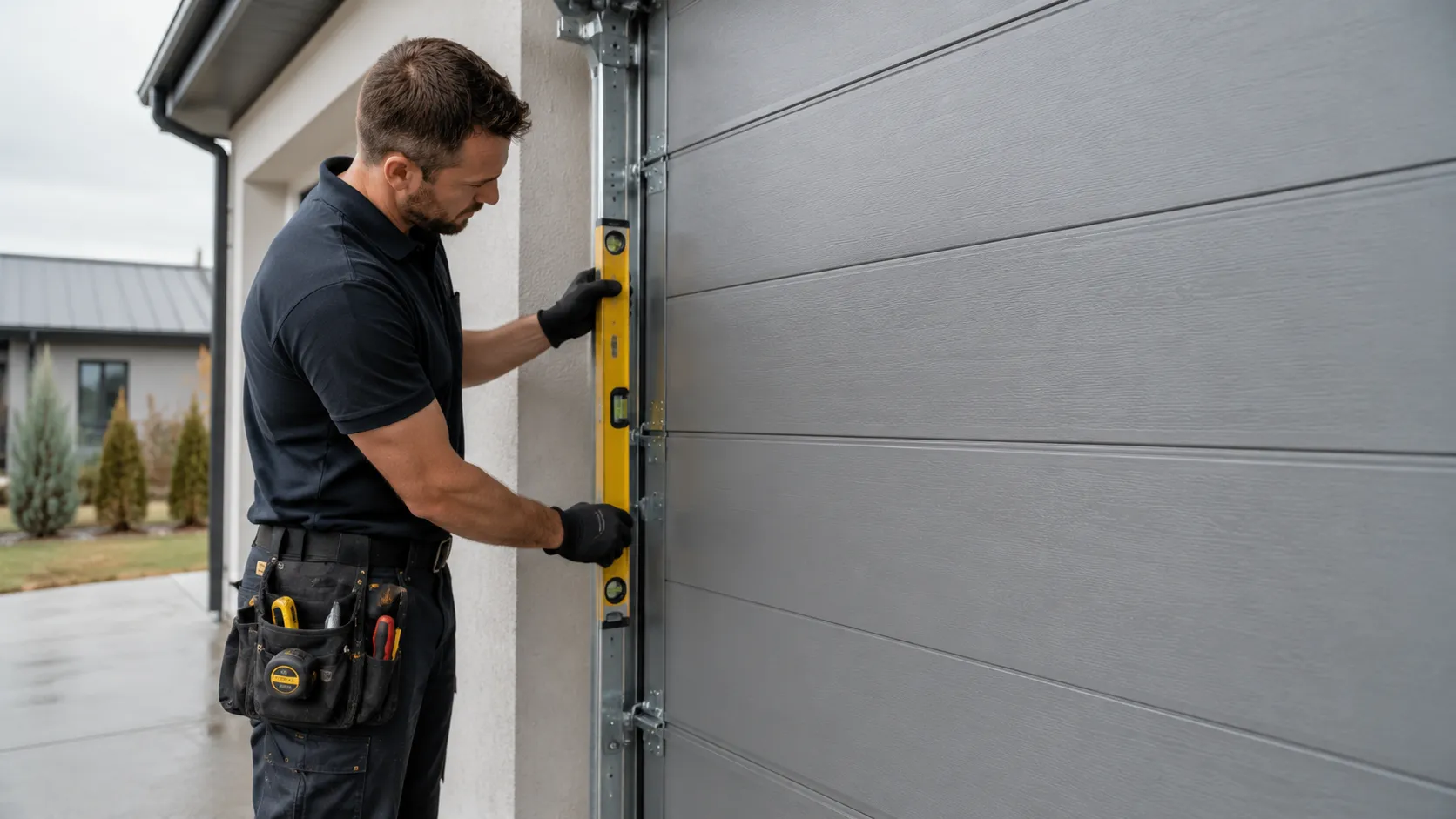
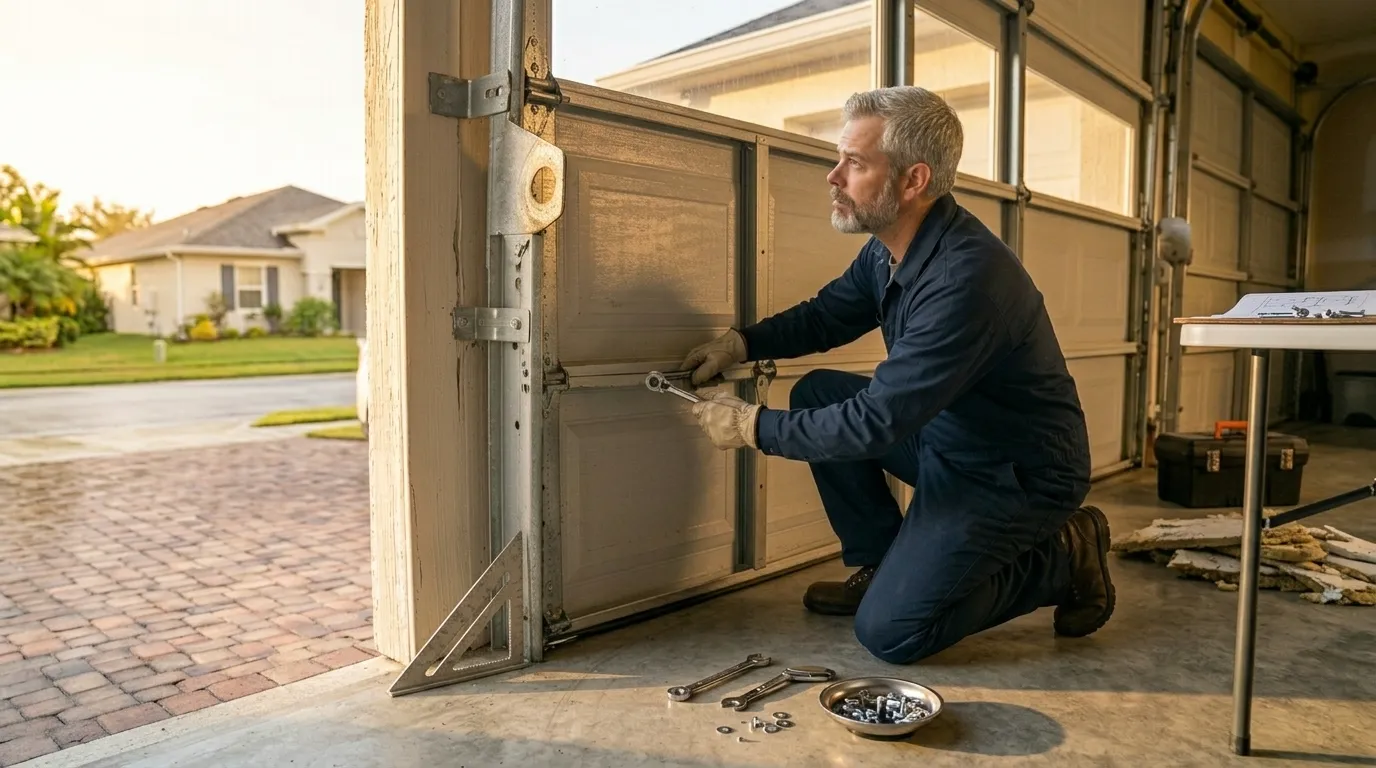
A lot of what goes wrong with a garage door in a house from this era is safe to look at yourself. You can check whether the tracks are bent, whether the weatherstripping at the bottom has cracked from age and cold, and whether the opener's photo-eye sensors are aligned and clean. Tightening loose hinge bolts and lubricating rollers is reasonable weekend work.
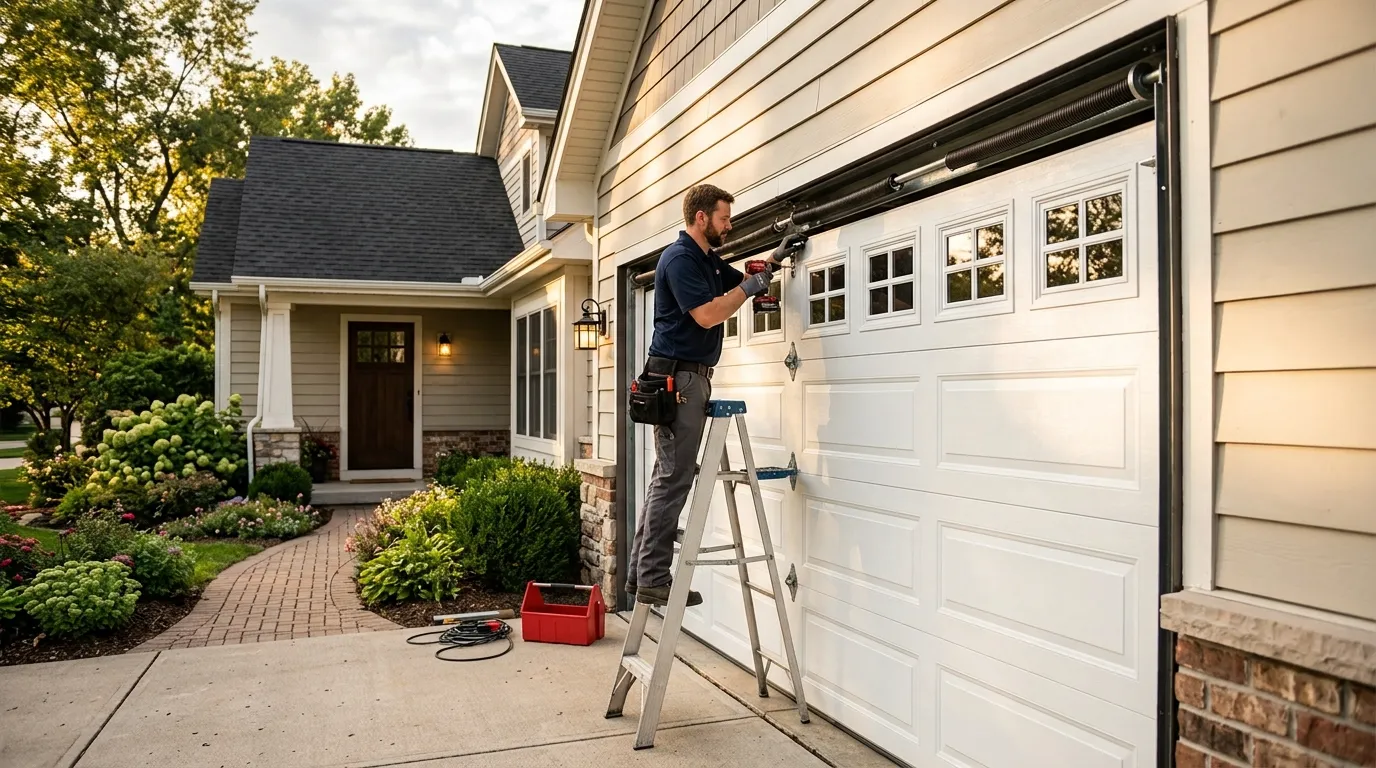
What you should not touch is the torsion spring itself. On doors from the 1960s and 70s, that spring is under a lot of stored tension, and on a door that's been in place since the Ford administration, the winding cone and shaft have had a long time to corrode or fatigue in ways you can't see by looking. We've been called to more than one house where someone loosened a set screw on an old spring assembly expecting a simple adjustment, and it let go all at once. That's a hospital trip, not a repair.
If your door was installed before double-torsion setups became standard, or if you're not sure what year your hardware actually dates to, that uncertainty itself is the reason to call rather than guess. We'd rather you ask a question that turns out to be nothing than find out the hard way that it wasn't.
Where This Job Goes Sideways
The job goes wrong most often on doors old enough that the original spring size or cable gauge isn't stamped anywhere legible, or was never standardized to begin with. Guessing at a replacement spring's wind and wire diameter on a door this old is how you end up with a door that's too heavy for the opener, or one that slams down because the spring is under-tensioned for the panel weight.
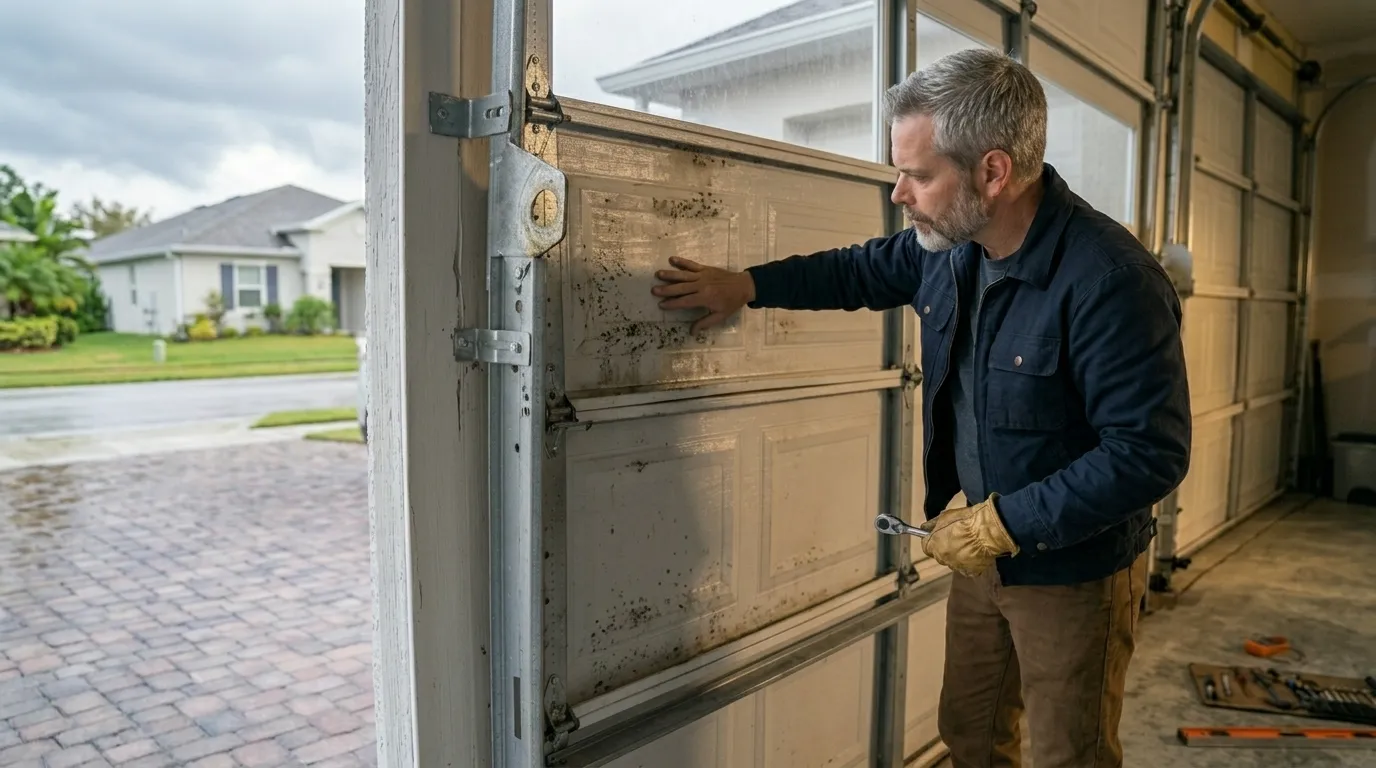
It also goes sideways when a homeowner wants to keep patching a door instead of replacing it, because at some point on hardware from the 1938-1996 era, every part is nearing end of life at once - the spring, the cables, the rollers, sometimes the track itself. Fixing one thing on a door like that can mean the next part fails within months, and we'll tell you when we think that's where you are rather than keep billing you one part at a time.
Honest limitation: we don't stock every legacy part for doors from the earliest end of that build range. If your door is closer to the 1938 side than the 1974 median, some original hardware may need to be sourced or replaced with a modern equivalent rather than matched exactly, and we'll tell you that up front instead of after the job's started.