Why It Happens Here
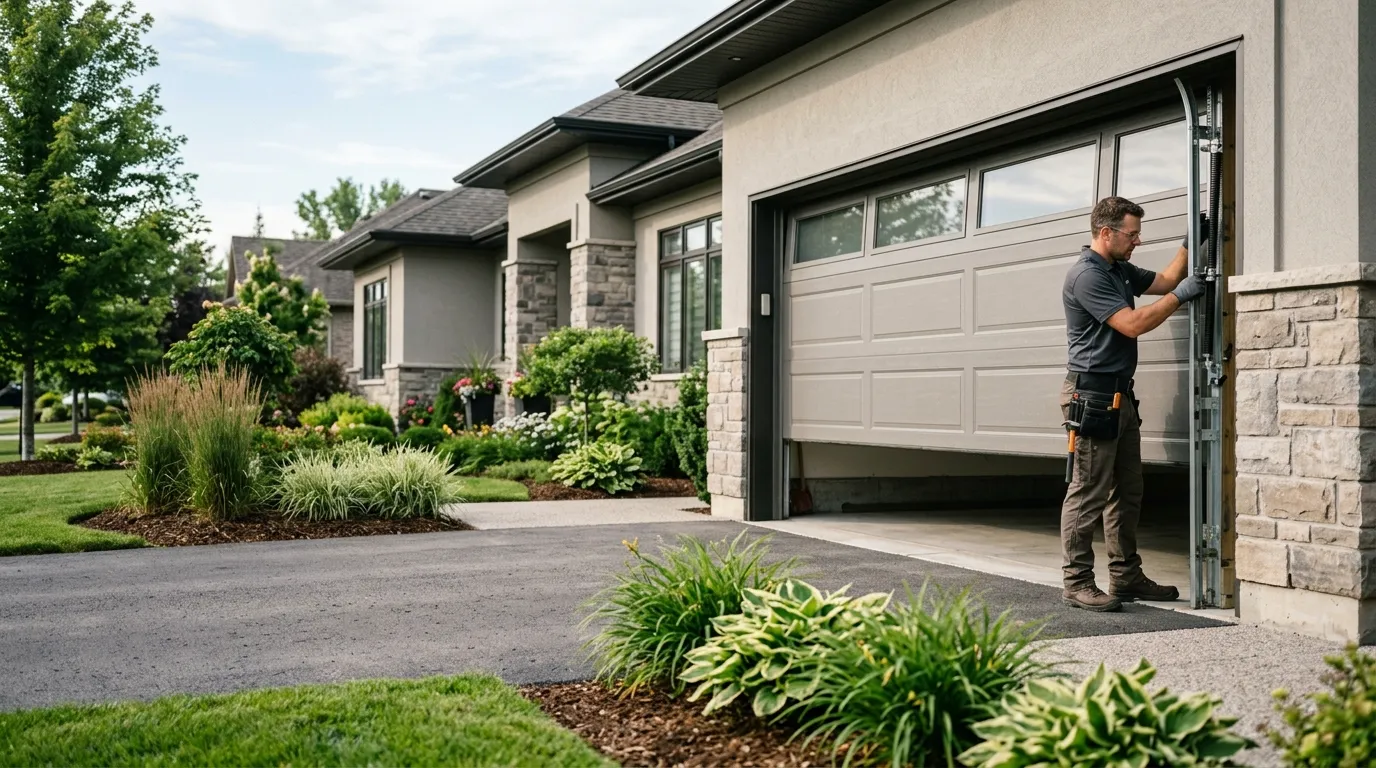
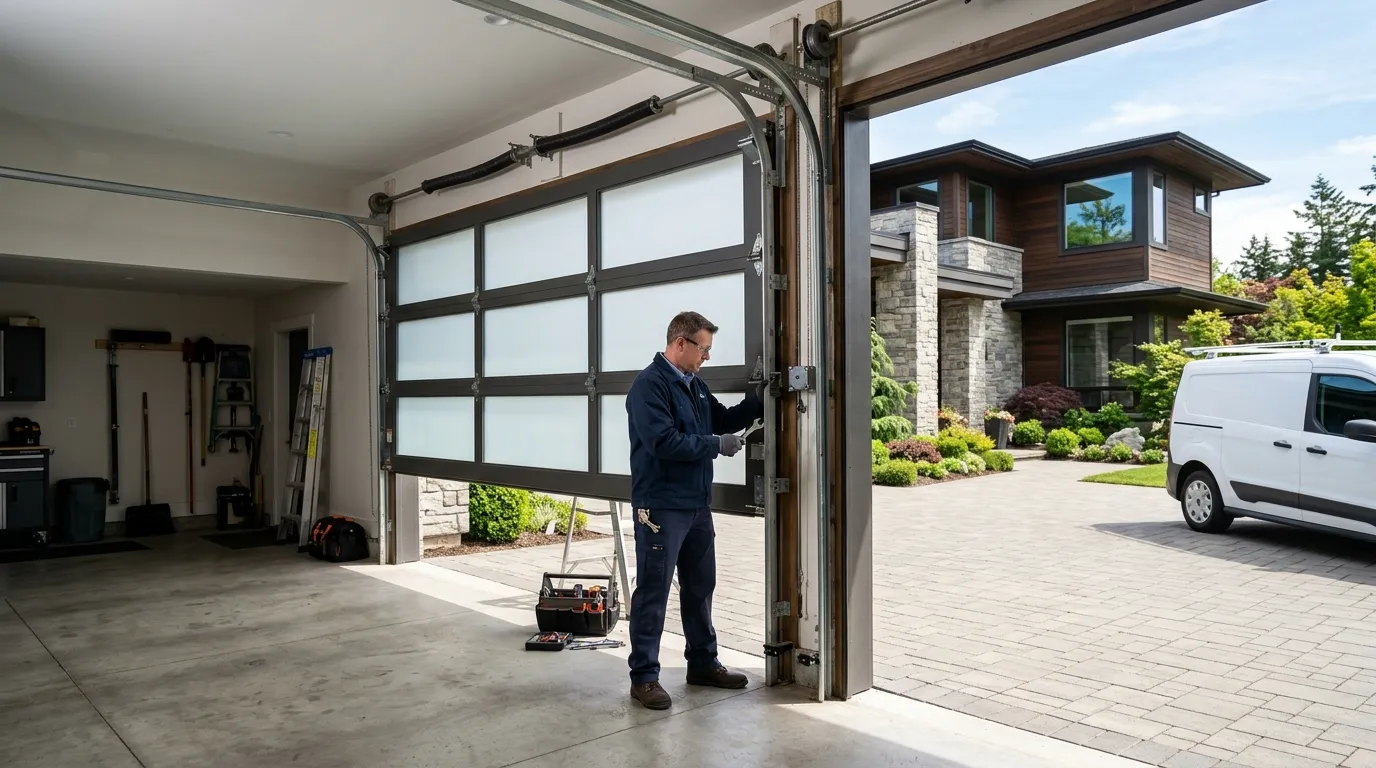
Northbrook's housing stock runs from 1938 to 1996, with most garages dating to the 1960s and 70s, built for lighter single-layer doors that don't meet today's insulation expectations. Those garages were framed for a door that weighed a fraction of what a modern insulated steel panel weighs, and the header, track spacing, and spring sizing were all set to match. When a homeowner swaps in a heavier door without changing the hardware underneath, the torsion spring is working outside the range it was built for from day one. In Northbrook's cold moderate climate, an uninsulated door built to 1970s code lets in enough draft to spike heating bills every winter, which is the main reason installation calls here are about upgrading the whole assembly, not just swapping a panel. Techny, just a mile southeast of the service area, sits on the same aging tract style seen across Northbrook's older sections, so the same header and spring mismatch shows up there too. This isn't a defect in the original build - it's a door and opener combination that made sense in 1974 and doesn't match what's sold today. A proper install has to account for the original framing before it accounts for the new door.
The DIY Question
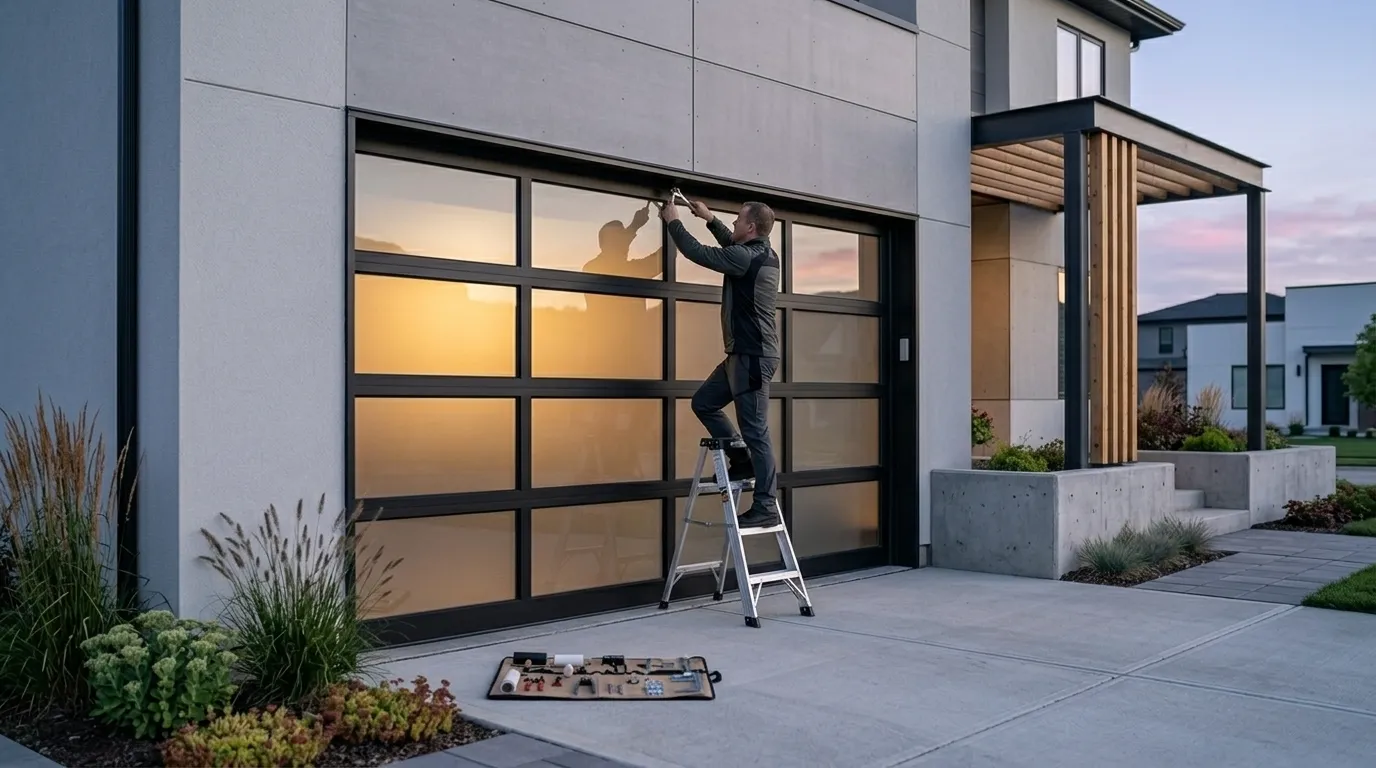
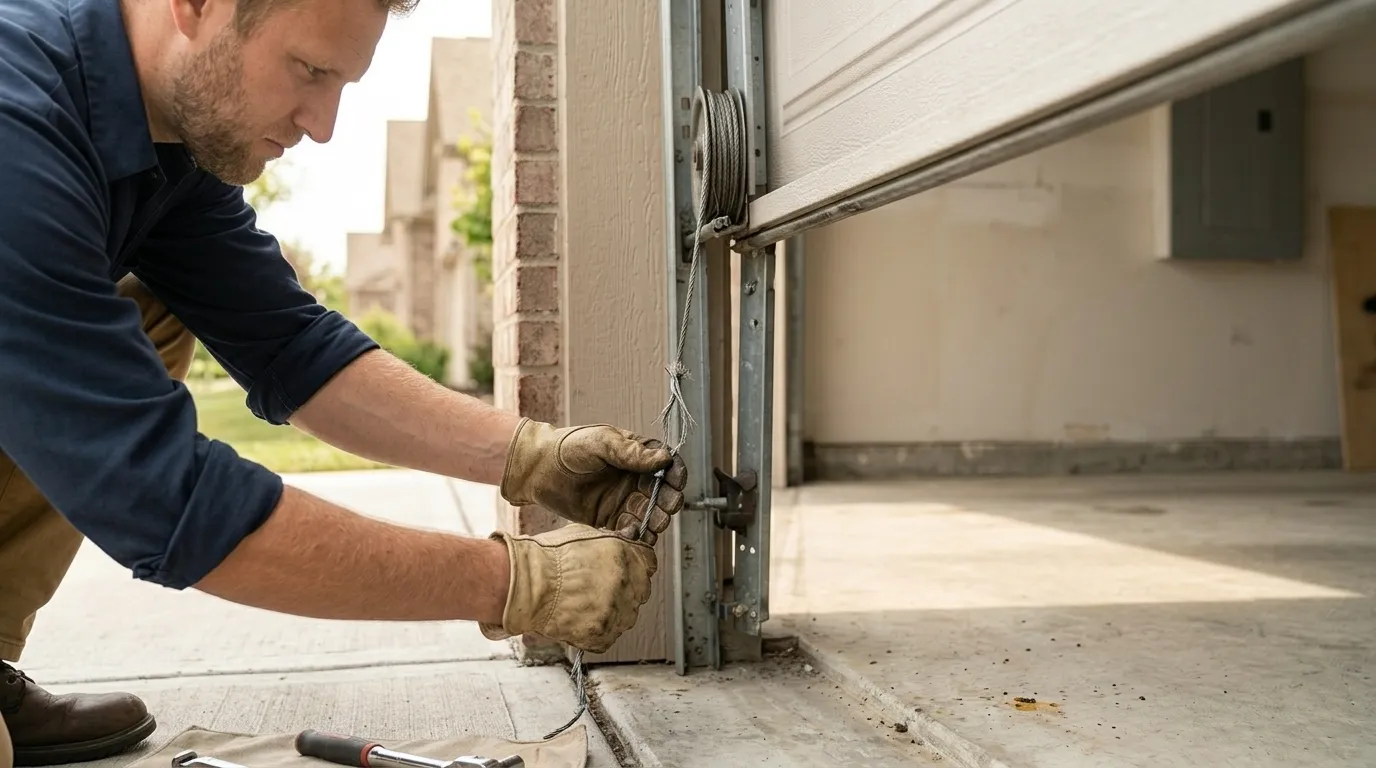
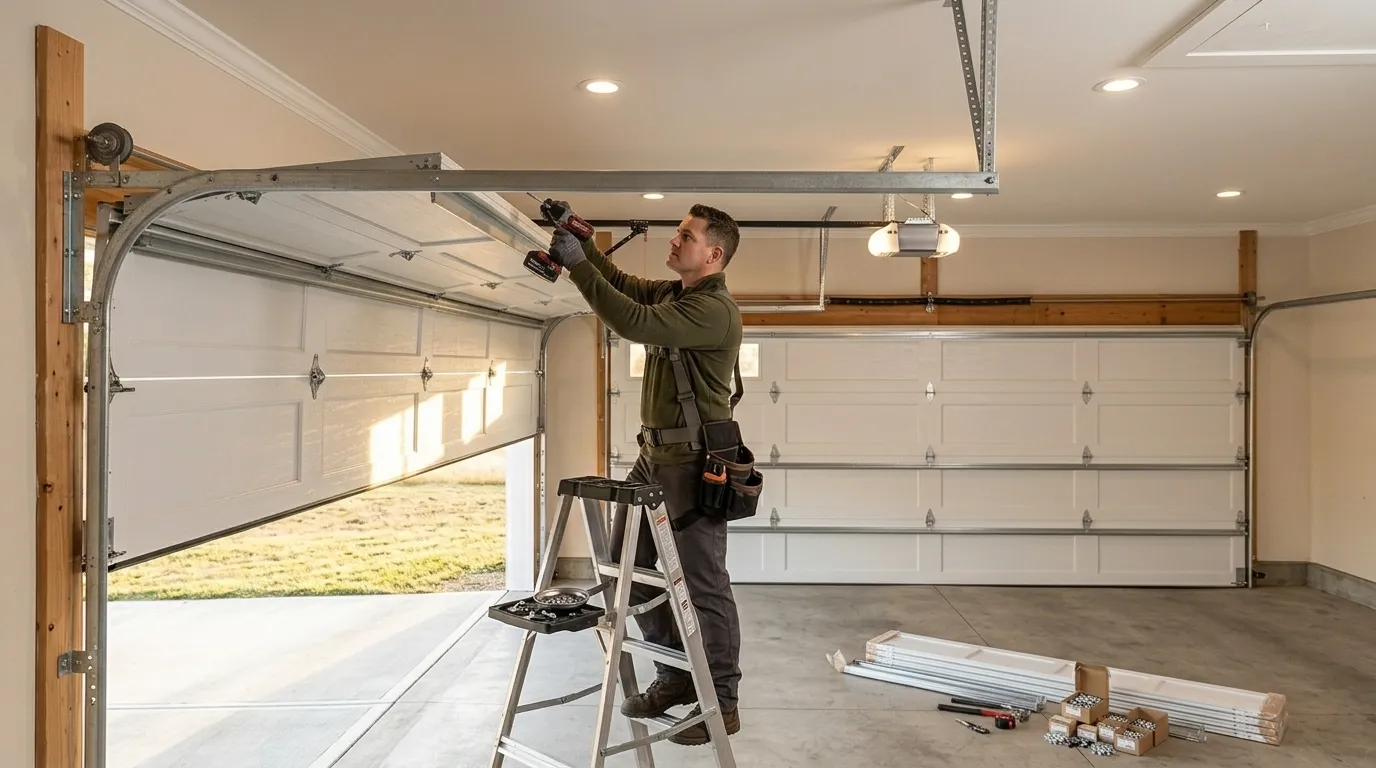
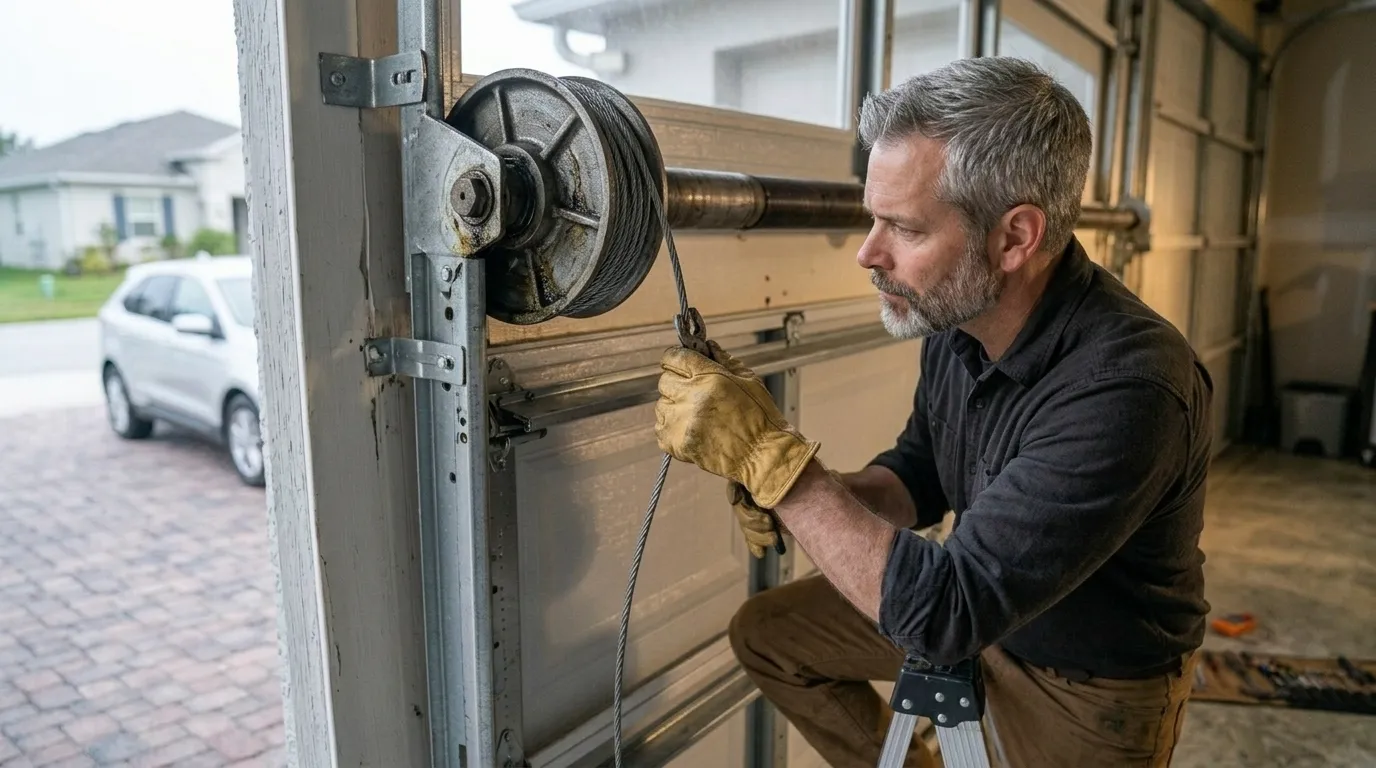
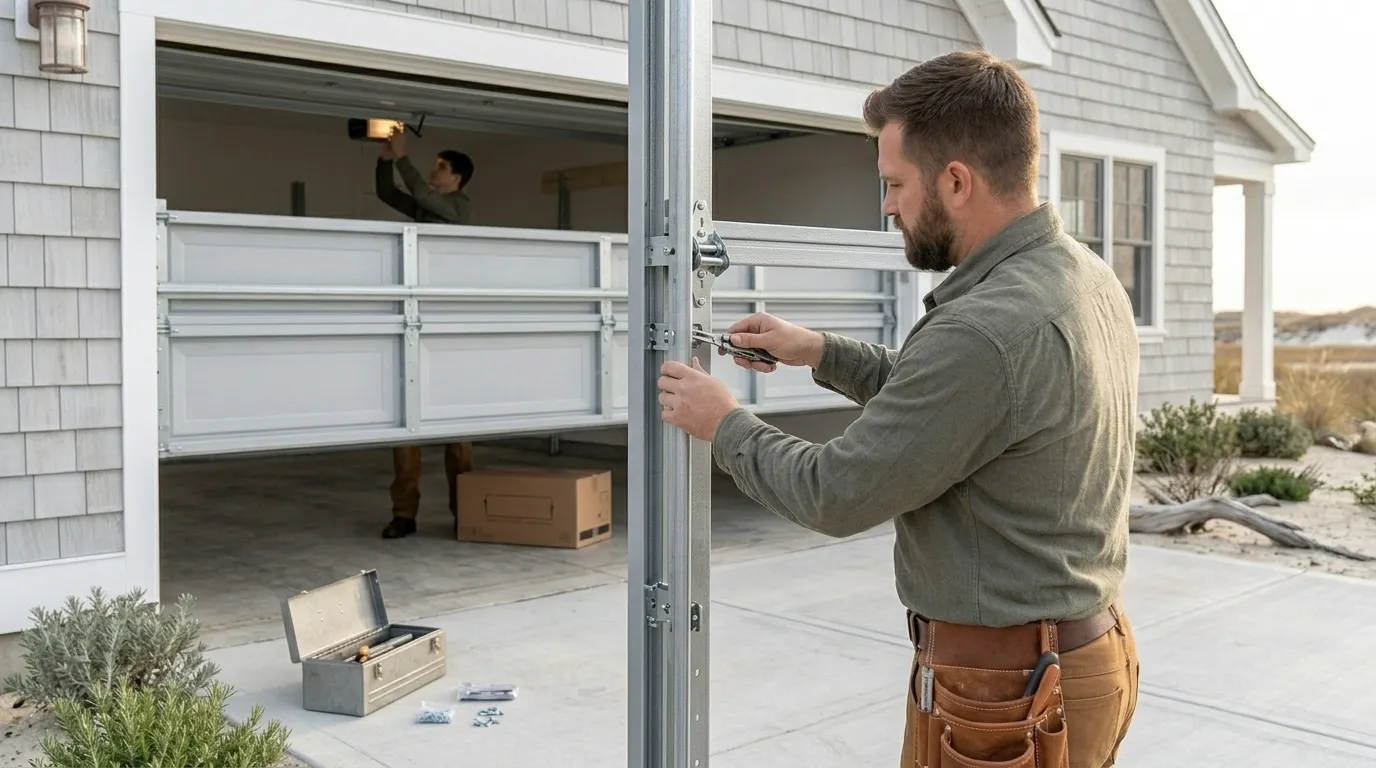
A lot of homeowners ask if they can handle installation themselves, and the honest answer is: parts of it, yes, but not the spring. Hanging track and mounting an opener bracket is within reach for someone comfortable with tools. Winding a torsion spring under tension is not - it's the single most common way people end up in the ER with a garage door project, and we won't talk anyone through doing it solo. With a median household income of $103,561 across the service area, most Northbrook owners choose insulated steel over the bare single-layer doors their parents installed, and that heavier door means a spring calculated to the pound, not eyeballed. If your garage was built in the 1960s or 70s window that covers most of this area, the header clearance and track spacing were set for a door that's lighter than what you're likely buying now, so even a straightforward-looking swap usually needs a hardware recalculation first. Our limitation here is plain: we don't quote spring work over the phone without seeing the door, because guessing the wrong spring size on an older frame is how a job gets redone twice.
Where This Job Goes Sideways
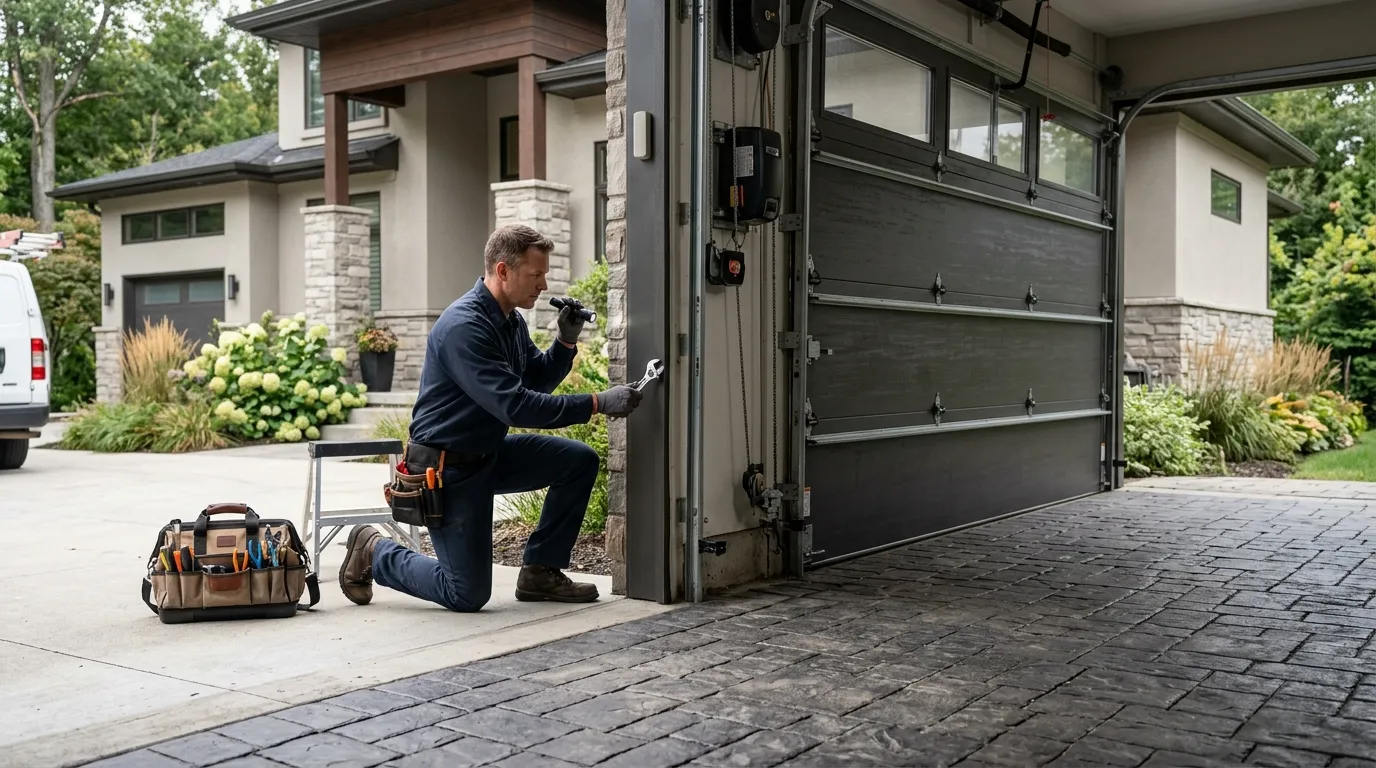
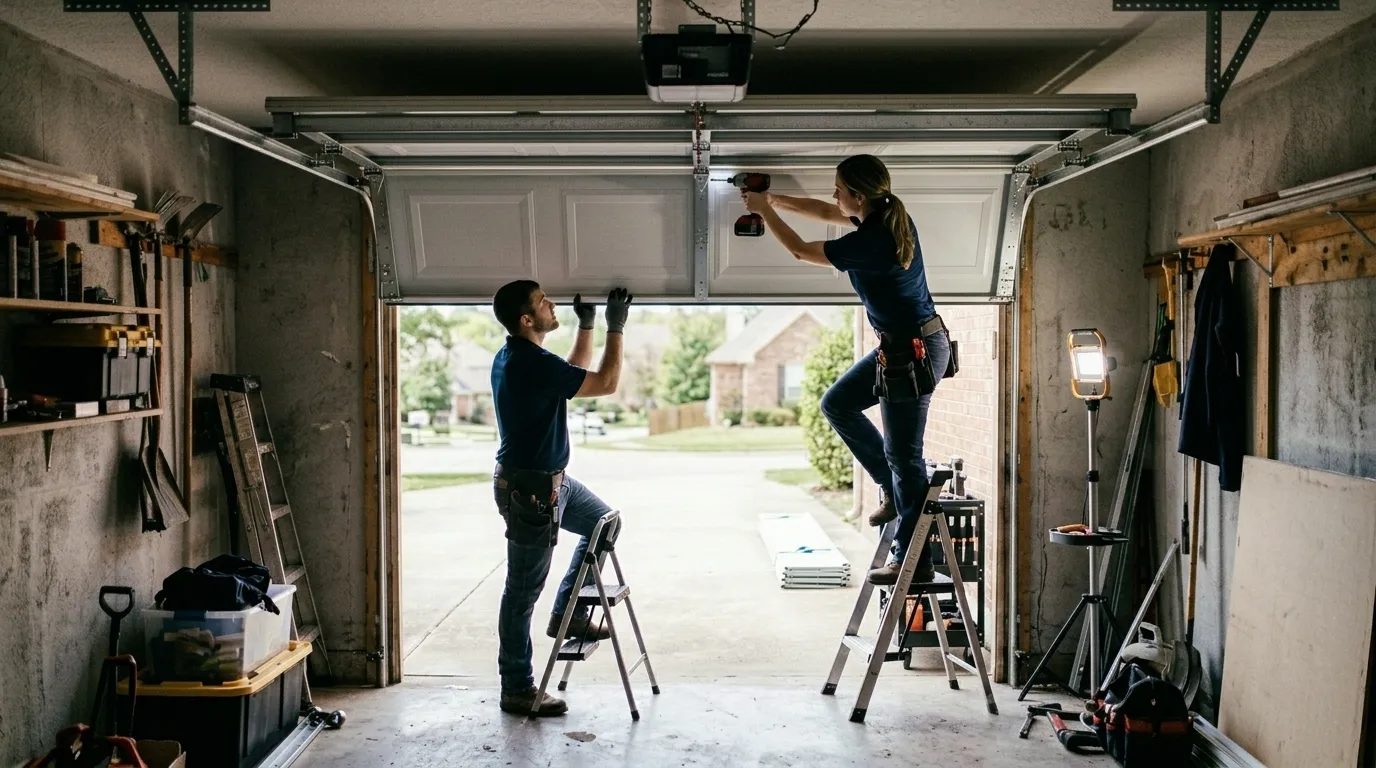
The most common mistake we see on older Northbrook garages is installing a new door on the existing spring and track without checking whether the header can take the added weight. On a house from the 1960s-70s stretch that makes up most of this area's stock, the header was framed to a lighter standard, and a heavier insulated door can flex it over time if the reinforcement isn't added during the swap. The second mistake is reusing rollers and hinges that are decades old because they still turn - they're often the reason a new door starts binding within a year. We also see installers skip re-measuring track spacing on houses that have settled, which is common enough across housing built before 1996 that we check it as a matter of course, not an upsell. None of this is unique to any one house - it's what happens when a newer door meets older framing without someone checking the math first. The fix isn't complicated, but it does mean the job takes longer than just carrying a door in and hanging it.