How Local Conditions Play In
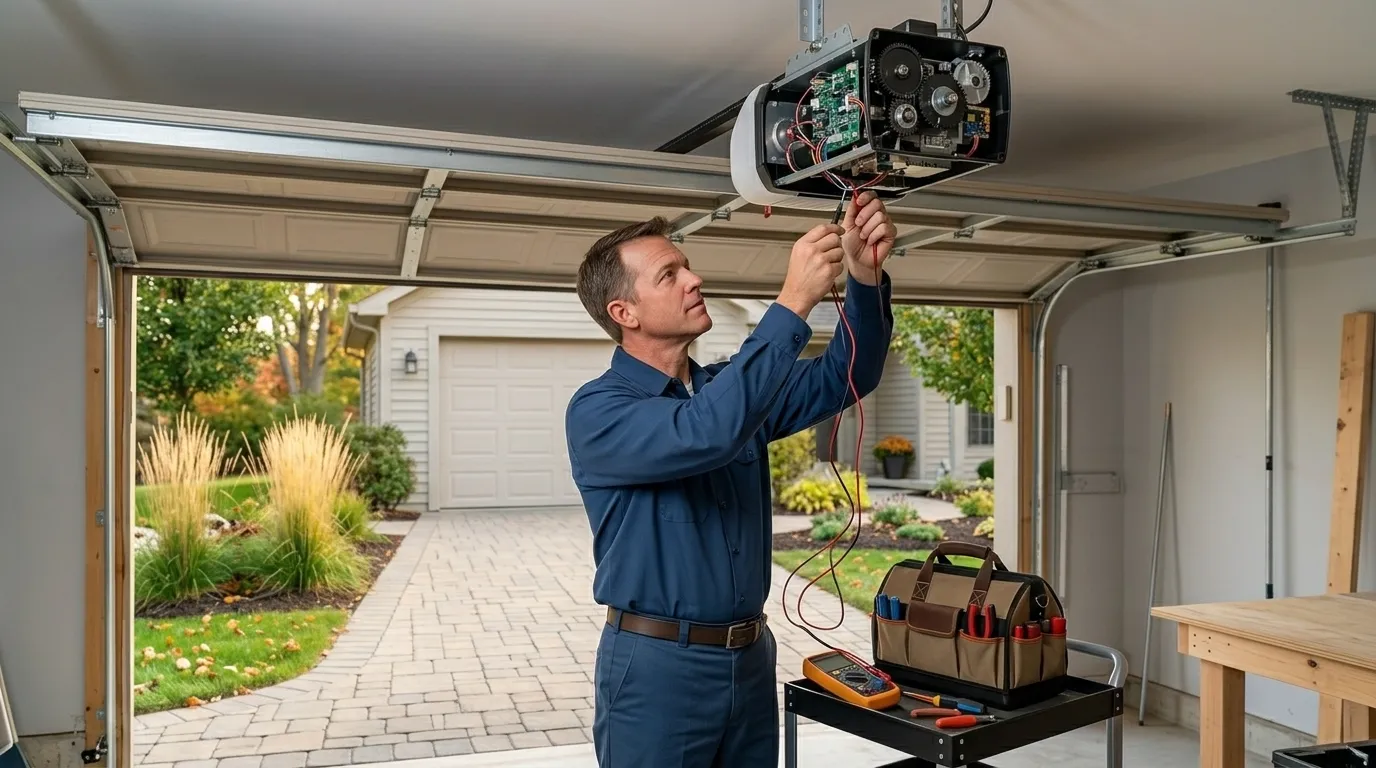
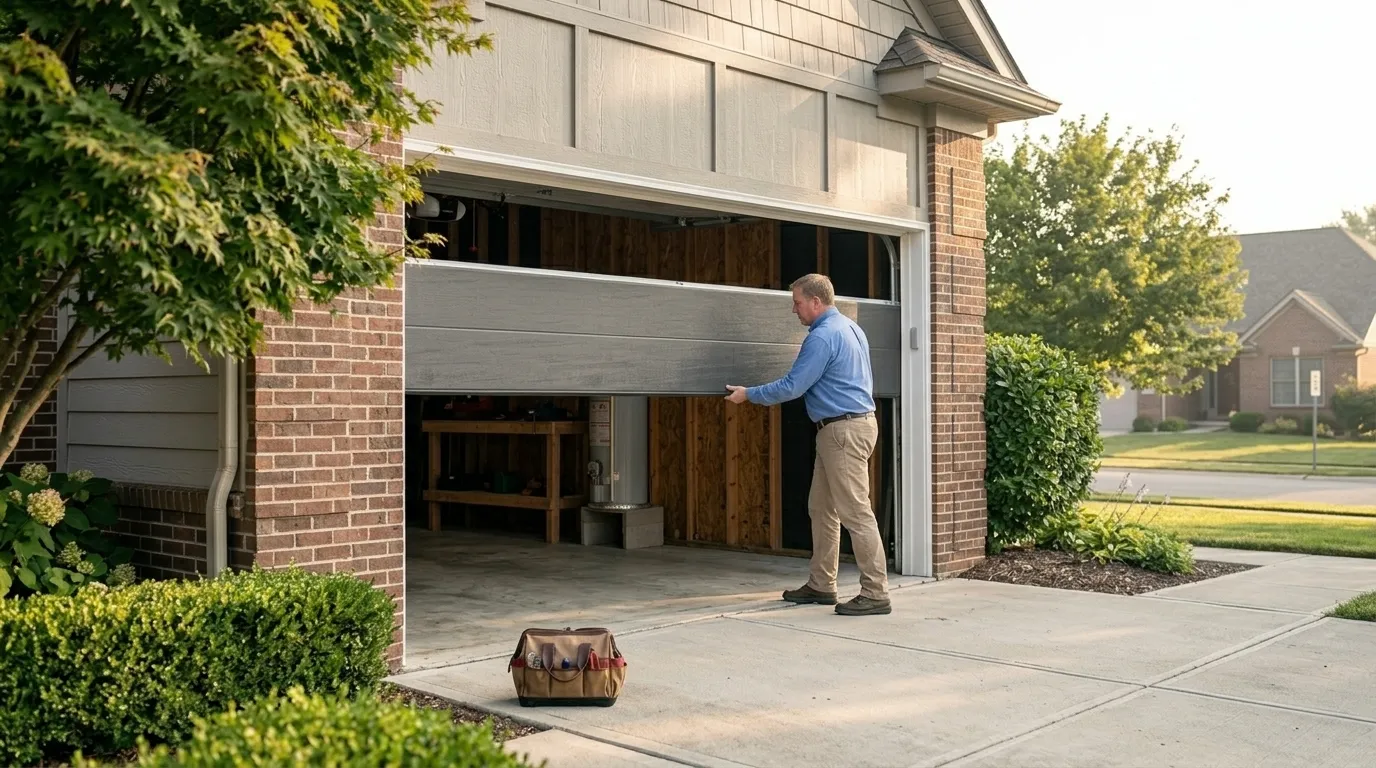
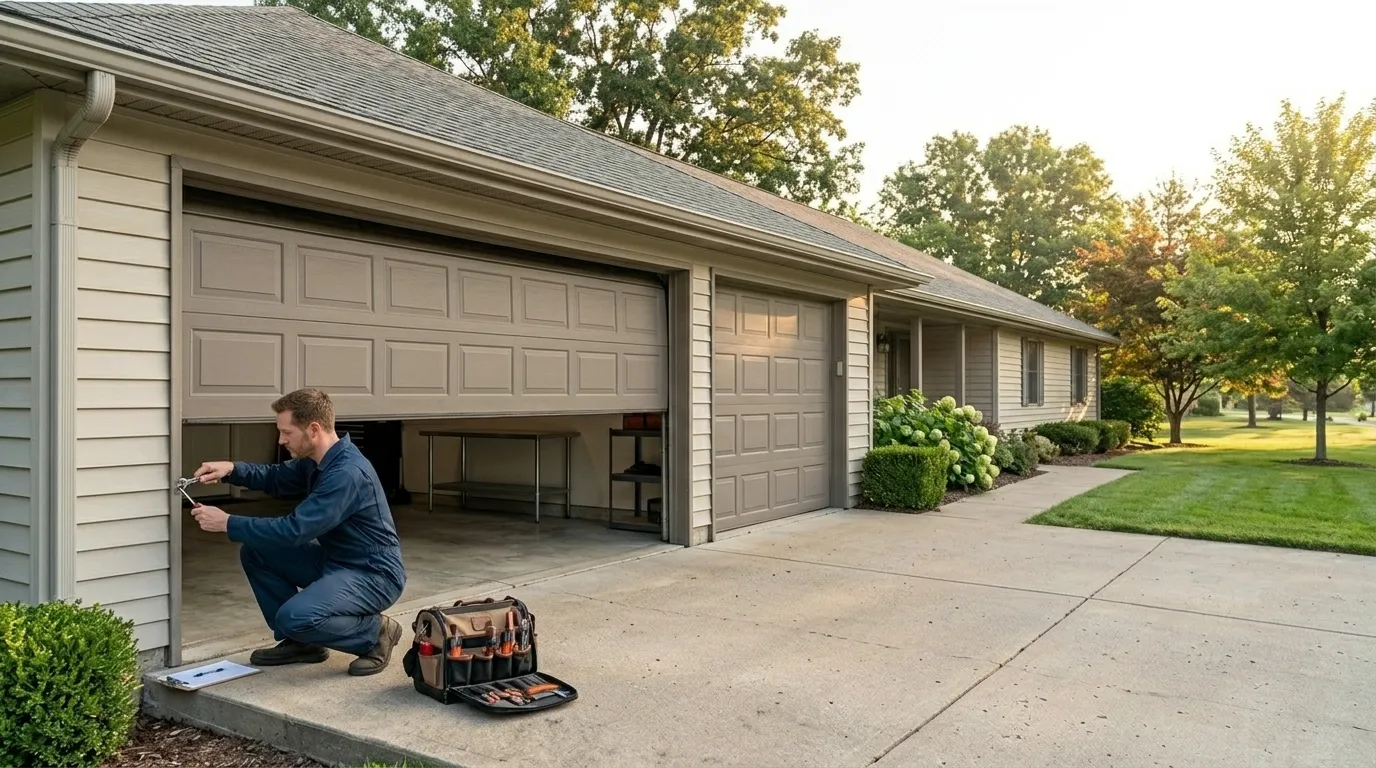
Northbrook sits in a cold-moderate climate band, and that shapes what a service call actually looks like here. It's not just the spring. When the tech opens the panel he's checking whether the weatherstripping has hardened and cracked from winter swings, whether the lubricant on the rollers and hinges has gummed up in the cold, and whether the opener's force settings have drifted because a door is heavier than it was in July. A door that closes fine in August can bind or reverse on its own by January if none of that gets touched. That's why a proper call here isn't a five-minute spring swap - it's a walk through everything that cold and thaw cycles work on over a winter. Skip that and you're back out in six weeks for a problem that looked unrelated but wasn't. None of this is exotic work. It's the same handful of checks every time, done in the order that matches how a Northbrook winter actually stresses a door, rather than a generic checklist written for a warmer climate.
What Most People Get Wrong
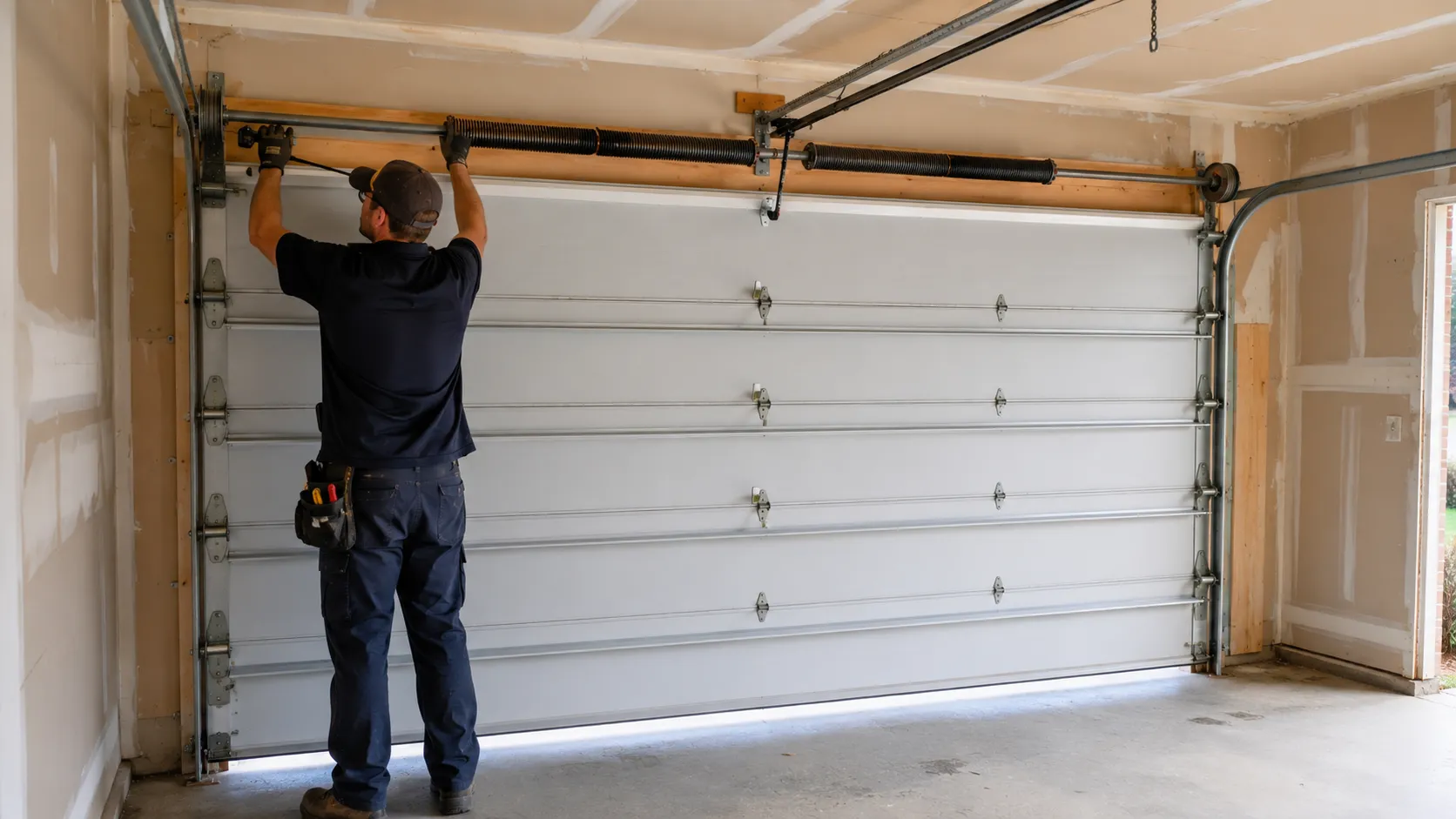
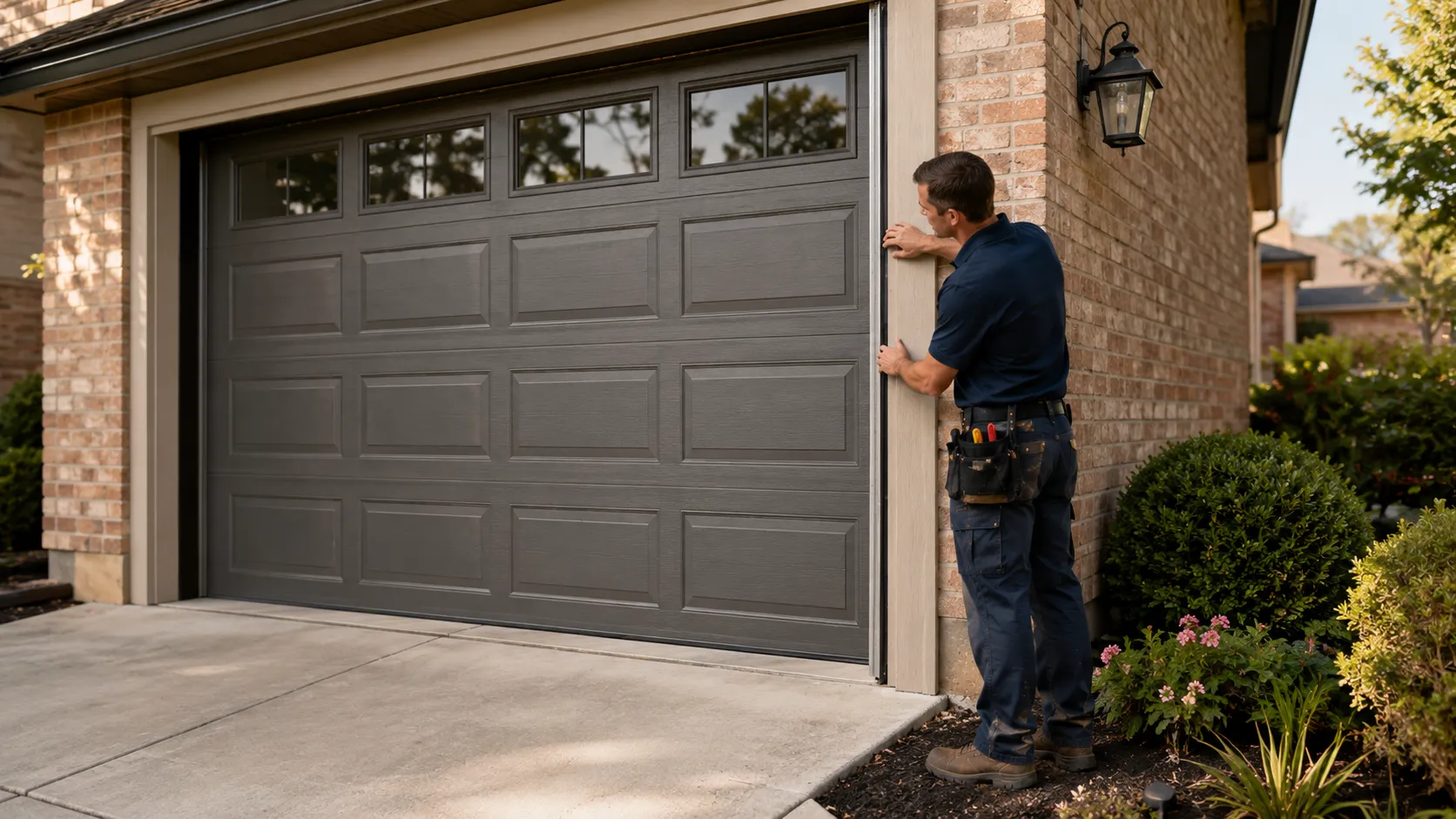
Most homes in Northbrook were built between 1938 and 1996, with the bulk of that stock going up in the 1960s and 1970s. That matters more than people think. A lot of those doors still carry original hardware - single torsion springs sized for a lighter panel than what's often on the door now, side-mounted tracks that were never meant to hold a heavier insulated replacement door, and openers bolted onto framing that predates today's standard mounting. People call assuming the fix is whatever fixed a neighbor's door last year, and it's often not, because the hardware generation is different house to house even on the same block. The other common mistake is treating a noisy door as an opener problem when it's usually the rollers or the original springs finally giving out after decades of cycles. A service call has to start by identifying which era of hardware is actually on the door, not by assuming it's the newest version of anything.
When to Get Help
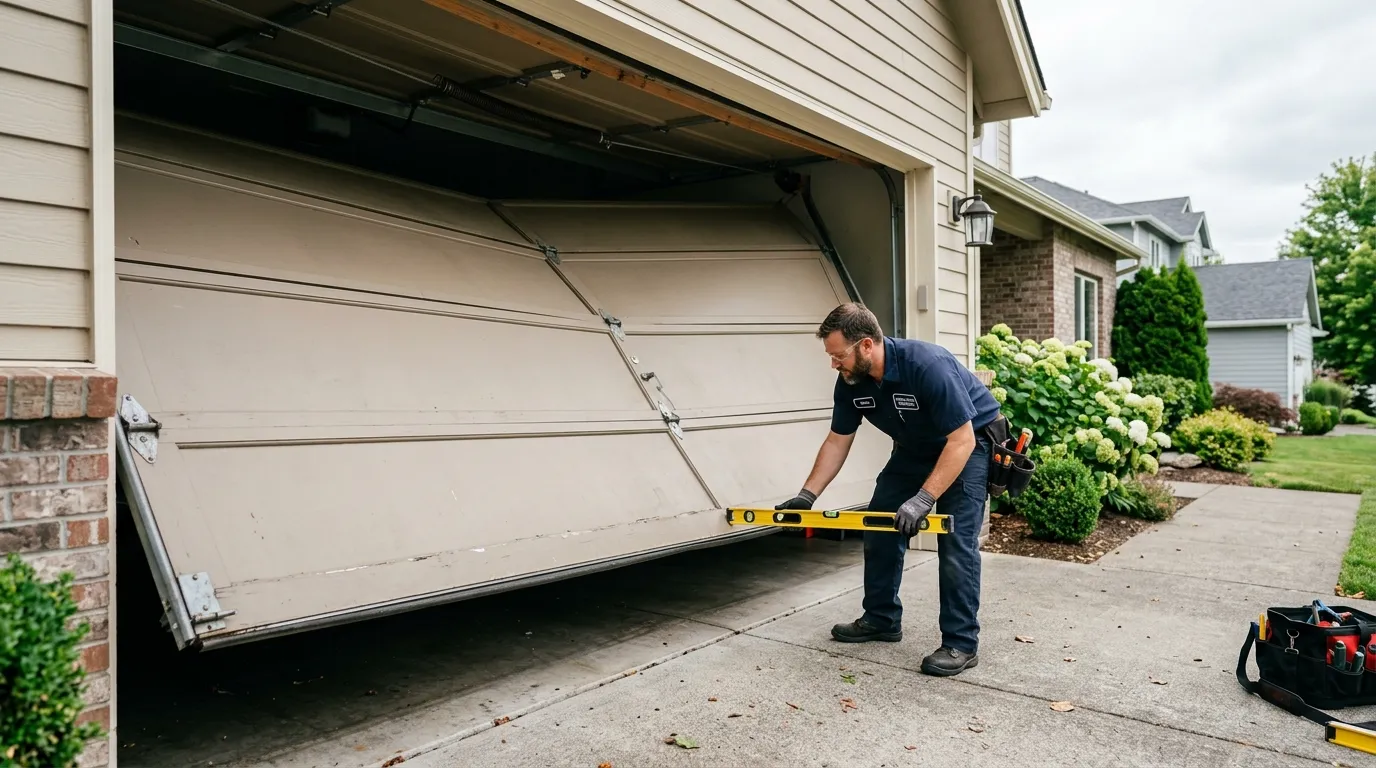
Call when a door is slow to respond, drifts off level as it moves, or the opener strains and reverses without a clear reason. Those are early signs, and they're cheaper to deal with early. Don't wait for a spring to snap - on a heavier insulated door that's happened on a home built in this era with the original spring, and it can happen without warning. One honest limit: if the track or spring hardware is old enough that matching parts aren't something we stock, the call may turn into a quote for replacement hardware rather than a same-visit fix, and we'll say so up front rather than string out a repair on parts that won't hold. That's more common on houses from the earlier end of the 1938-1996 range than the newer ones. If you're not sure whether what you're hearing is normal wear or something about to fail, that's still worth a call - it's a lot less than the cost of a door coming off track.