How We Get to You
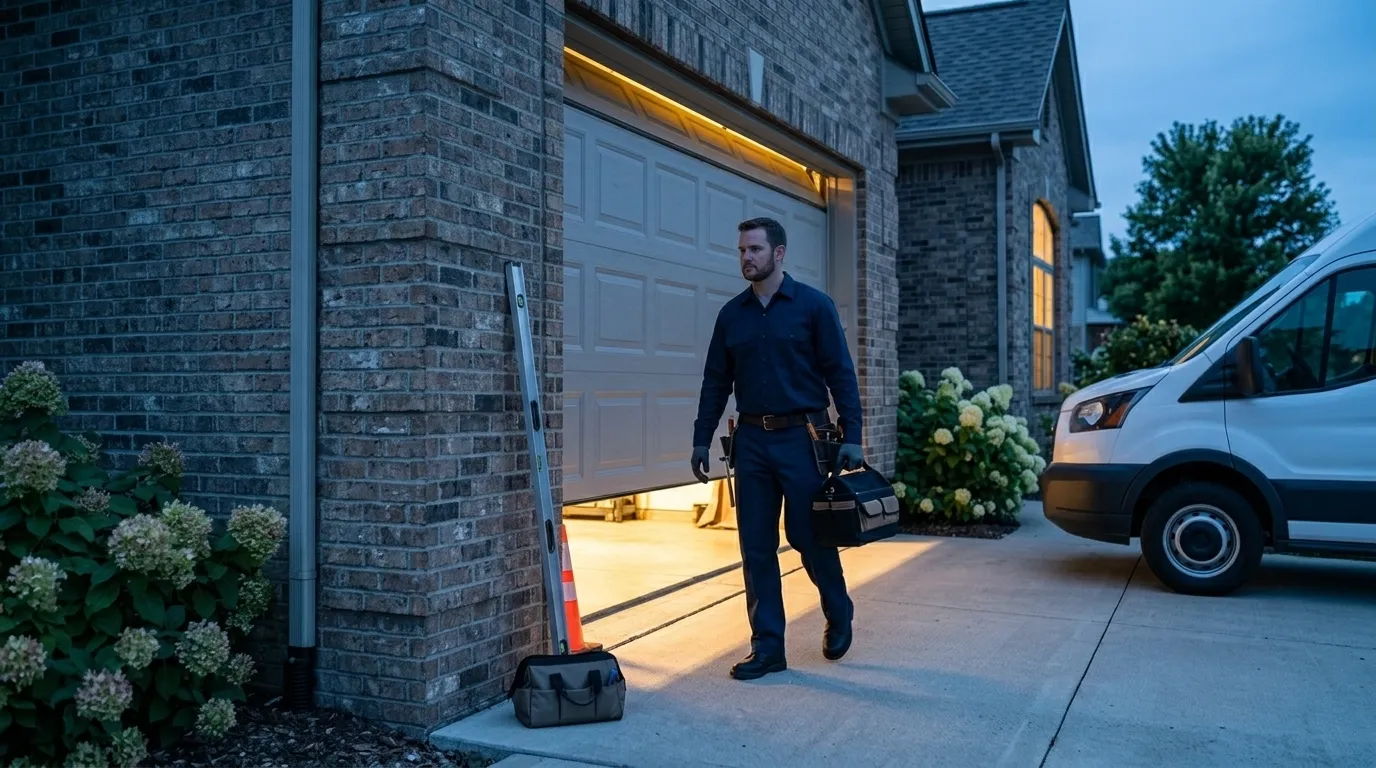
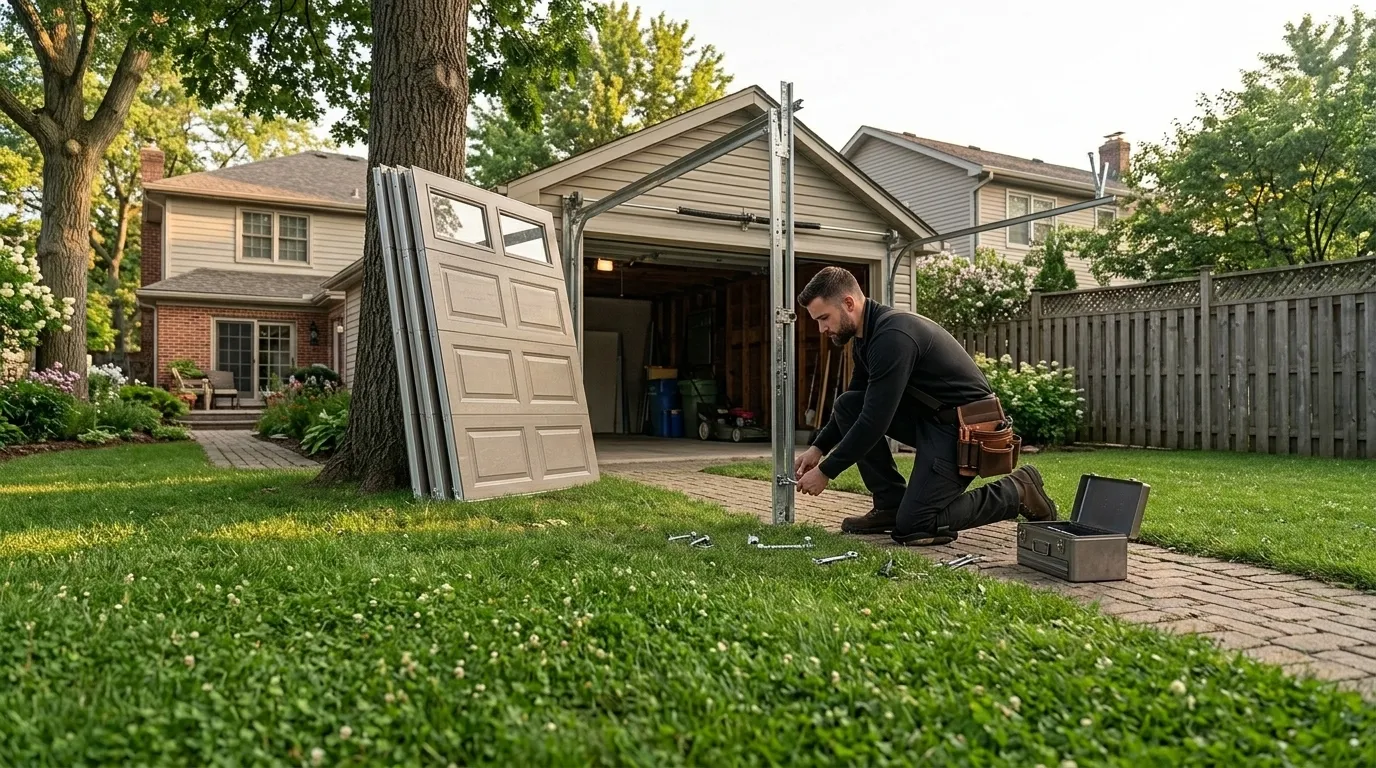
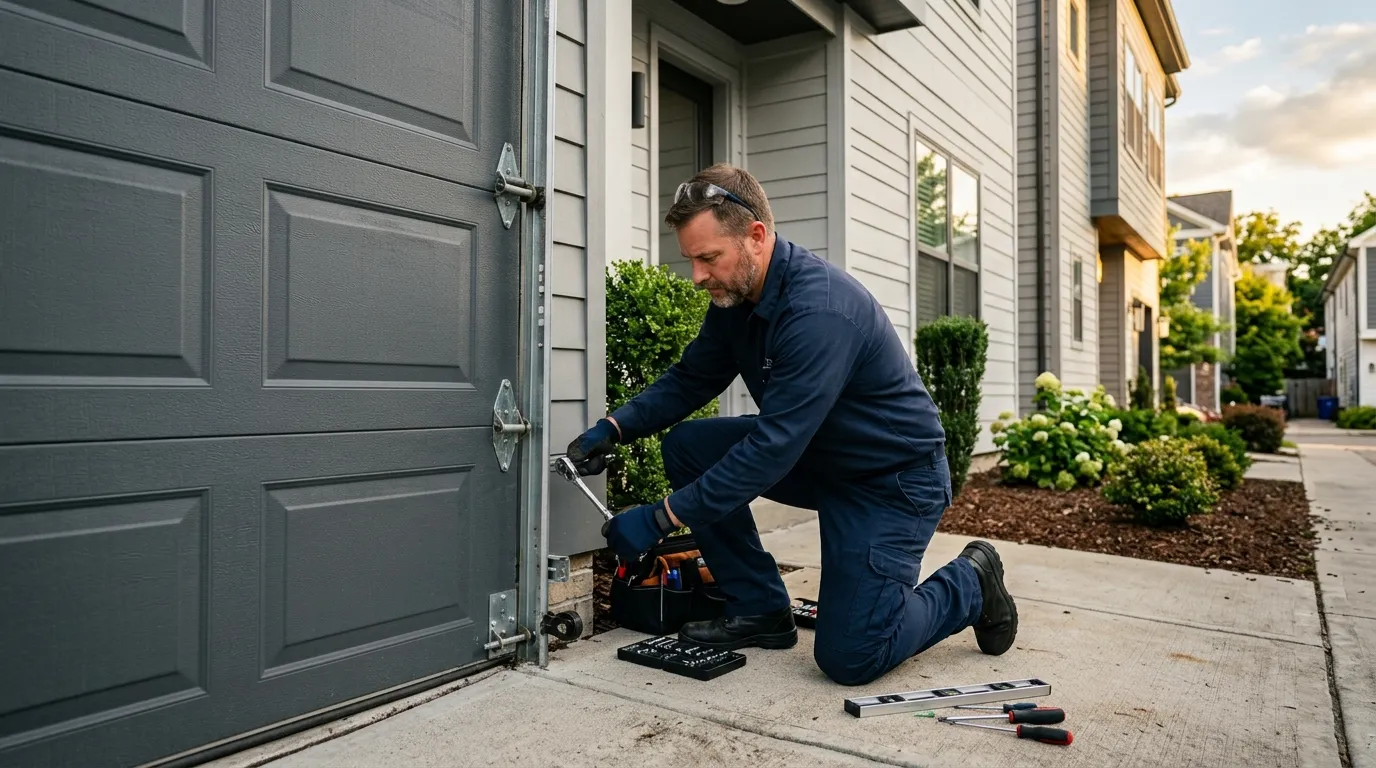
We run out of Northbrook, and Glencoe sits about 4 miles from our shop - a short haul up the North Shore, not a special trip. We don't keep a location in Glencoe itself, and we're not going to pretend otherwise. What we do is treat that 4-mile run like any other local call: same truck, same stocked parts, same day we'd give a job five minutes from our door.
That distance matters less for scheduling and more for parts. A short drive means we can go back to the shop mid-day for a spring or a section we didn't expect to need, instead of losing the appointment to a supply run. On a town-wide climate band that sits cold and moderate, winter is when steel parts show their age fastest, and being close enough to restock without losing the afternoon is the practical upside of that 4 miles.
We're upfront that we're a traveling crew, not a storefront on your block. If you want a company with a physical presence inside Glencoe's limits, that's not us - but we've found the 4-mile trip doesn't change what we can fix or how fast we can get parts on the truck.
What That Means for Doors
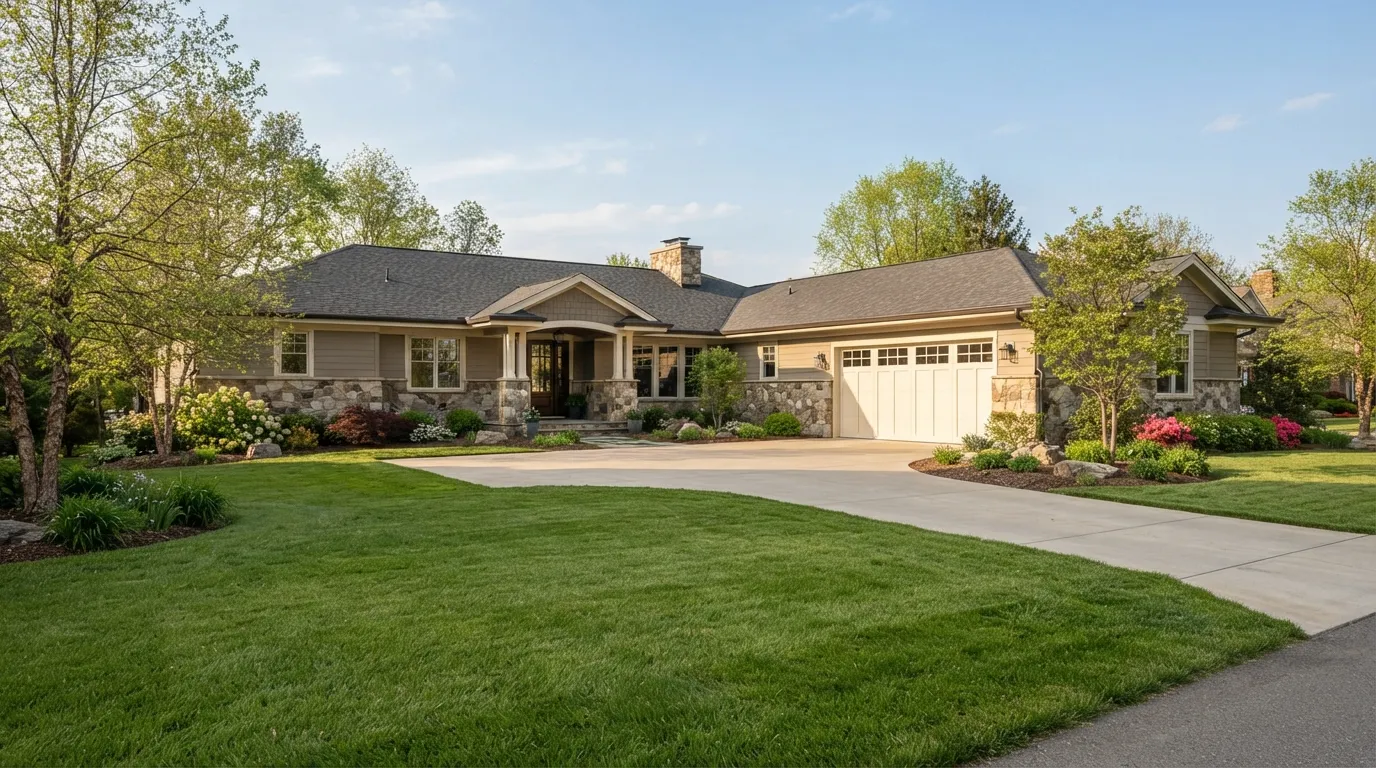
Glencoe's housing runs older than the wider service area average. The area-wide stock spans 1938 to 1996 with a median around 1974, but Glencoe's own median build year is 1955 - a full generation earlier. That gap is the whole story on this page.
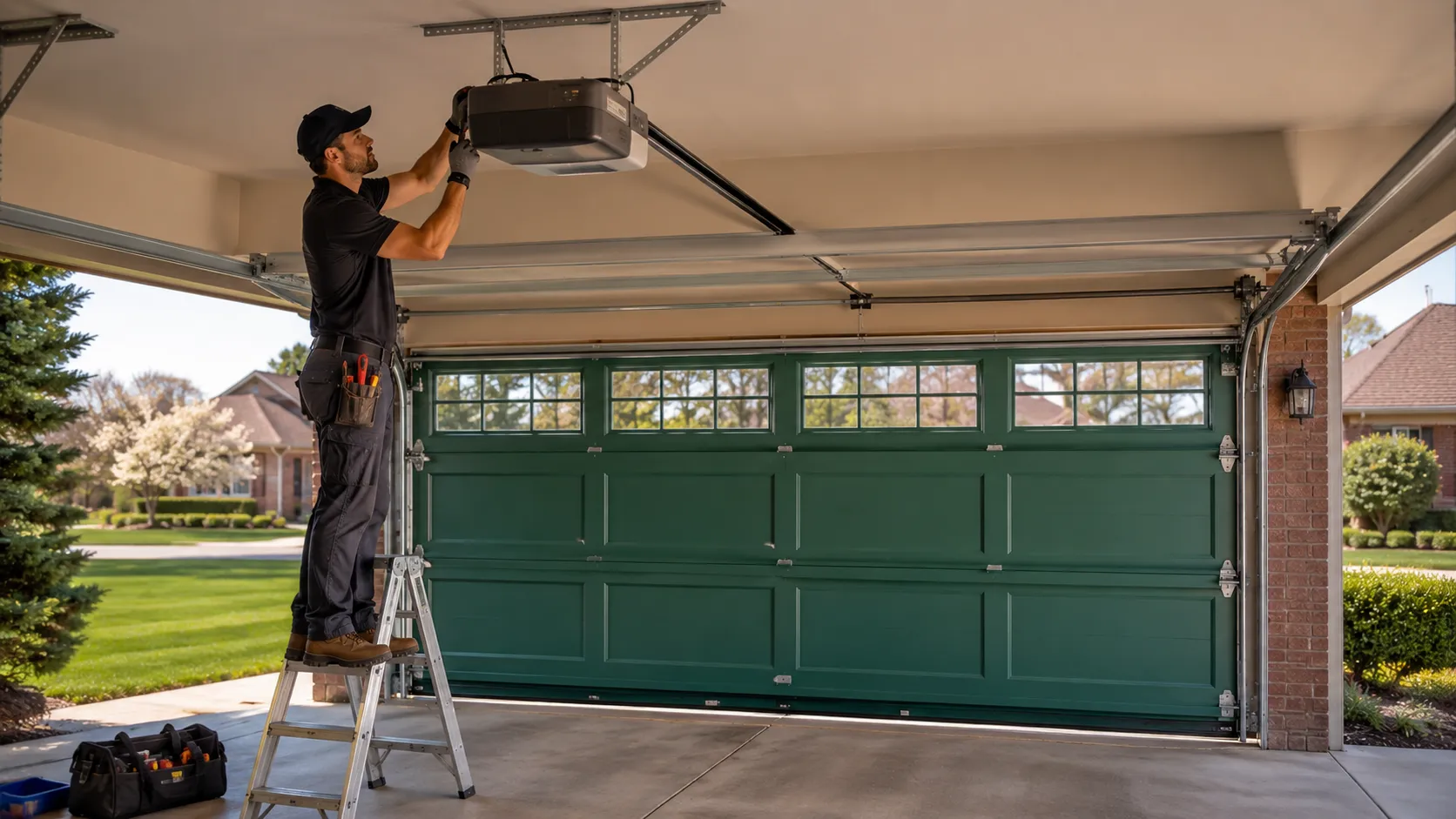
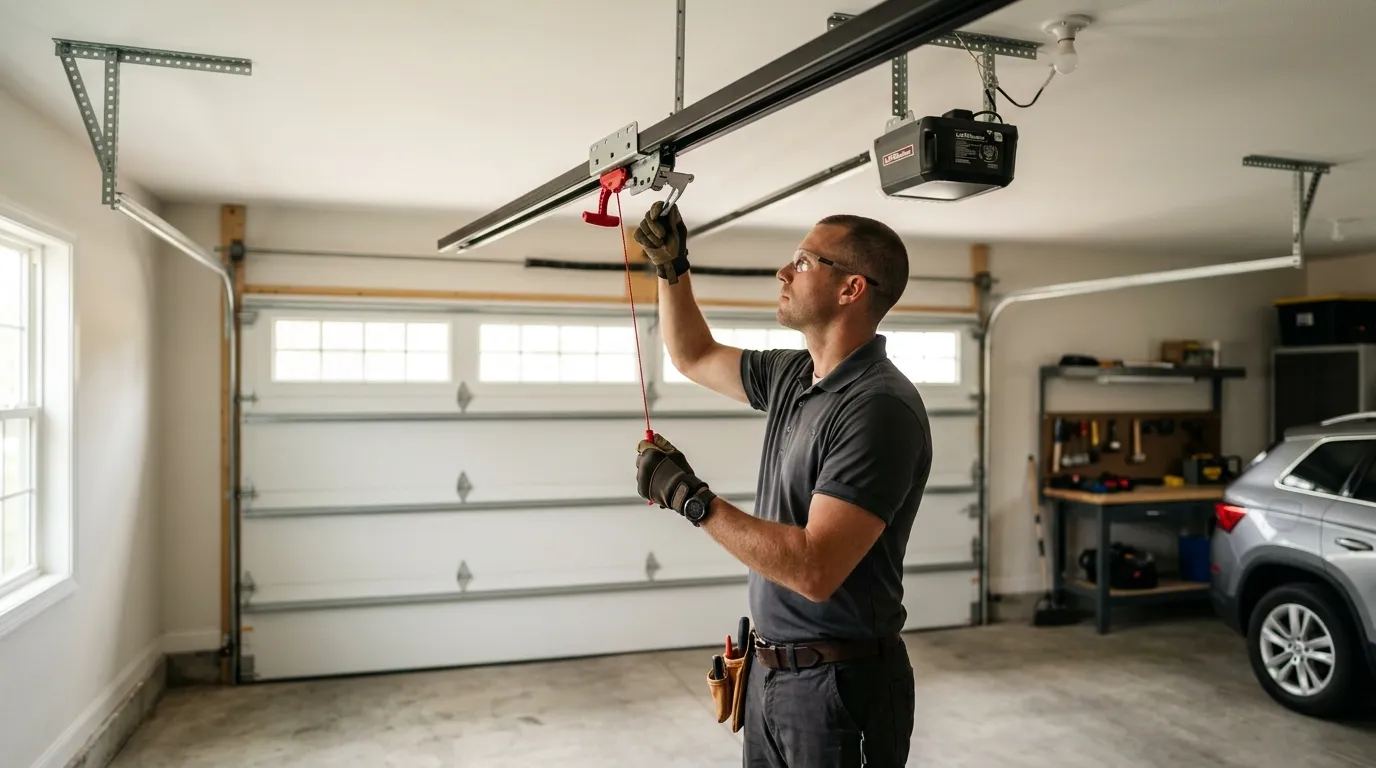
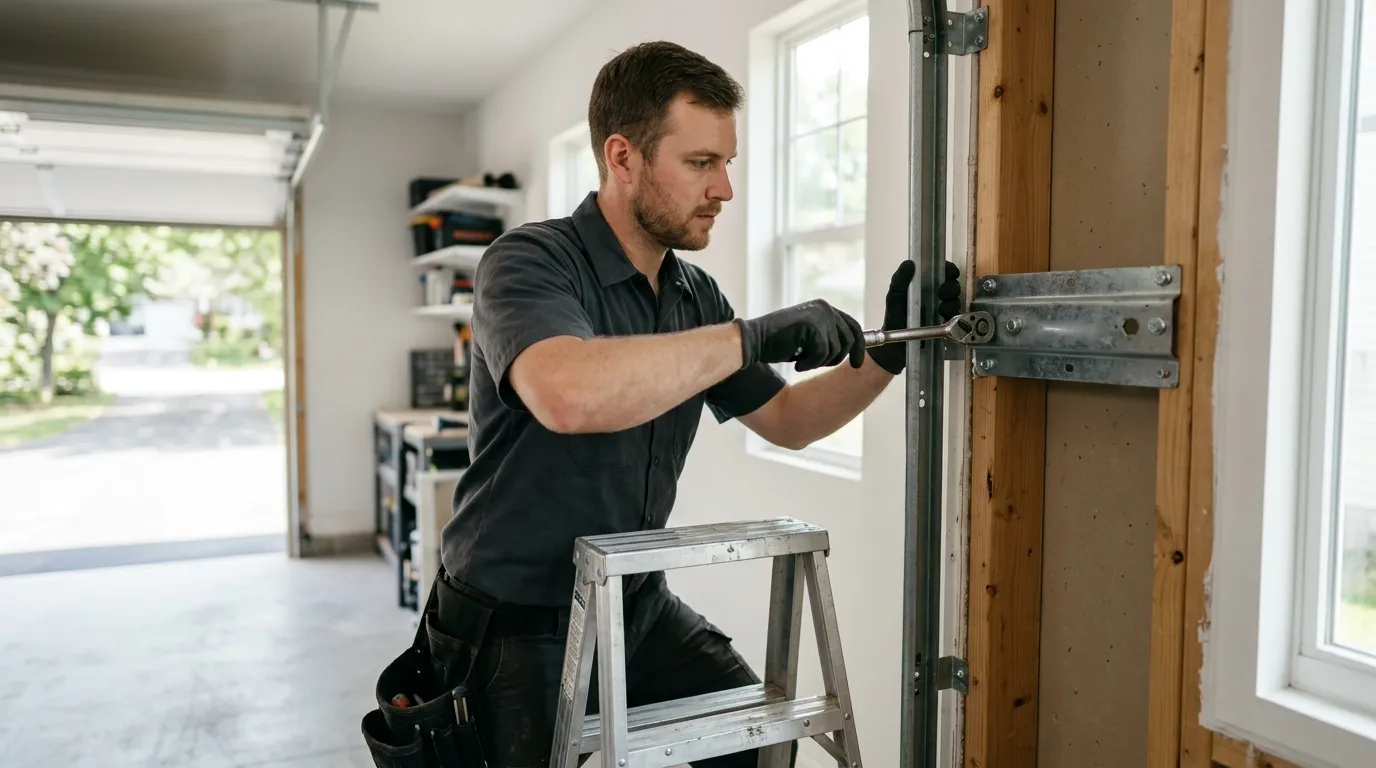
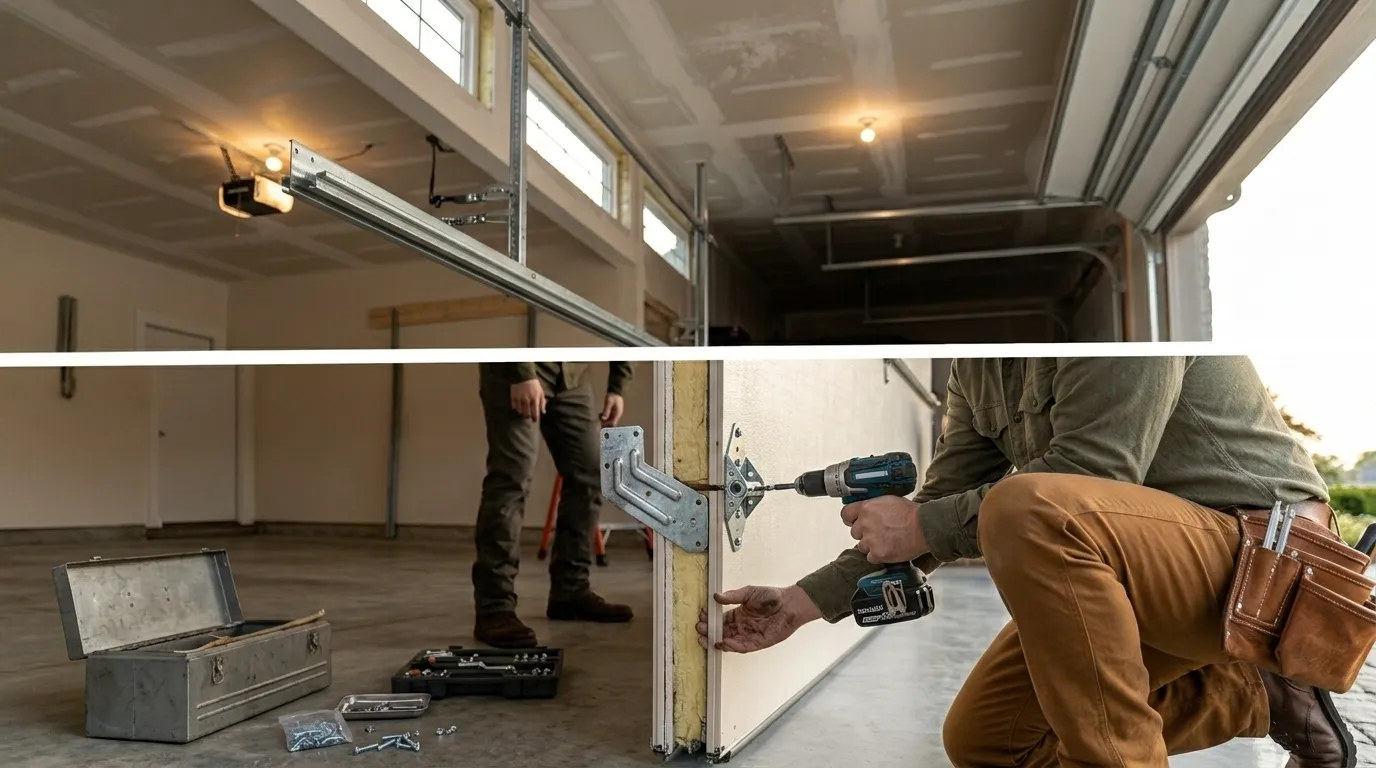
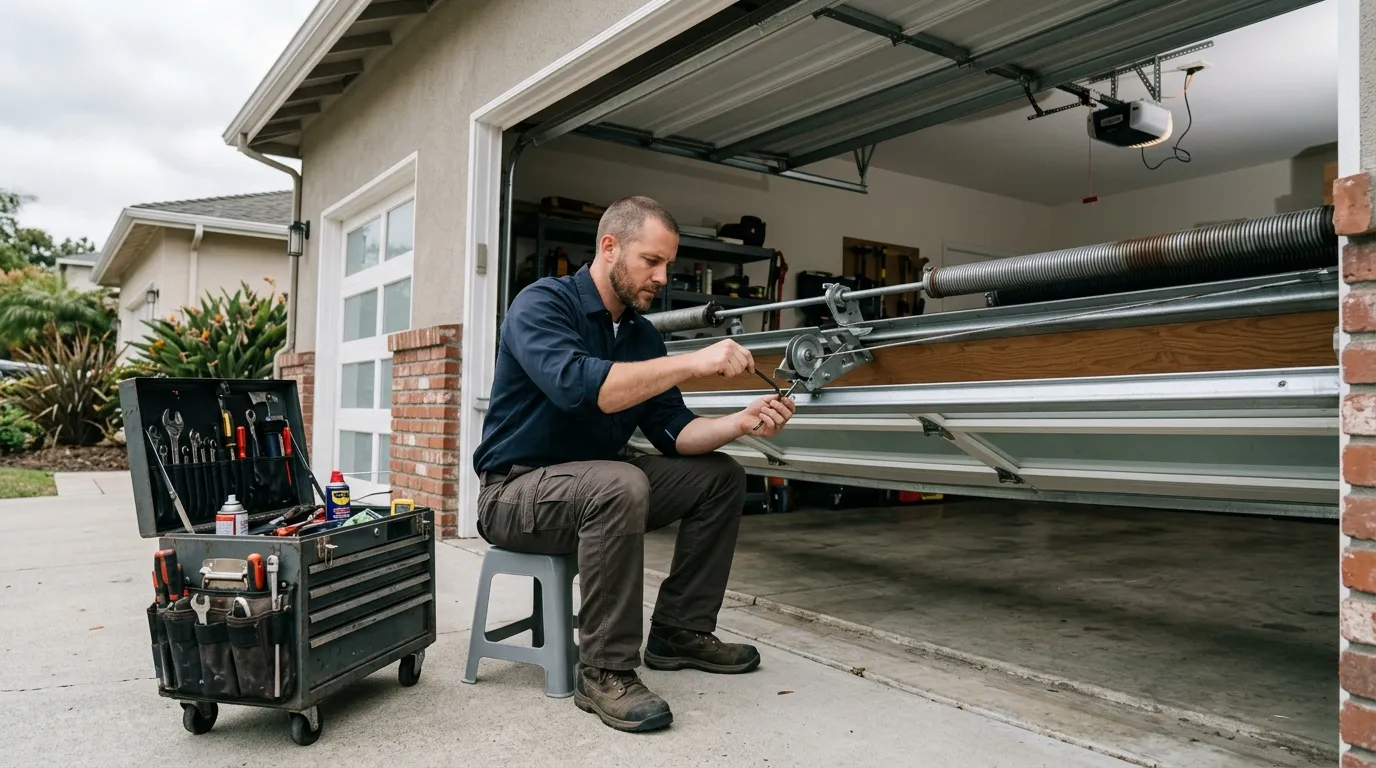
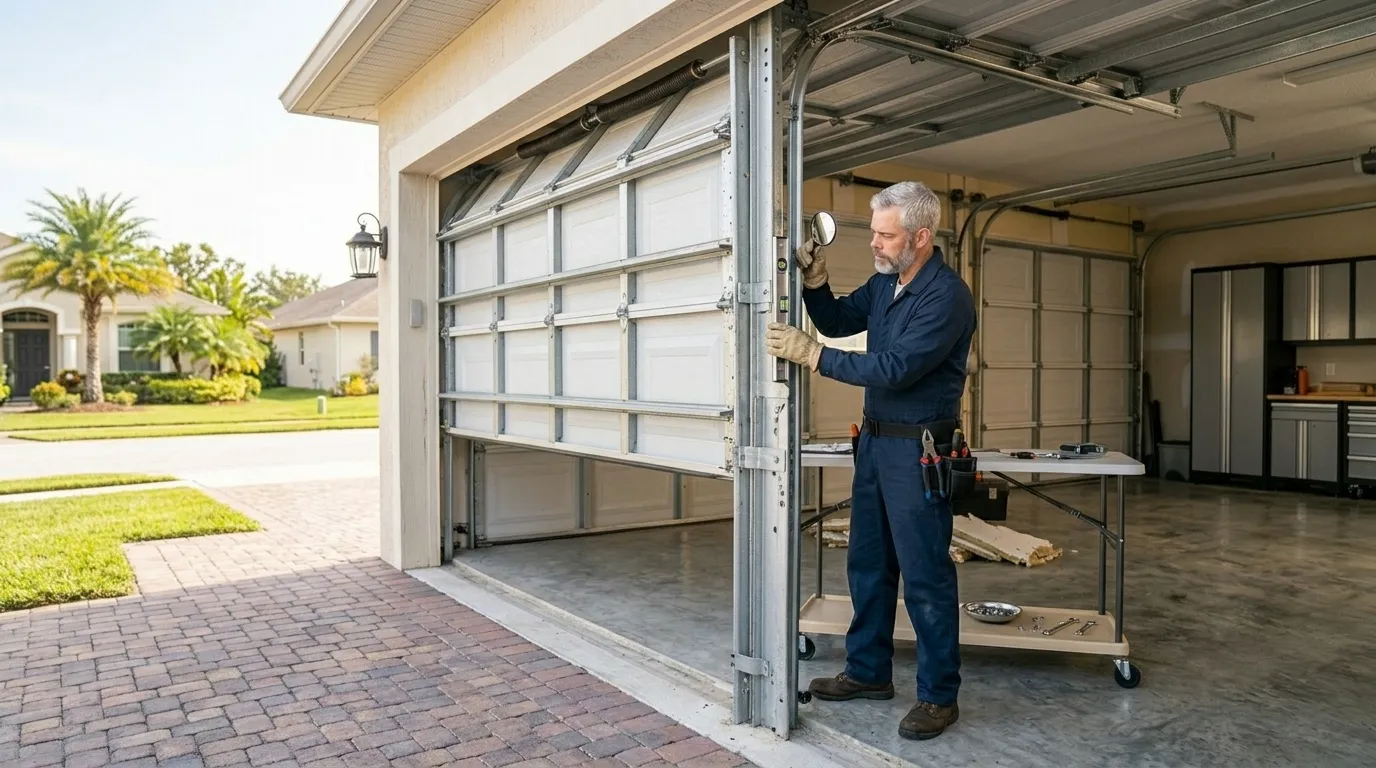
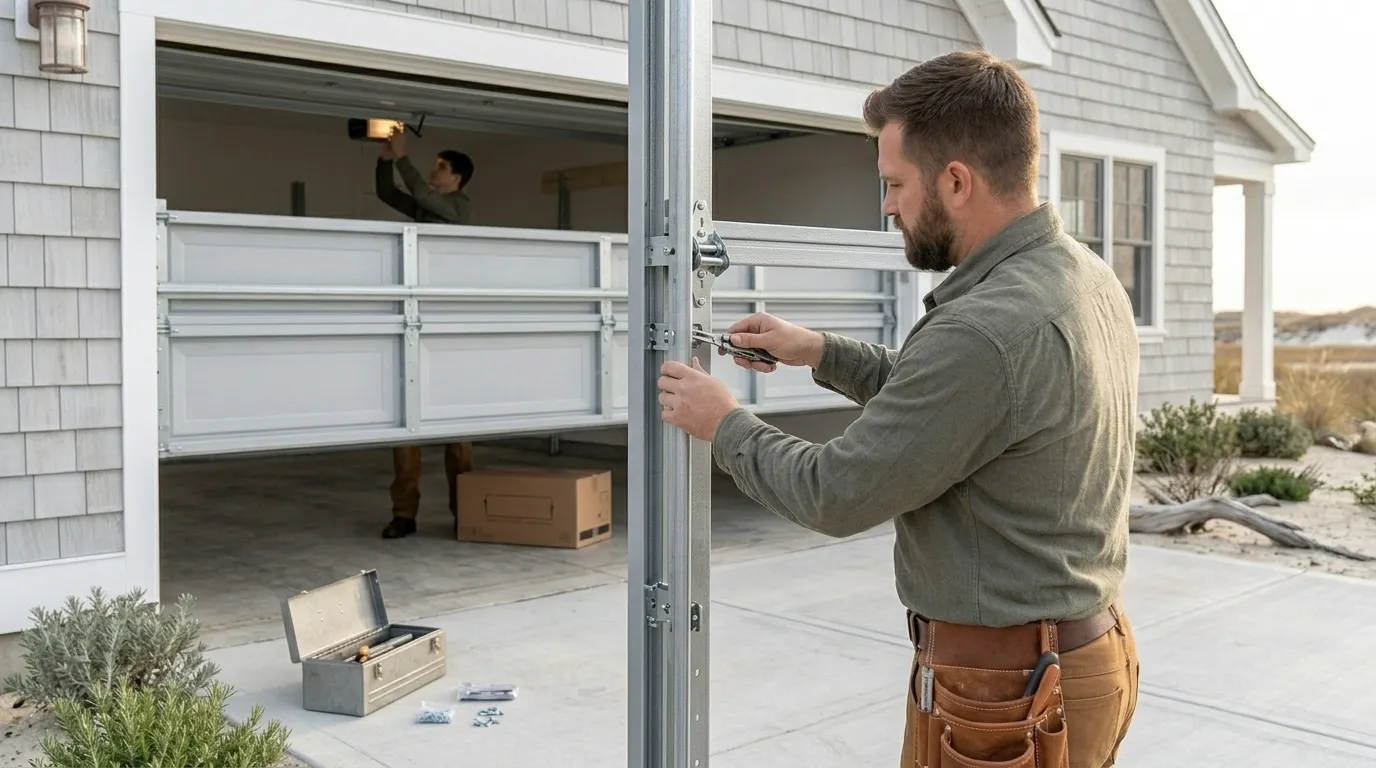
A house built in 1955 was framed for a door and opener nobody sells anymore. Original openings often ran narrower than today's standard, tracks were sized for lighter single-layer wood or early steel doors, and the torsion hardware - where it exists at all - is frequently the older side-mounted extension-spring setup rather than the centered torsion shaft you'd expect on a house built in the 1970s. We see brackets rusted into place, rollers that were never upgraded from steel to nylon, and openers bolted onto framing that was never meant to carry a modern unit's weight.
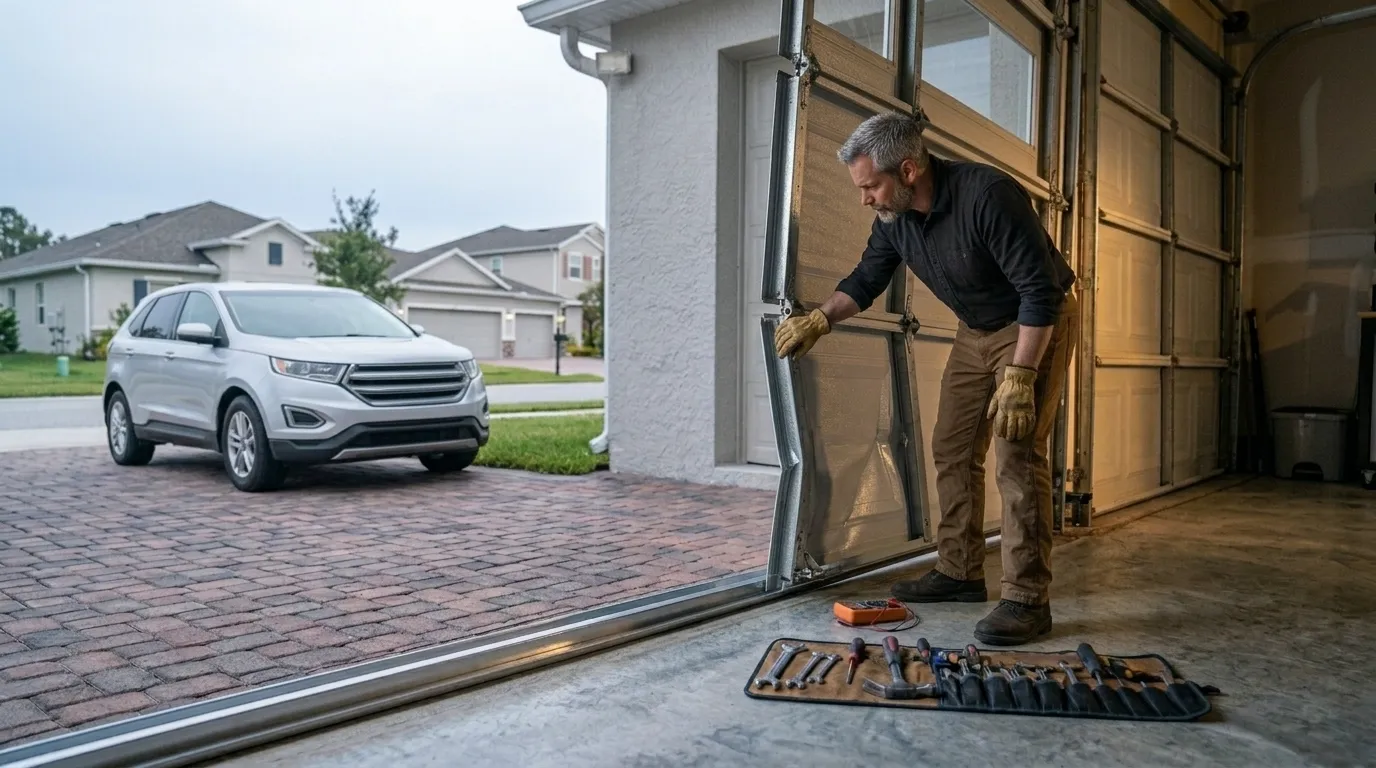
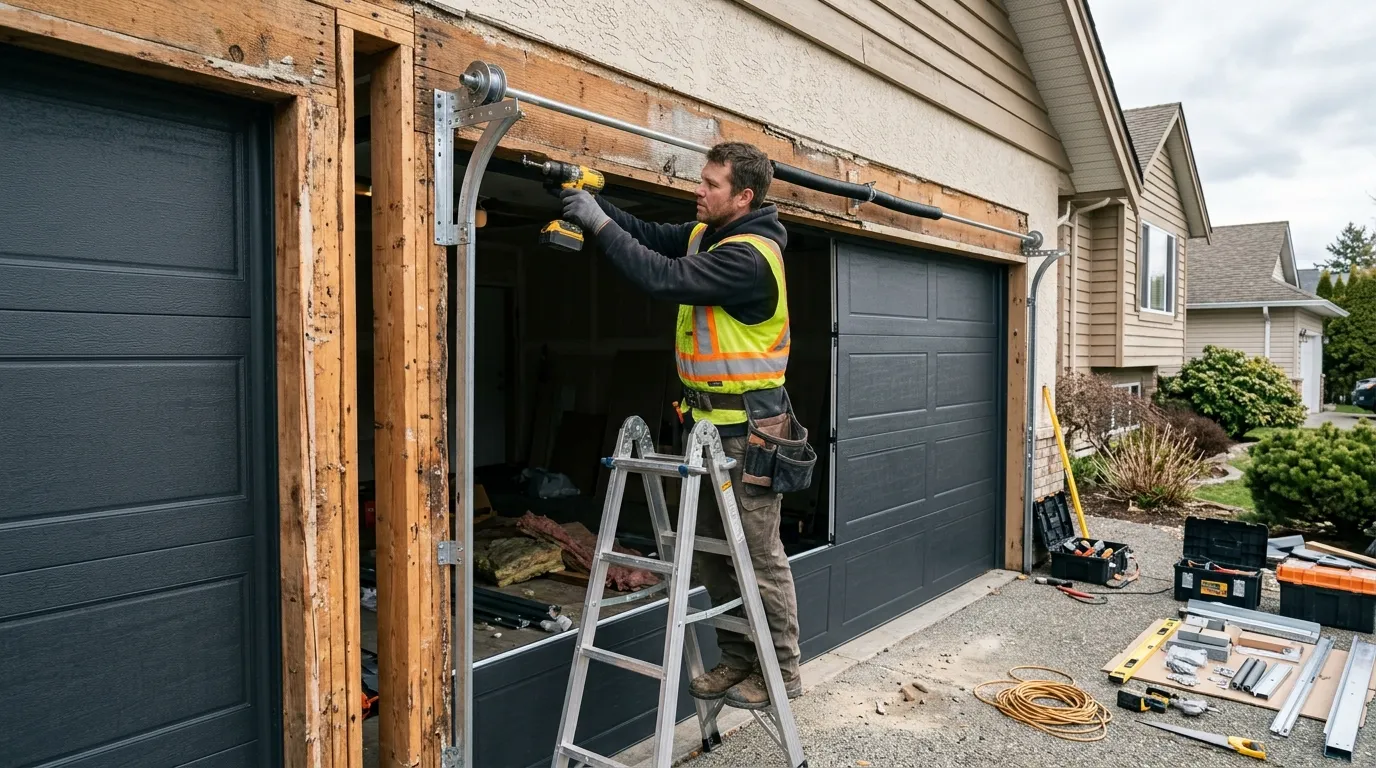
We're not going to tell you every 1955 door needs full replacement - plenty of these openings just need a spring swap or a track realignment done by someone who's worked on that vintage before. But if a part has to be special-ordered because nobody stocks 1950s hardware anymore, we'll say so before we start, not after.
What Was Built Here
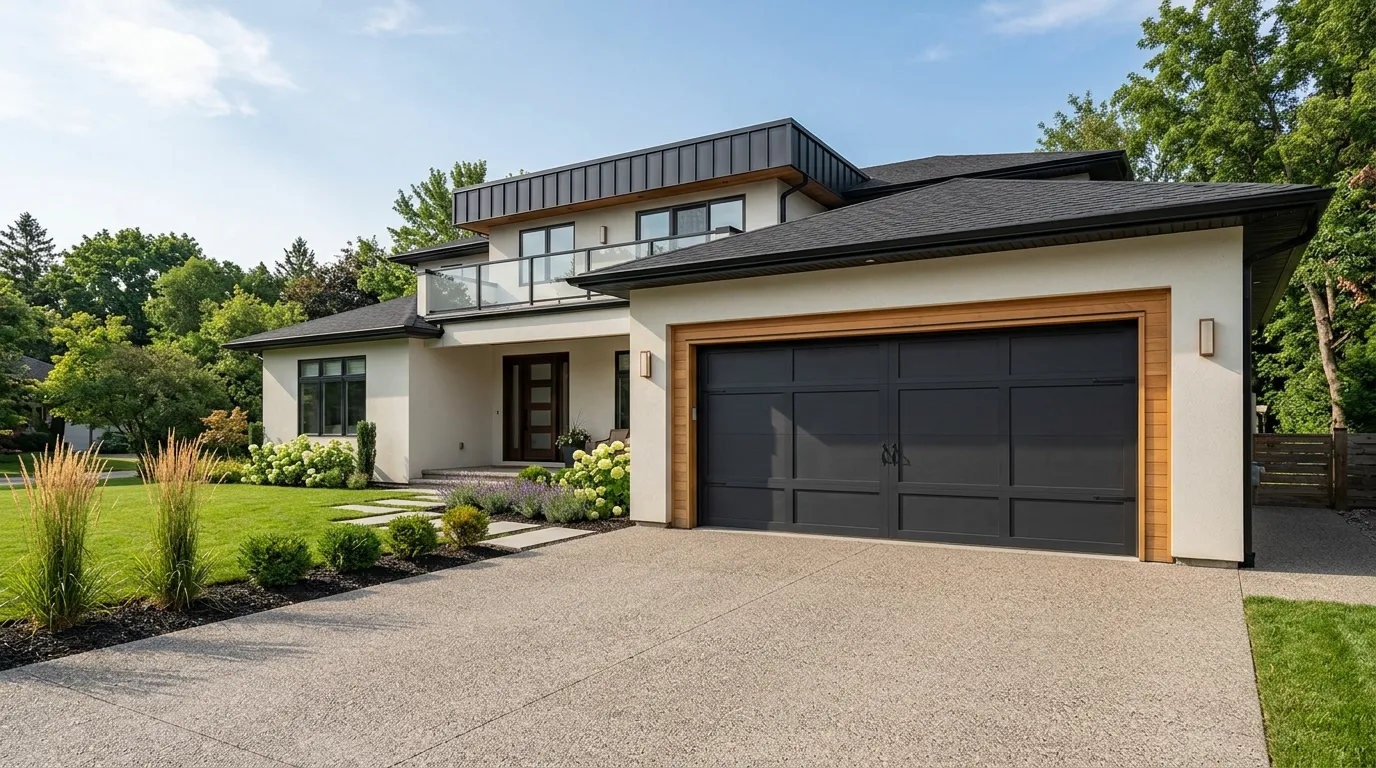
With a median build year of 1955, Glencoe's housing predates most of the area's broader 1960s-70s wave by a decade or more. That earlier construction shows up in the numbers around it too - 3,033 households, and a median income above $250,000, well past the service area's overall median of $103,561. That's a town where owners tend to maintain rather than replace, and where a door that's been patched twice already might finally be worth swapping for something built to current code instead of babied along.
We don't have data on individual streets or subdivisions here, so we're not going to guess at which blocks have been renovated and which haven't - that's something we sort out standing in front of the actual door. What we can say from the build year alone is that a service call in Glencoe is more likely to involve hardware we have to source specially than a call in a neighborhood built in the 1980s. That's not a reason to avoid the job. It's a reason to expect the estimate to include a parts note.