How We Get to You
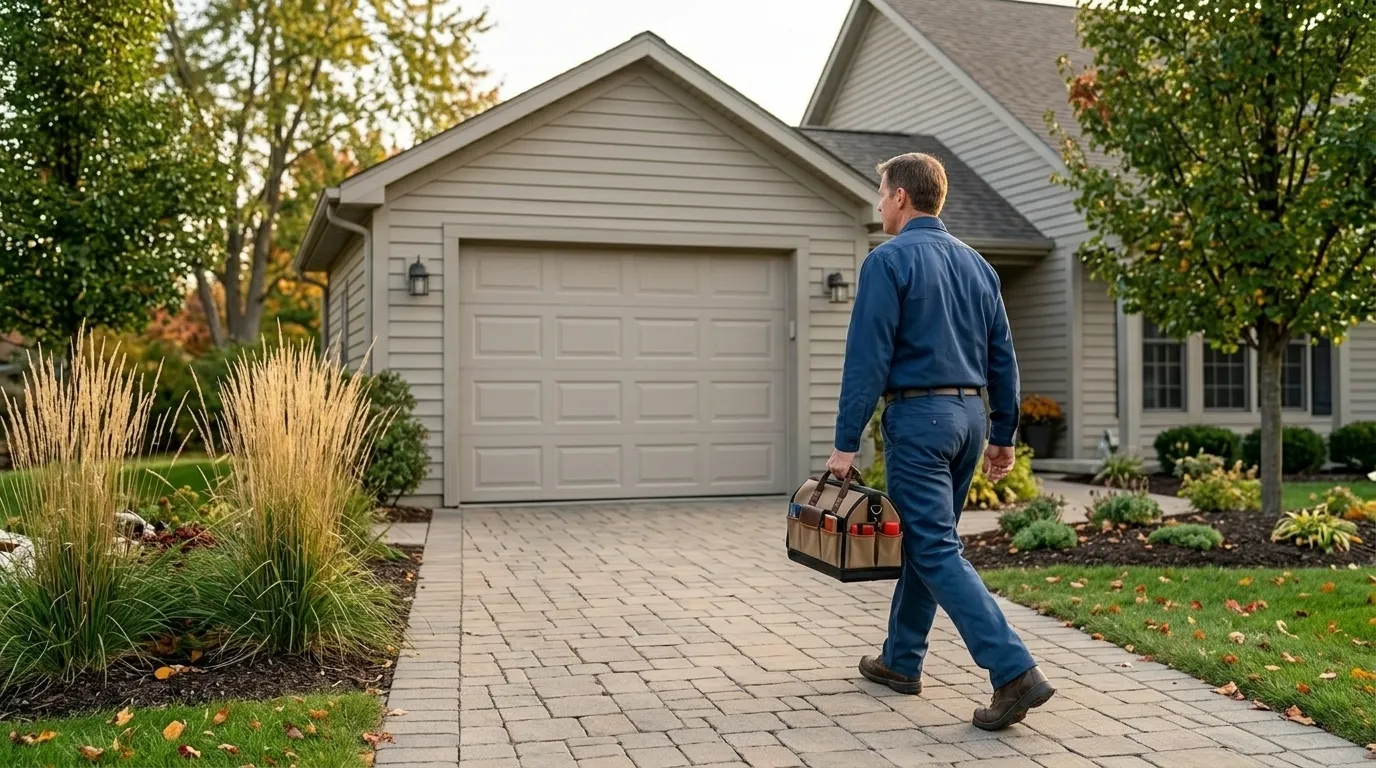
We work out of Northbrook, and Glendale Heights sits about 19 miles from that shop. That's a real drive, not a quick hop across town, so a call here gets built into the day's route rather than answered from a truck sitting around the corner. We don't run a depot in Glendale Heights and won't pretend otherwise - what we can tell you is that we plan our stops so this stretch of the service area gets covered without doubling back. If you're on a tight schedule, mention it when you call so we can slot the job where it fits the route instead of squeezing it in at the end of the day. The distance also means we're more useful for a scheduled repair - a spring swap, an opener that's finally quit, a bent track - than for the kind of emergency where minutes matter. We'll still come. We just want you to know what a 19-mile drive means for timing before you're standing in the driveway waiting.
What That Means for Doors
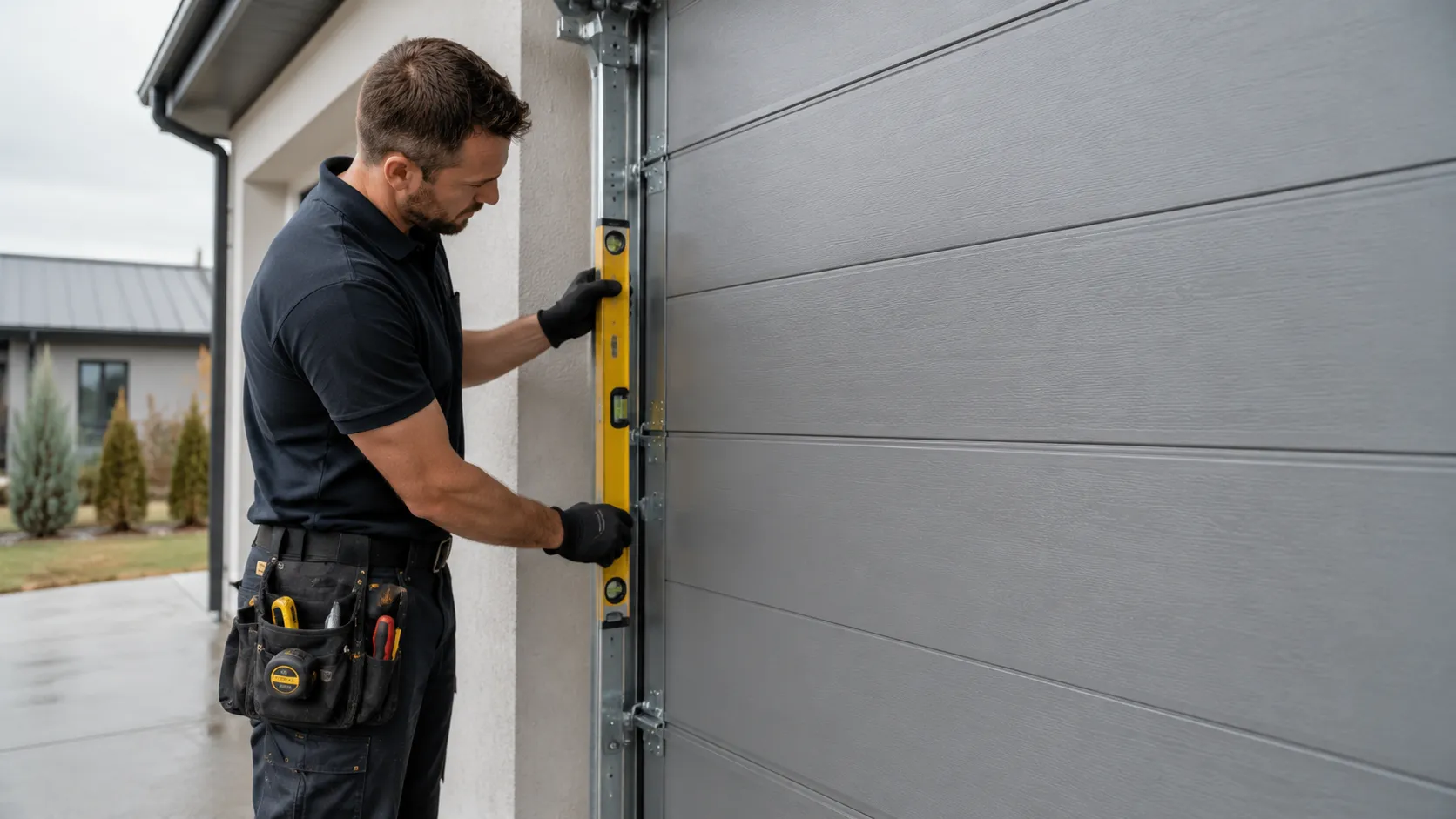
The median home here went up around 1978, a few years past the 1974 median for the wider service area, and that gap matters more than it sounds. A door and opener installed in the late 1970s is usually a different animal than one from the early '60s stock that fills much of this region: steel raised-panel doors start showing up instead of the older flat wood ones, and chain-drive openers with a rail system that predates today's belt drives are common. Torsion hardware from that era was often built lighter than what goes in now, so springs on original setups tend to be undersized for a door that's had insulation or a heavier replacement panel added later. The service area overall sits in a cold, moderate climate band, and homes from this build period weren't always given the weatherstripping or insulated panels that keep a garage bearable in January. That combination - later-build steel doors, older opener drivetrains, and springs sized for a lighter era - is the pattern we expect to find before we even open the door here.
What Was Built Here
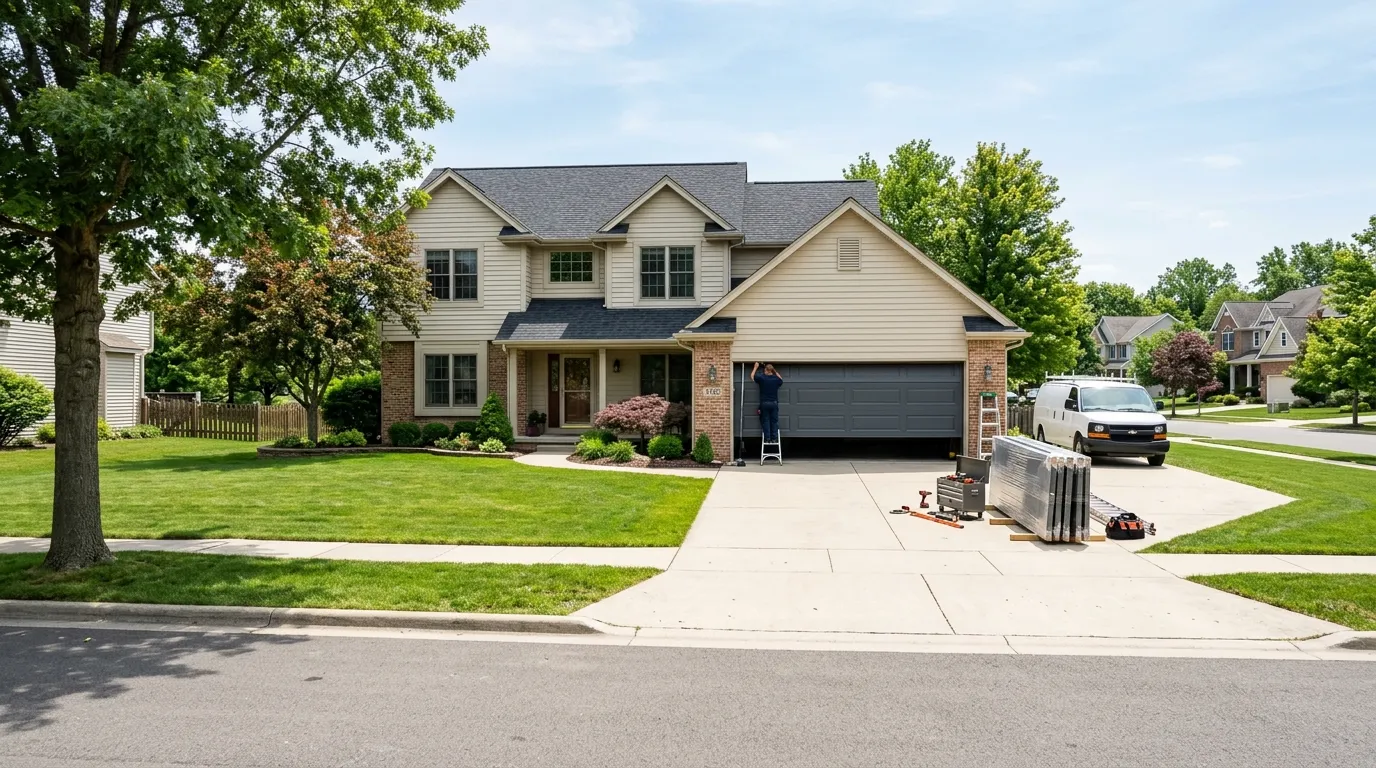
Glendale Heights has roughly 11,396 households, a modest slice of the 275,099 households across our full coverage area. Median household income here runs about $82,232, noticeably below the $103,561 median for the service area overall. That gap tends to show up in how people handle a broken door: more owners here ask us to fix what's on the wall - a new spring set, a repaired panel, a replaced roller - rather than jump straight to a full replacement, and for a lot of these 1978-era doors, that's a reasonable call as long as the track and frame are still square. It's not universal - some of these doors are far enough gone that a patch job just delays the same failure - but we'd rather look at the actual door than assume income numbers dictate the fix. The build year and the income figures together are why we walk in expecting a repair conversation first, not a sales pitch for a new door nobody asked for.