How We Get to You
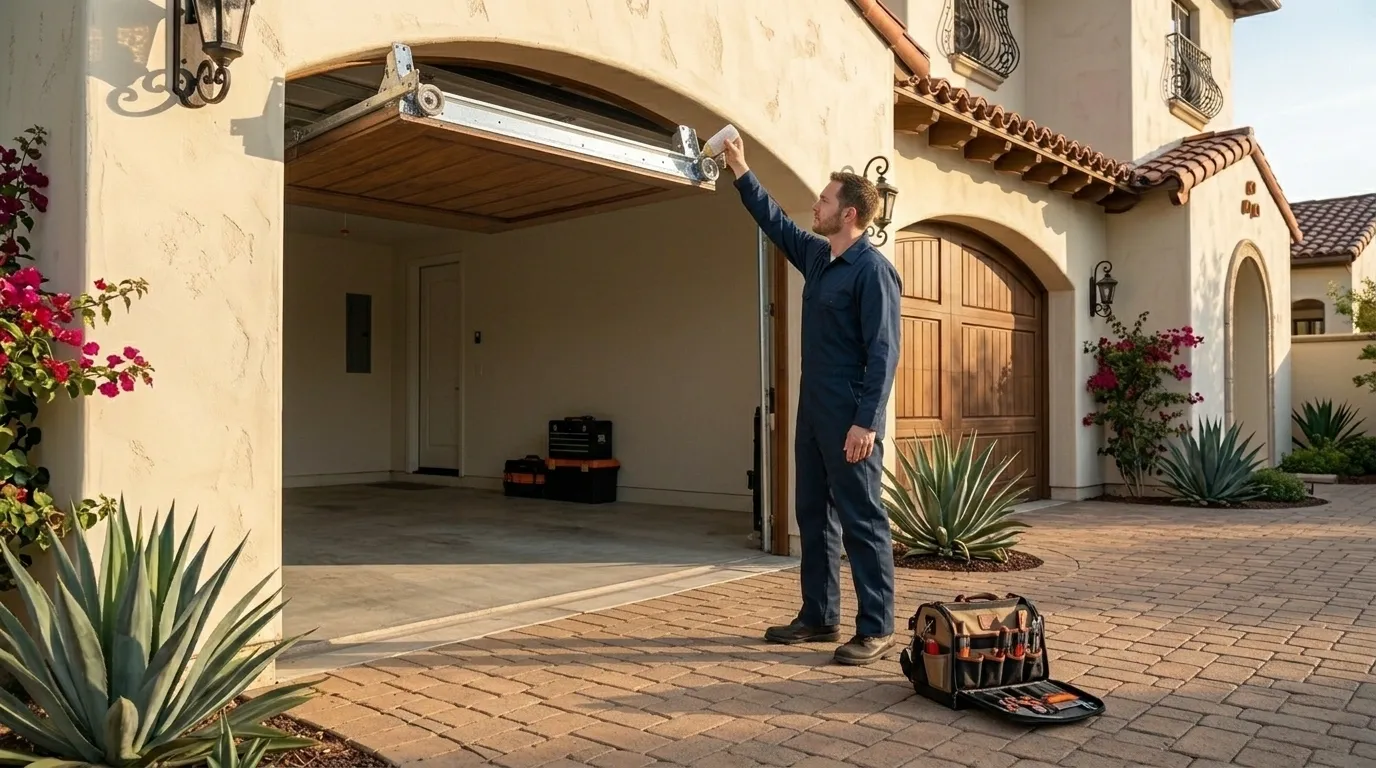
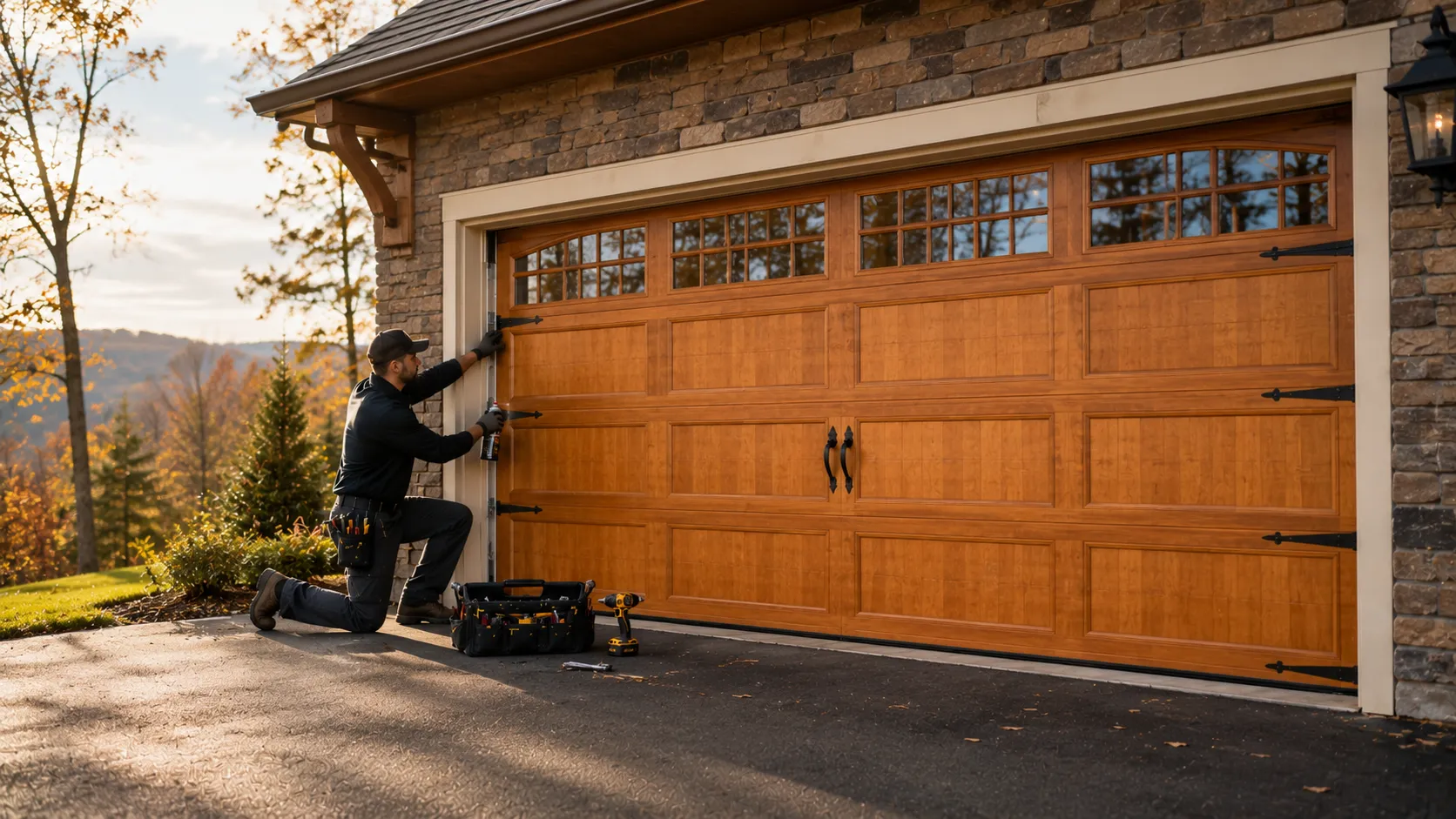
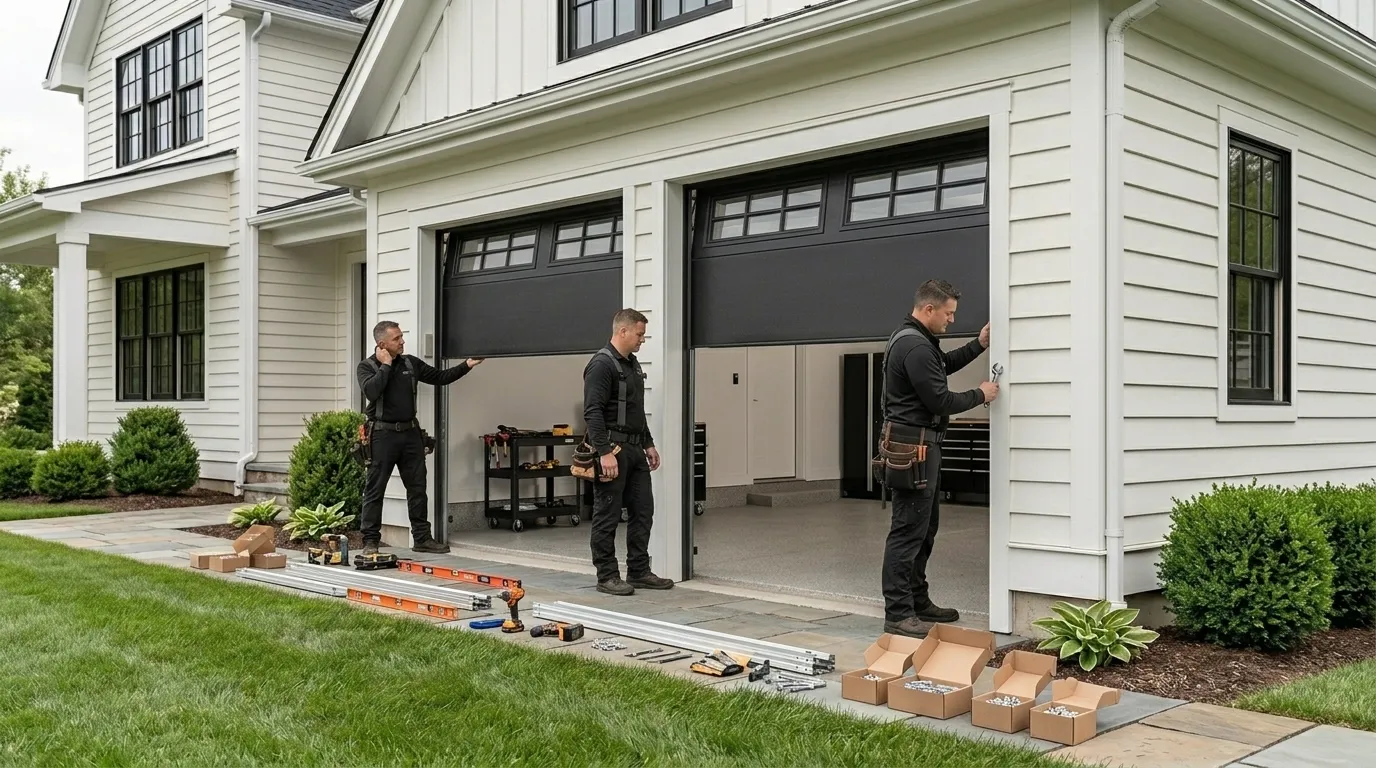
Golf sits about 6 miles from our shop in Northbrook, a straight run down through this stretch of the North Shore. We don't keep a depot in Golf itself, and we won't pretend otherwise - a truck comes out from Northbrook when you call. With only 199 households in the village, we're not driving past your door on some fixed daily route the way we might in a bigger town. The truck comes because you called, loaded for the job you described.
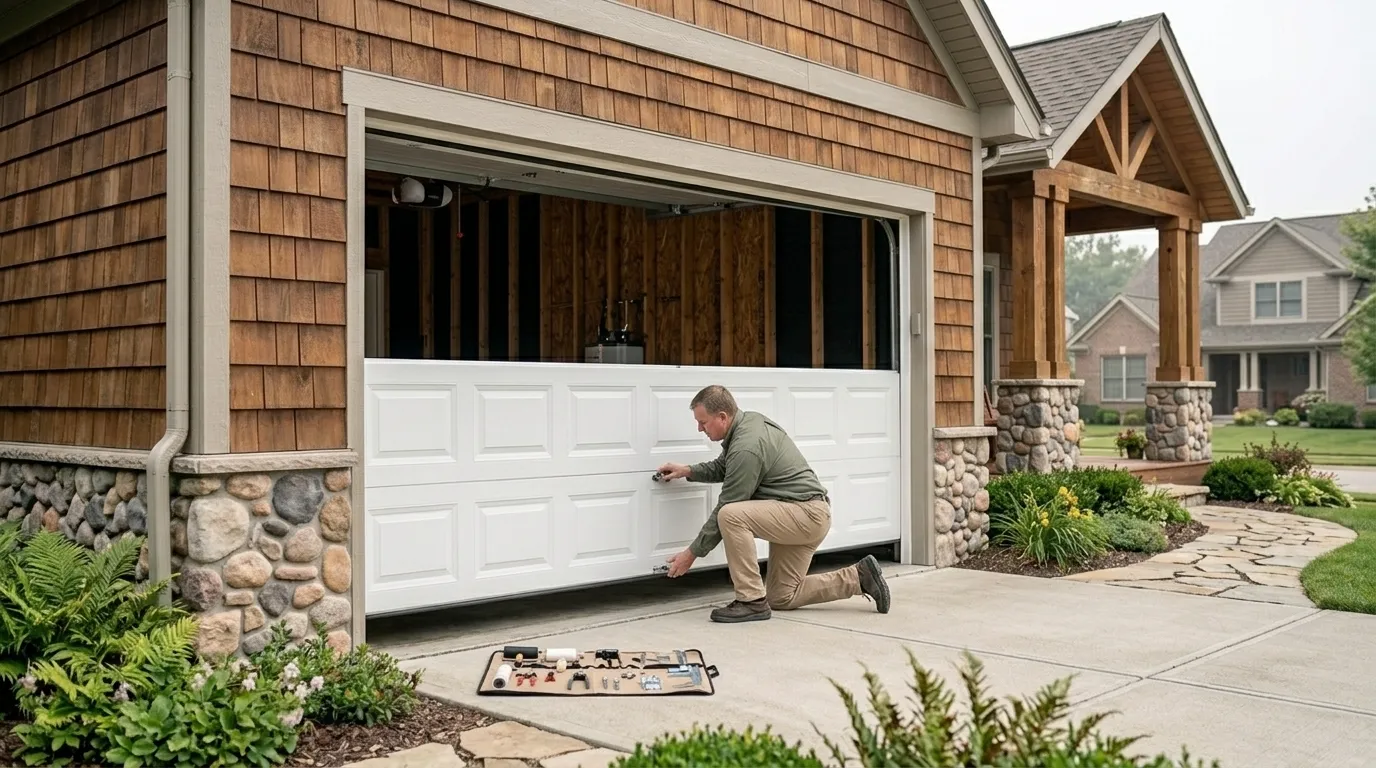
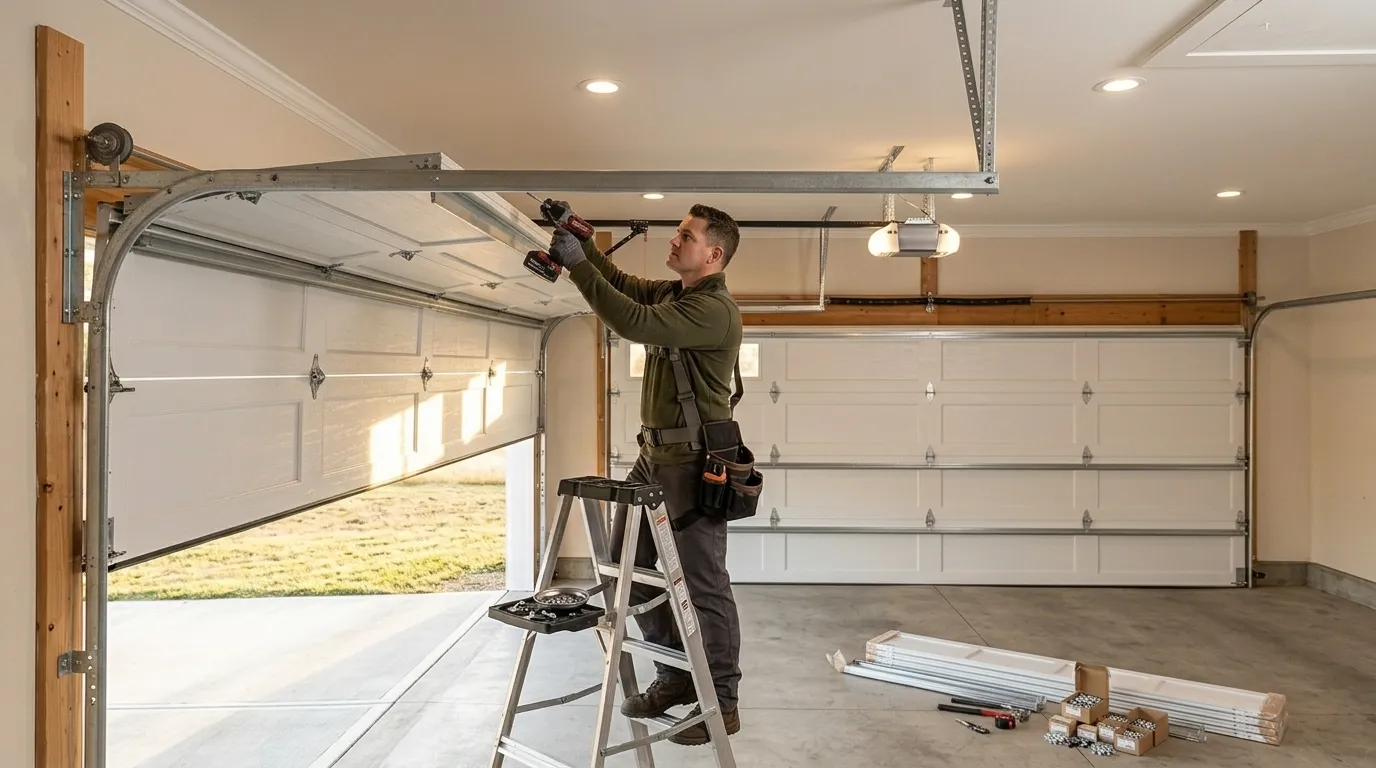
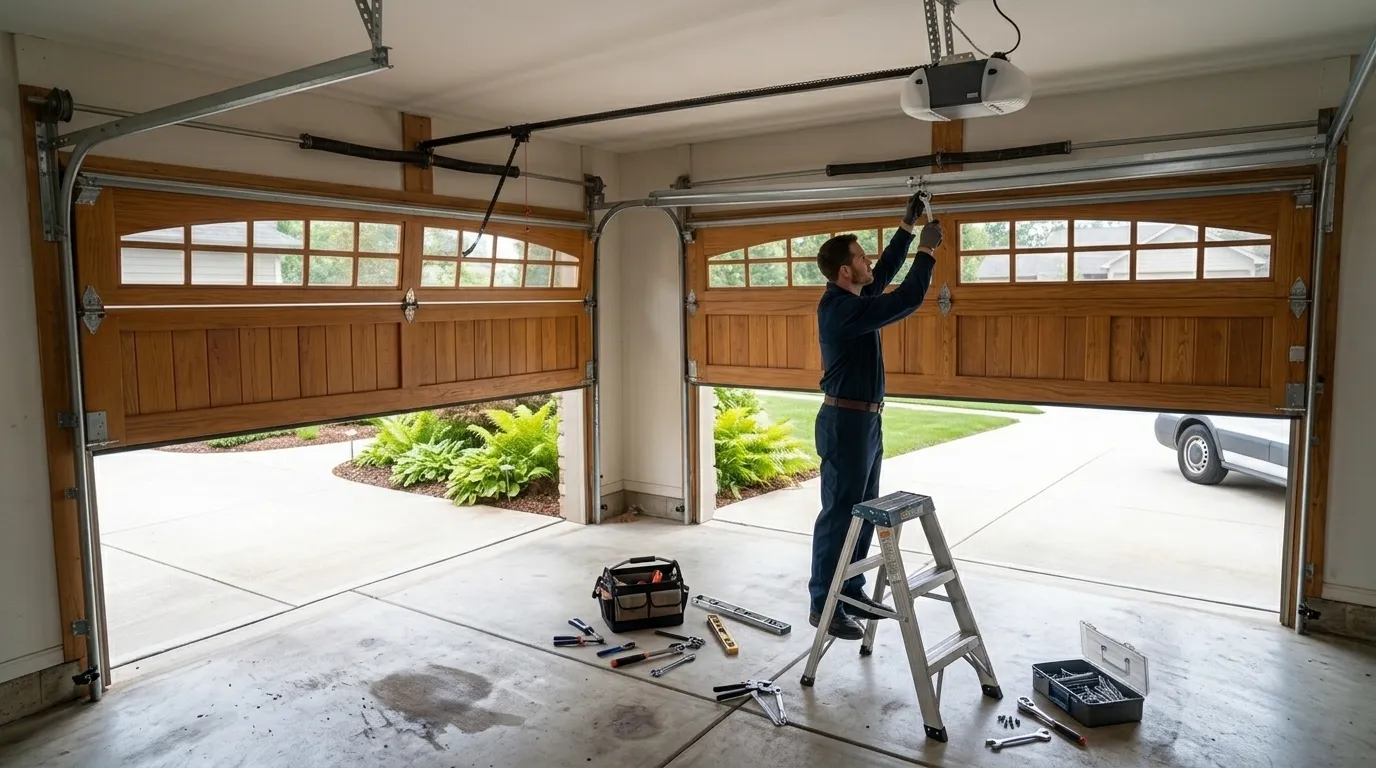
That distance matters less for the work itself and more for how we plan the visit - we bring the springs, cables, and rollers sized for what's actually on the house, based on what you tell us on the phone, rather than guessing at a common stock size. Golf is small enough that most of what we see repeats: similar builders, similar decades, similar failures. That's useful. It means when you describe the noise your door is making, we usually already know what's likely wrong before the truck leaves Northbrook.
What That Means for Doors
The median home in Golf was built around 1965, which puts it square in the middle of the broader area's 1938-1996 build range, but this village leans older than a lot of the 61 communities we cover. A door from that era usually means a lighter steel or wood panel door, torsion or extension spring hardware that's been replaced at least once by now, and openers that have likely been swapped out entirely since the house was built.
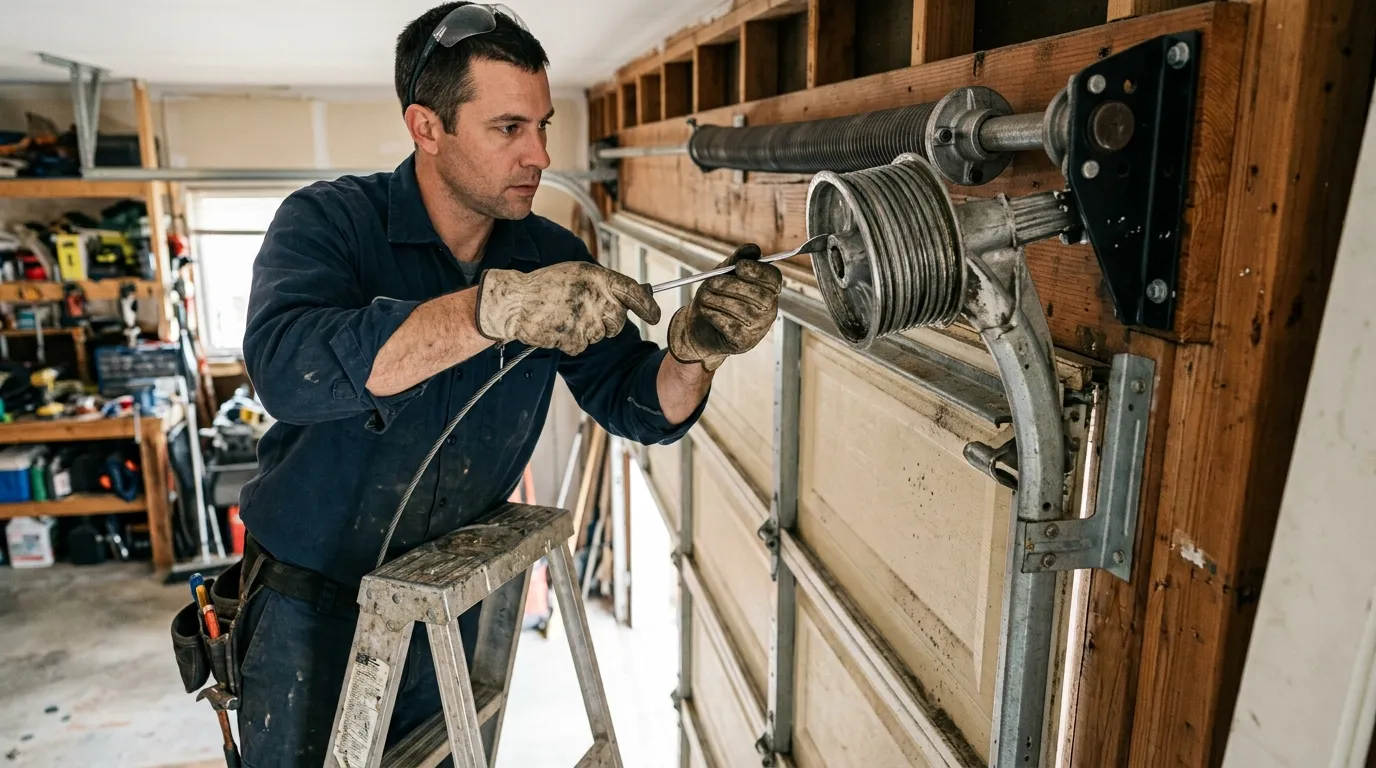
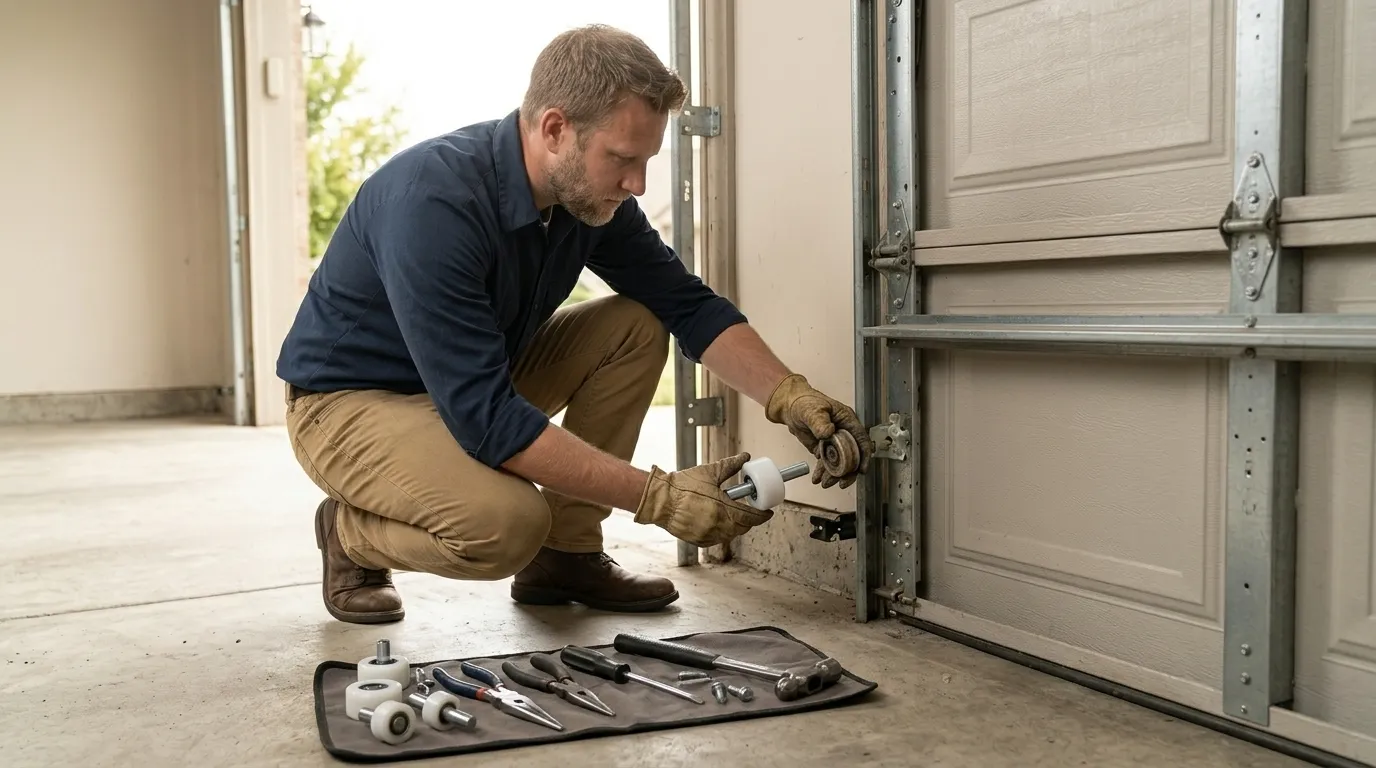
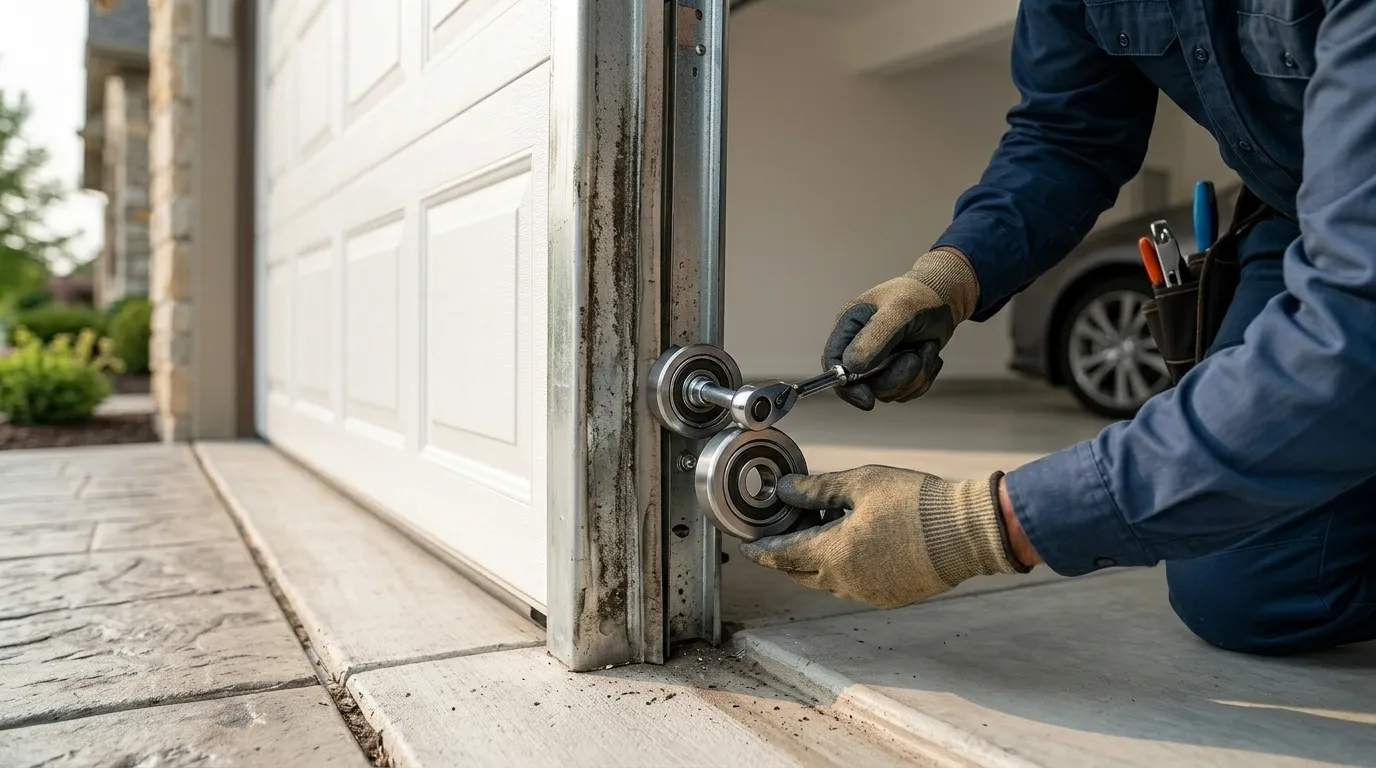
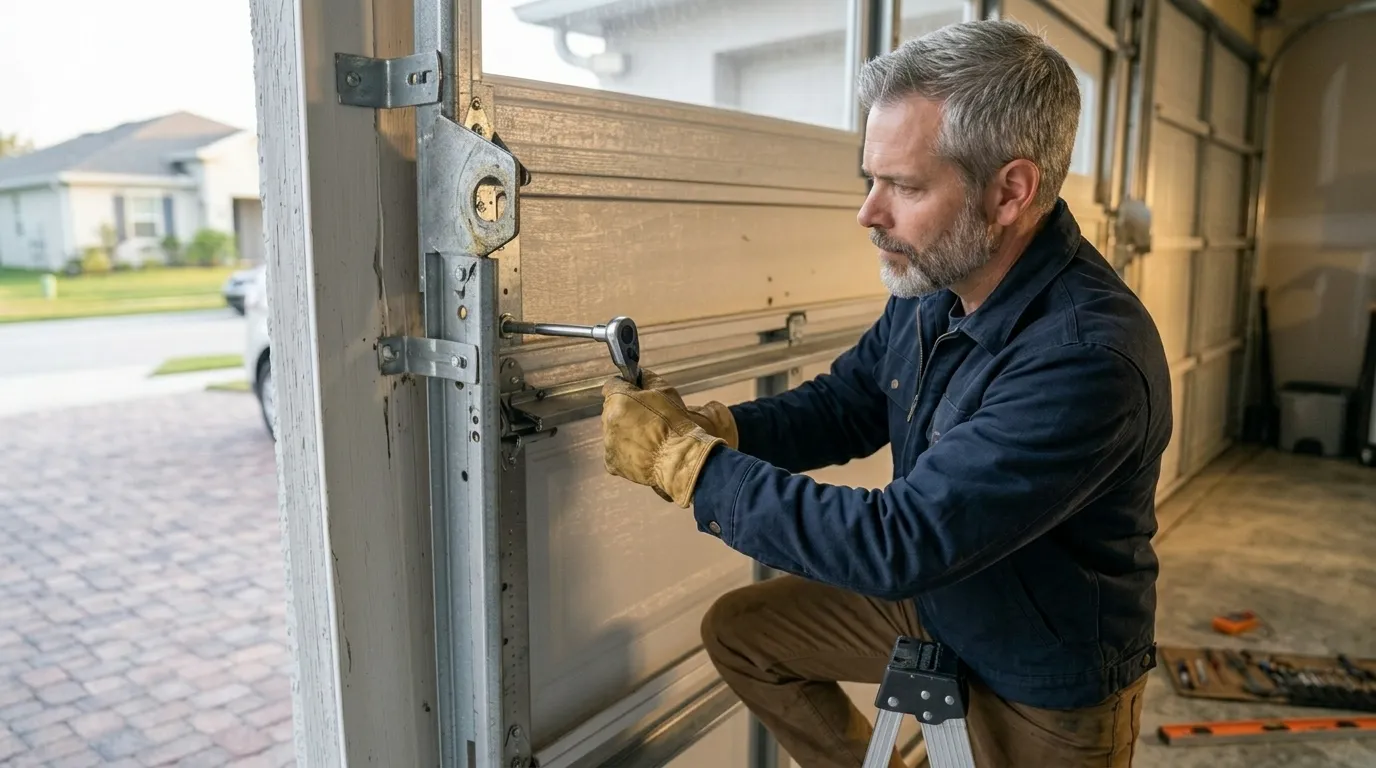
What we watch for on these houses: springs sized for a lighter original door but now paired with a heavier retrofit panel, older track that's been re-hung slightly off plumb over sixty years of settling, and roller brackets original enough that the mounting holes have worn oblong. None of that is a Golf-specific mystery - it's what happens to any door of that vintage - but the concentration of 1960s builds in this particular village means we see it more often here than in newer pockets nearby.
What Was Built Here
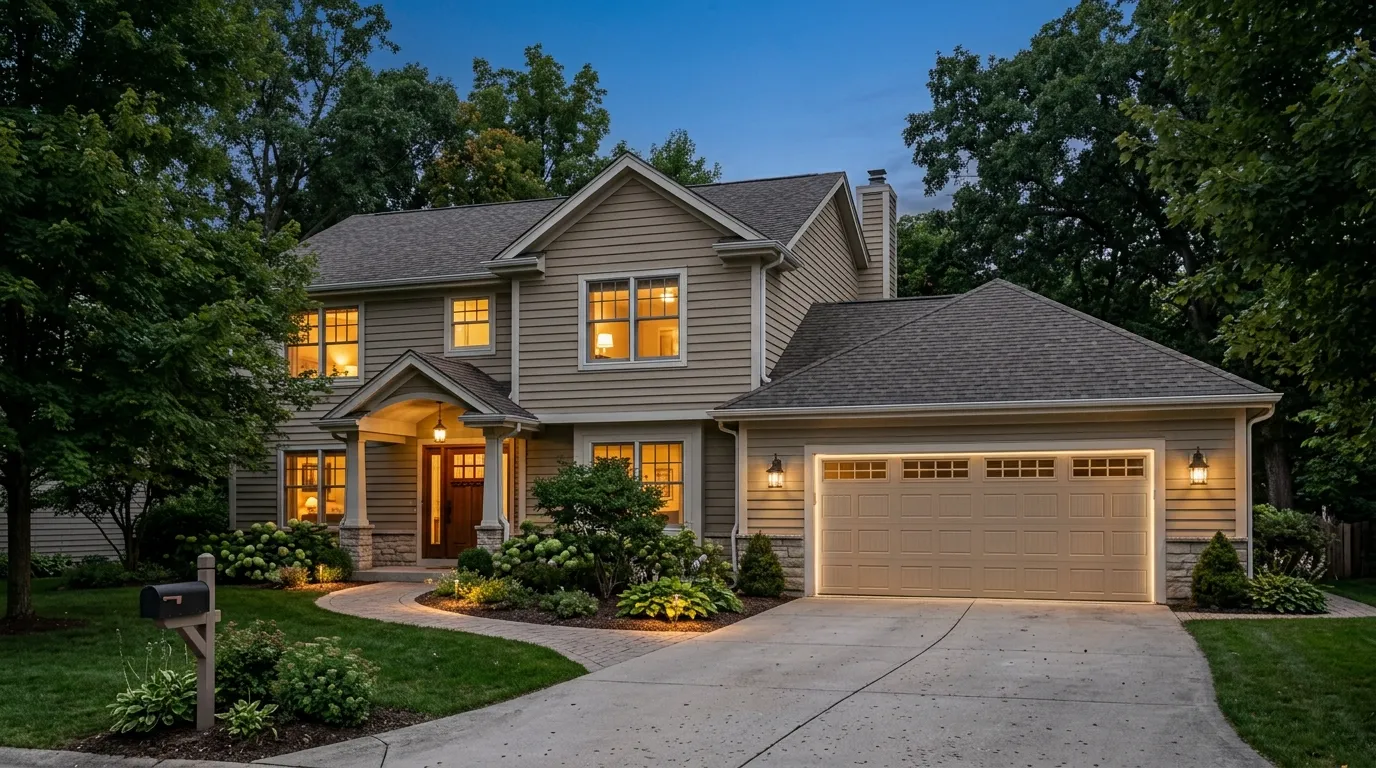
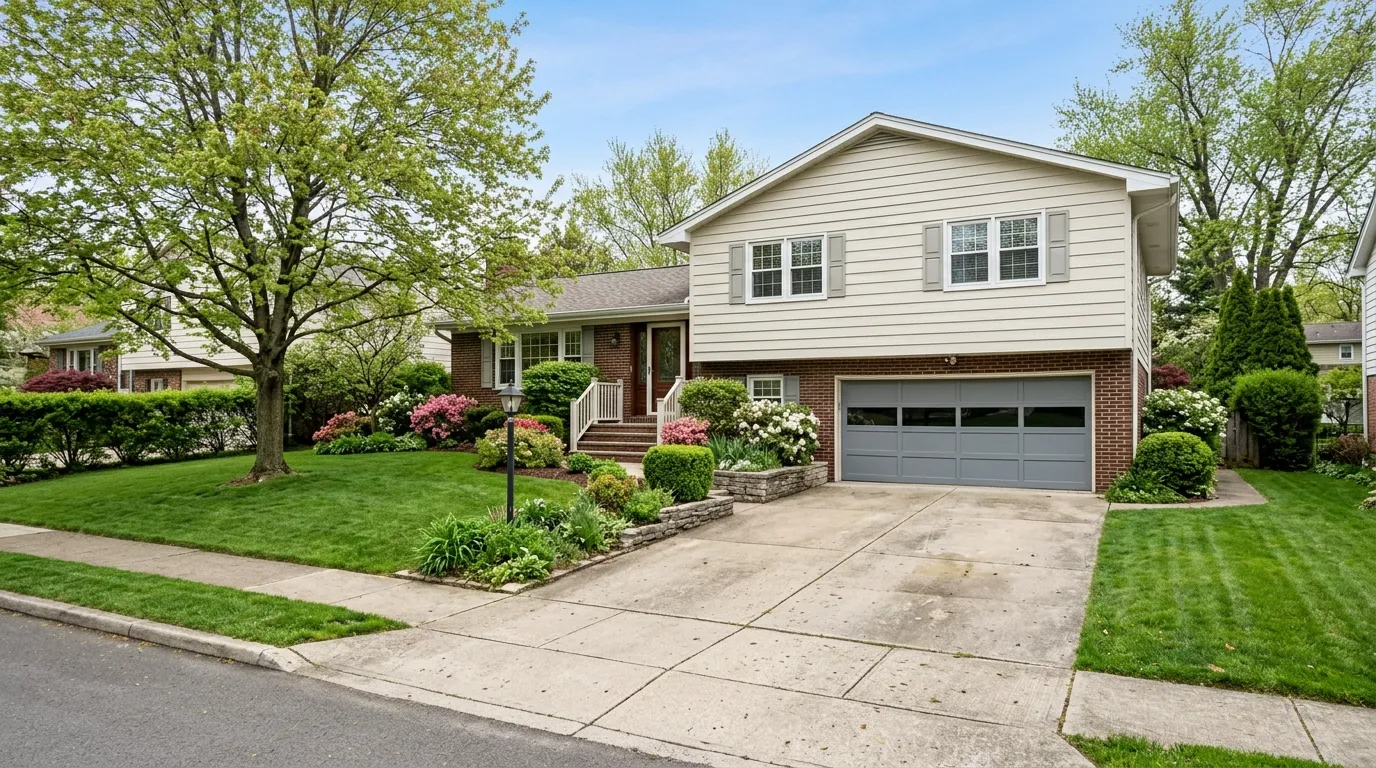
Golf is a small village - around 199 households - with a median income well above the wider area's $103,561, and homes here tend to be well kept for their age. A median build year of 1965 means most of the housing stock predates a lot of the opener technology homeowners now expect, so we run into plenty of original torsion setups paired with openers added decades later.
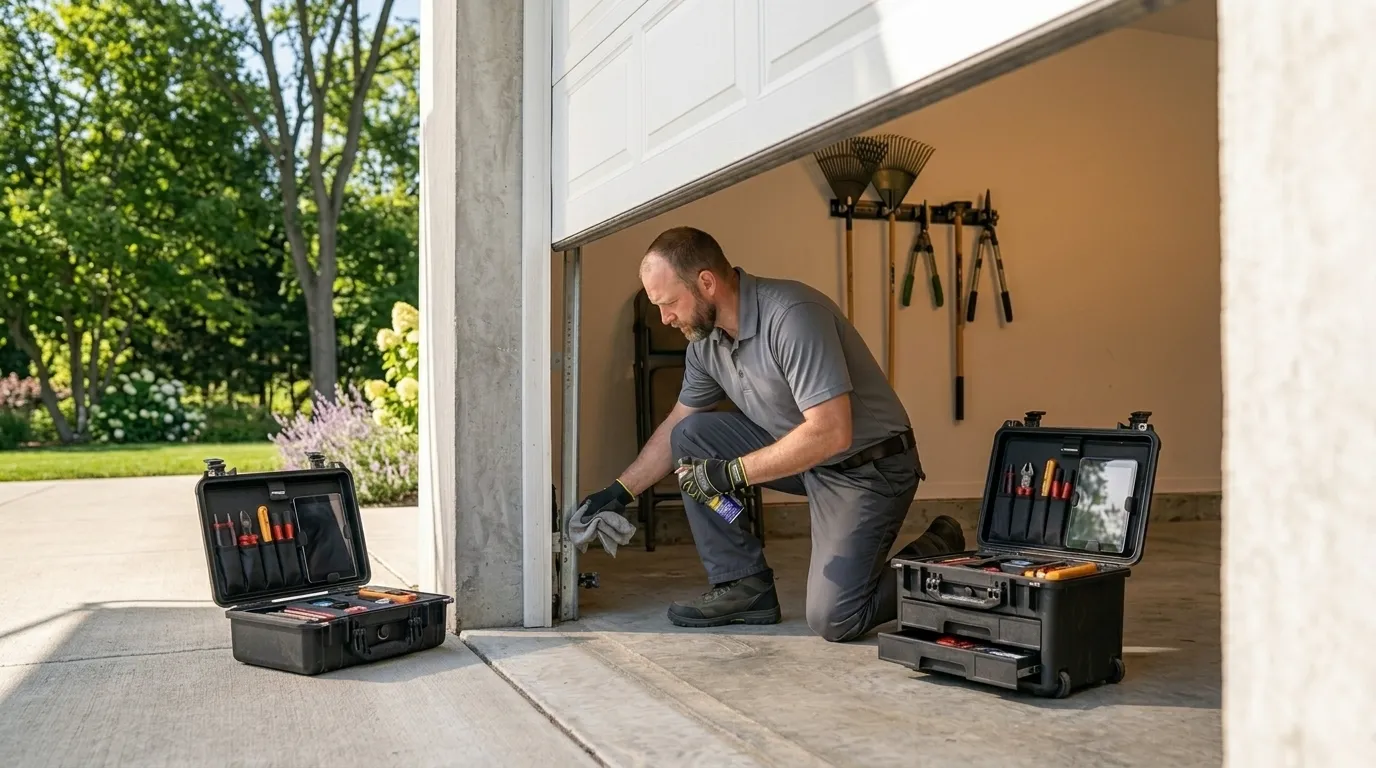
The area sits in a cold-moderate climate band, which over sixty winters means steel doors that have seen a lot of freeze-thaw cycling at the bottom seal and track. That's not dramatic, just steady wear - bottom brackets rust slightly, weatherstrip channels crack, and springs lose tension a little faster than the manufacturer's chart would suggest for a door this age. None of it is unique to Golf, but the age of the stock here means we see it on a higher share of calls than in newer-built areas nearby.