How We Get to You
Grayslake sits about 18 miles from our shop in Northbrook, which puts it toward the far edge of the ground we cover. We don't keep a second location out here and we're not going to pretend otherwise - every job in Grayslake means a truck making the drive from Northbrook, same as it does for the other towns on the outer ring of our service area.
What that means for you: we don't quote same-town response times we can't back up, and we don't claim a presence in Grayslake we don't have. We do run this route regularly enough to know what we're going to find before we get there, which comes down mostly to the age of the door and the hardware behind it.
If you're calling because a spring let go on a Sunday, be straight with yourself about the drive too - we'll tell you honestly whether it's worth waiting for a scheduled slot or whether the door is unsafe to leave as-is until then. We're not going to sell urgency we can't deliver on from 18 miles out.
What That Means for Doors
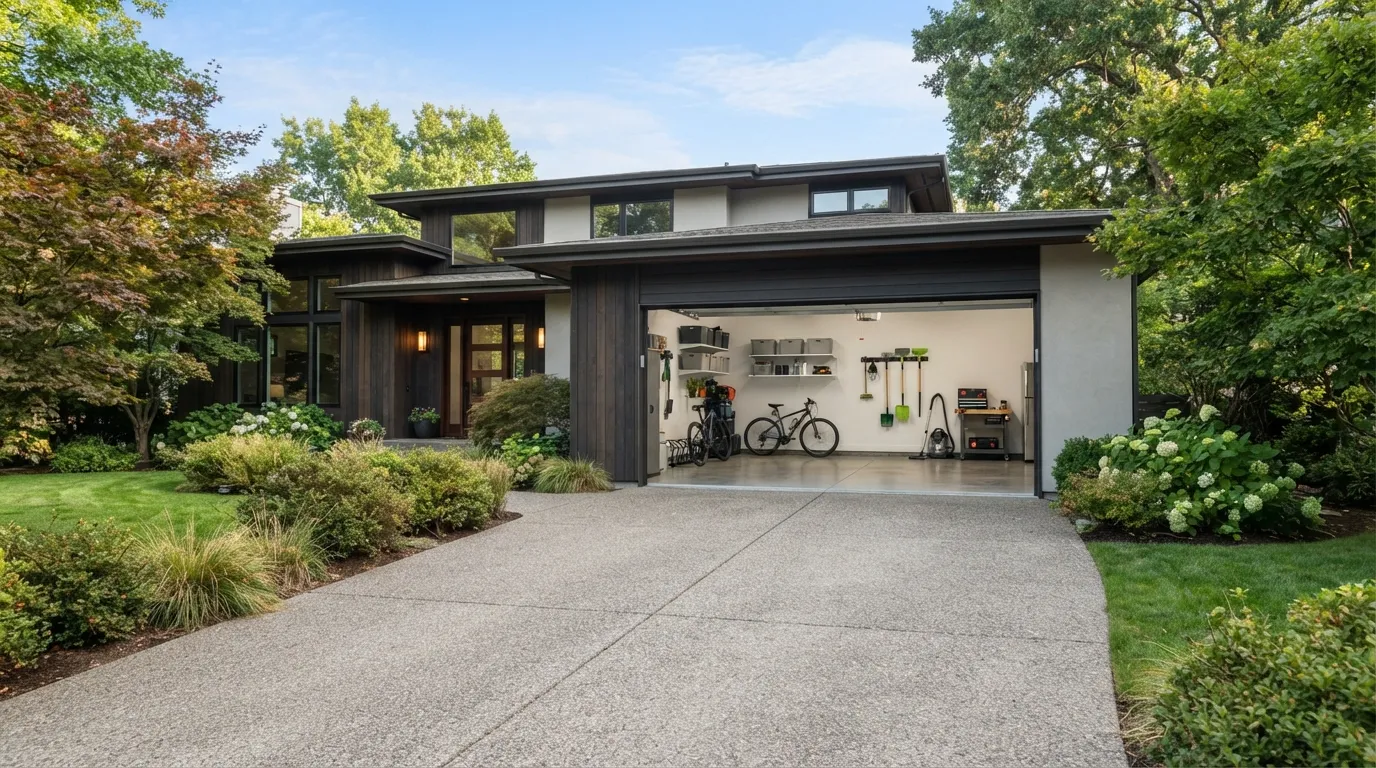
Grayslake's housing is noticeably younger than a lot of what we see closer to Northbrook. The median home here went up in 1994, two decades newer than the 1974 median across the wider service area, and well past the 1938 start of that area's build-out. That gap matters more than it sounds like it should.
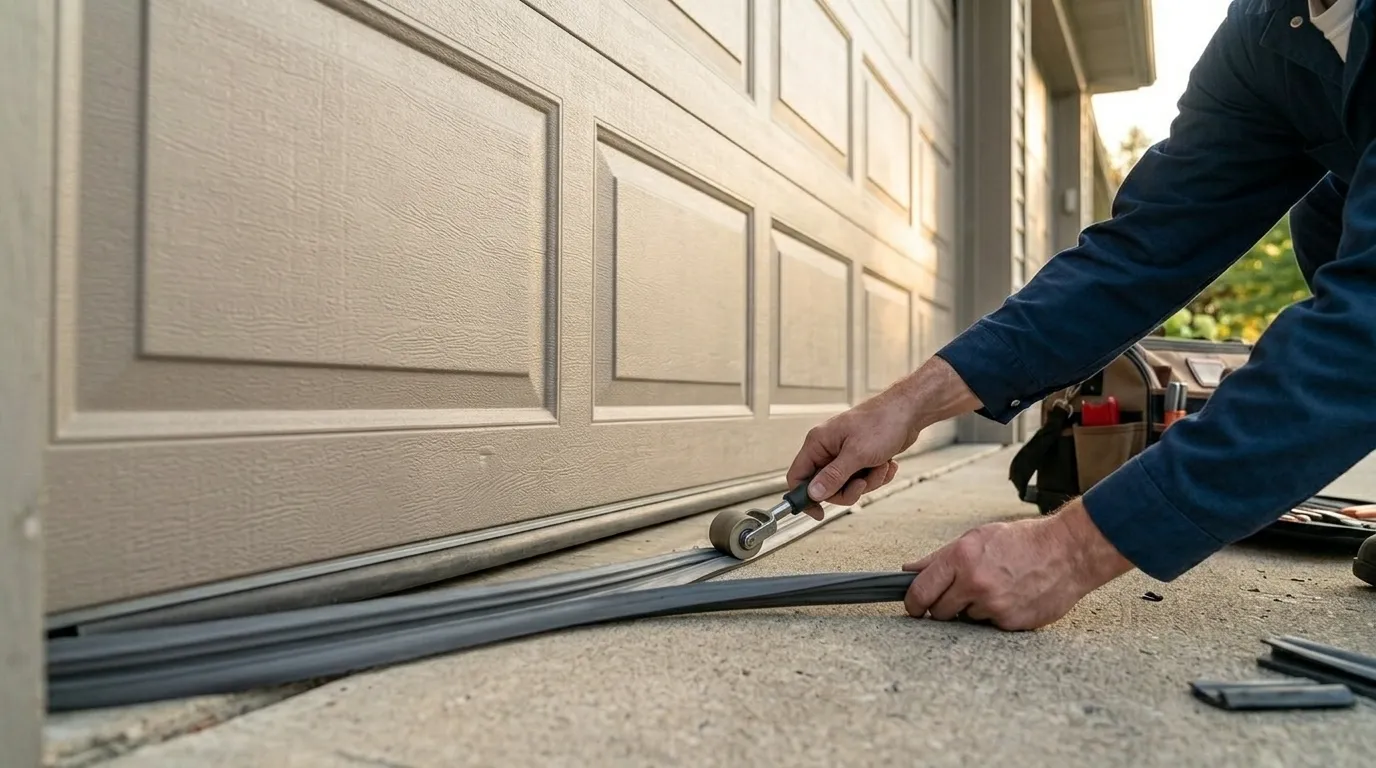
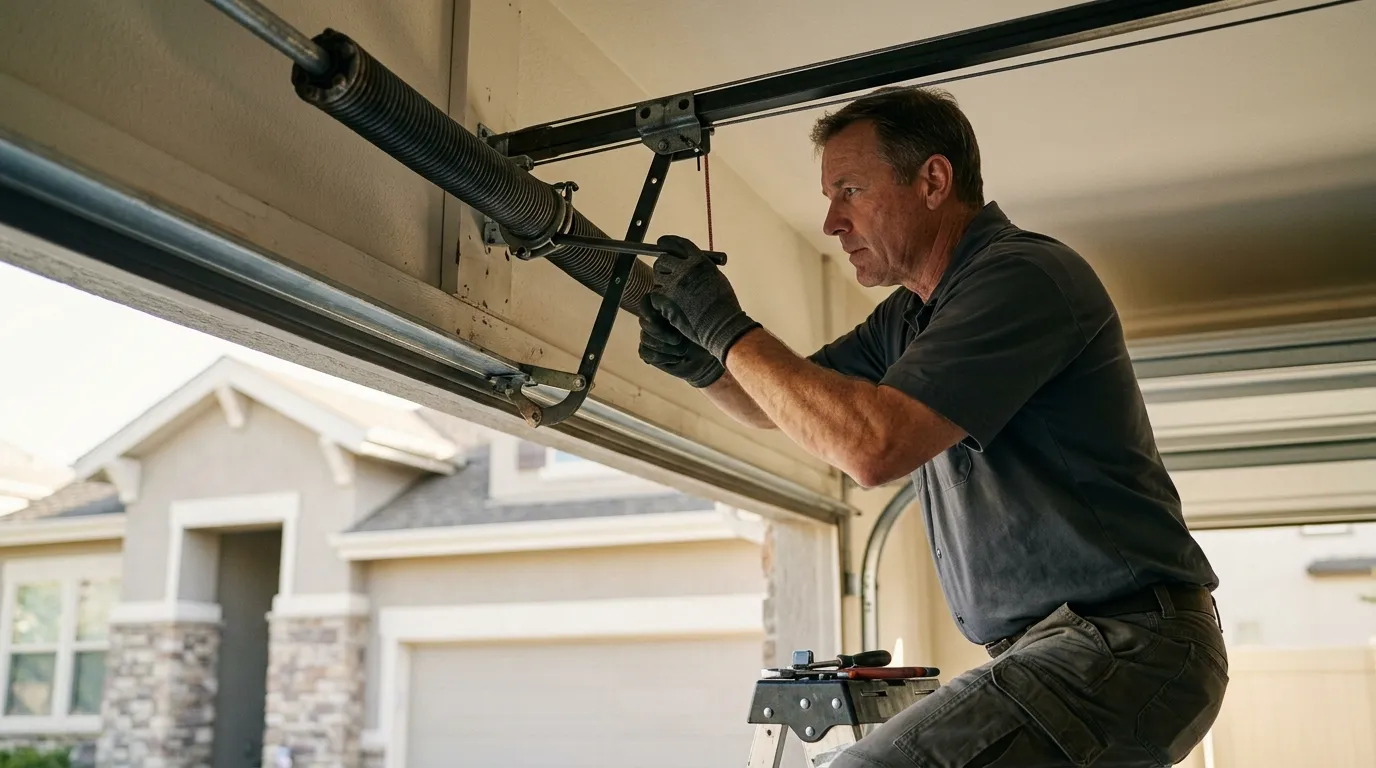
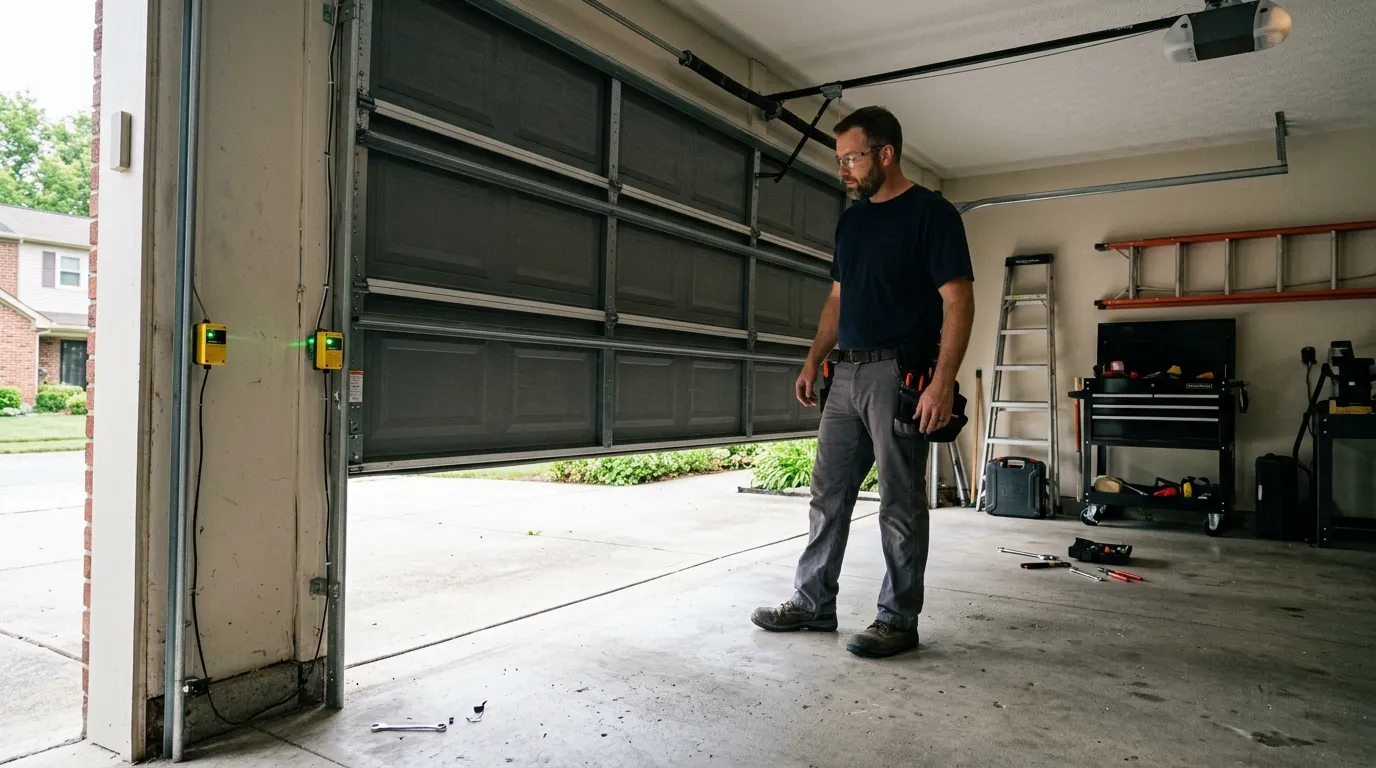
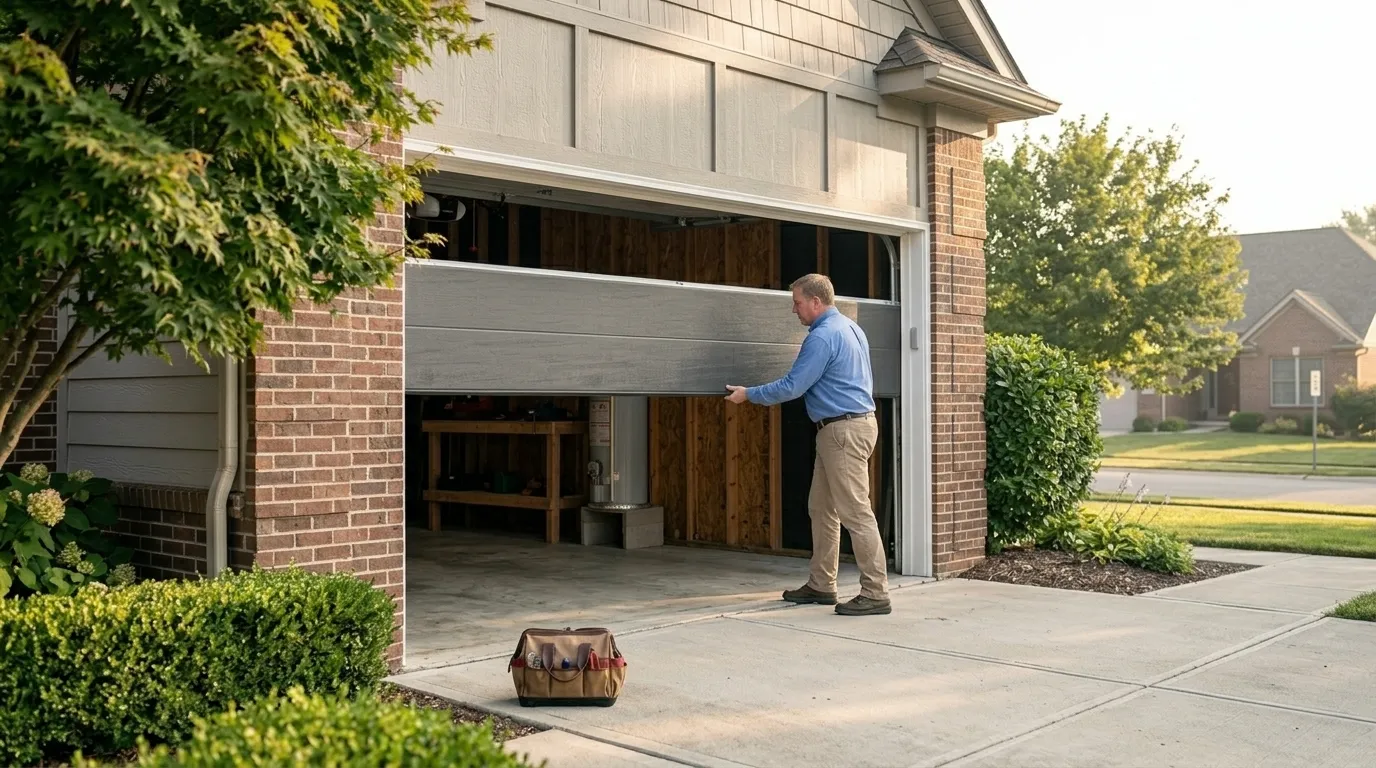
A door installed in the early-to-mid 1990s is almost always a steel sectional on torsion spring hardware, not the older single-piece or extension-spring setups you find on pre-1960s houses. Openers from that era typically got a rolling-code upgrade at some point, but the original circuit boards and logic units are long past their expected life. Weatherstripping and bottom seals from a 30-year-old install are usually shot, which matters more here than in a mild climate because a bad seal means a bad cold-air path straight into the garage.
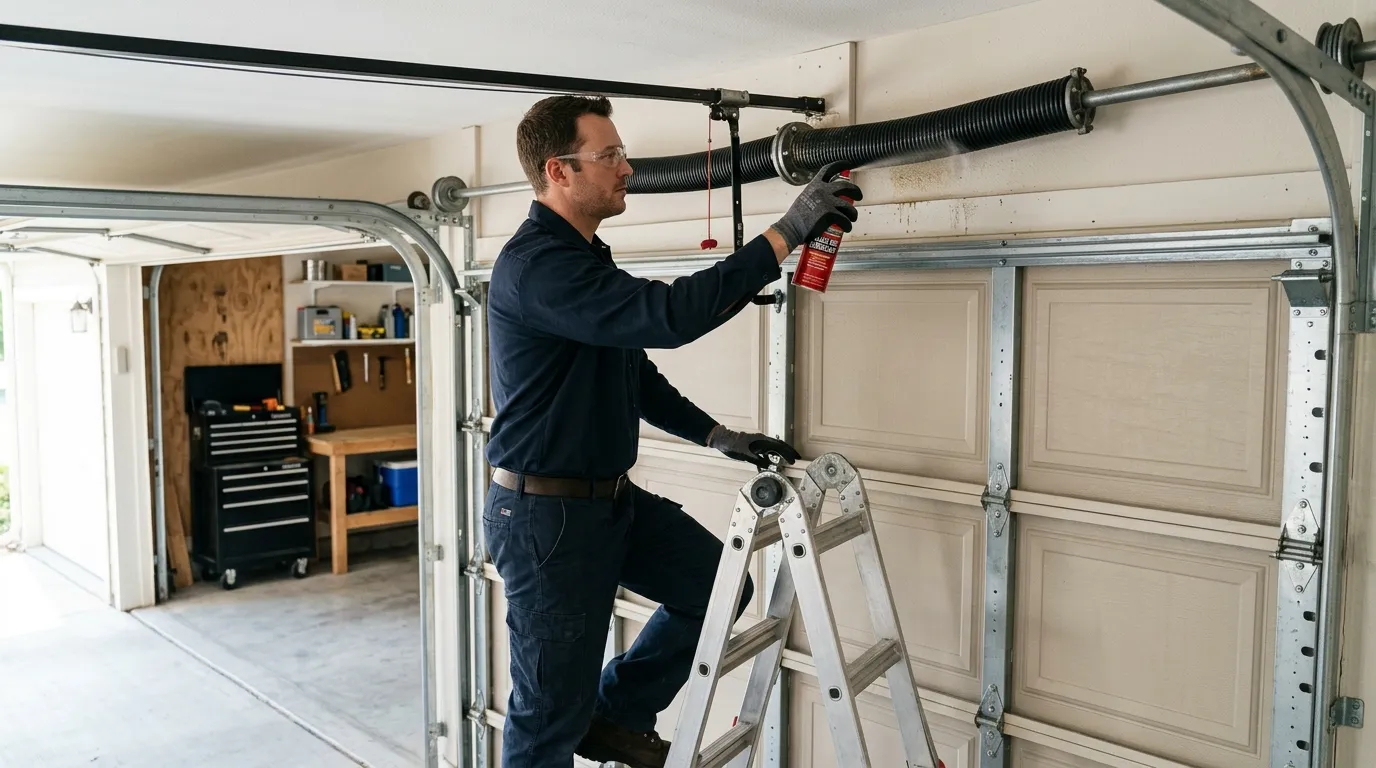
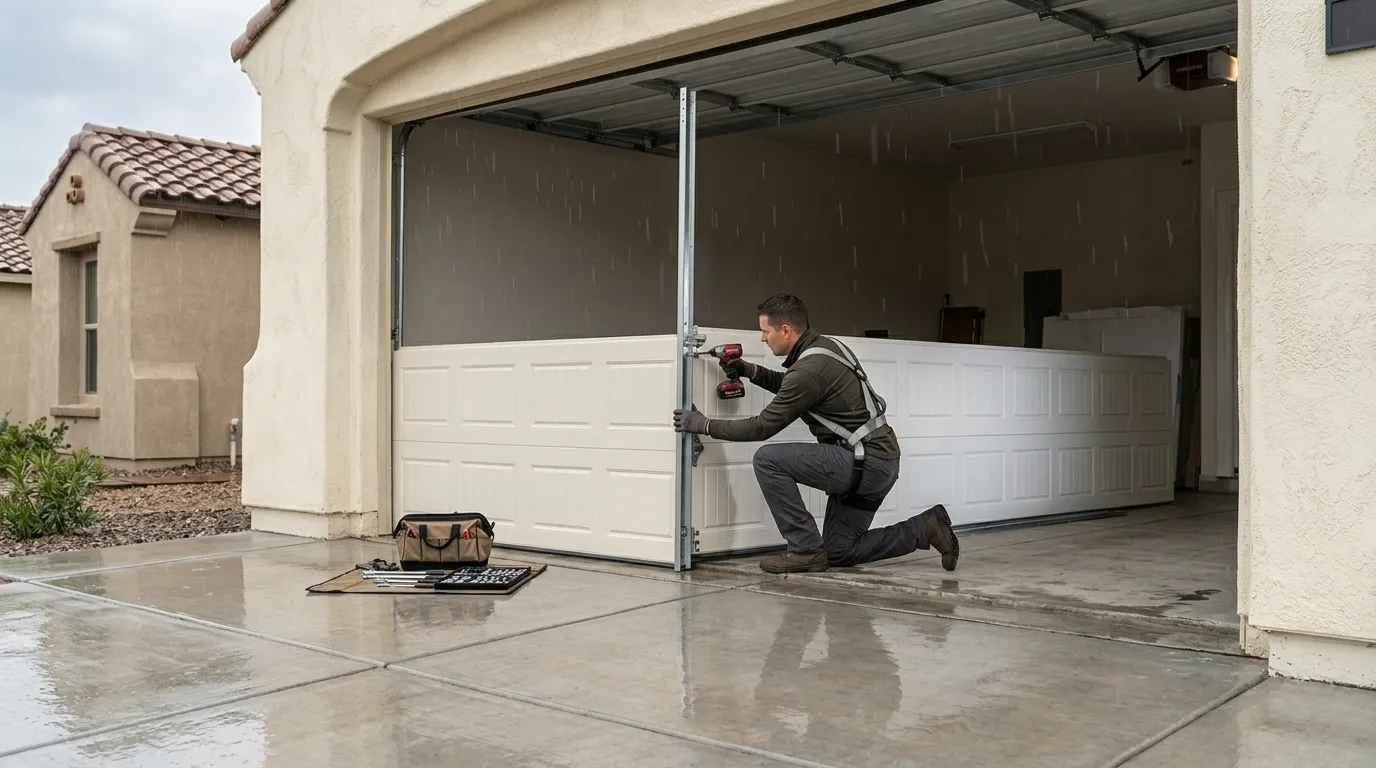
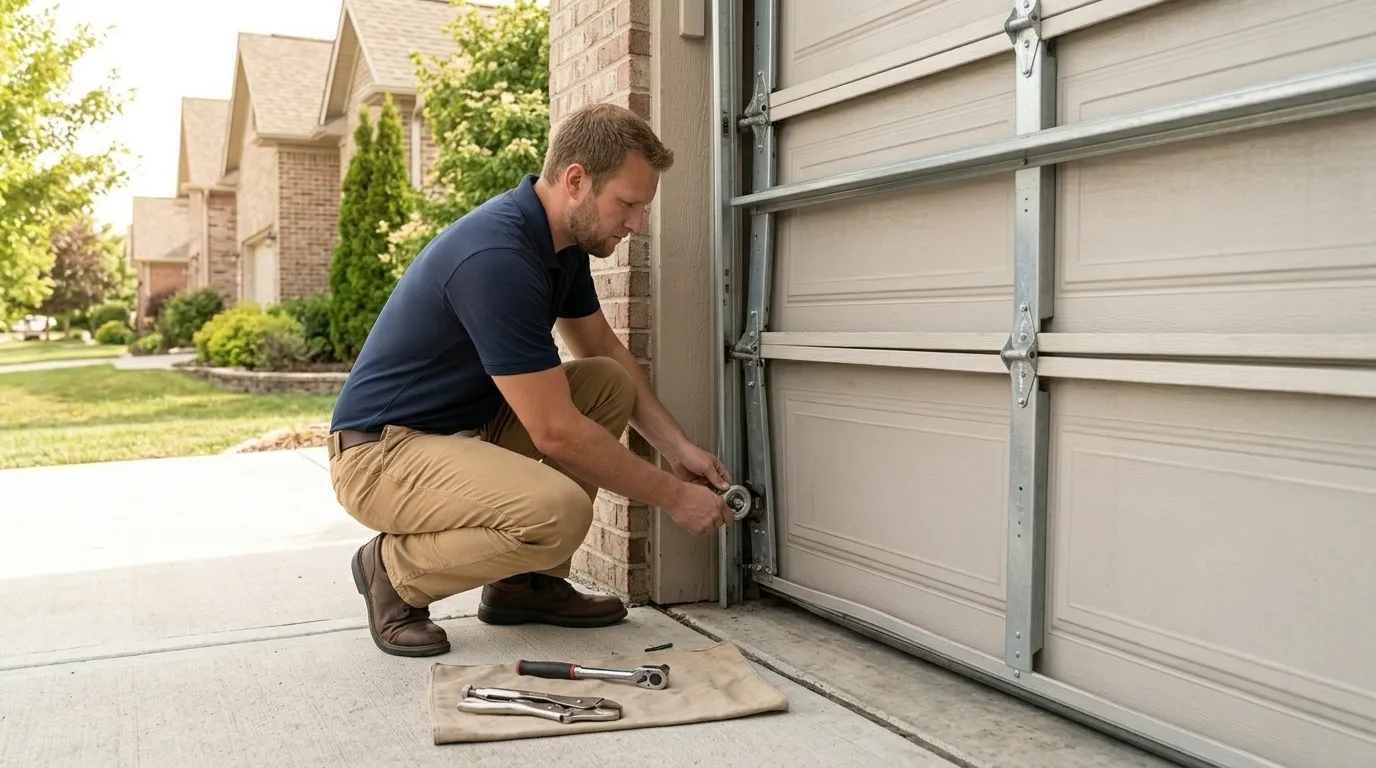
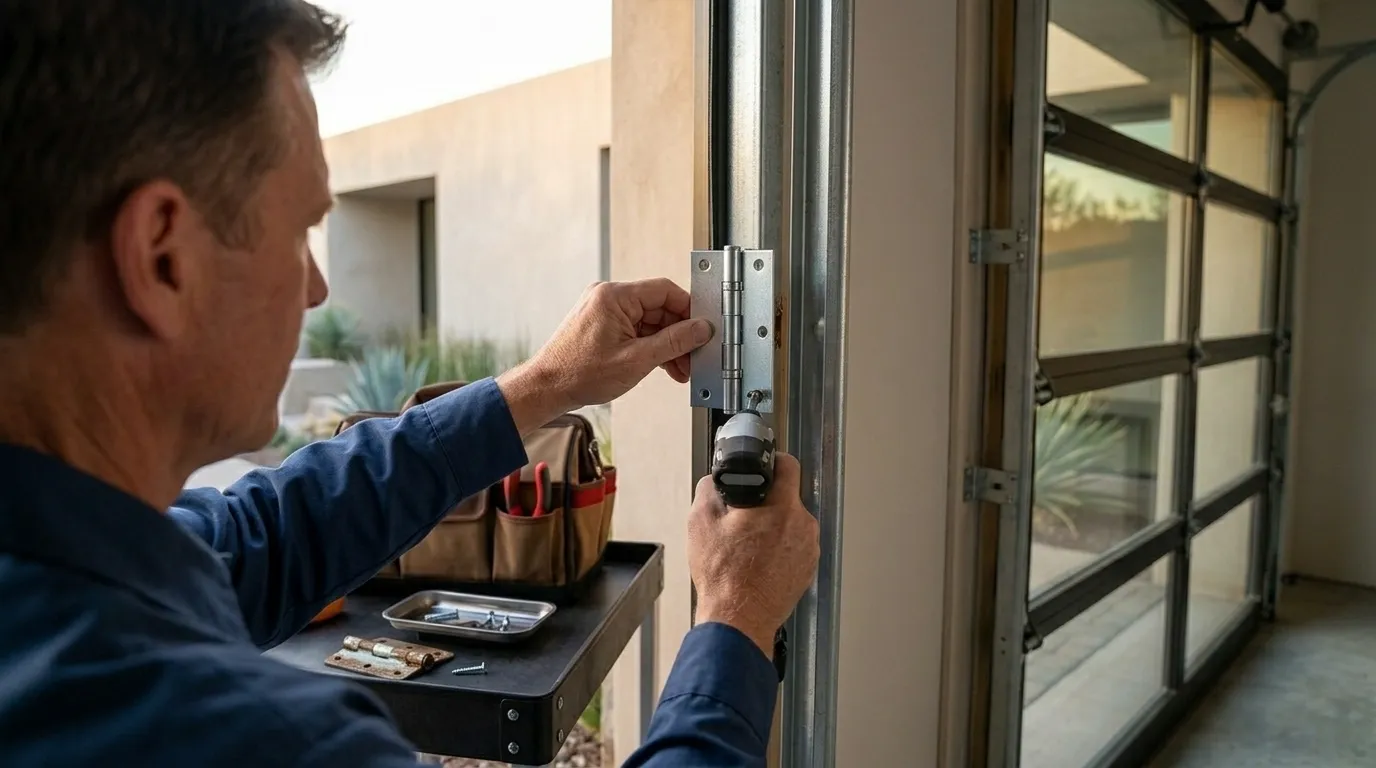
The common failure we expect to see in Grayslake isn't a rotted-out wood panel or a door that's structurally too old to save - it's fatigue failure in torsion springs and worn rollers on hardware that's simply reached the end of its rated cycle count. That's a different repair conversation than we'd have on an older door, and usually a cheaper one.
What Was Built Here
The wider area we cover spans houses built between 1938 and 1996 with a median around 1974, but Grayslake sits well to the newer end of that, with a median build year of 1994. With about 7,939 households in town, this is a smaller, notably younger pocket compared to a lot of what surrounds it.
Median household income here runs about $113,697, higher than the $103,561 median across the broader service area - which tends to track with newer construction and, often, upgraded openers and insulated doors rather than bare steel panels.
The practical upshot for a homeowner here: your door is old enough now to be failing on fatigue - springs, rollers, cable fraying at the drum - but young enough that a full teardown-and-rebuild for structural reasons is rare. Most of what we see in a town built out around this era is a hardware-and-seal job, not a full door replacement, and we'll tell you plainly when a repair isn't worth it and replacement makes more sense, but that's less common on stock this age than on the older housing closer to Northbrook.