How We Get to You
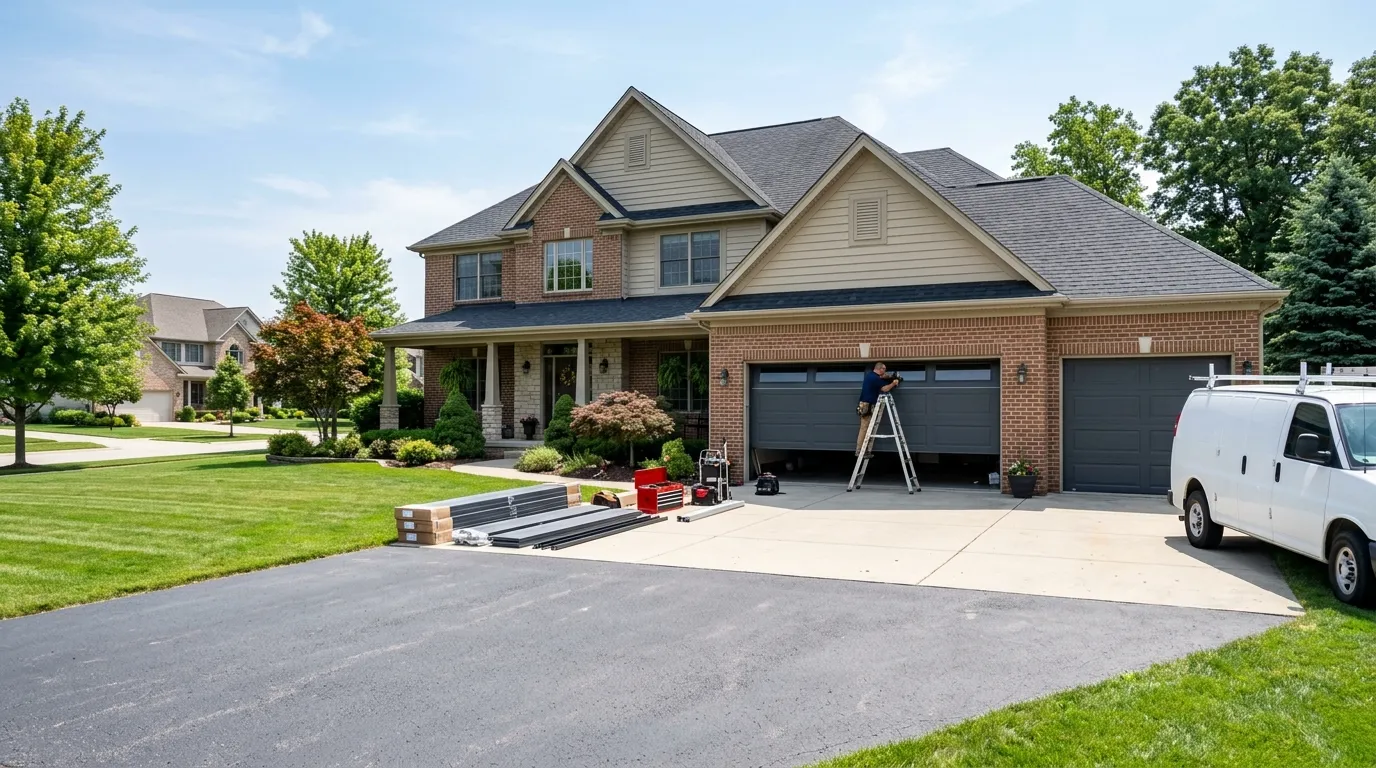
We run out of Northbrook, and Green Oaks sits about 12 miles from that shop, out past Long Grove and Kildeer on the way. It's not a stop we make on every route of the day, so we schedule the drive rather than promise a same-hour arrival. That's the honest version: no depot here, no truck parked around the corner, just a crew that comes when the job is booked. Across the wider service area we cover 61 named communities, and Green Oaks is one of the smaller ones by household count - about 1,581 households, well under what you'd find in the older, denser suburbs closer to the shop. Fewer houses on a fewer number of streets means less day-to-day traffic for us here, but the same crew and the same parts truck handle it as anywhere else on the list. When you call, tell us Green Oaks specifically - it helps us route the day and quote the drive time honestly instead of guessing.
What That Means for Doors
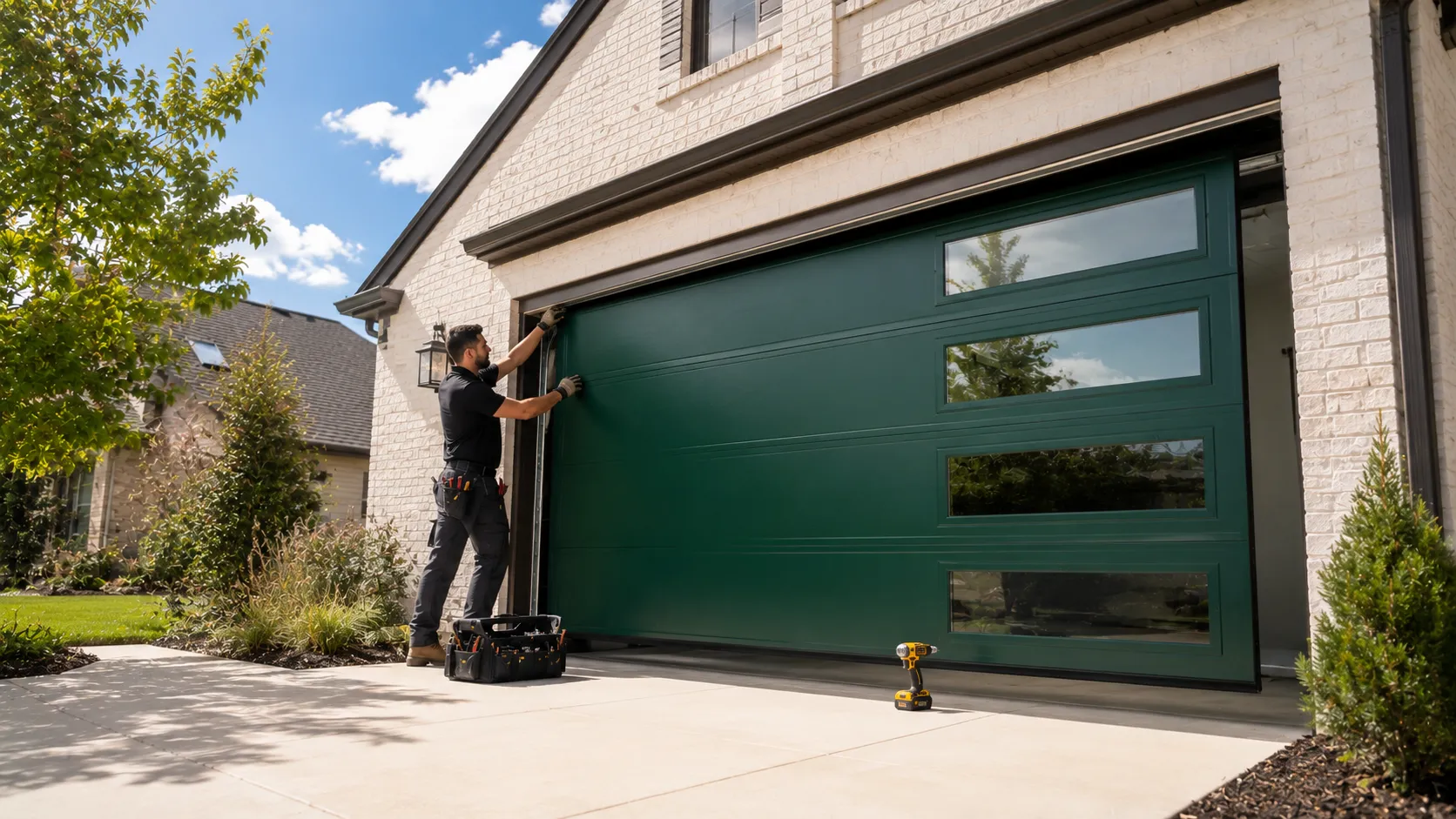
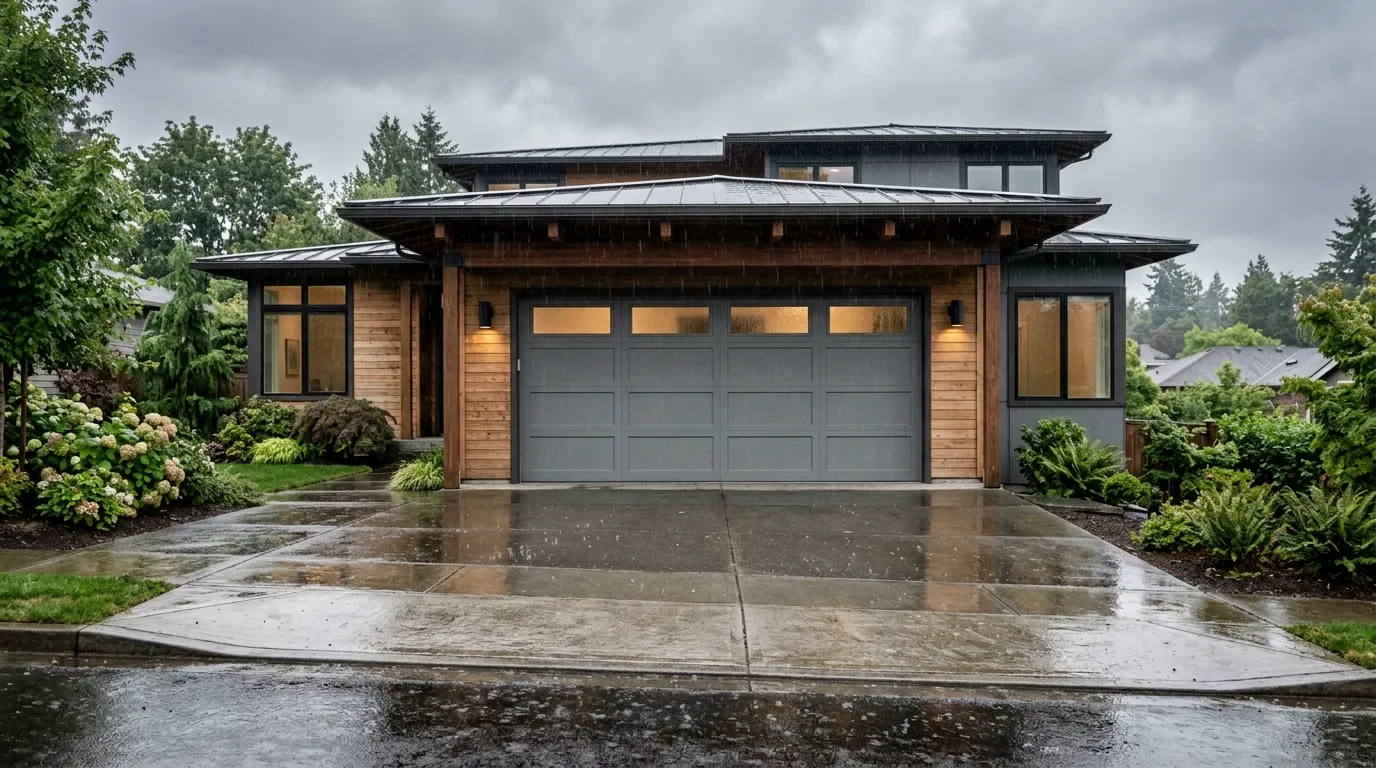
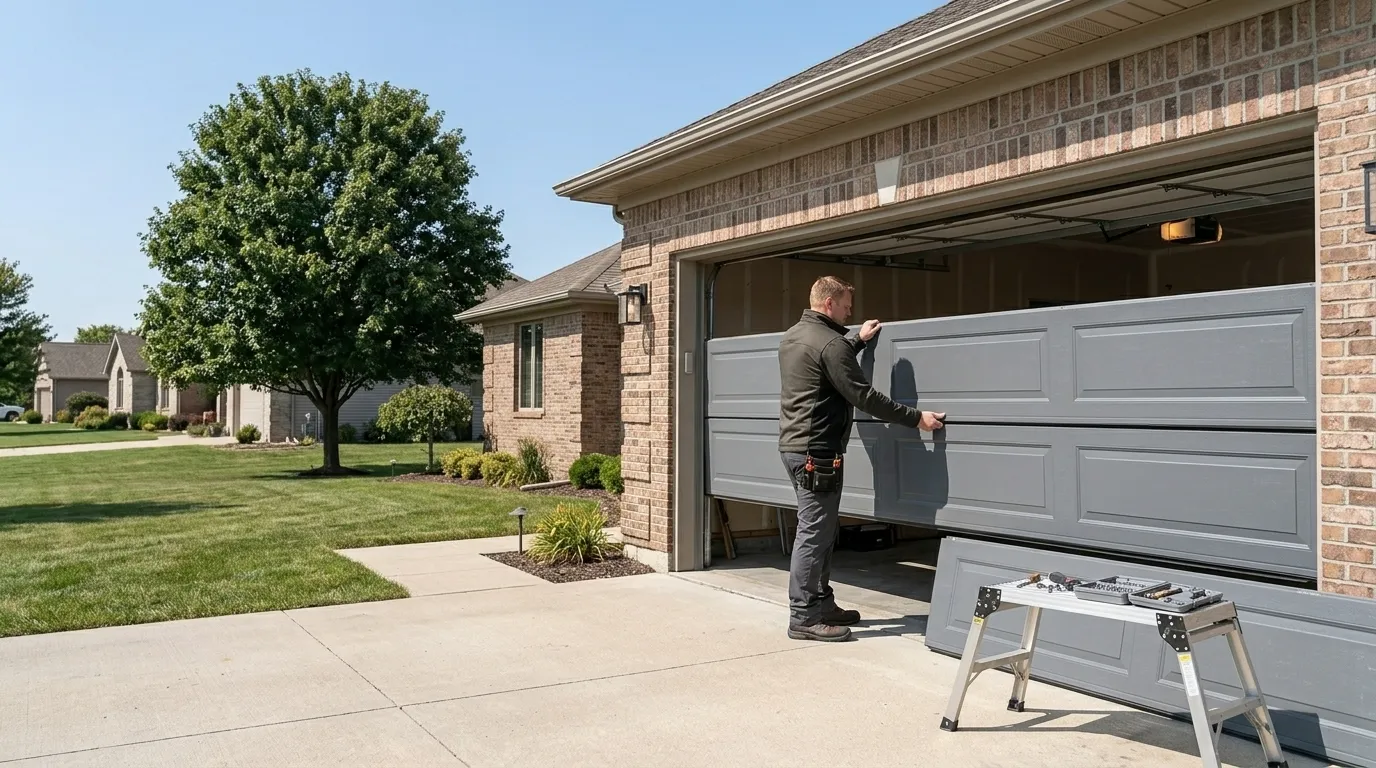
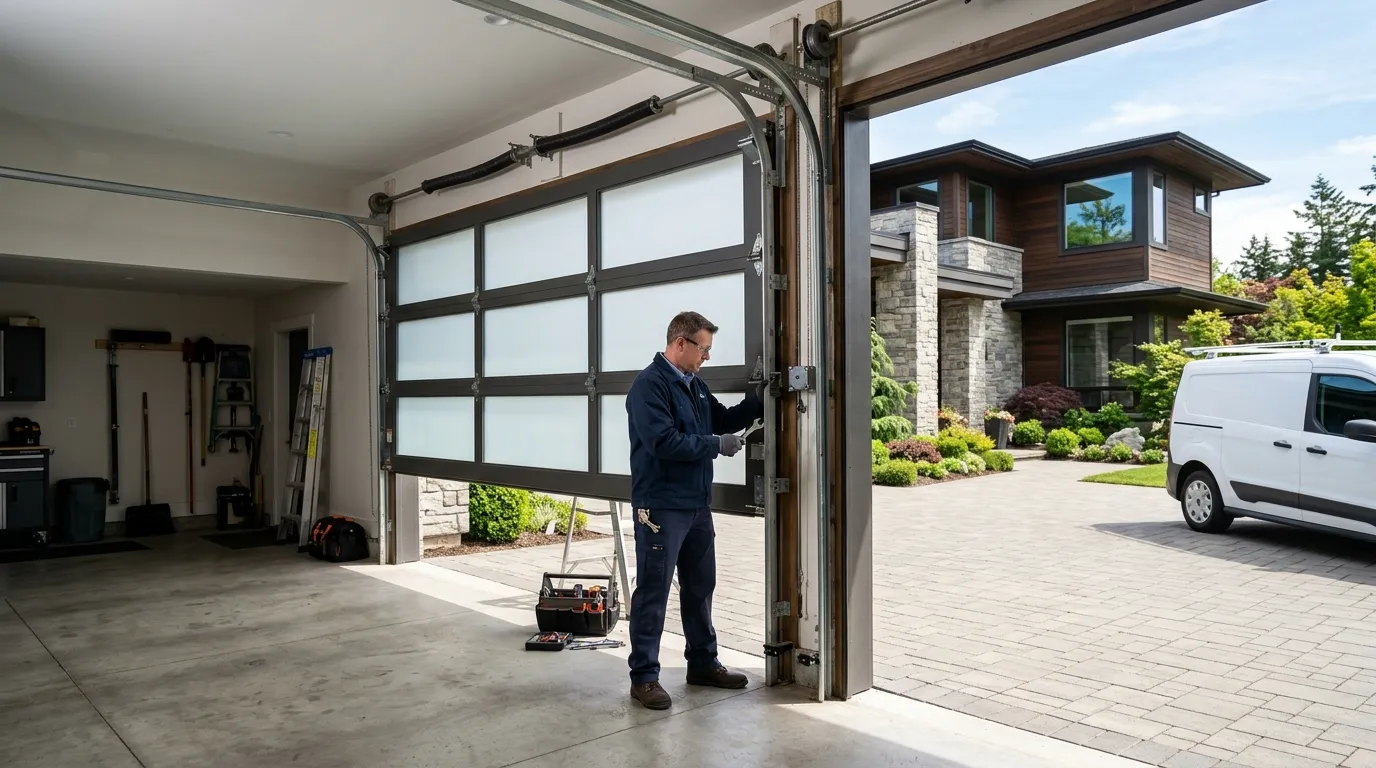
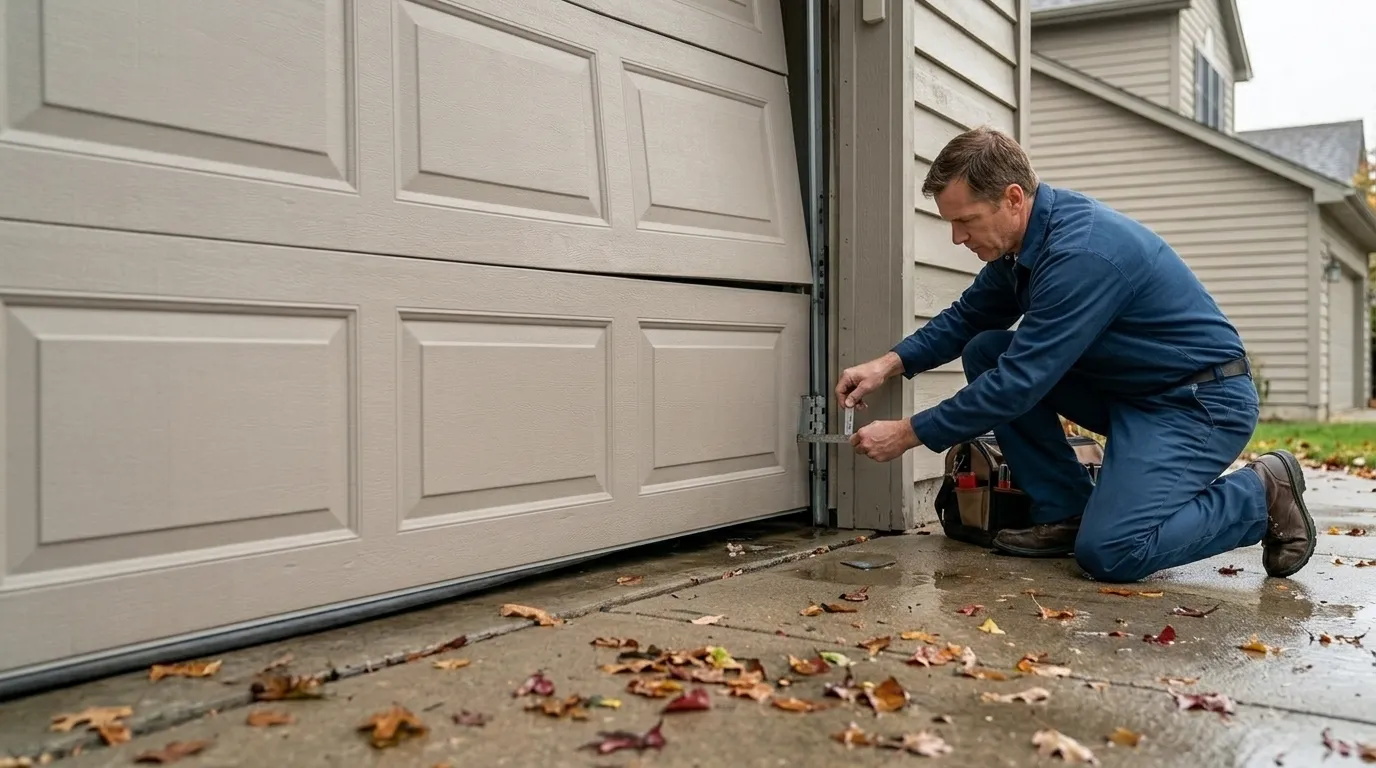
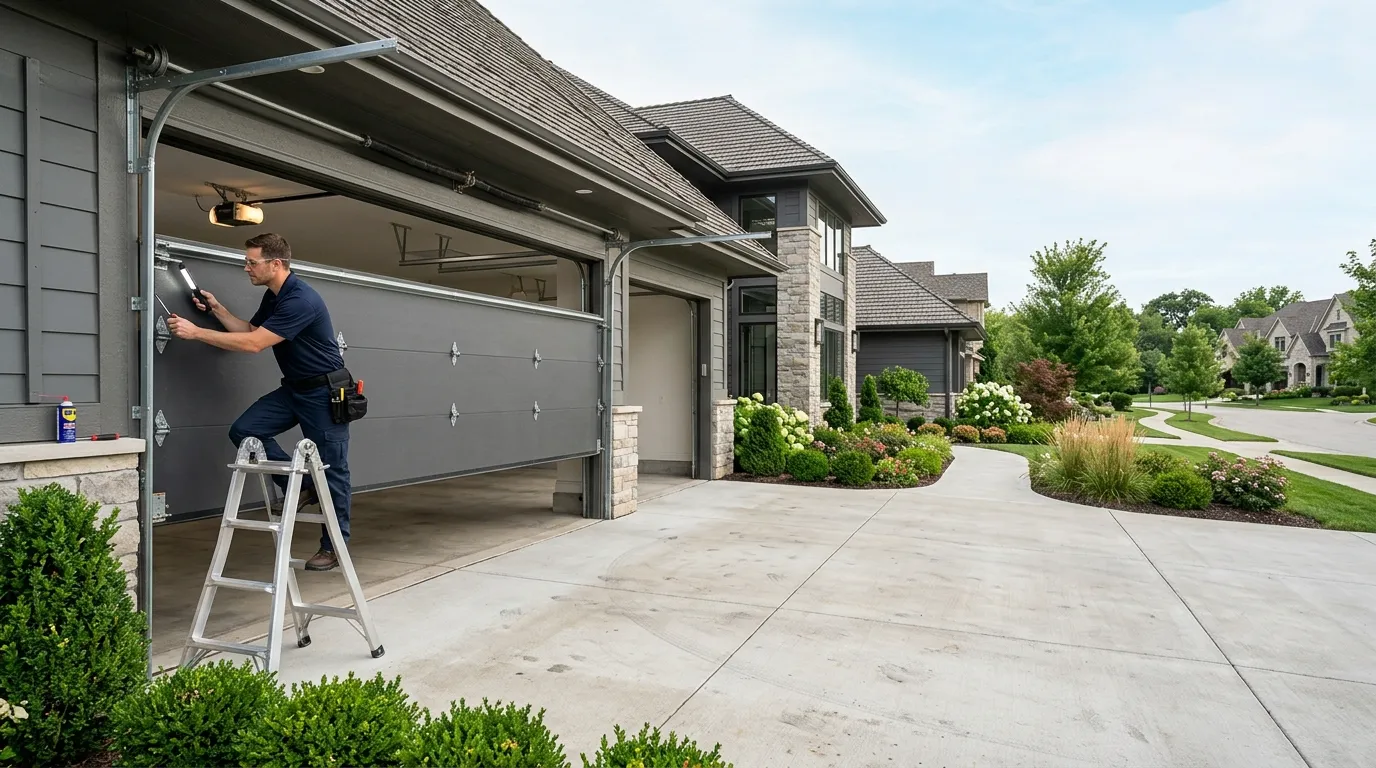
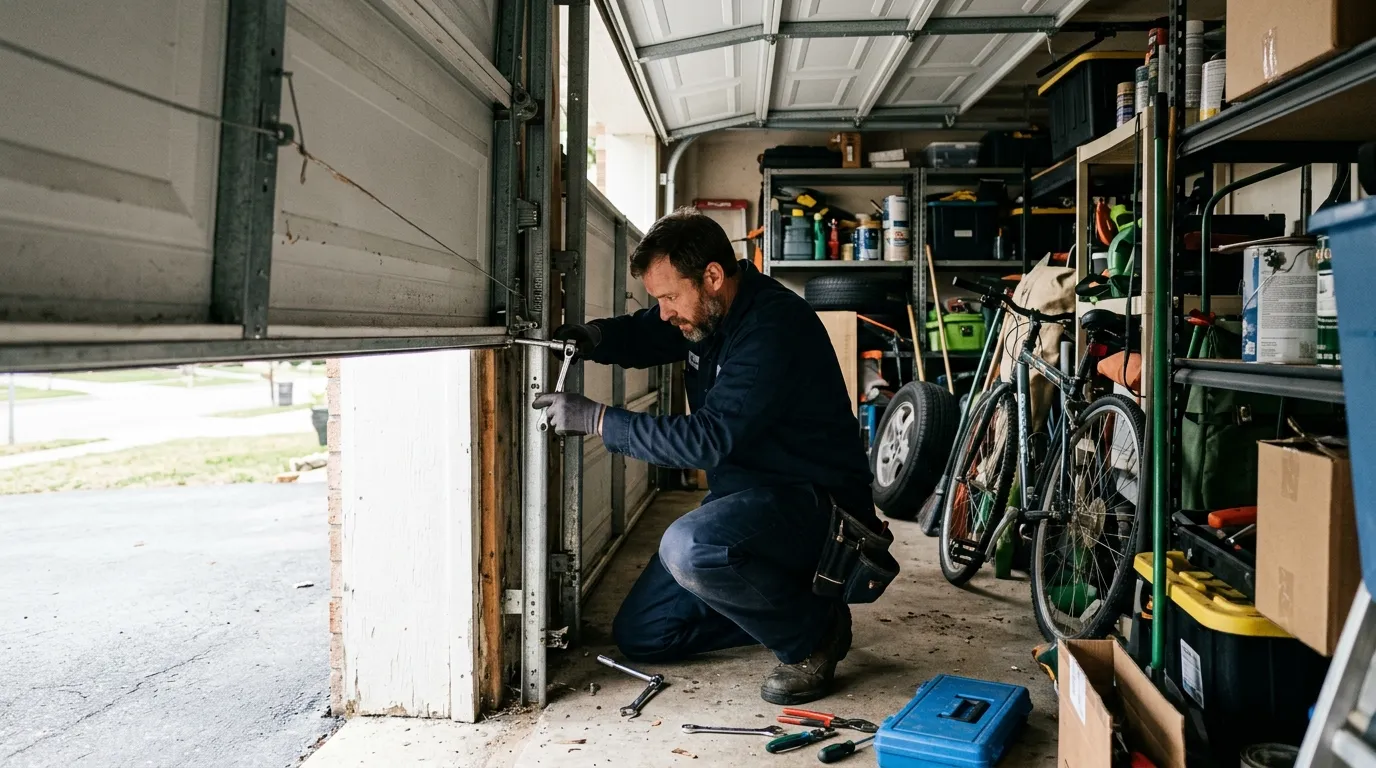
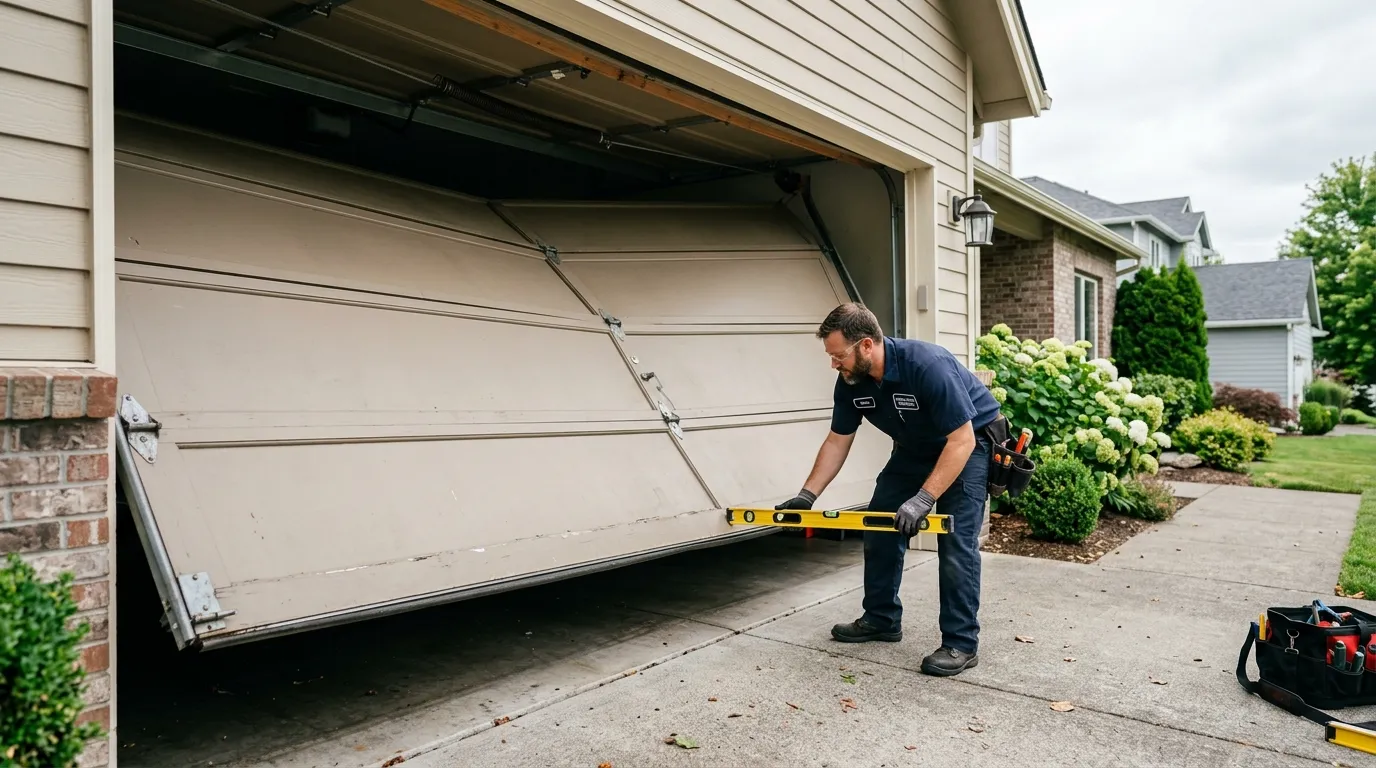
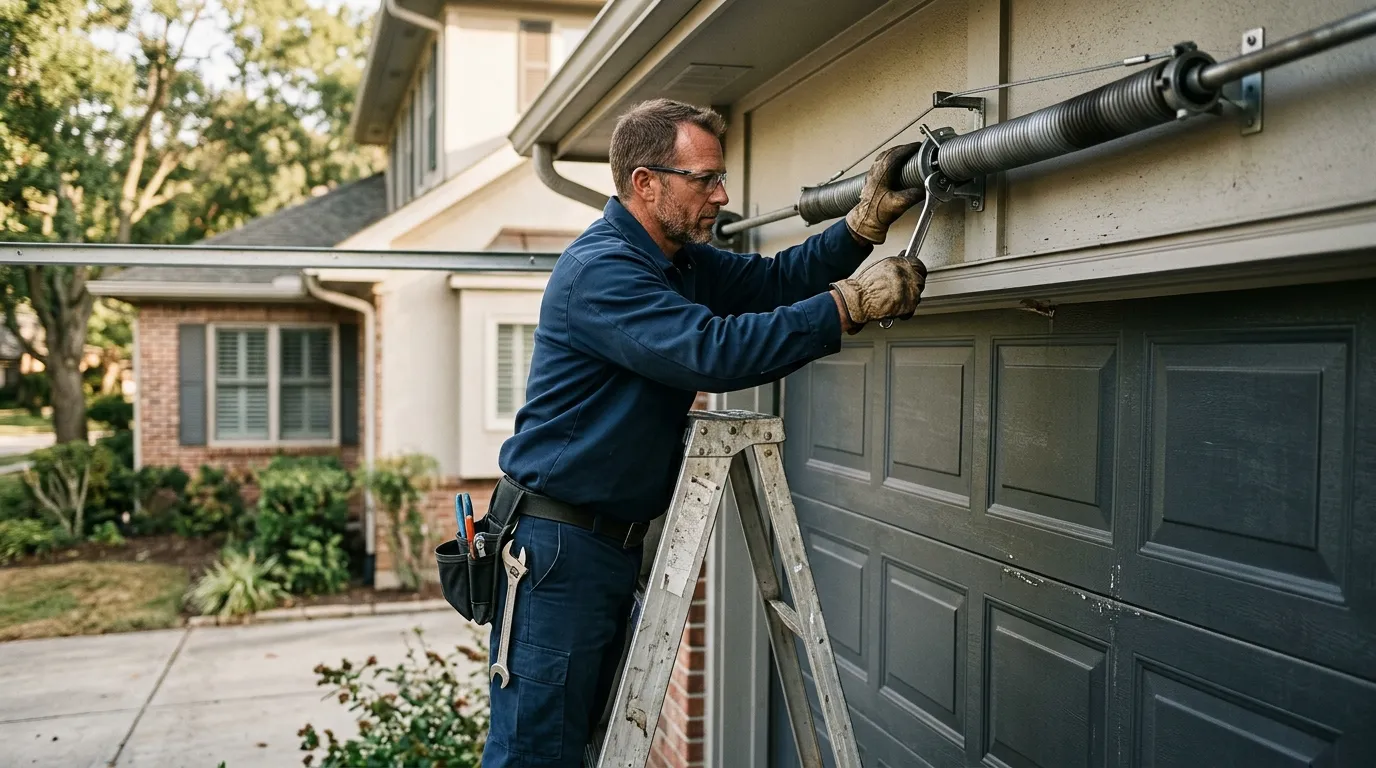
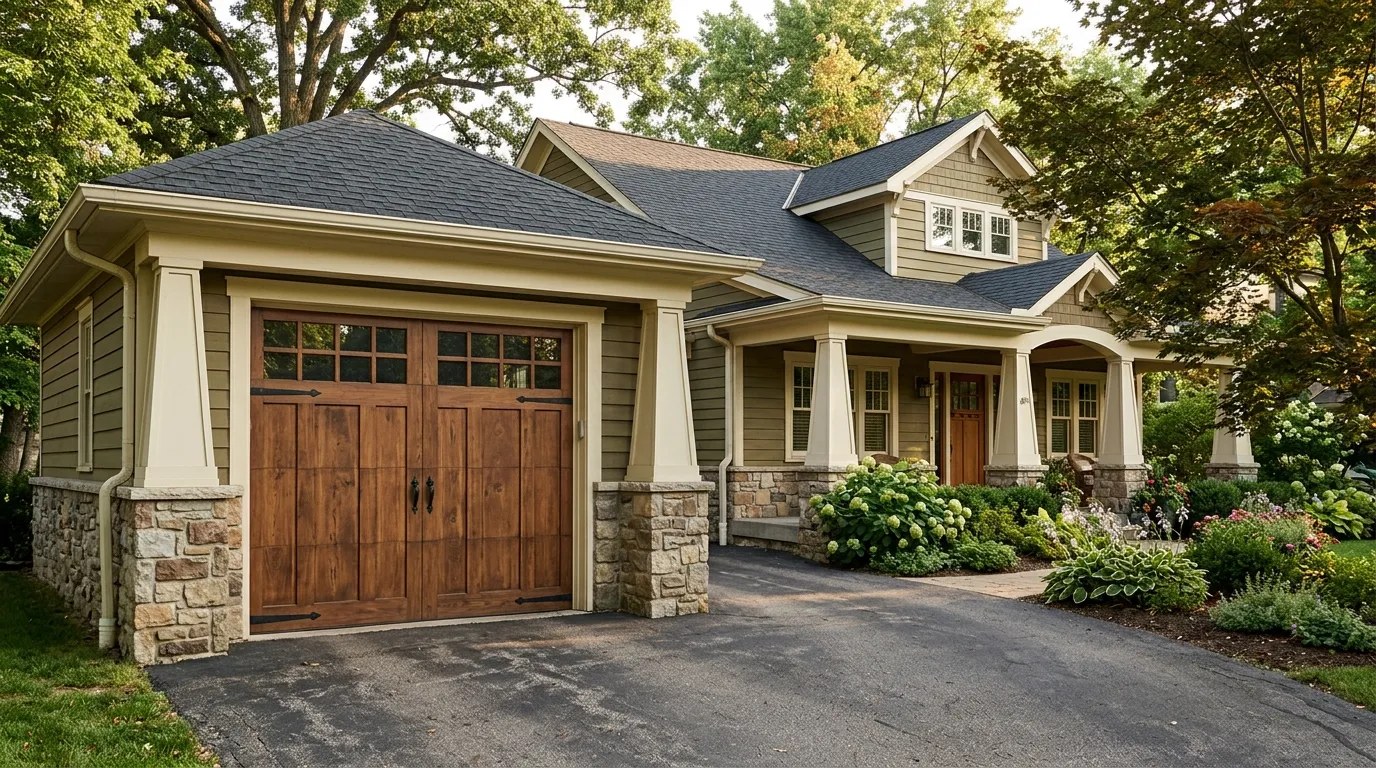
Median household income here runs about $133,472, well above the $103,561 median for the service area as a whole, and it shows in what's on the front of these garages: heavier insulated steel sections, wider double-door spans, openers with battery backup and camera tie-ins rather than the bare-bones chain drives you find on older stock. The area's median build year is 1990 - a full generation newer than the 1974 median across the rest of our coverage, where most homes went up in the 1960s and '70s. That gap matters. A 1990-built door is far more likely to run on a torsion spring with a standard-lift track and a factory opener bracket that's still a known part number, not a discontinued one-piece door on side-mount hardware. Failures here tend to be wear items - a spring that's done its 10,000 cycles, a worn roller, a logic board that's aged out - rather than the frame or track mismatches you get chasing parts for a 1960s door.
What Was Built Here
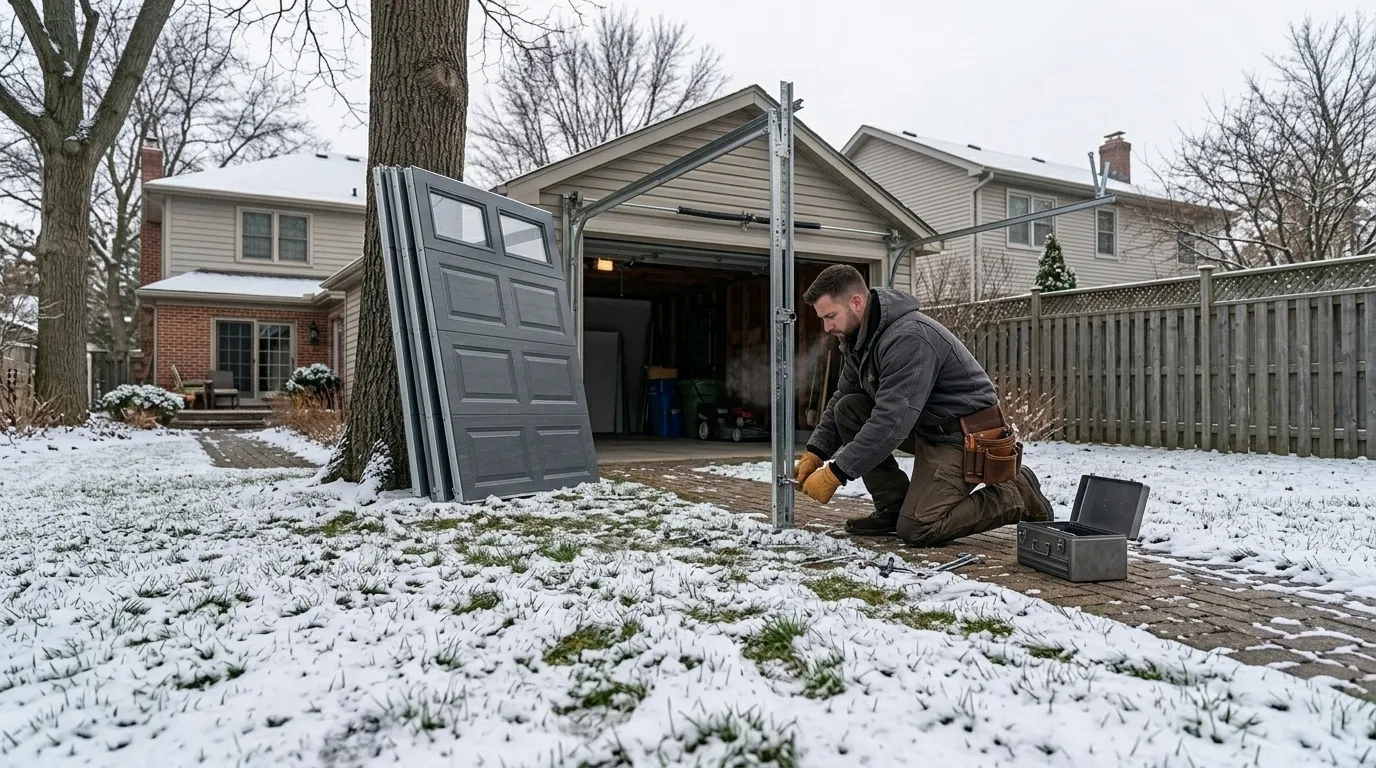
With a median build year of 1990, Green Oaks skews newer than almost anywhere else we cover - the broader service area's housing stock runs from 1938 to 1996 with a median around 1974, and most of it is concentrated in that 1960s-70s band. A house built in 1990 was framed to a different code cycle and usually came with a garage door engineered for the region's cold winters from the start - proper insulation values, a heavier gauge steel skin - rather than retrofitted decades later. That's consistent with the moderate-cold climate band the whole area sits in, where temperature swings stress weatherstripping and torsion springs regardless of the house's age. The main practical difference: parts for a 1990s opener or torsion system are still in normal production, so a repair here is rarely held up waiting on an obsolete bracket or a spring size nobody stocks anymore, the way it can be on the oldest homes closer to the shop.