How We Get to You
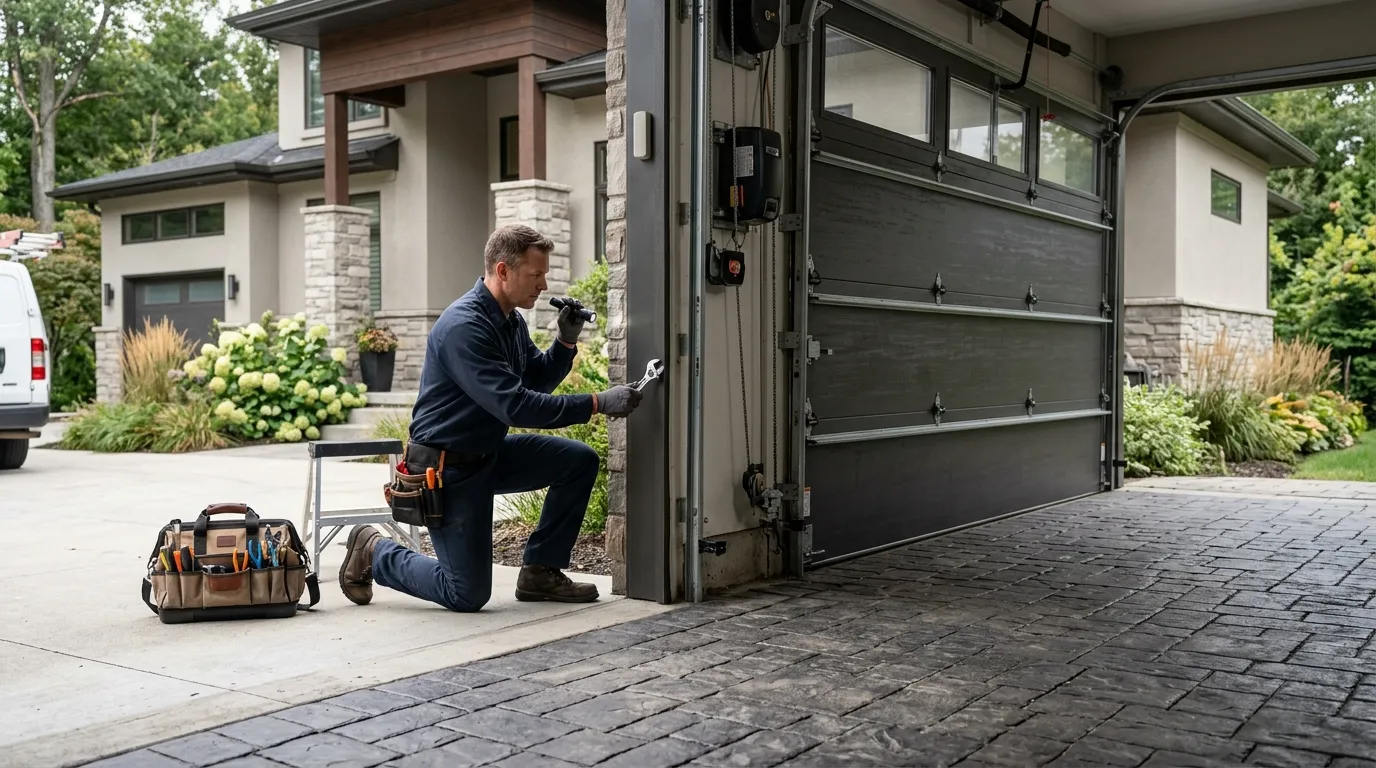
We run out of Northbrook, and Harwood Heights sits about 11 miles from there. That's a straight shot down for one of our trucks, and it's a distance we plan around rather than pretend doesn't exist. We don't keep a depot in Harwood Heights and we're not going to tell you we do. What we can tell you is that the drive is part of how we schedule the day, and we build routes so a Harwood Heights call doesn't get bumped to the bottom of the list just because it's farther from home base.
This matters more than it sounds like it should. A lot of outfits will claim a same-day window for every town in a 60-mile radius and then quietly deprioritize the ones that cost them drive time. We'd rather tell you straight: you're 11 miles out, that's a real number, and we account for it when we tell you when we can be there.
What That Means for Doors
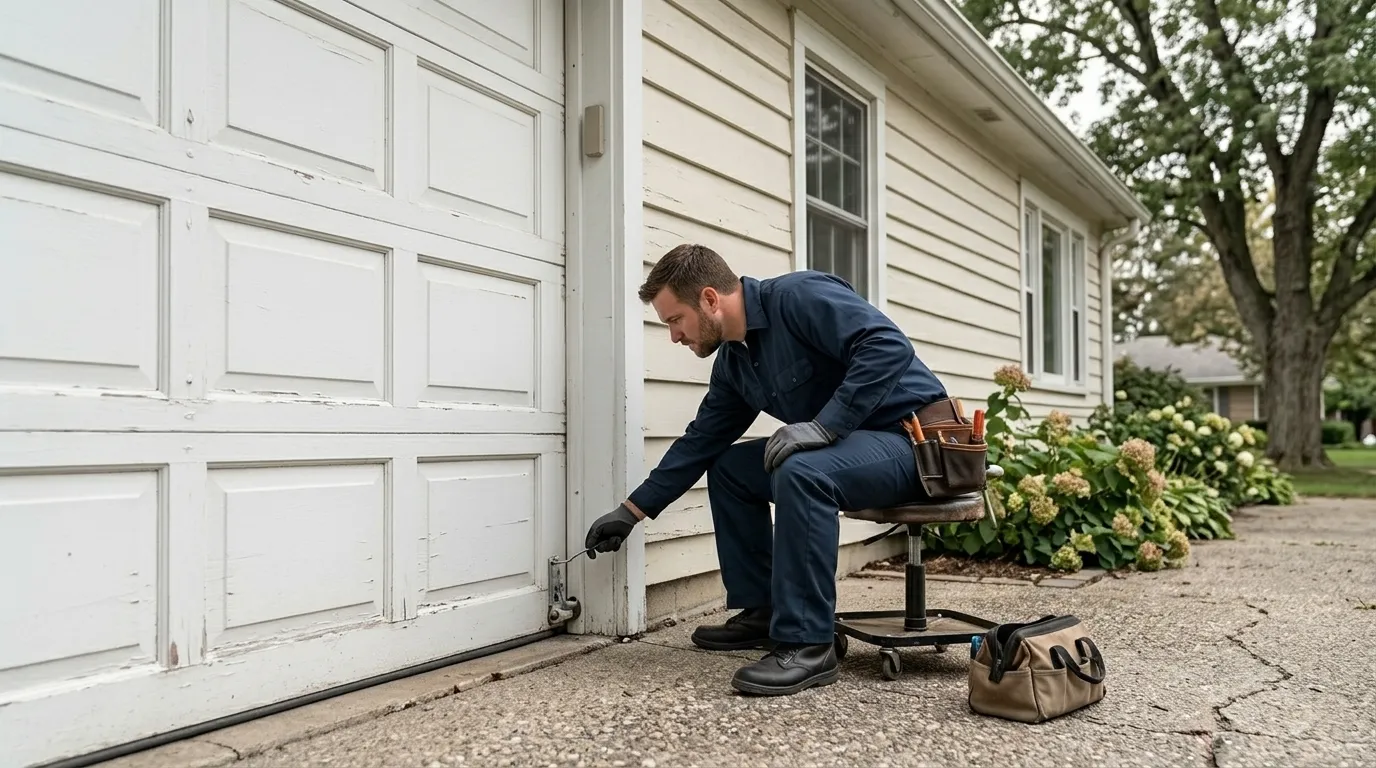
Harwood Heights homes tend to date to around 1967, which puts this pocket a bit earlier than the median across the wider coverage area (closer to 1974). That gap of several years shows up in the garage itself. Doors and openers installed on houses from the mid-to-late 1960s were often replaced once already by the time anyone alive today owns the house, but the *rough opening* and track framing are still original to that era in a lot of cases - narrower headroom, older style jamb brackets, sometimes a lower ceiling clearance than newer builds allow for.
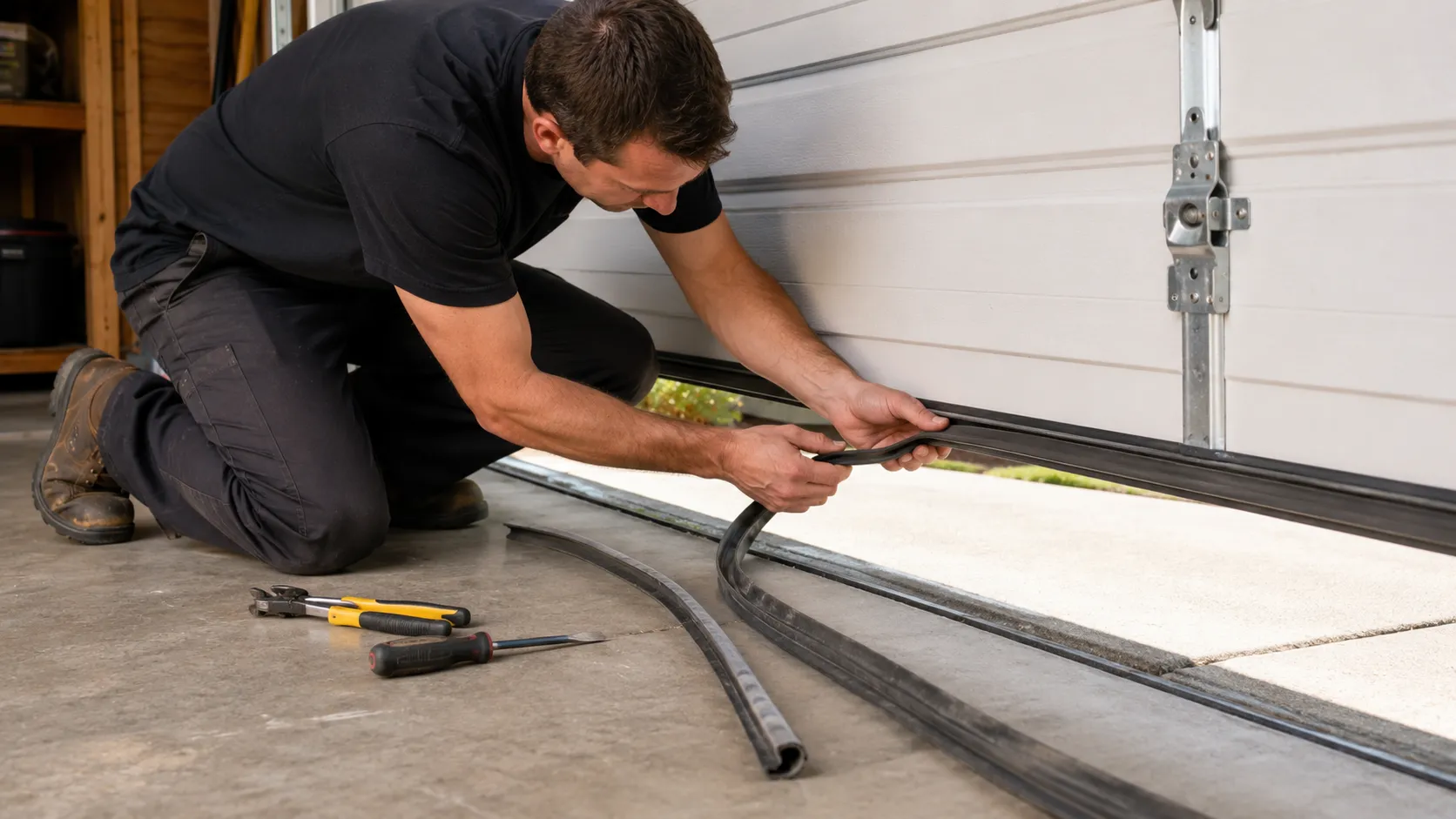
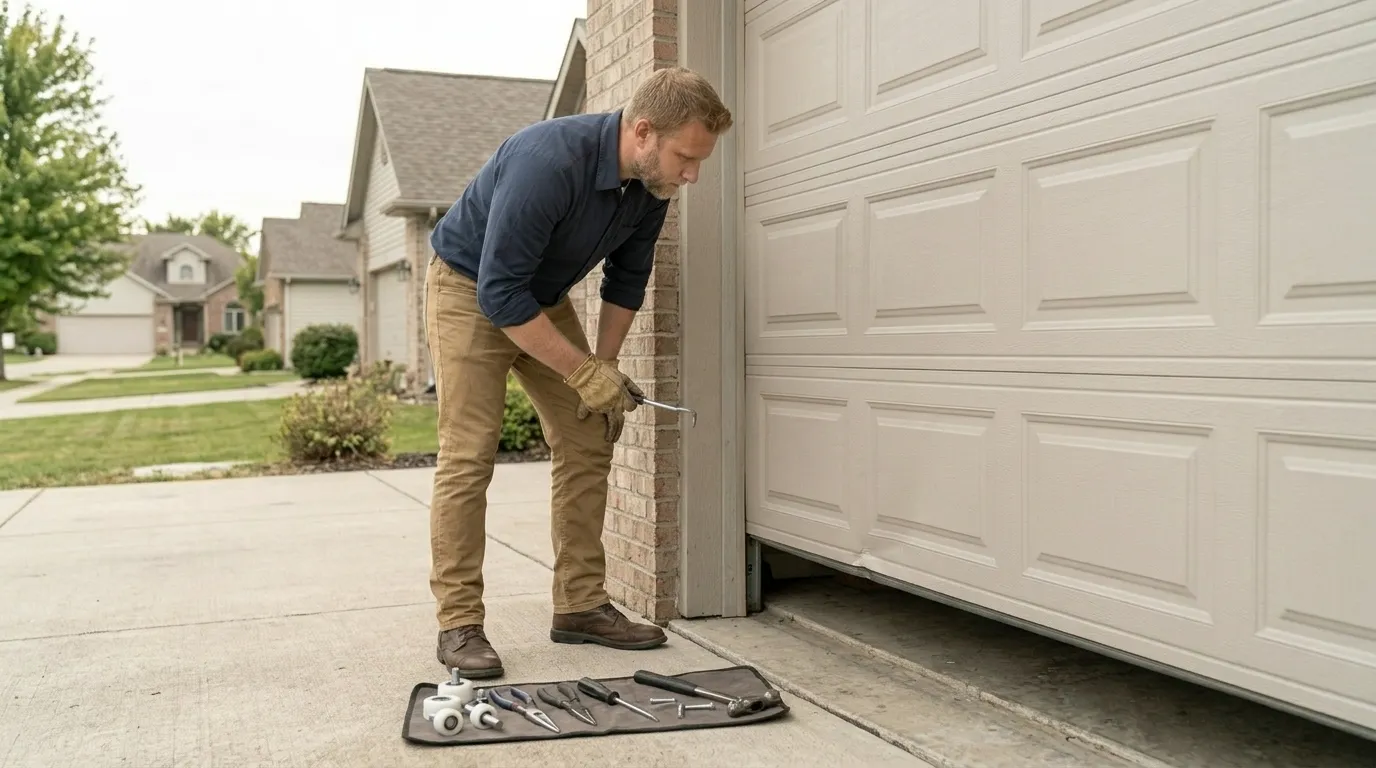
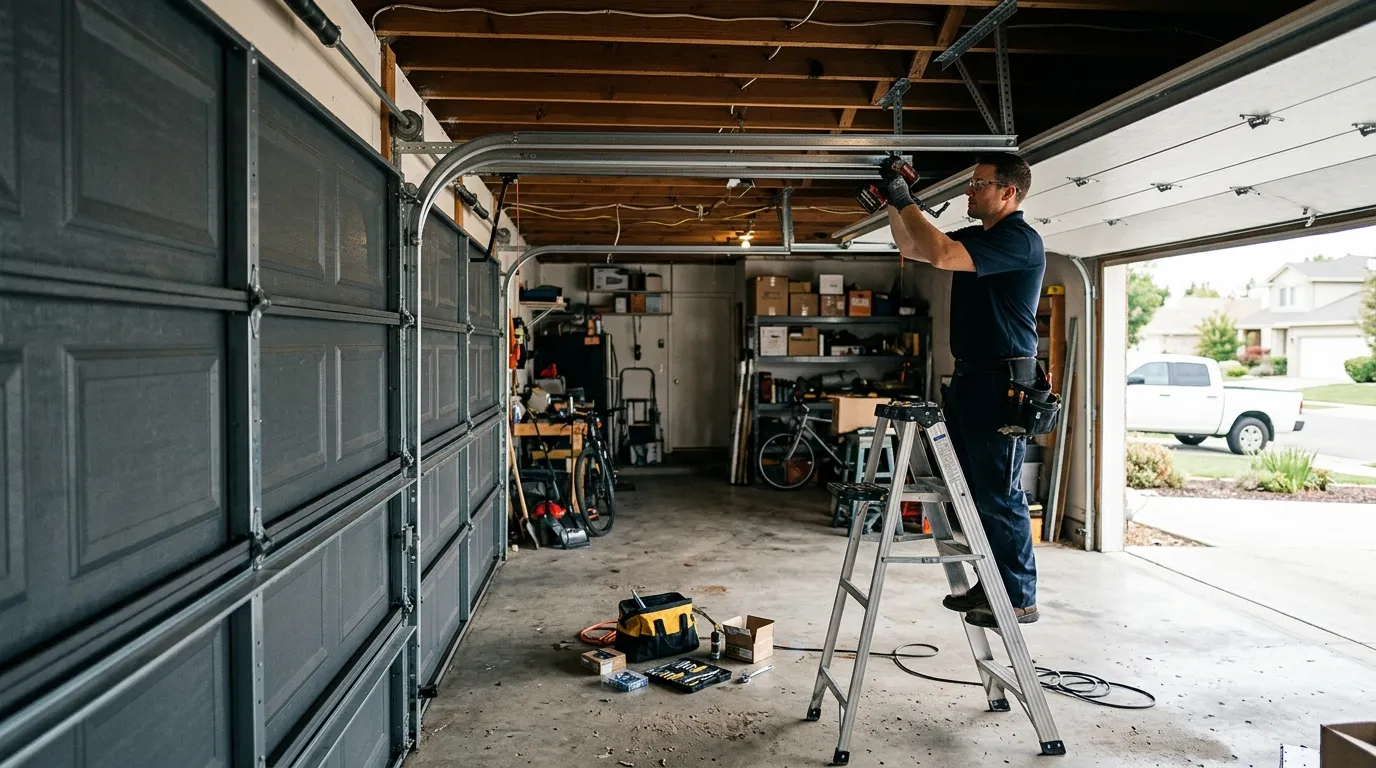
What we see on these jobs: torsion springs that were sized for a heavier, older-style wood door and never resized when the door itself got replaced with a lighter steel panel. That mismatch causes doors that slam down too fast or won't stay put at half-open. It's not a defect in the new door - it's leftover hardware fighting new weight.
What Was Built Here
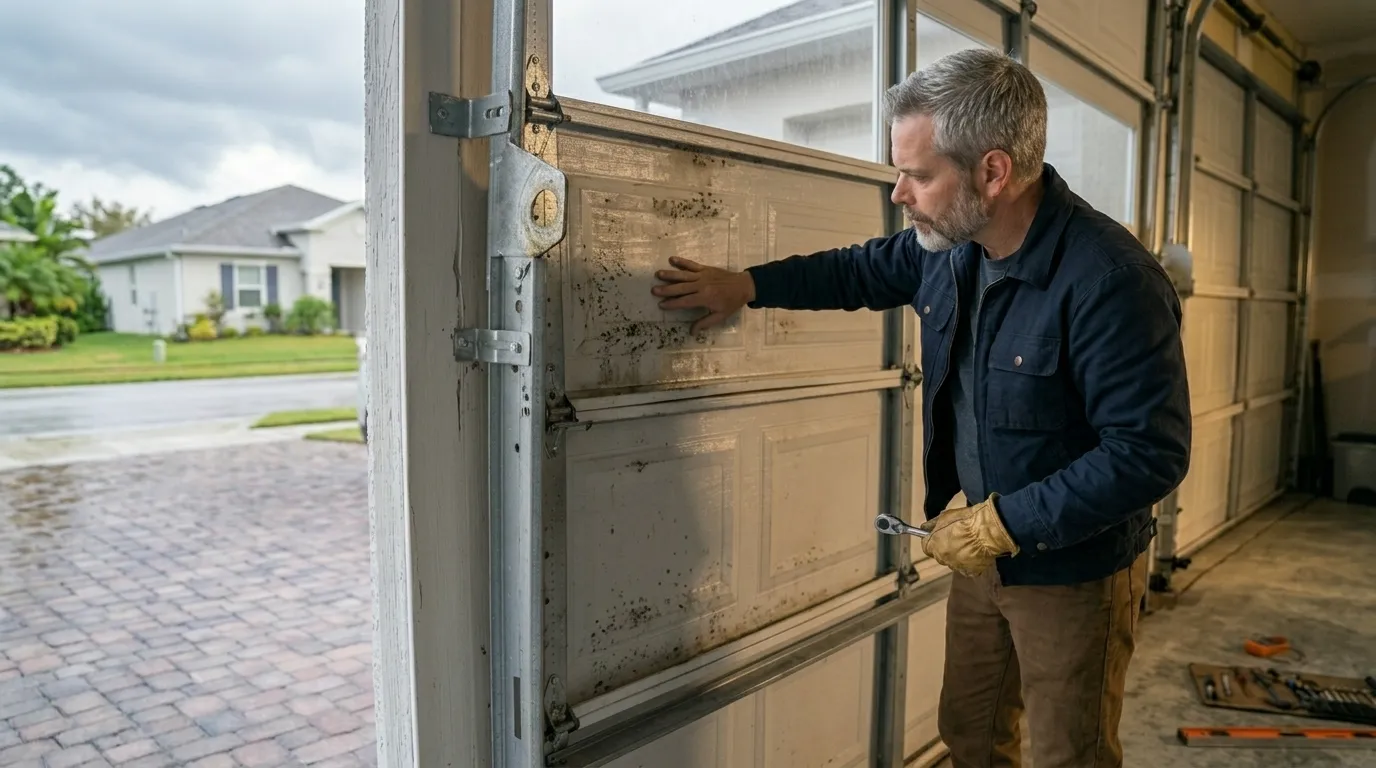
With roughly 3,582 households in Harwood Heights and a median household income near $79,651, this is a tighter, more modest housing stock than some of the newer-money towns in our coverage area - and it shows in what breaks. Original steel doors from the late 1960s, when they haven't been replaced, run thinner gauge panels that dent easier and insulate worse than anything sold today. Openers from that build era, when original, are chain-drive units long past their expected service life, and parts for the oldest ones simply aren't stocked anymore.
One honest limitation: if your door and track date to that original 1967-era install and the opener is original too, we're often looking at full replacement rather than a patch repair, because sourcing exact parts for hardware that old isn't realistic. We'll tell you that upfront rather than bill you for a repair that won't hold.