How We Get to You
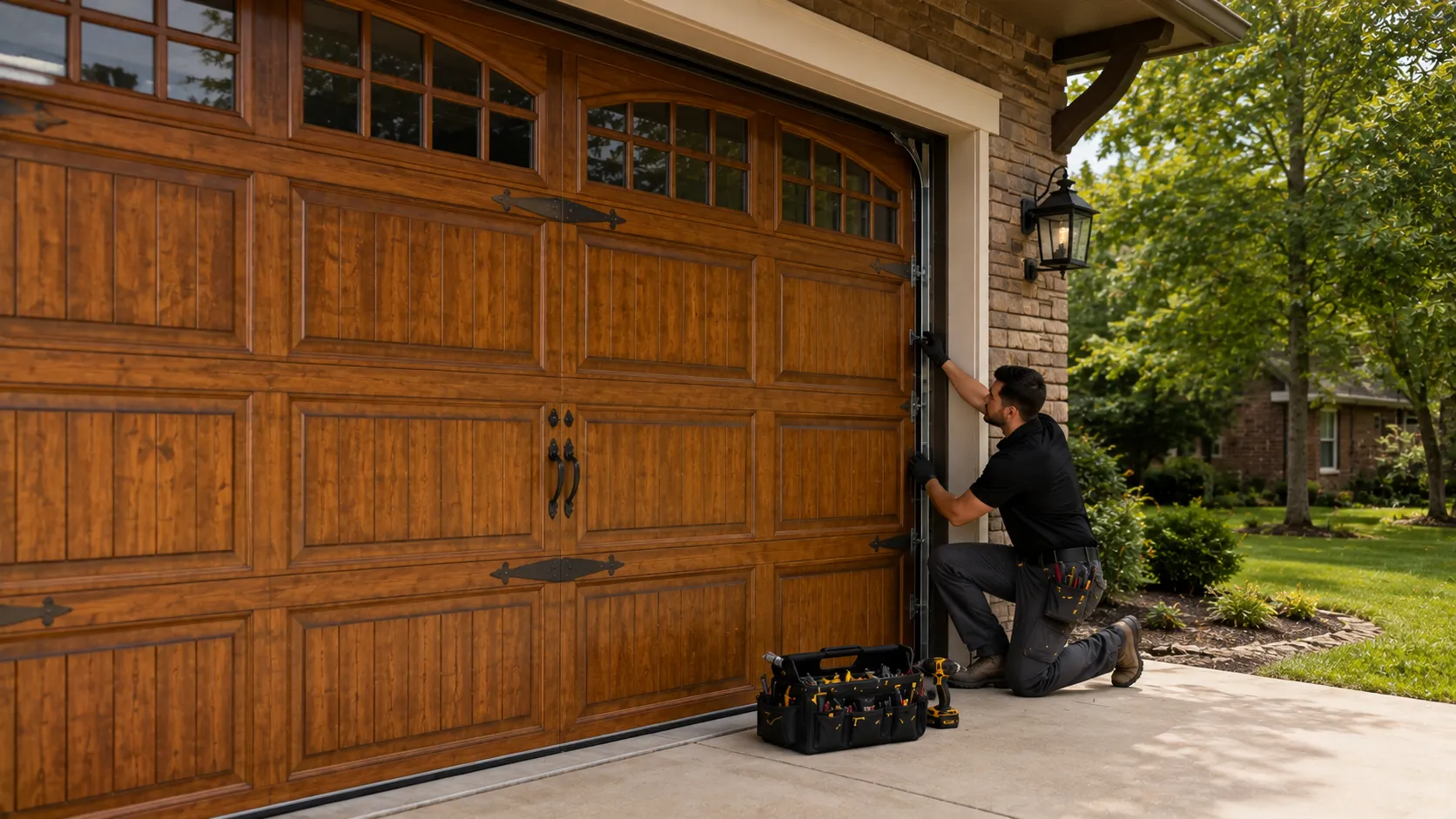
Hawthorn Woods sits about 14 miles from our shop in Northbrook, which puts it on the outer edge of where we run calls. We don't have a depot or a crew stationed out here, so every job means a truck making that drive, and that's worth knowing up front: it's not a five-minute hop, it's a real trip across the north side of the county. We still take the work, and we still stock the same springs, cables and openers on the truck that we'd bring to a job closer to home, but if you're calling on a Friday afternoon expecting someone in twenty minutes, that's not how this route works. Book ahead when you can, especially for anything that isn't a full stop-you-cold breakdown, and we'll fit the drive into the day's run. For an actual door-off-the-track emergency, call anyway - we'd rather know about it and plan around the distance than have you wait on someone who never shows.
What That Means for Doors
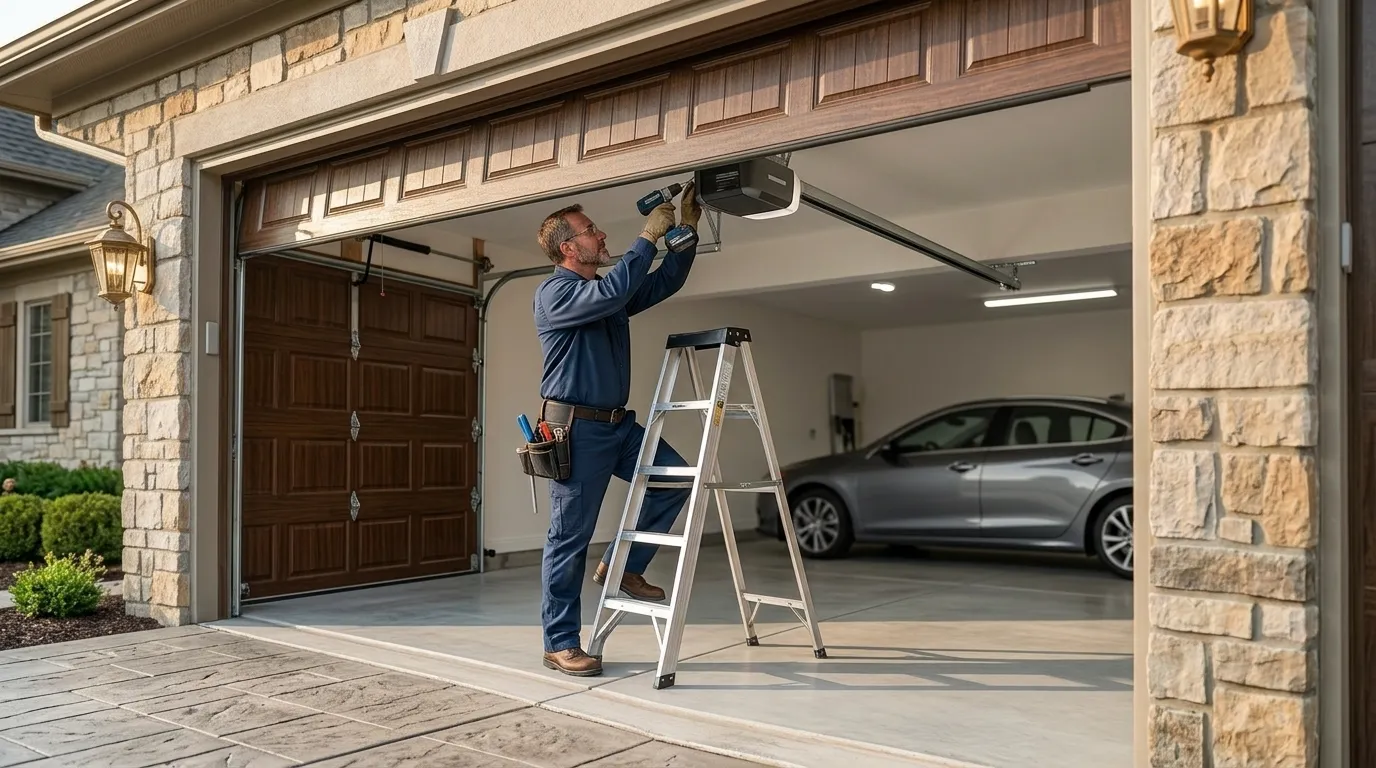
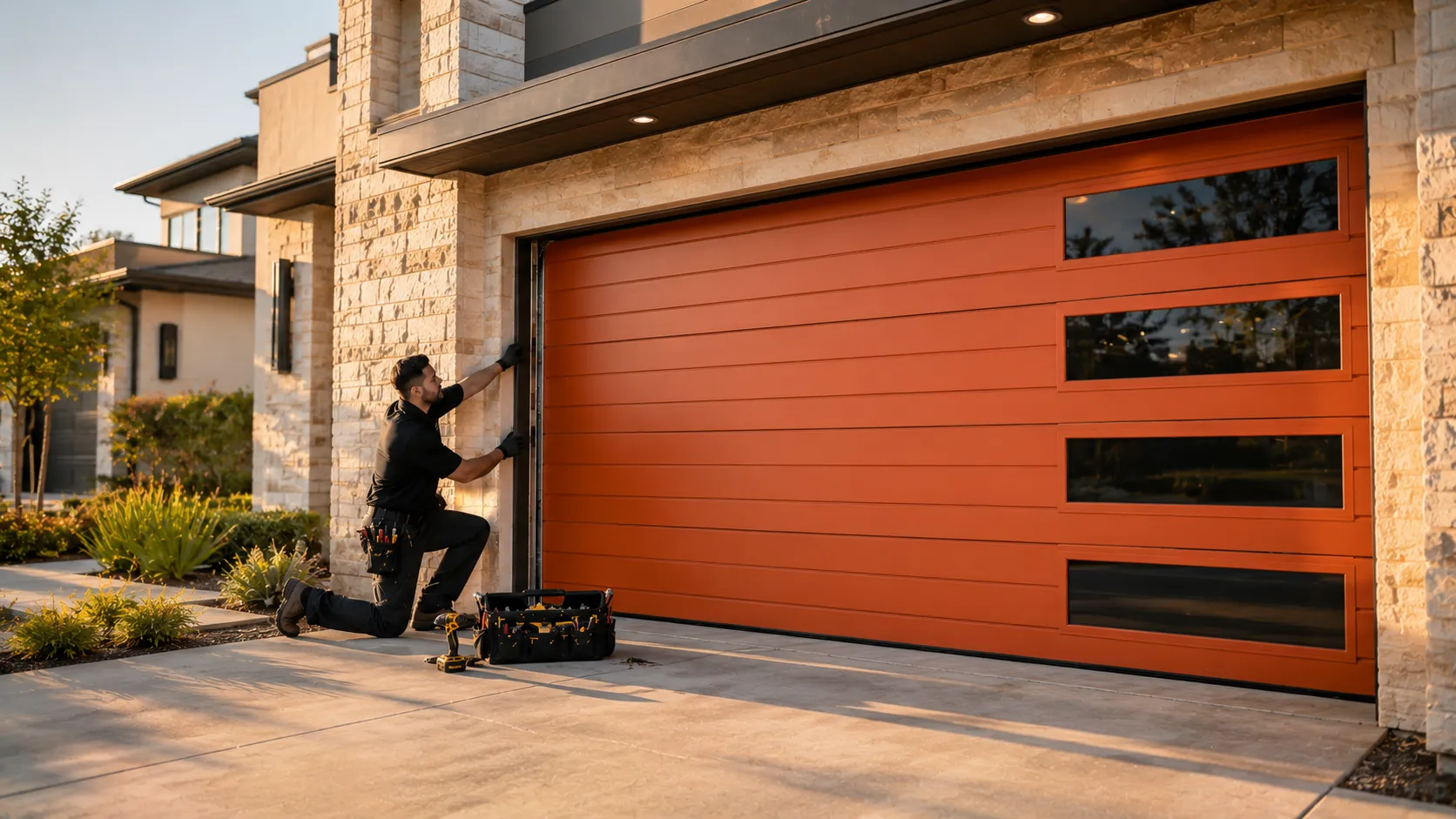
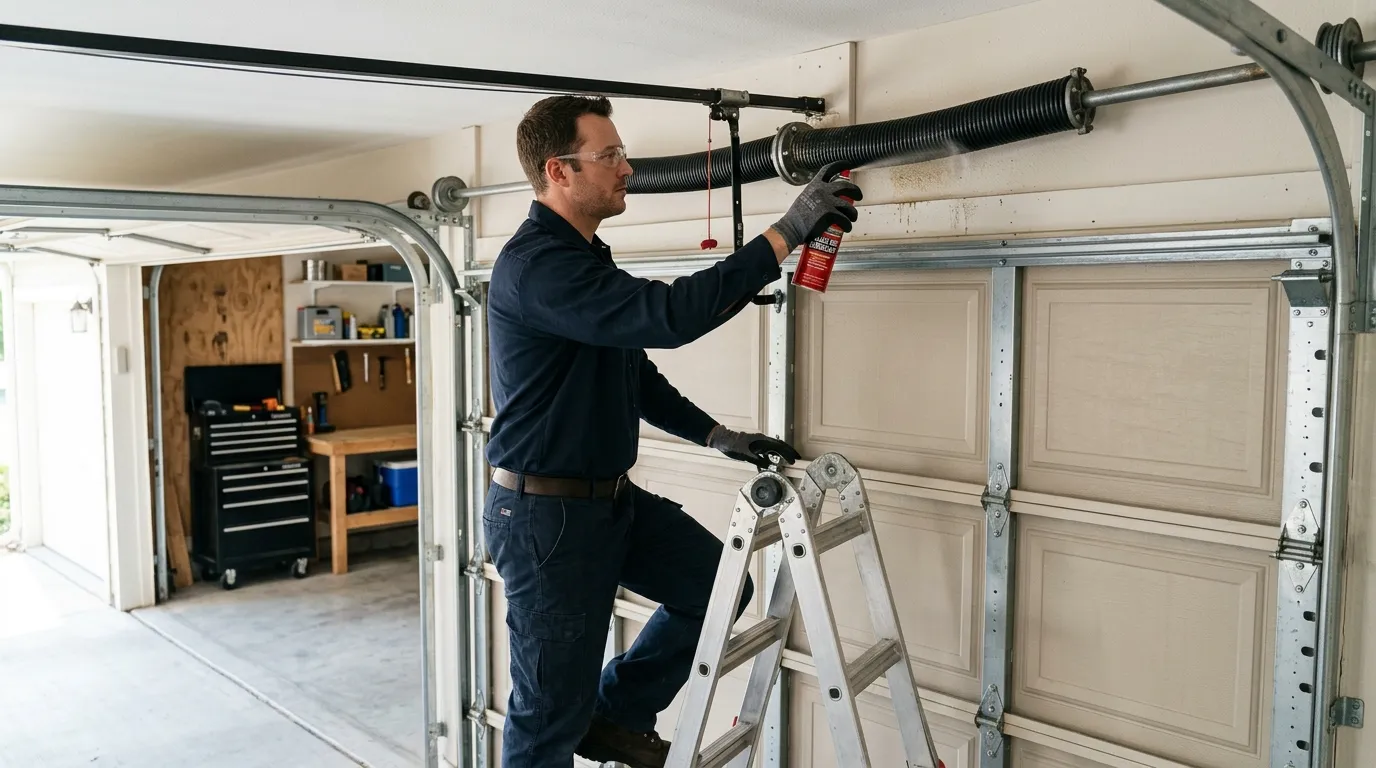
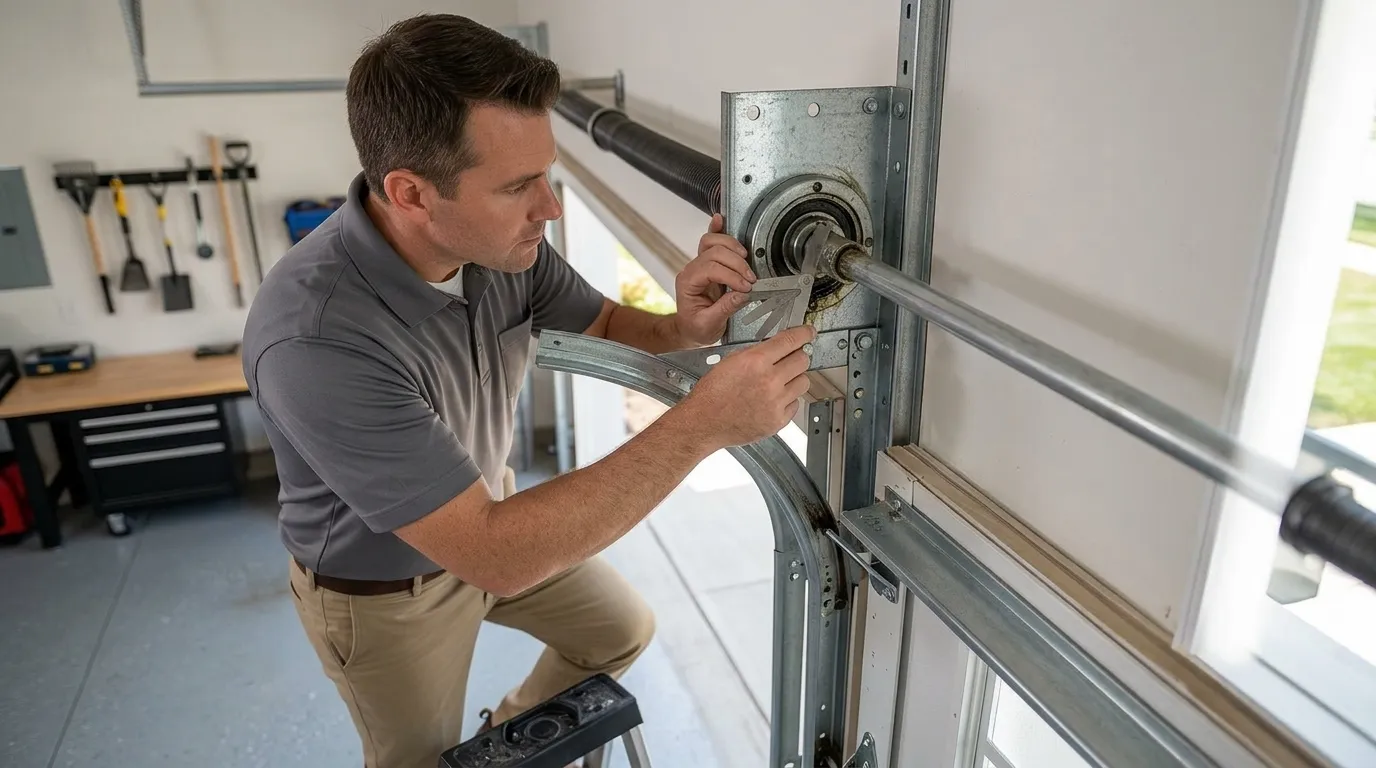
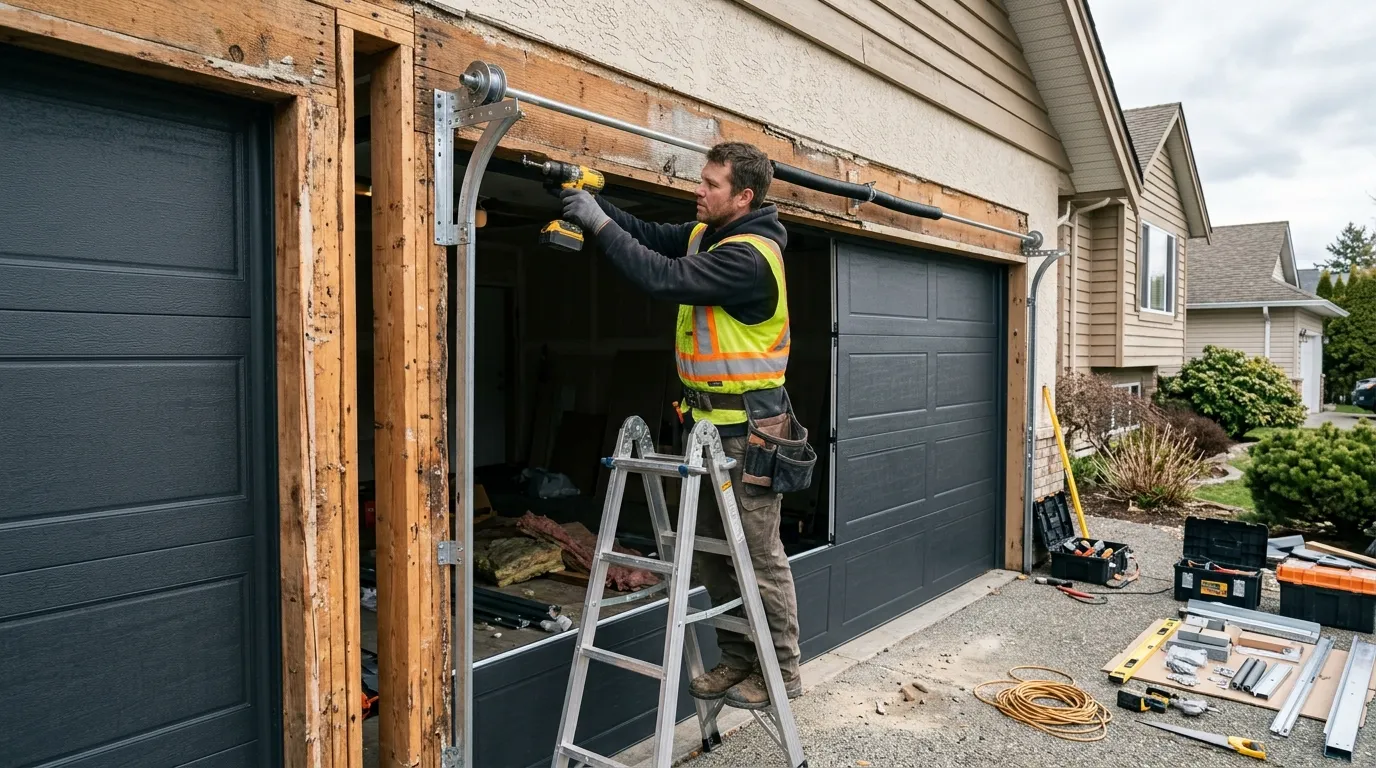
The typical house in Hawthorn Woods was built around 1996, which is a couple of decades newer than the median across our wider coverage area (median year built 1974, per F1). That gap matters more than it sounds like. Doors and openers installed in the mid-90s are usually taller, wider two-car units on standard torsion springs with a factory-set drum and cable setup, not the older extension-spring or side-mounted torsion hardware you find on a lot of 1960s and 70s construction. The failure points are different too: on newer doors we're more often chasing worn rollers, a stretched cable on a heavier insulated panel, or an opener logic board that's finally aged out after 25-plus years, rather than replacing obsolete spring hardware nobody makes parts for anymore. Insulated steel and heavier composite panels also became standard around that build era, which changes how a spring is sized - undersizing a spring on one of these doors is a common mistake if the original hardware isn't matched to the panel weight.
What Was Built Here
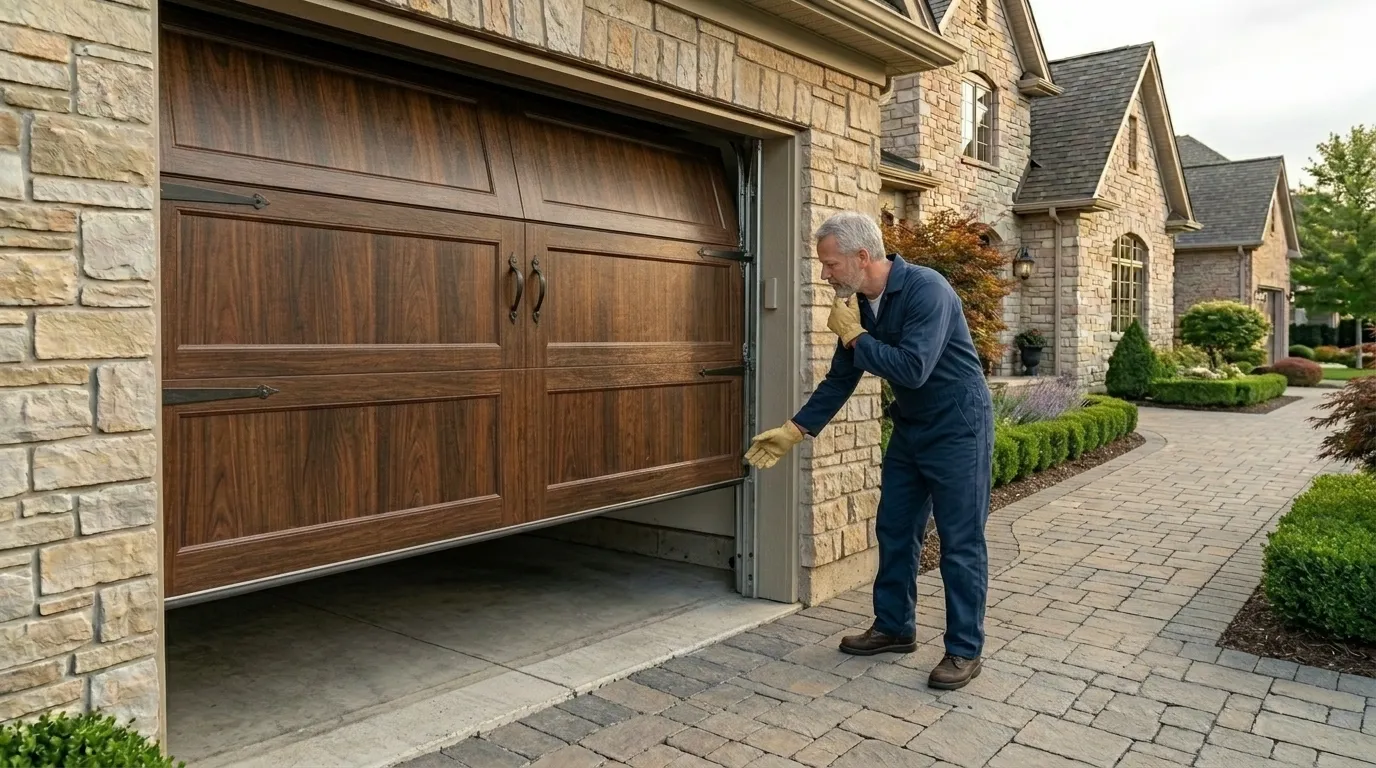
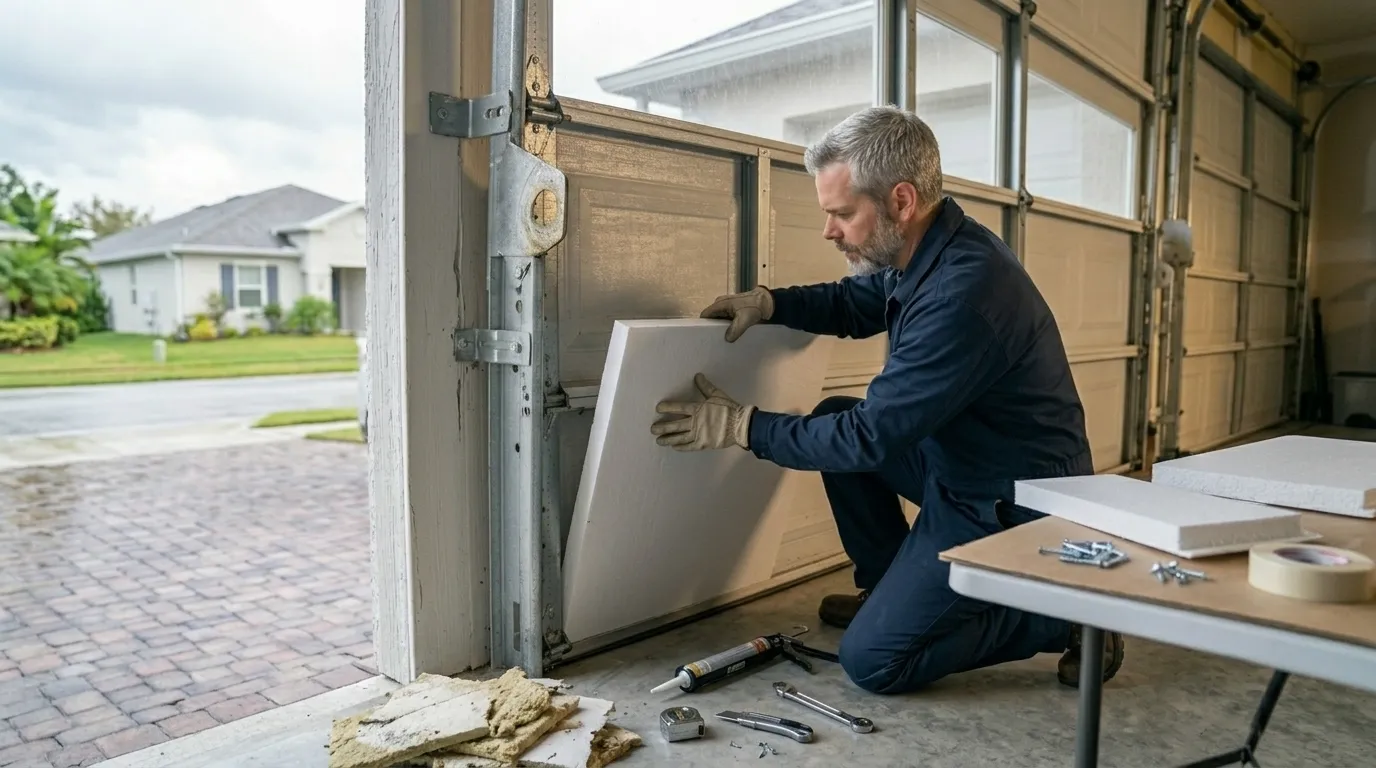
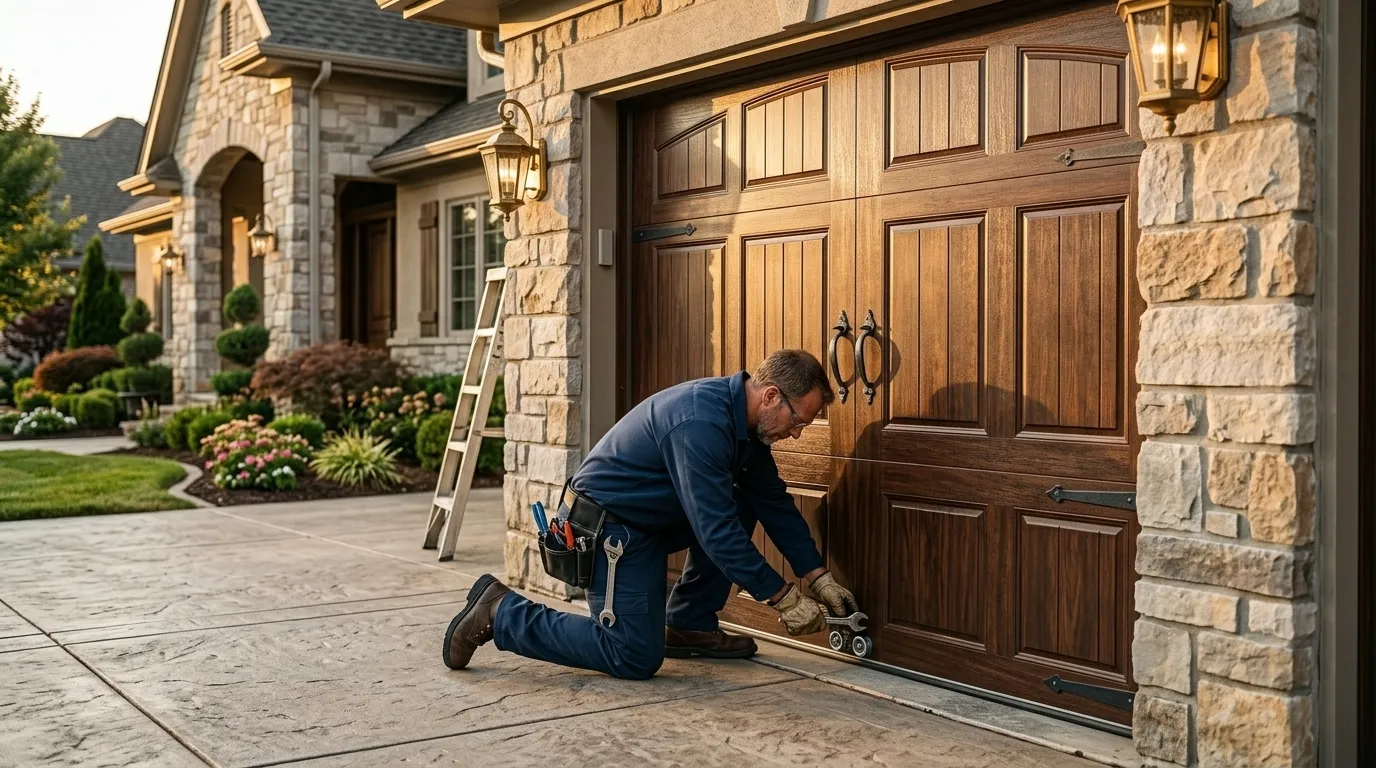
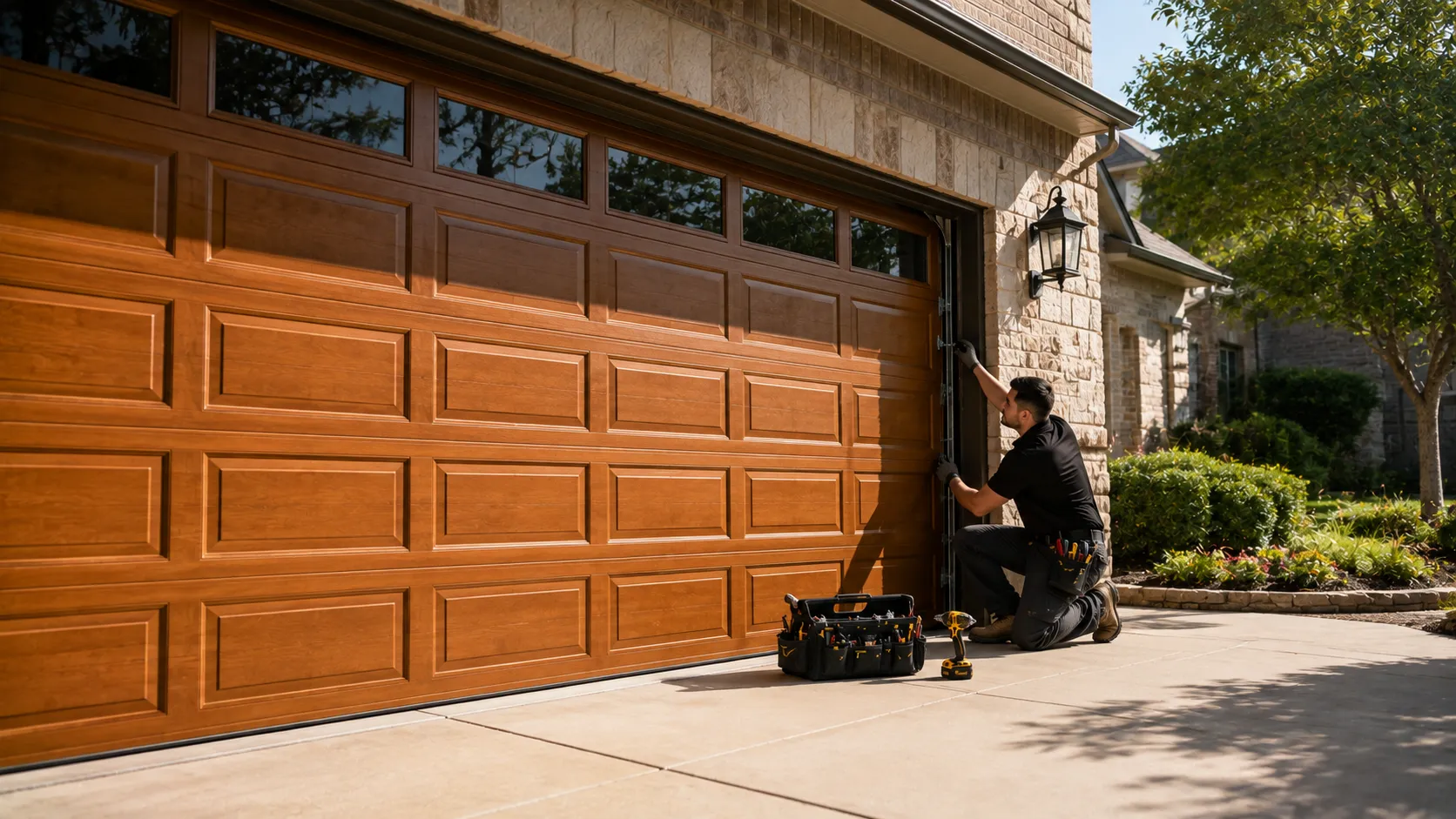
With a median household income of $238,114 and around 3,007 households in Hawthorn Woods, this is a market where owners tend to invest in higher-end doors - custom wood-look steel, heavier insulated panels, and openers with the belt drives and smart features that came standard as those houses were finished out in the 1990s. That's different from a lot of our older coverage area, where median household income runs closer to $103,561 across 275,099 households and 132,434 owner-occupied houses. Practically, it means we come prepared for heavier panels and better-spec hardware rather than the bare-bones single-layer doors common on older stock. The regional climate band is cold-moderate, so insulation and weatherseal condition matter here as much as anywhere else we go, even with newer construction - seals and bottom astragals wear out on a 25-year-old door the same as any other, cold winters just make a bad seal more noticeable.