How We Get to You
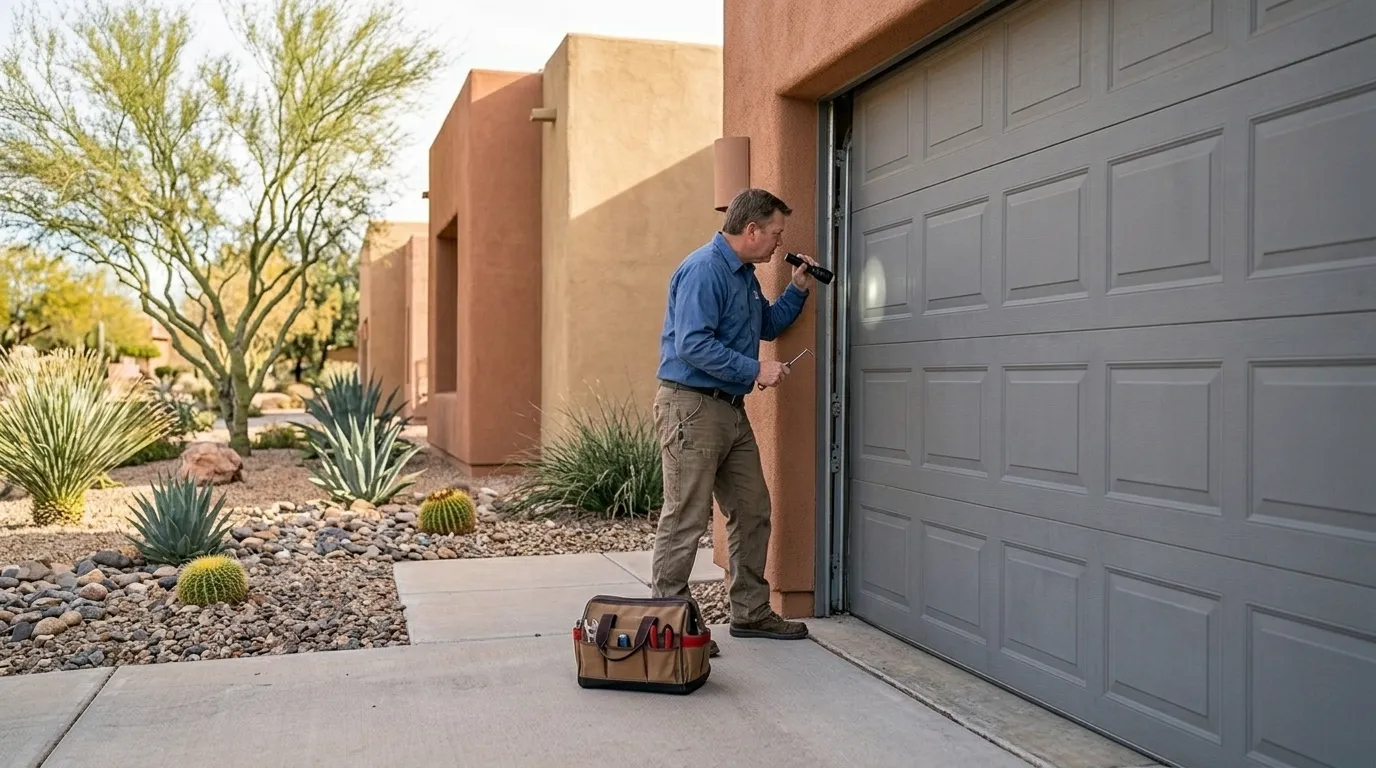
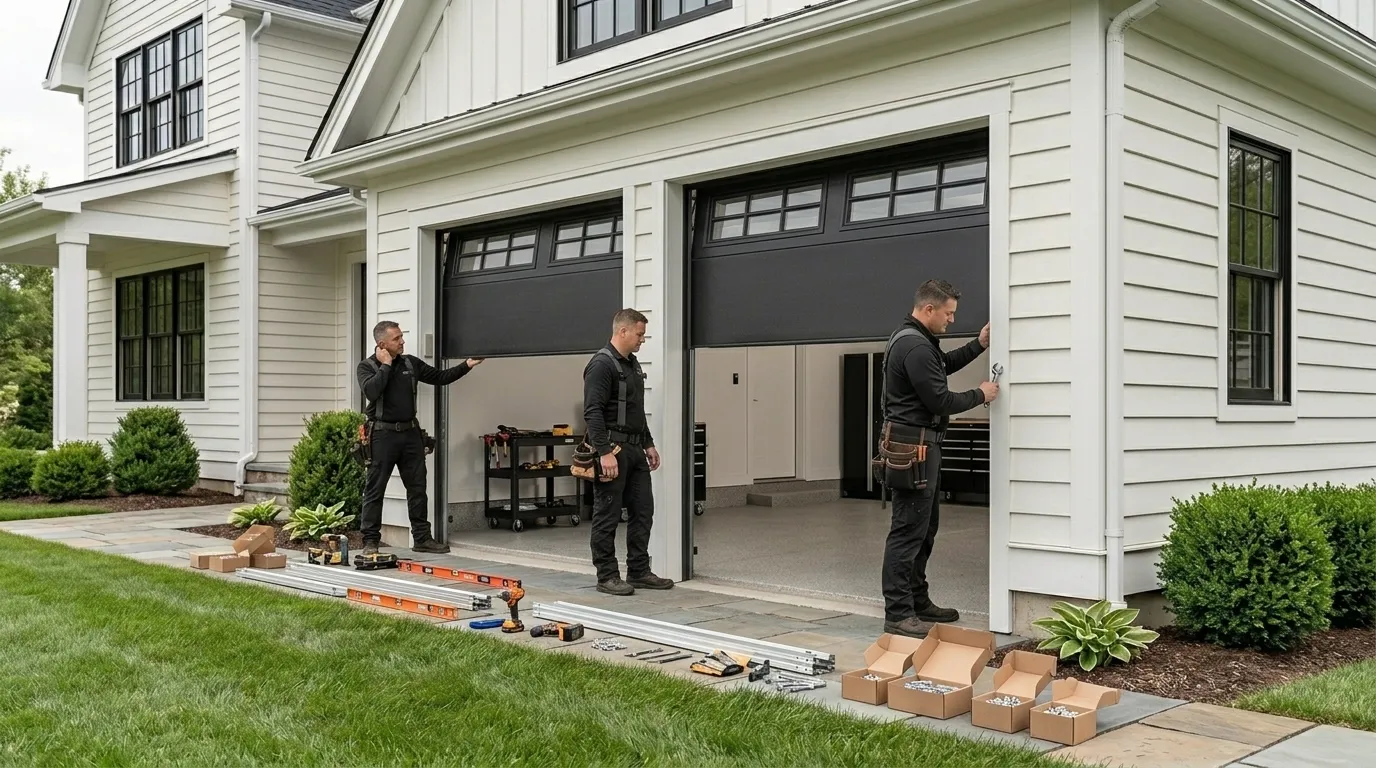
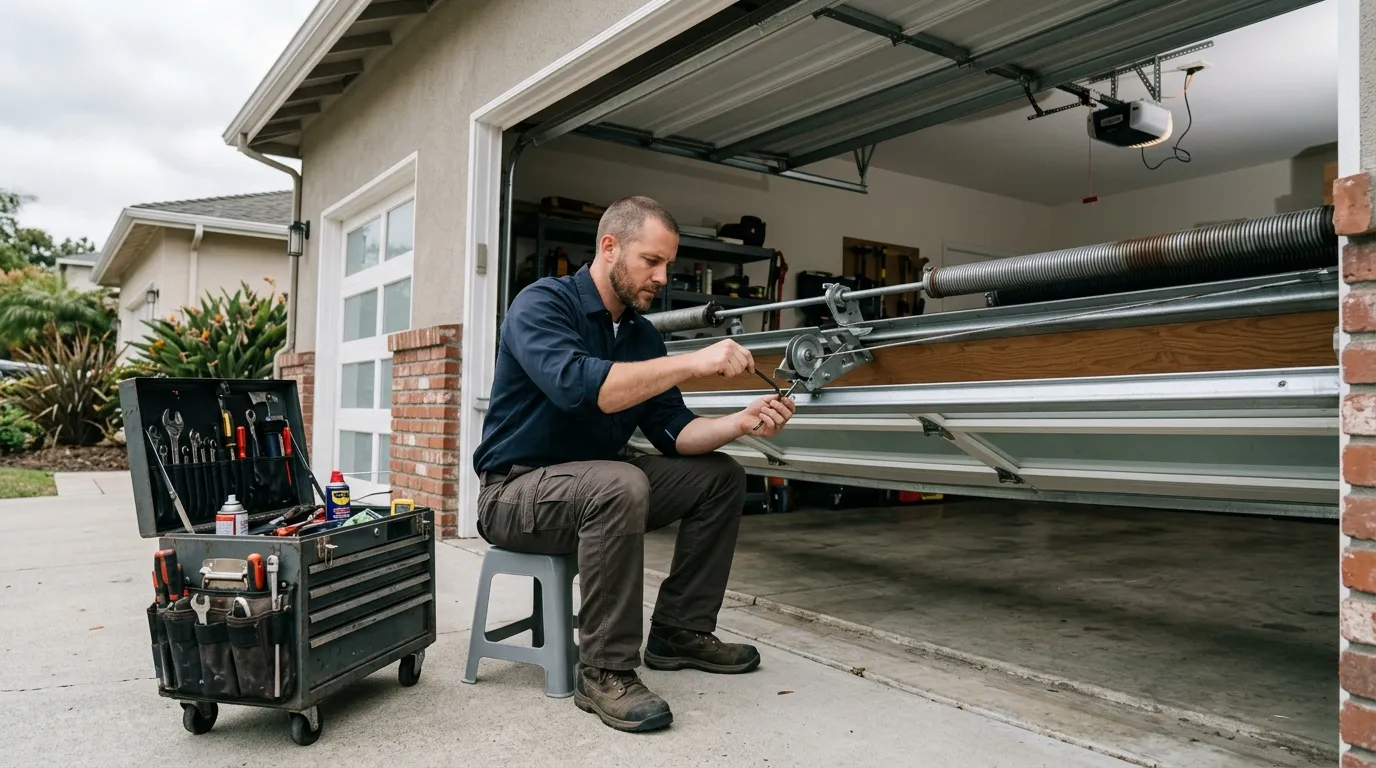
Inverness sits about 14 miles from our shop in Northbrook, and we make that run on scheduled jobs rather than treating it as a walk-up stop. That distance matters for one honest reason: we don't keep a truck parked in Inverness, so we can't promise the same arrival window we'd give a house five minutes from the shop. What we can do is load the truck for the job before we leave, because we know the town before we knock on the door. A 14-mile drive means we plan the visit, not wing it. If you call with a broken spring on a Tuesday afternoon, we're working out a route that gets a fully-stocked truck to your driveway, not just a technician with an empty toolbox and a guess.
What That Means for Doors
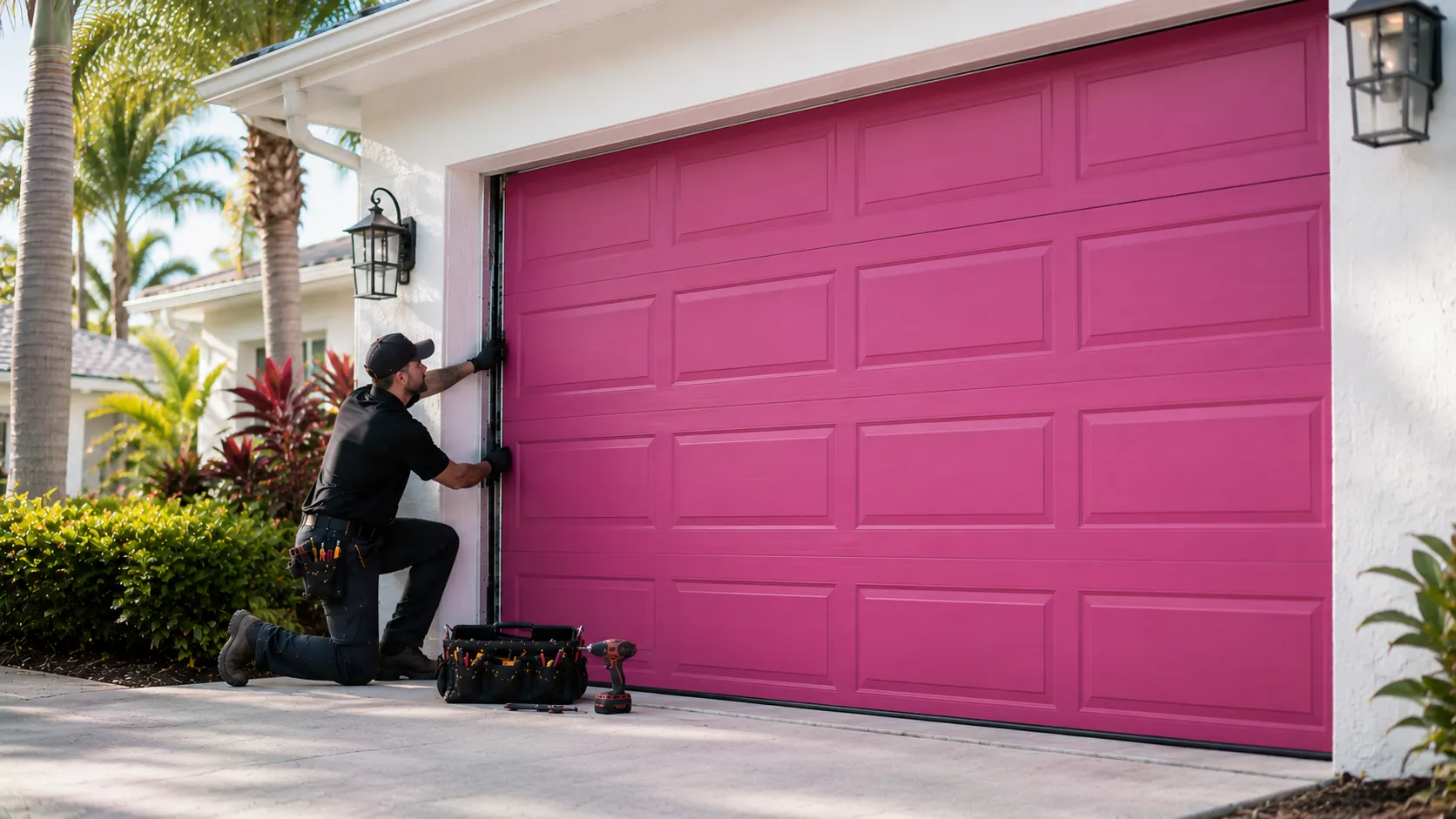
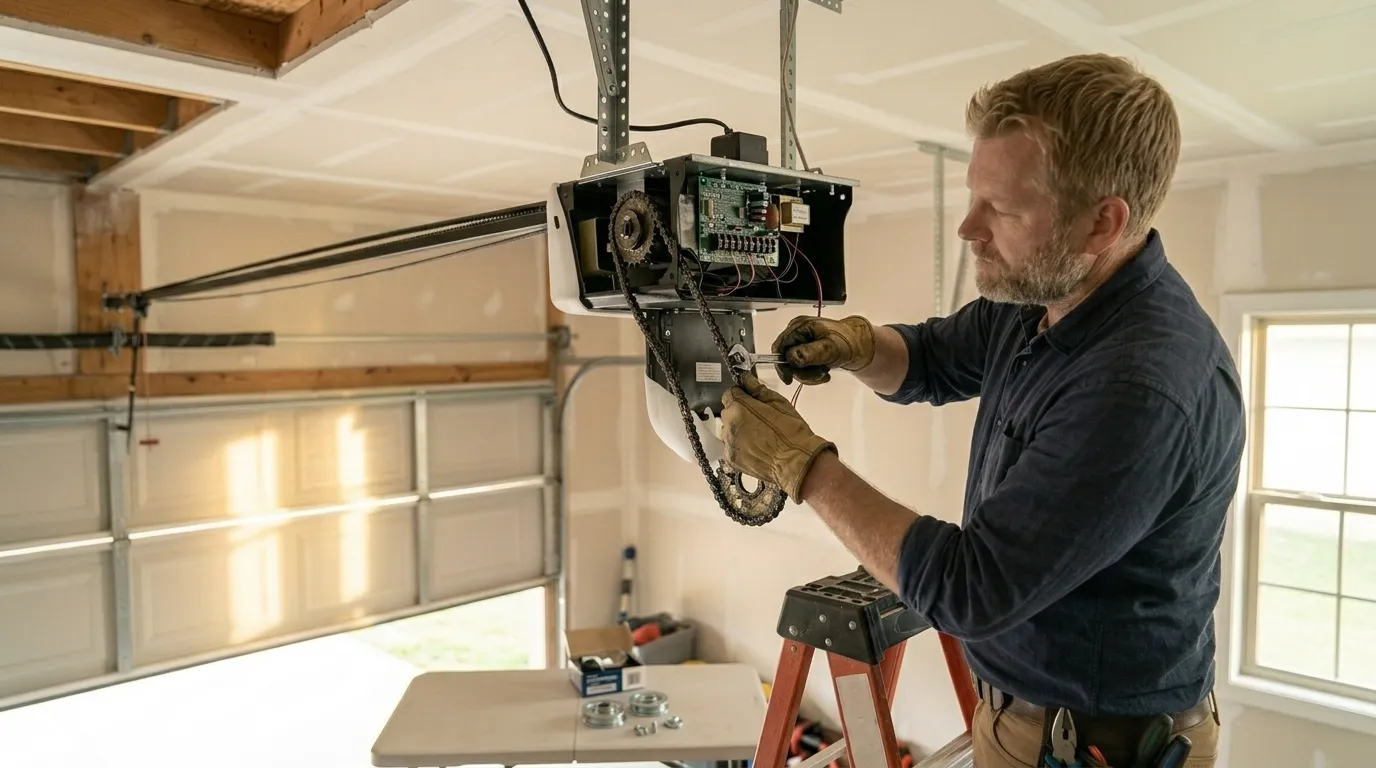
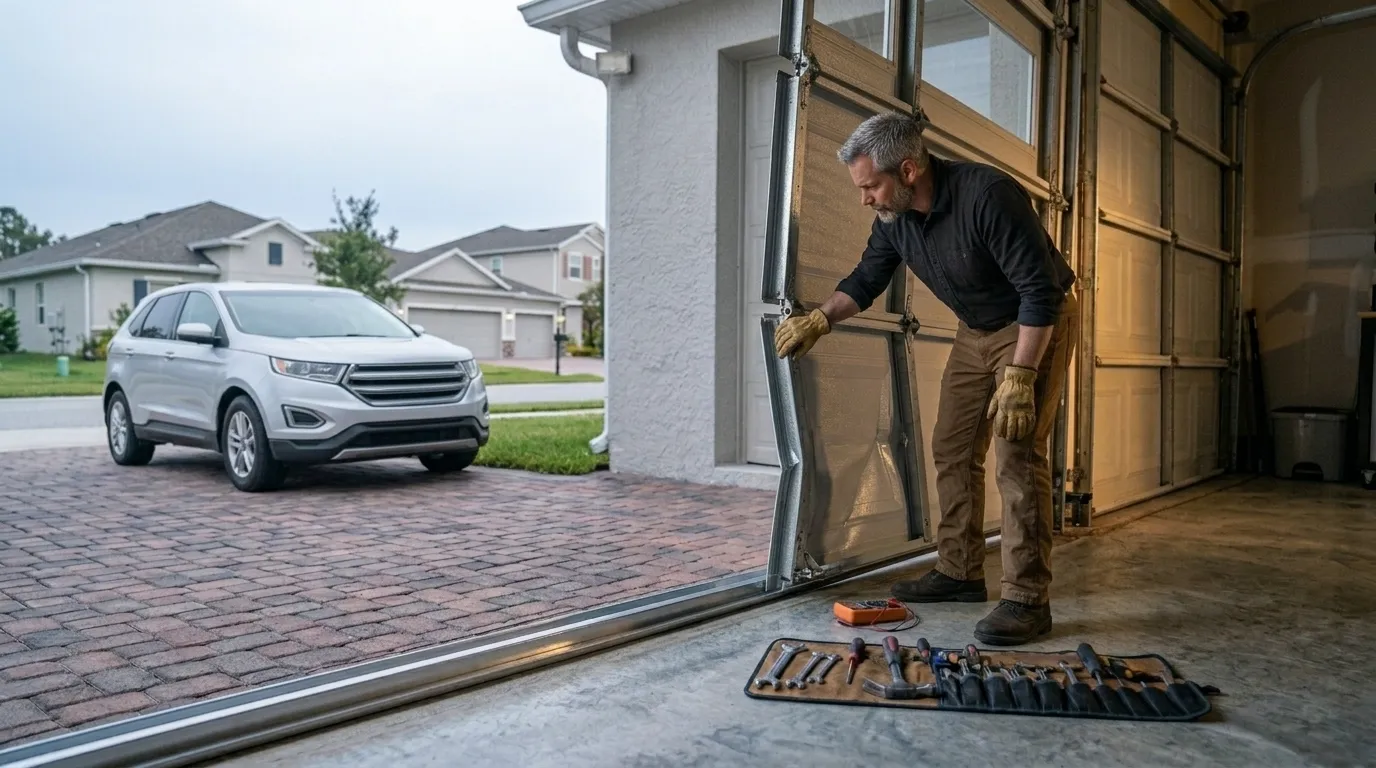
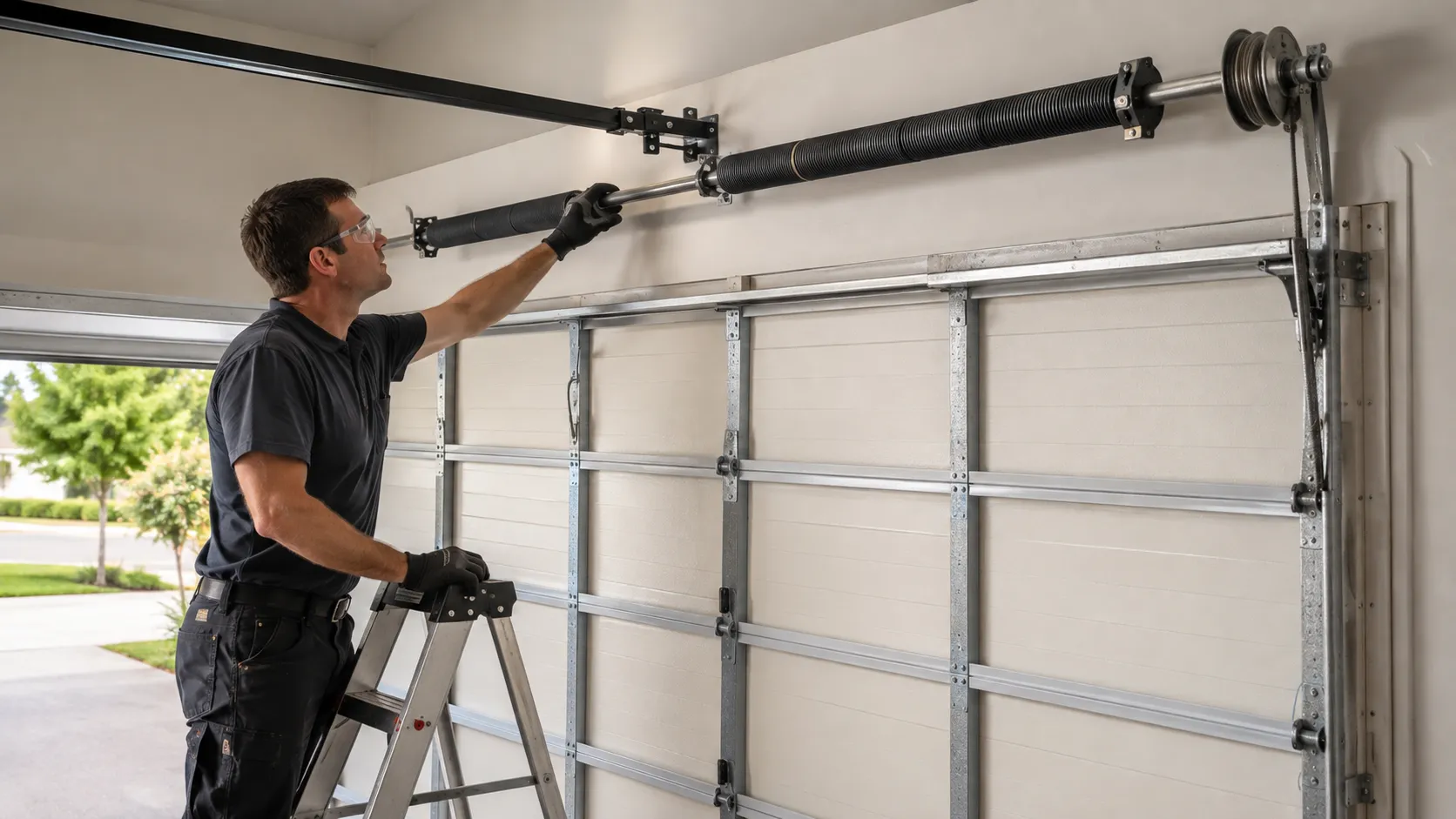
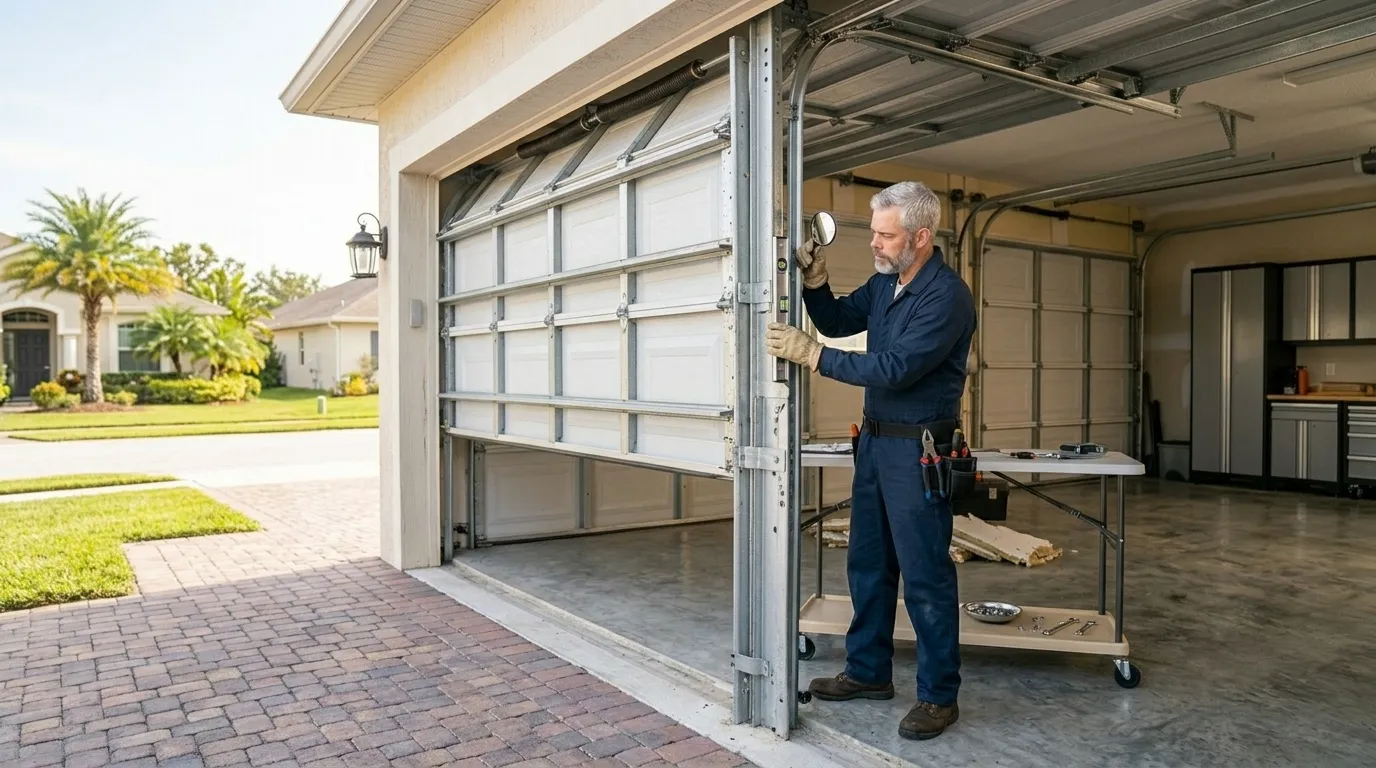
Most of Inverness was built well after the older inner-ring stock closer to Northbrook, with a median construction year around 1984. That's a different door than what we pull parts for in the towns settled in the 1950s and 60s. By the mid-1980s, builders were putting in wider steel sectional doors on lighter torsion springs, often paired with chain-drive openers that are now old enough to need belt or logic-board replacement rather than a simple tune-up. We don't see the ancient single-panel wood doors on original hardware here that we still find in older pockets of the service area - Inverness doors are newer, but 40 years old is still 40 years old, and the springs, rollers and drive gears from that era are due, or past due, for replacement.
What Was Built Here
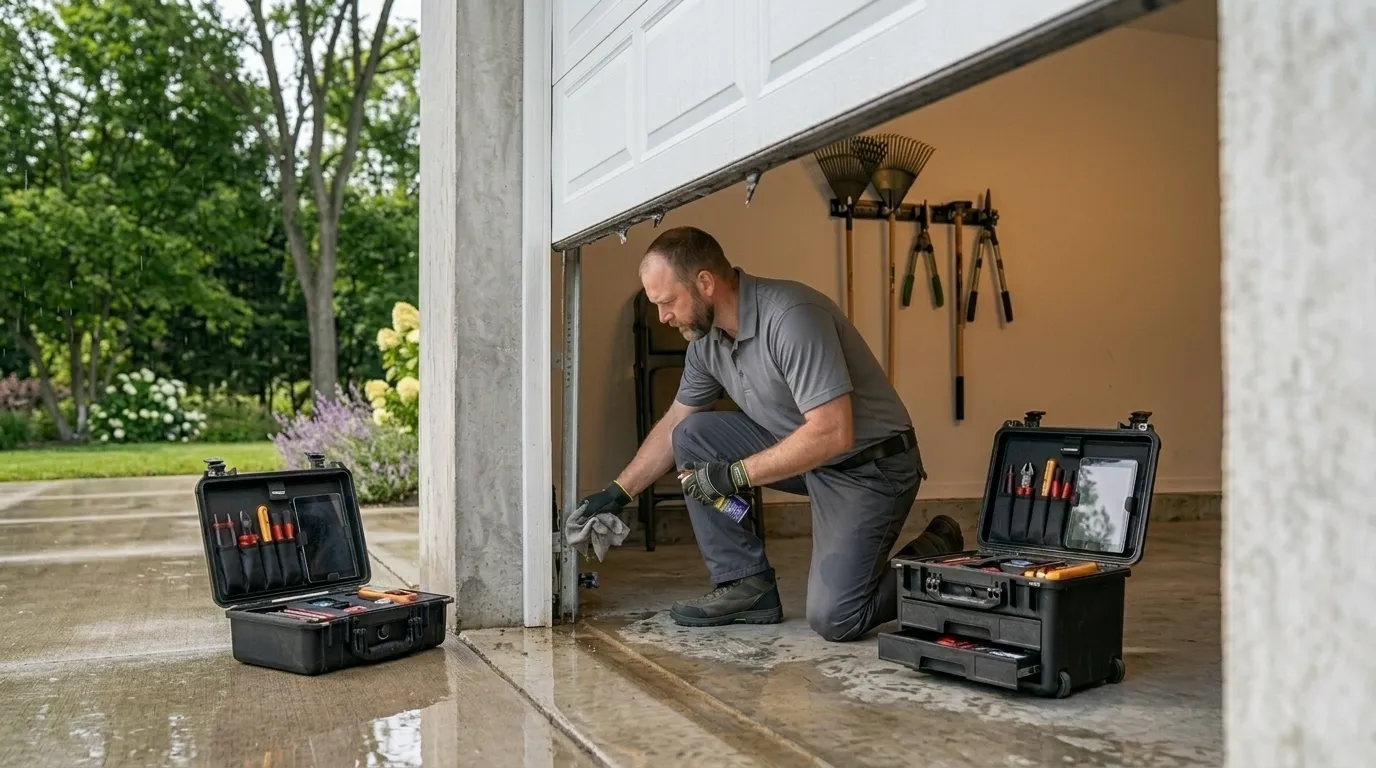
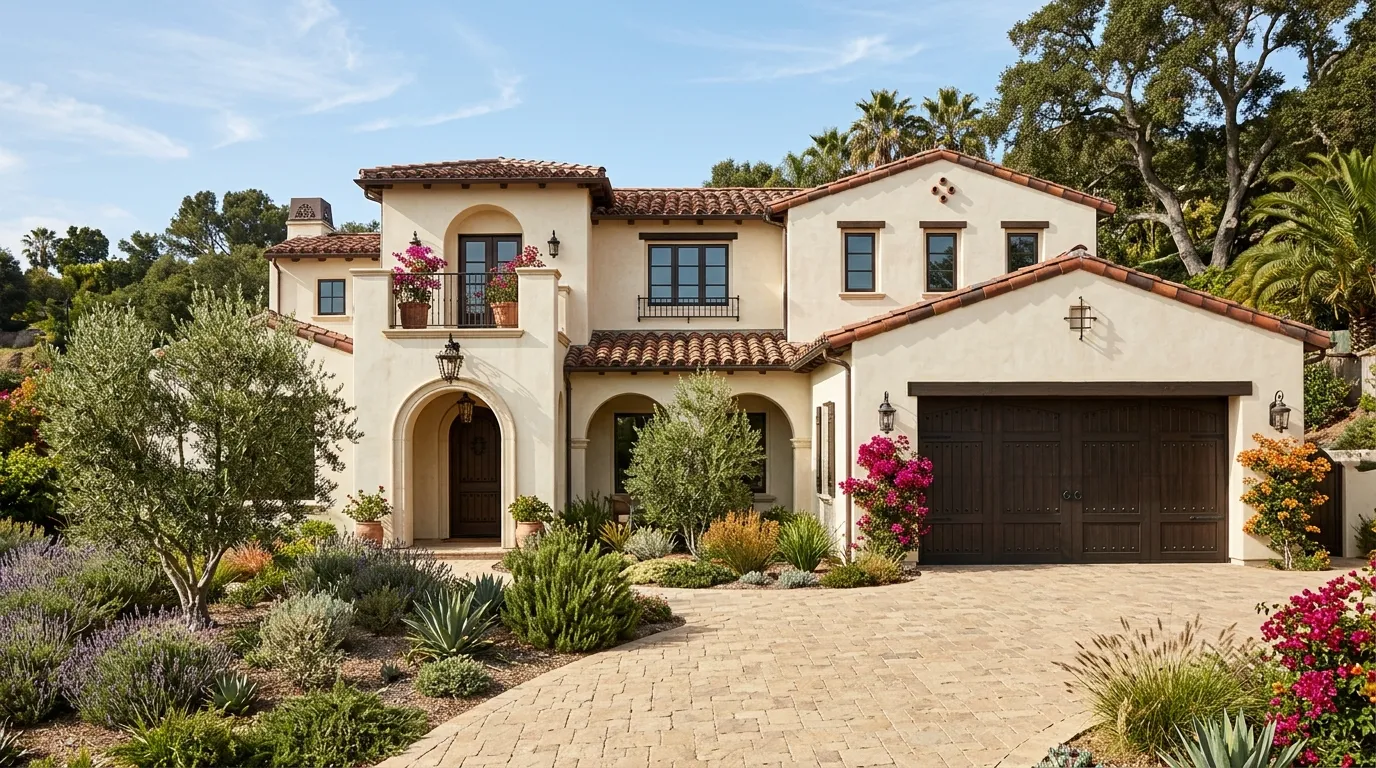
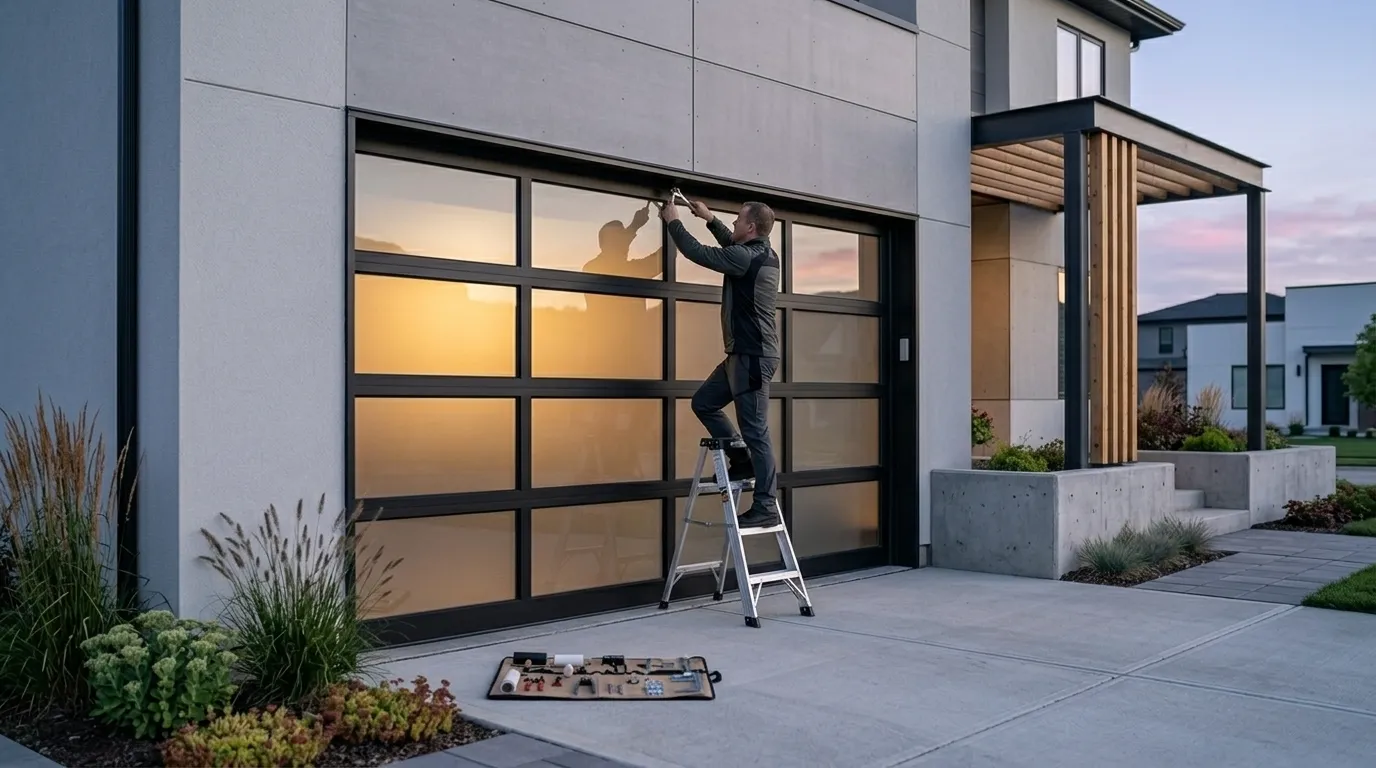
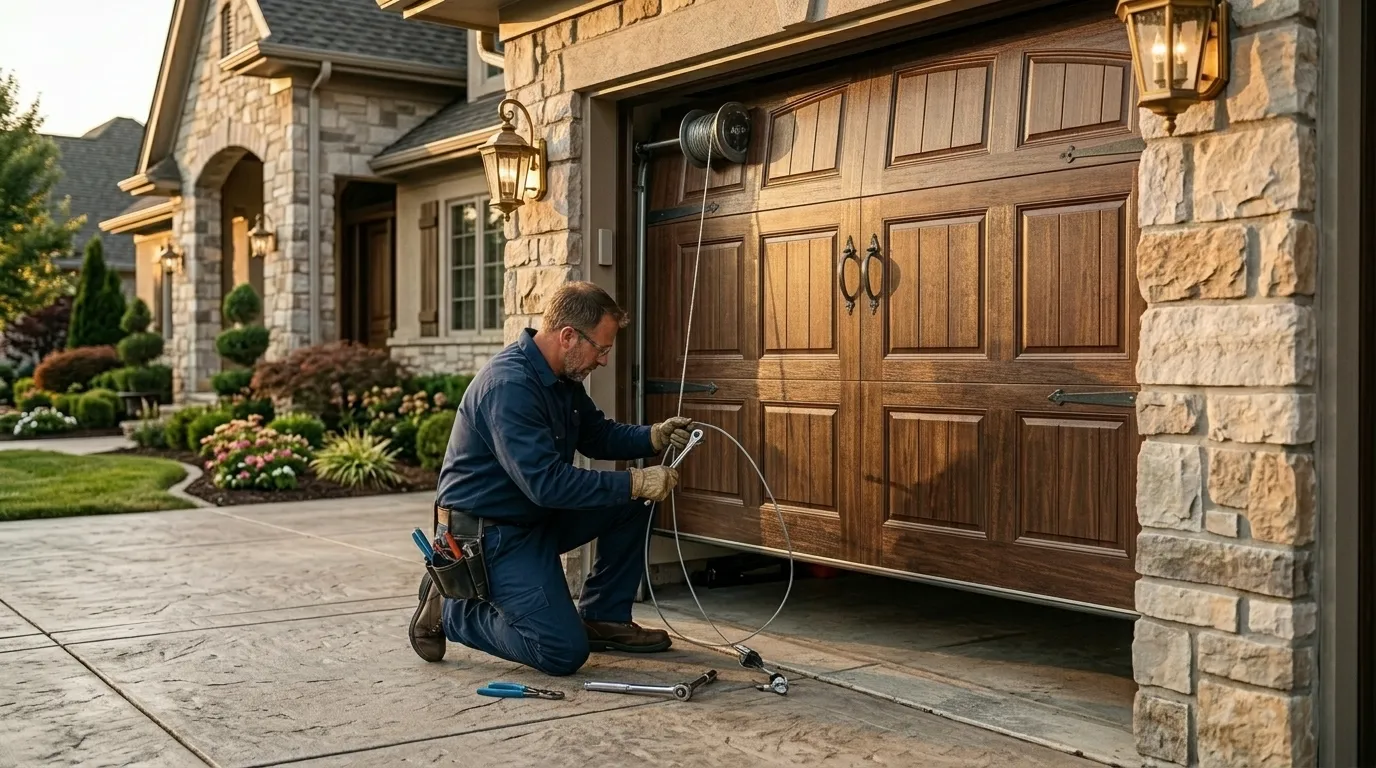
Inverness households report a median income of $215,810 across roughly 2,698 homes, and that income level tends to track with larger custom-built garages - double-wide doors, sometimes paired openers, and heavier insulated panels than the standard builder-grade door from the same era. Those doors carry proportionally larger torsion springs, and when one goes, it's not a five-minute fix off a universal spring rack; it often needs a spring matched to the door's actual weight and wind rating. Combine that with a cold-moderate climate that puts real thermal cycling on steel panels and hardware each winter, and the failures we see in Inverness tend to be spring fatigue and hardened lubricant on well-built, heavier doors rather than the rust-and-rot failures common on older, lighter builder doors elsewhere in the service area. It's a different failure profile, and it changes what we bring on the truck.