How We Get to You
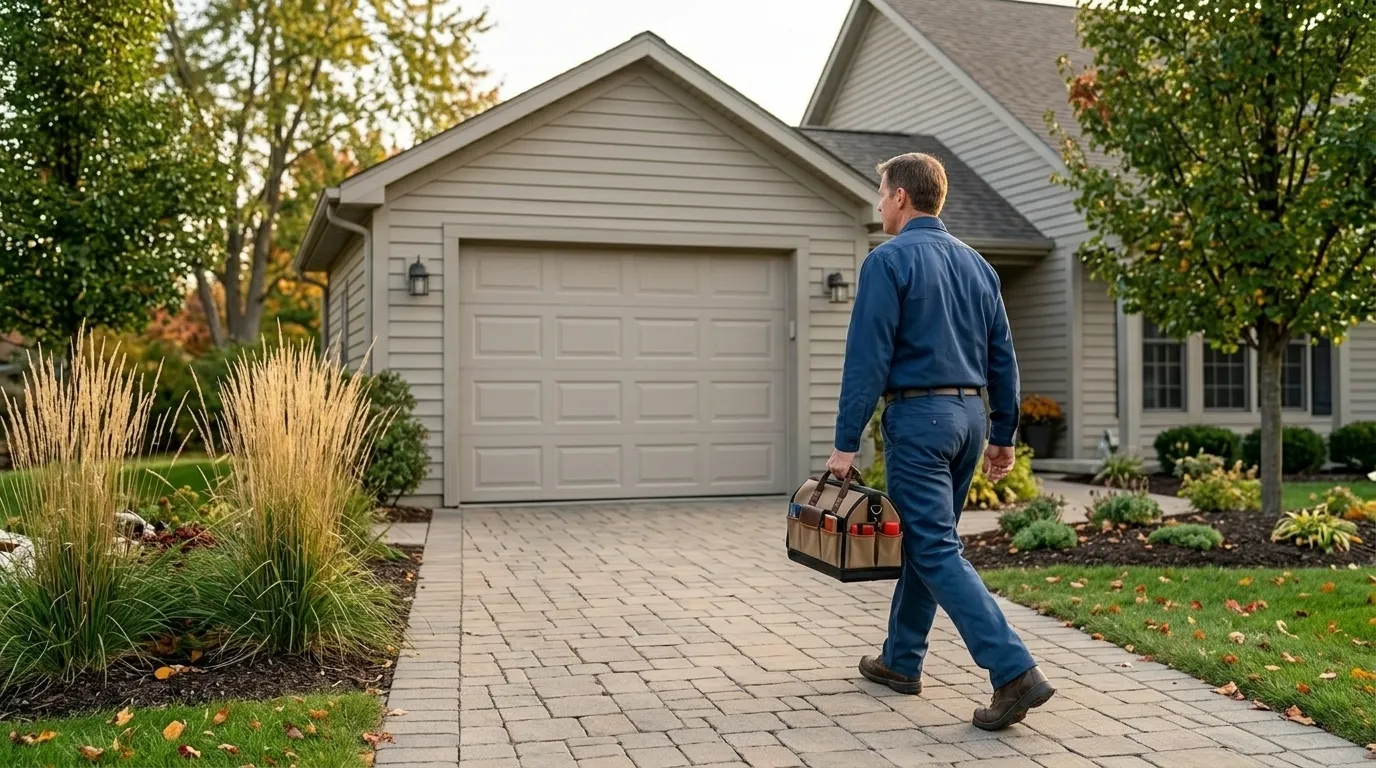
Itasca sits about 14 miles from our shop in Northbrook, and that drive shapes how we schedule the day. We're not based here, so we don't claim a local depot or a guaranteed arrival window - we route Itasca calls alongside the rest of the western stops on a given day. What we do promise is a truck that's loaded for the job before it leaves Northbrook, because turning around for a part is the surest way to waste your afternoon and ours. If your opener or spring job is urgent, say so when you call, and we'll tell you honestly where that slots into the day rather than guessing at a time we can't back up.
What That Means for Doors
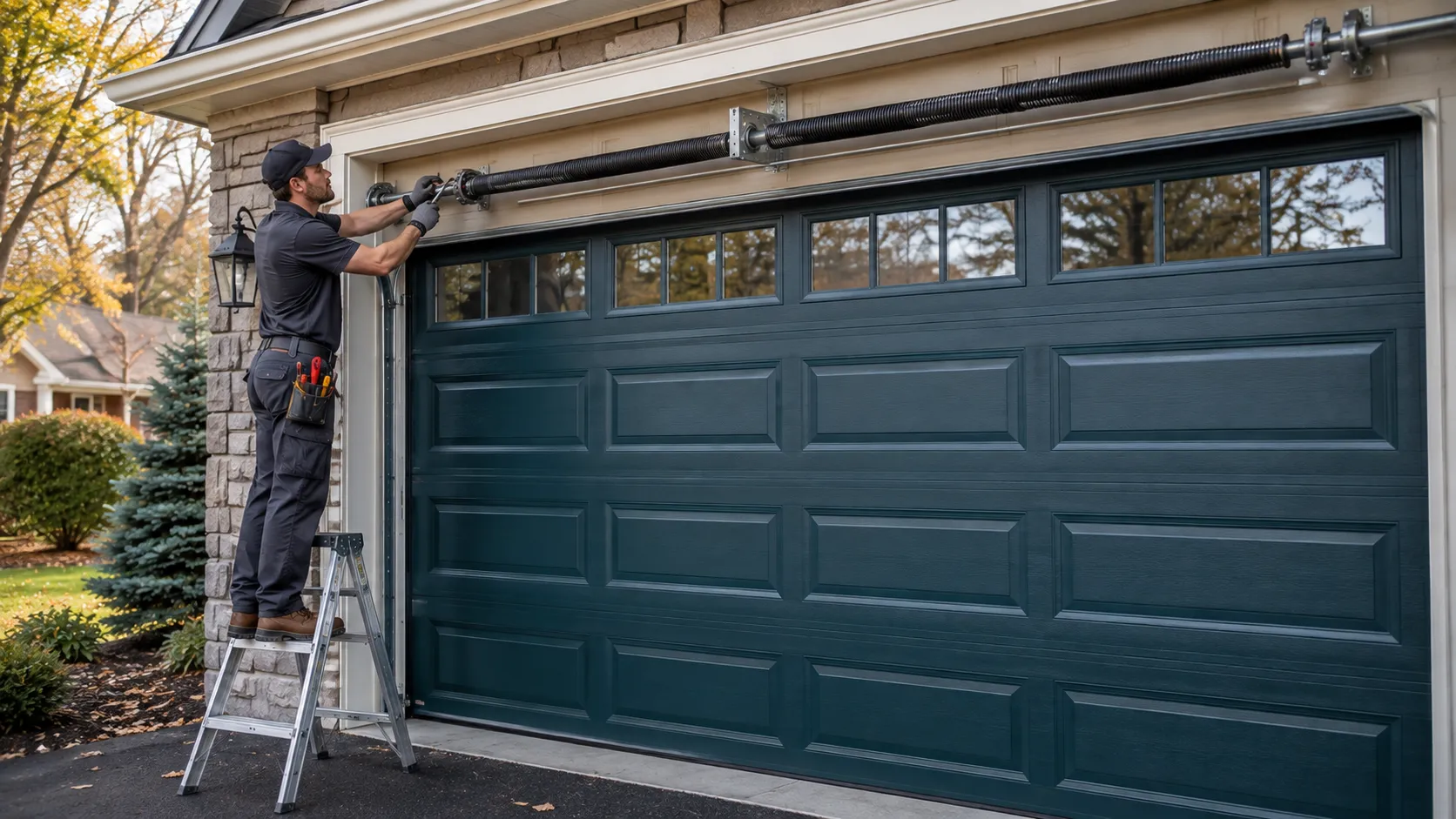
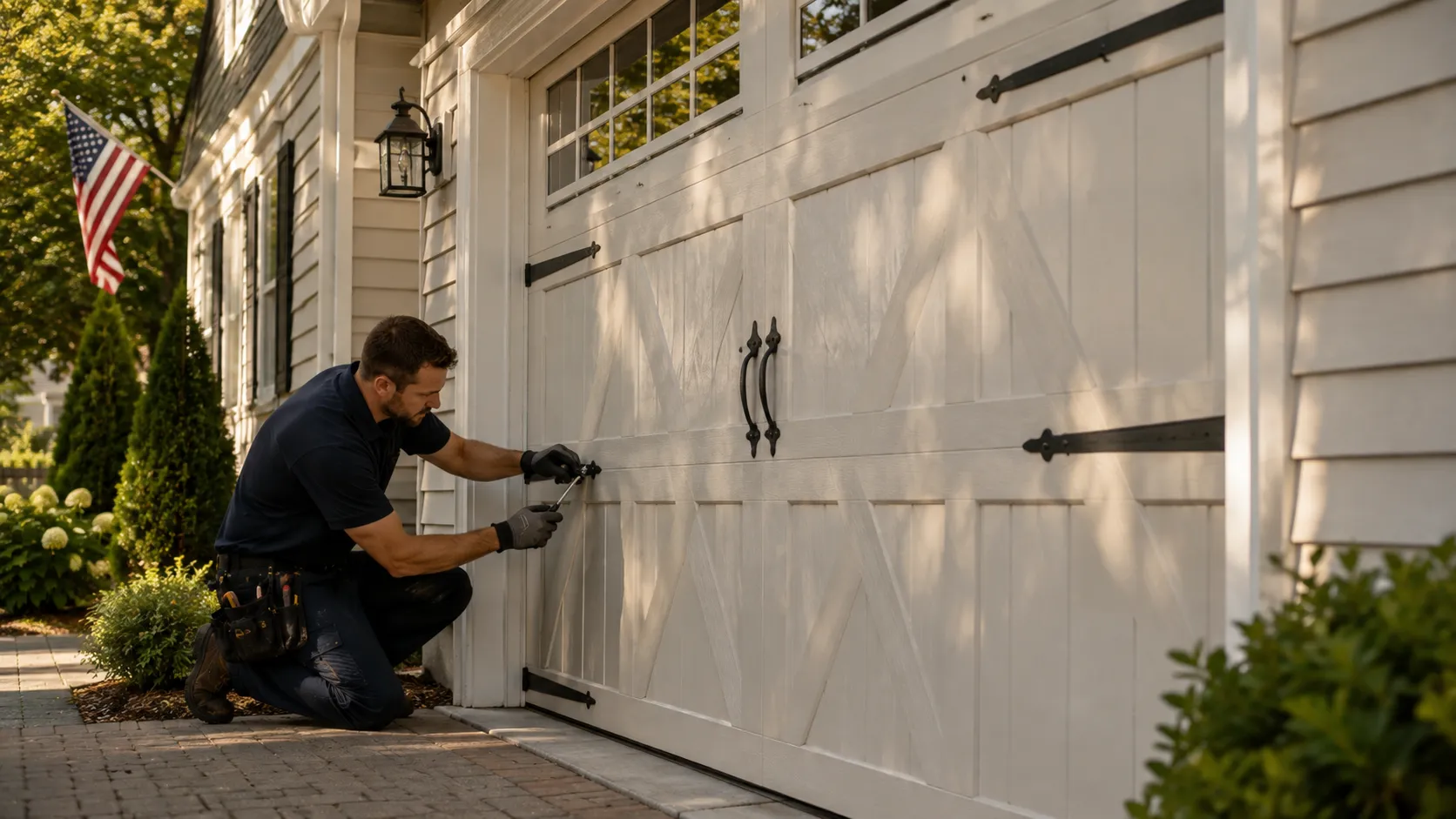
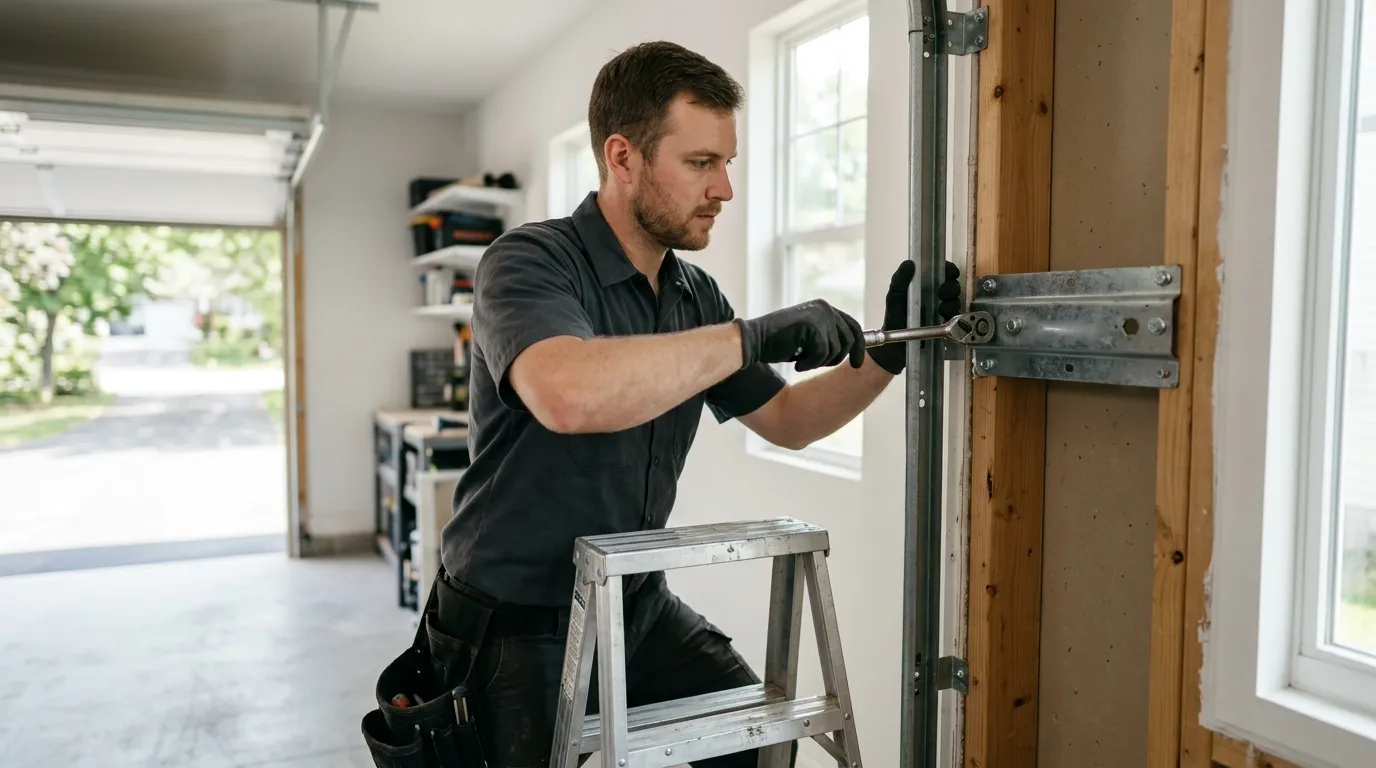
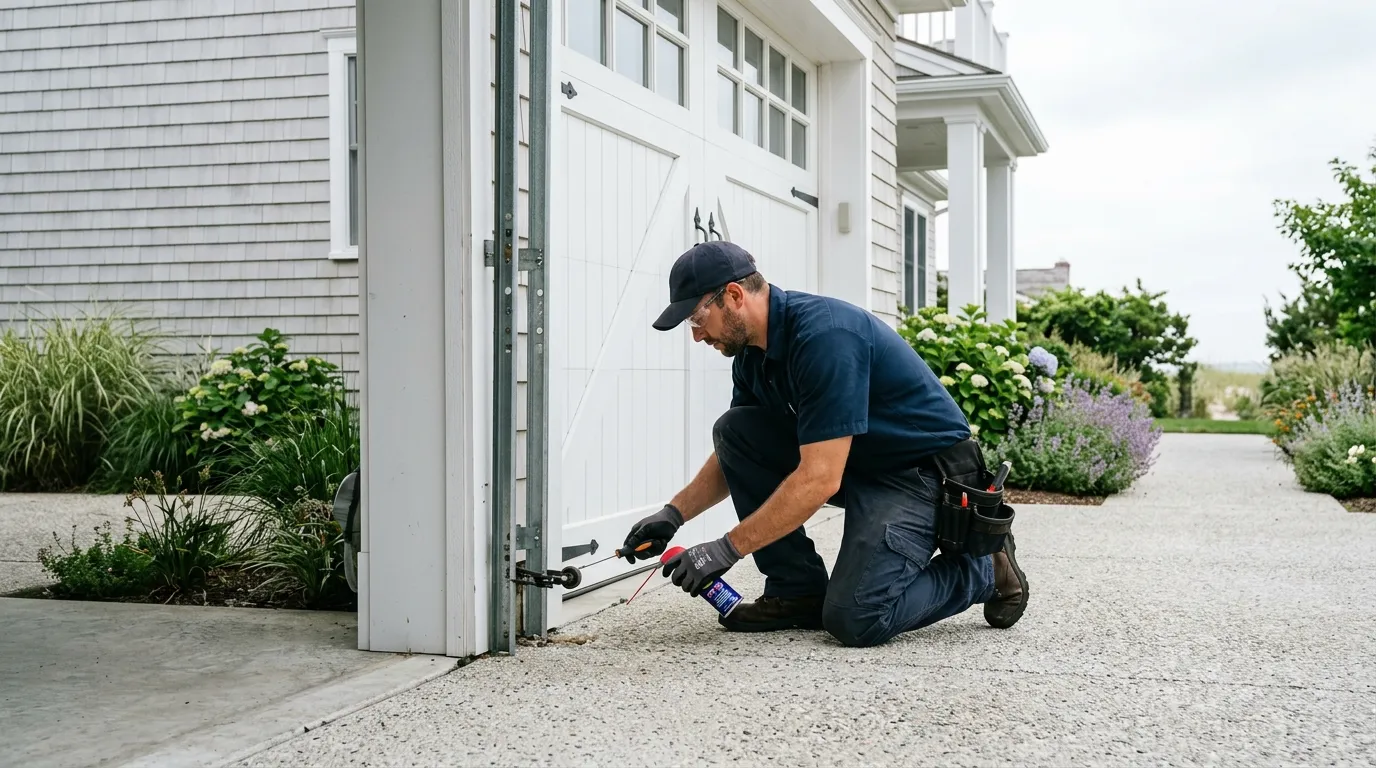
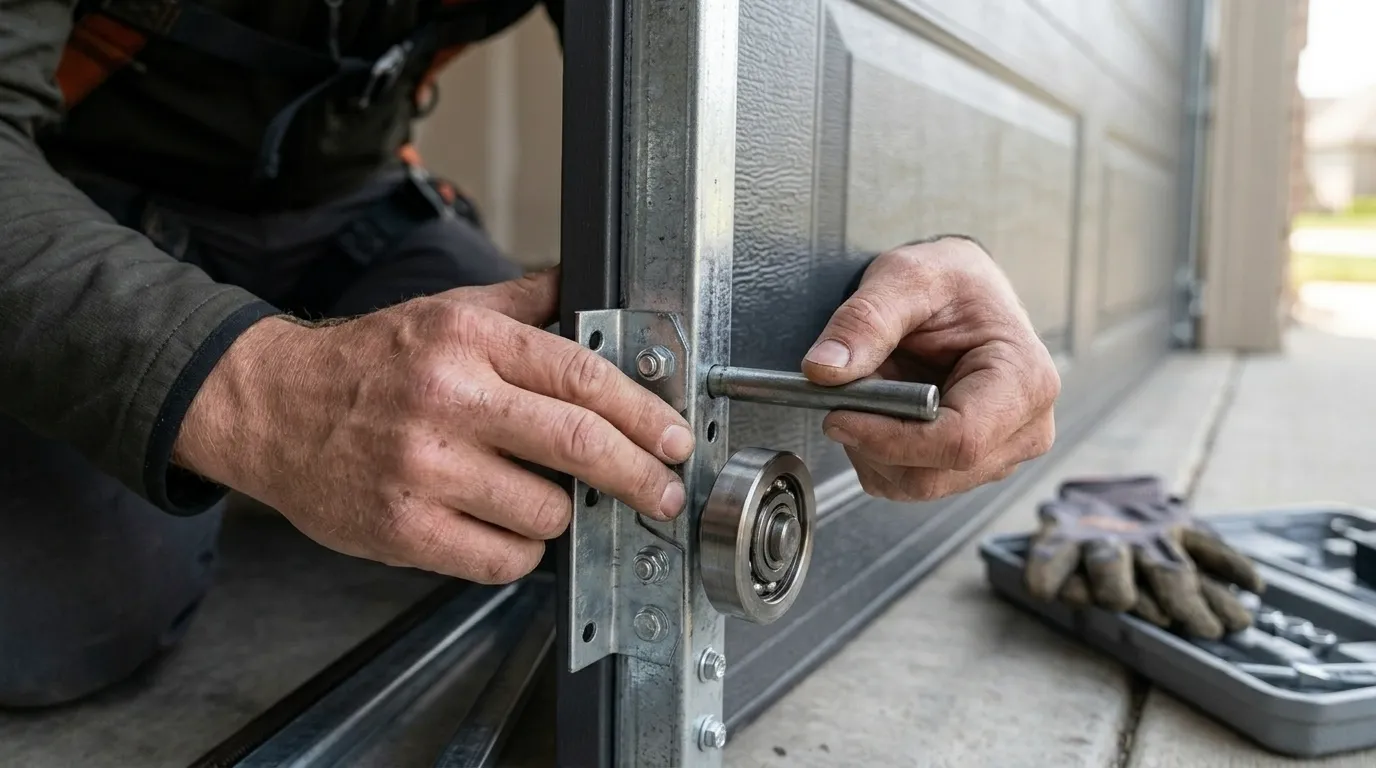
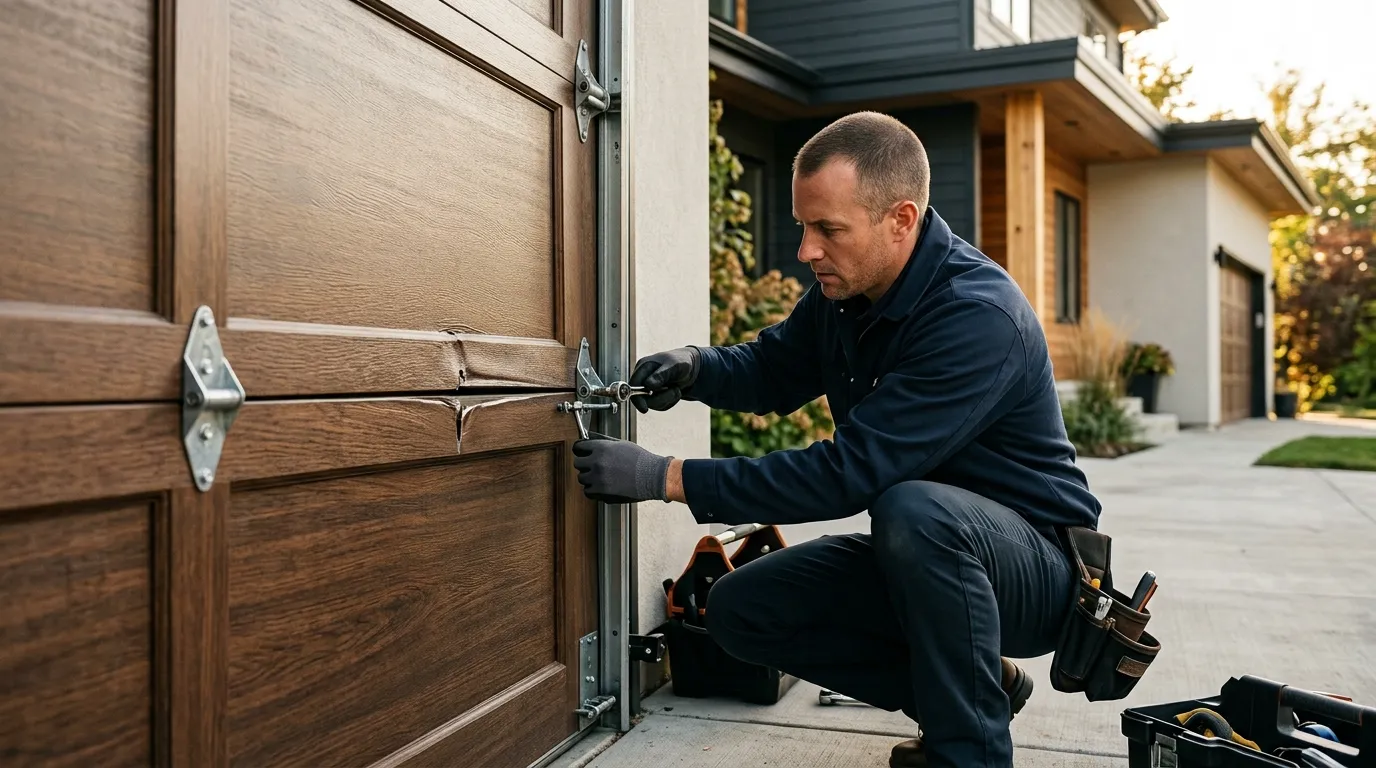
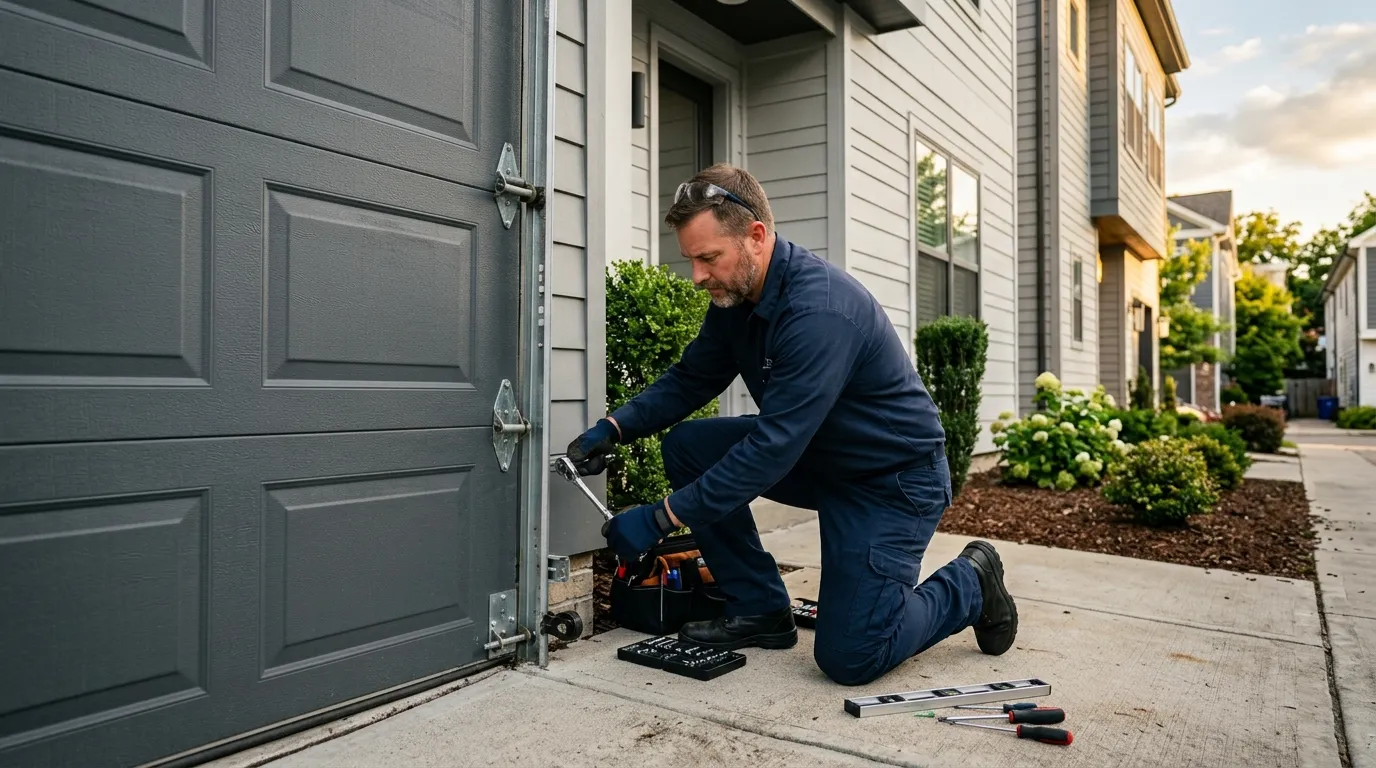
The median home in Itasca was built around 1978, which puts it a few years past the broader service area's 1974 median and lands it squarely in the second wave of steel sectional doors - after the plain flush panels of the 60s, before the insulated doors that showed up in the 90s. A lot of these are 16-gauge steel panels on standard-lift torsion springs, with openers that have likely been swapped once or twice since the house was new. The failure we see most in this vintage isn't the door skin, it's the original track brackets and hinges that were fine for a builder-grade door but never sized for the heavier reinforced doors homeowners have since retrofitted. If your door feels heavier than it should when the opener struggles, that mismatch is often why.
What Was Built Here
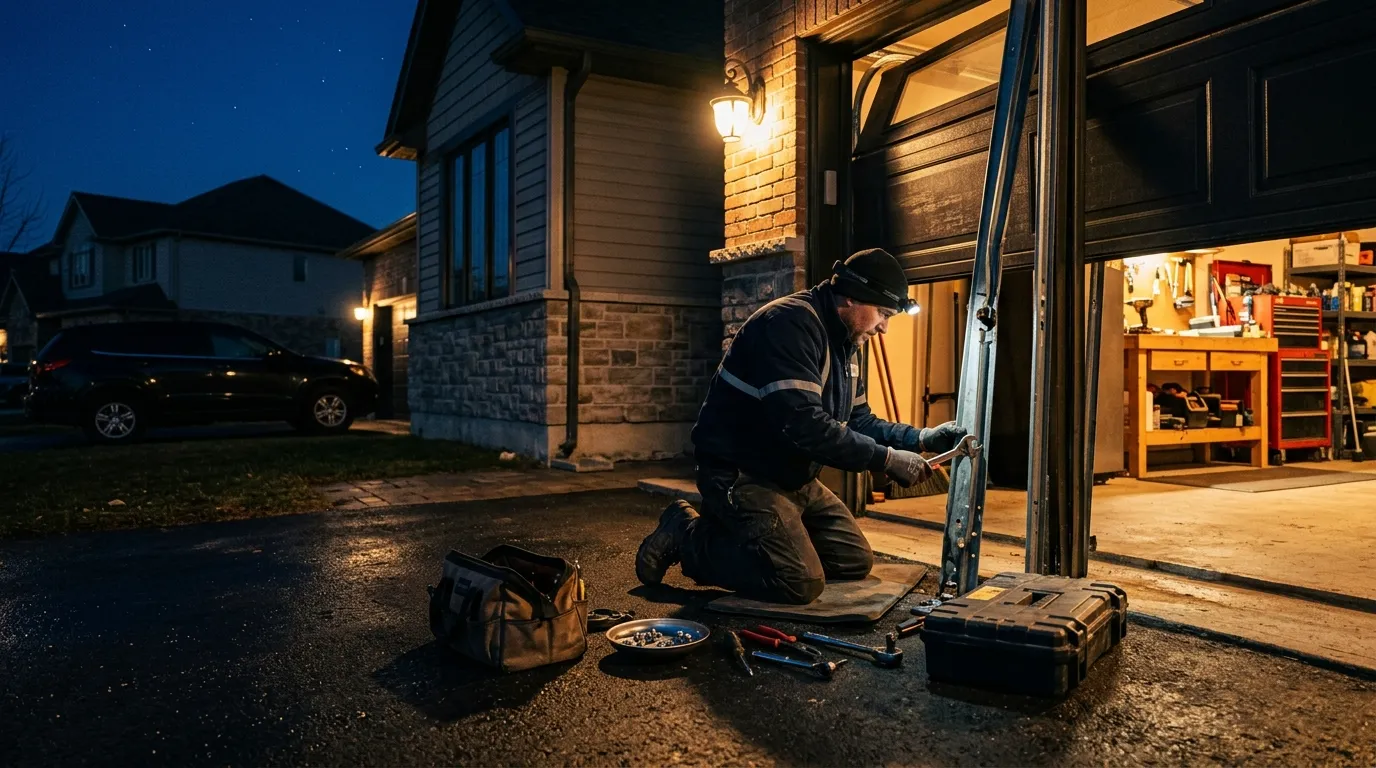
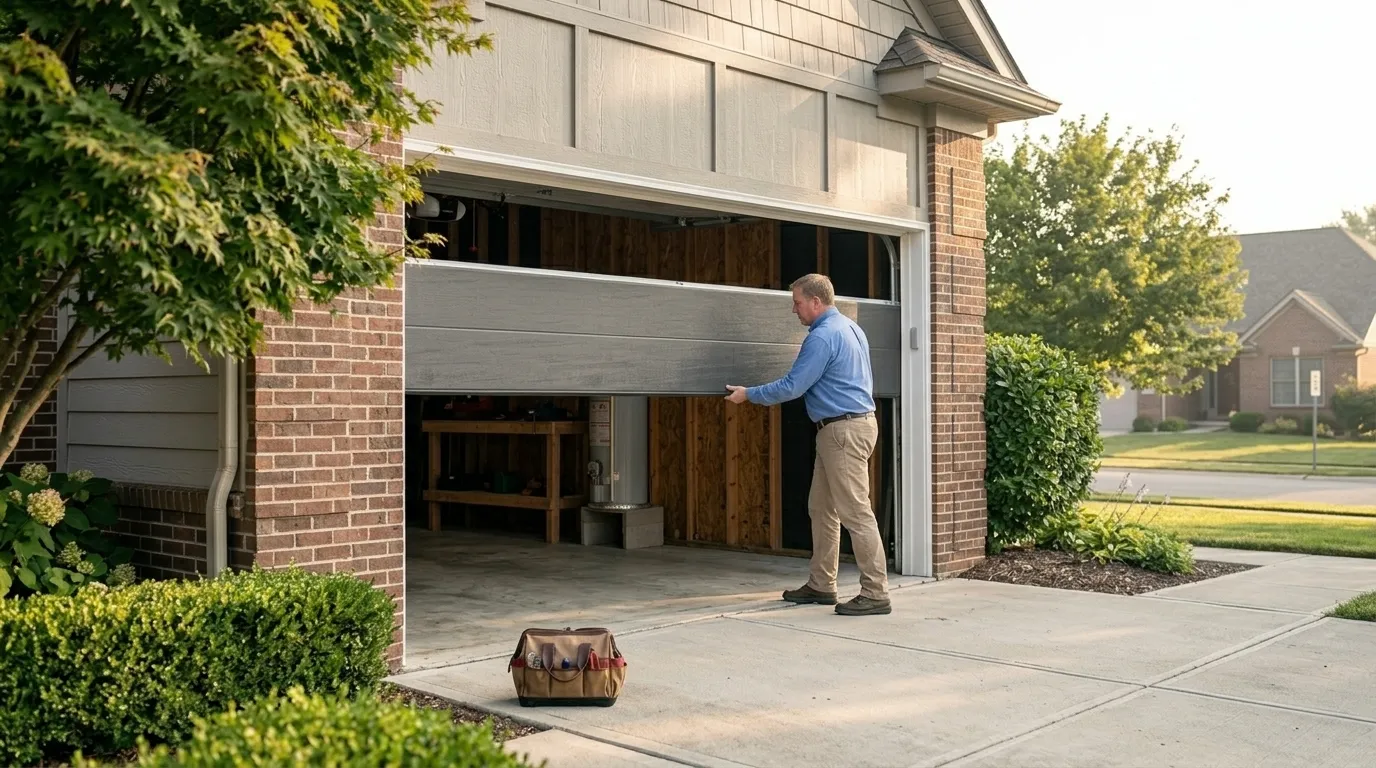
With roughly 3,827 households and a median income near $111,898, Itasca skews toward owner-occupied houses from a build era that favored two-car attached garages and 16-foot double doors as often as single bays. That's a wider, heavier door than the single-bay stock common in older parts of the broader service area, and it puts more load on torsion springs rated for the extra width. When a spring goes on one of these double doors, the door usually won't budge at all rather than just feeling heavy - that's the tell that it's a full spring failure and not just an opener struggling. Given the income level here, we also see more owners choosing full replacement with insulated doors over patching a 1970s-era door that's reached the end of its service life, which given the region's cold winters isn't a bad trade.