How We Get to You
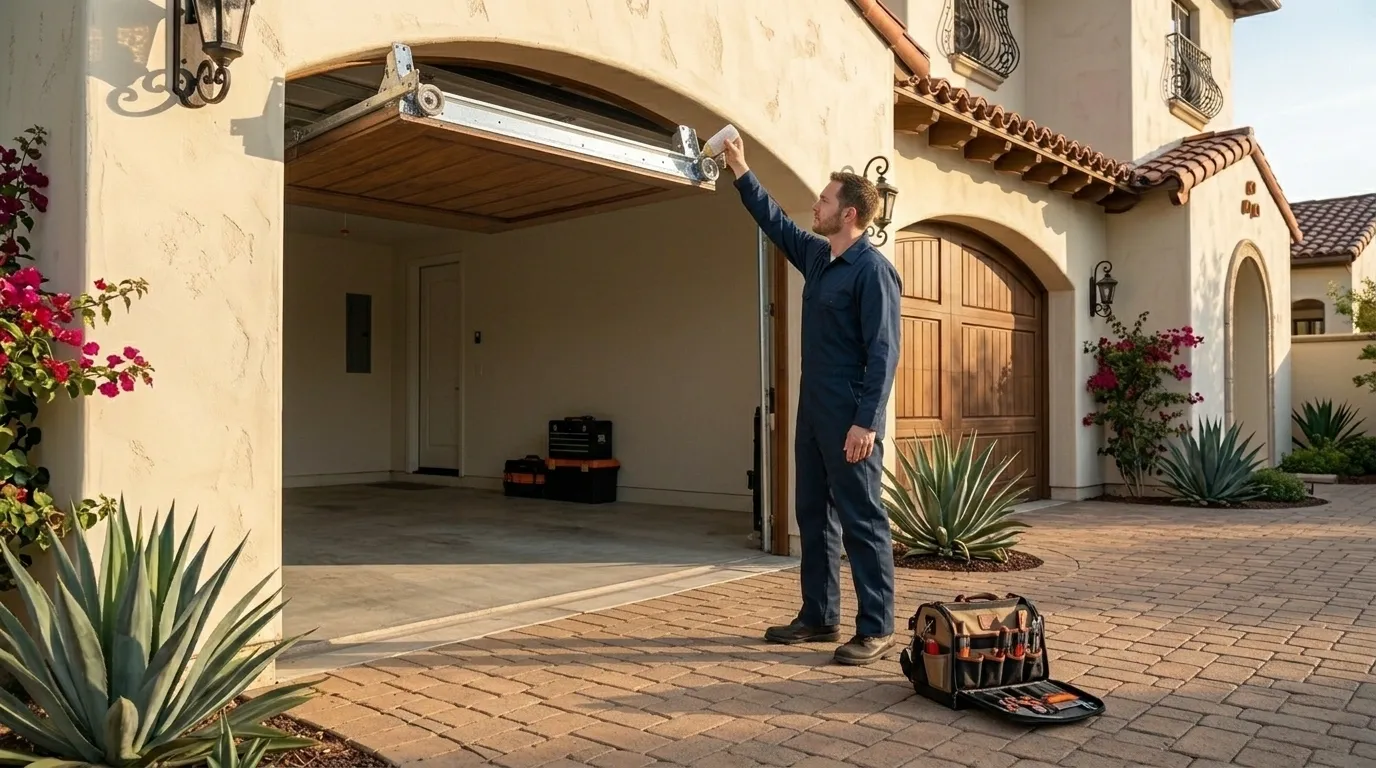
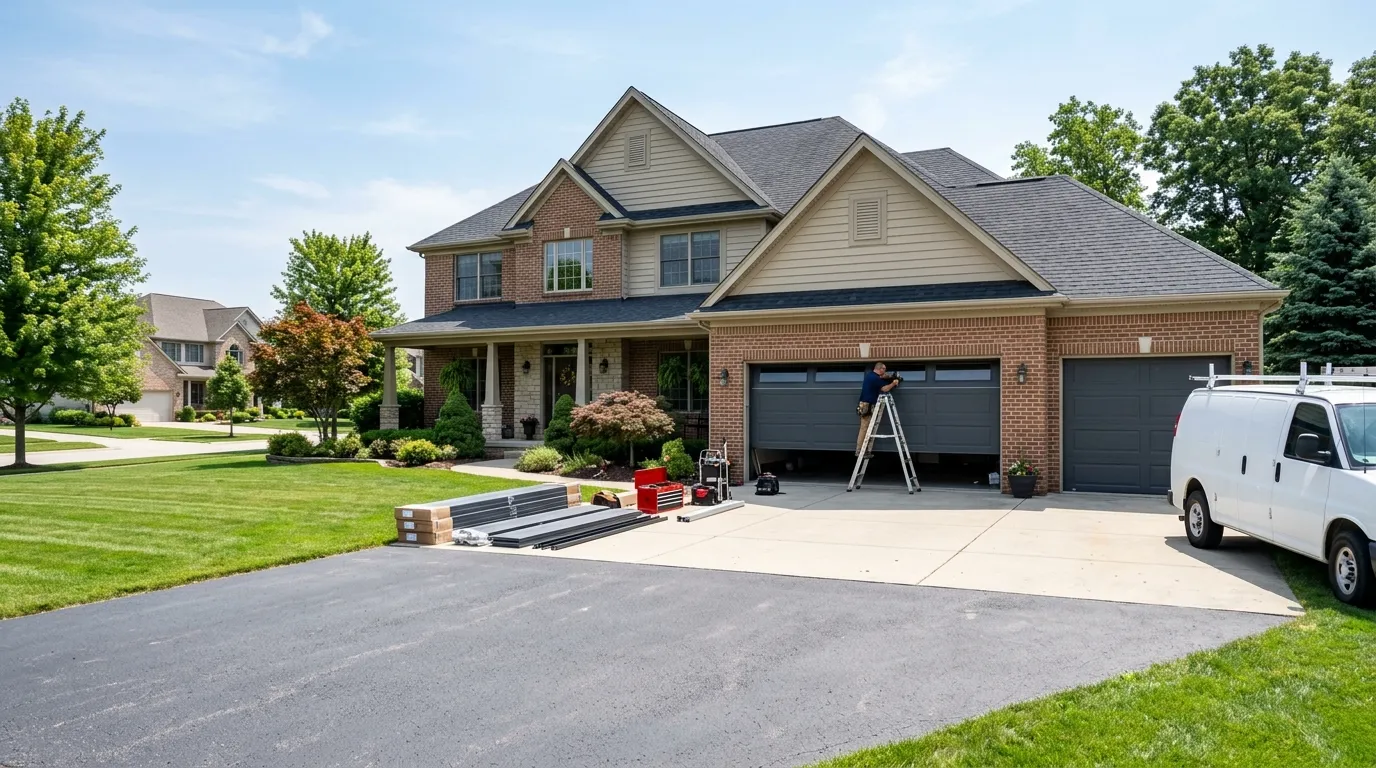
We run out of Northbrook, and Kildeer sits about 12 miles out, so every job here starts with a drive, not a stop at a counter. That's worth saying plainly: we don't have a location in Kildeer, and we're not going to pretend otherwise. What you get instead is a truck that comes to your driveway with the parts we expect to need based on what we've seen on doors like yours.
The route in typically threads past the corridor of towns between us and you, and we schedule around that distance rather than treating it as an afterthought. If you're calling near the end of the day, ask about the drive time up front - we'd rather tell you straight than have you standing in a cold garage wondering when the truck shows.
One honest limit: if a part isn't something we carry on the truck, a same-day fix isn't always possible. Some hardware needs to be ordered, and that adds a day or two regardless of how close you are to Northbrook.
What That Means for Doors
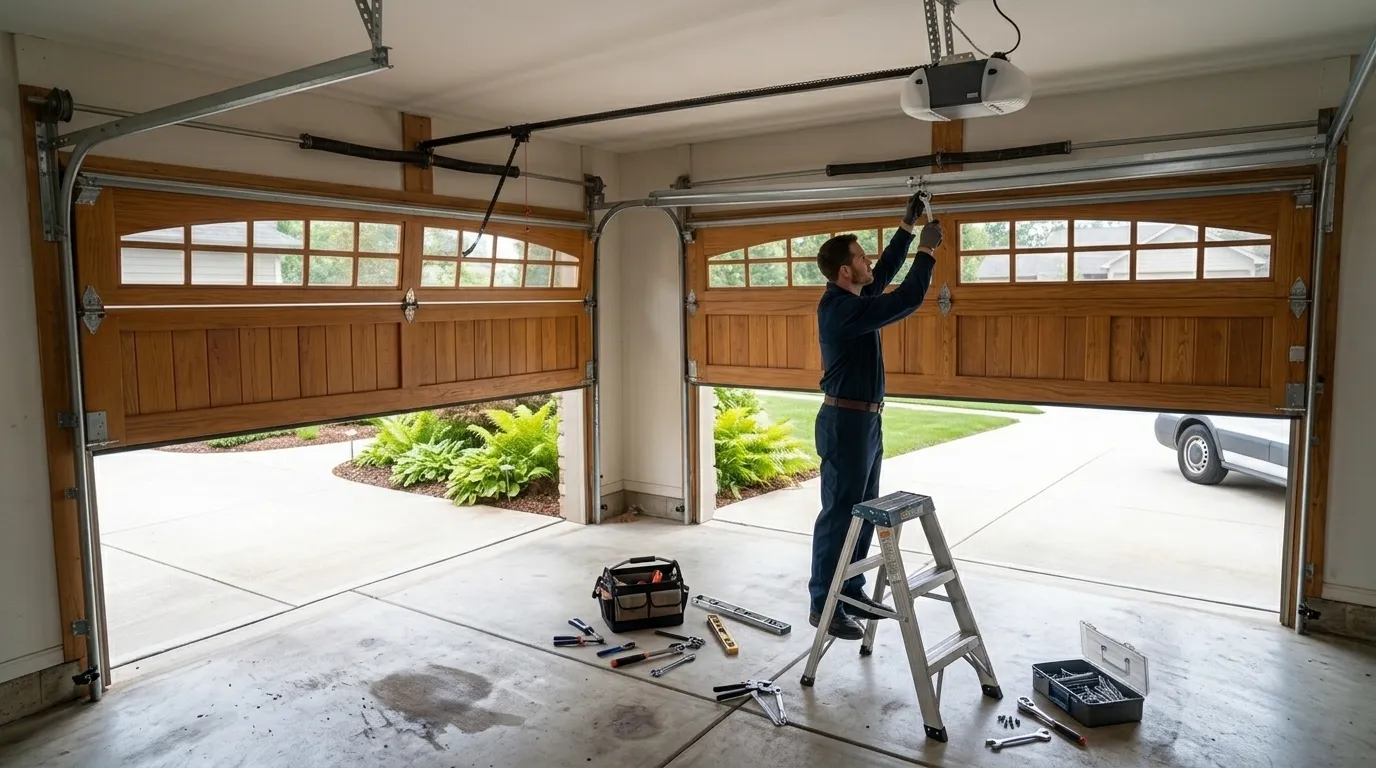
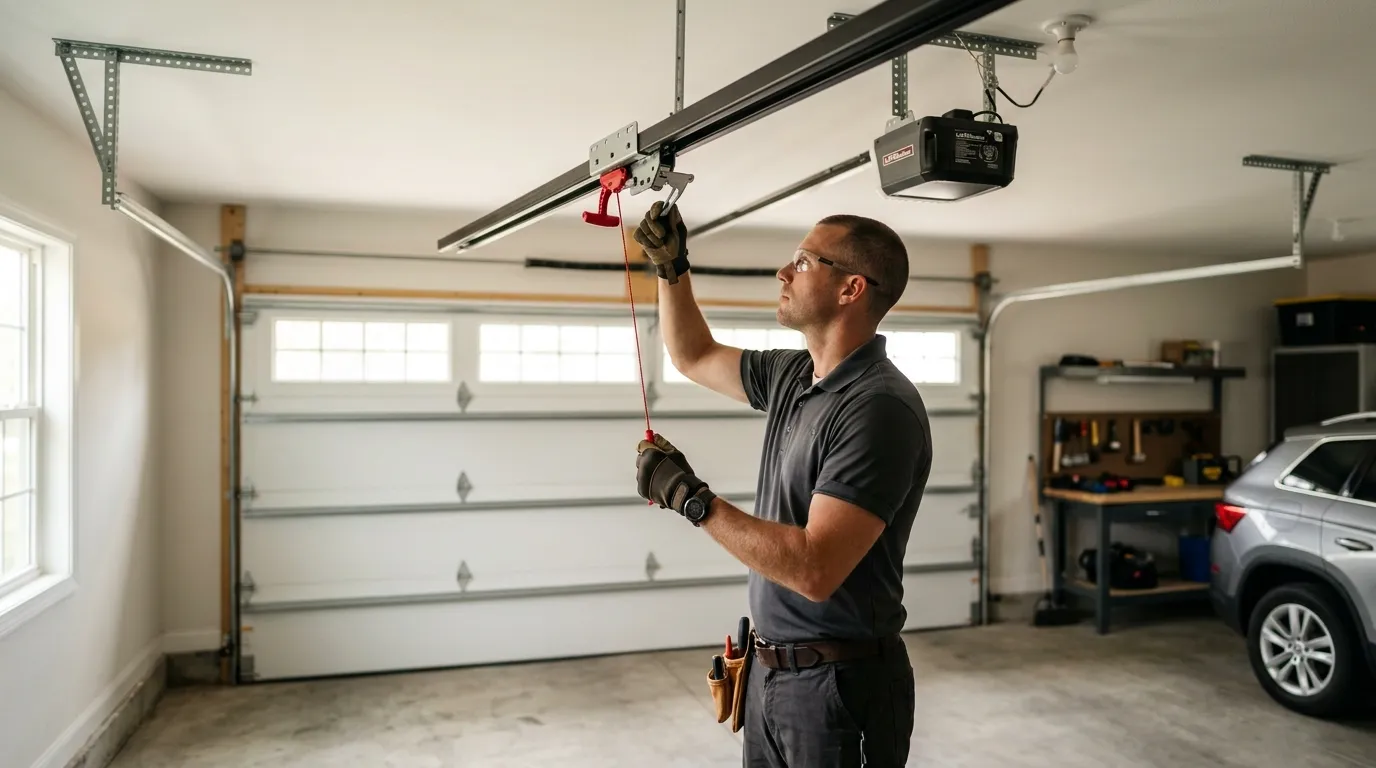
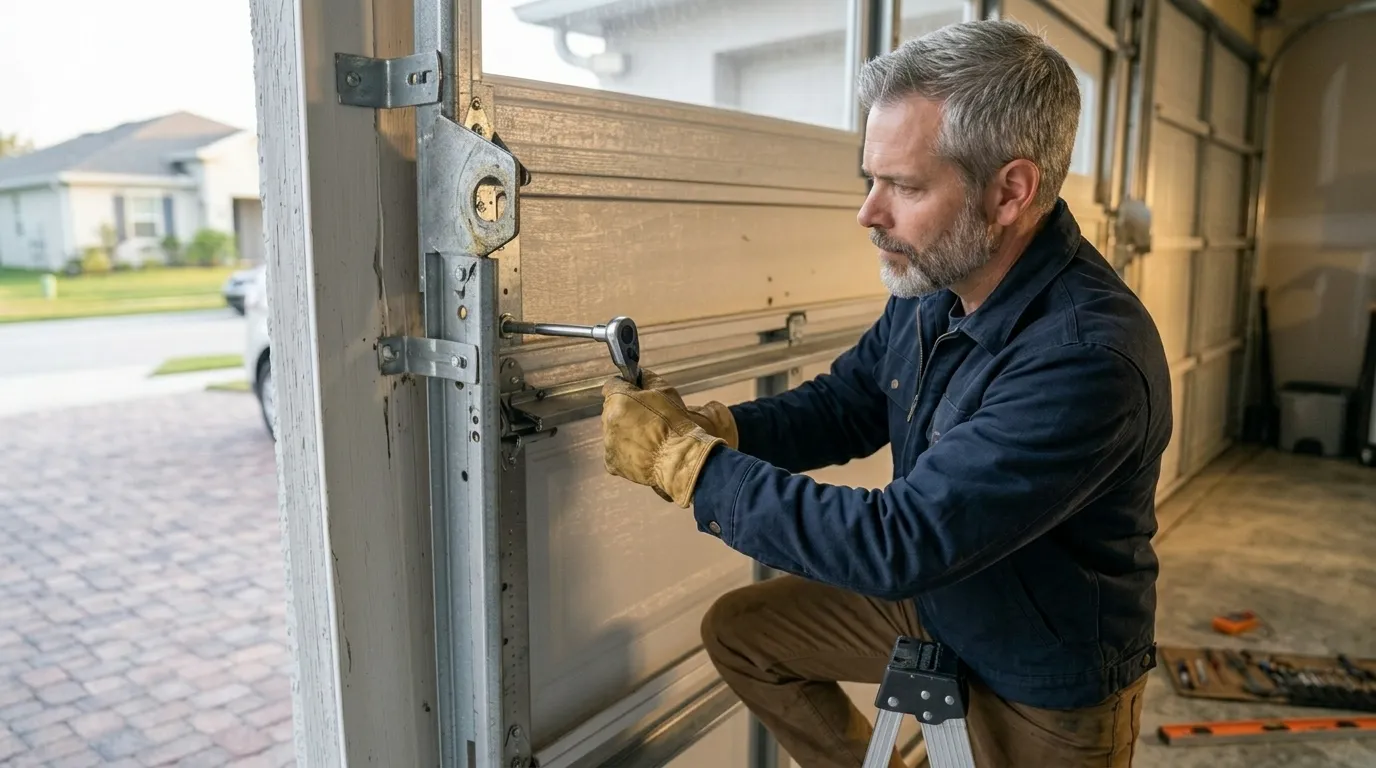
Kildeer's housing is newer than what we see through most of this service area - median build year here runs around 1991, well past the 1938-1996 span and 1974 median that covers the broader region. That gap matters more than it sounds. A door installed in the early '90s is usually on a torsion spring system with a standard extension-spring backup already phased out in most builds, and the openers from that era are chain or belt drive units nearing or past their expected working life.
What we don't see as much of here: the older side-mounted torsion setups and single-piece doors that show up on 1960s and '70s stock elsewhere in the area. Kildeer's doors are more likely sectional, insulated, and on rollers that have simply worn down 30-plus years of use rather than being outdated by design.
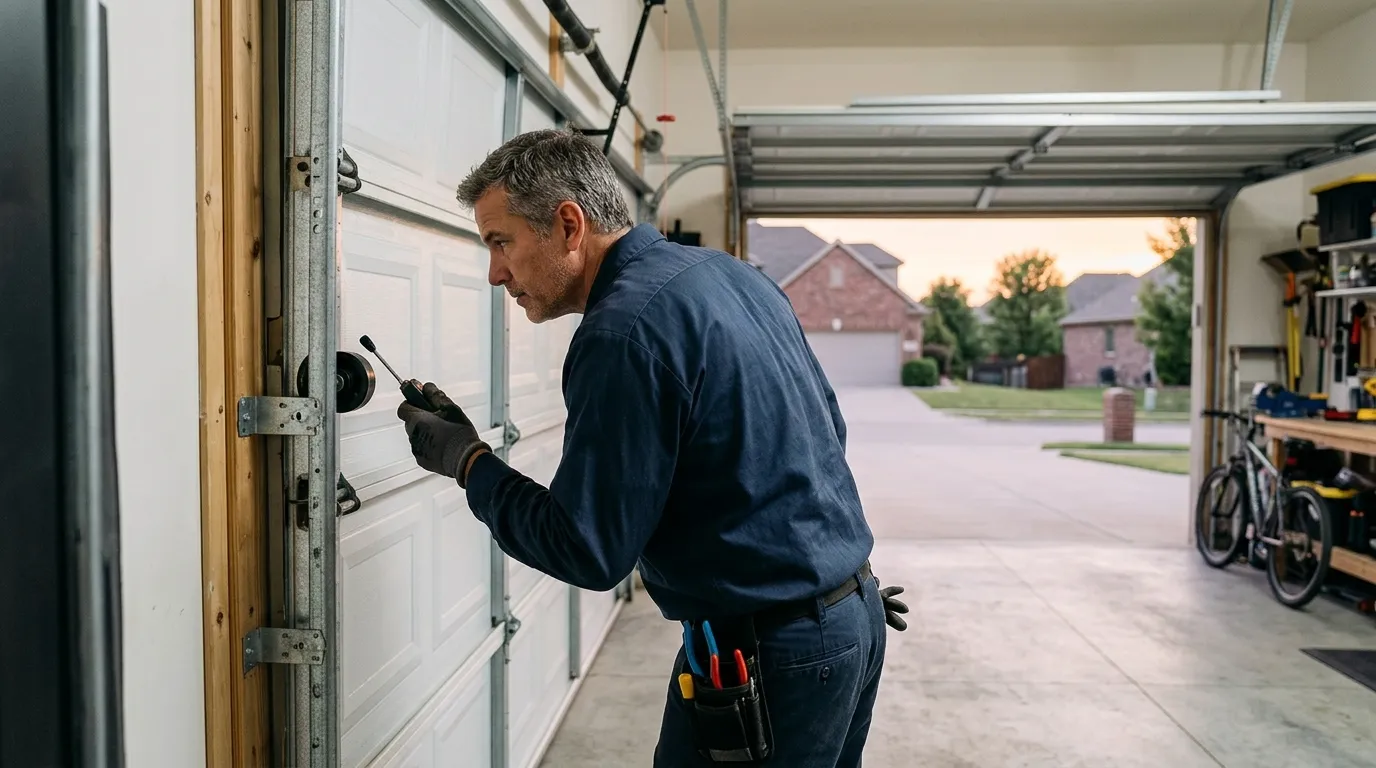
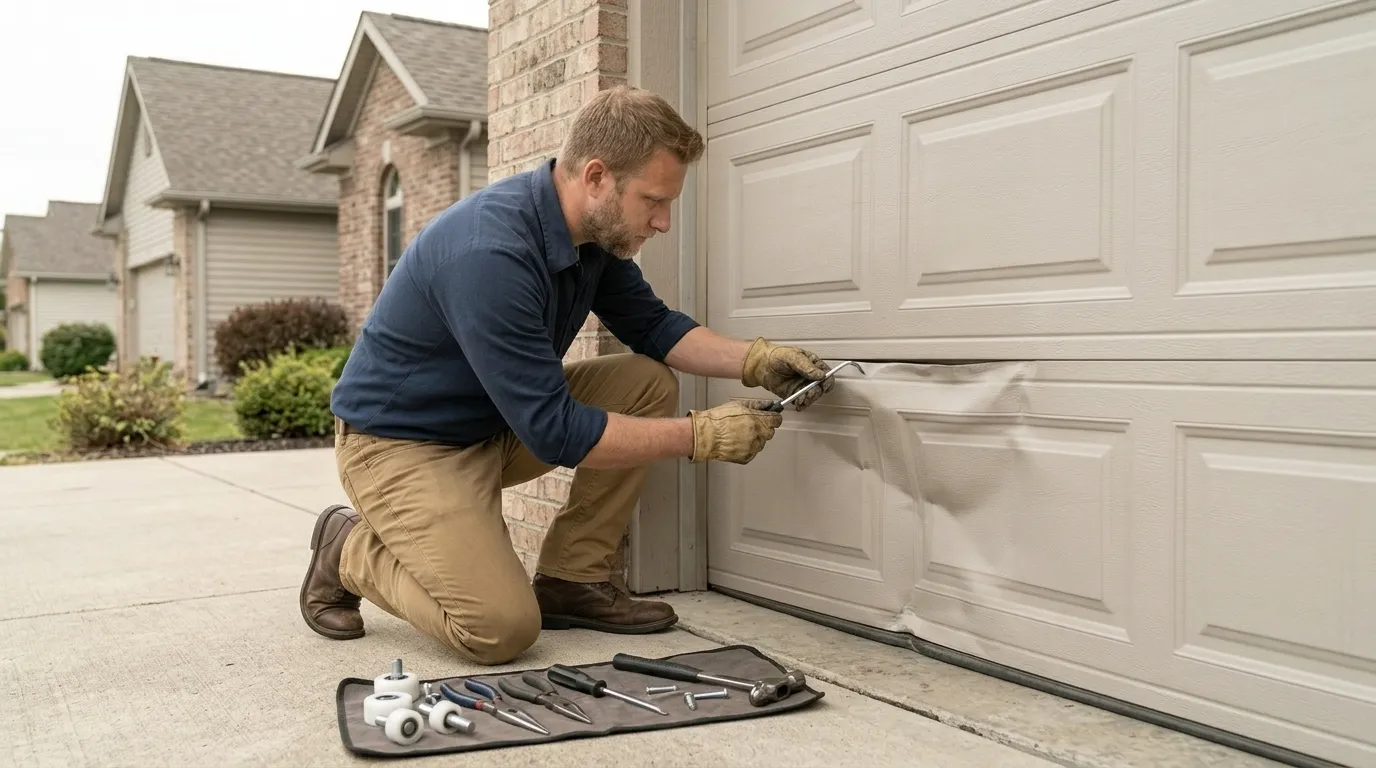
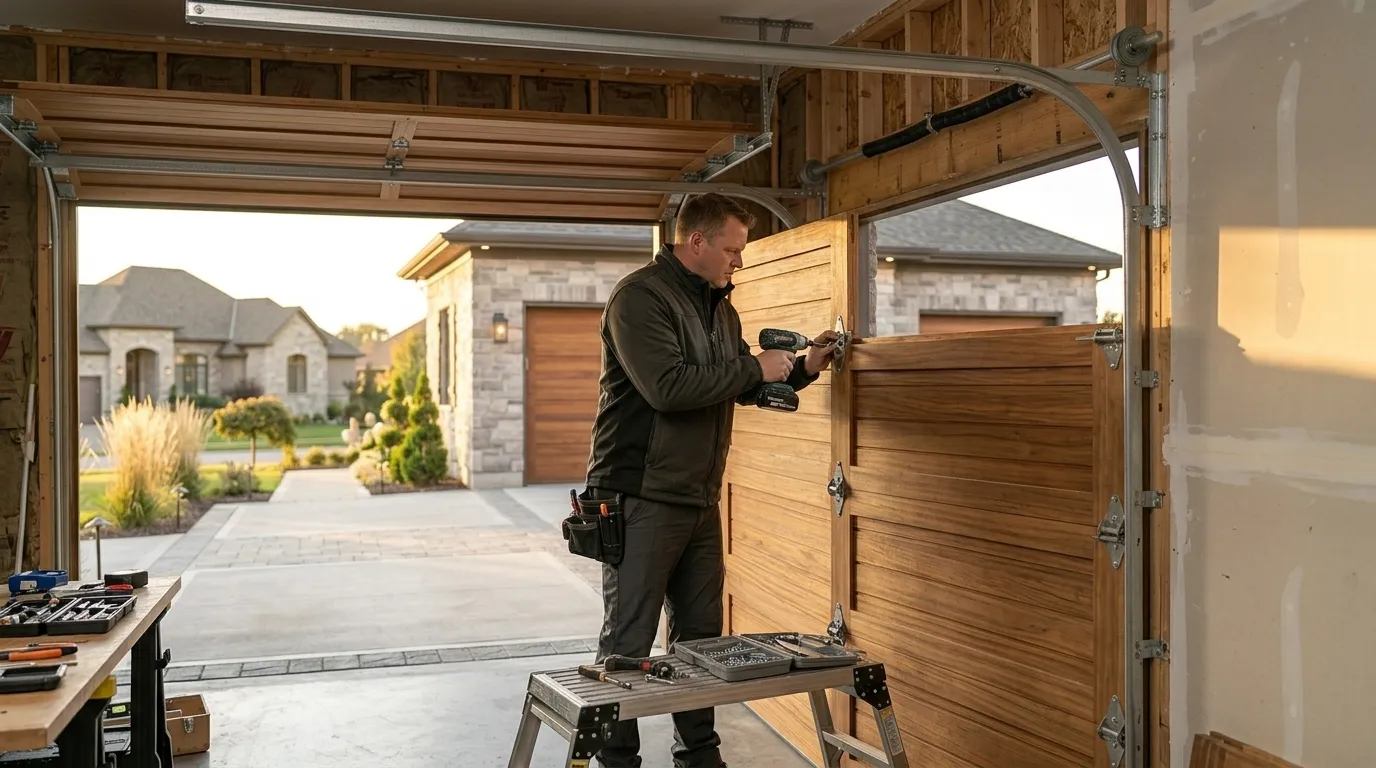
The practical result is that when we get a call from Kildeer, we're usually diagnosing wear - a cracked roller, a spring that's fatigued rather than mismatched, an opener logic board acting up - more than we're dealing with hardware nobody stocks anymore. That's a good position to be in. Parts are easier to source, and the fix is usually straightforward.
What Was Built Here
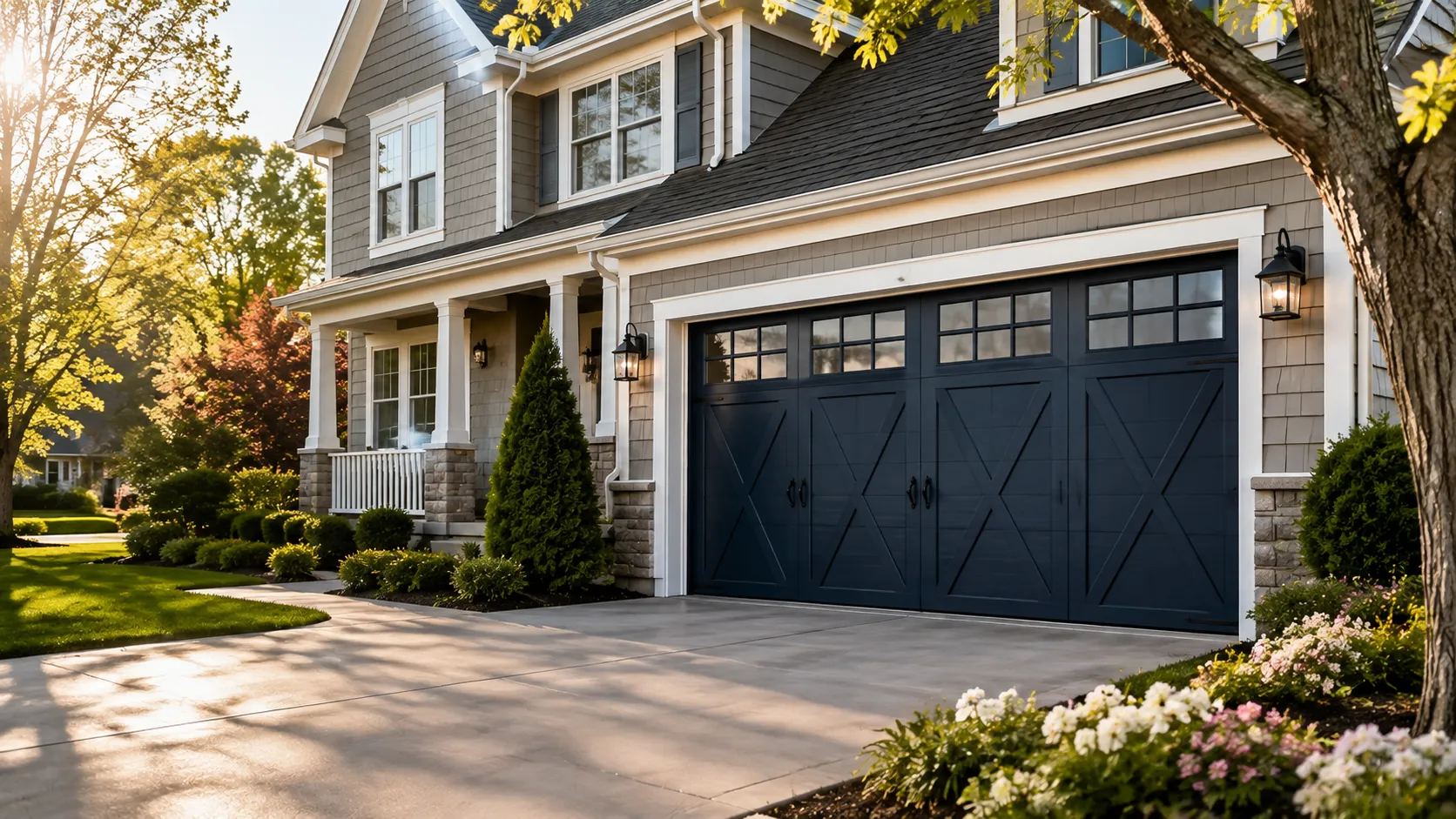
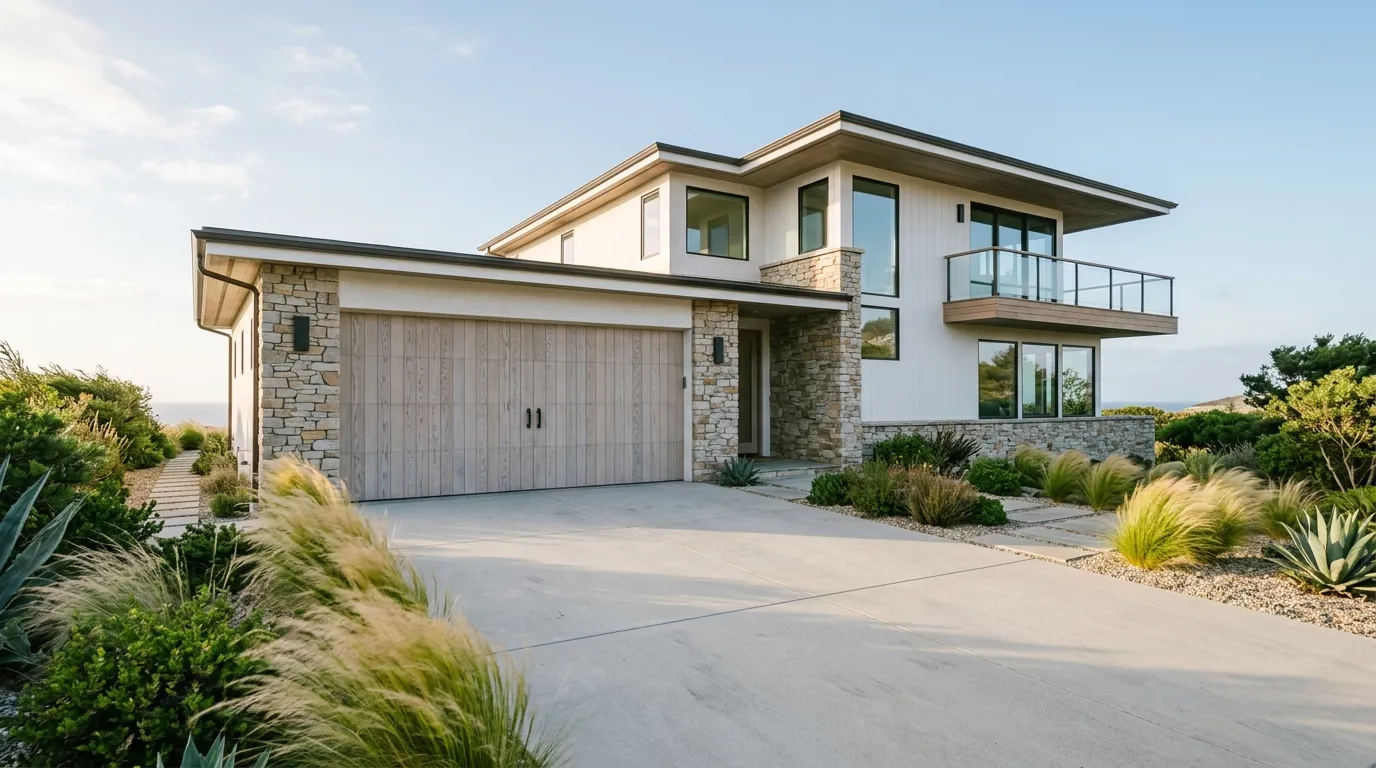
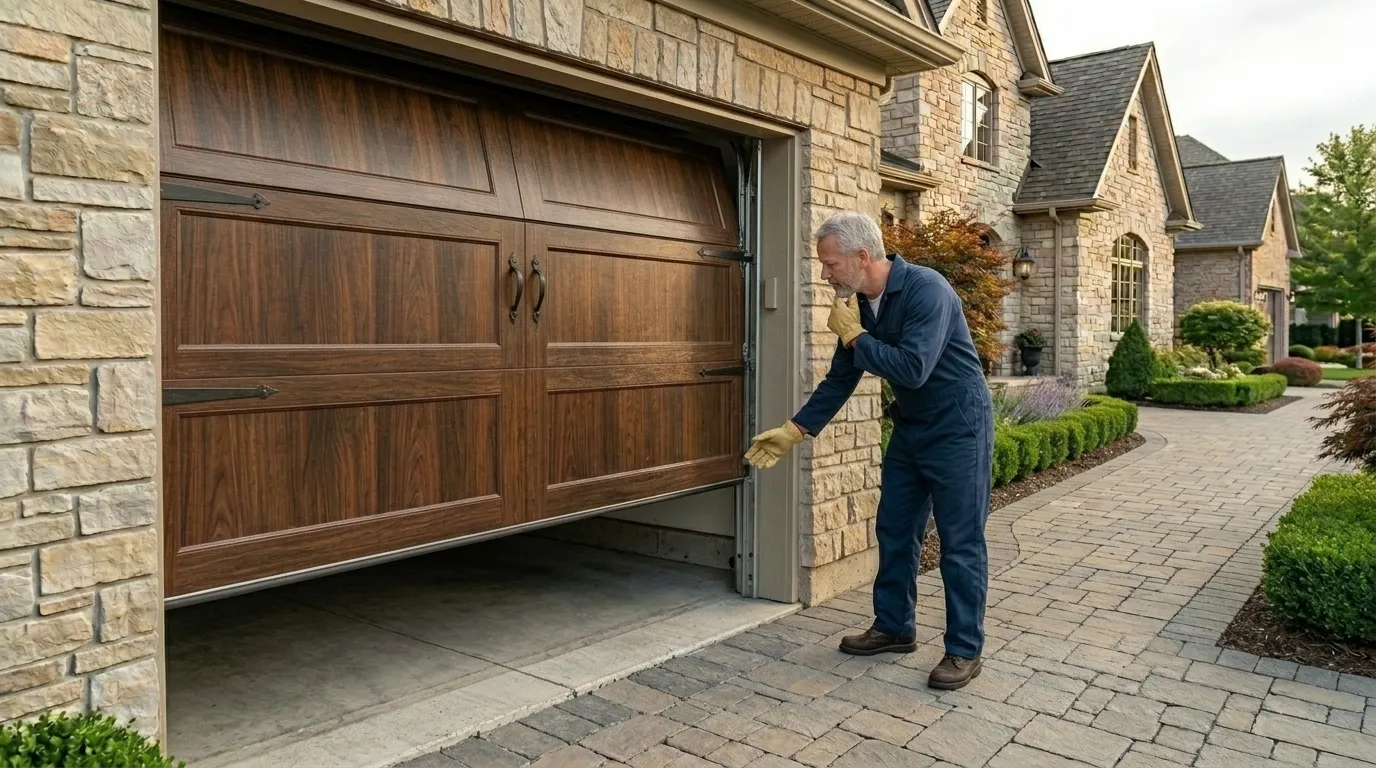
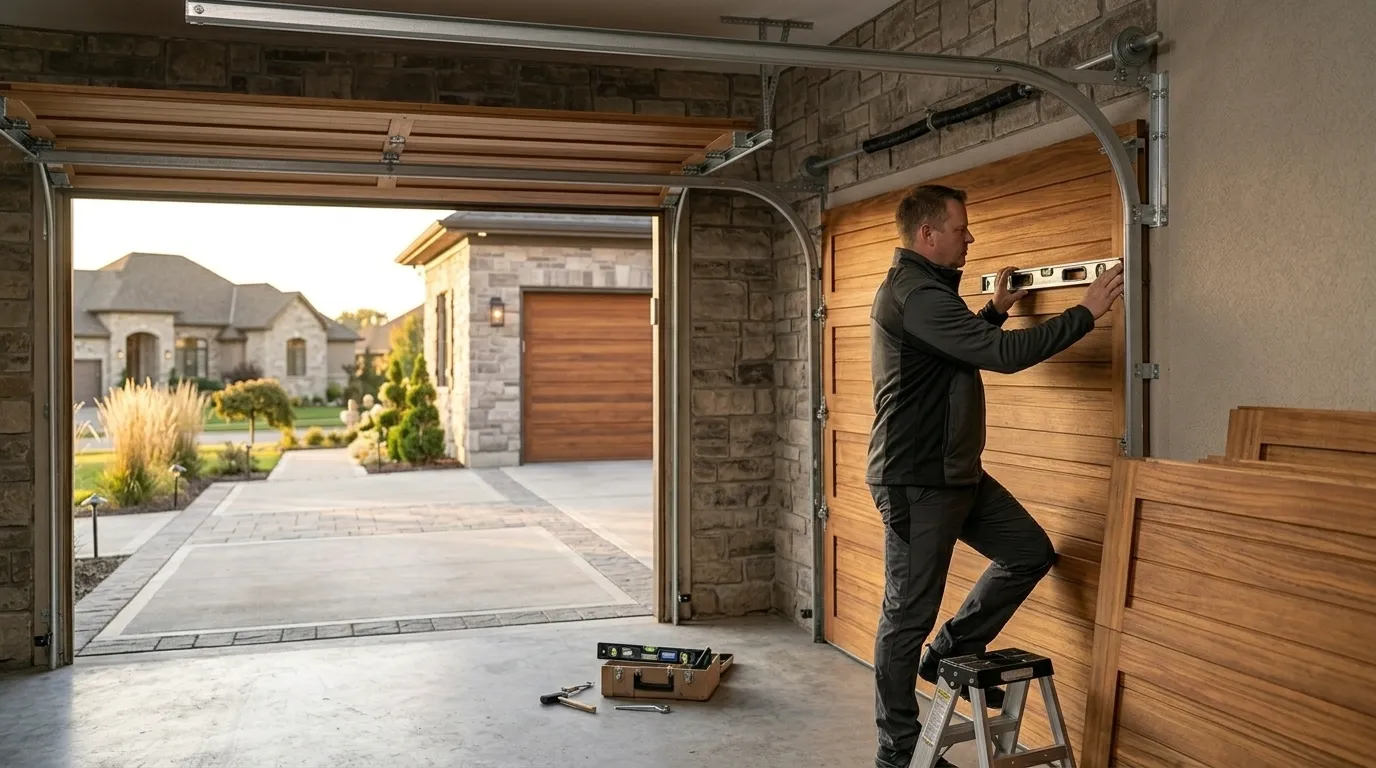
With 1,441 households in Kildeer and a median income above $250,000, this is a smaller, higher-end pocket compared to the roughly 275,099 households and $103,561 median income across the wider service area. That combination tends to show up in the doors themselves - more custom sizes, more insulated steel and composite panels, more openers with battery backup and smart-home tie-ins, rather than the builder-grade basics common on older, denser blocks closer to the city.
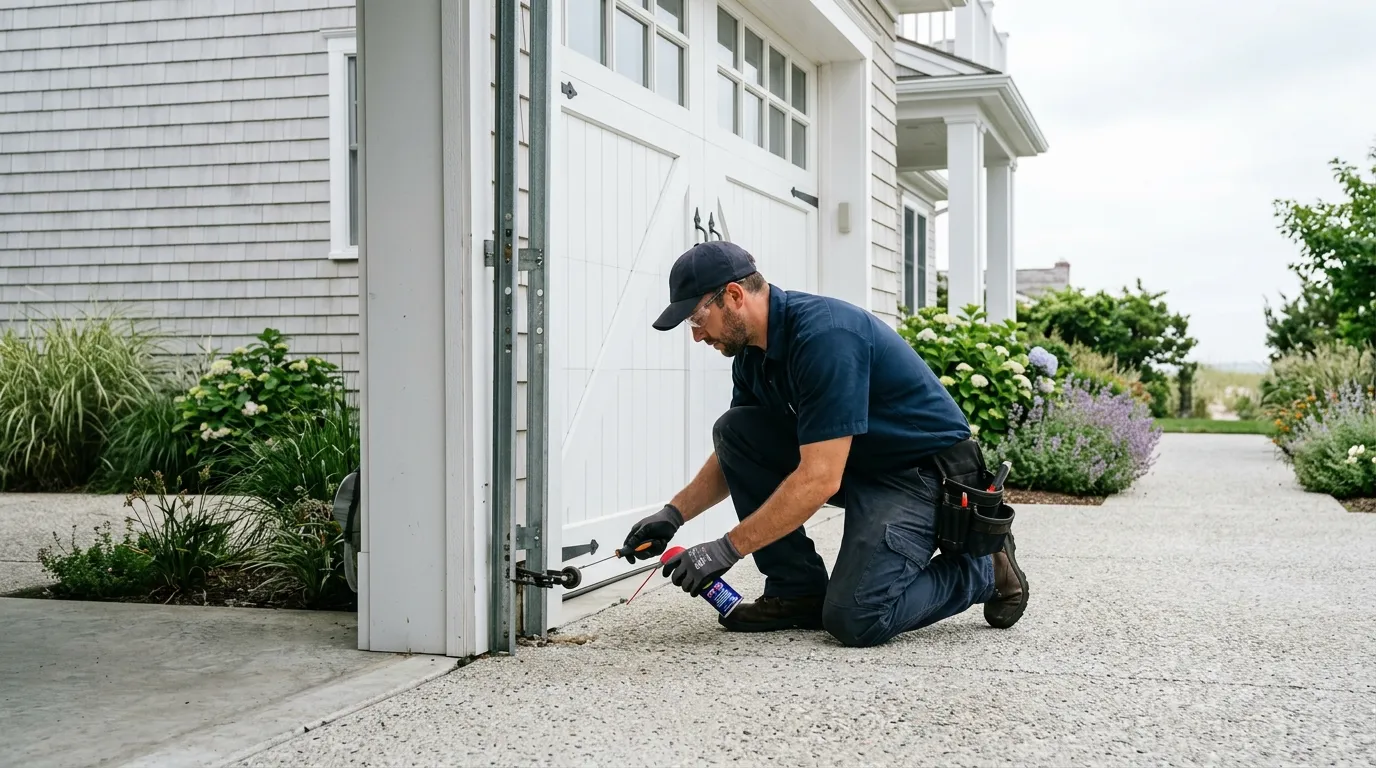
The area sits in a cold-moderate climate band like the rest of the region, which means insulation and weatherstripping do real work here, not just cosmetic ones. A door that's 30 years old, even a good one, has usually lost its seal integrity by now, and that's often what a homeowner mistakes for a spring or opener problem when it's really just old weatherstripping letting in a draft along the bottom panel.
We don't push replacement when a repair will hold. But on a door built in the early '90s, if the spring is going and the opener is also failing, it's worth pricing a full swap rather than fixing each piece as it breaks.