How We Get to You
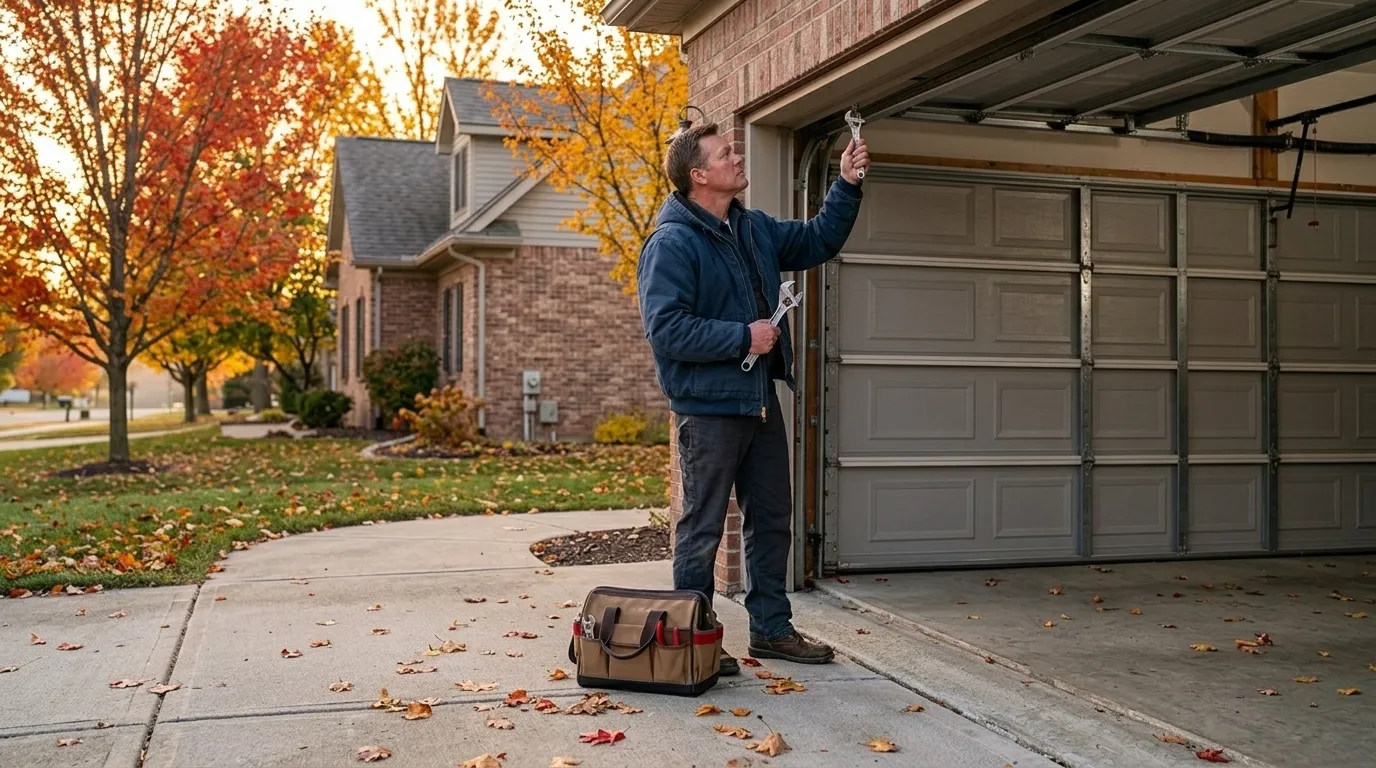
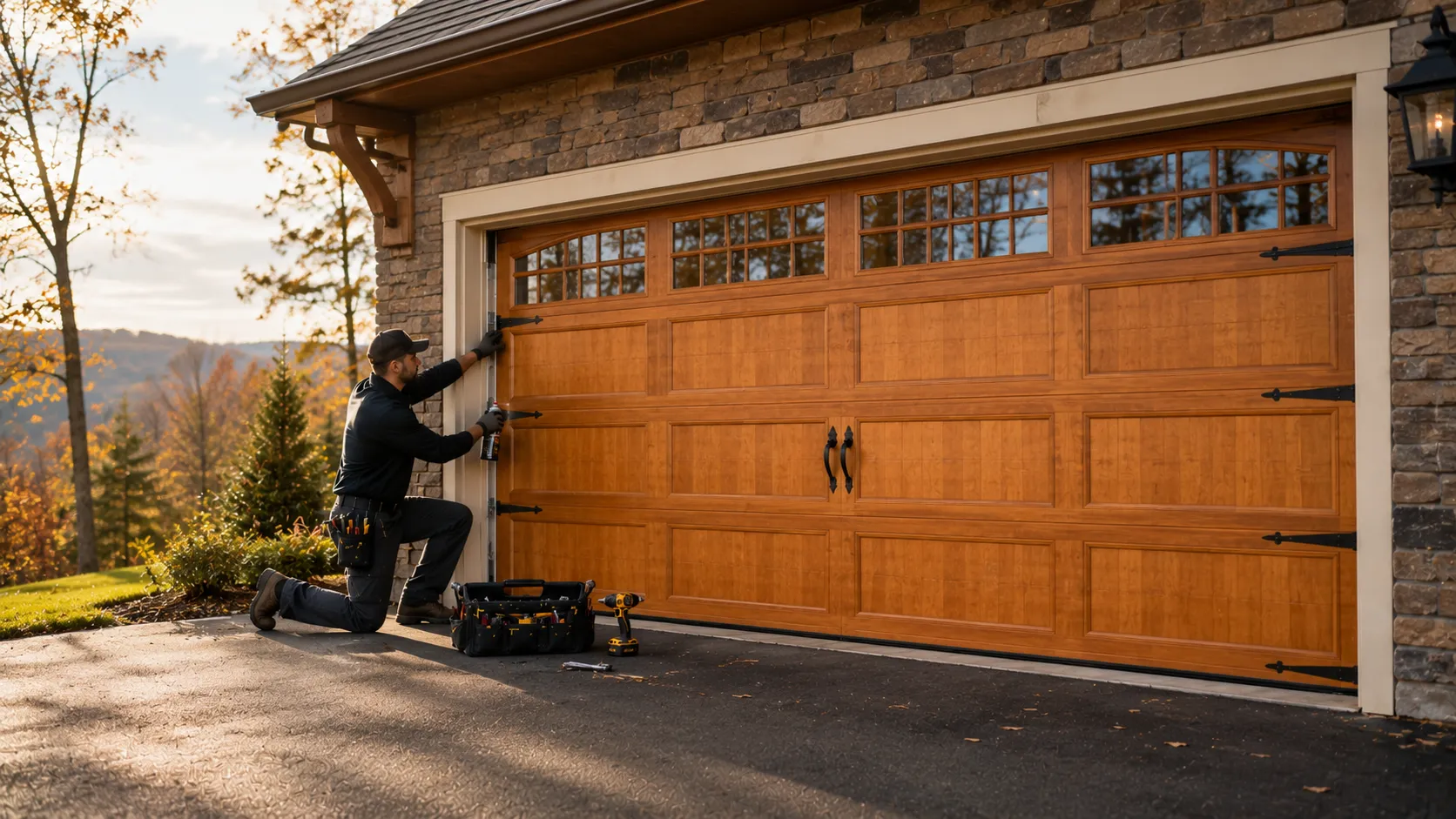
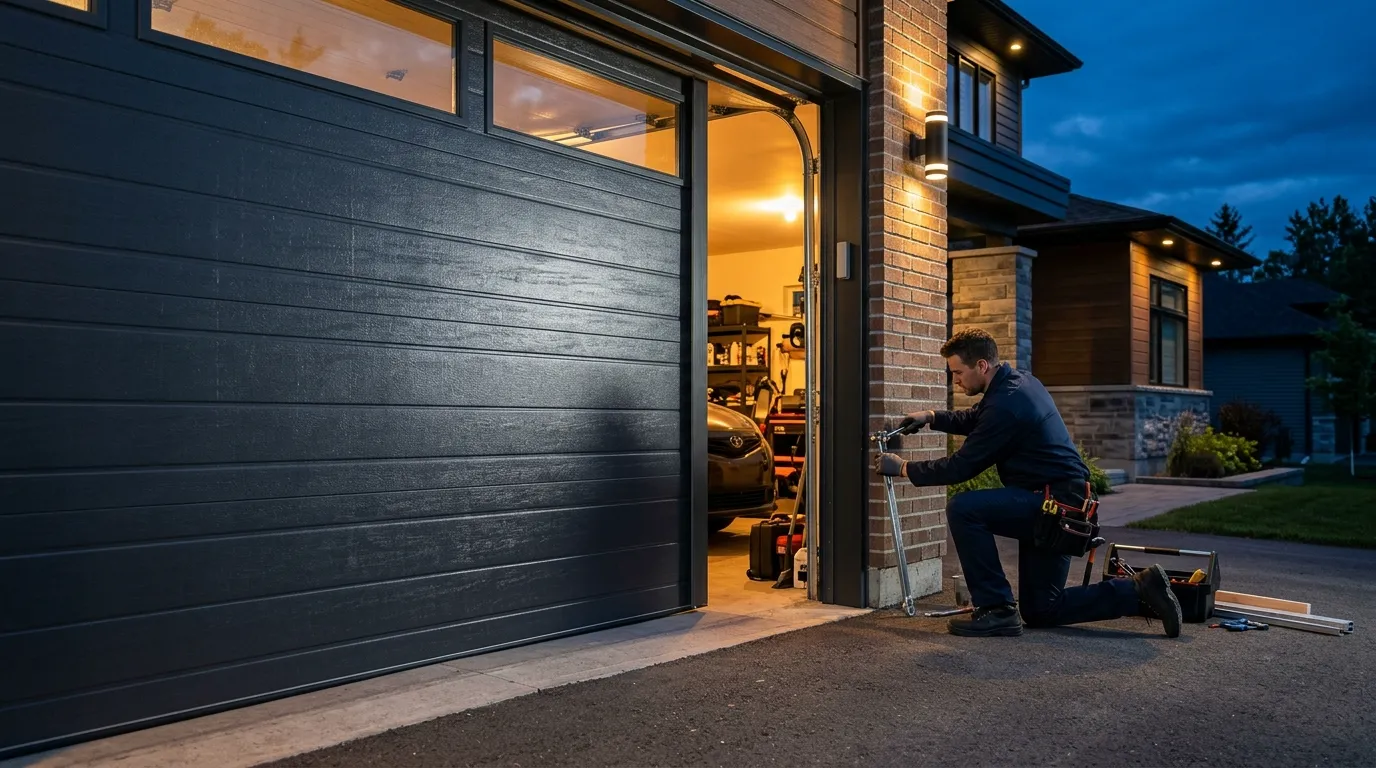
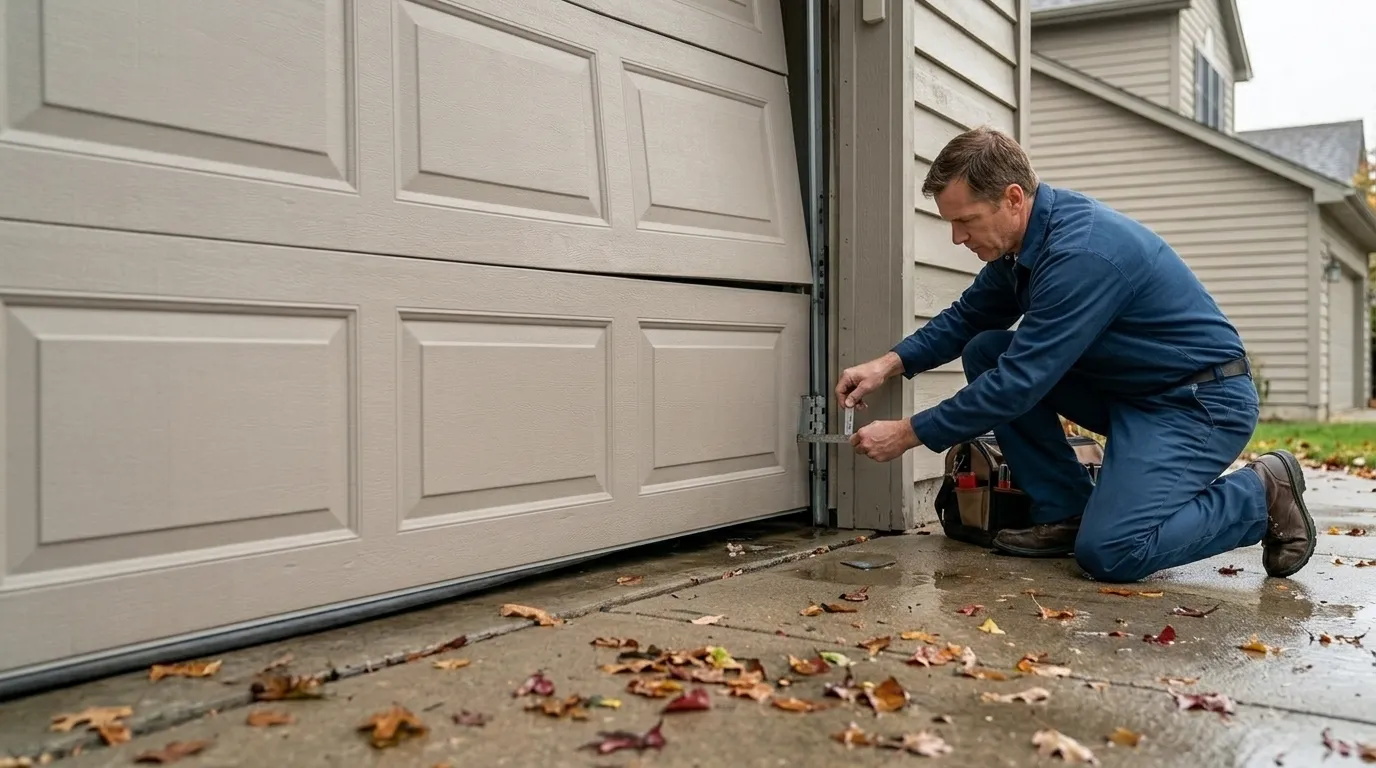
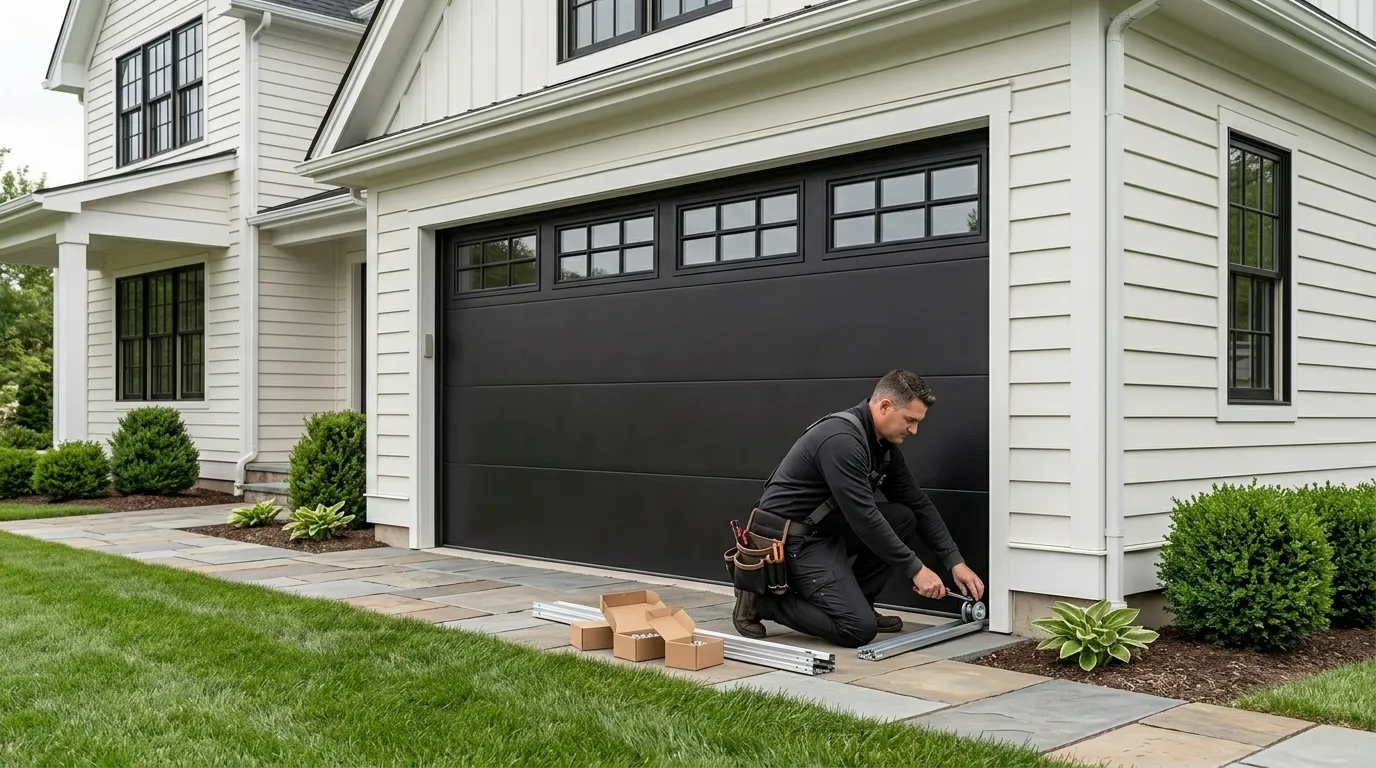
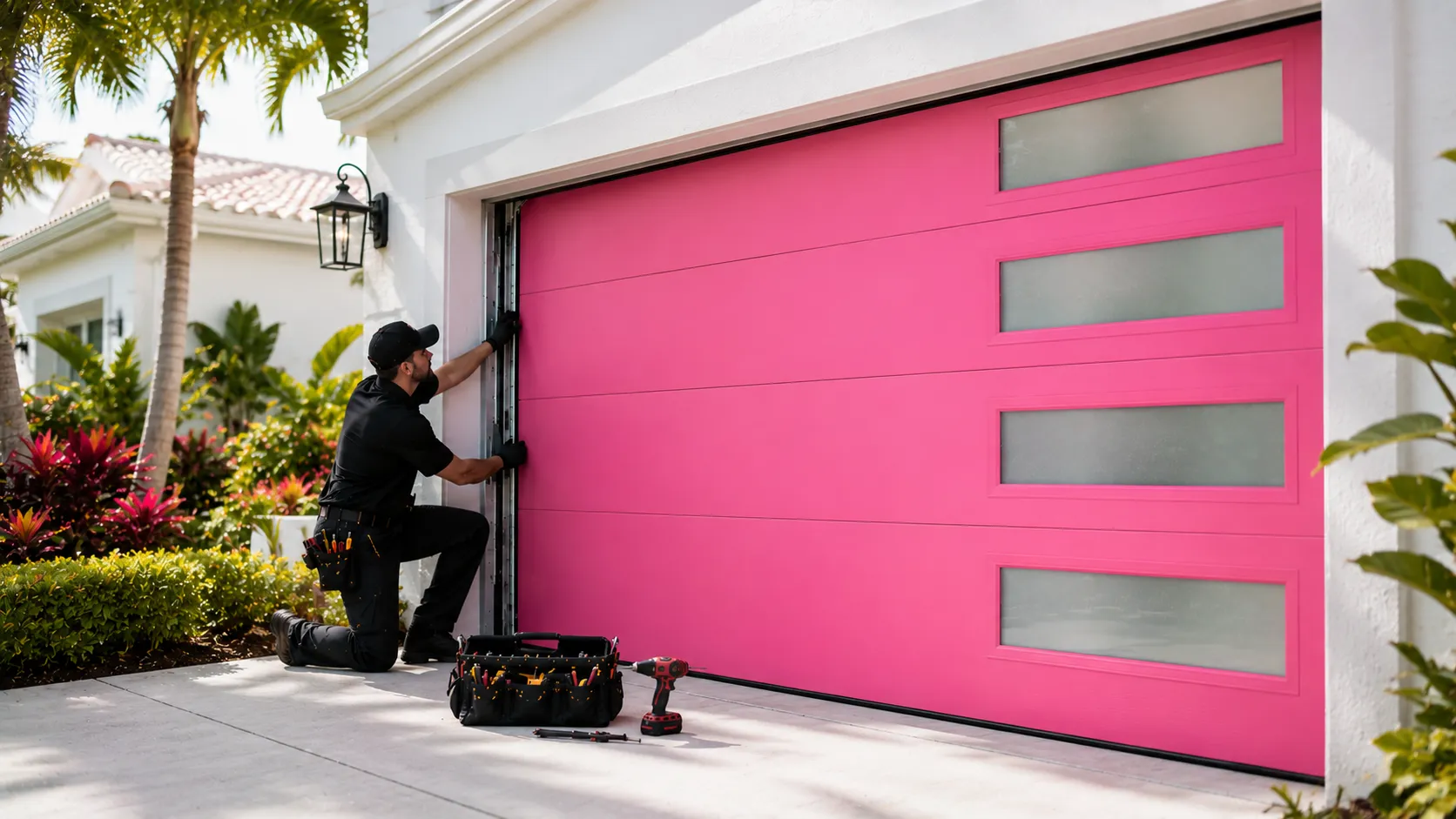
Libertyville sits about 13 miles from our shop in Northbrook, and that drive shapes how we schedule the day. We don't keep a crew or a depot in town - every job here starts with a truck loaded before it leaves Northbrook, so we ask what's wrong with the door up front and bring the parts we expect to need rather than guessing on-site. Torsion springs, rollers, and standard openers ride along on most runs out this way. If a job turns out to need something unusual, we'll say so rather than pretend we can fix it from what's already in the truck.
This isn't a same-day guarantee - it's a straight answer about what a 13-mile trip means for scheduling. We batch calls in the area when we can, and we tell you honestly if a part has to be ordered before we come back. For a household budgeting a repair, knowing that up front beats a surprise second trip.
What That Means for Doors
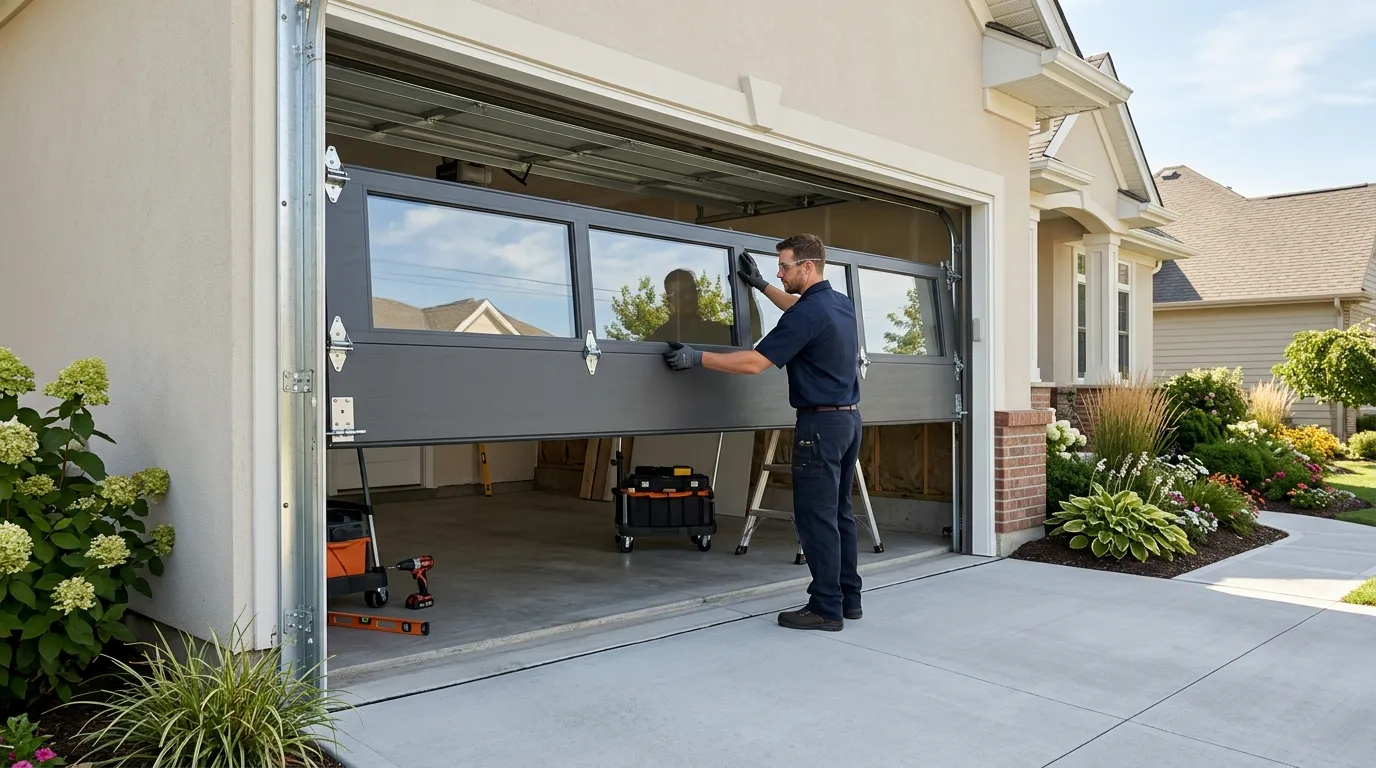
The typical Libertyville home going up in 1976 means a different door than what you'd find in an older Northbrook neighborhood. By the mid-1970s, builders had mostly moved off the heavy one-piece wood doors of the 1950s and onto steel sectional doors with extension or torsion spring setups that are closer to what's sold today - which is good news, because parts for that generation are still stocked, not special-order.
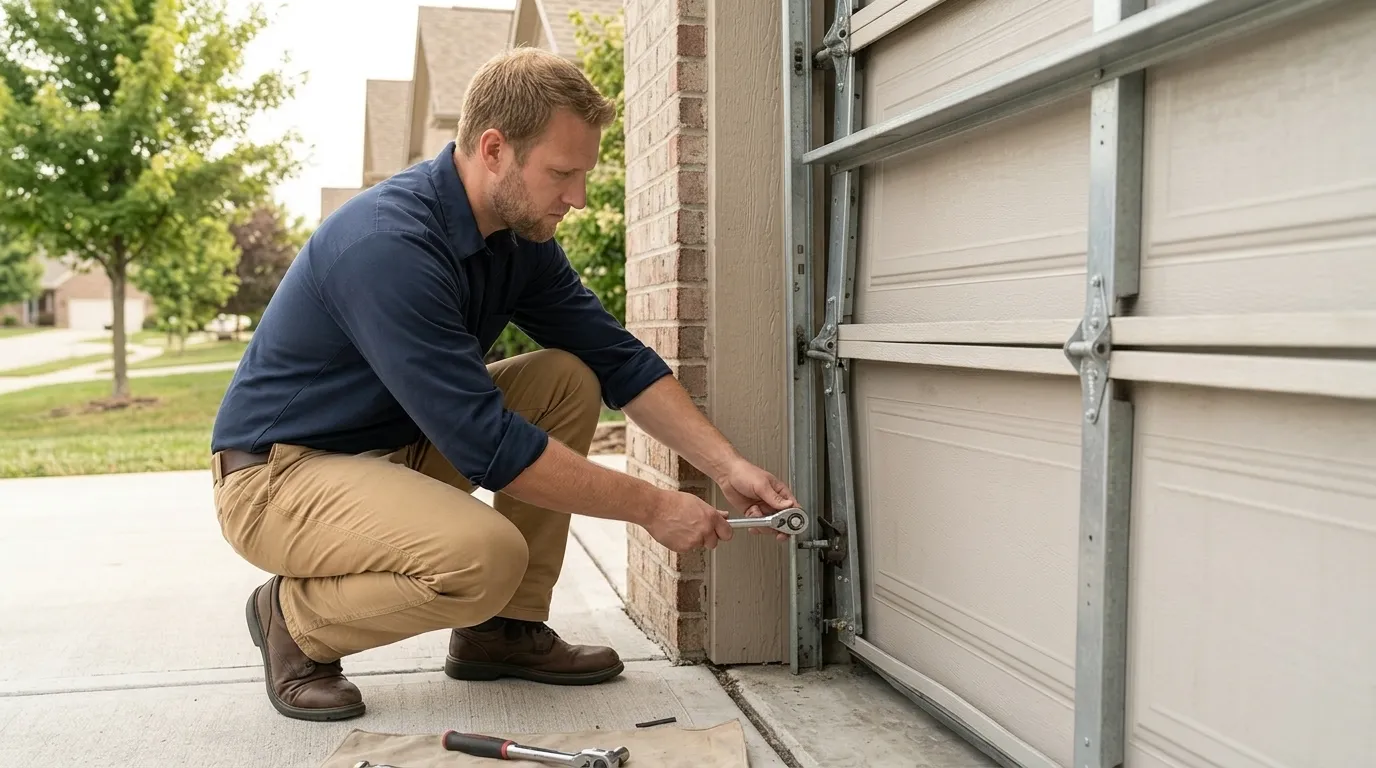
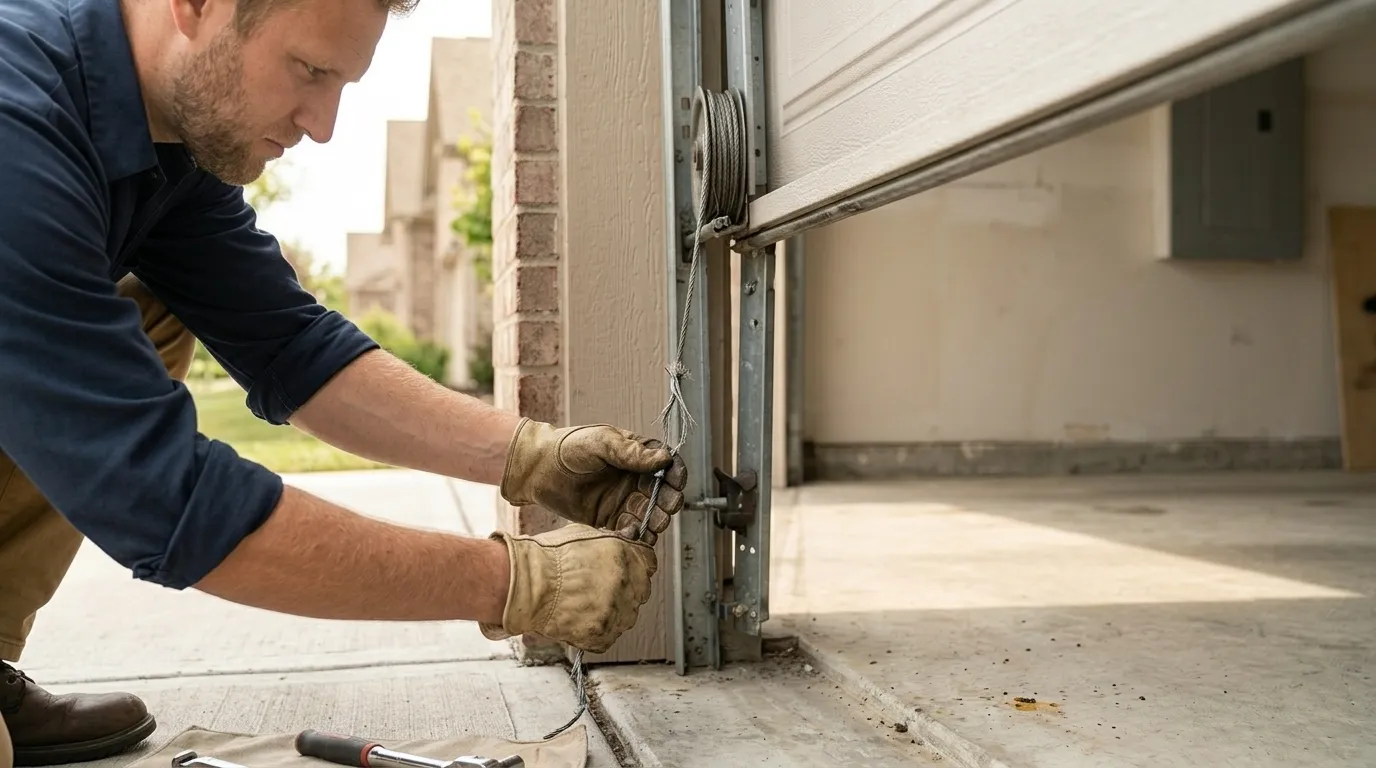
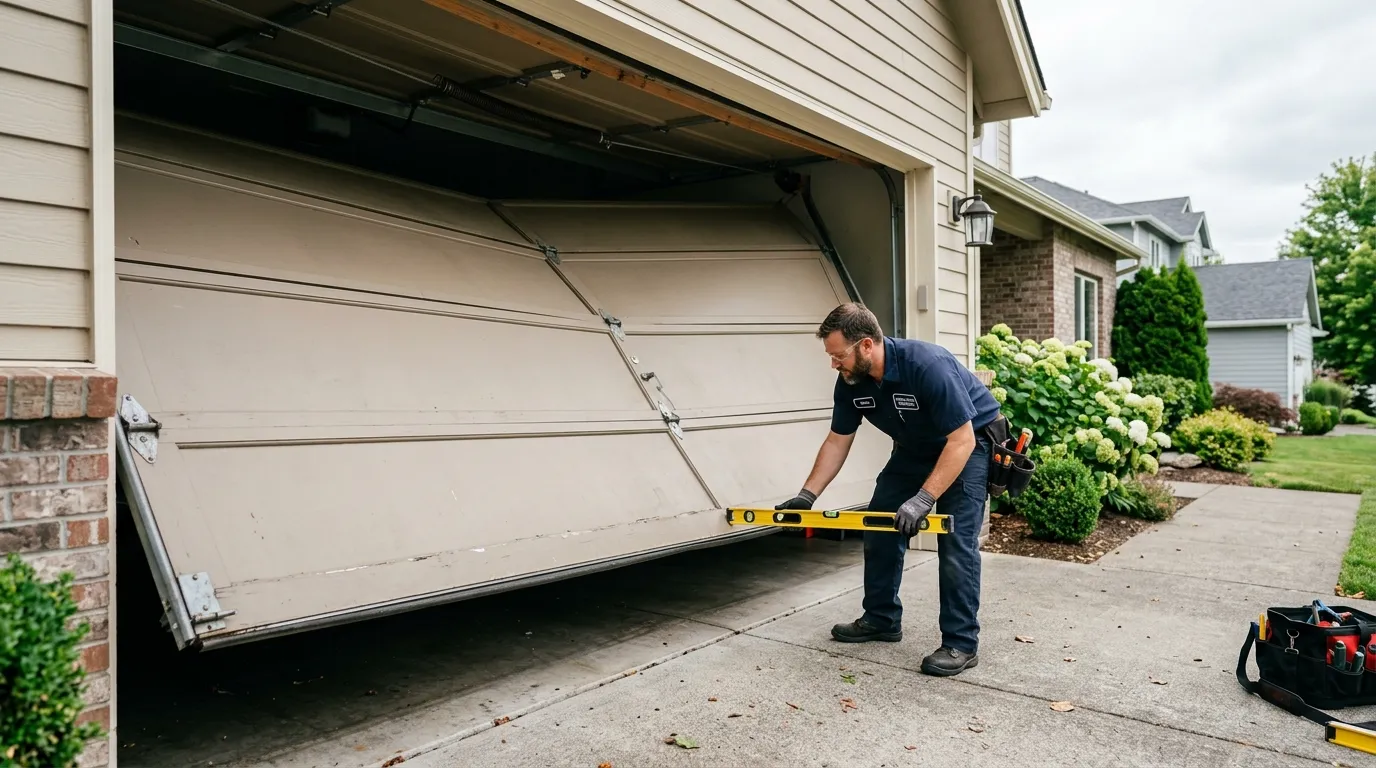
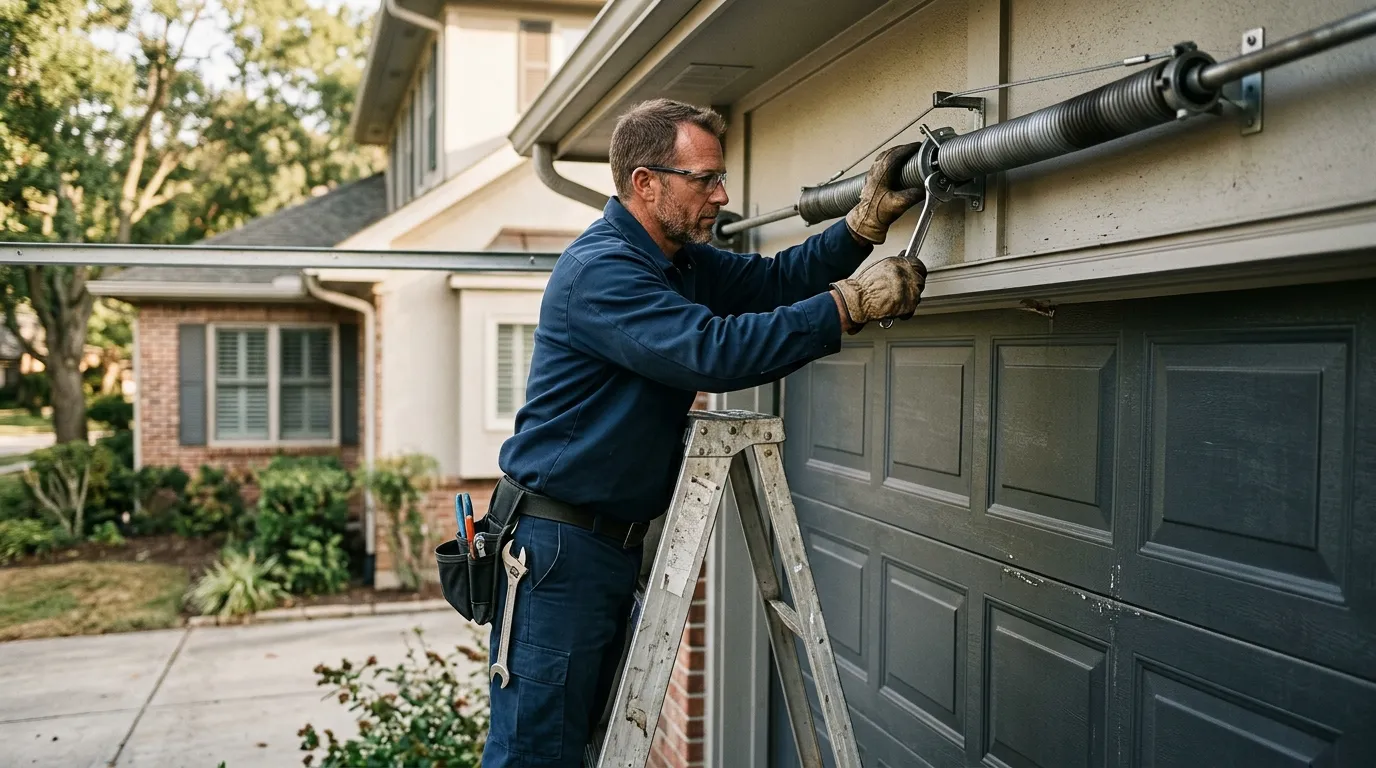
What we do see more of here: original openers from that era reaching the end of their working life, and torsion springs that were sized for lighter, thinner door panels than the insulated steel doors many owners have since installed as upgrades. A spring rated for the original door can wear out fast, or feel underpowered, once a heavier replacement door goes on top of it. That mismatch is one of the more common calls we get from houses built in this window.
What Was Built Here
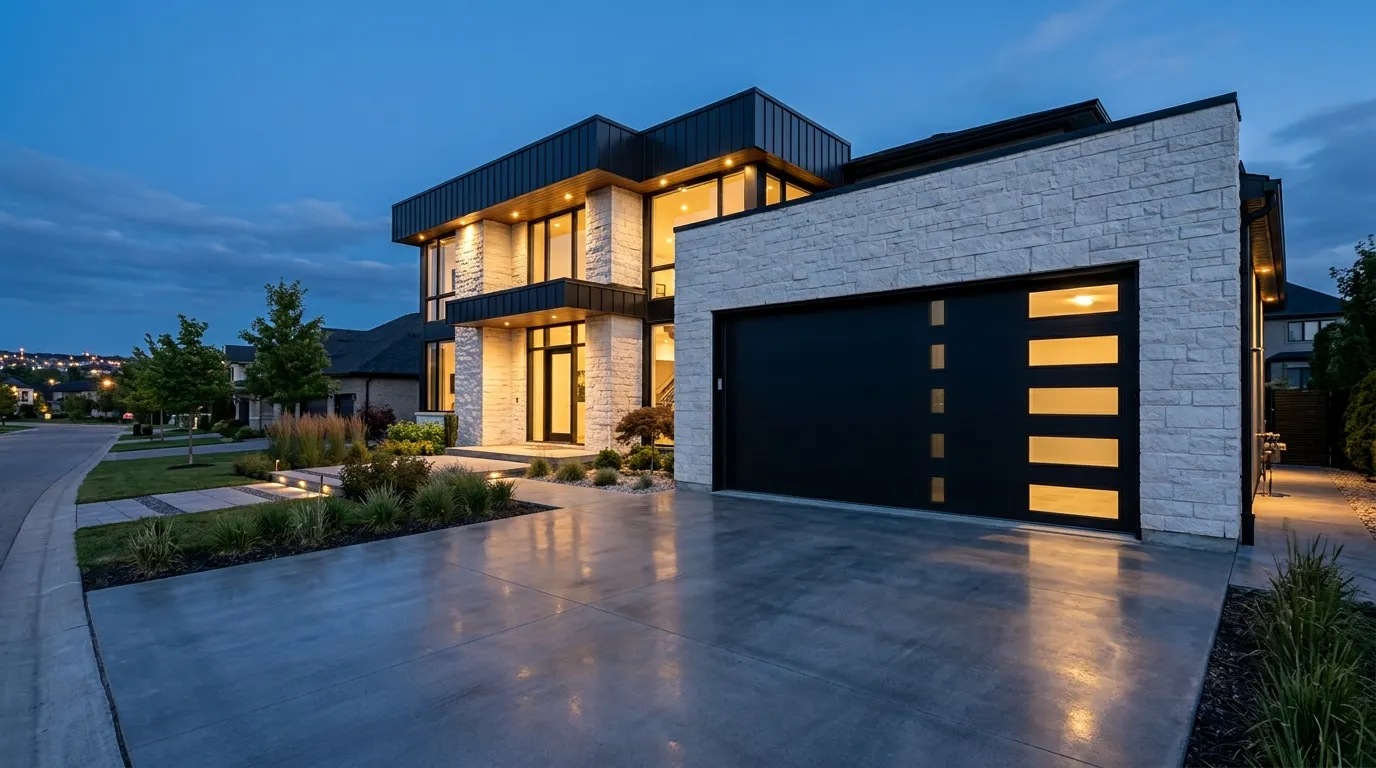
Across the towns we cover, most housing dates to the 1960s and 70s, and Libertyville's median build year of 1976 sits right in that range - a little newer than some of the closer-in Northbrook neighborhoods, which pulls the area's overall median down toward 1974. With roughly 7,573 households in town and a median income of $162,270, this is a market where owners tend to invest in doors rather than defer maintenance - we see more insulated steel and composite upgrades replacing original single-layer doors than straight like-for-like swaps.
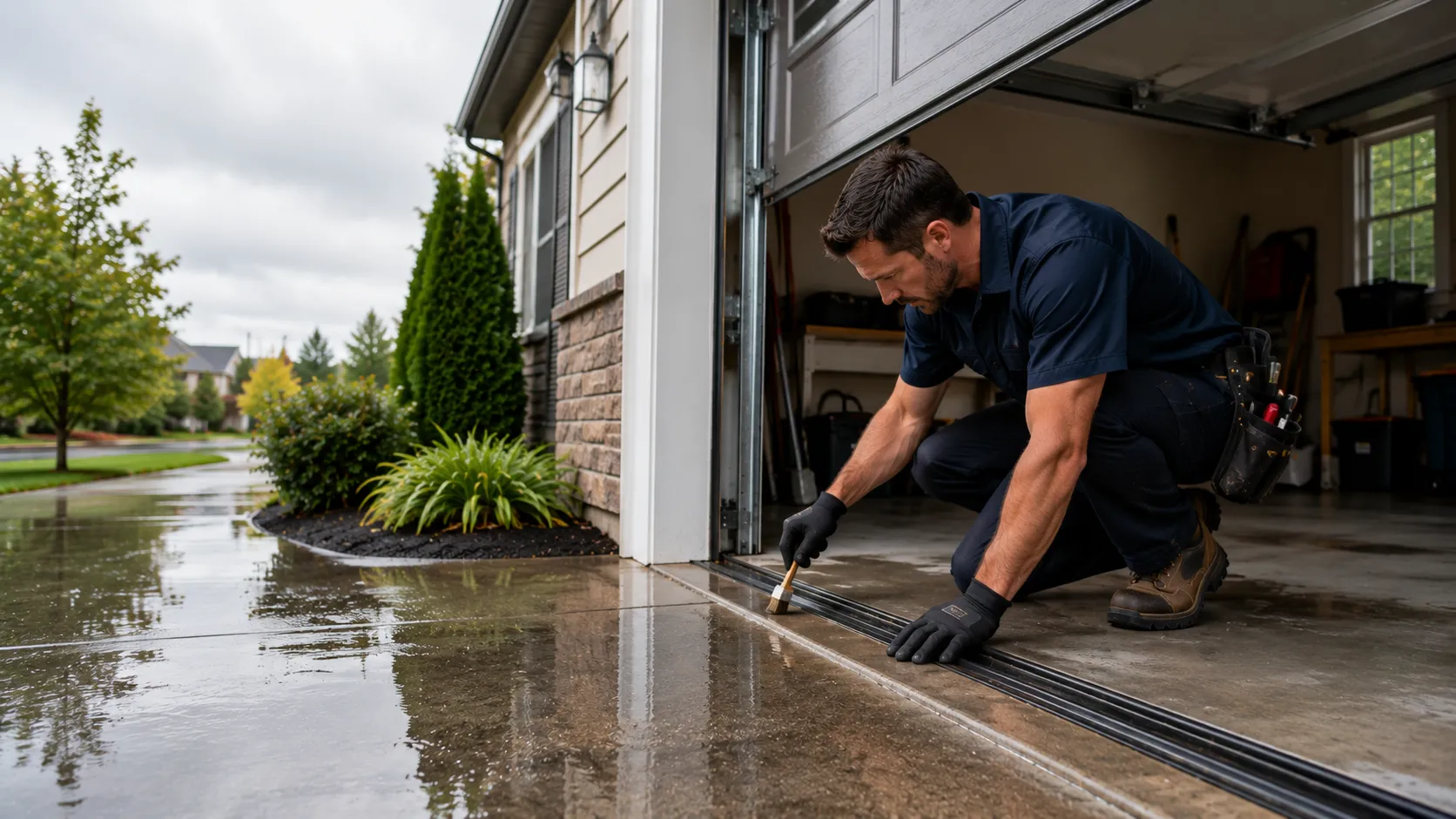
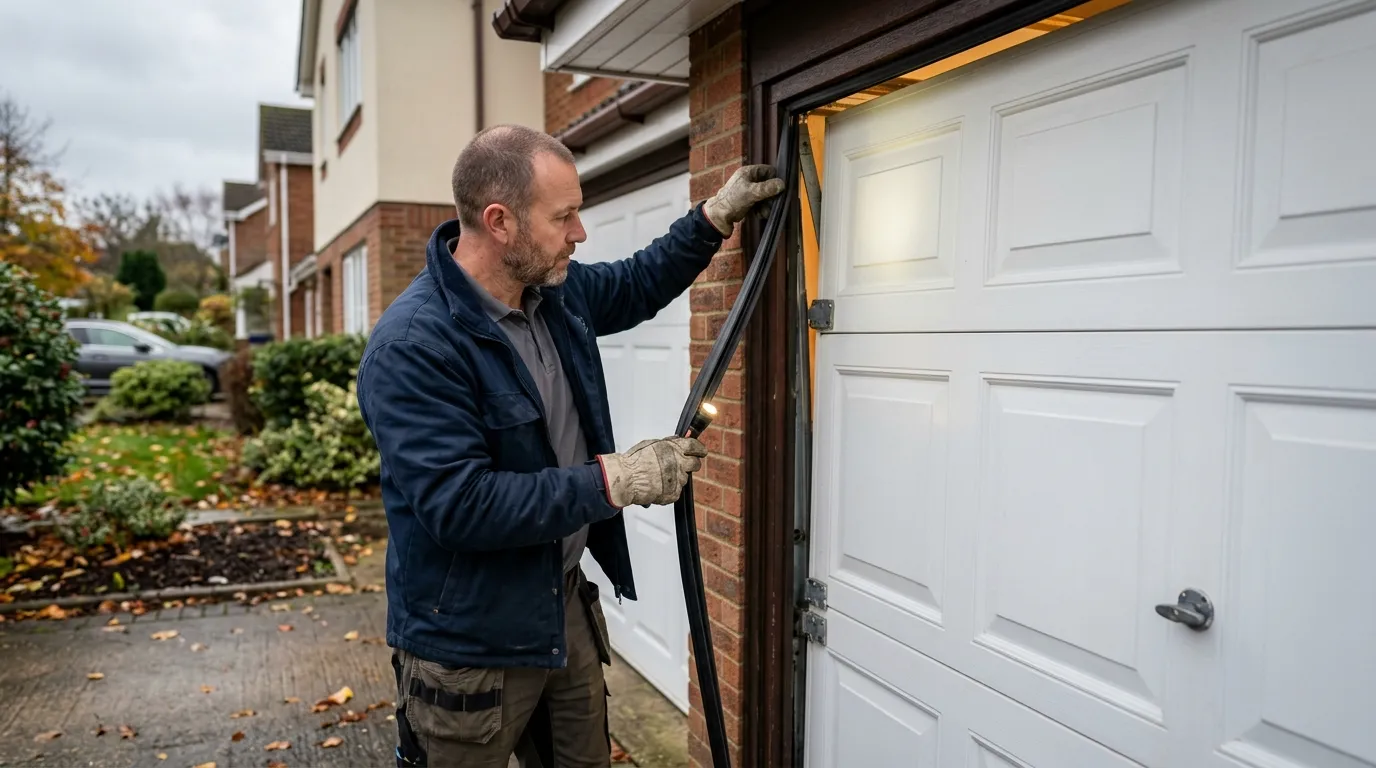
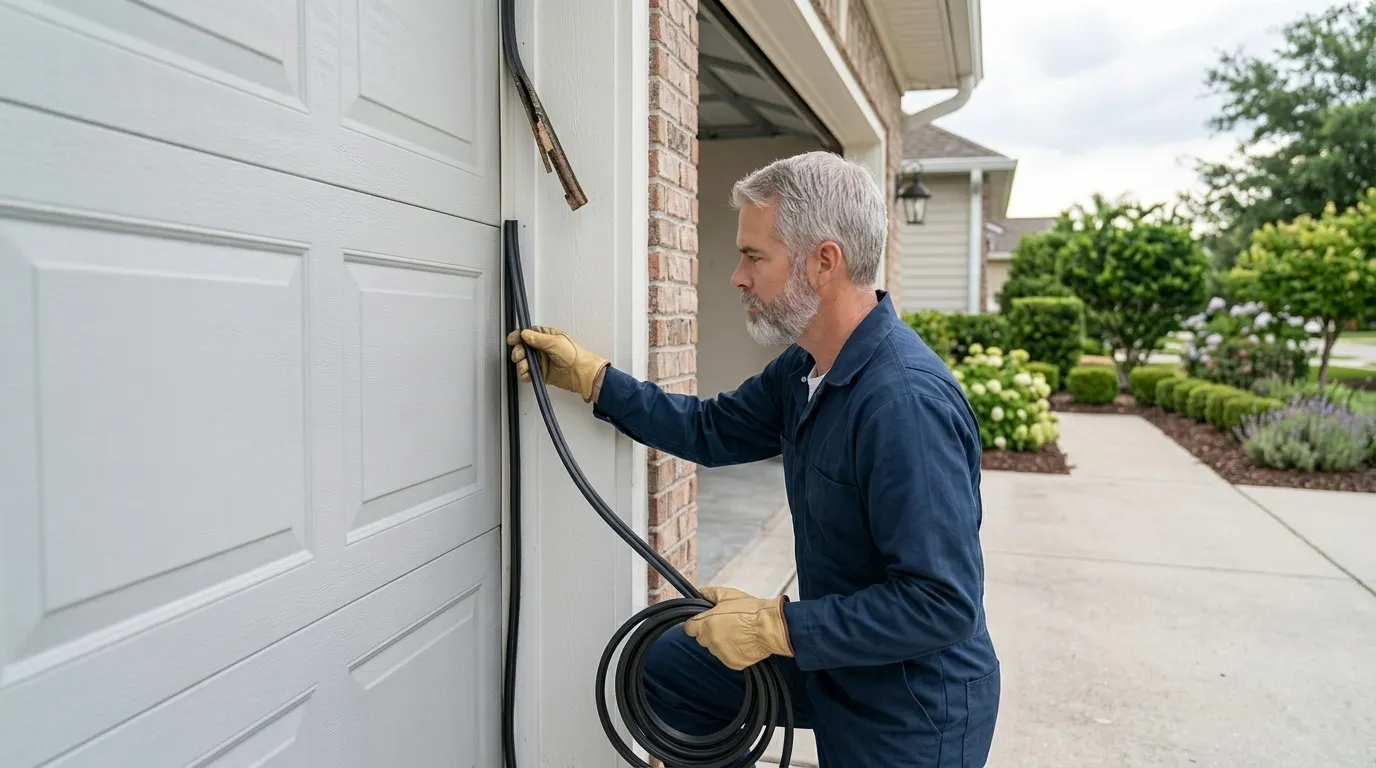
Winters here fall into the same cold, moderate climate band as the rest of the region we serve, which matters for door choice: an insulated door and a properly sealed bottom panel do real work on a garage that shares a wall with living space, something worth factoring in if you're already replacing a worn-out original door rather than just repairing it.