How We Get to You
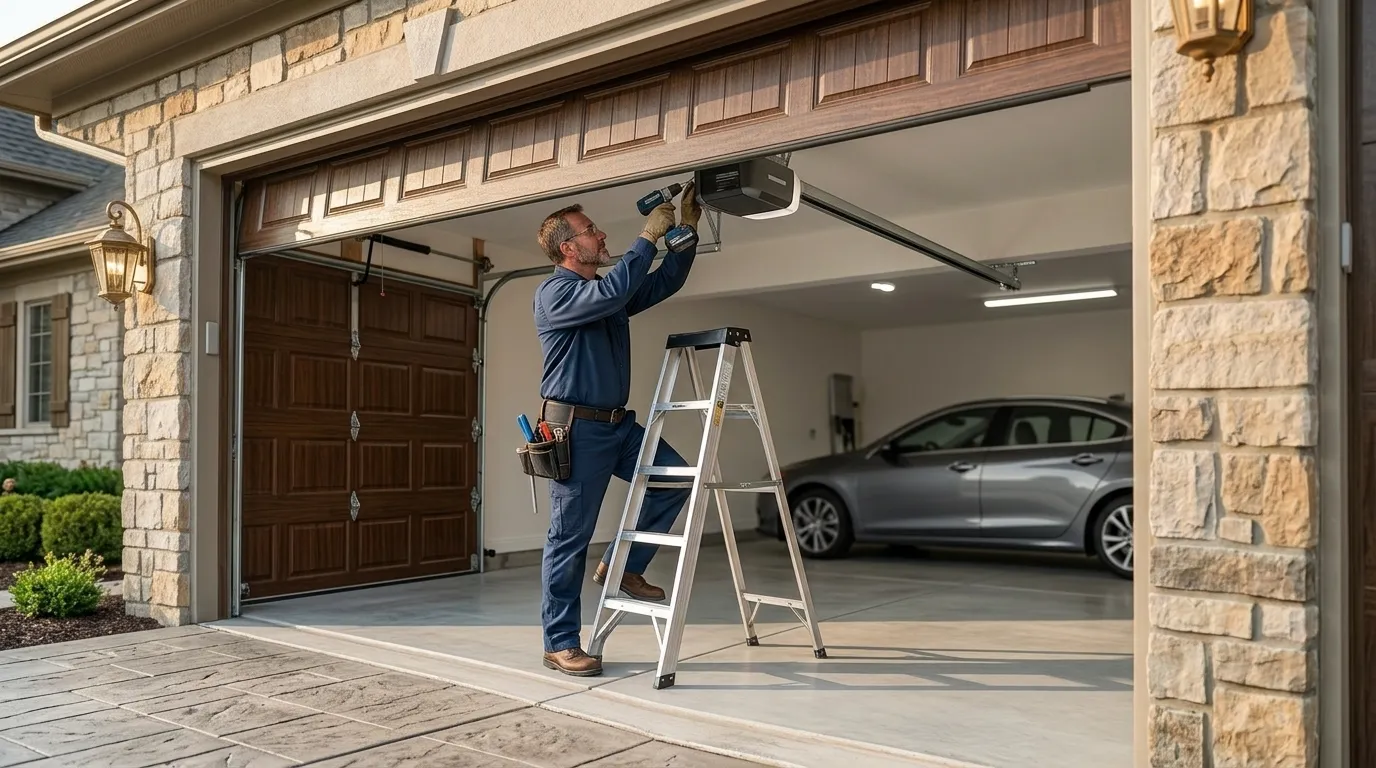
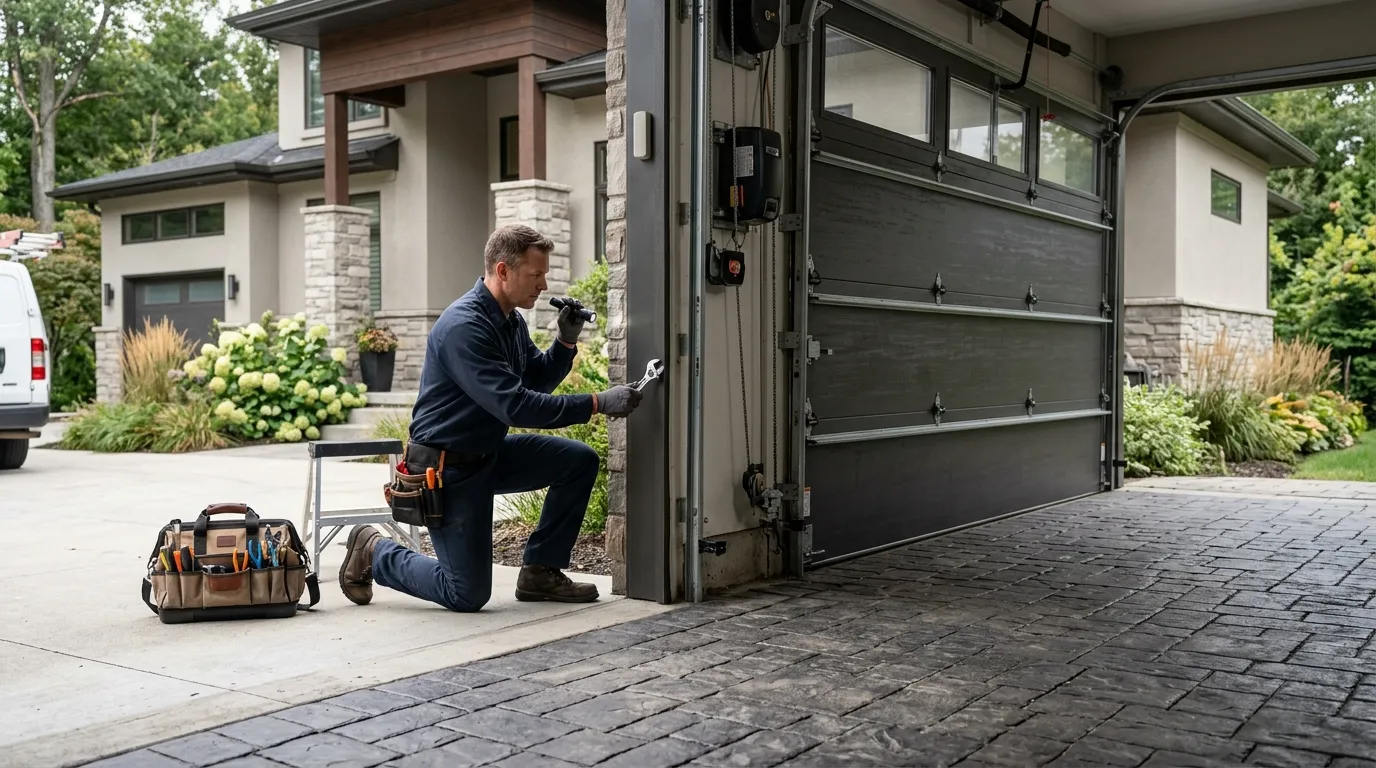
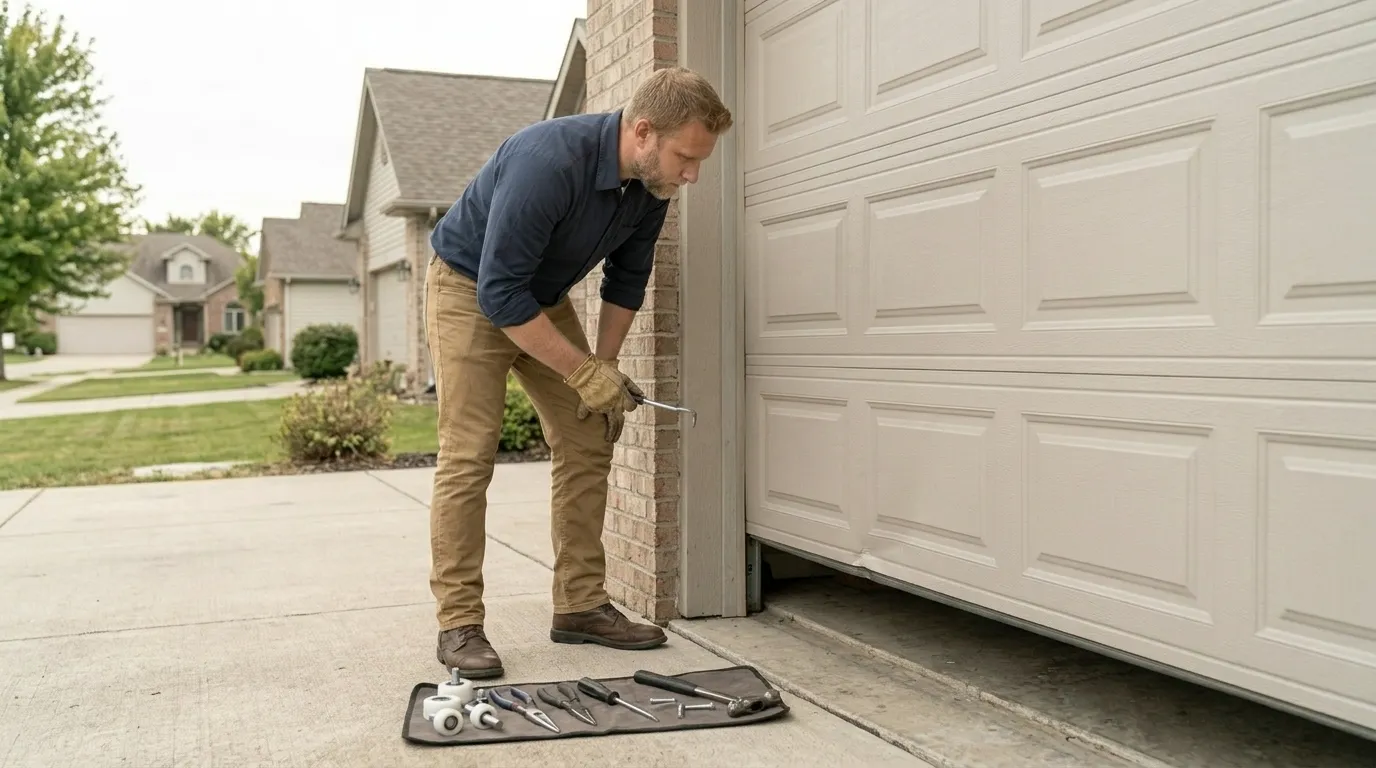
Maywood sits about 17 miles out from our Northbrook shop, so a call here isn't a five-minute hop across town for us. We don't keep a second location in Maywood and we're not going to pretend otherwise - every job means loading the truck and making the drive. What that means practically: we schedule Maywood calls in blocks where it makes sense, rather than promising the same instant window we'd give a job two streets from the shop. If your spring lets go on a Tuesday morning, tell us that up front so we can route the day around it instead of squeezing it in as an afterthought.
The honest limitation here is time, not skill. A same-day emergency repair is still doable most weeks, but it depends on what else is already on the truck's route that day. We'd rather tell you that plainly than have you standing in the driveway wondering why the estimated arrival kept sliding. If timing is tight - a rental inspection, a sale closing - say so when you call, and we'll tell you straight whether we can make it work or whether you're better served booking a specific slot a day or two out.
What That Means for Doors
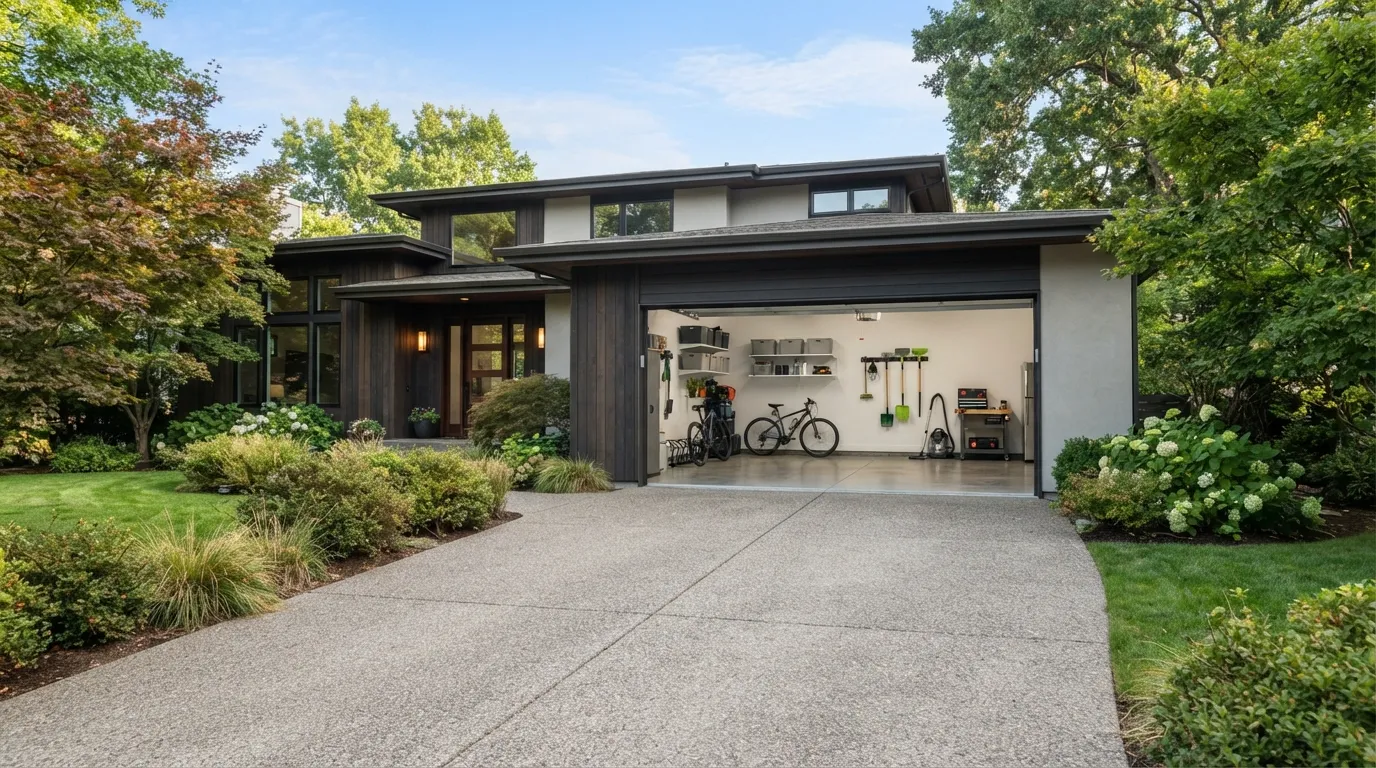
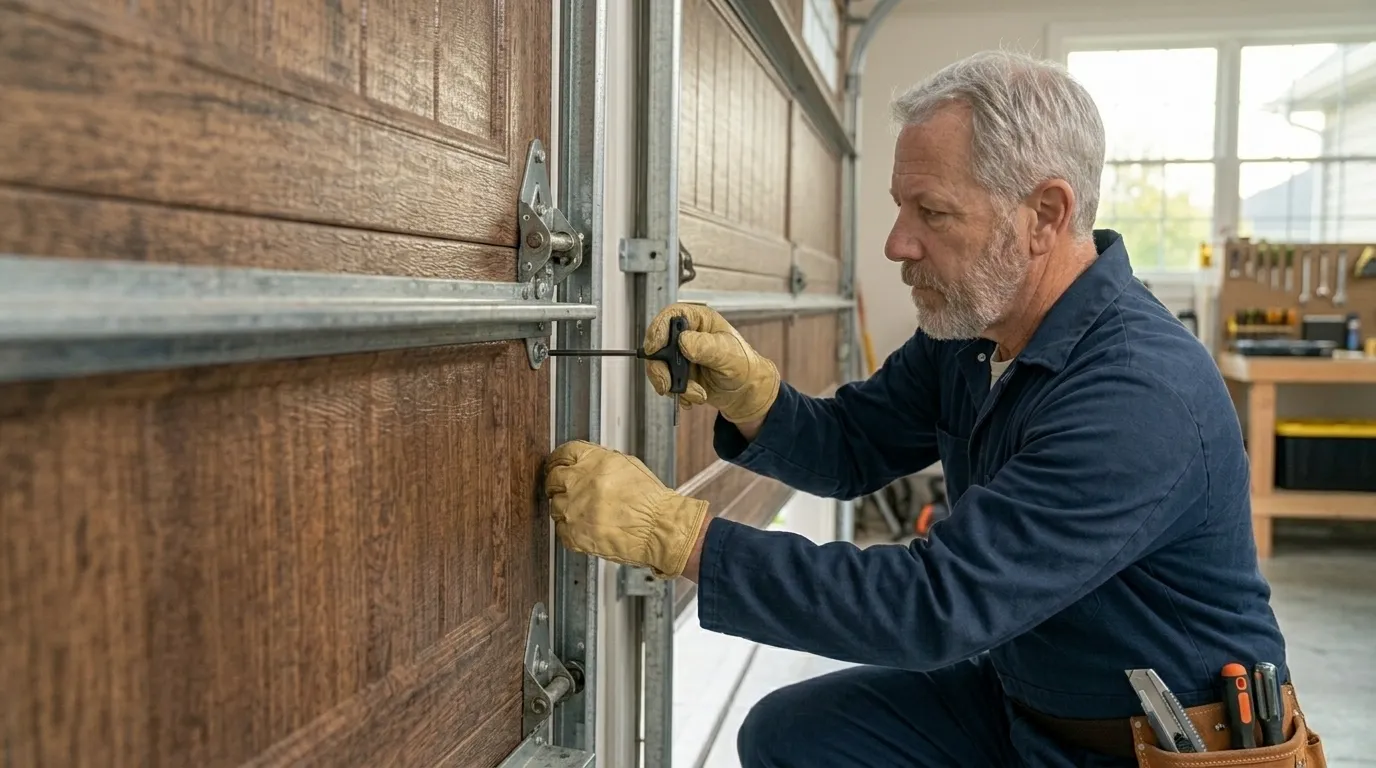
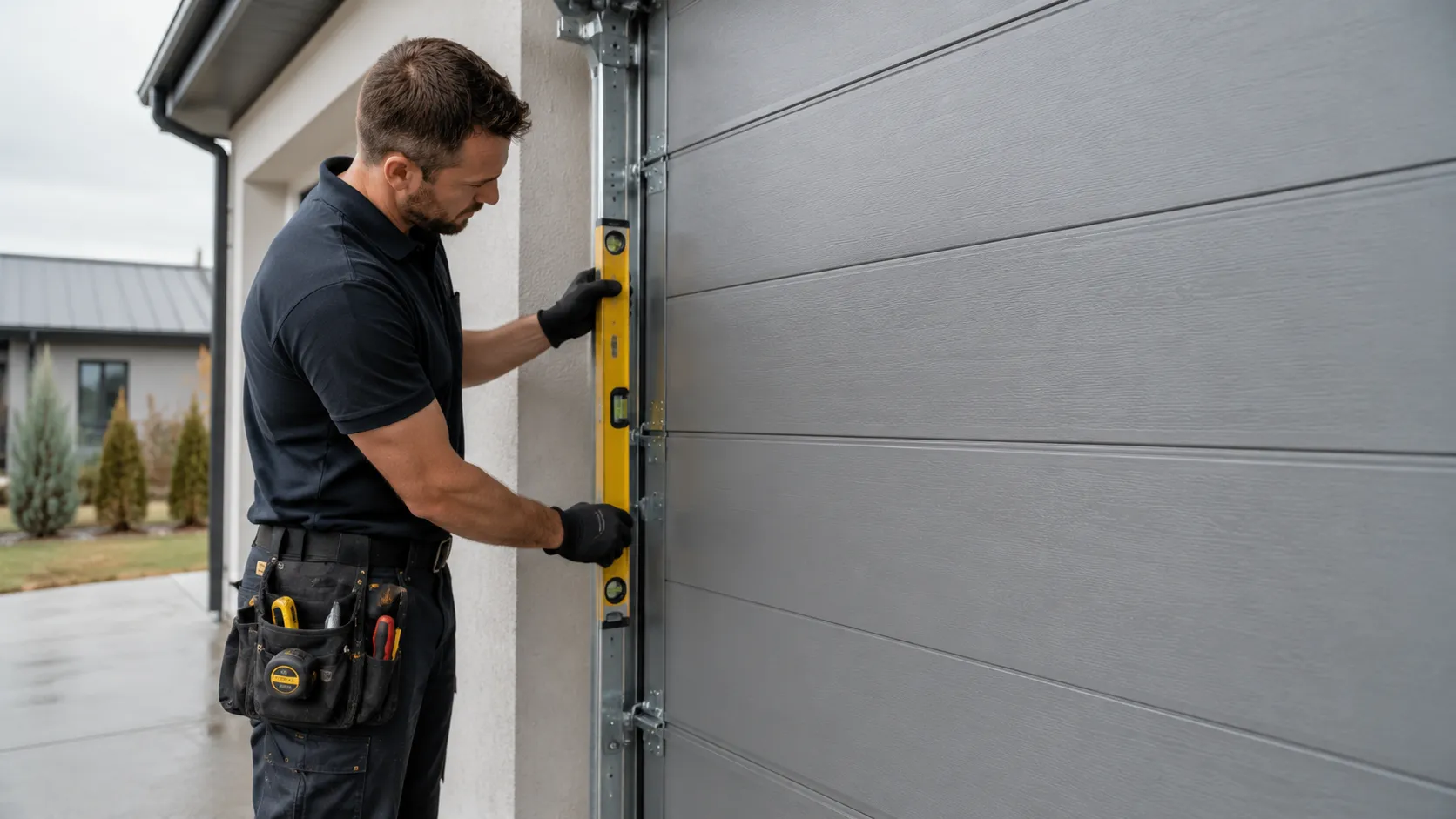
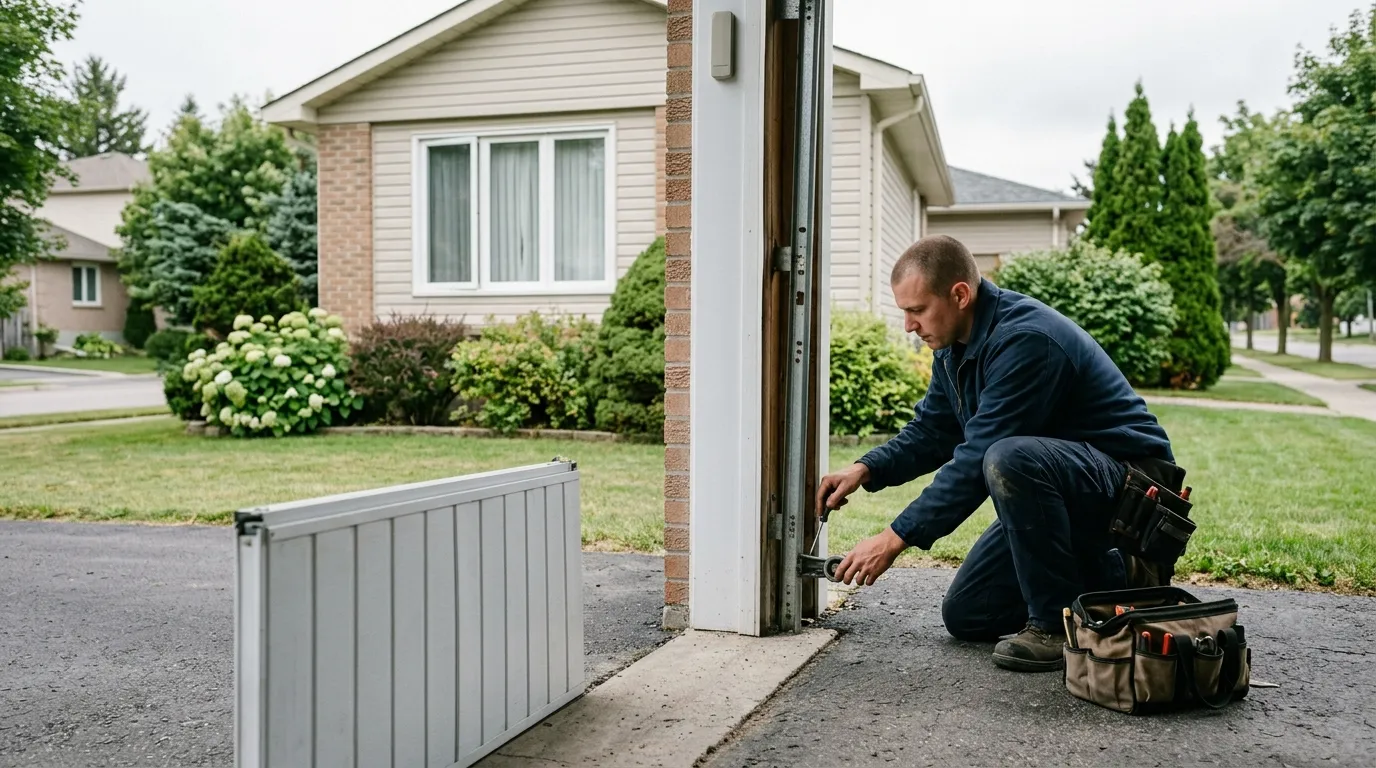
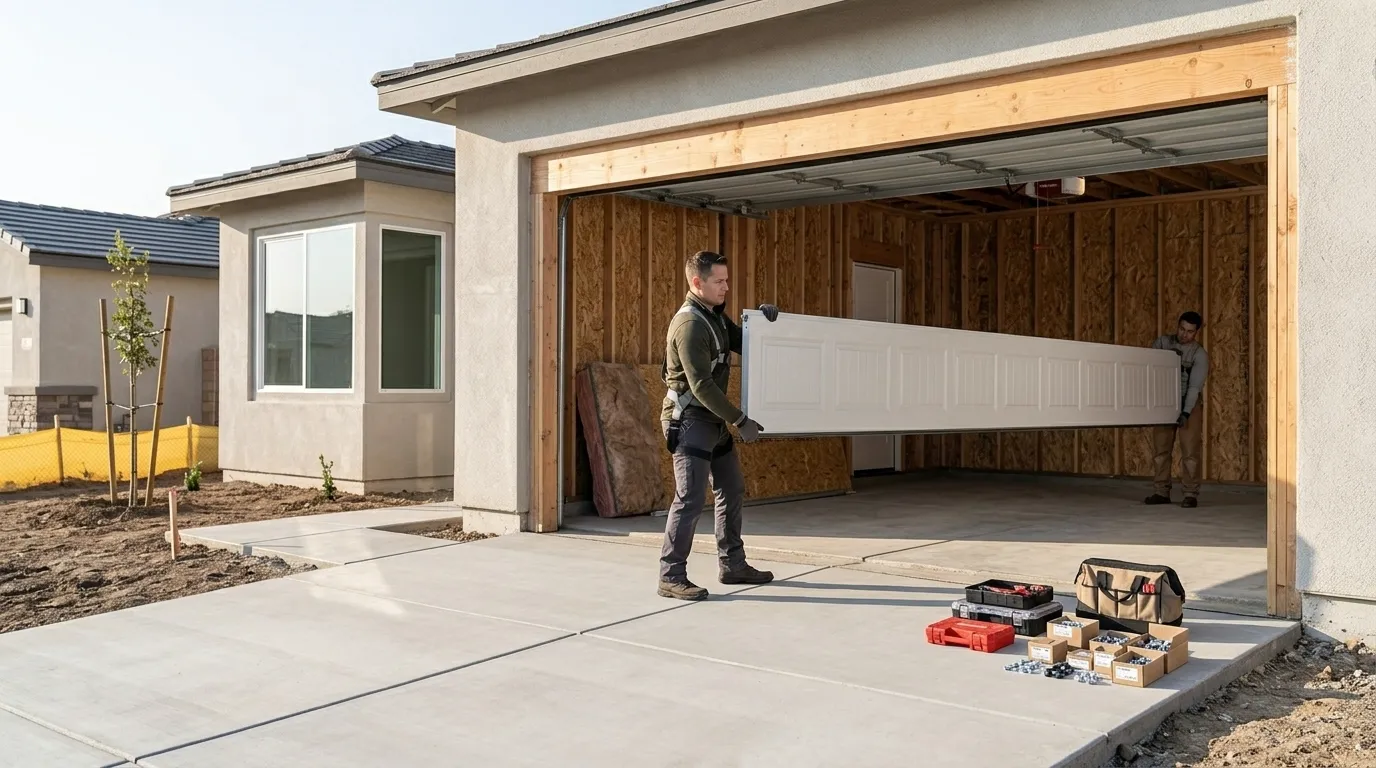
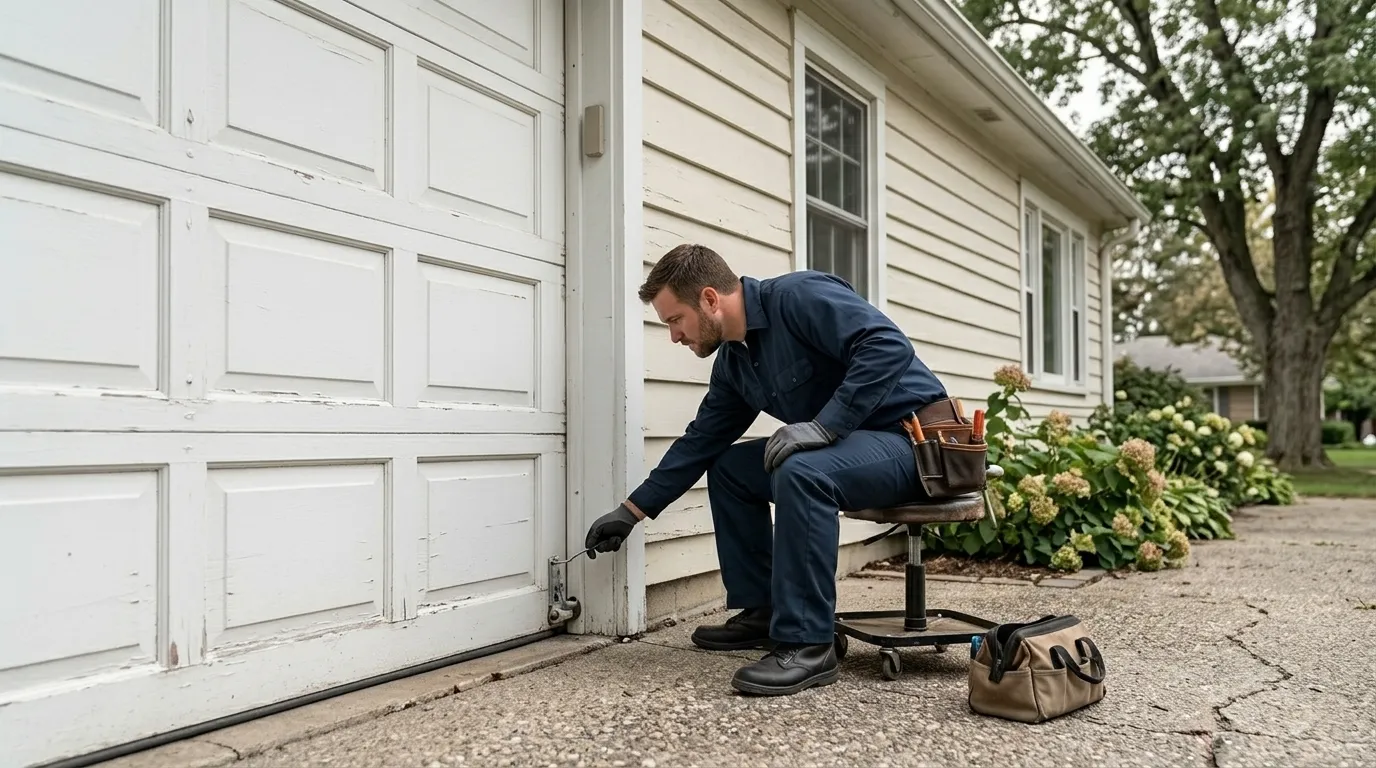
A house built around 1938 wasn't built for a 16-foot double door with a torsion spring rated to lift 150 pounds of insulated steel. A lot of Maywood's original garage openings are narrower, single-car by default, and were framed around wood doors on track hardware that predates the torsion setups common in newer construction. If a door here has been swapped for a modern steel panel, the header and jamb are often the original 1930s lumber doing a job it wasn't sized for, which shows up as racking, sticking, or a track that's slightly out of plumb no matter how many times it gets adjusted.
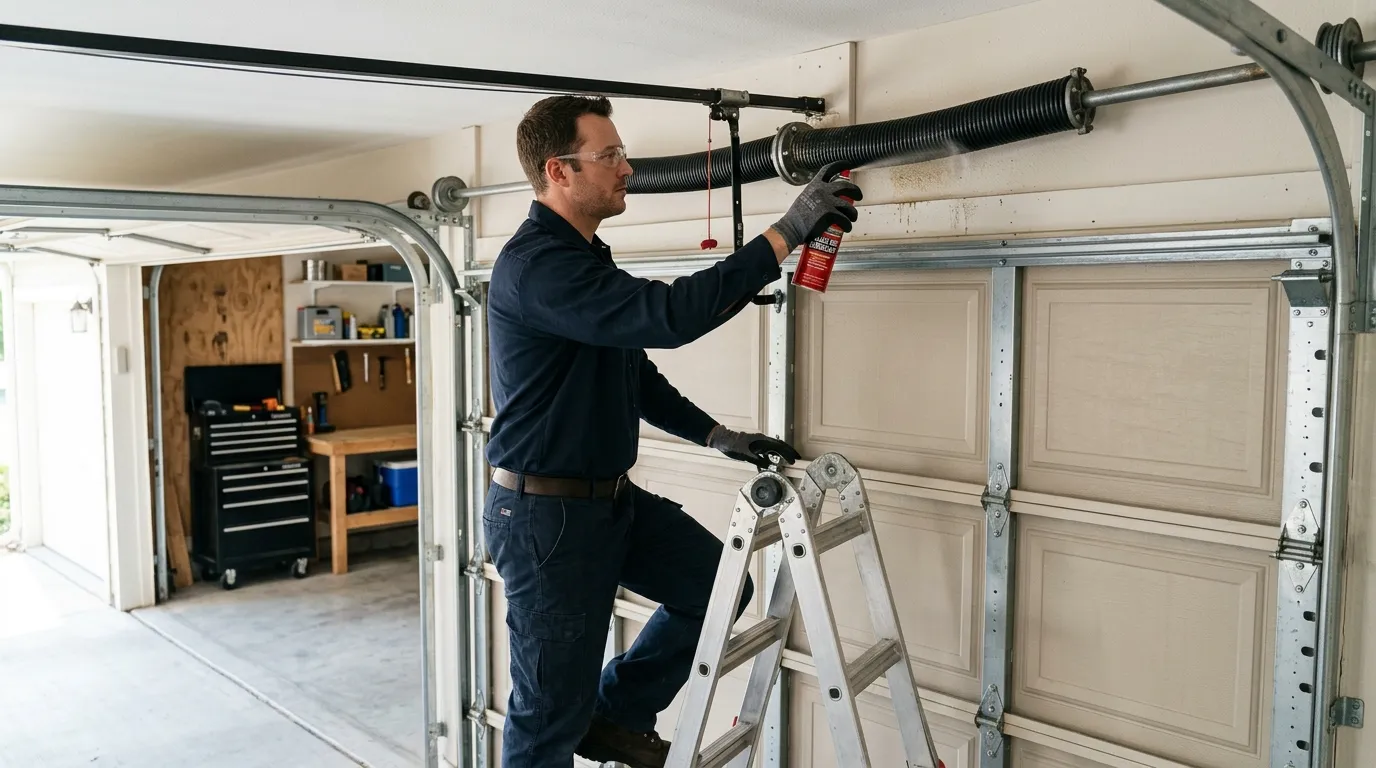
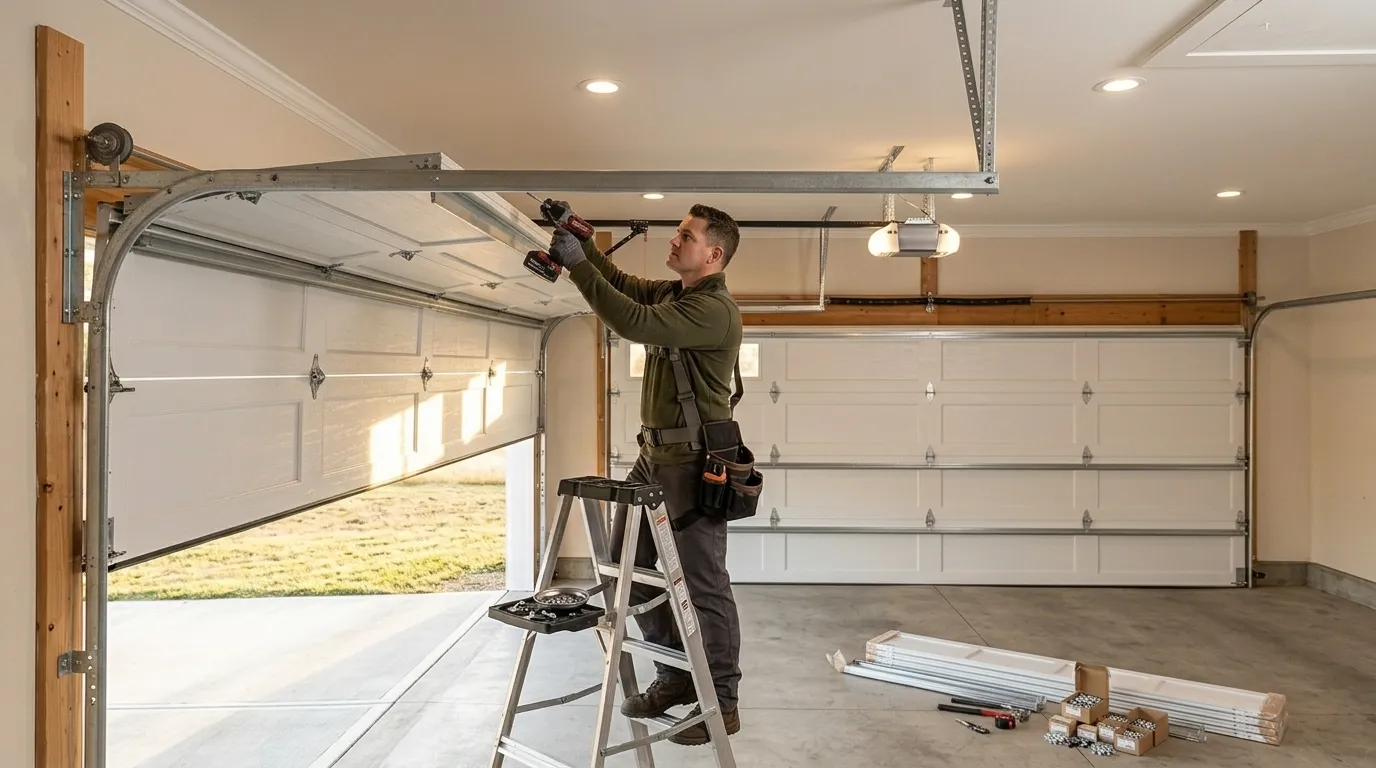
We also see more extension-spring setups on older Maywood garages than torsion - the kind mounted along the horizontal track rather than overhead - because that was standard hardware for the era before torsion springs took over. Extension springs fail differently and get replaced differently, and if a panel's been swapped more recently than the frame, the new opener may be fighting old geometry it was never matched to. None of this is exotic work, but it's not the same job as a spring swap on a house built in the 1970s, and pricing a Maywood call like a newer-stock job is how estimates go wrong.
What Was Built Here
The median build year in Maywood is 1938 - noticeably older than the 1974 median across the wider area we cover, where most stock runs 1960s and '70s. That gap isn't trivia; it's the difference between a garage built for a Model A and one built for a minivan. Framing, header height, and slab pitch from the late 1930s don't always match modern door sizing, and retrofits over the decades have layered newer hardware onto older bones more often than not.
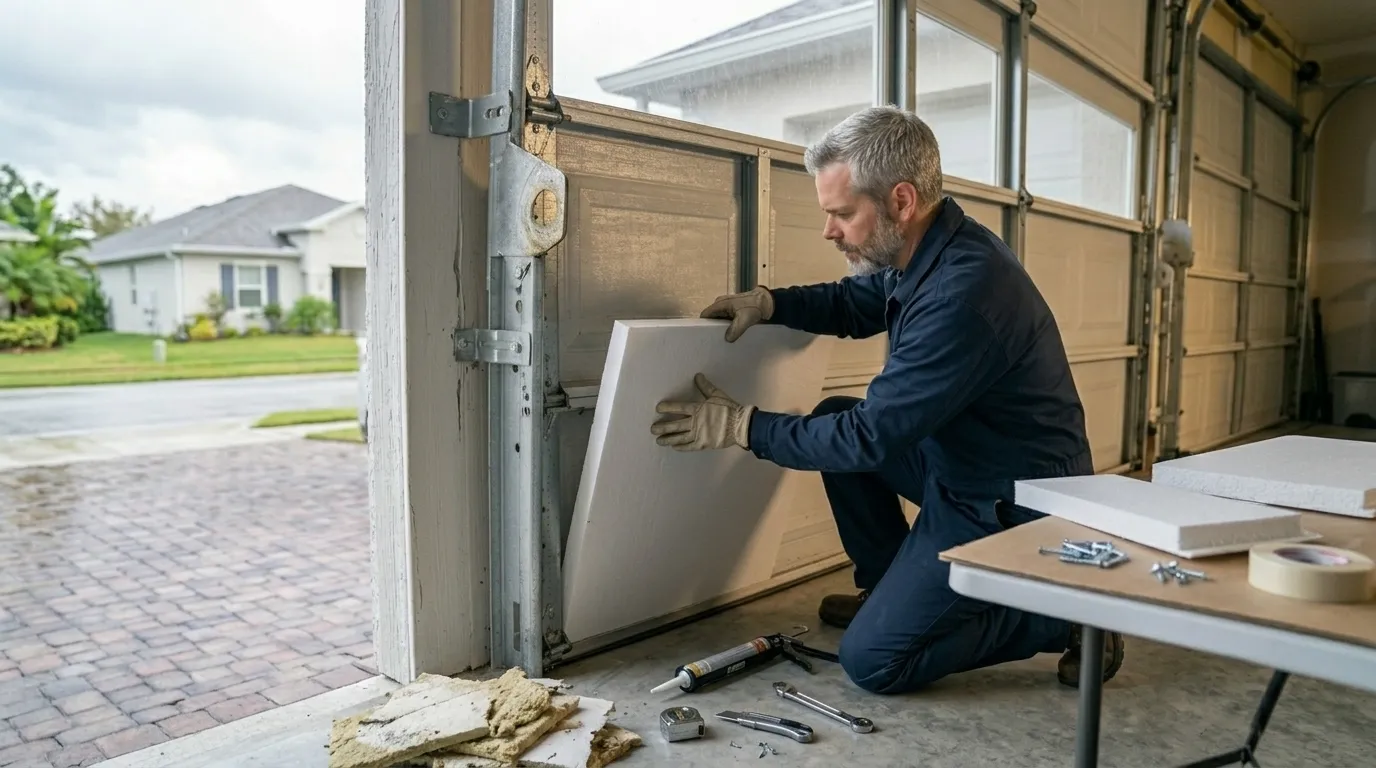
Median household income in Maywood runs around $66,498, compared with $103,561 across the rest of our coverage area - worth mentioning only because it shapes what repair-versus-replace conversations actually look like here. A lot of homeowners want the existing door kept working as long as it reasonably can be, and that's a fair call on an older structure where a full replacement means dealing with an opening that may not match current standard sizes. The climate band here is cold-moderate, and older wood jambs and thresholds don't handle freeze-thaw cycling as well as newer sealed framing, which is often the real source of a door that binds every winter.