How We Get to You
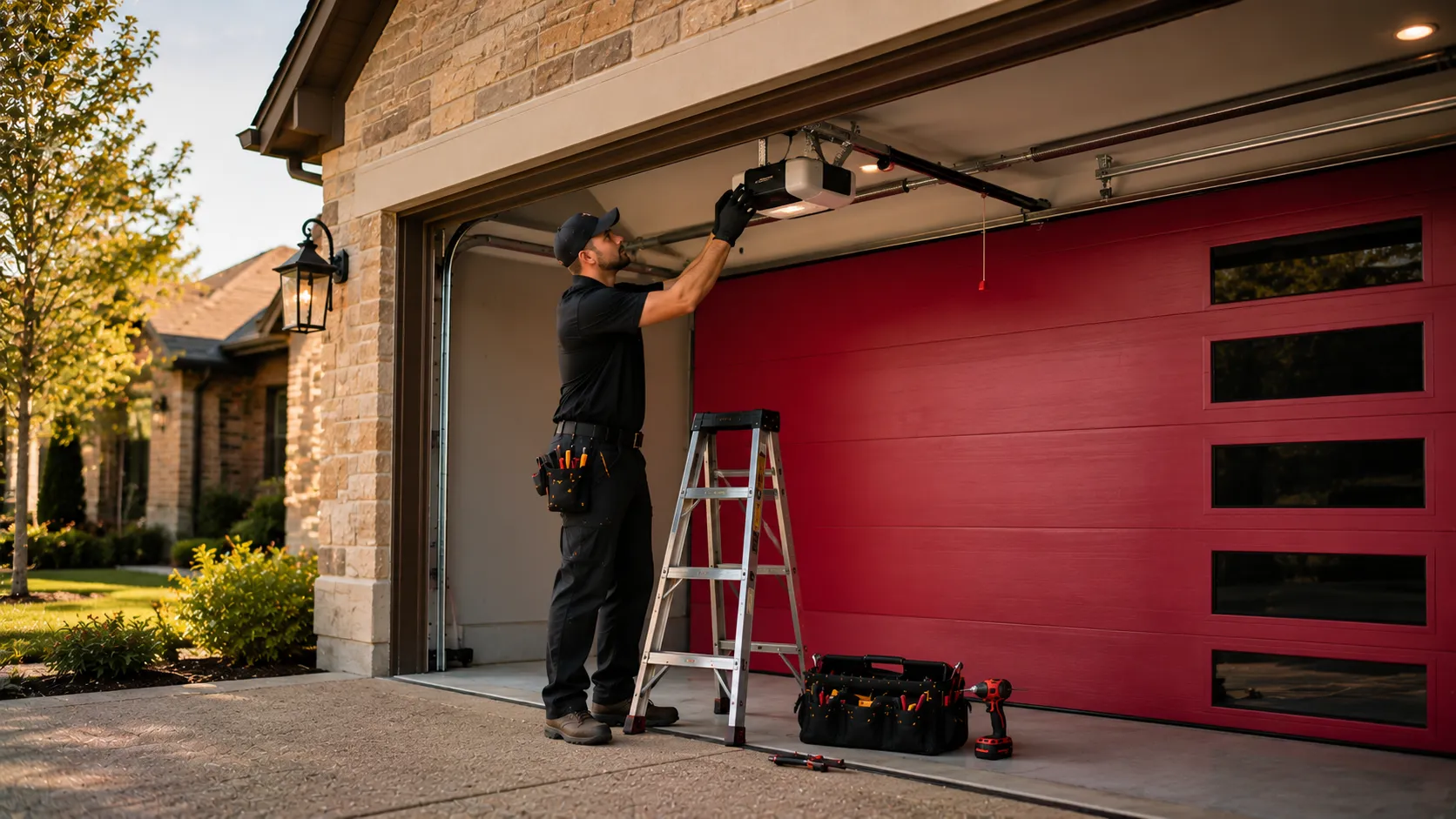
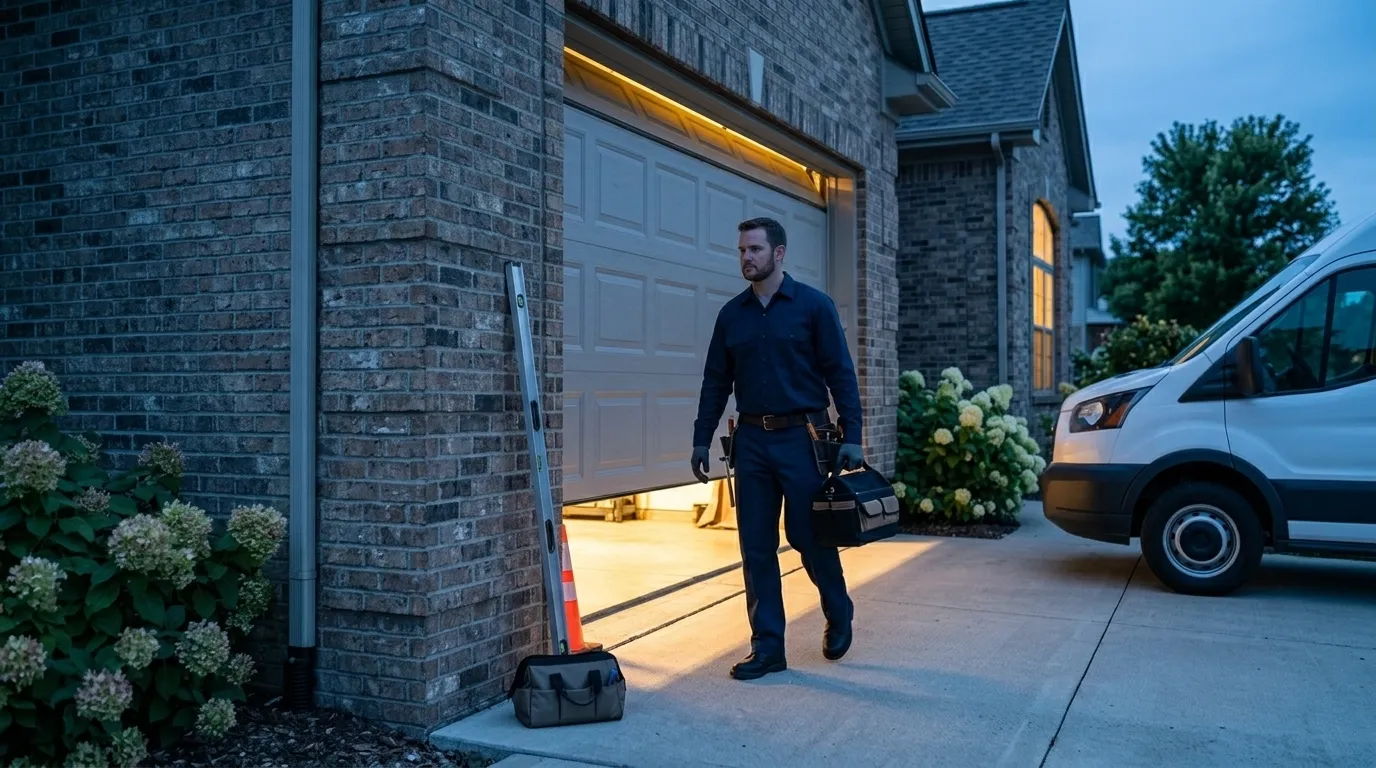
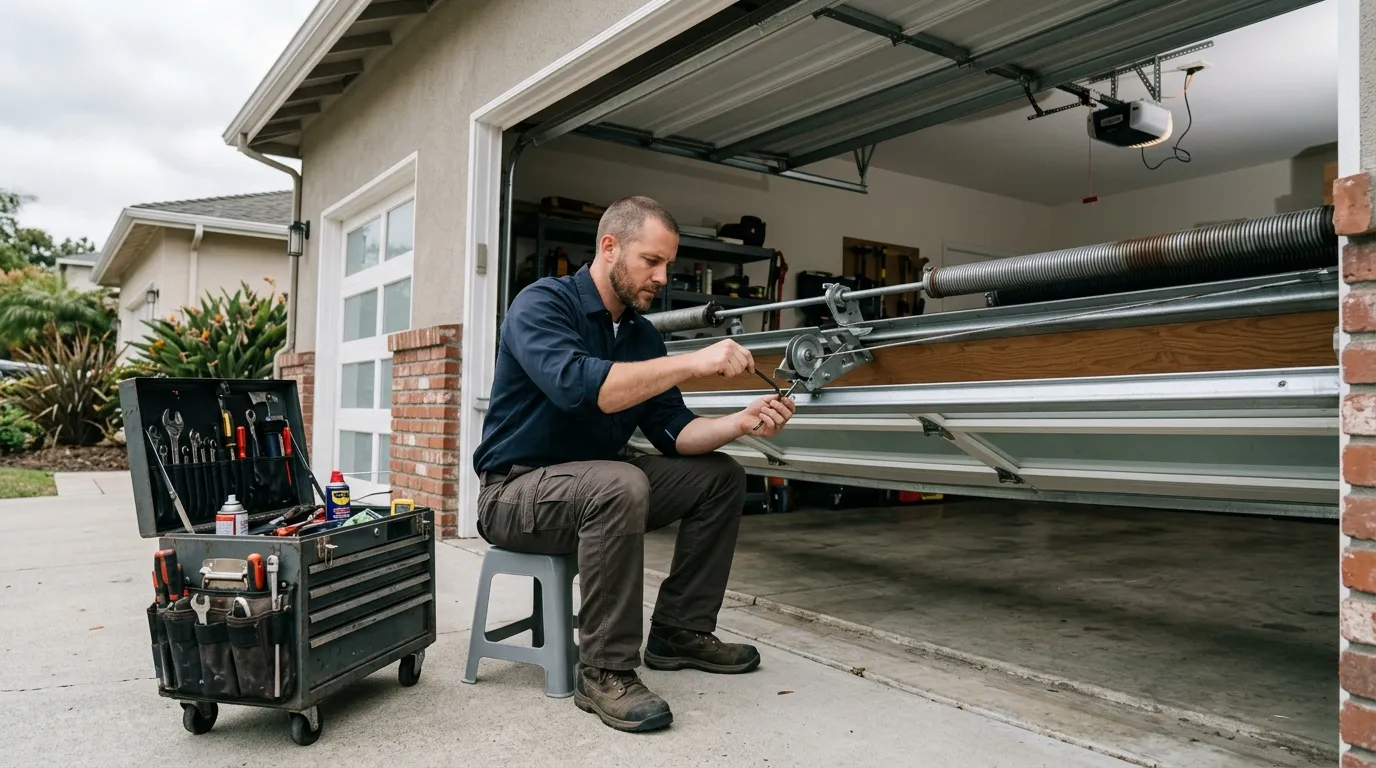
North Barrington sits about 16 miles from our Northbrook shop, farther than most of the towns on our list. Heading northwest, our truck passes close to Long Grove and Kildeer before reaching North Barrington itself, both a few miles closer to Northbrook than this stop is. That extra distance means we build the drive into the schedule rather than treat it as a quick add-on between calls. We still run the same repair kit and the same spring sets on the truck, but a same-day slot here depends more on what's already booked that morning than it does closer to the shop. If you call early, we can usually work you into the day's route. If you call at 3pm needing someone by 5, we'll be honest about whether that's realistic given where the truck already is.
We don't keep a second location or a satellite crew out this way. Every job in North Barrington runs from the same Northbrook shop, on the same truck stock, with the same techs who cover the rest of our territory. That's not a knock against the town, it's just how the coverage works, and we'd rather say it plainly than pretend otherwise.
What That Means for Doors
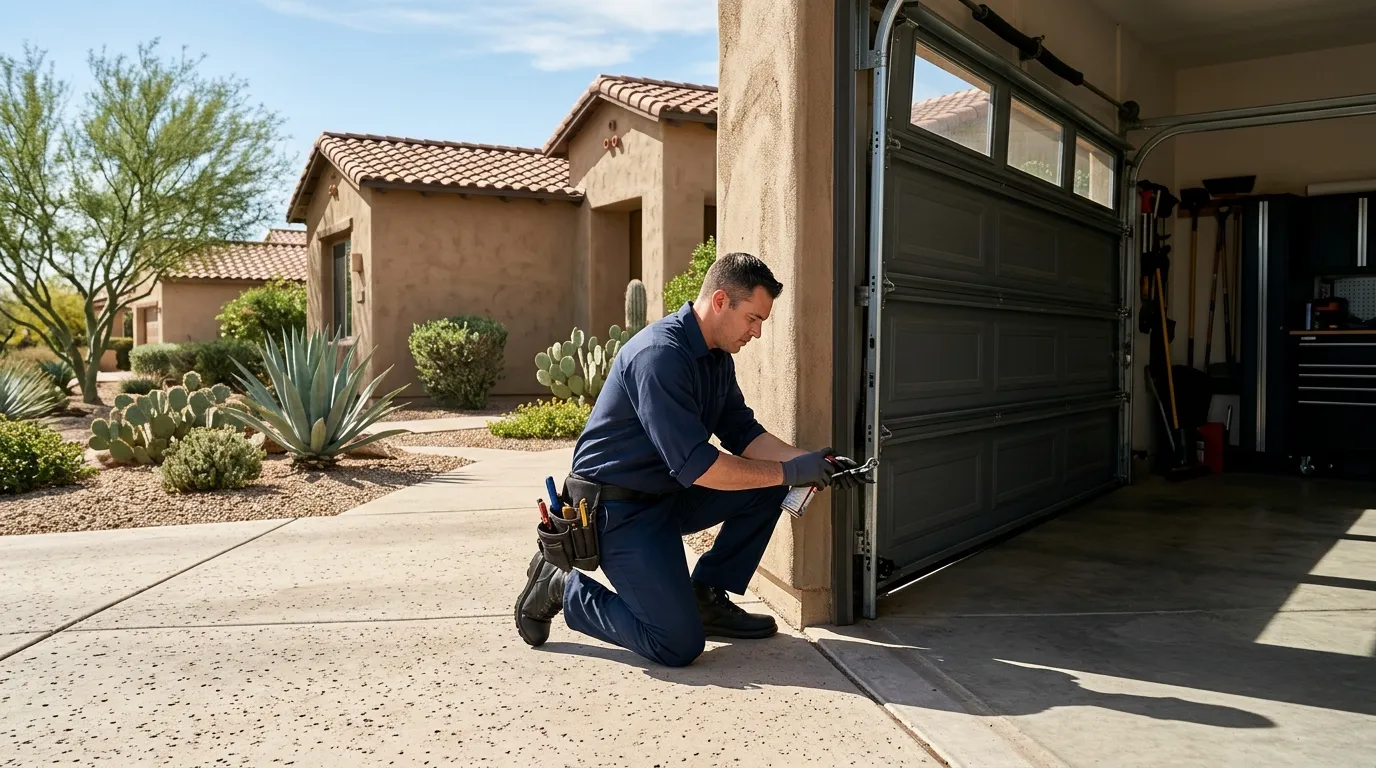
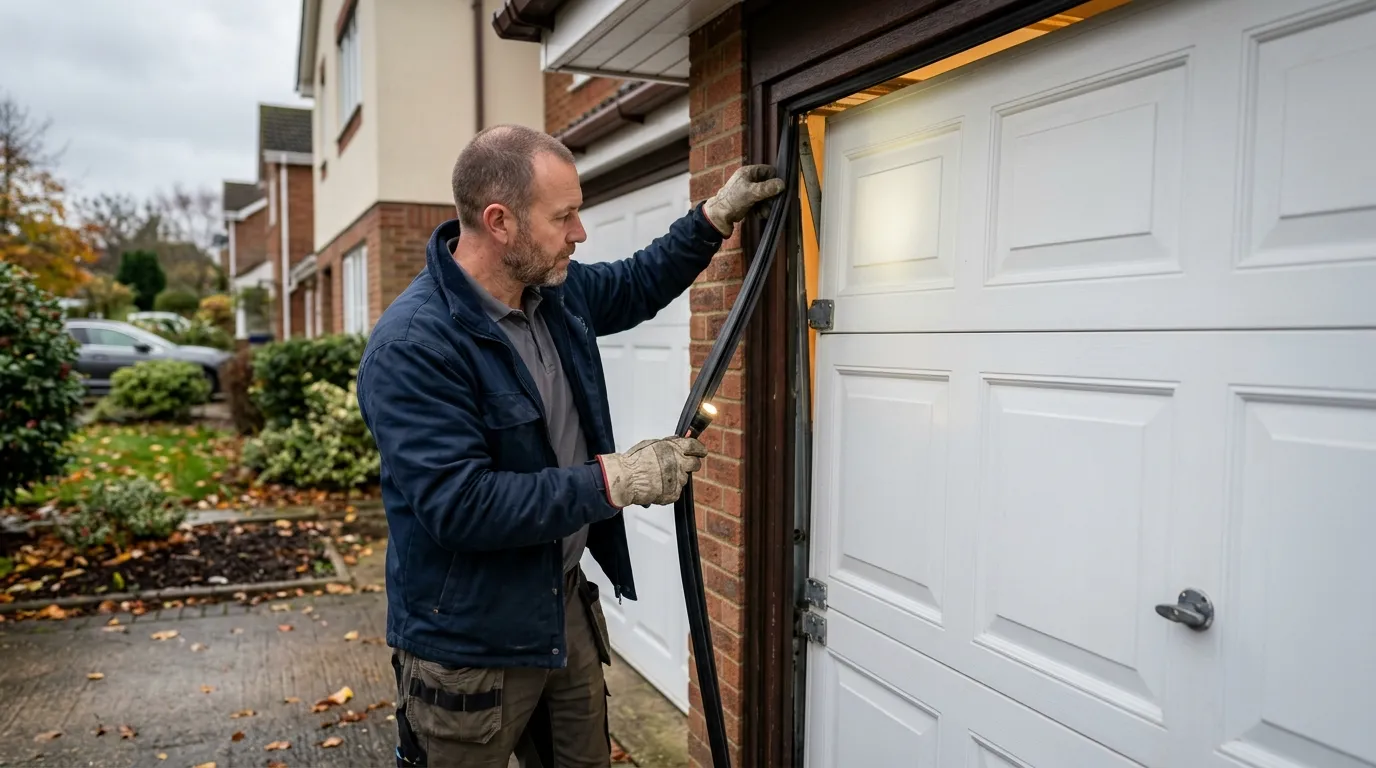
Most homes across our wider service area went up between 1938 and 1996, with a median around 1974, but North Barrington runs later than that, with a median build year around 1982. That gap matters more than it sounds. By 1982, steel sectional doors on torsion spring systems were standard, replacing the older wood panel doors and extension-spring setups still common on the earlier stock elsewhere in our territory. That means fewer of the odd side-mounted torsion jobs we see on 1960s houses, and more standard-width torsion springs, standard track drops, and chain or belt-drive openers from that era reaching the end of their working life now.
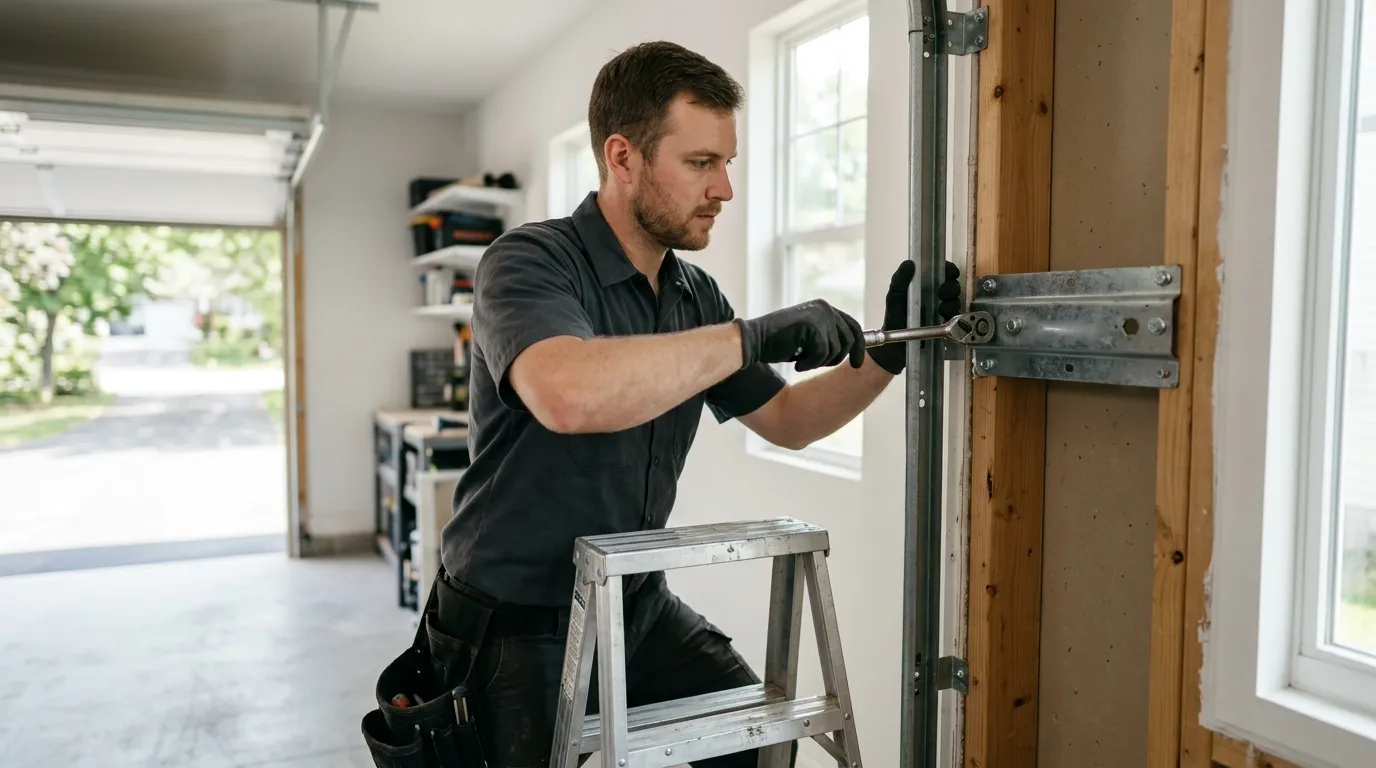
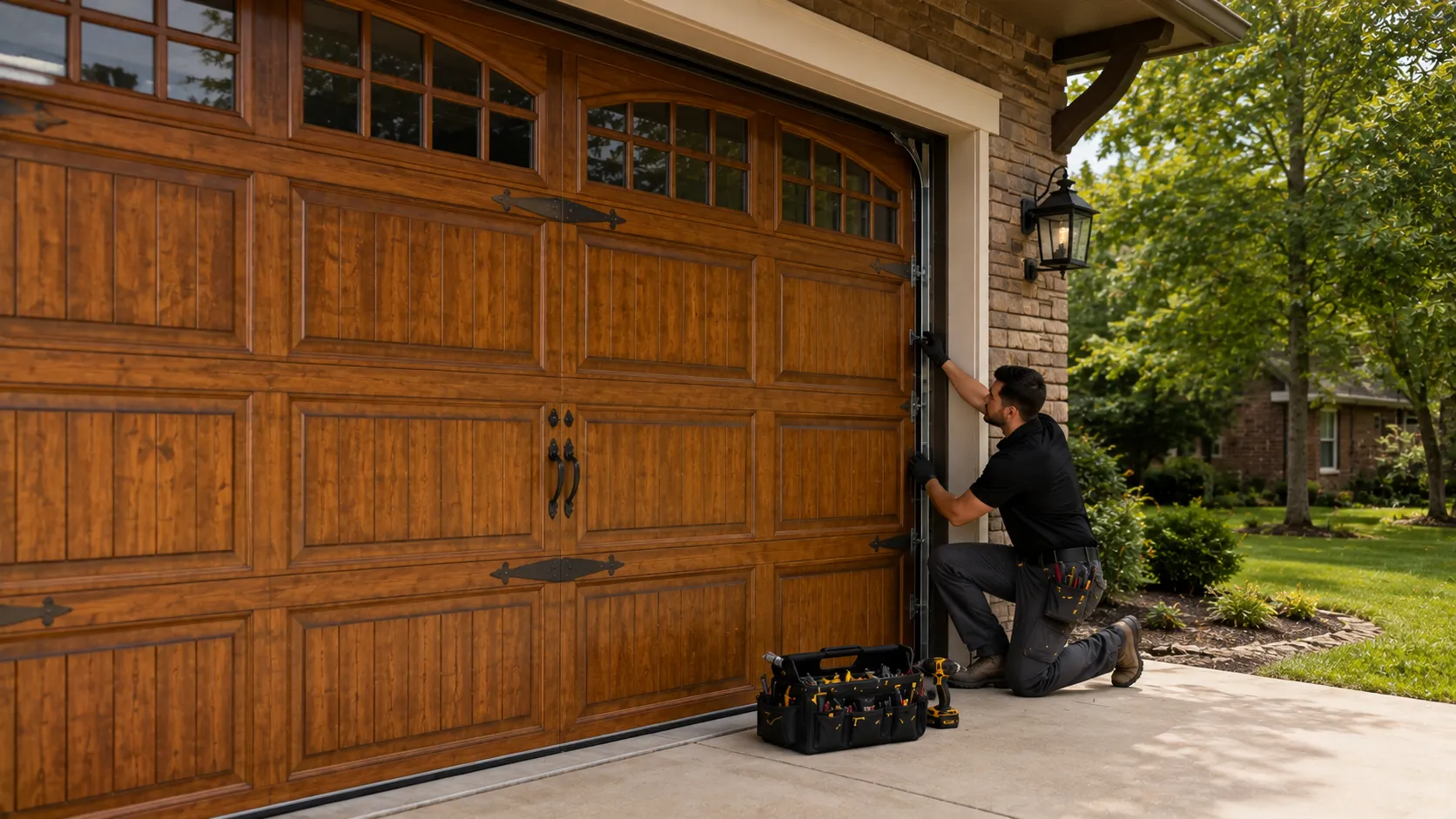
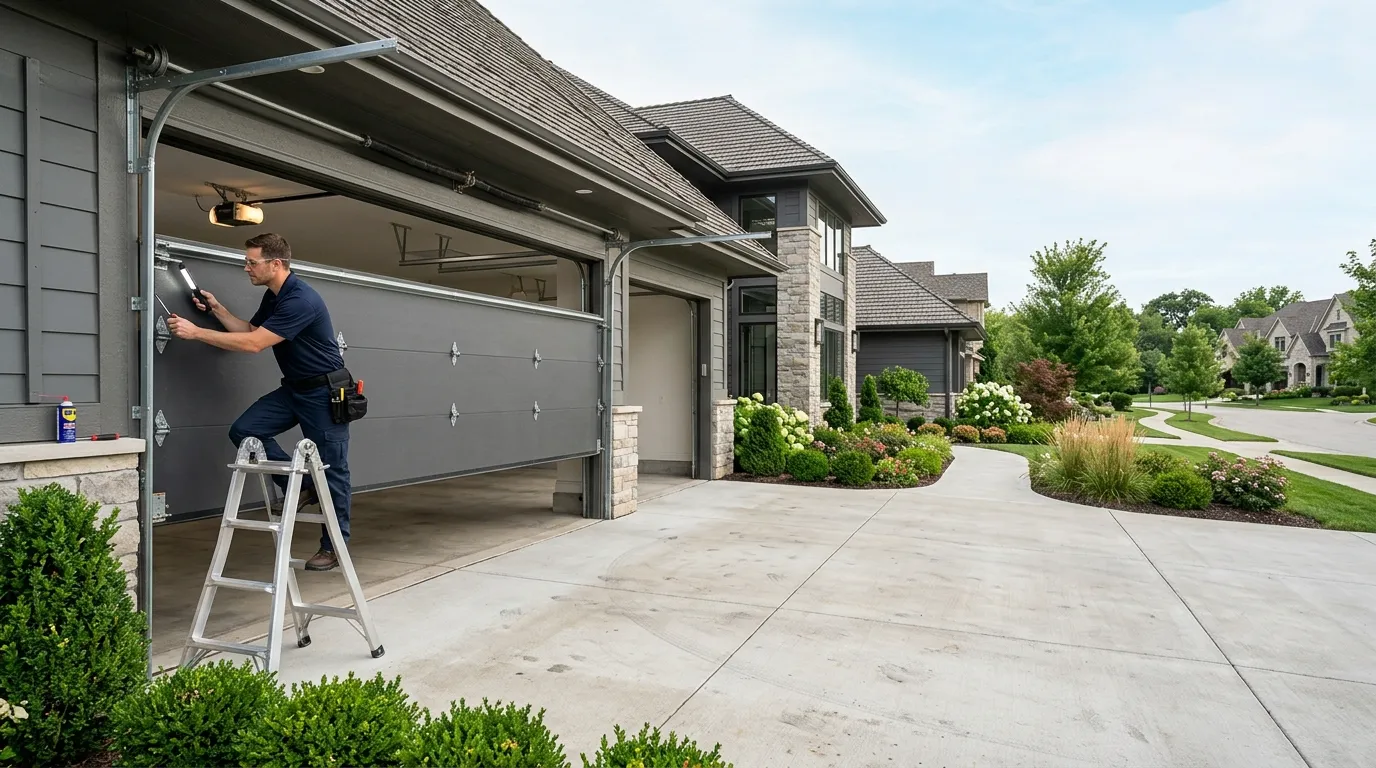
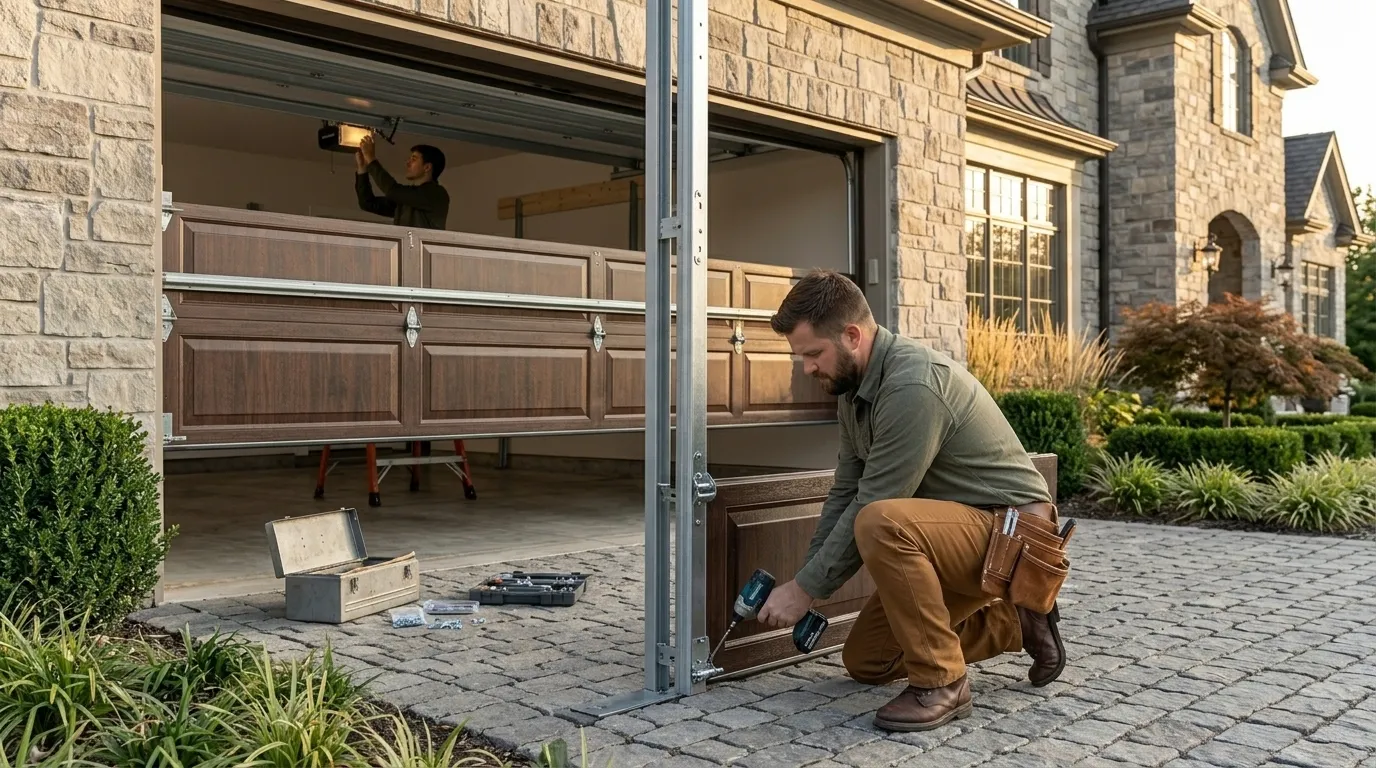
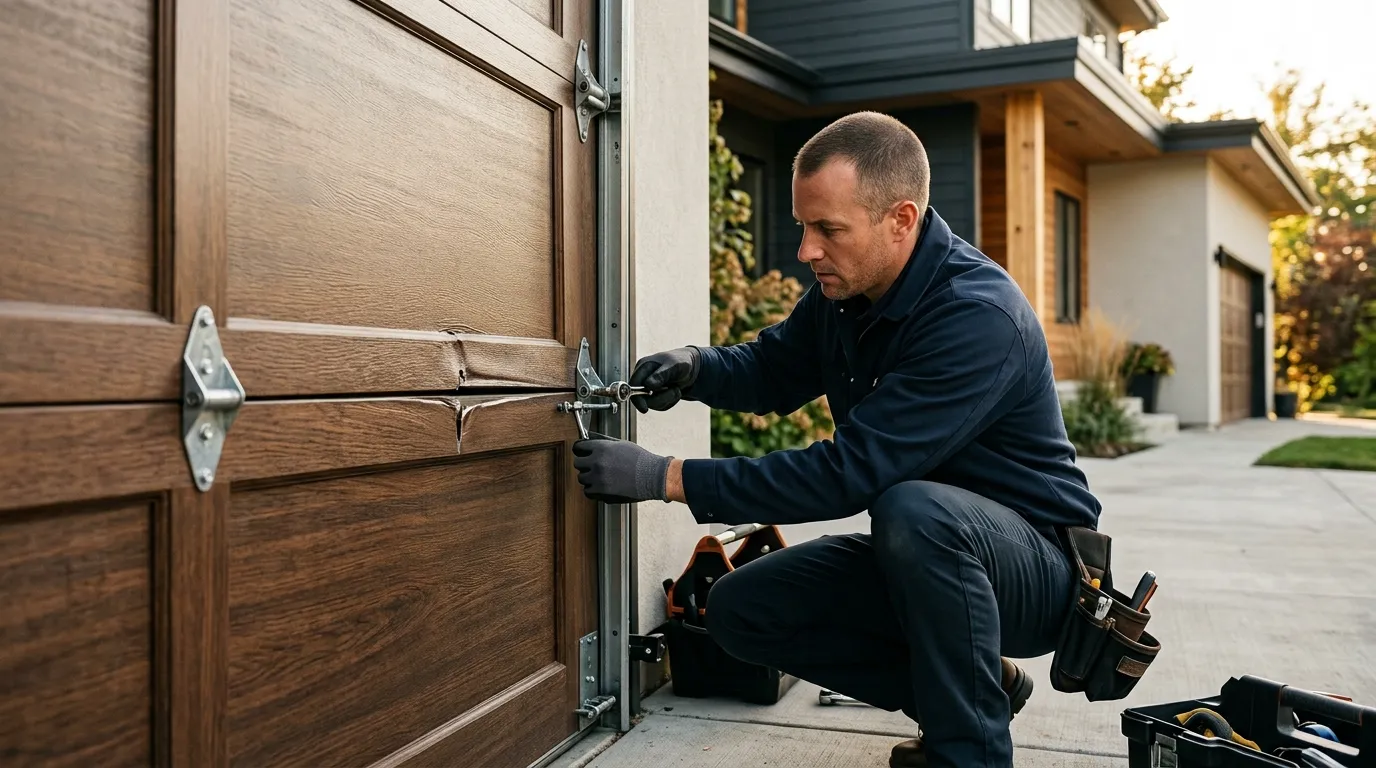
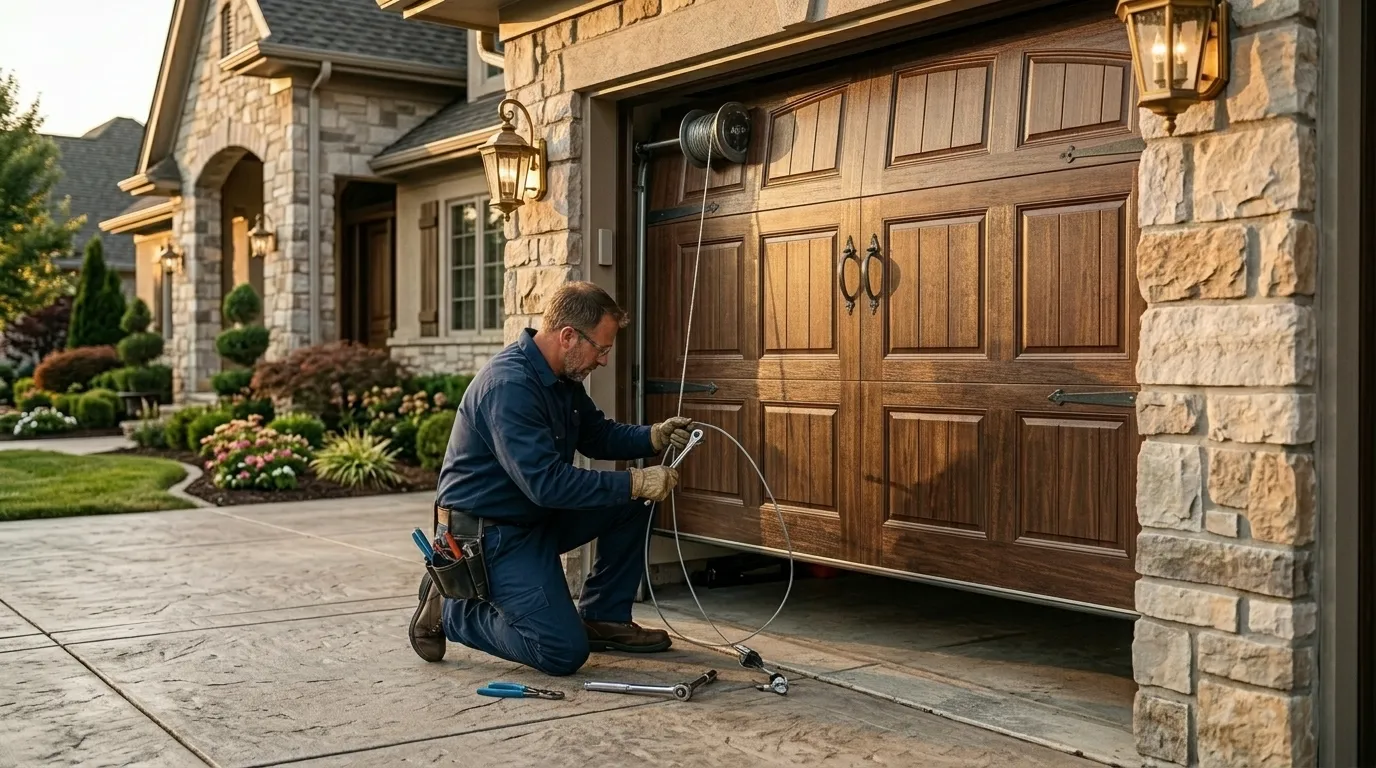
The area's median household income, over $216,000, also shows up in the doors themselves. We see more custom wood-look composite doors and insulated steel doors with heavier hardware out here than the plain steel doors that dominate older, lower-cost stock closer to Northbrook. Heavier doors put more strain on springs and openers rated for lighter panels, which is the failure we get called out for most in this stretch: an opener straining against a door it wasn't sized for.
What Was Built Here
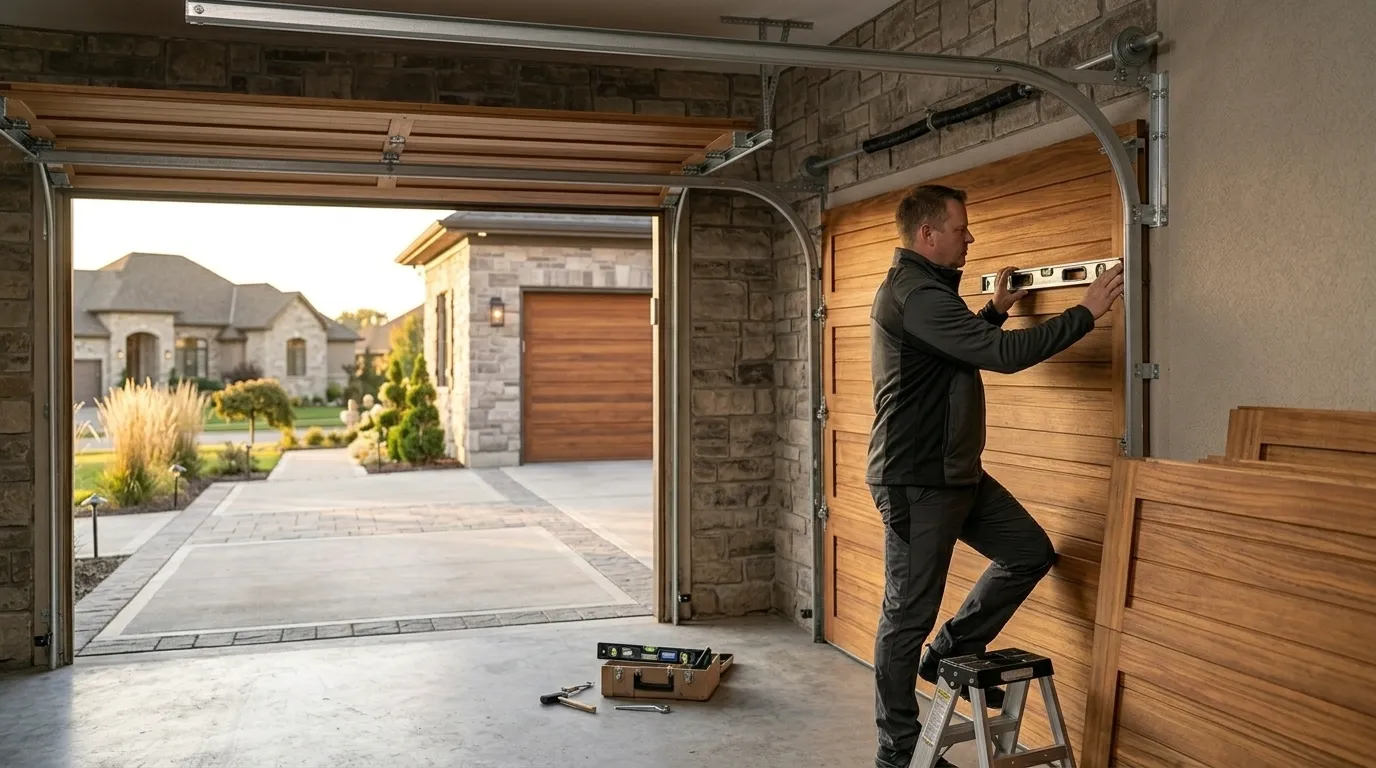
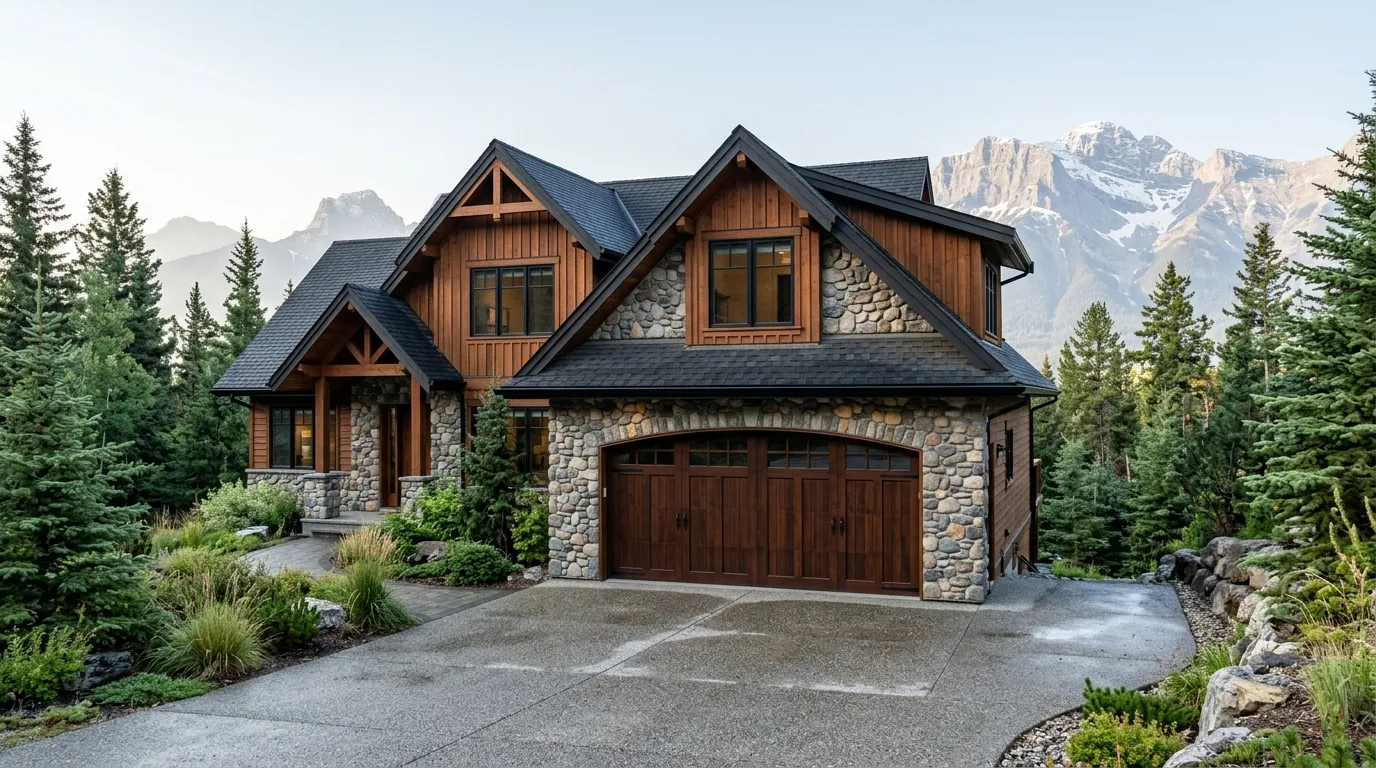
With around 1,099 households, North Barrington is one of the smaller areas we cover, and it reads differently on the ground than the denser 1960s-70s subdivisions that make up most of our territory. The later median build year, 1982, put up larger lots and larger garages, often with two- and three-car doors rather than the single-car doors common on older post-war stock. Bigger doors mean bigger springs and more weight on the opener, which is a big part of why the failures we see here skew toward opener strain and cable wear rather than the rusted, undersized hardware we find on older houses closer in.
The cold winters that hit the whole region don't skip this area. Steel contracts in the cold same as anywhere, and a torsion spring already carrying a heavier door has less give left when the temperature drops. That's the practical reason winter is when we get the most calls for snapped springs out this way.