How We Get to You
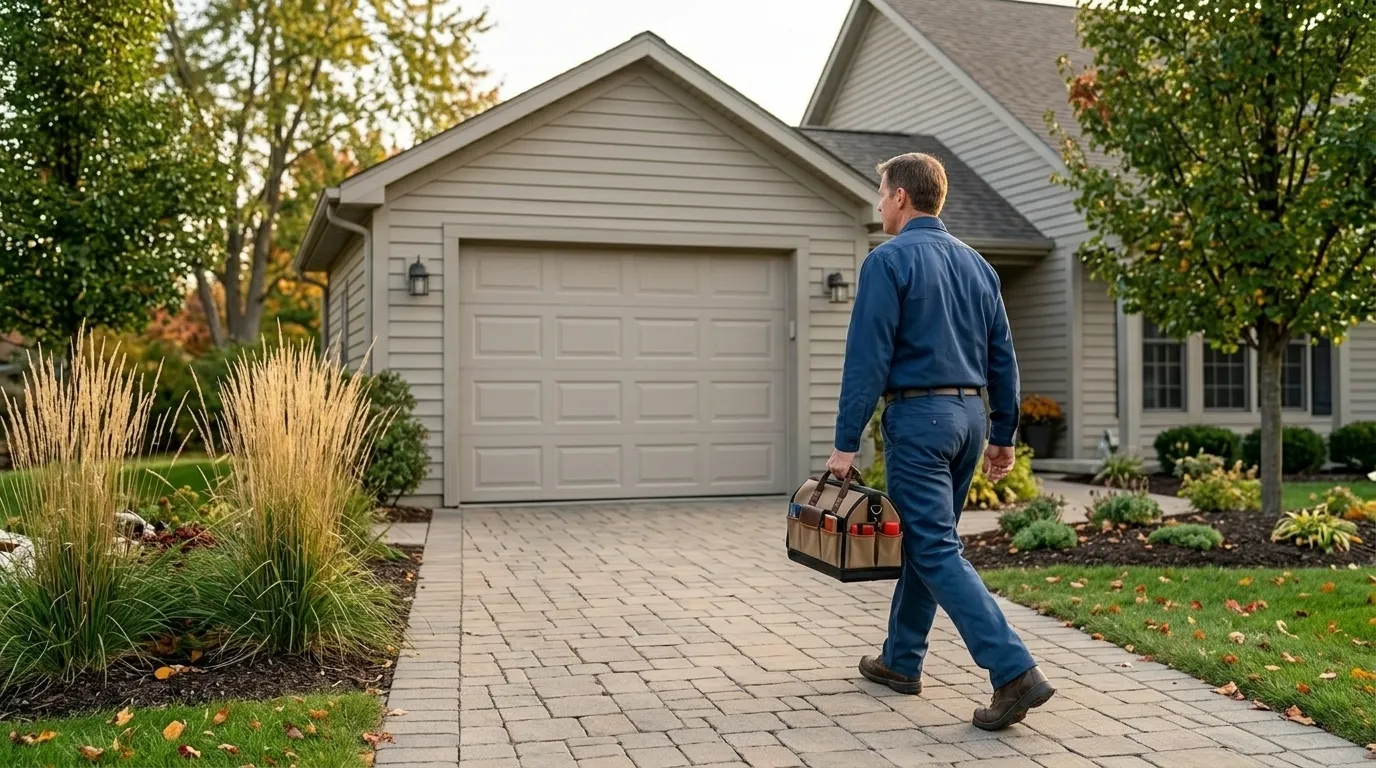
North Chicago sits about 13 miles from our shop in Northbrook, which puts it near the outer edge of where we'll drive for a job. We don't have a depot here and we're not going to pretend a truck is parked around the corner. What we do is build the trip into the route for the day, so when we say we're coming, we've already accounted for the drive.
That distance matters more than it sounds. A 13-mile run through the north suburbs at rush hour is a different commitment than a job five minutes from the shop, and we plan for it rather than squeeze it in as an afterthought. If you call late in the day and the job isn't urgent, we'll be upfront that it may land on the next day's route instead of today's.
We're honest about this because a lot of companies will tell you "we're on our way" from a service area map, not an actual location. We'd rather tell you the truck is coming from Northbrook and let you decide if that timeline works for you.
What That Means for Doors
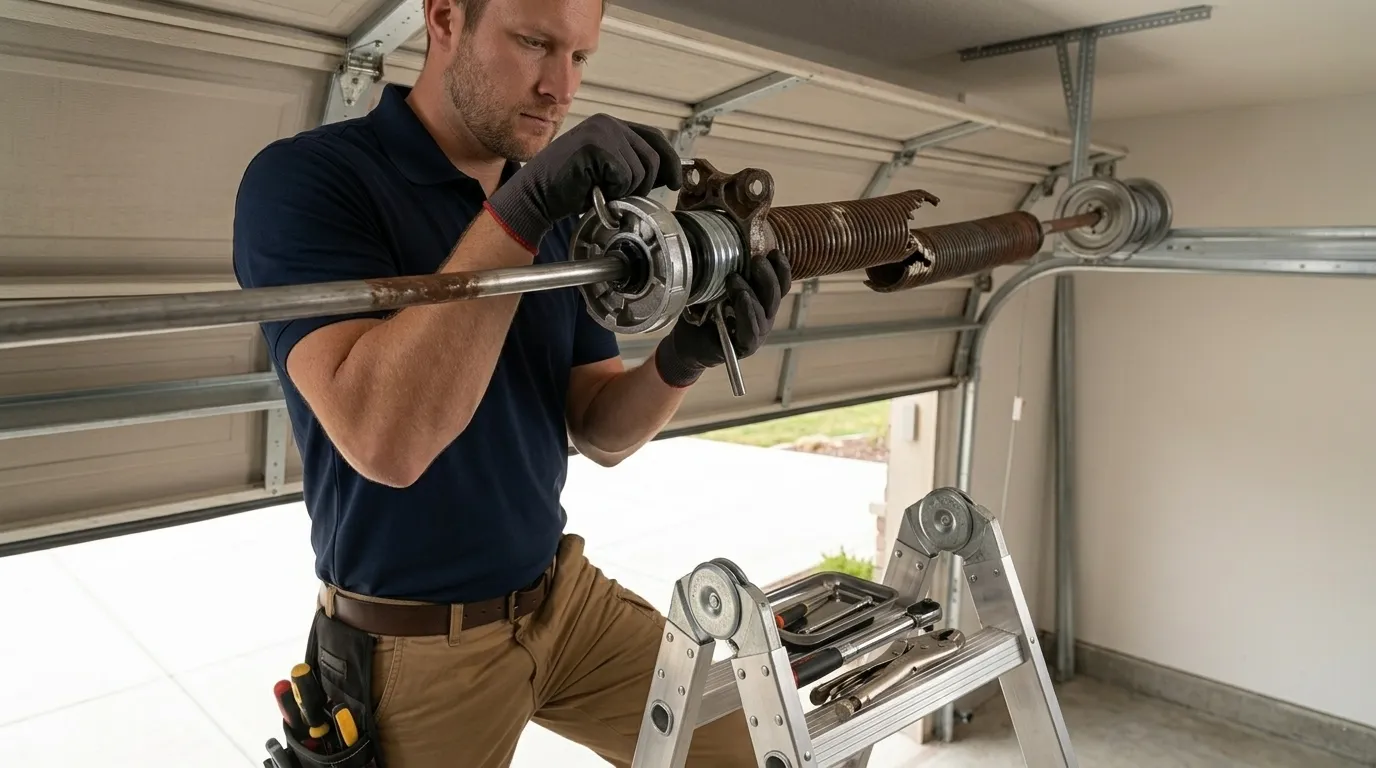
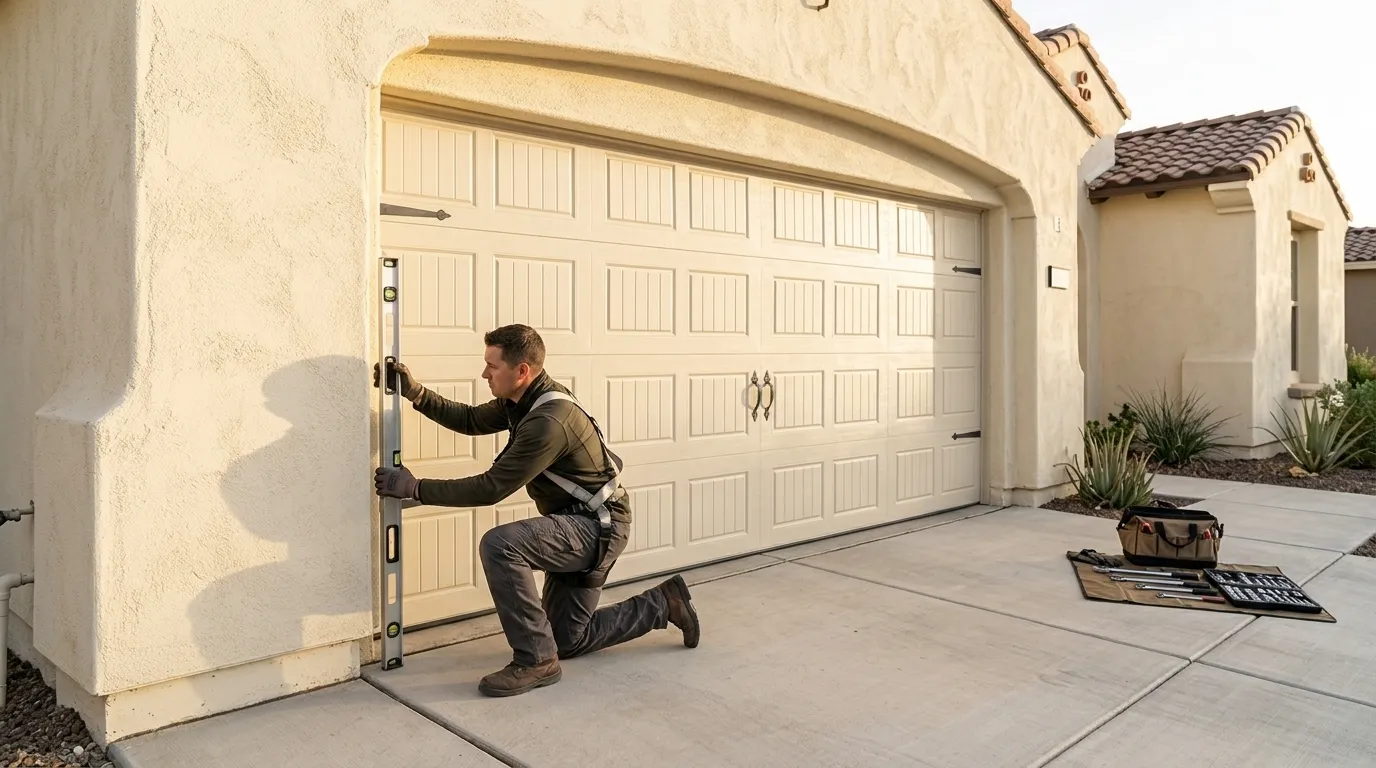
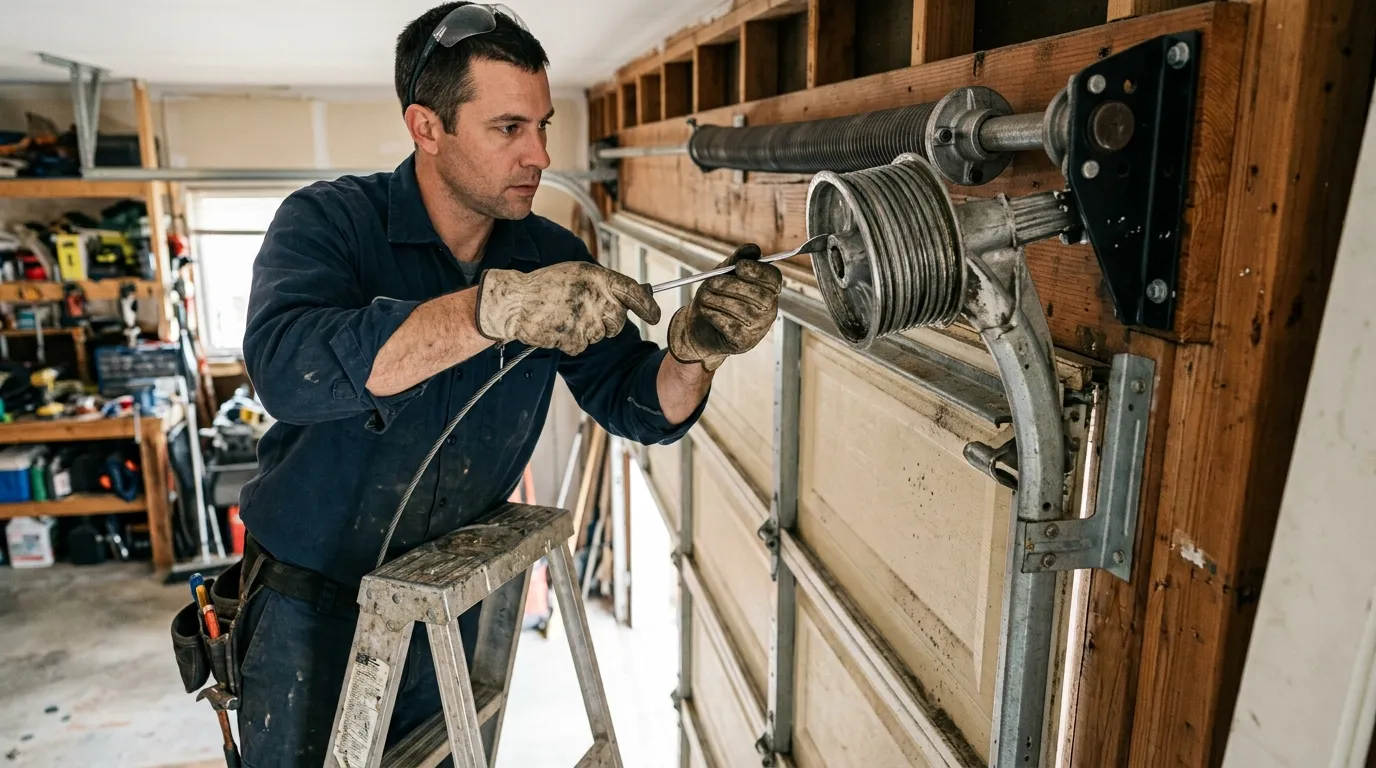
Most houses in North Chicago went up around 1972, a couple years earlier than the 1974 median across our wider coverage area. That's a narrow gap, but it lands squarely in the same window: torsion and extension spring setups built for steel doors that were lighter and simpler than what's sold today, openers with chain drives that have usually been swapped once or twice by now, and tracks that were leveled for a door half the weight of a modern insulated one.
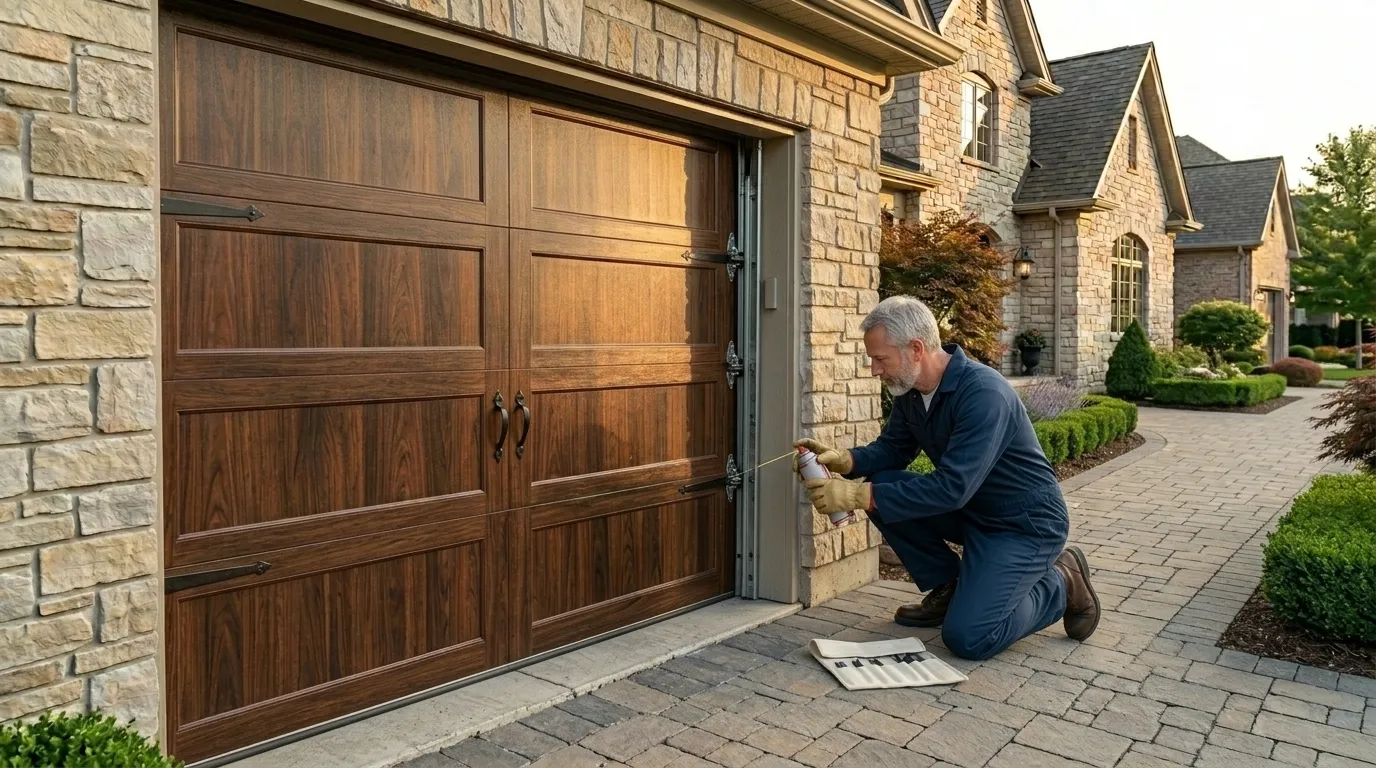
The practical result is that a lot of the calls we get from this area involve springs sized for an old door now carrying a heavier replacement panel, or an opener straining because nobody re-rated it after an upgrade. We see original steel hinges pitted from decades of a cold-weather climate cycling condensation on the door skin, and rollers that were never swapped from steel to nylon.
Median household income here runs $56,815, well below the $103,561 median for the full service area, and that shows up less in the doors themselves and more in how long people run a marginal opener or a stiff spring before calling anyone. By the time we get the call, the fix is often bigger than it would have been a year earlier.
What Was Built Here
With roughly 7,300 households, North Chicago is one of the smaller pockets in a service area that covers 275,099 households and 132,434 owner-occupied houses in total. It's a fraction of the whole, but the housing stock tells a consistent story: built mostly in the 1938-1996 range that defines this region, with North Chicago's own median landing around 1972, right in the thick of that era's construction boom.
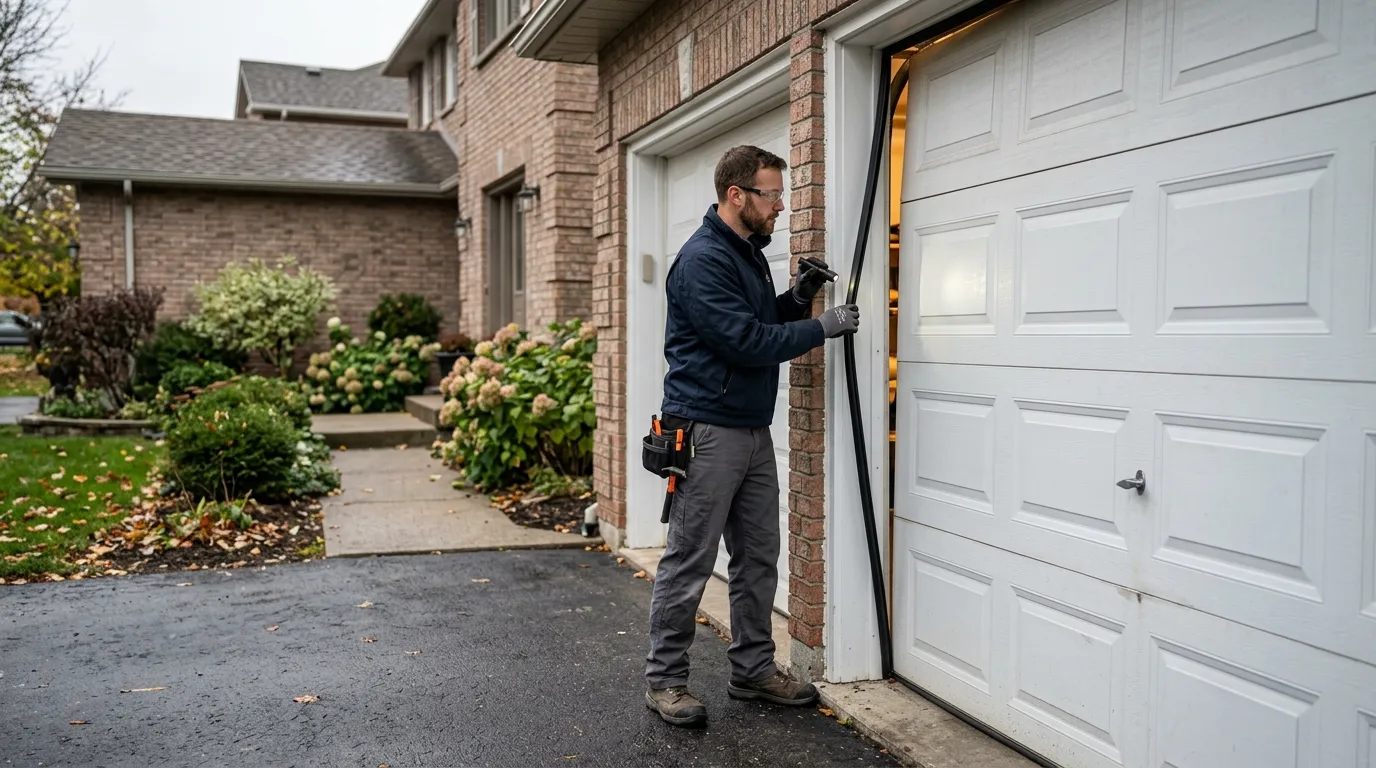
Houses from this period were built for a moderate cold climate, which around here means winters that put real stress on steel doors and their hardware - seals that harden and crack, springs that lose tension faster in the cold, and openers that strain when a door gets heavier with age or ice buildup. None of that is unique to North Chicago, but the age of the housing stock here means those original components are, on average, over 50 years into a service life that was never meant to last that long. When a door or opener from that era finally fails, replacement usually makes more sense than another patch repair.