How We Get to You
Park City sits about 16 miles from our shop in Northbrook, which puts it past the edge of our usual coverage ring rather than in the middle of it. The closest named stops we already run to on the way are North Chicago, roughly 13 miles out, and Lake Bluff, around 11 miles out - so a Park City call isn't a detour, it's just the far end of a route we already drive. We don't keep a second location here and we won't tell you we do. What we can tell you is that the drive is built into how we schedule: Park City jobs get grouped with other calls along that same corridor so the trip makes sense for both of us. If you call and we're mid-route through North Chicago or Lake Bluff already, that's good timing. If not, we'll give you a straight answer on when we can get there instead of guessing.
What That Means for Doors
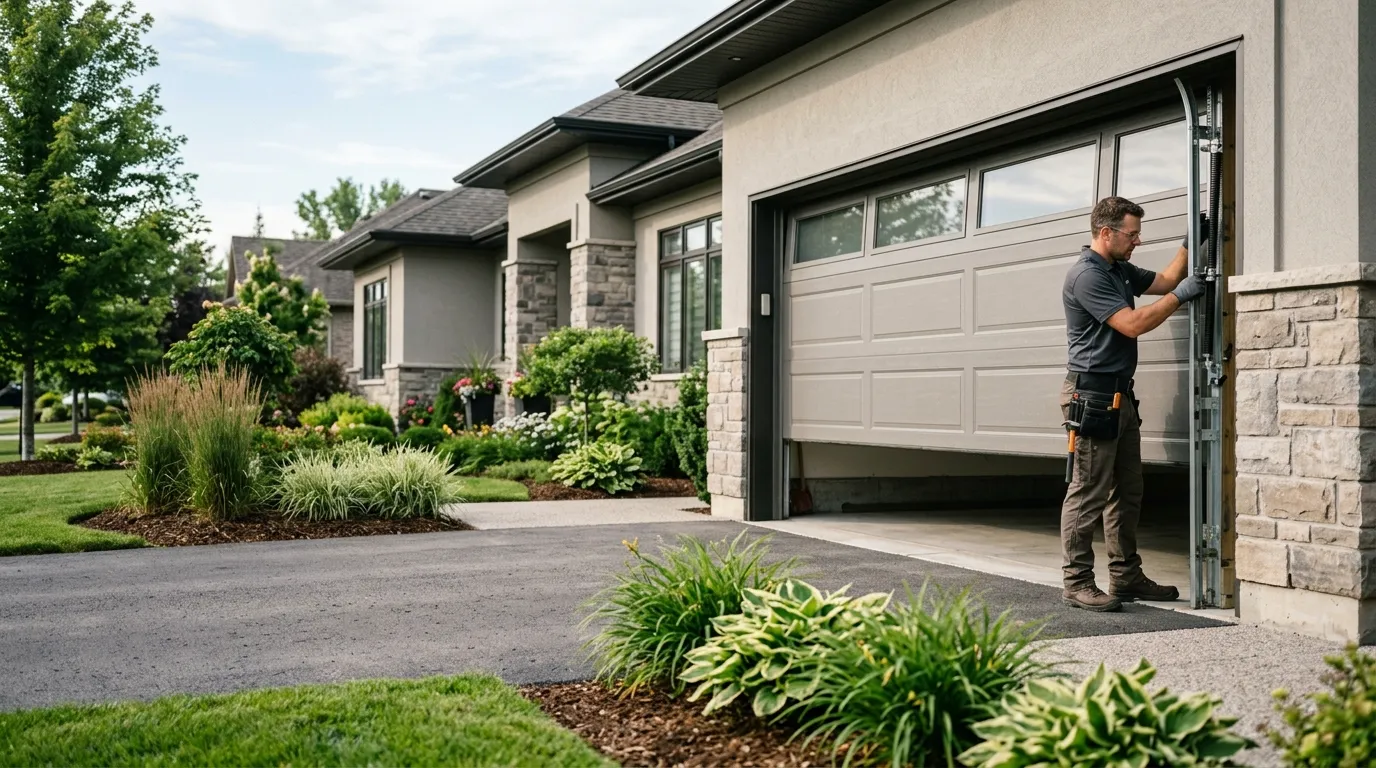
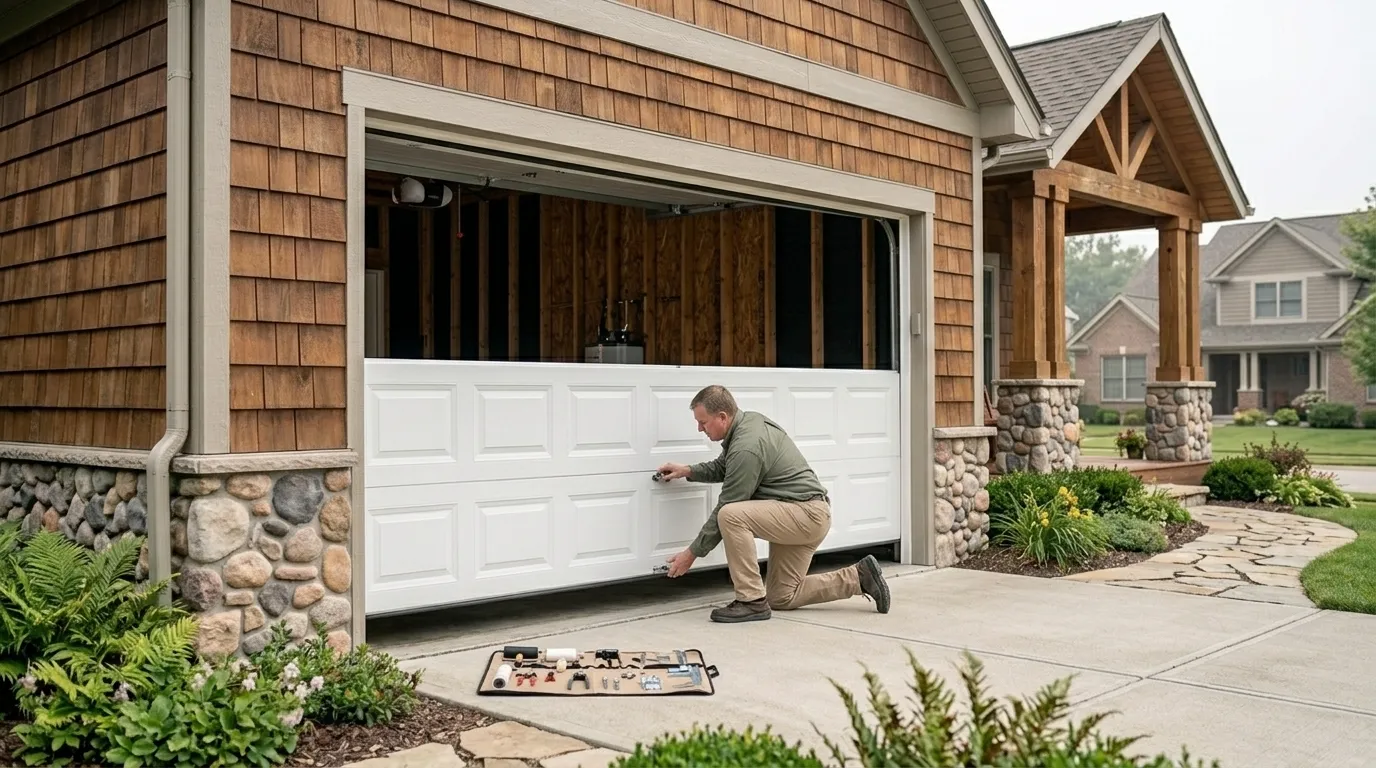
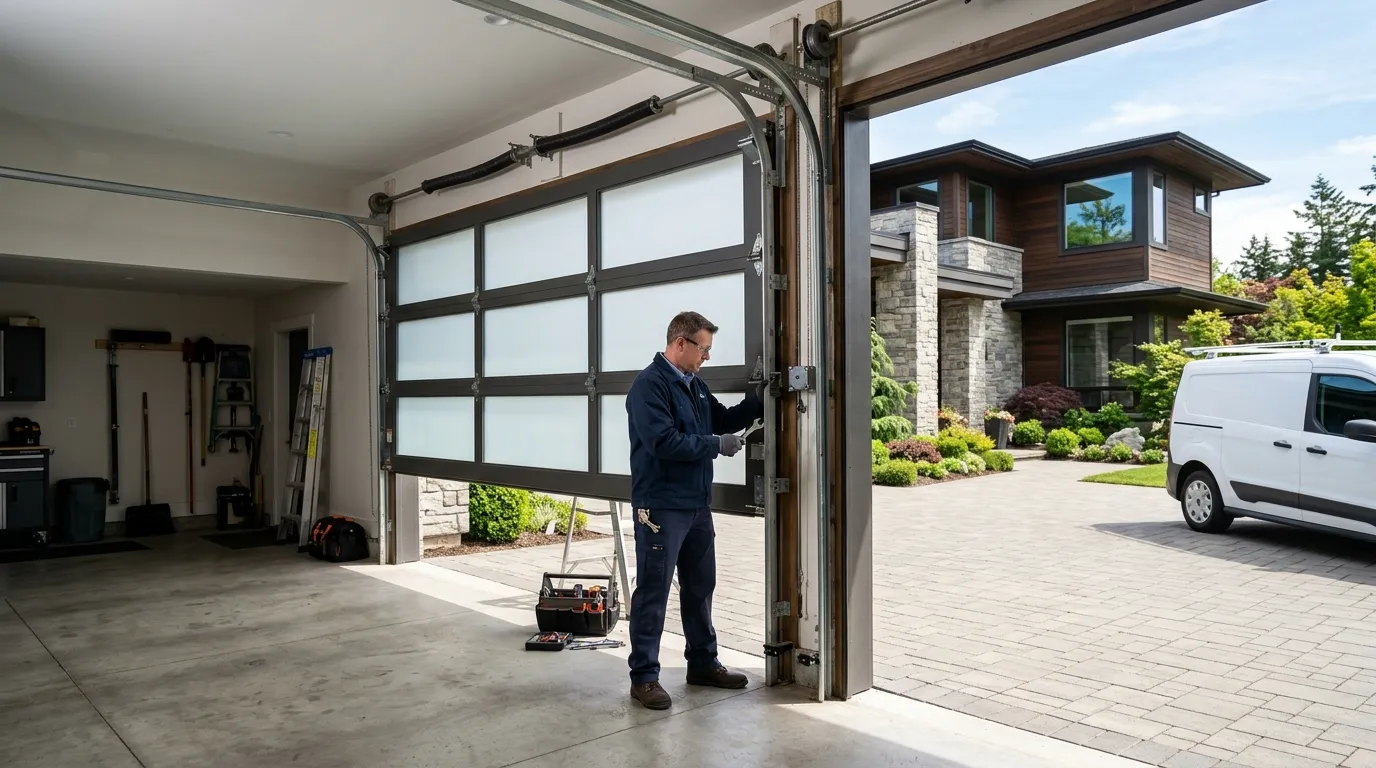
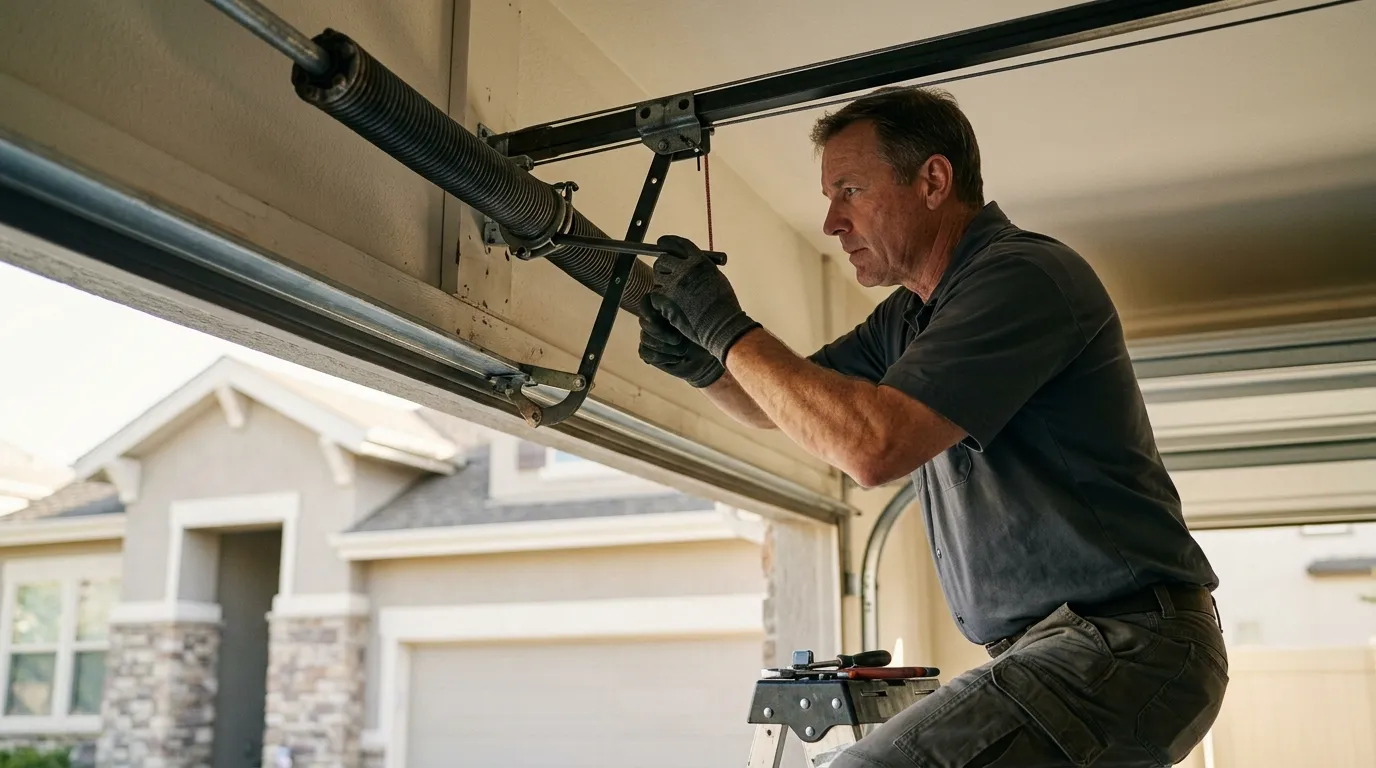
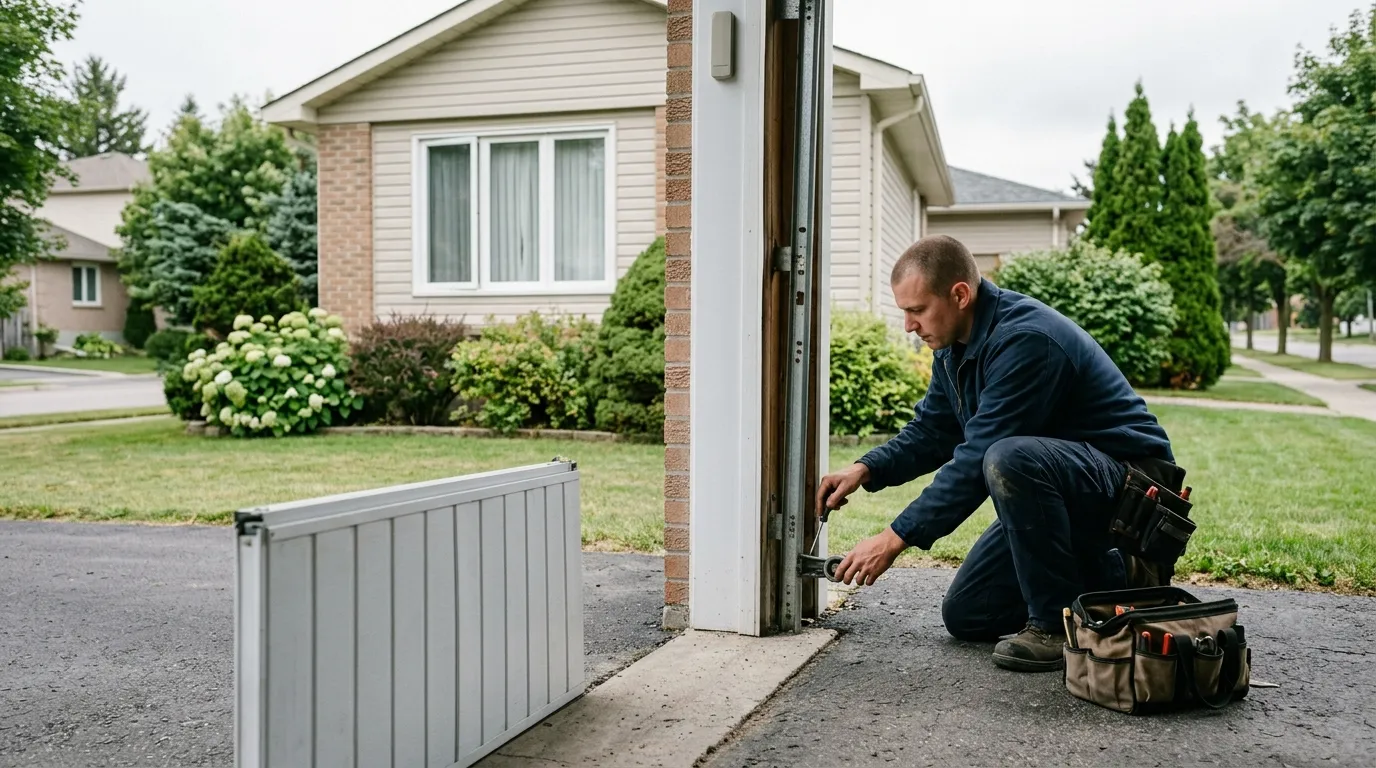
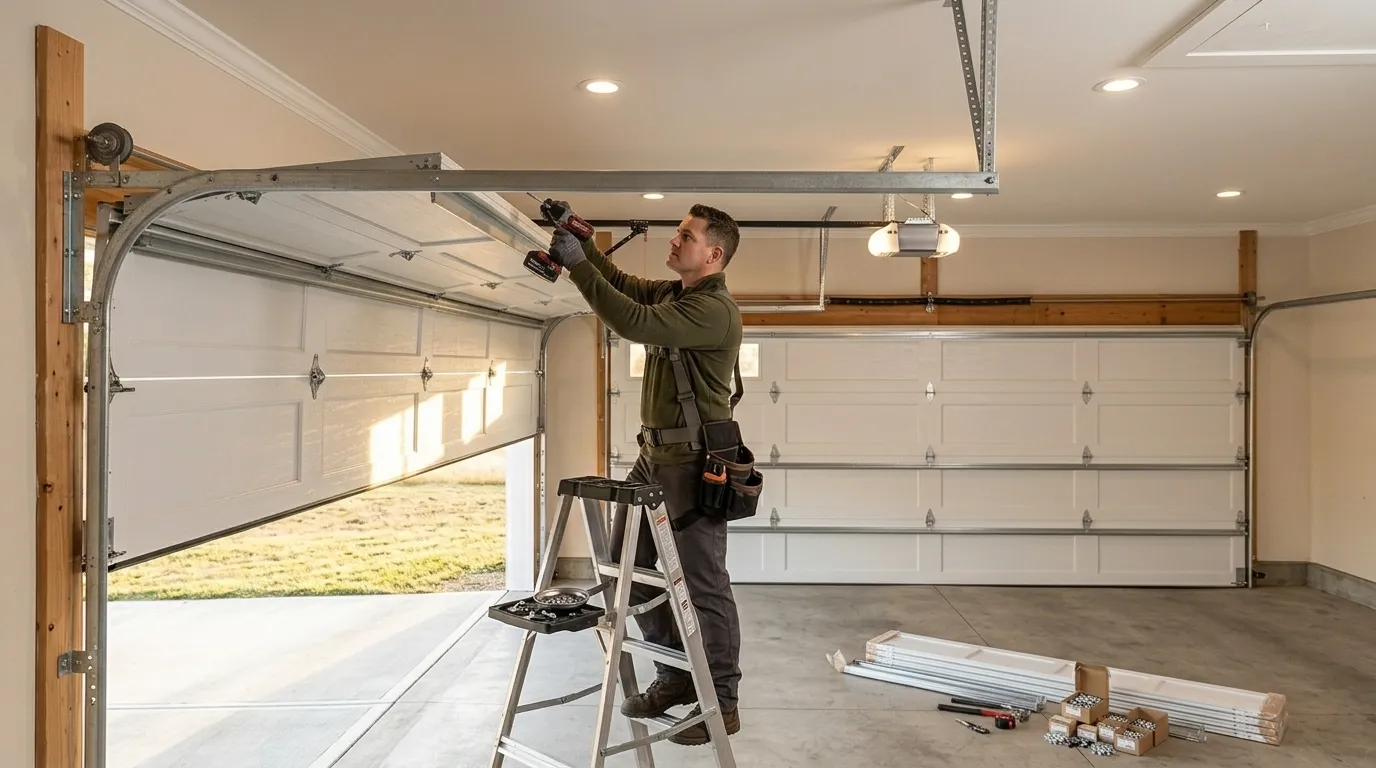
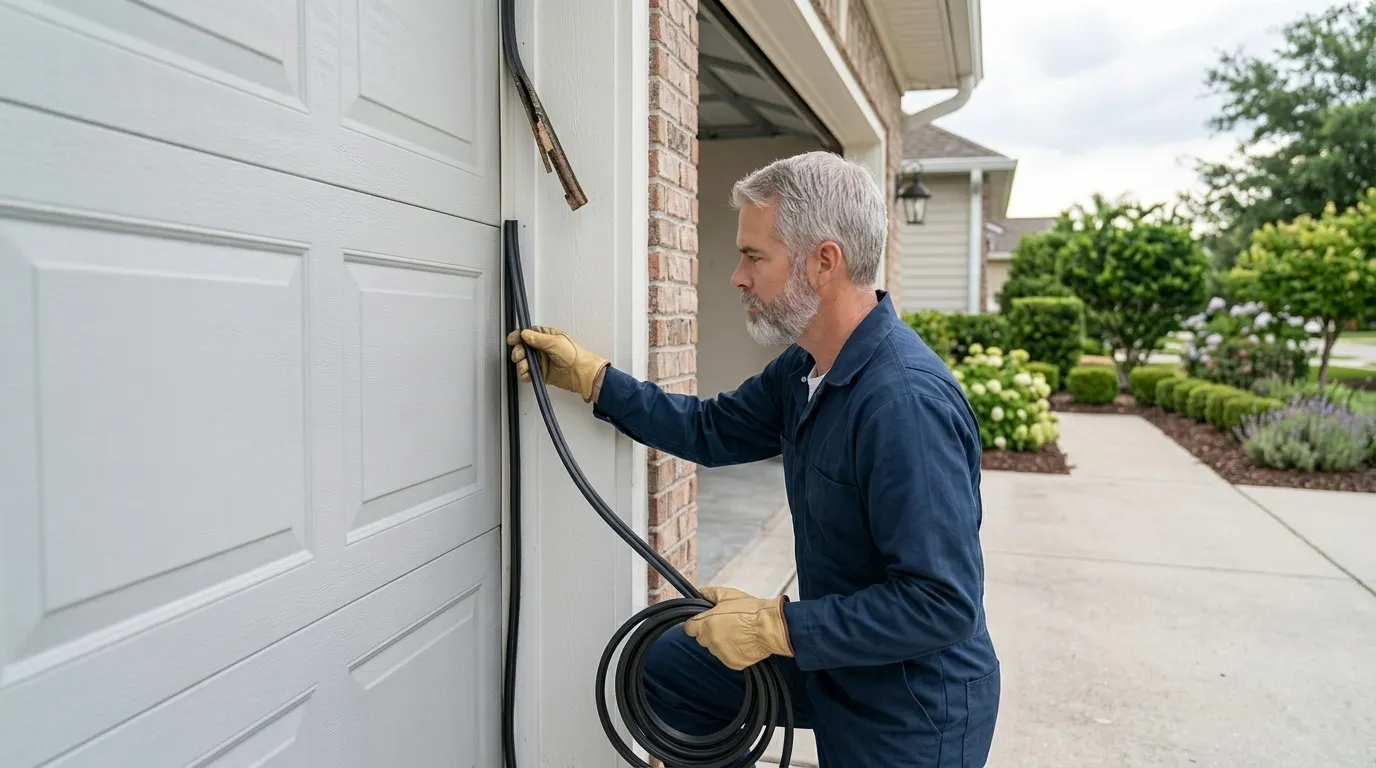
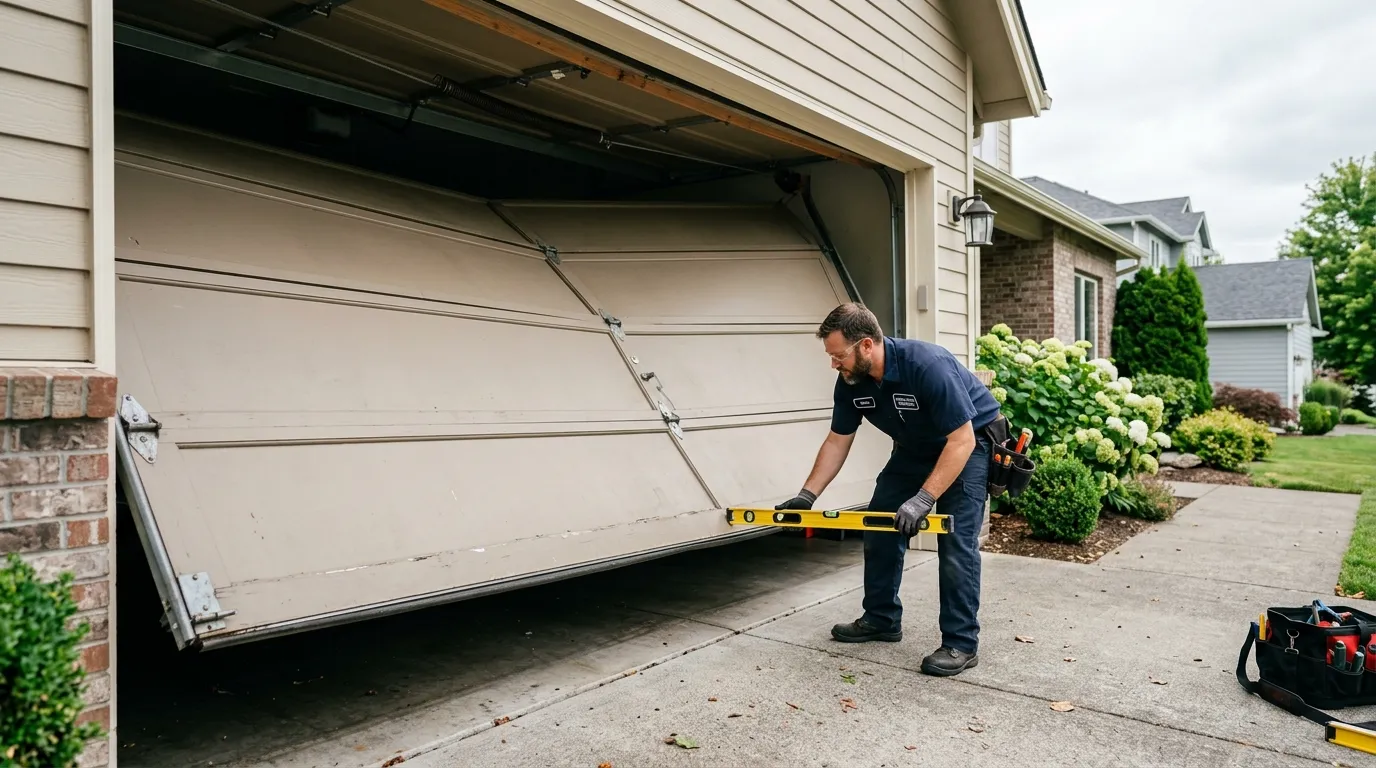
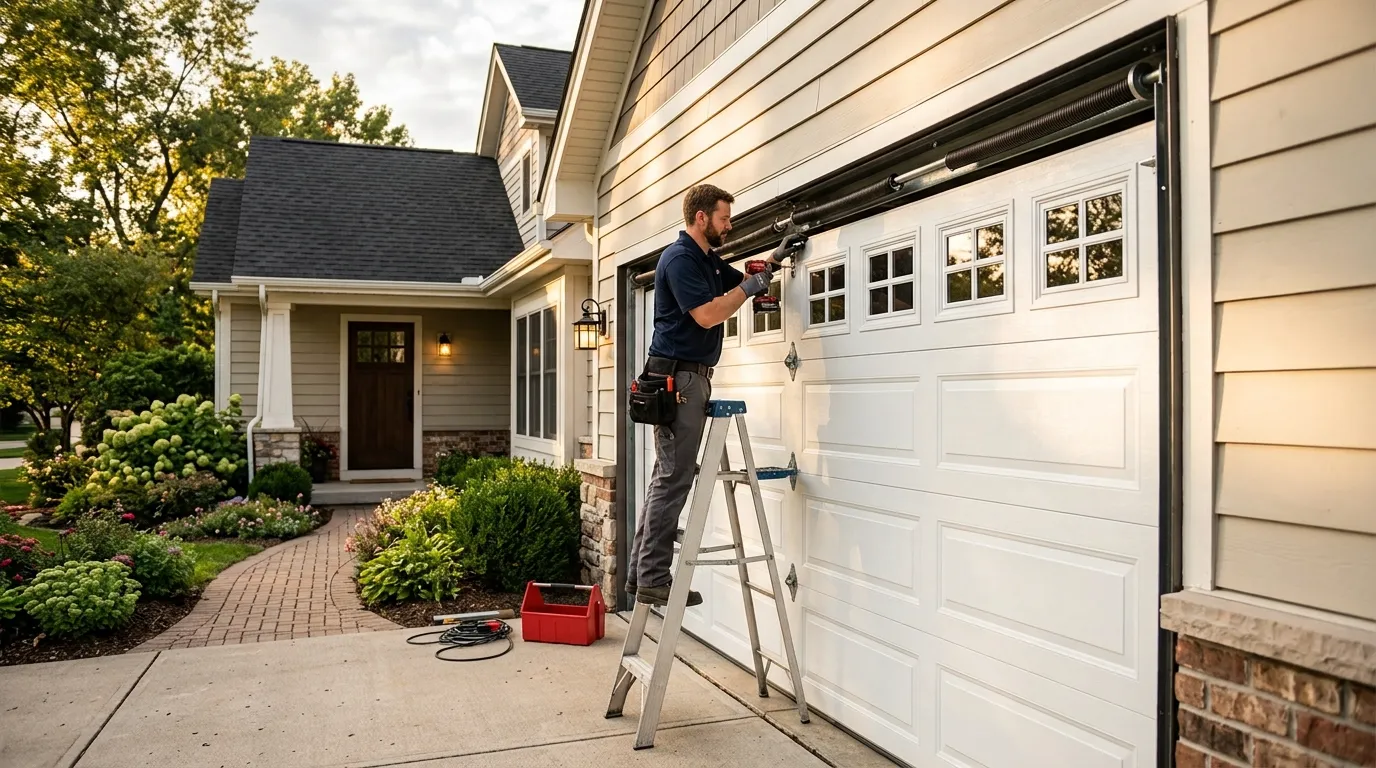
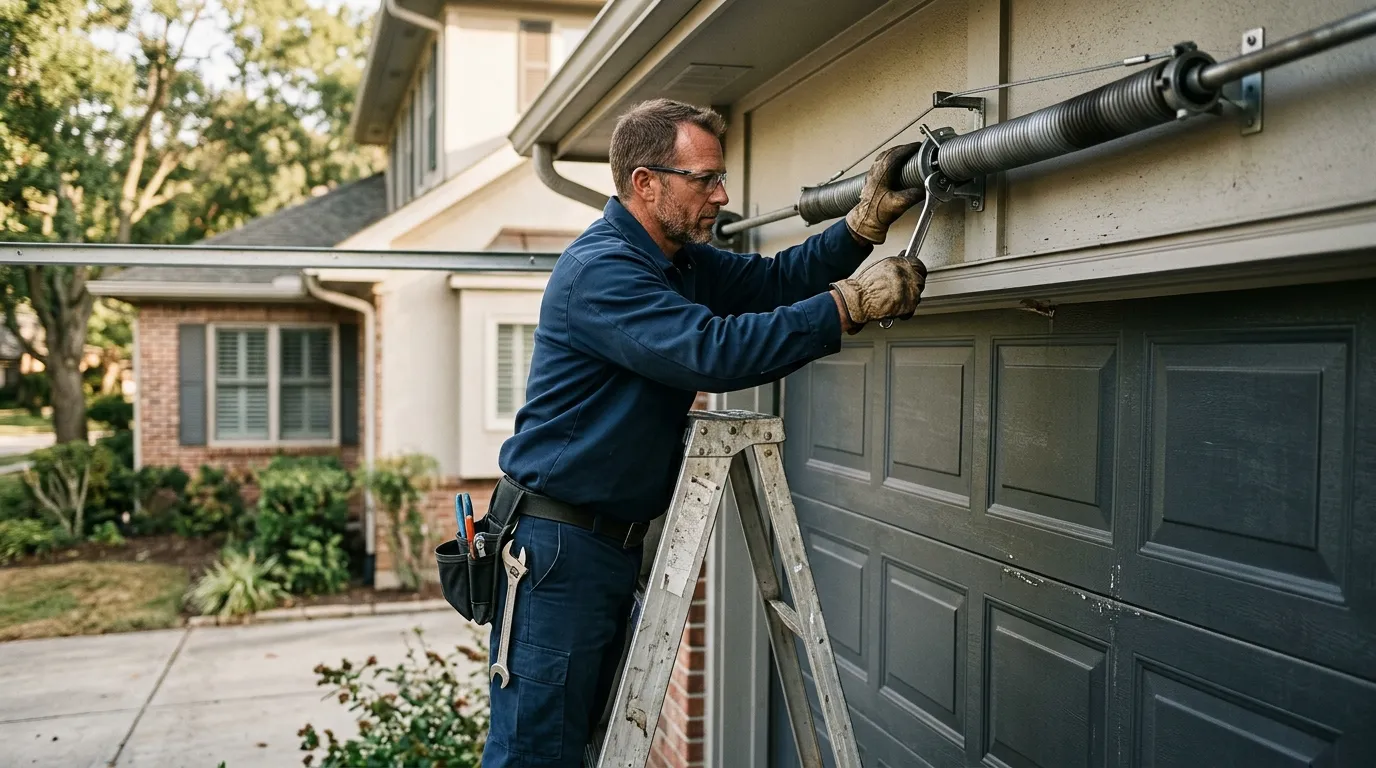
Most houses in Park City went up around 1983, which is meaningfully newer than the 1974 median we see across the wider area we cover from Northbrook. That decade matters more than it sounds like it should. A 1983 build is past the era of the old one-piece flip-up doors and side-mounted torsion setups that show up on the older stock closer to the lake. Instead you're mostly looking at sectional steel doors on standard extension or torsion springs, factory openers from the early chain-drive generation if the originals are still in, and steel tracks that have usually had one or two replacements by now. Rollers wear out, torsion springs give out with age rather than because of a wrong-era part nobody stocks, and openers from that period are old enough to need work but standard enough that we're not chasing down obsolete hardware. It's an easier house to service than the pre-1960s stock a few miles over, not a harder one.
What Was Built Here
With 2,765 households, Park City is a small piece of the 275,099 households across the full area we serve from Northbrook, and its numbers run differently in a few ways worth knowing. Median household income here is $62,875, well under the $103,561 median for the broader service area - a gap that shows up in real decisions, like more owners asking us to fix a door once rather than replace it outright, and fewer wanting the higher-end insulated panels that make more sense on newer, pricier builds elsewhere in our territory. The winters are the same cold-climate reality as everywhere else we cover: steel contracts, springs lose tension faster in the cold, and openers with worn sensors act up hardest in January. Given the 1983-median build year here, most of what we replace is wear parts - springs, rollers, cables - on doors that are old enough to need it but not so old that we're hunting for parts nobody makes any more.