How We Get to You
Prospect Heights sits about 5 miles from our shop in Northbrook, and it's one of the closer stops on our route. We don't keep a location in Prospect Heights itself - we run trucks out from Northbrook to Prospect Heights and the other towns nearby, so what you get is a crew that already knows this stretch of the map, not a storefront on your corner. That 5-mile run means we're not driving across the metro to reach you, which matters on a cold morning when a spring lets go and the door won't budge.
We cover a wide radius from Northbrook - Techny is a mile away, Glencoe and Northfield and Riverwoods are each about 4 miles out, and Prospect Heights falls into that same close band. We mention the distance because it's the honest answer to "do you have a location here" - we don't, we come to you, and Prospect Heights is close enough that it's a routine trip, not a special one.
What That Means for Doors
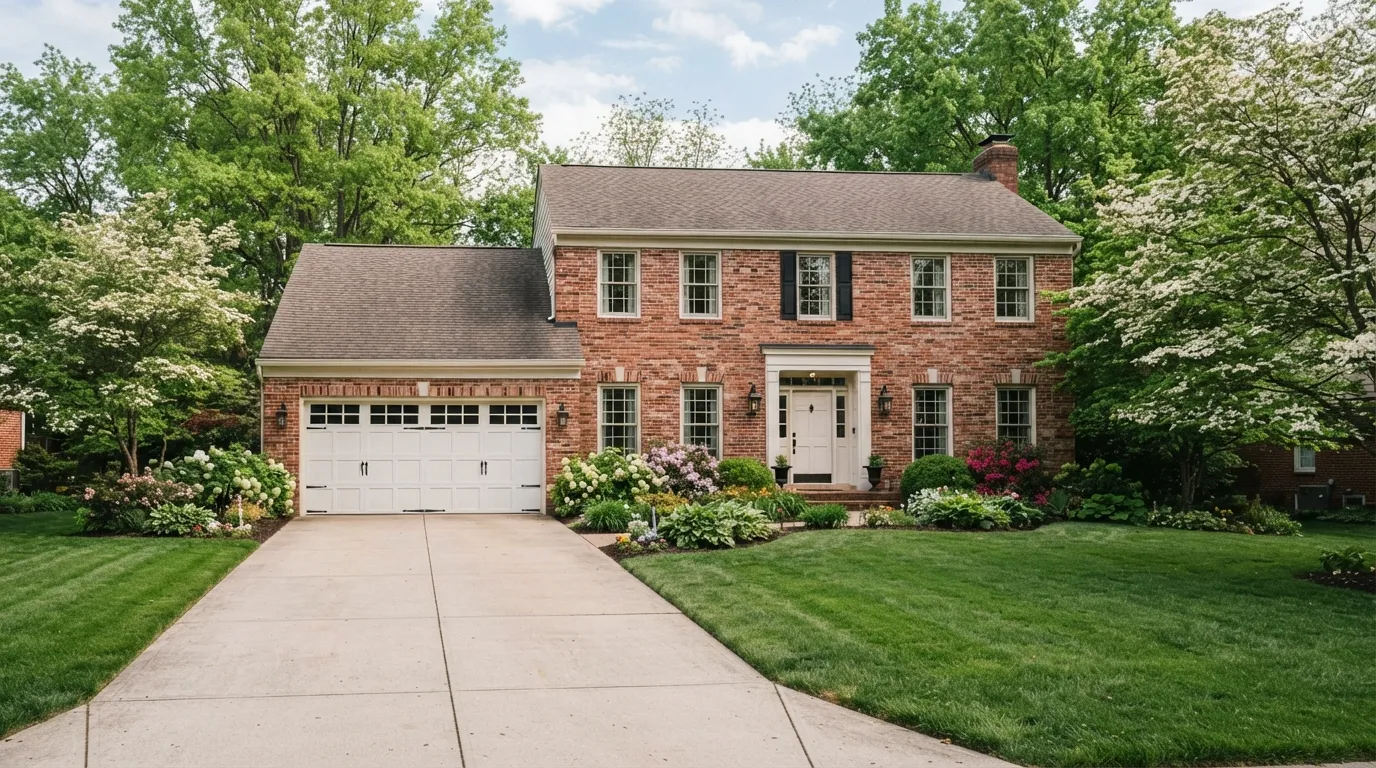
The median home in Prospect Heights was built around 1976, which puts it a couple years past the wider service area's median of 1974. That's a small gap, but it's the right side of a real transition - homes from the mid-70s were more likely to ship with steel sectional doors rather than the wood or fiberglass panels common on earlier builds, and torsion spring setups were becoming standard instead of the extension-spring conversions you find on older houses.
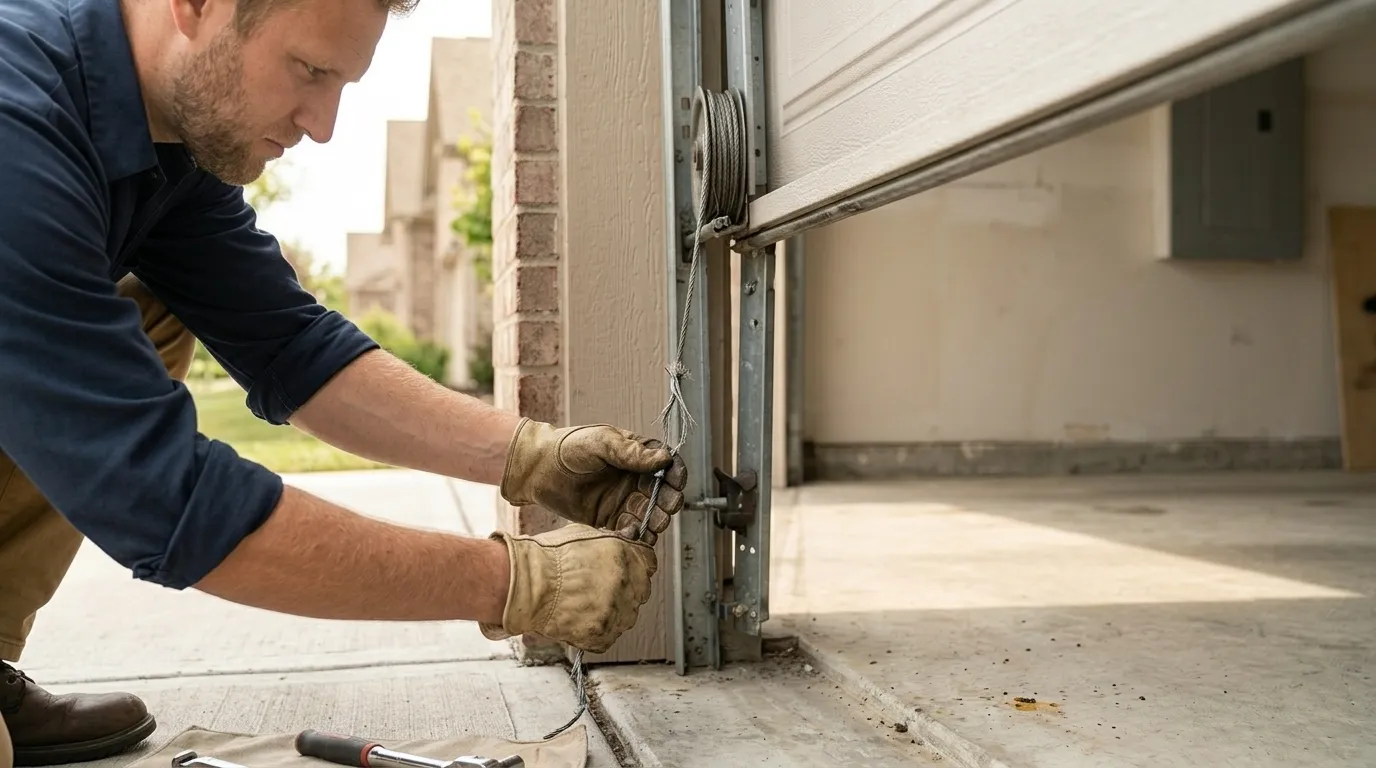
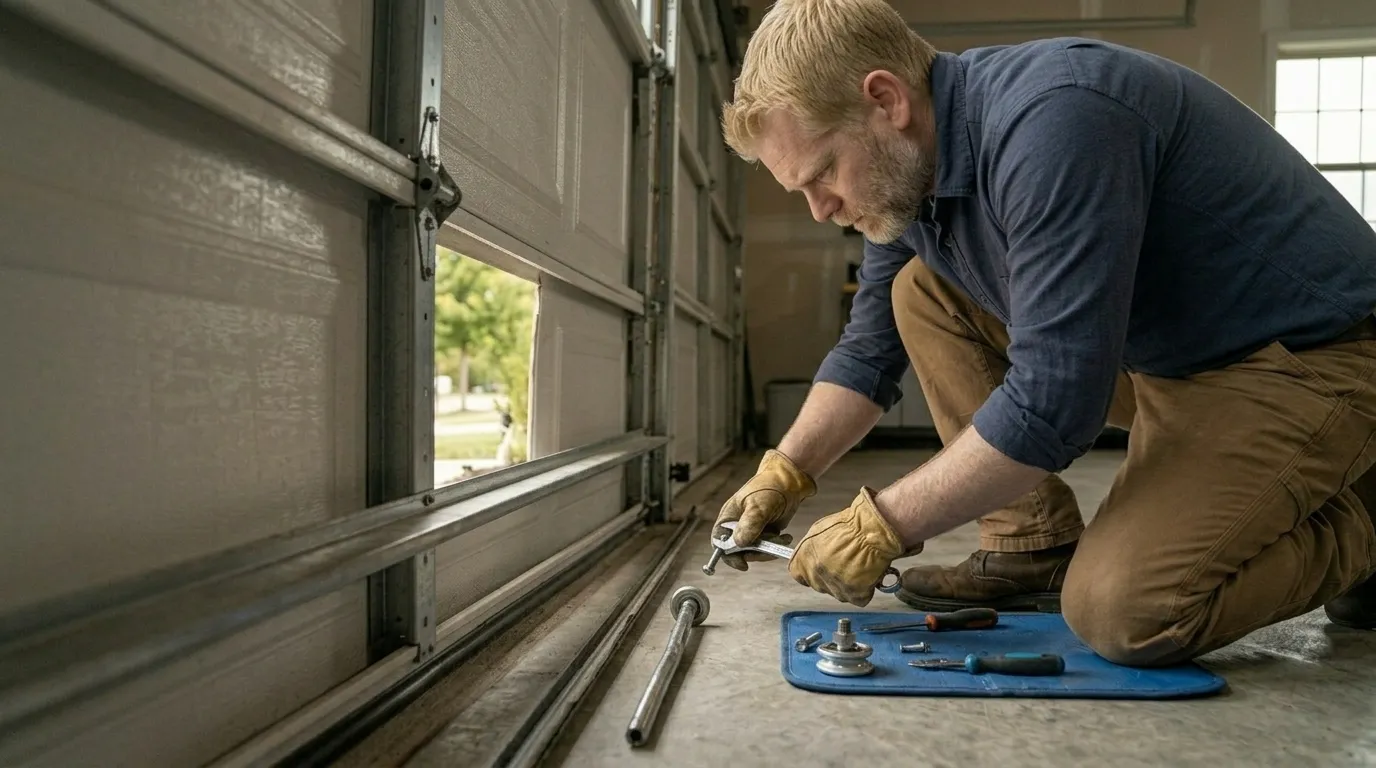
What that means on a service call: original hardware from a 1976 build is now roughly fifty years old. Torsion springs in that age range have almost always been replaced at least once already, but the track and drum hardware sometimes hasn't, and worn drums are a common cause of a door that runs crooked or binds partway up. We also see openers that were bolted onto these doors well after the house was built, which is its own set of wiring and mounting quirks we check separately from the door itself.
What Was Built Here
Across the wider service area, the housing stock spans 1938 to 1996 with a median around 1974, and Prospect Heights' own median of 1976 fits right into that run of postwar-through-70s construction. With 6,249 households in the area and a median income of $91,599, this is a smaller, tighter pocket than the service area's overall figures of 275,099 households and a $103,561 median - a reminder that the numbers for the wider region don't map evenly onto every town in it.
The climate here is cold-moderate, which over fifty winters is hard on steel doors that weren't insulated to today's standards and on springs that see daily temperature swings. We can't tell you the exact age of the door on your house without seeing it - a 1976 build date is a median, not a guarantee, and plenty of homes here have had a door swapped out once or twice since then. What we can say is that hardware from that era is worth a look before it fails on its own schedule.