How We Get to You
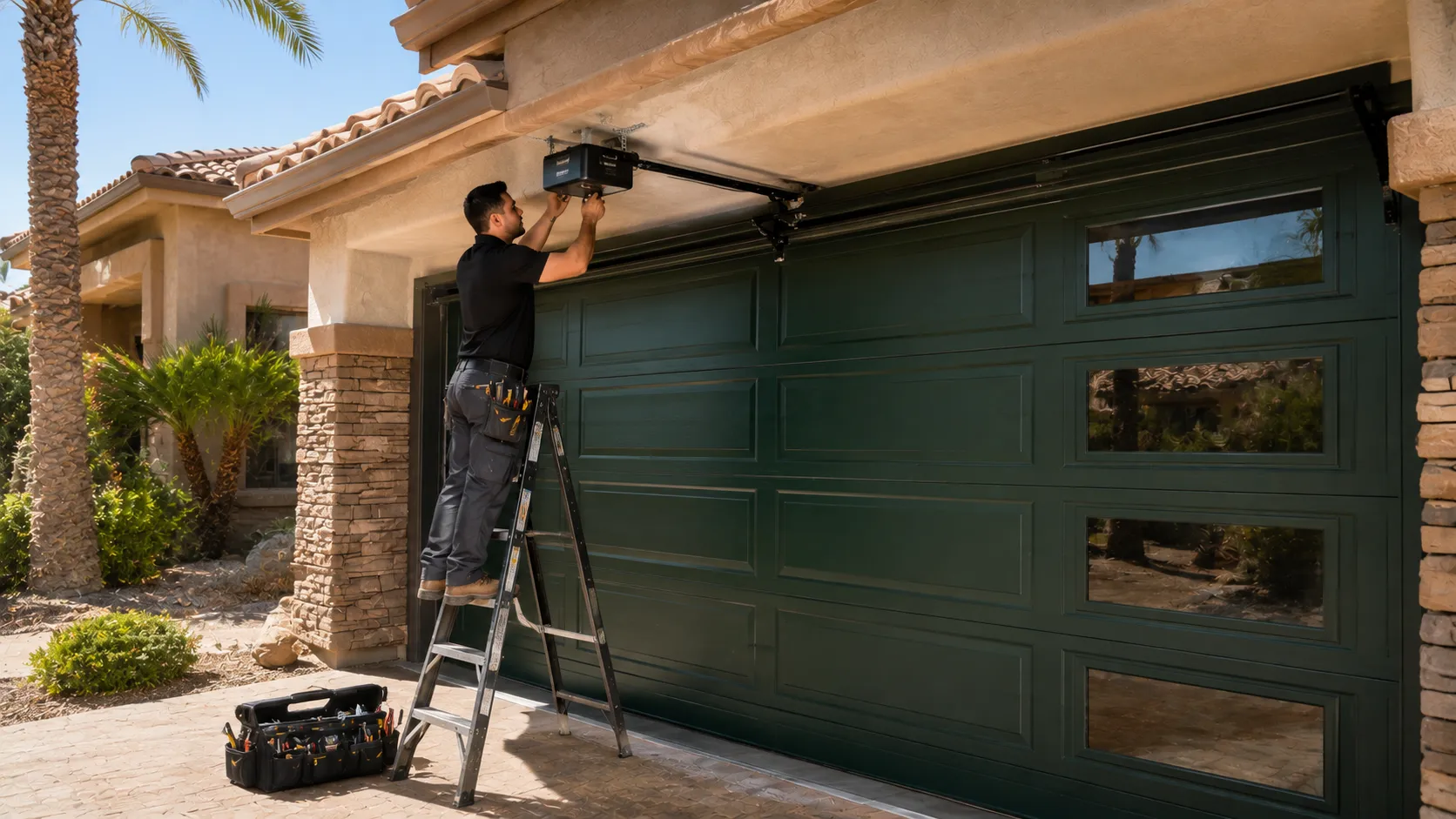
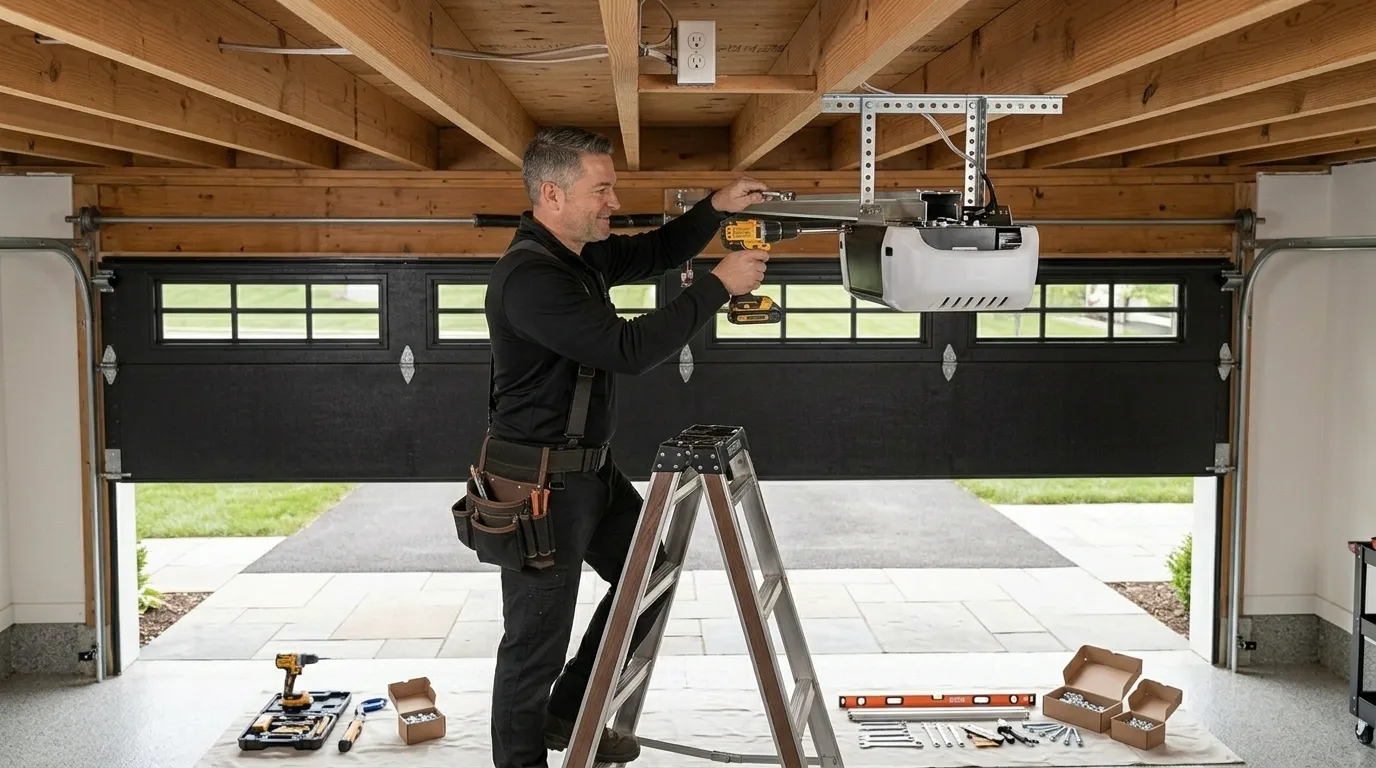
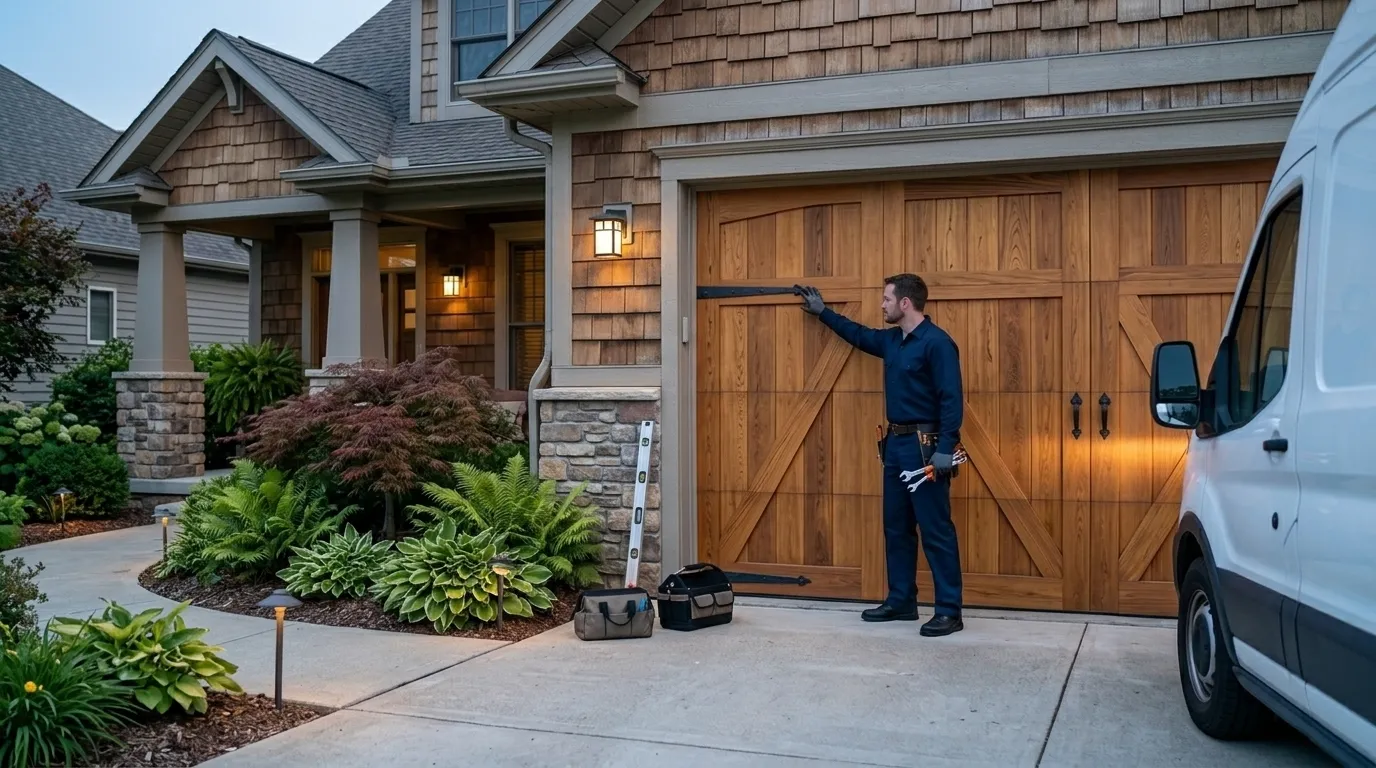
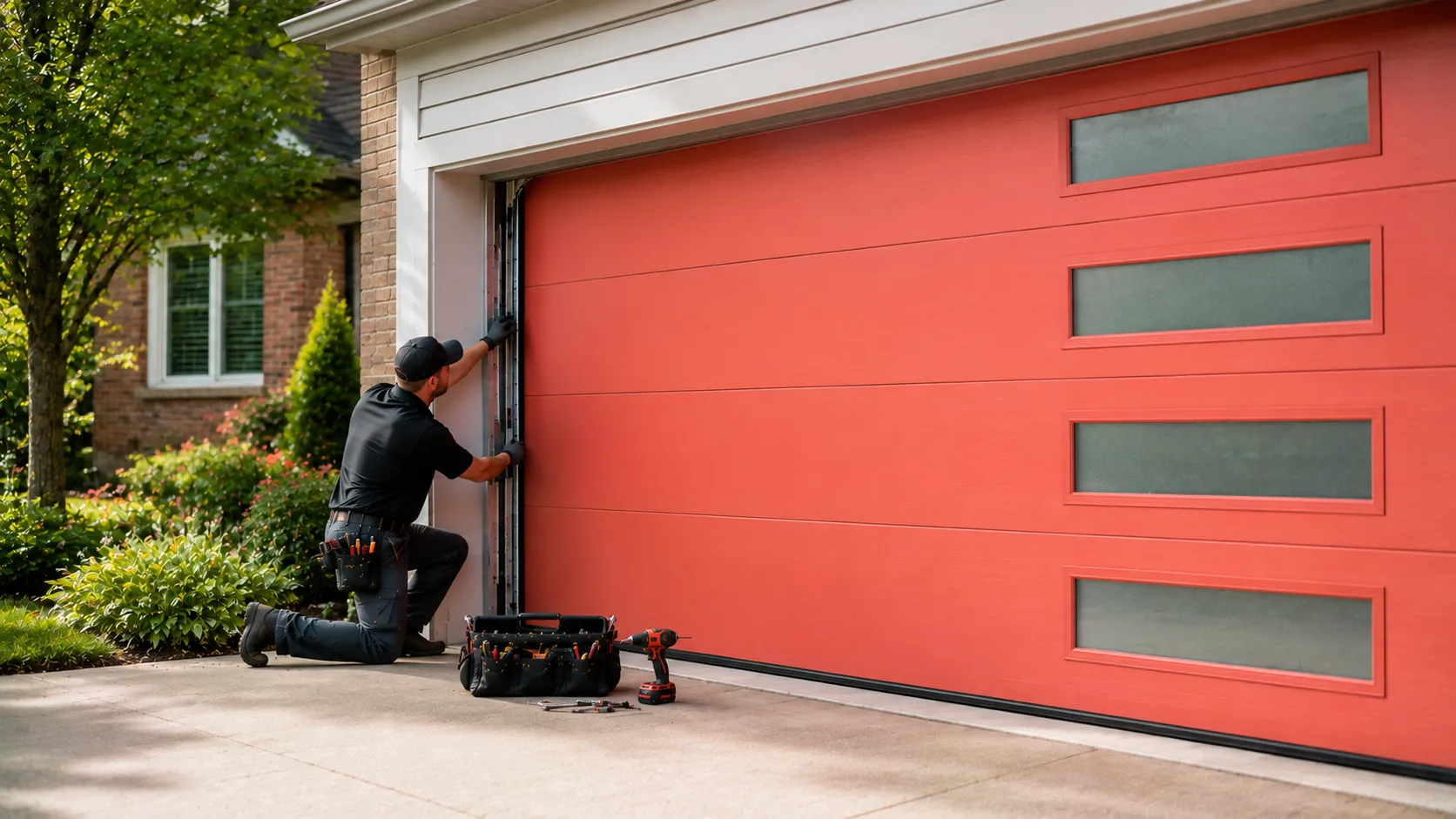
River Forest sits about 16 miles south of our shop in Northbrook, which puts it toward the far edge of the ground we cover. We don't run a second location here, so every job on this side starts with a truck leaving Northbrook, not a crew already working the block. That means we plan the route and the parts list before we leave, not after we knock on your door. For a straightforward job like a broken spring or a bent roller, that planning barely shows. For something that turns out to need a part we didn't expect, the extra distance can mean a second trip instead of finishing same-day, and we'd rather say that plainly than promise a fix the drive doesn't support. If your opener or door is acting up, call ahead and describe what it's doing; the more we know before the truck leaves Northbrook, the better the chance we bring the right spring, cable, or hinge on the first run out to River Forest.
What That Means for Doors
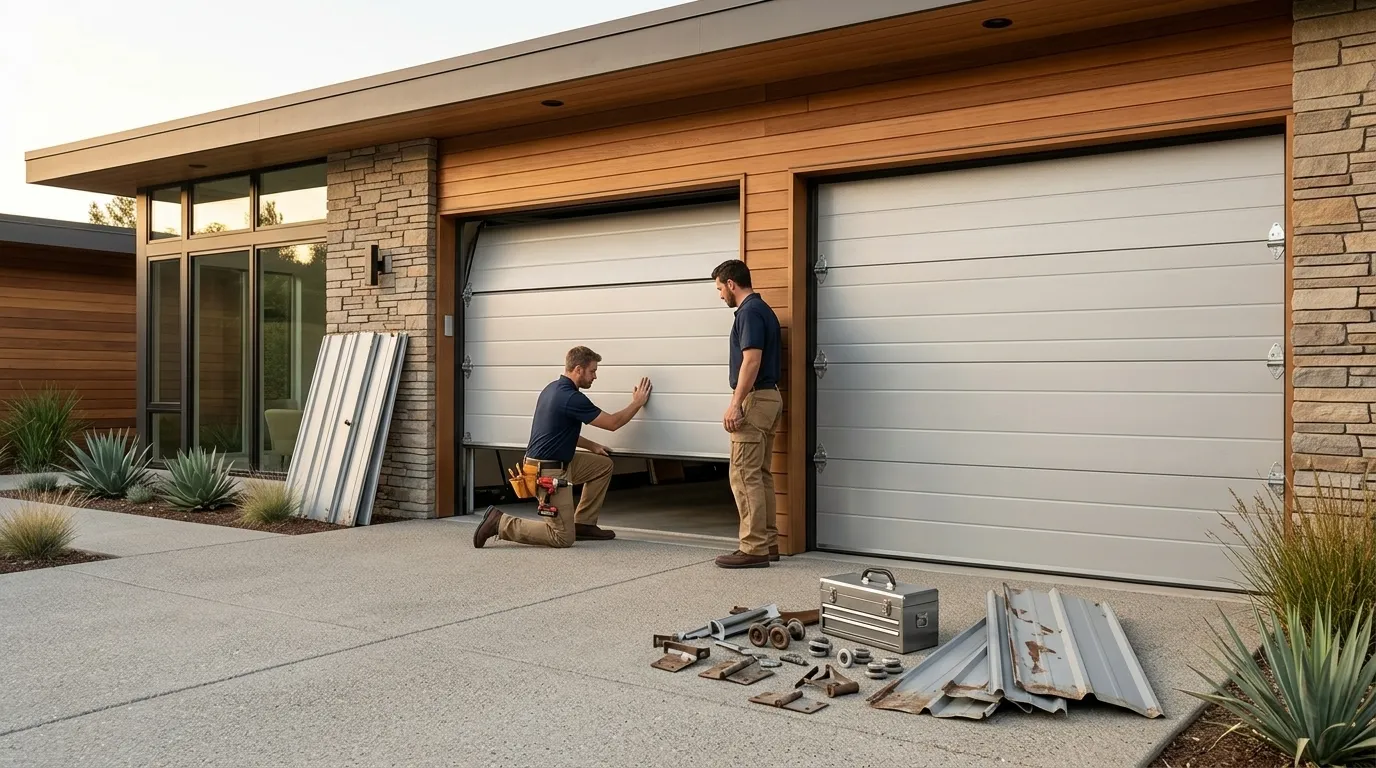
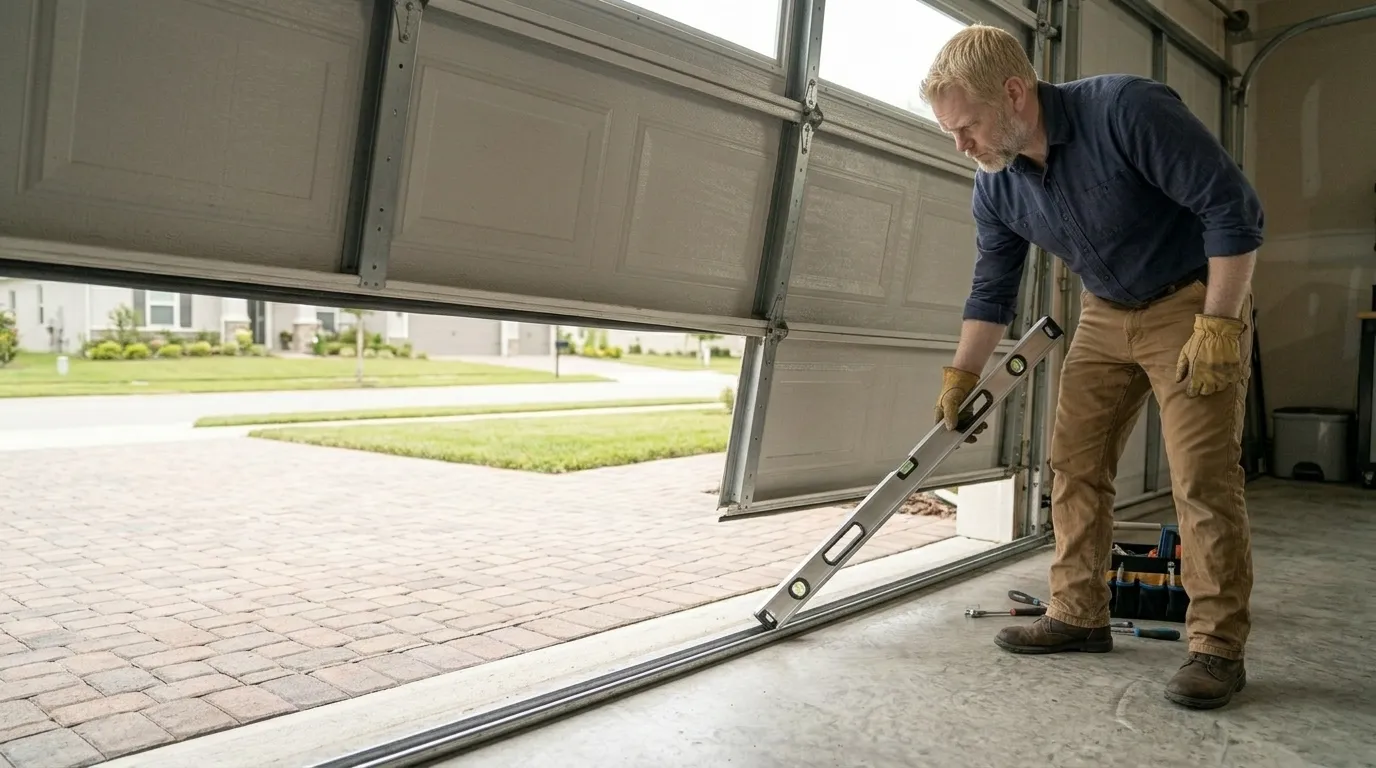
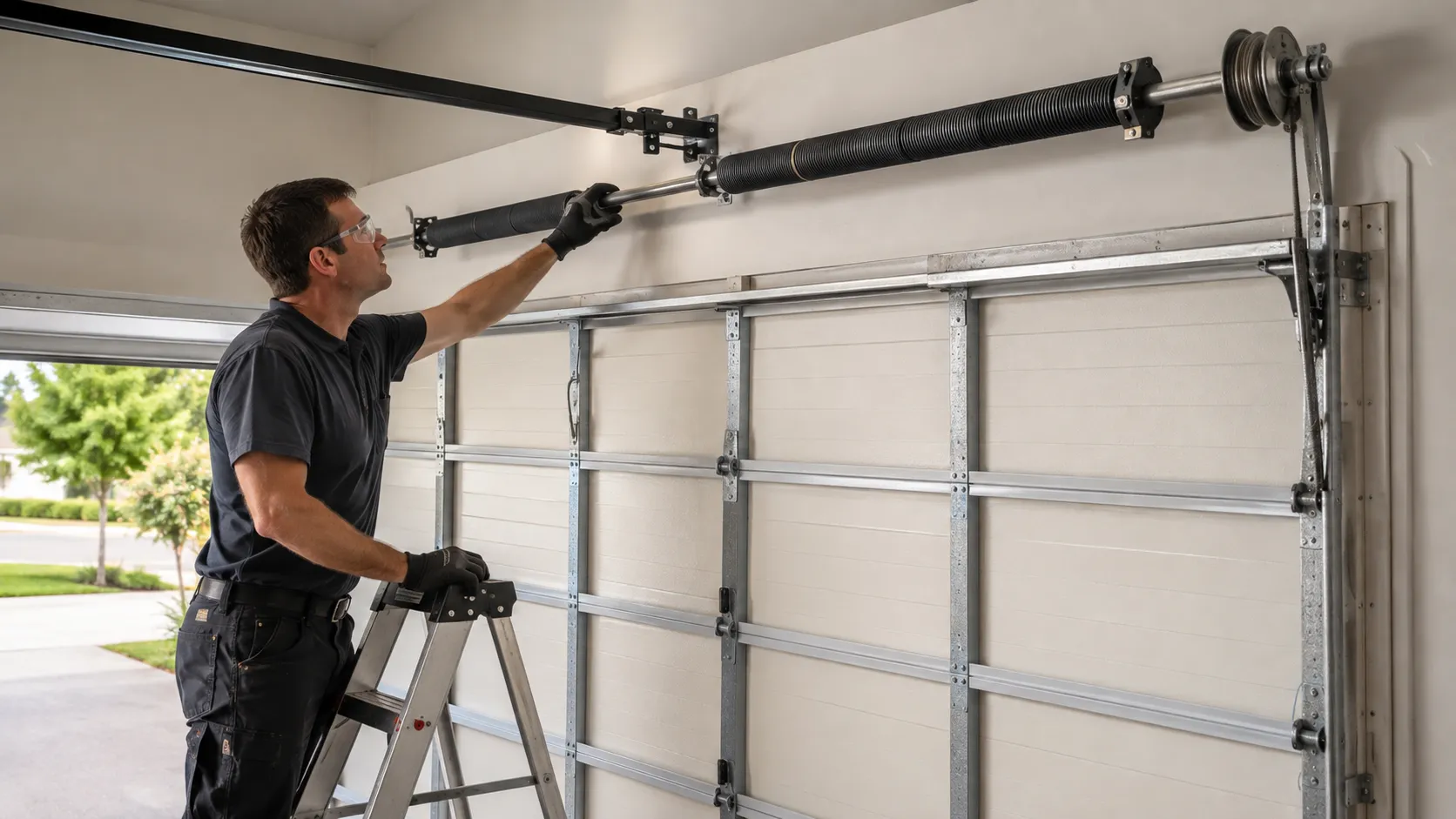
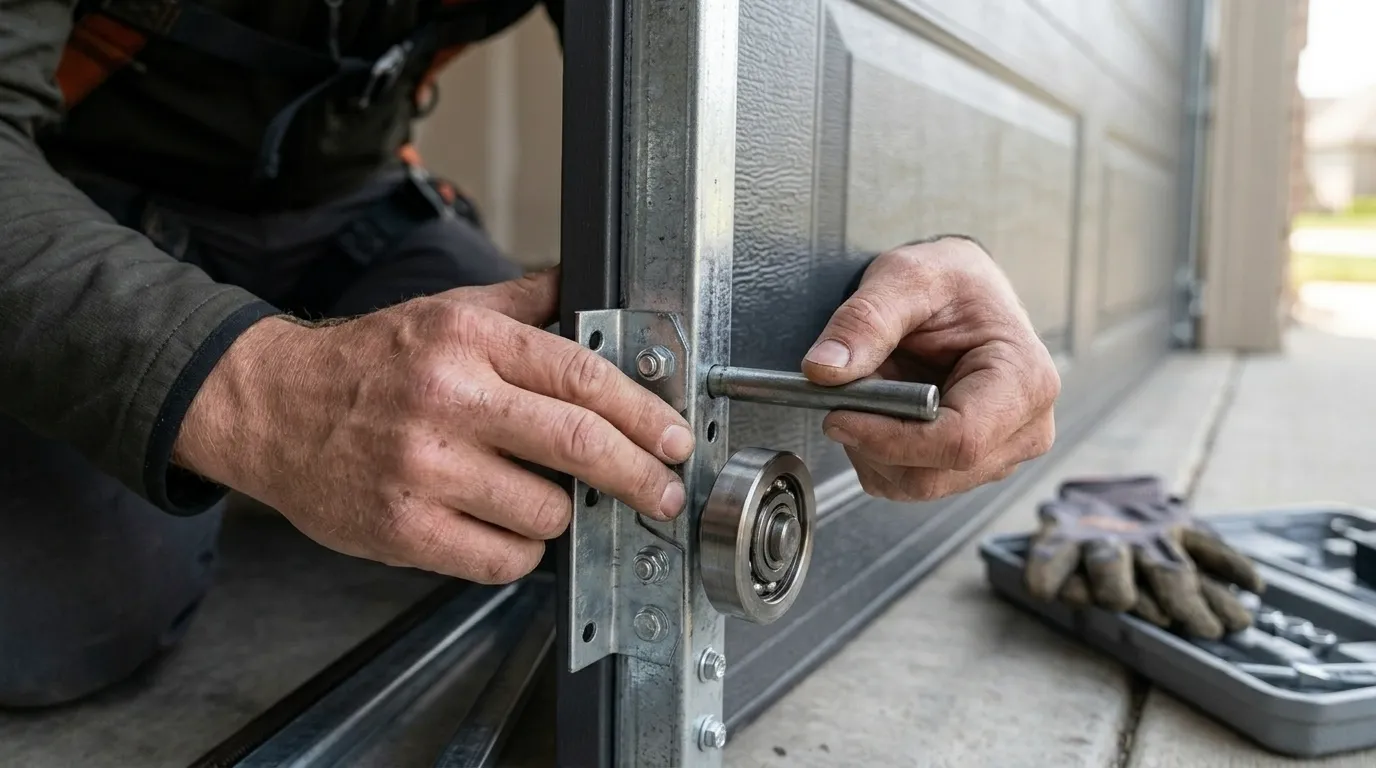
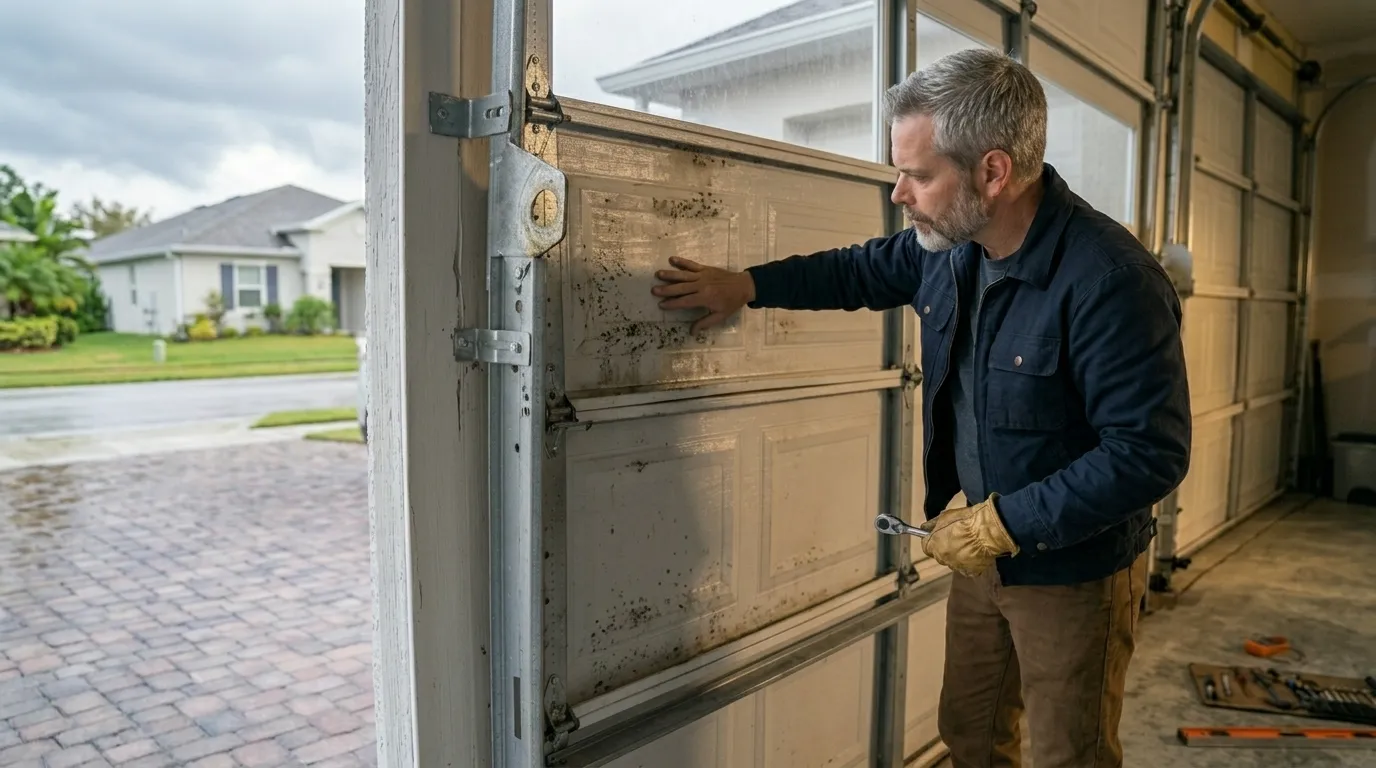
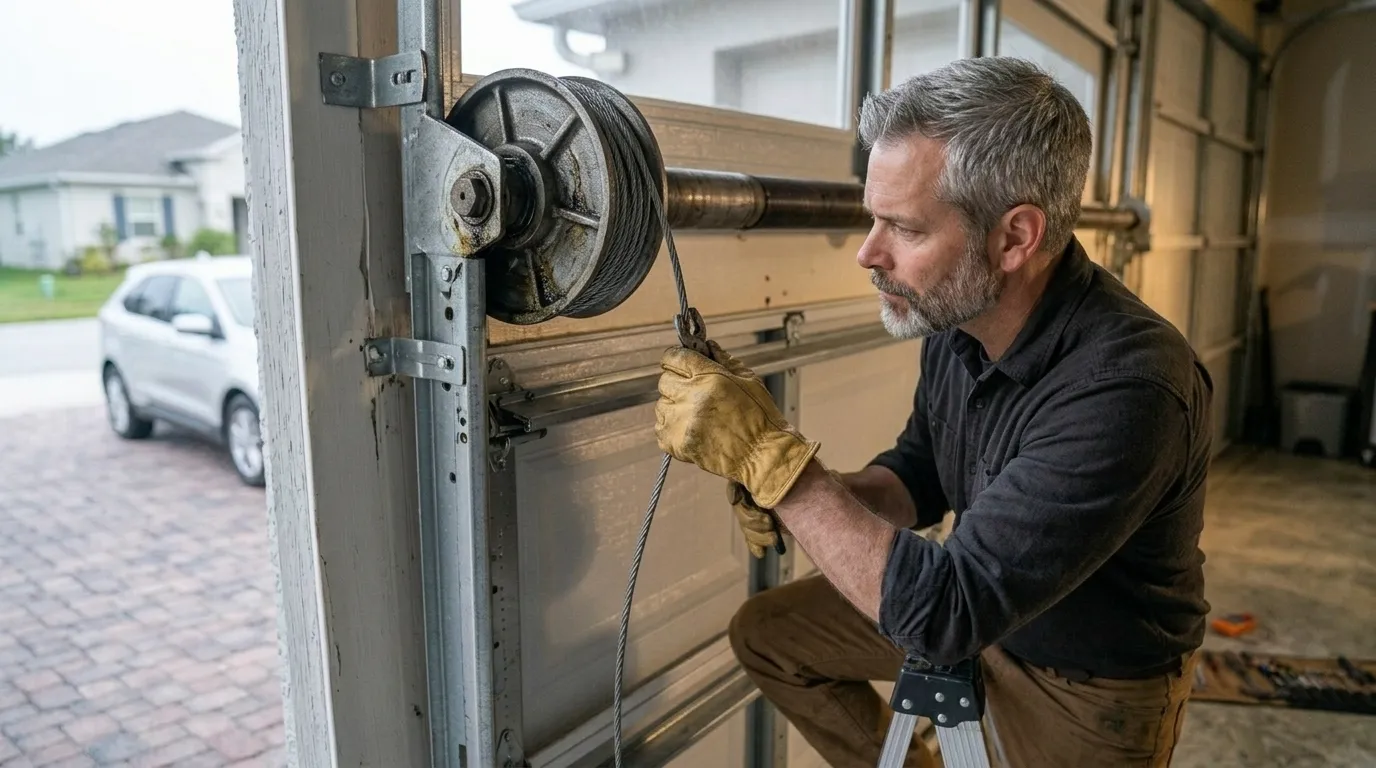
Most of River Forest went up around 1945, decades earlier than the 1974 median build year across the rest of the area we cover. That gap matters more than it sounds. A door installed on a garage framed in the mid-1940s is working with narrower single-car openings, older jamb material, and in some cases hardware that's been swapped once or twice since but never brought fully up to a modern two-car spec. We see more original steel jambs holding onto track brackets that were never meant to carry today's heavier insulated panels. Torsion springs sized for a lighter door from that era wear differently than the springs on a newer double-wide door, and they tend to fail without much warning once they've stretched past what they were rated for. Combine that older housing stock with the cold-moderate winters this region gets, and the seized rollers and snapped cables we find in River Forest skew toward hardware that's simply outlived its design life, not hardware that was installed wrong. It's less about a bad install and more about parts doing eighty years of work they were never sized for.
What Was Built Here
River Forest has roughly 4,275 households, a small, dense pocket compared to the wider service area's 275,099. Median household income here runs about $148,711, well above the $103,561 median across the rest of the area we cover, and that shows up in the doors we get called out for: more owners replacing an aging door outright rather than patching it repeatedly, and more requests for insulated panels over the bare steel jobs we see elsewhere. The housing itself dates to around 1945 on average, which puts a lot of these garages ahead of the postwar boom that shaped most of the surrounding area closer to 1974. Older framing, narrower bays, and original hardware are common enough that we don't assume a modern double-door setup until we've actually looked at the opening. None of that changes the basic jobs - springs, openers, cables, rollers - but it does change what we expect to find when we get there.