How We Get to You
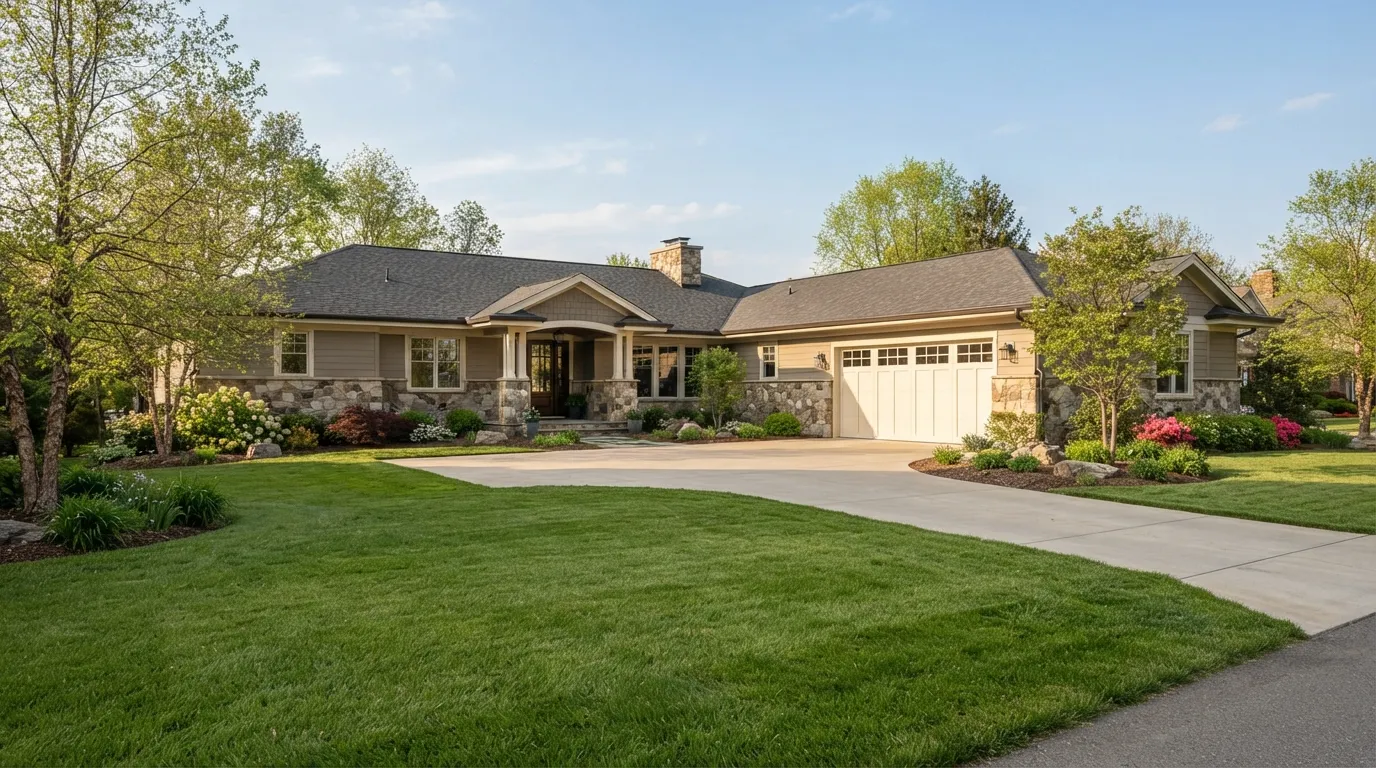
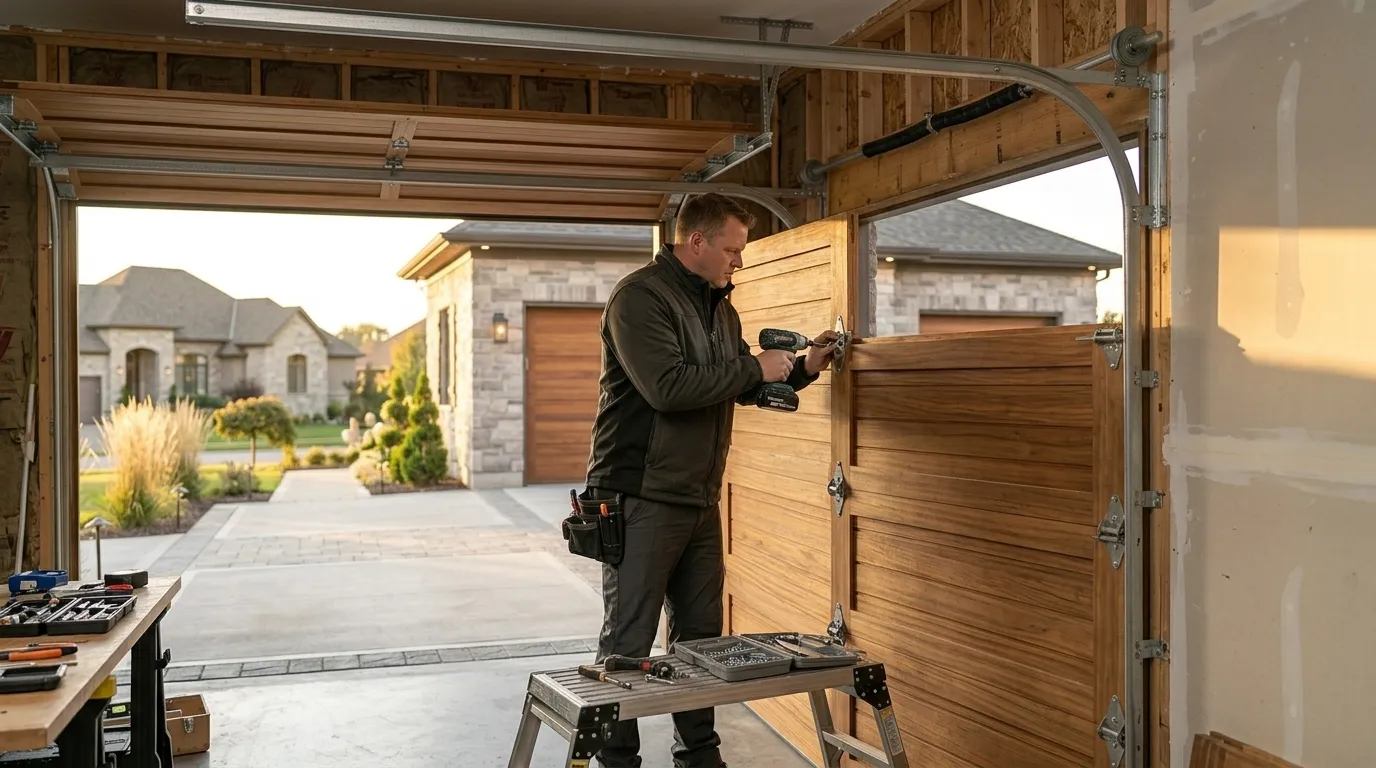
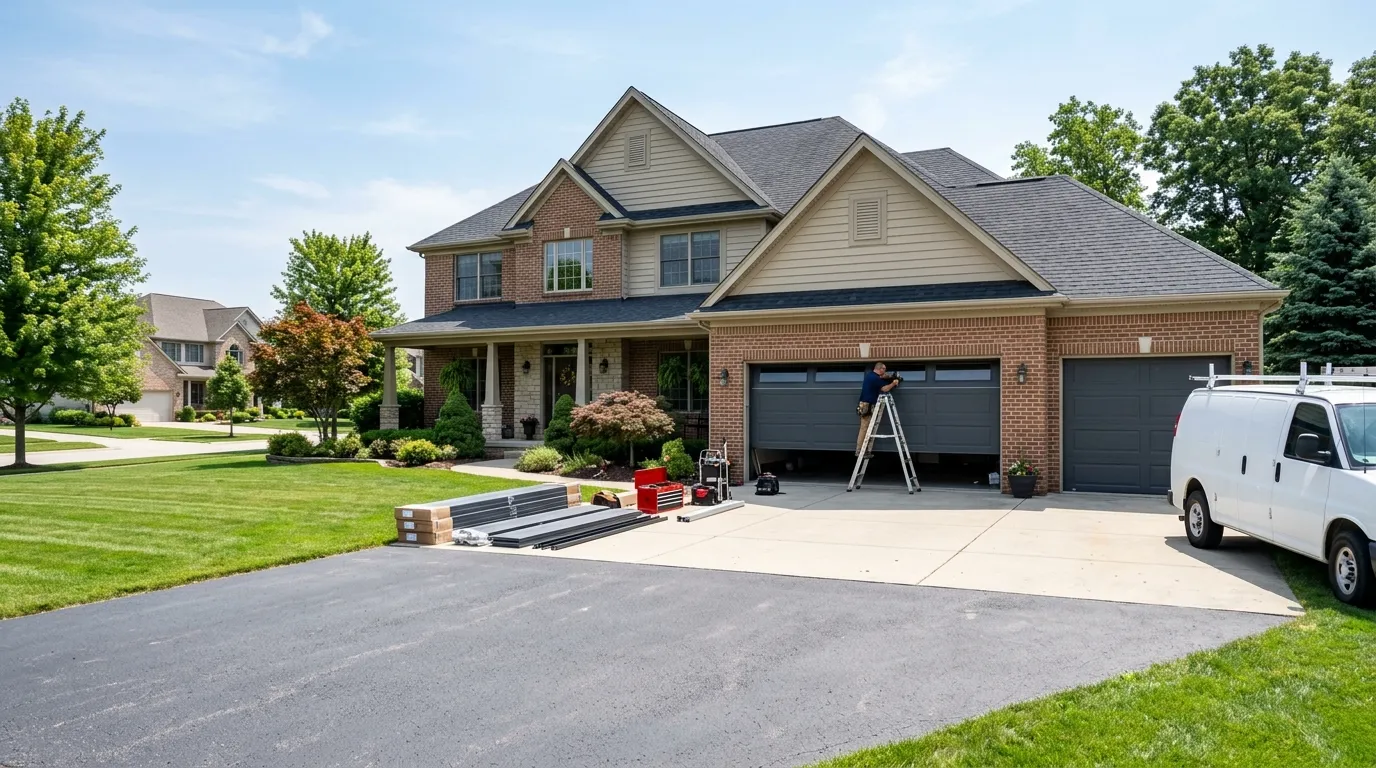
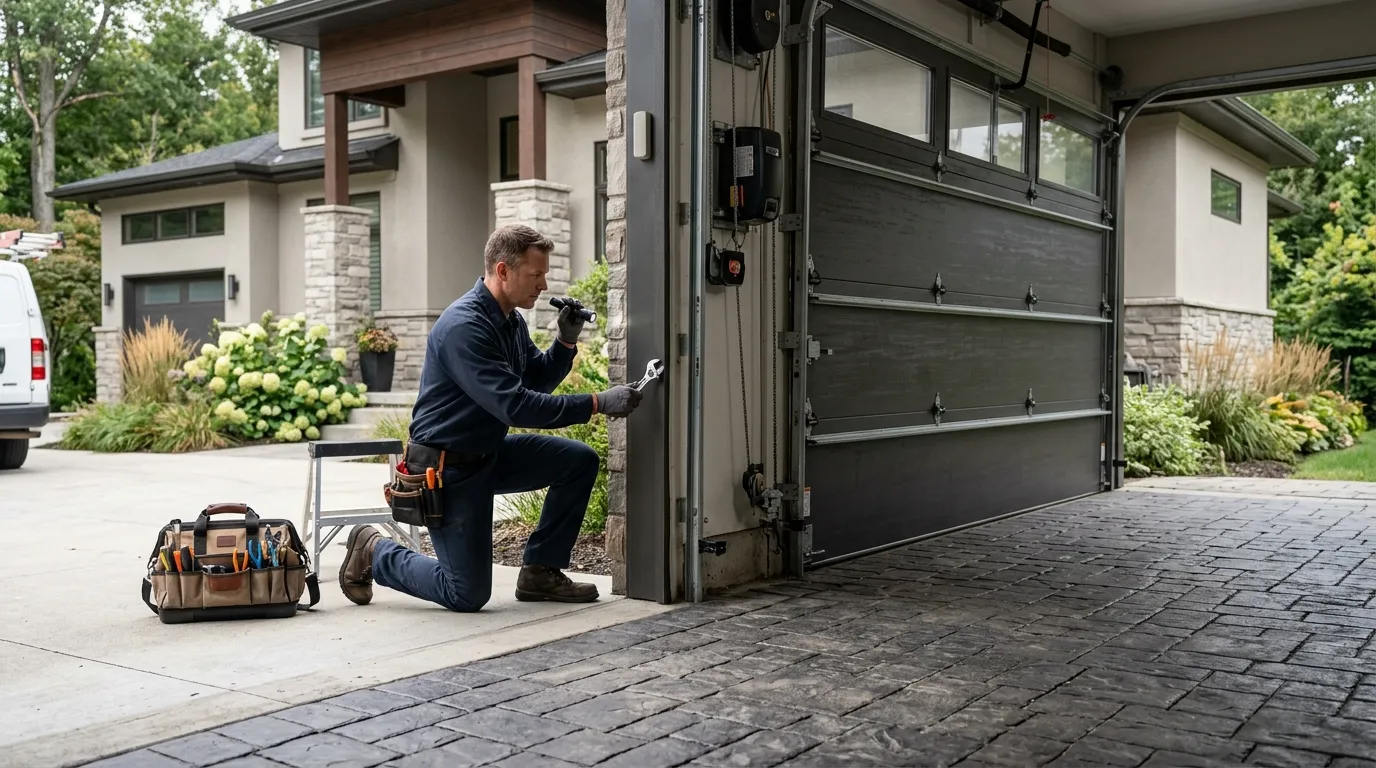
We run out of Northbrook, and Riverwoods sits about 4 miles out, one of the closer stops on our route. We don't keep a crew or a depot in Riverwoods itself - every job here means a truck coming from Northbrook, loaded with the springs, cables, and opener parts we expect to need based on what's actually installed on this side of town. Because the drive is short, we can usually work Riverwoods into the same day as other nearby calls without you waiting on a half-empty schedule. That's the honest version: no local branch, just a short trip and a truck that shows up ready for the job rather than guessing on-site.
Riverwoods is a small area - about 1,265 households - so we're not running a high volume of daily calls here the way we might in a bigger town. That means less chance we've seen your exact street, and more reason we ask a few questions on the phone about the door's age and the way it's mounted before we roll out, so the parts on the truck match the door waiting for us.
What That Means for Doors
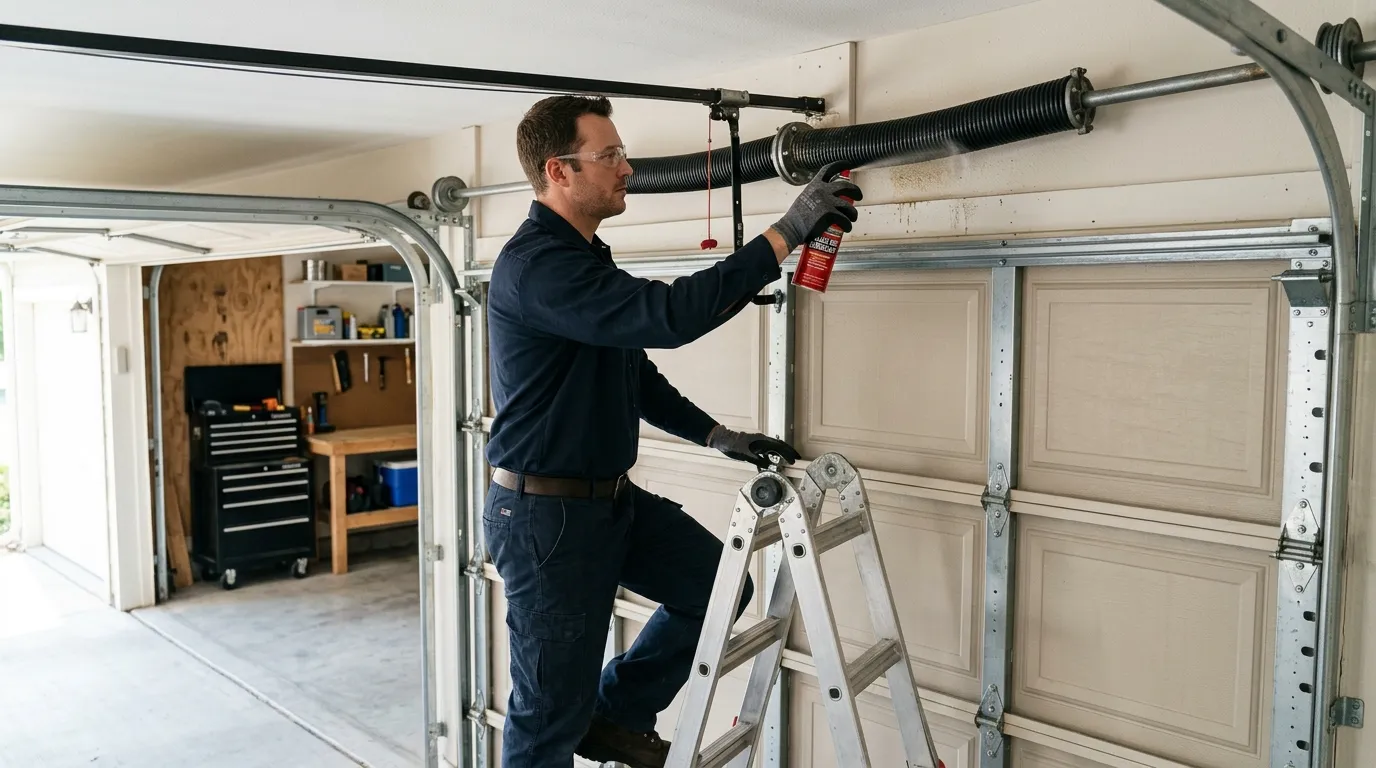
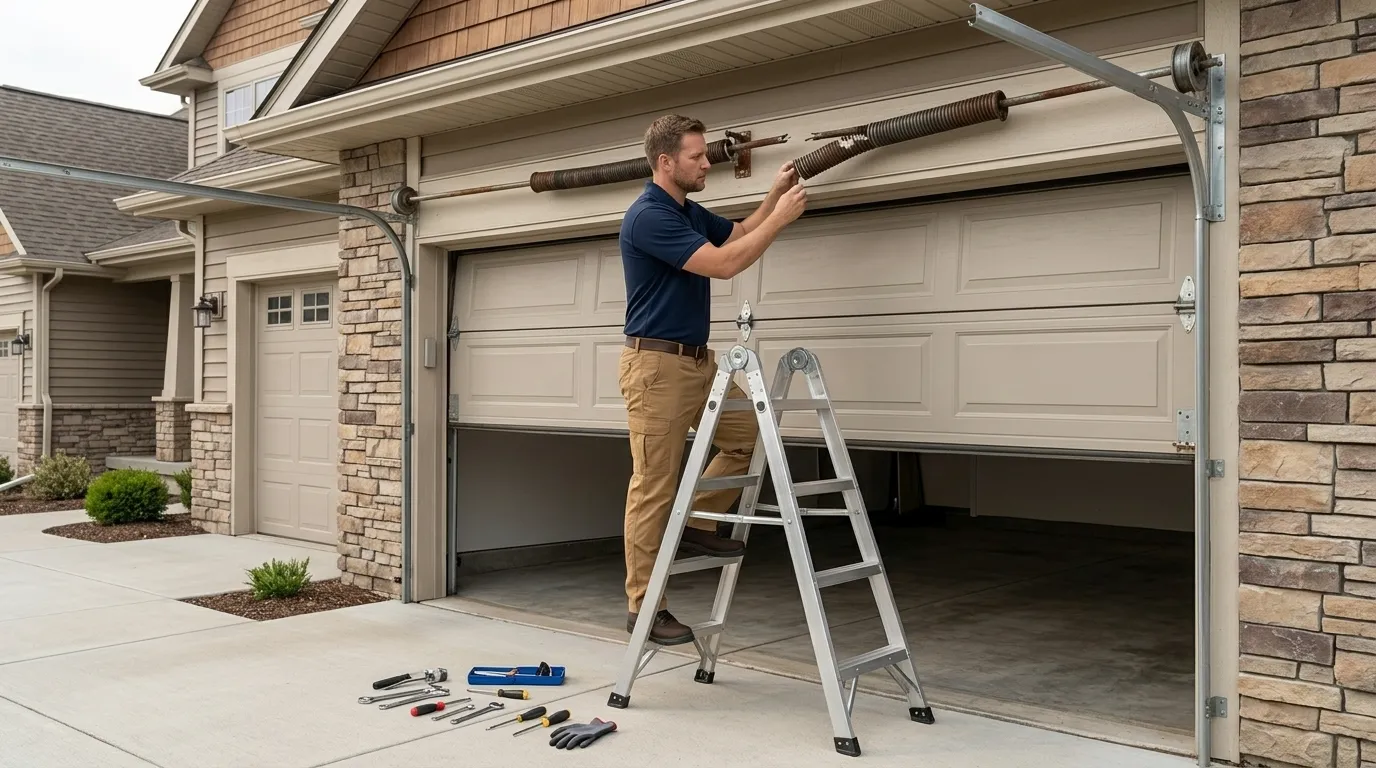
The service area overall skews older - housing built mostly in the 1960s and 70s, with a median year of 1974 across the wider territory. Riverwoods runs newer than that: its housing has a median build year around 1984, a full decade later than the area norm. That decade matters. Doors and openers installed in the mid-80s onward are more likely to have factory-set torsion springs on a center bracket rather than the older side-mount setups, and openers from that era started making the shift toward the chain and belt-drive designs still common today, rather than the early screw-drive units we still run into on older stock nearby.
What this means in practice: fewer of the oddball, discontinued one-piece doors we see on 1950s and 60s streets, and more standard sectional doors with hardware that's still stocked, though not always by every supplier. We still see wear - rollers going bad, cables fraying, openers reaching the end of their working life - just less of the