How We Get to You
Roselle sits about 16 miles from our Northbrook shop, which is the farthest stretch of ground we cover on a standing route. We don't have a branch or a drop box in Roselle - a truck comes out from Northbrook, usually stopping through Wood Dale and Bensenville on the way, and we schedule the run rather than promise a walk-in. That distance is also why we ask for a call ahead instead of a same-hour knock on the door; a spring job on a double door takes the right parts loaded before we leave the shop, and we'd rather show up with the right torsion bar than turn around. If you're on the Itasca side of town the drive is a hair shorter than if you're closer to Schiller Park, but either way it's one dedicated trip, not a tech who happened to be nearby. We keep the route tight on purpose - fewer stops means the truck that's coming to you isn't also trying to cover four other towns first.
What That Means for Doors
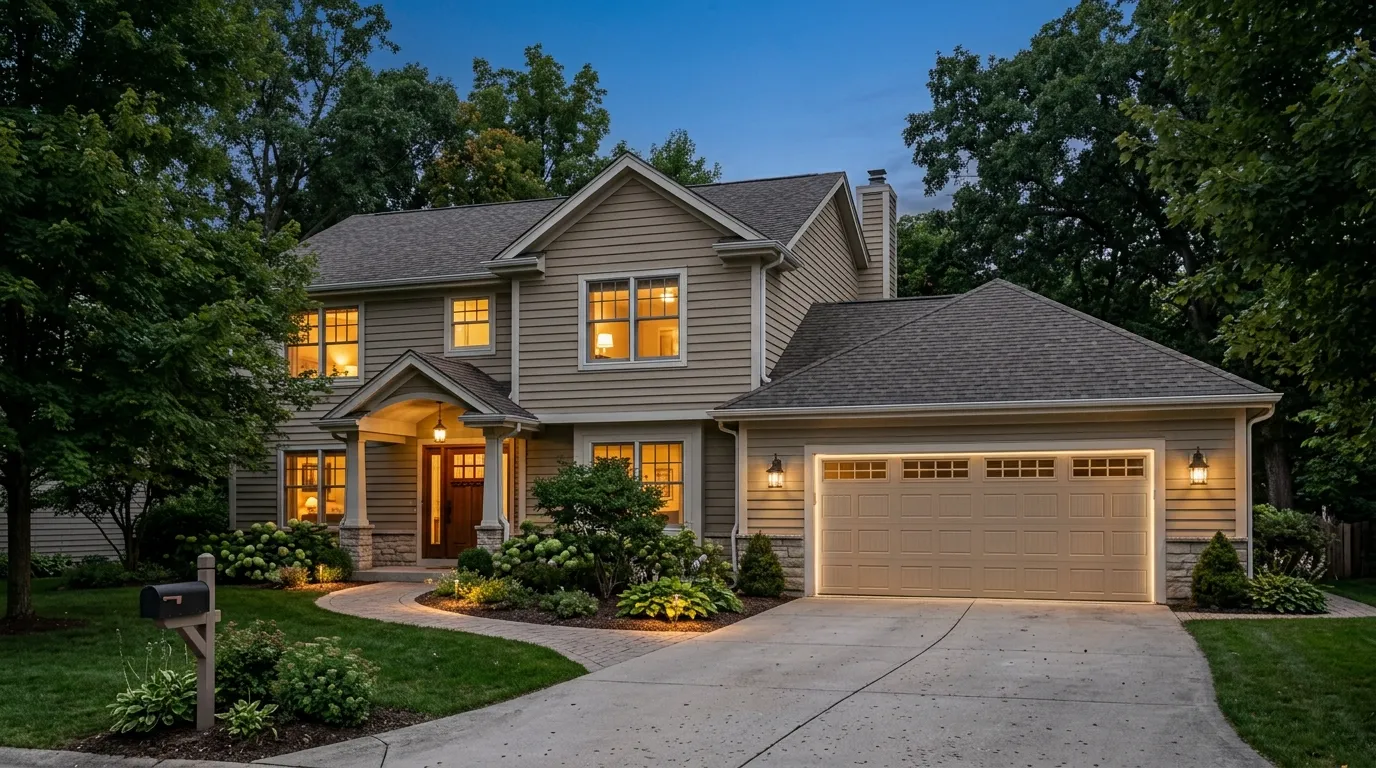
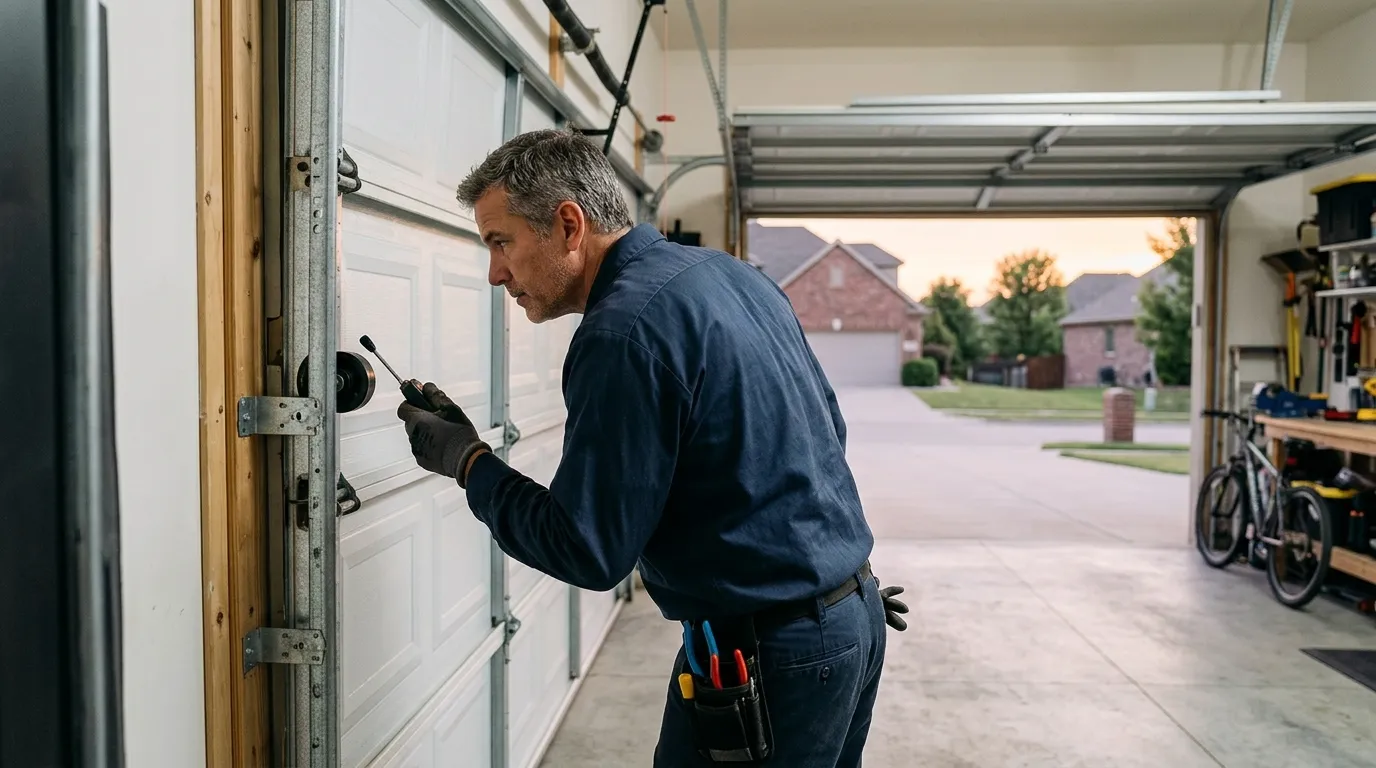
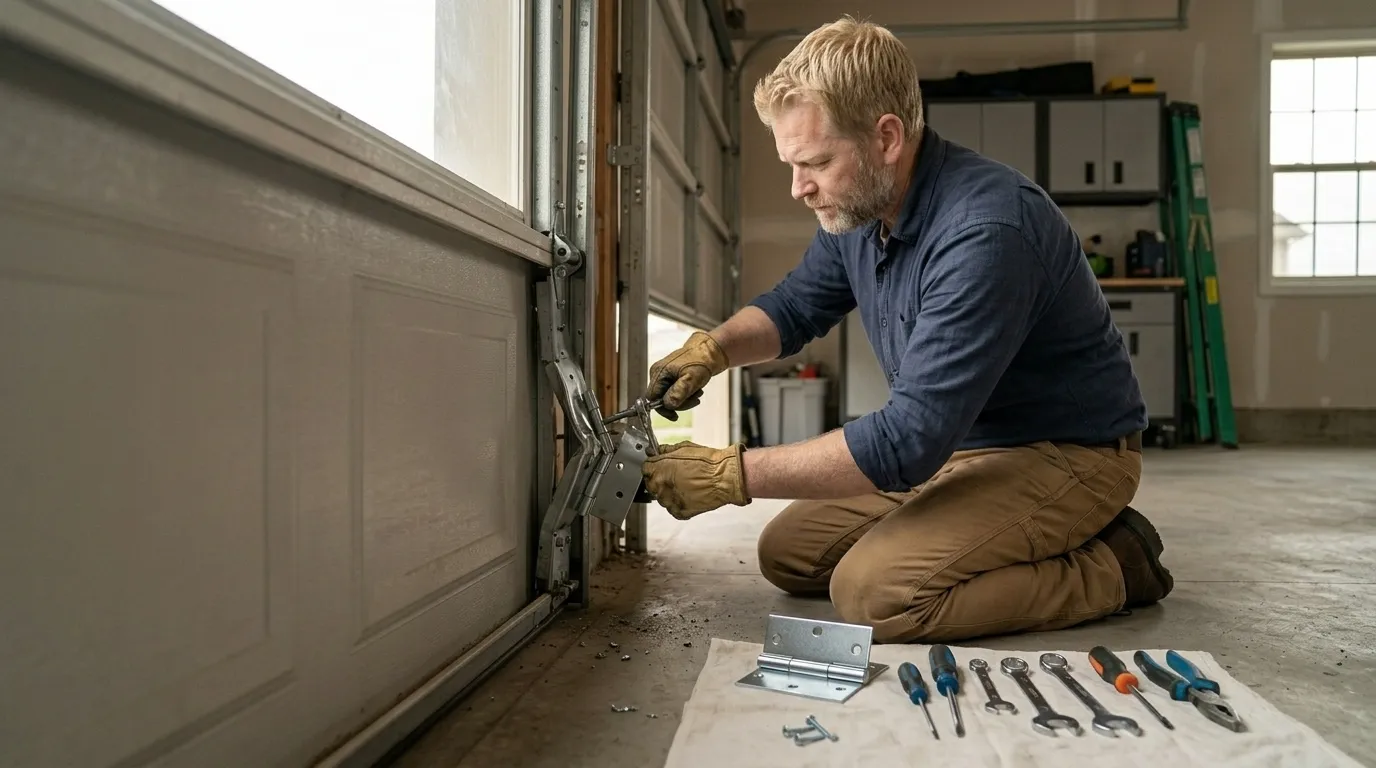
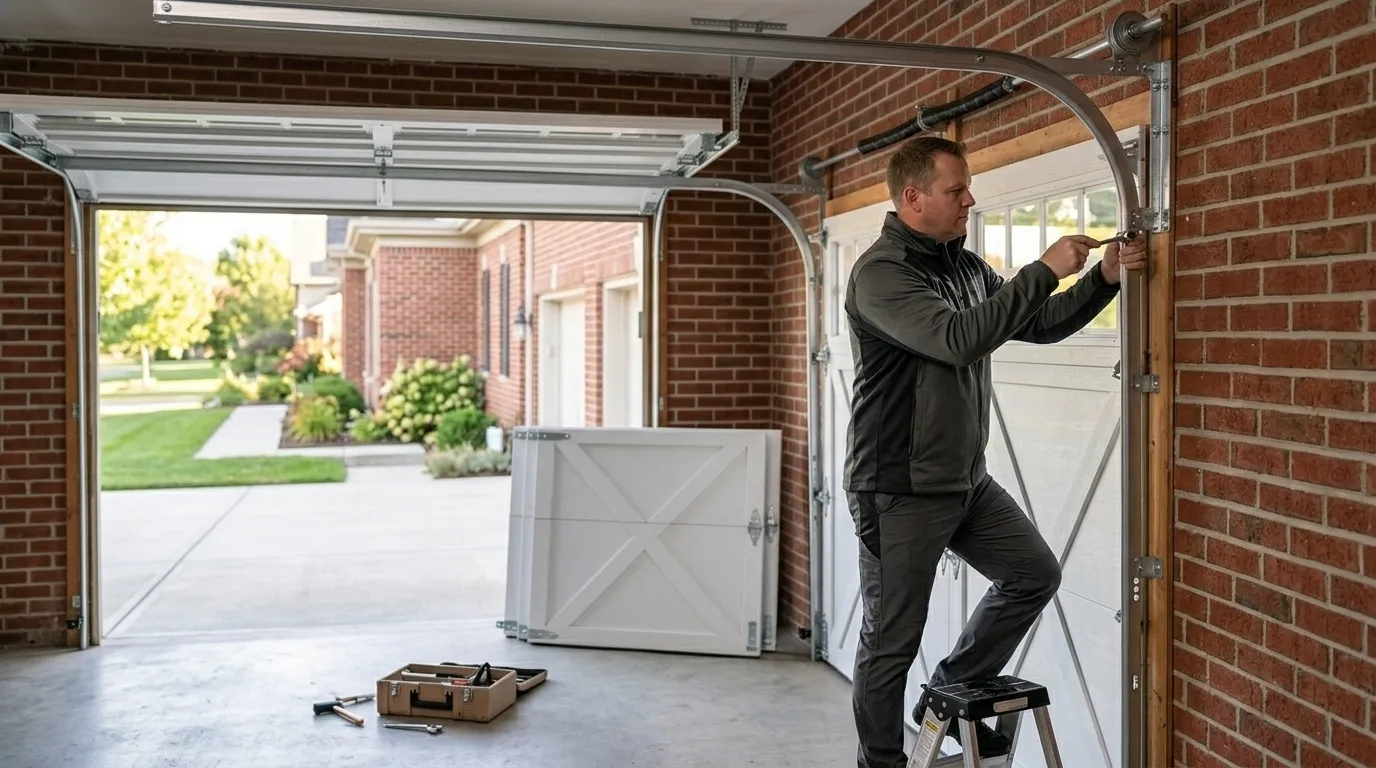
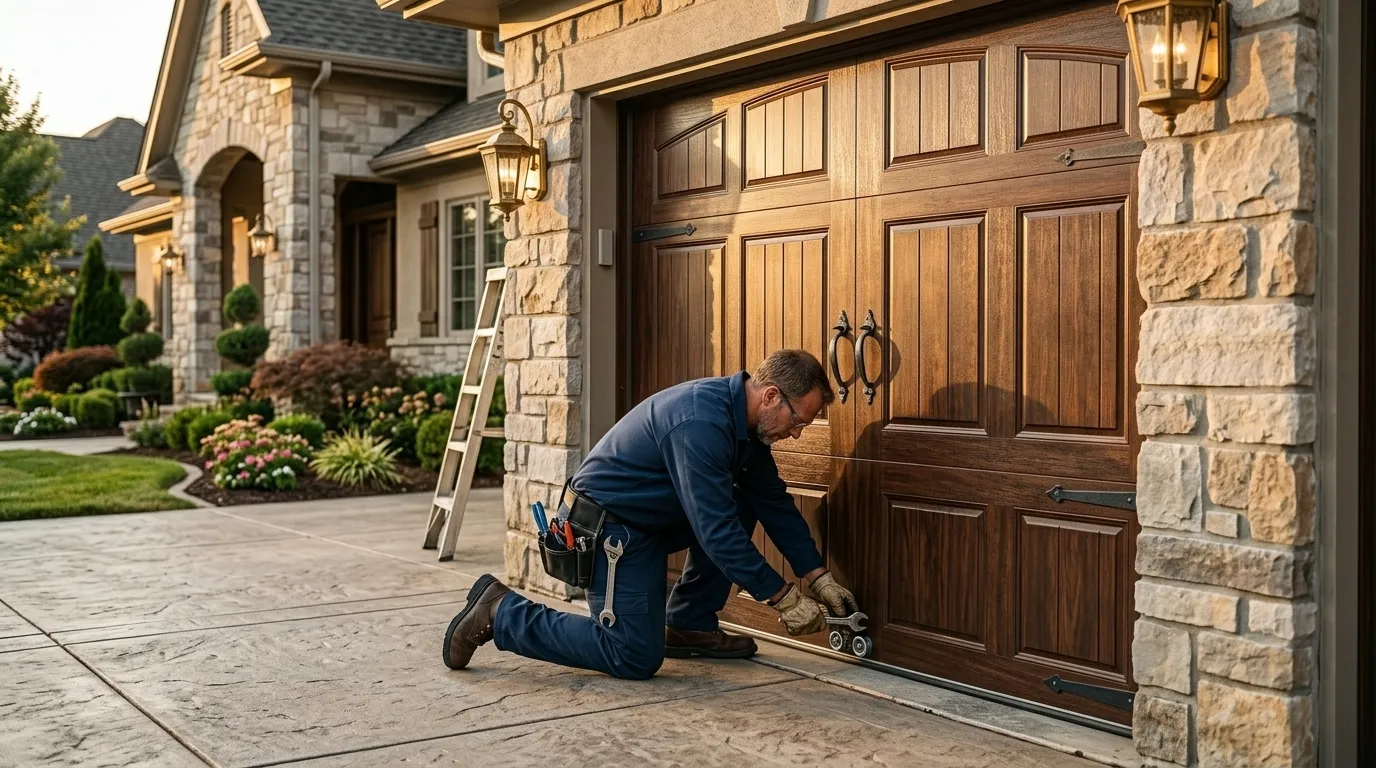
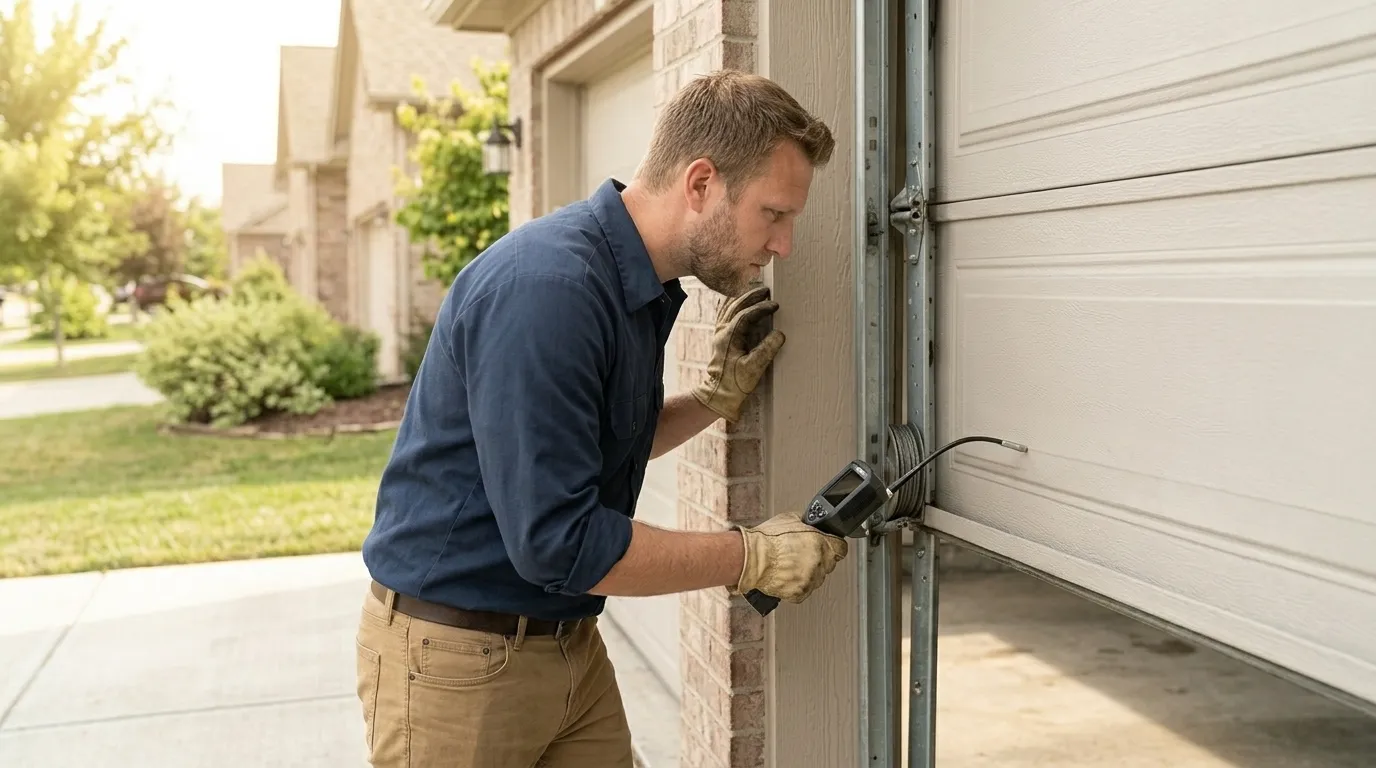
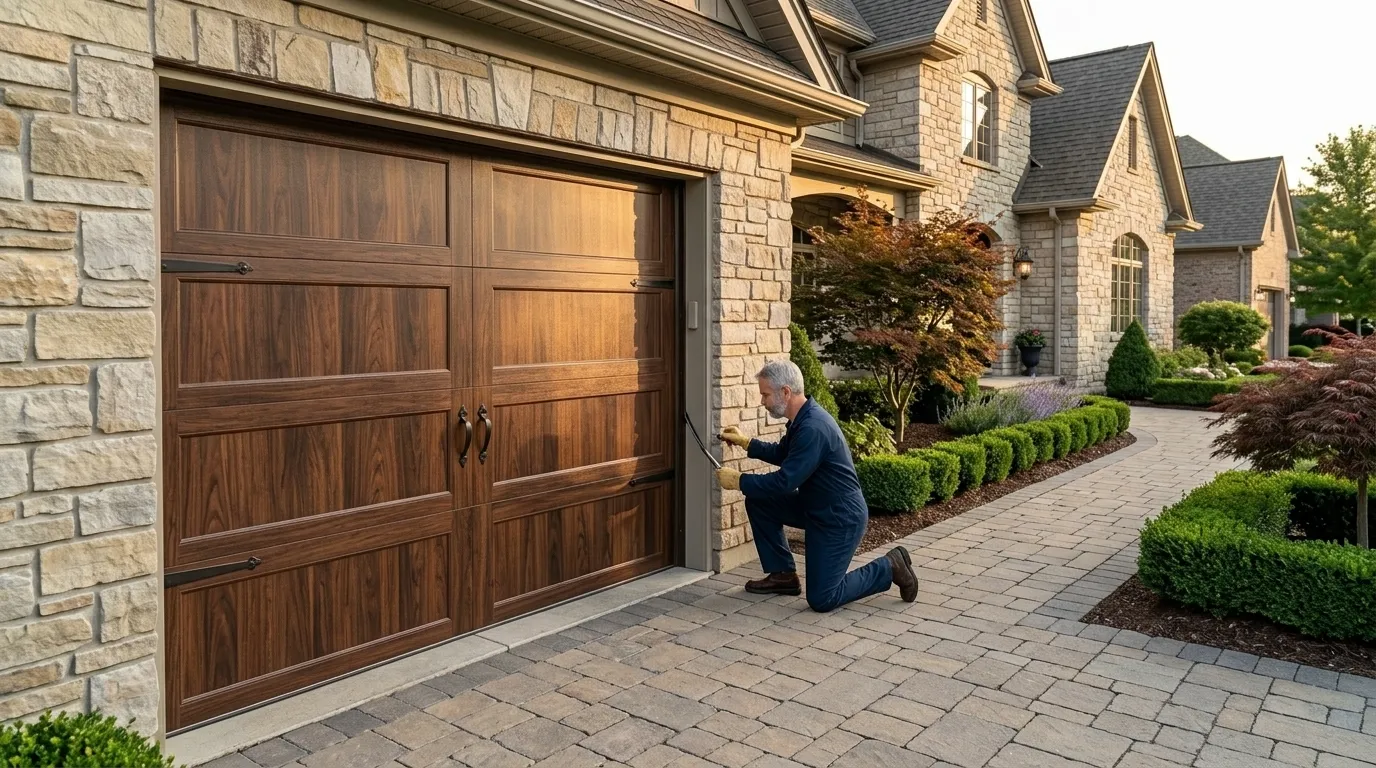
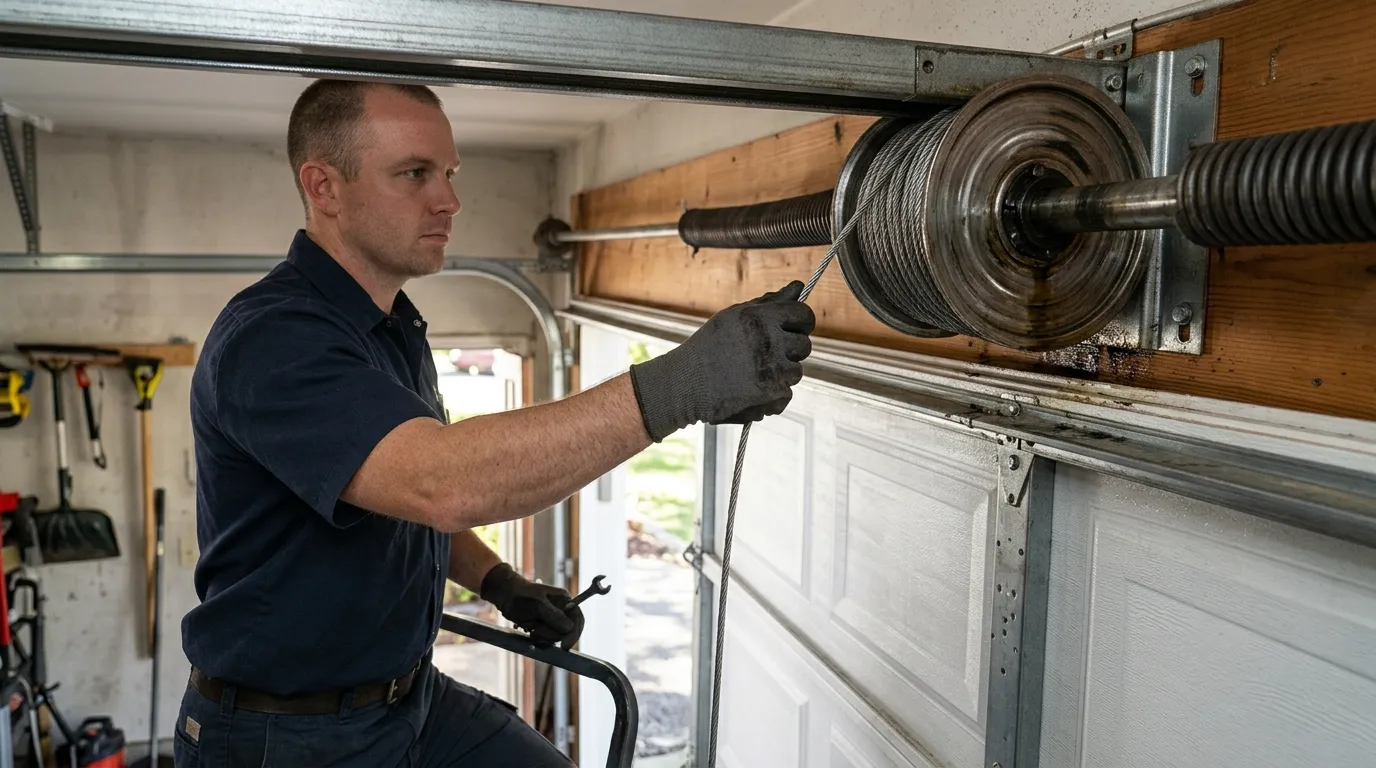
Roselle's housing runs a bit newer than the broader service area we cover - median build year here is 1977, against a wider median of 1974 across the sixty-one areas we work. It's a small gap, but it lands you on the right side of a real hardware shift. Doors from this stretch of the 1970s are almost always steel sectional panels on overhead torsion springs, not the older side-mounted extension setups or the one-piece tilt-up doors that show up in blocks built a decade earlier. That matters for repair because torsion spring replacement is a different job, with different tension and different failure signs - a snapped torsion spring drops the door hard and fast, where an old extension spring usually frays first. The climate band here is cold but moderate, which is easier on doors than a harsher freeze-thaw zone, but original bottom seals and weatherstripping from a 1970s install are still nearing fifty years old on a lot of these garages, and that's usually the first thing worth checking before a bigger repair.
What Was Built Here
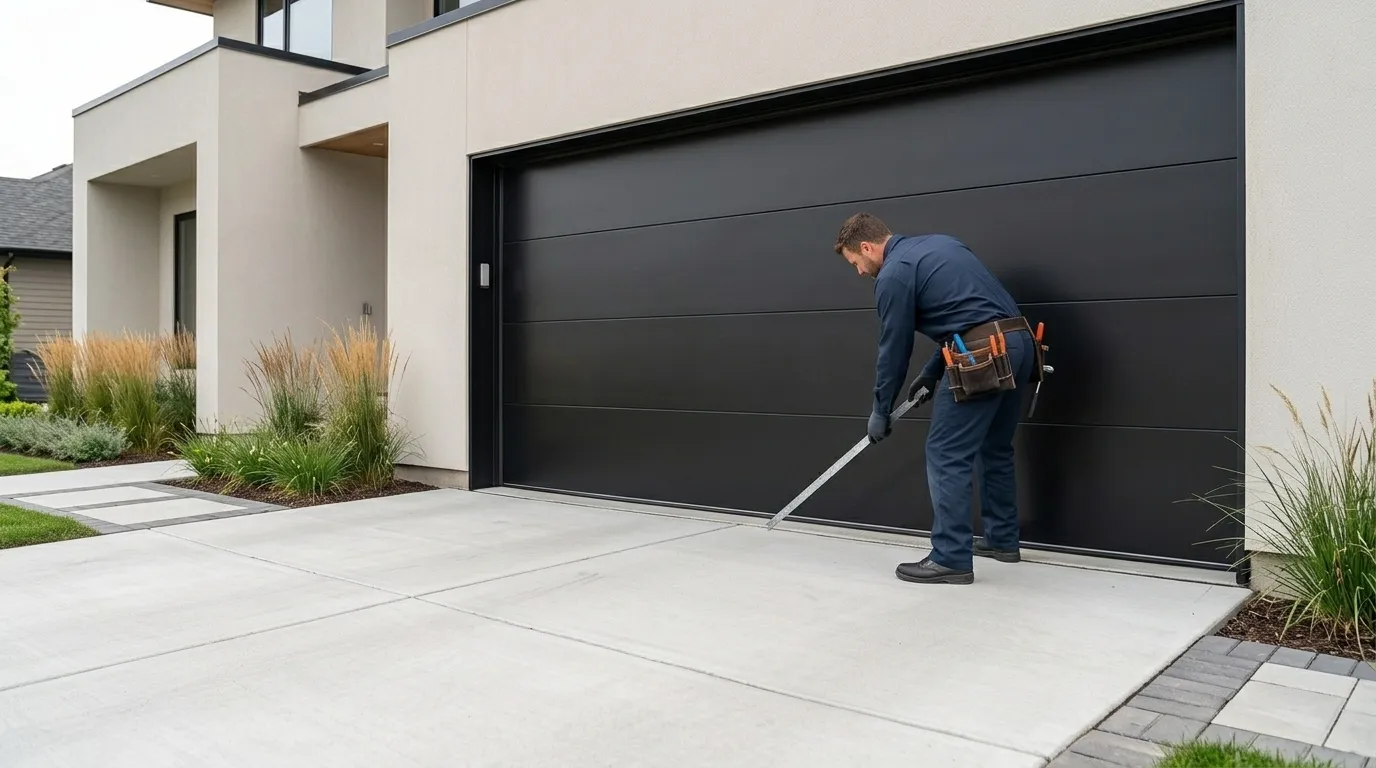
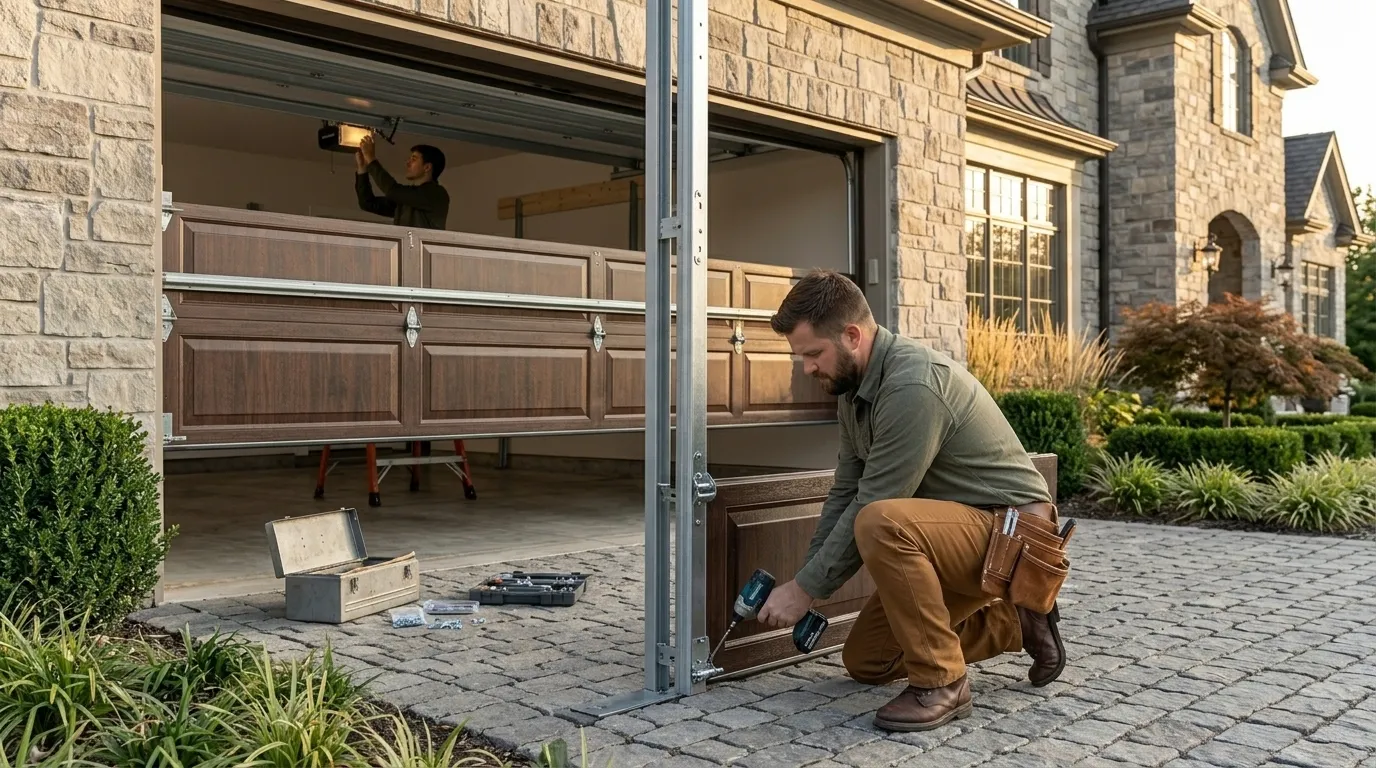
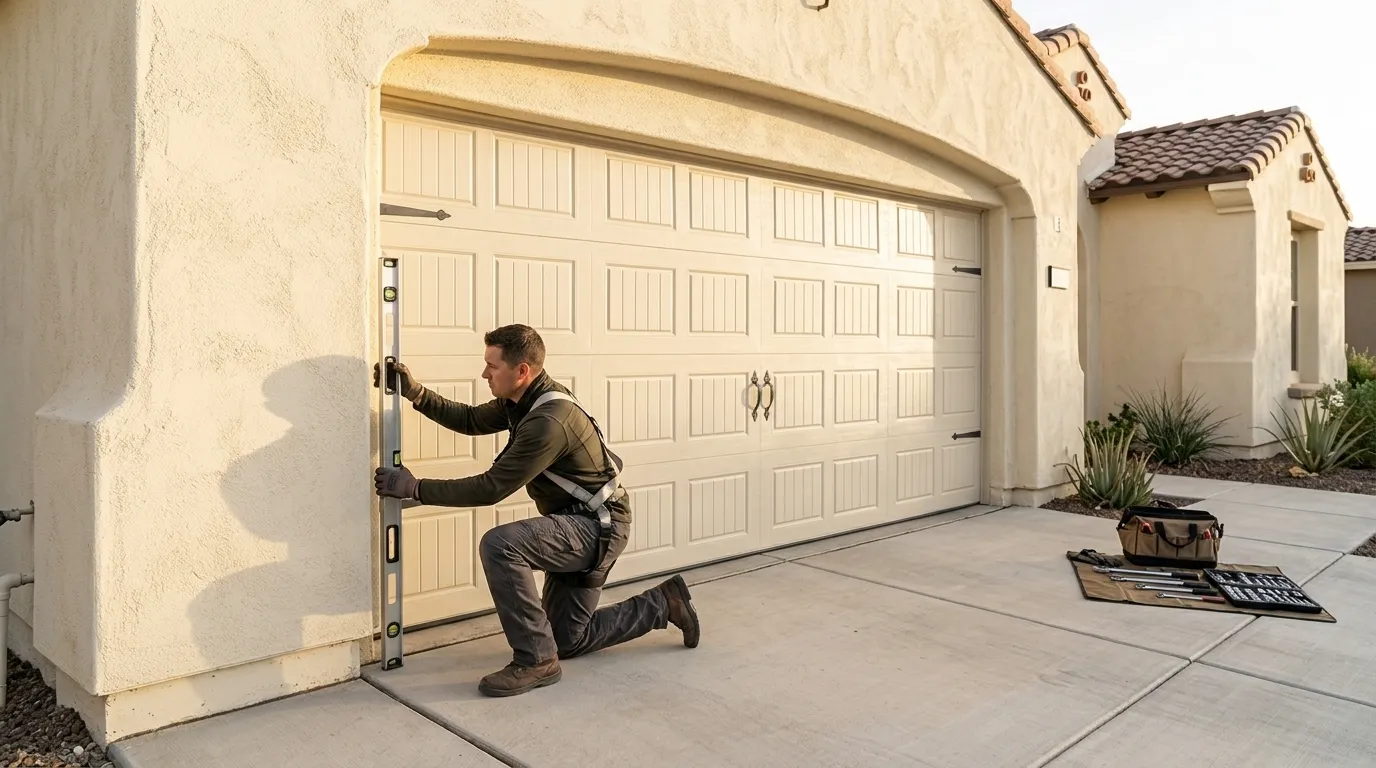
With 8,588 households in Roselle and a median income of $109,118 - both higher than the wider service area's $103,561 across 275,099 households - a good number of the calls we get here are homeowners replacing tired hardware before it fails outright rather than waiting for a spring to go. Houses from the 1977 median build year mostly carry steel sectional doors on torsion springs, sized for a two-car opening, and openers in these houses have often been swapped at least once since the original install. What we don't do is guess at a repair over the phone - a torsion spring under tension is not a DIY fix, and if a track is bent badly enough, replacing the door is usually cheaper than fighting to save it. That's the one honest limit worth saying plainly: not every door here is worth repairing, and we'll tell you when that's the case instead of running up a bill on a door that's better off replaced.