How We Get to You
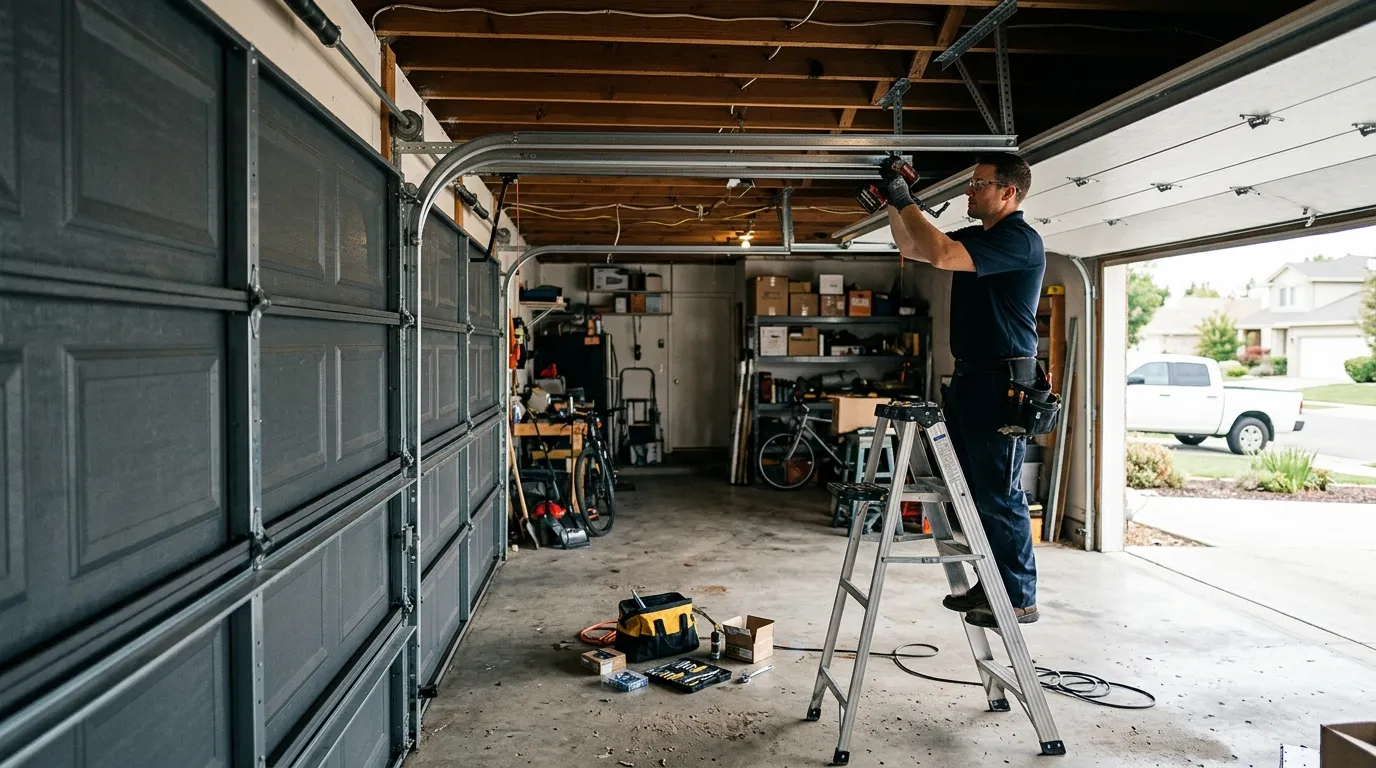
Rosemont sits about 10 miles from our Northbrook shop, which puts it on the outer edge of where we run trucks day to day. We don't keep a location in Rosemont itself, and we won't pretend otherwise. What that distance means in practice is that we schedule Rosemont calls in blocks rather than promising a truck can swing by between two closer jobs. It's a straightforward drive, no tollway maze or unpredictable arterial traffic that would make timing a guessing game, so once a job is on the board we can give you a real window instead of a vague one. If your spring lets go on a Tuesday morning, we're not going to tell you we're already around the corner - we're not. We're going to tell you honestly when the next truck can reach you, and we'd rather do that than overpromise and show up late.
What That Means for Doors
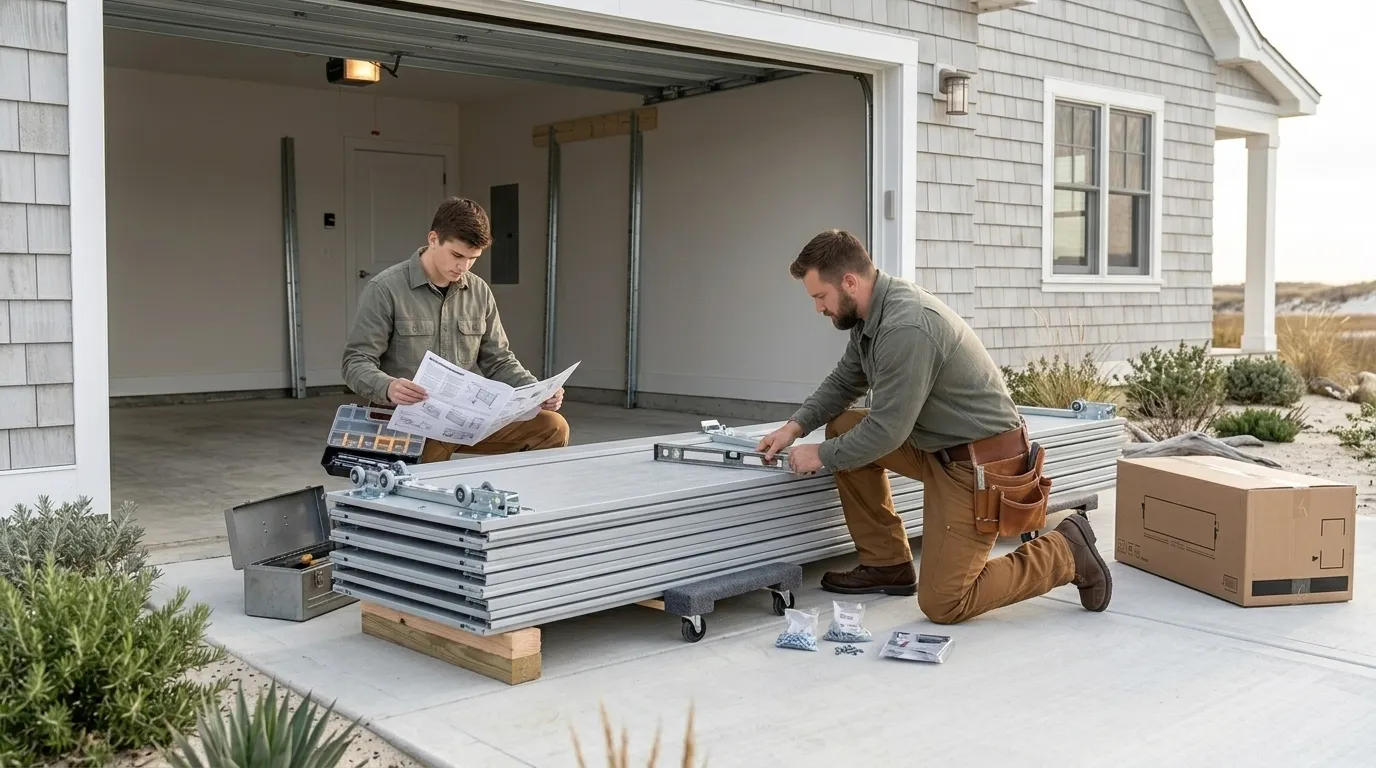
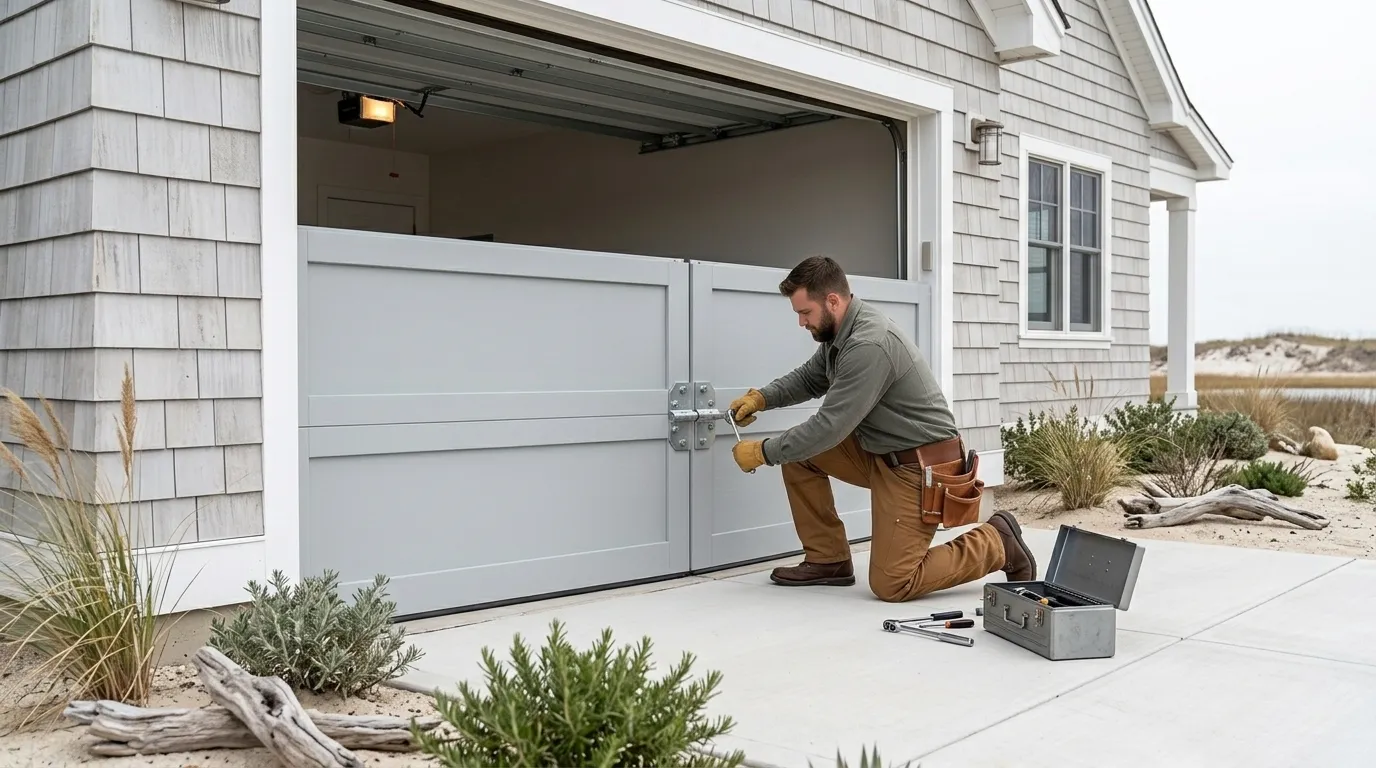
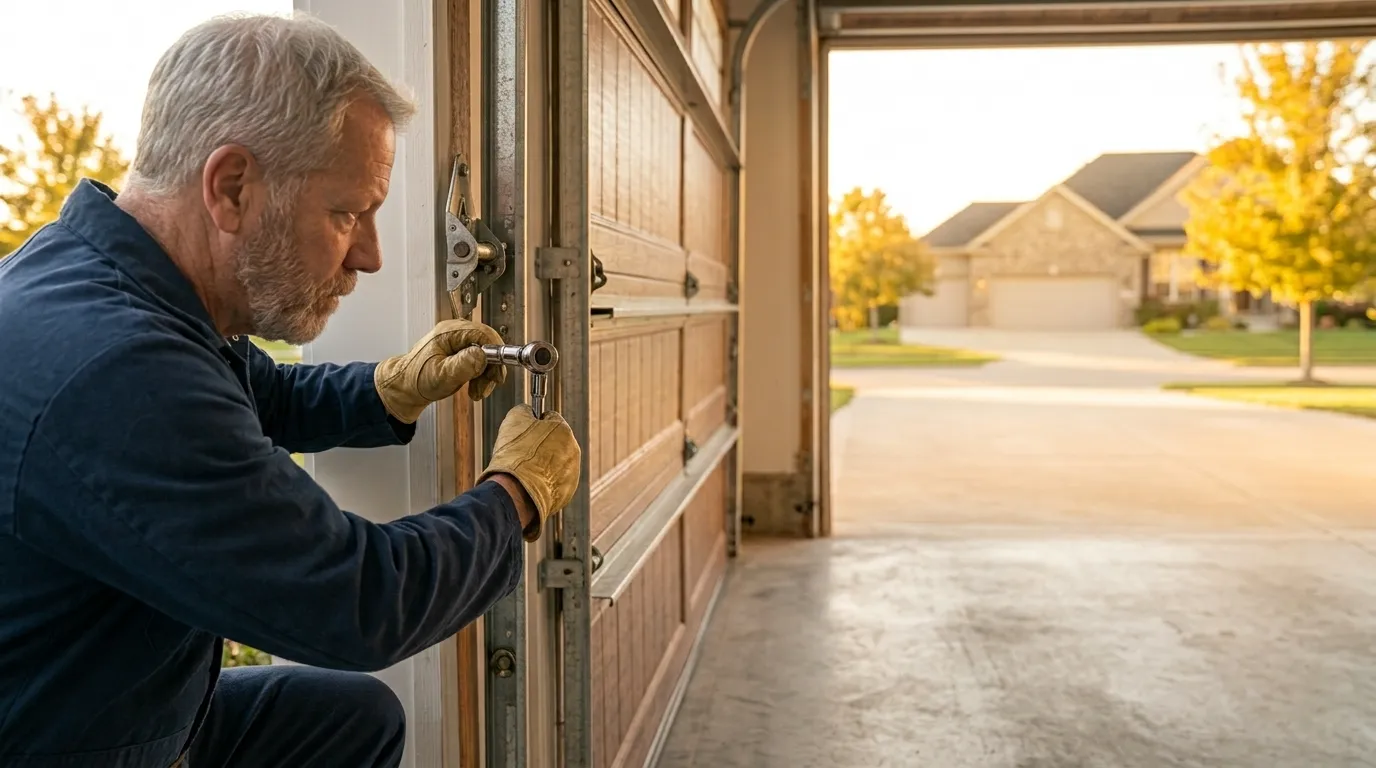
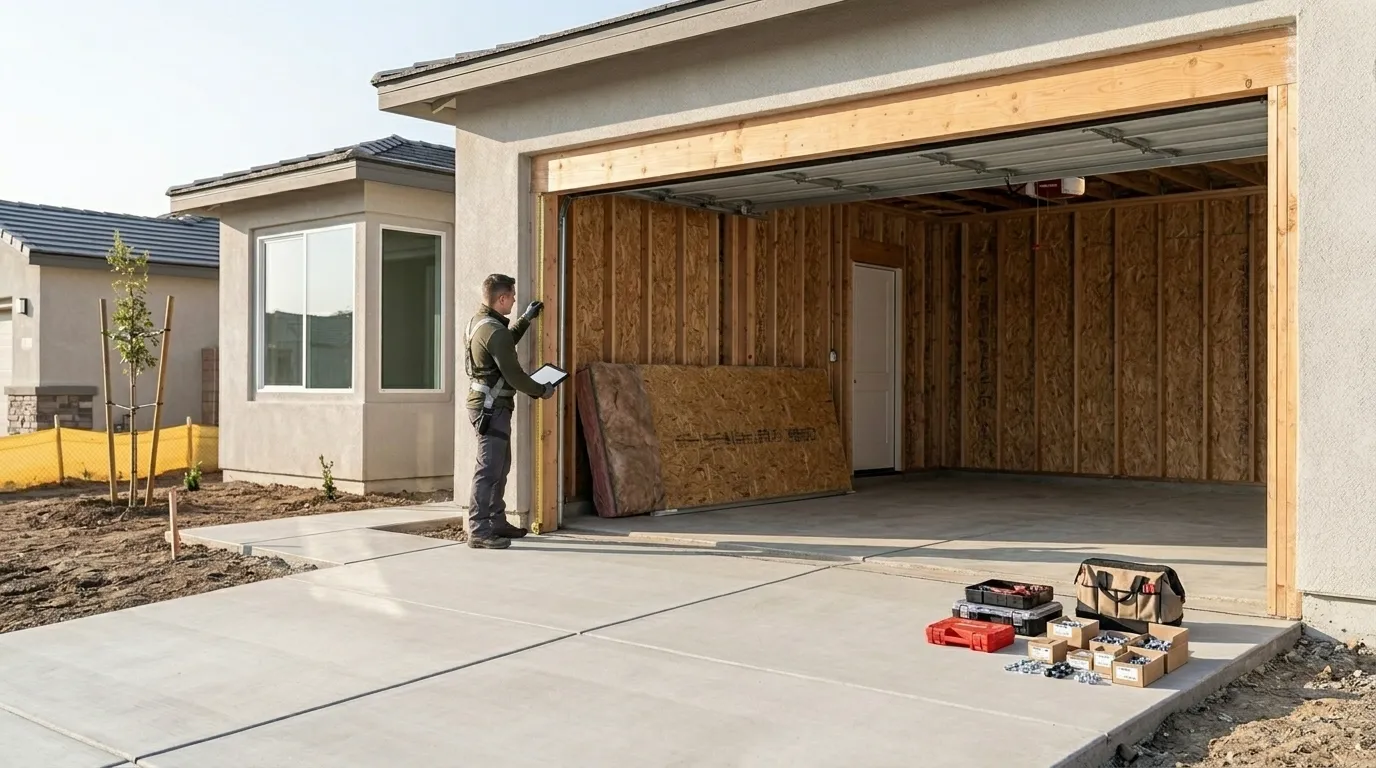
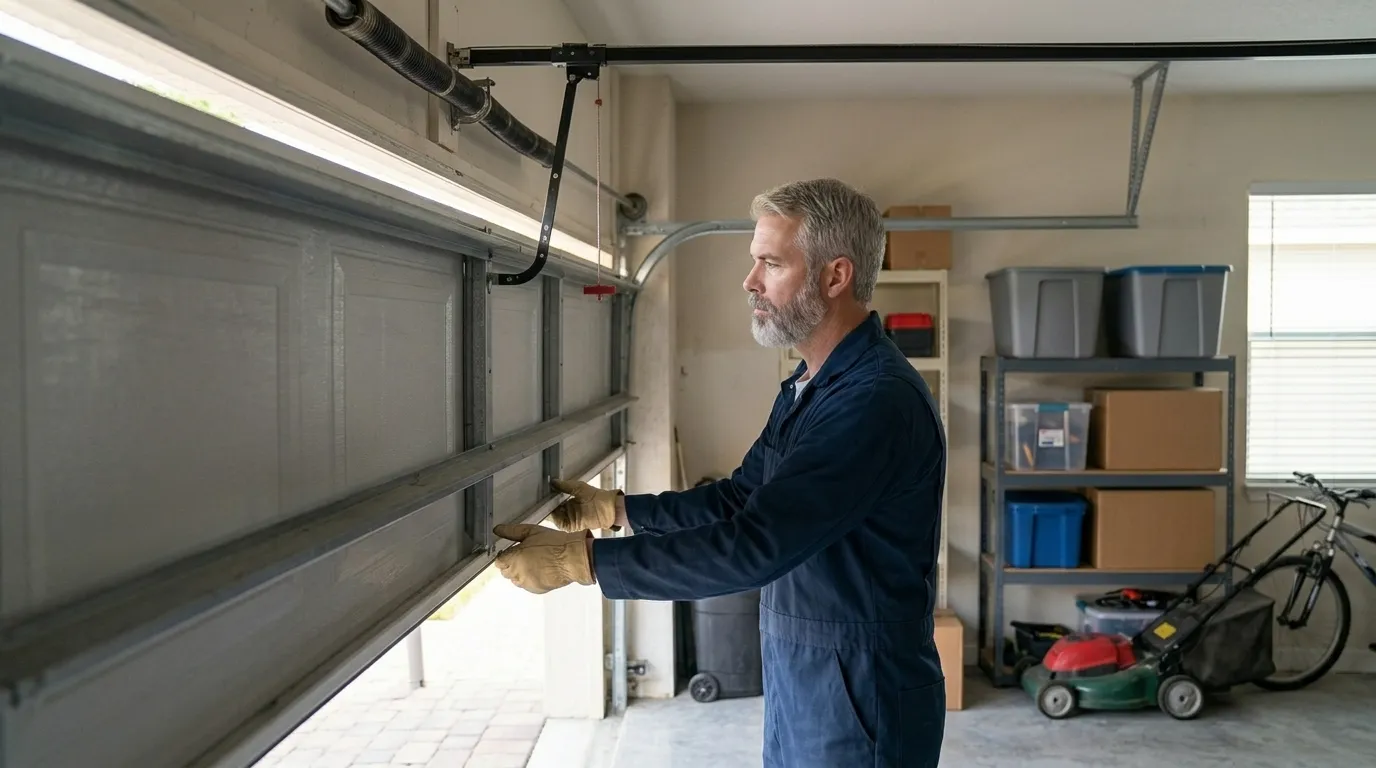
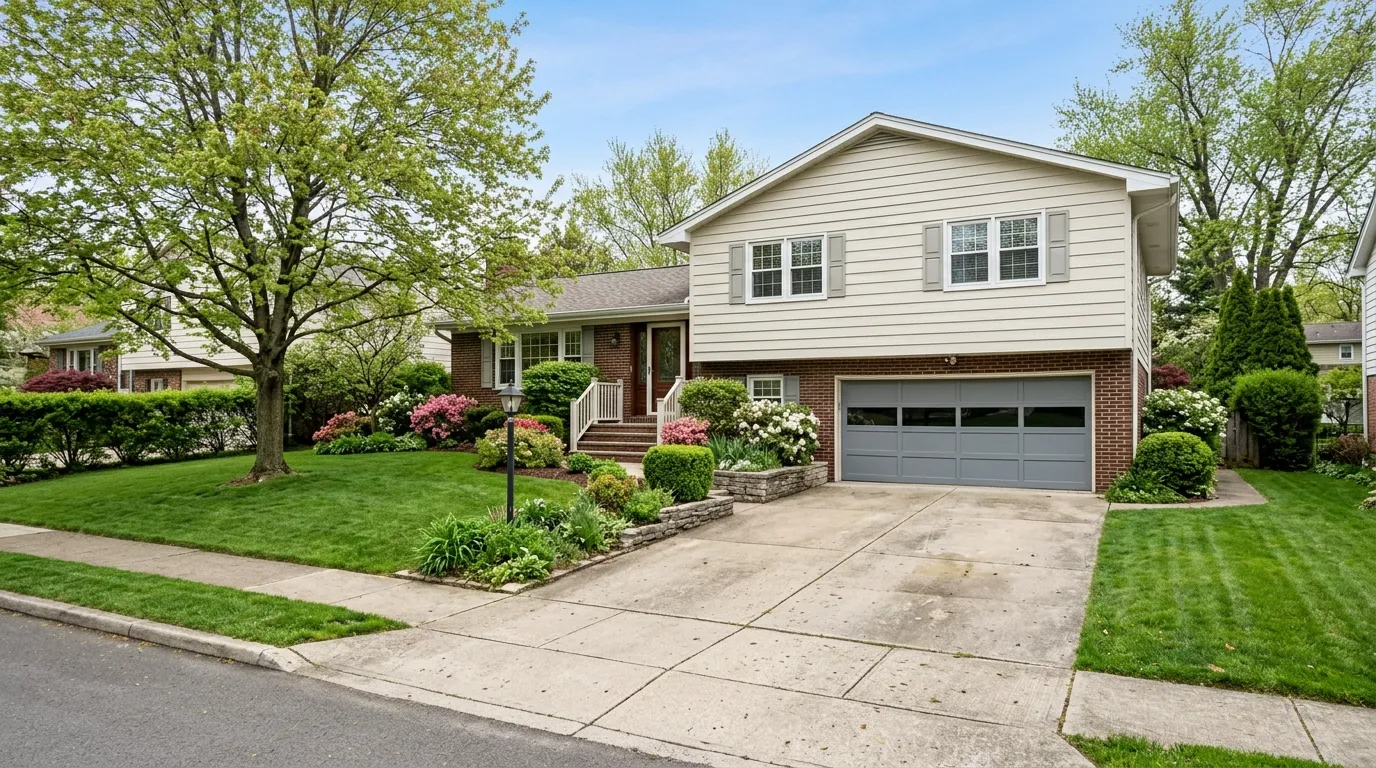
With about 1,757 households in this pocket and a median build year of 1968, the doors we run into here skew older than in some of the newer subdivisions further out in the service area. A door installed around 1968 was almost never original steel with foam insulation - most of what we find is a replacement from somewhere in the decades since, but the framing and header height behind it is still sized for the era. That matters when a homeowner wants a modern insulated door: the rough opening sometimes needs shimming or a different track radius to clear low headroom, which isn't unusual on a house built in the late 1960s but does add a step a newer-construction job wouldn't need. Torsion springs on these openings tend to be the standard residential sizes rather than anything unusual, so replacement parts aren't a problem - it's the opening itself that occasionally needs a workaround.
What Was Built Here
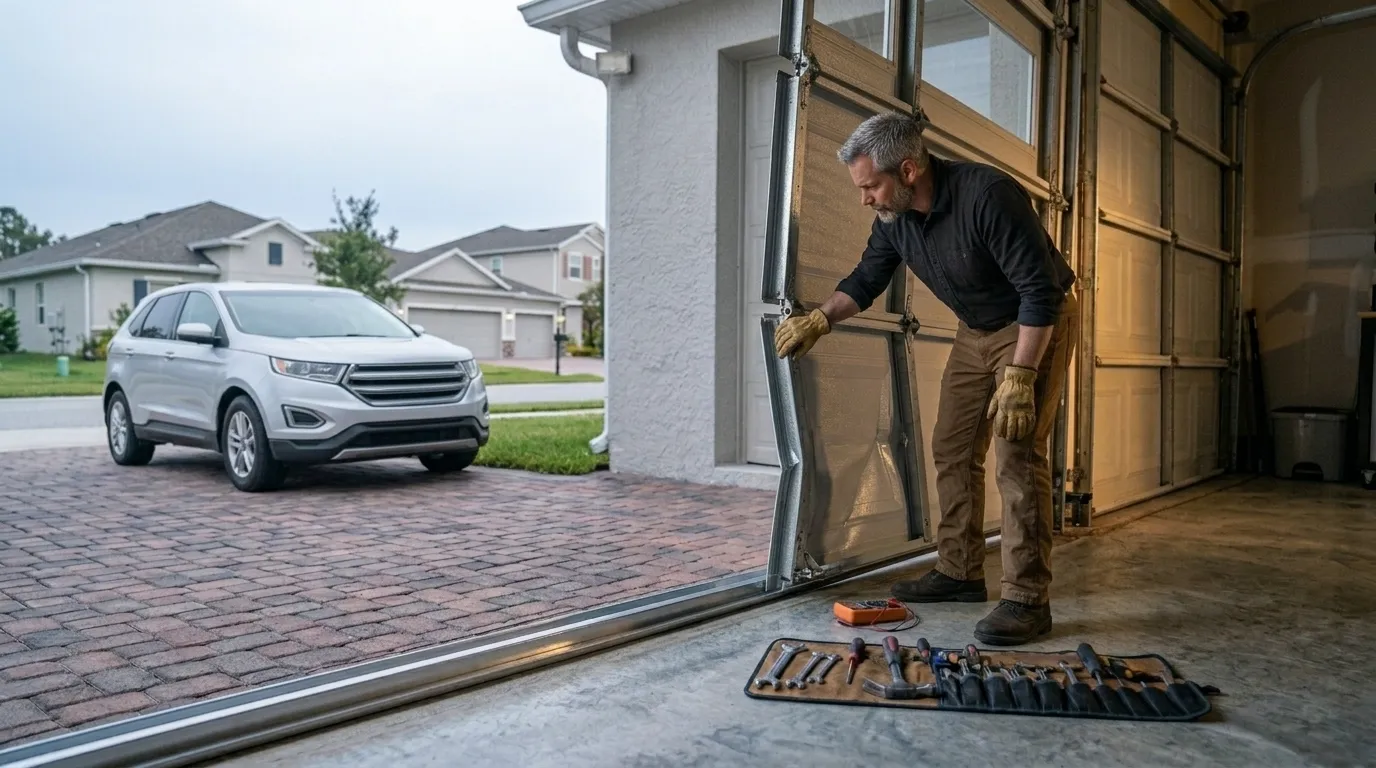
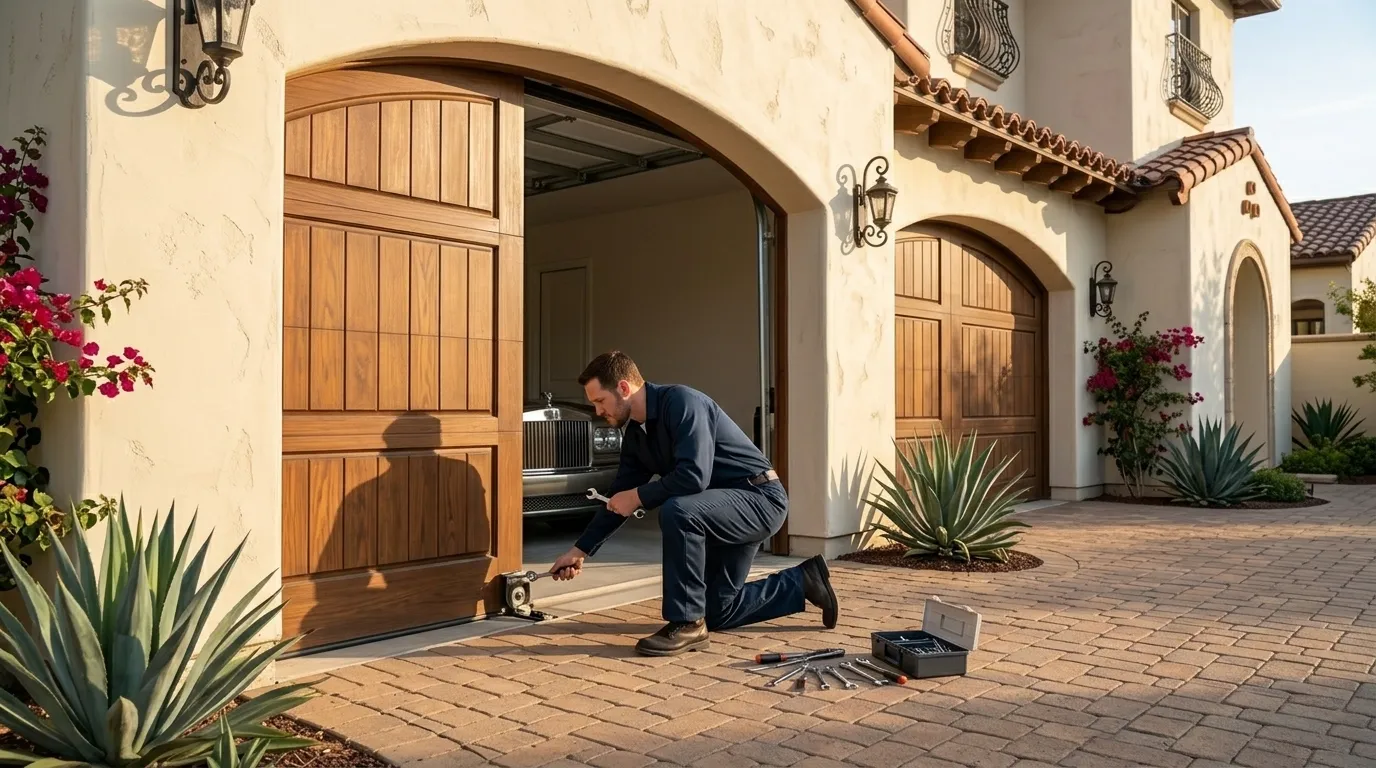
A median build year of 1968 puts this part of Rosemont on the earlier side of the broader service area's range, which runs from the late 1930s up through the 1990s. Houses from this stretch of the late 1960s were typically built with attached garages sized for a single car or a narrow two-car bay, smaller than what you'd find in homes built even ten years later. That narrower opening is the detail that actually changes the job: a smaller door means a lighter panel, which usually means a smaller torsion spring, but it also means less room to maneuver when we're swapping a full door rather than just fixing hardware. At roughly $69,153 median household income for this pocket, we see a fair number of repair calls where the homeowner wants the existing door kept alive rather than replaced outright - and honestly, a well-maintained door from this era can usually be kept running for years yet, provided the track and hardware haven't been neglected.