How We Get to You
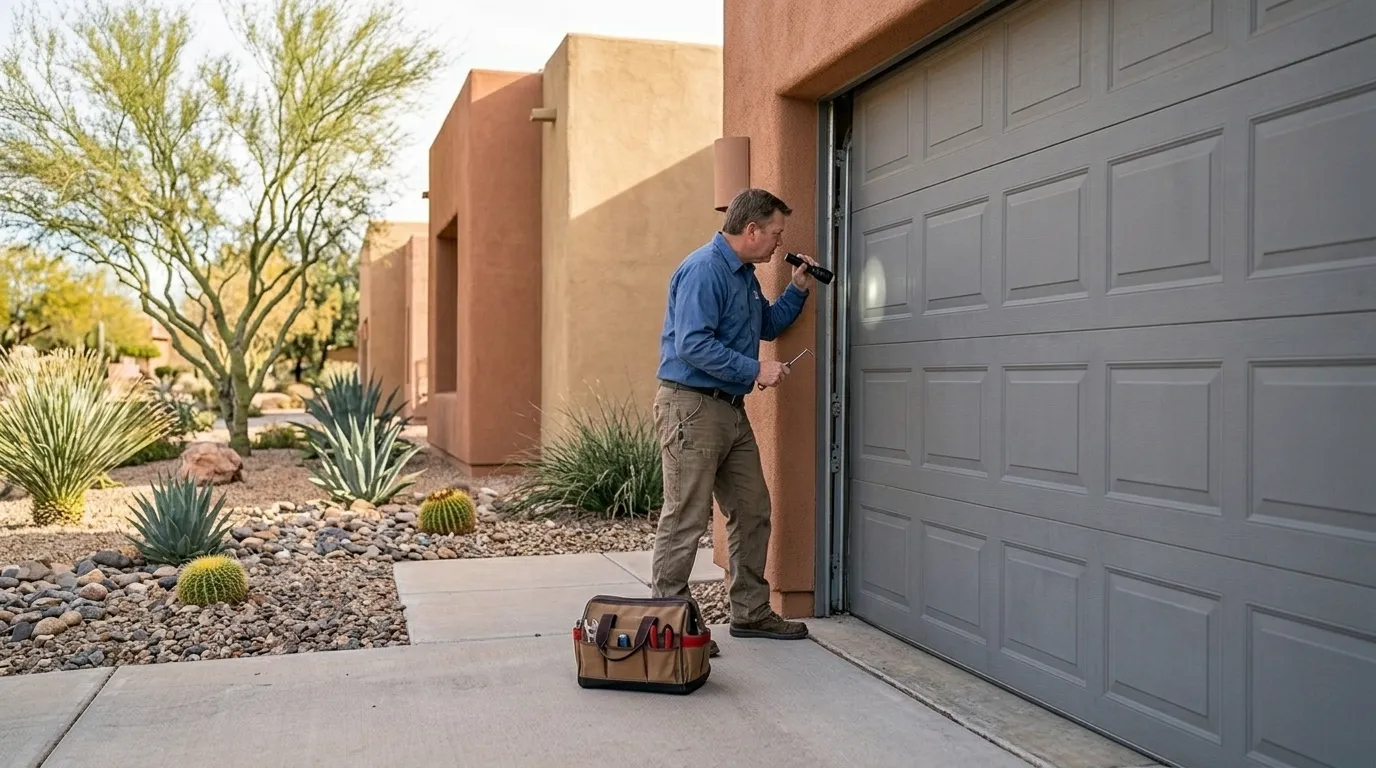
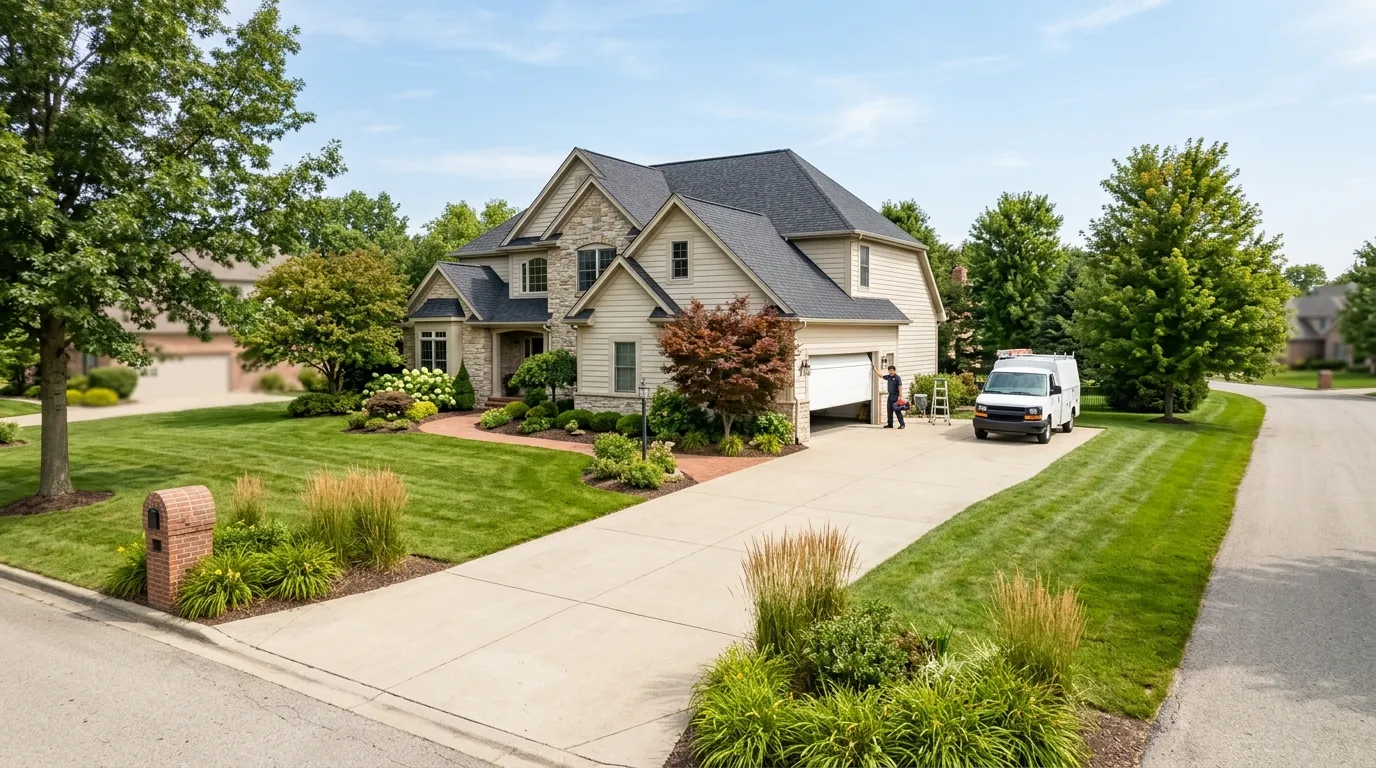
Round Lake Park sits about 19 miles out from our Northbrook base, which puts it toward the far edge of where we run calls. We don't keep a truck stationed out here, and we won't pretend otherwise - every job in Round Lake Park starts with a drive. That means we schedule these calls in blocks where it makes sense on the route, rather than promising a same-hour arrival we can't back up from this distance.
What that distance buys you is a crew that's already worked on doors across a wide mix of building eras before it ever pulls into your driveway. The service area we cover spans roughly 275,099 households, and Round Lake Park's own housing - about 3,075 households - is a smaller, distinct pocket within that. We treat it as its own stop, not an afterthought tacked onto a closer job.
What That Means for Doors
Here's the part that actually matters for your door: Round Lake Park's homes carry a median build year around 1995, which is notably later than the 1938-1996 span (median 1974) that describes the wider service area. That gap changes what we expect to find when we open the panel.
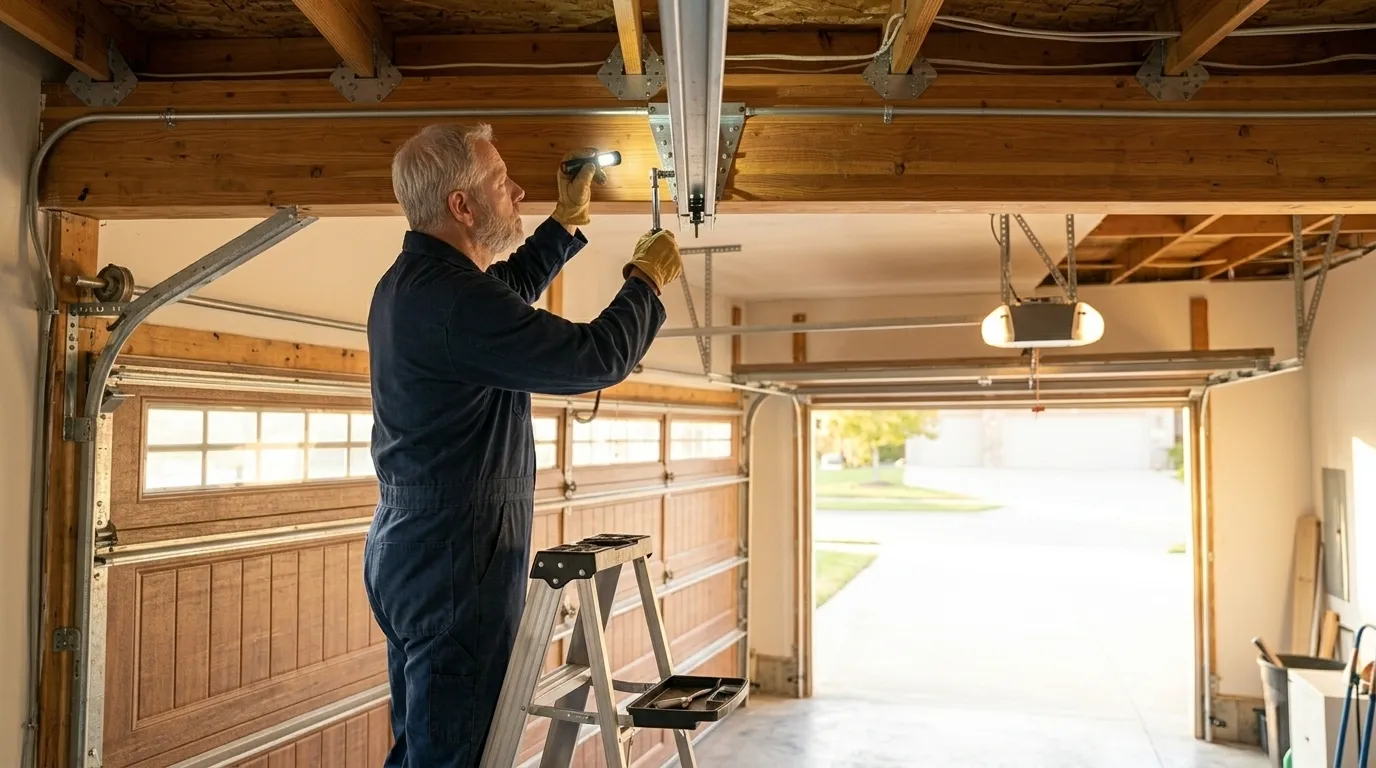
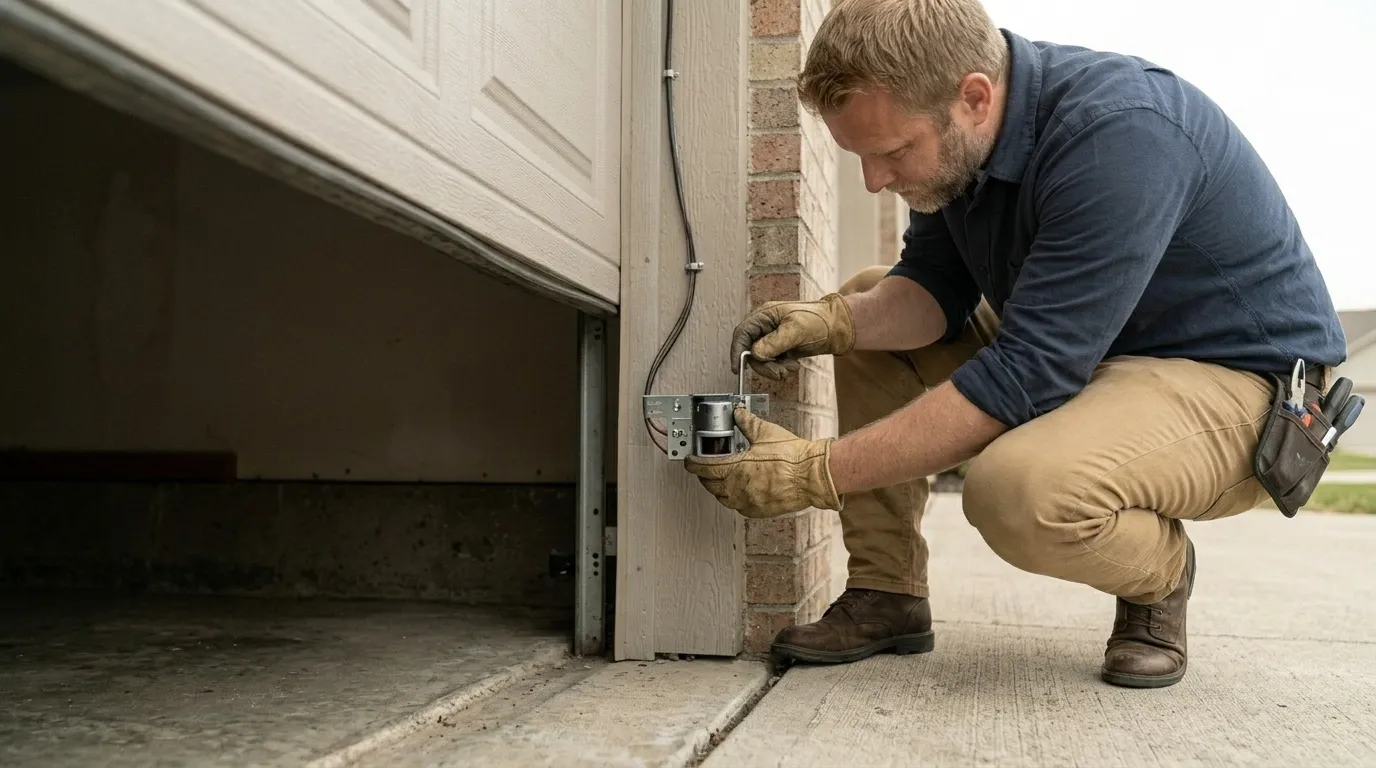
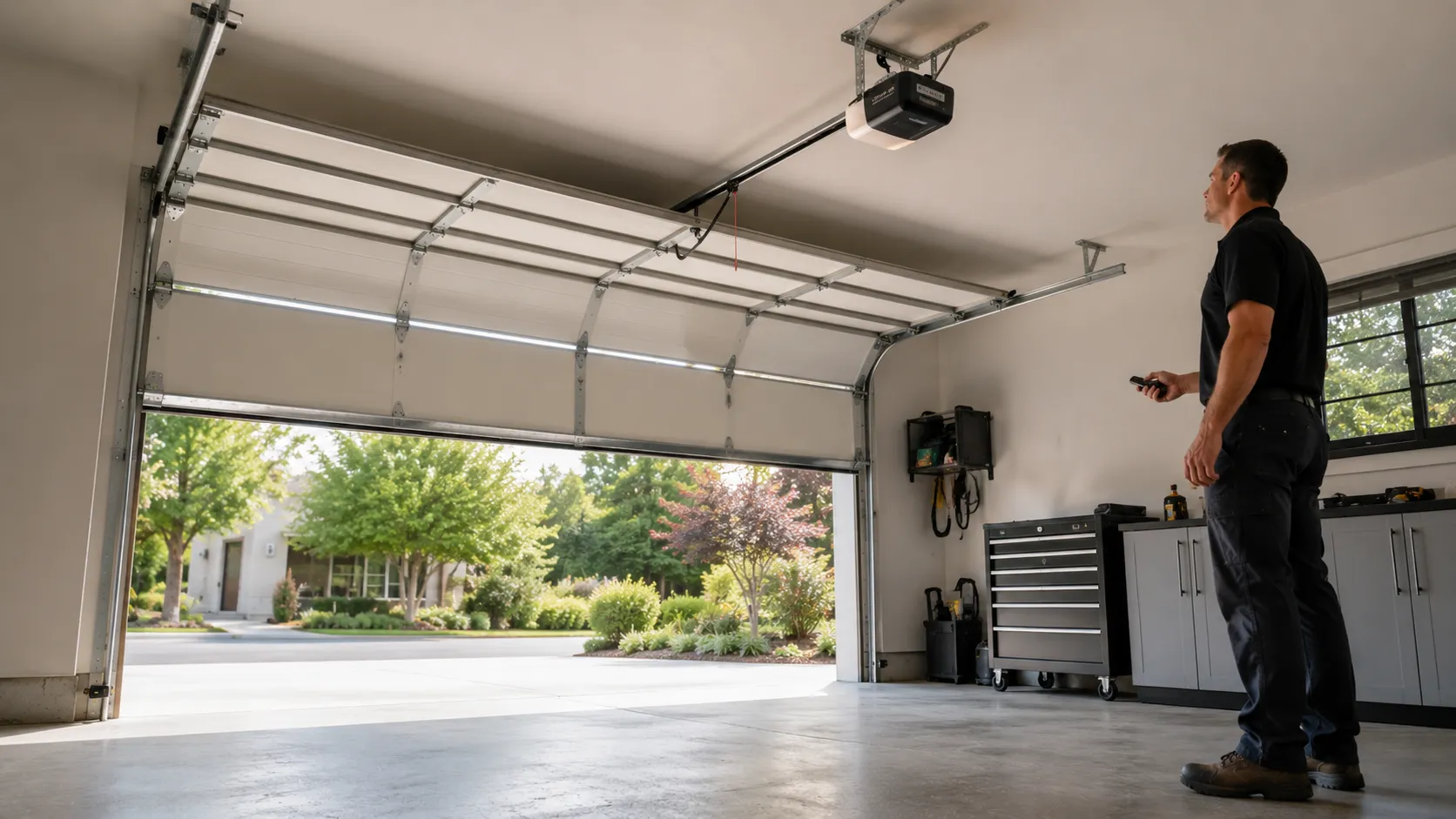
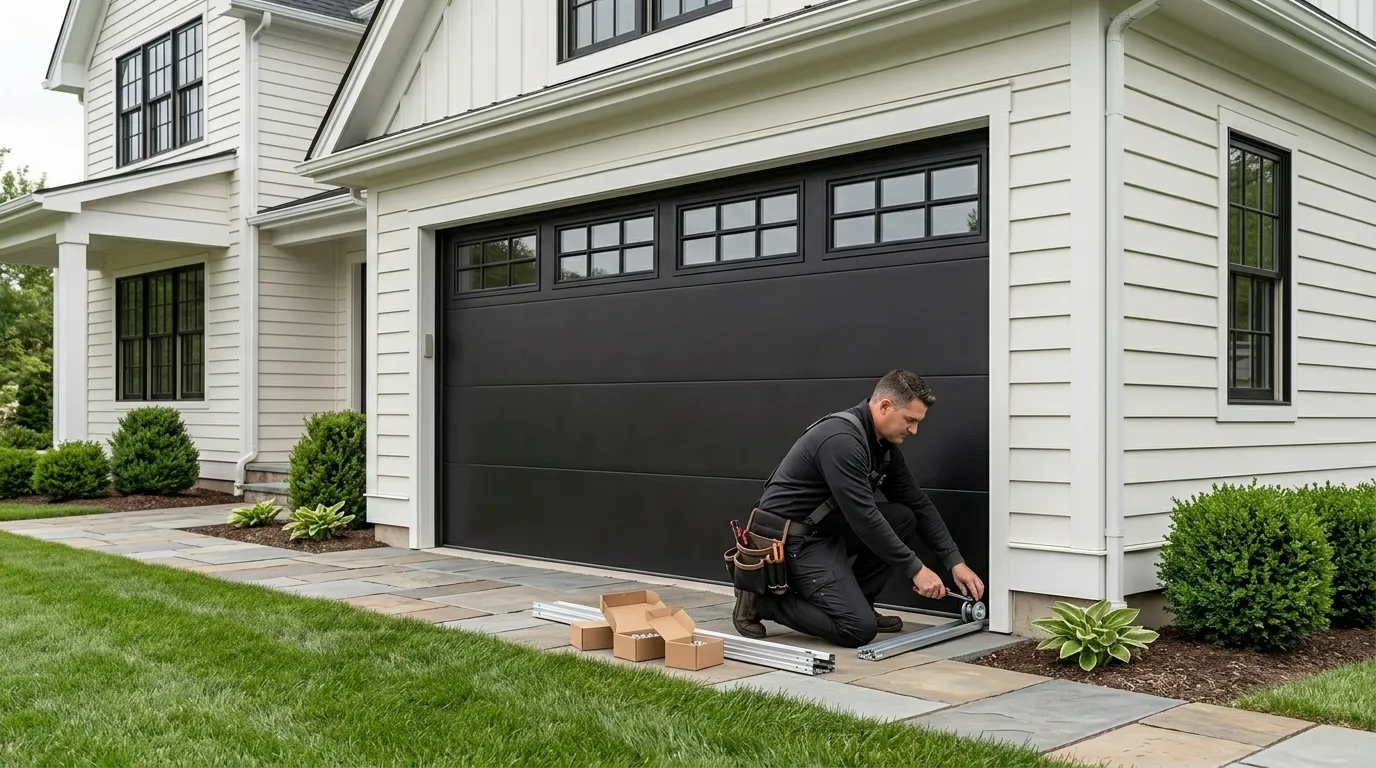
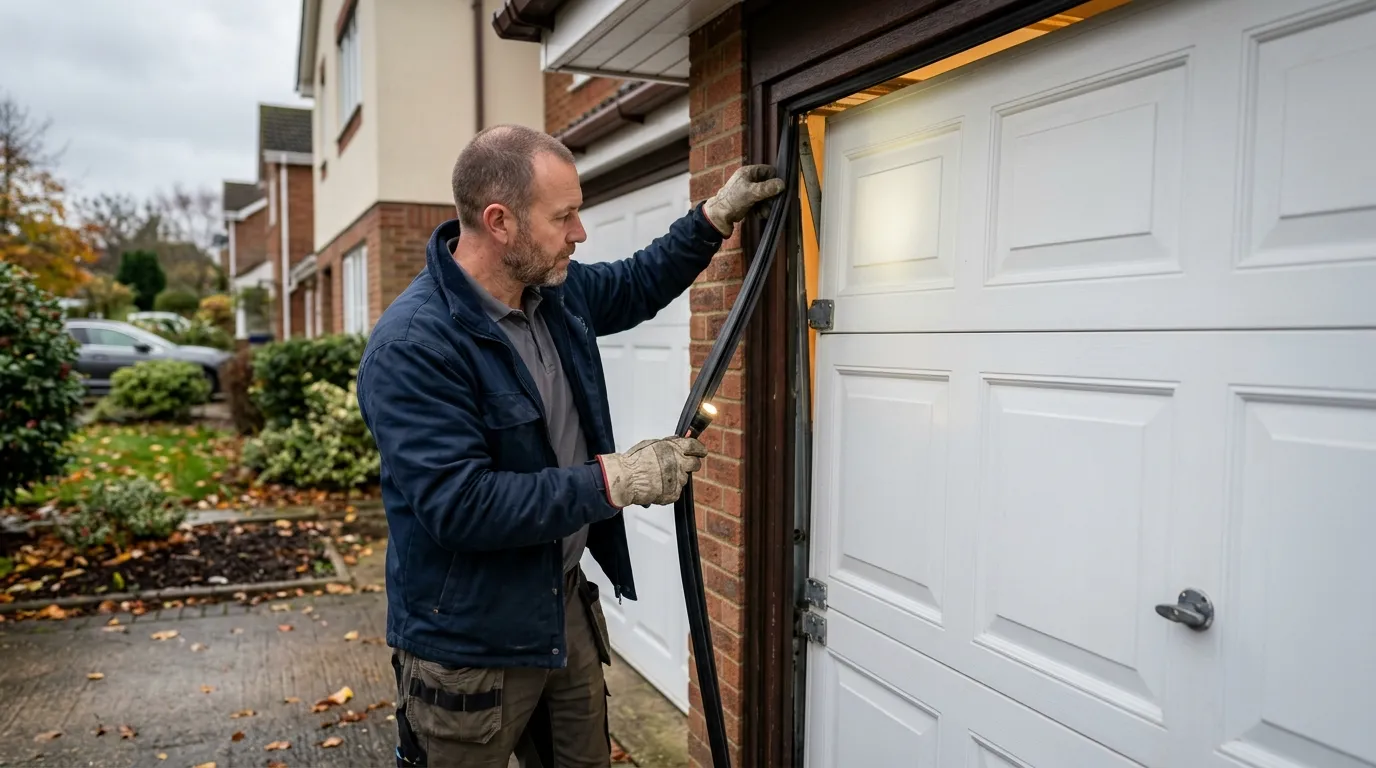
A door installed around 1995 is usually a steel raised-panel unit on torsion or extension springs typical of mid-90s residential construction - not the older side-mounted or one-piece hardware you'd find on a house built in the 1950s or 60s elsewhere in the territory. Springs from that era are more standardized and easier to source than the odd-length coils on much older doors, which is good news for repair turnaround. Openers from the same period are more likely to be chain-drive units that have since been swapped at least once, so we often find a mix of original track hardware paired with a newer opener. Winters here still fall in the same cold-moderate band as the rest of the region, so weatherstripping and cold-stiffened springs are still a seasonal issue, just on newer bones than you'd see on an older block.
What Was Built Here
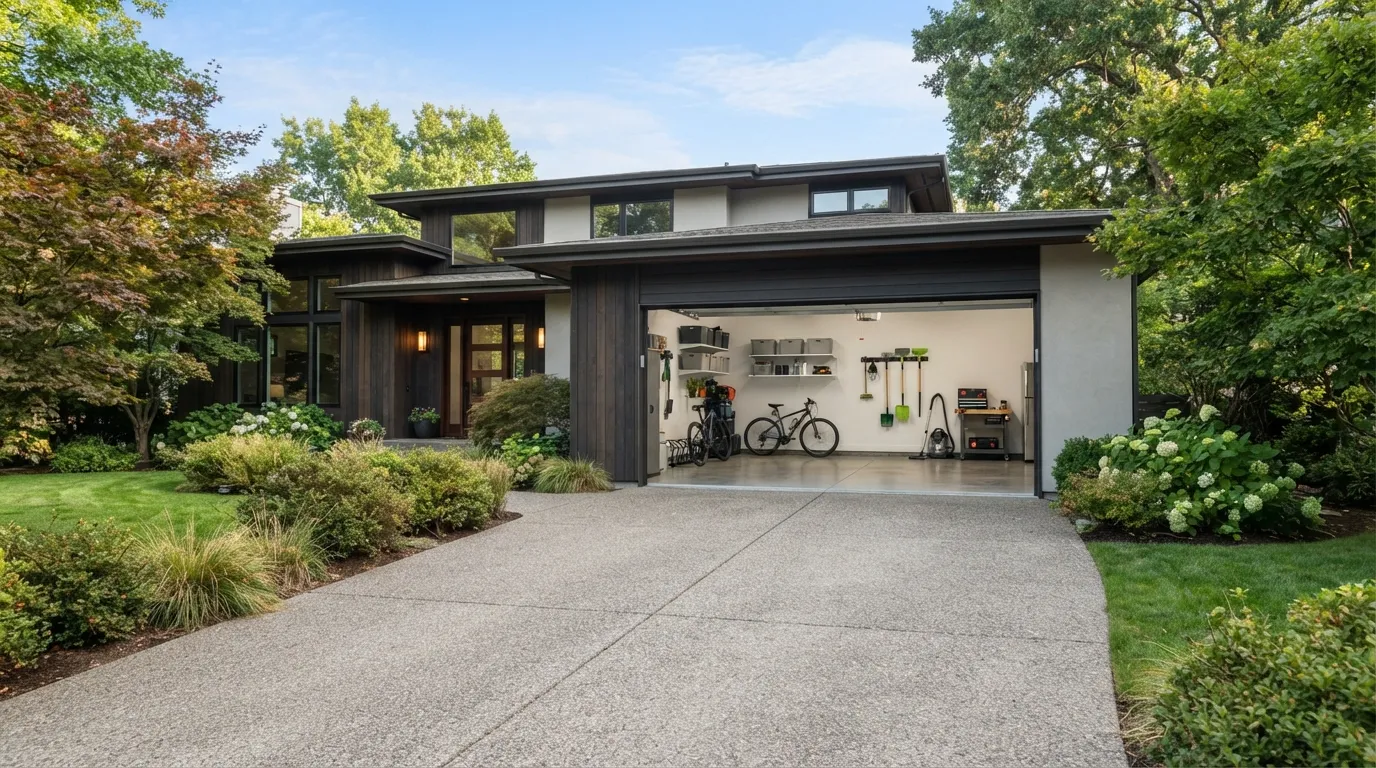
The short version: Round Lake Park was largely built out later than most of the neighborhoods we cover from Northbrook. A median year of 1995 puts the bulk of the housing stock into an era of steel sectional doors and torsion hardware that's still common today, not the aging one-piece or wood-panel doors you find in older pockets of the wider area.
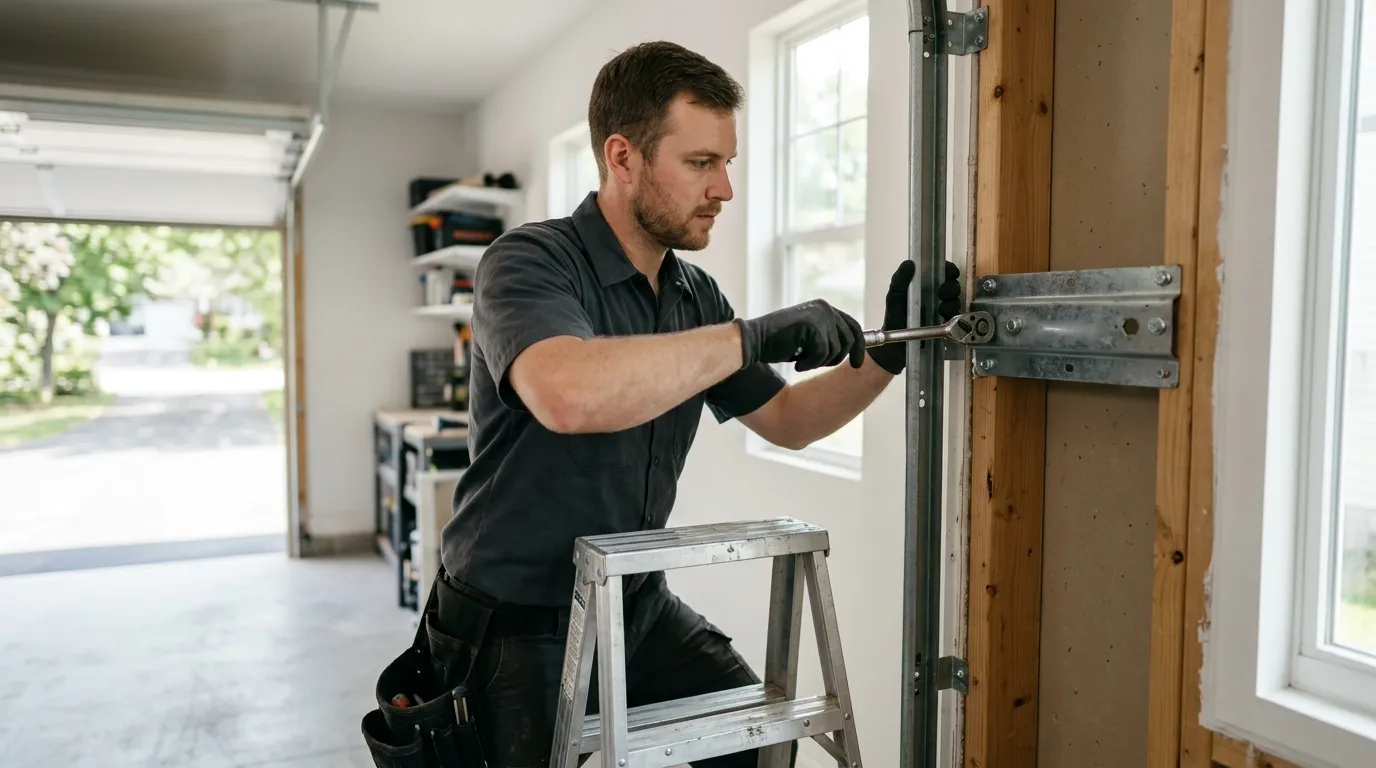
That doesn't mean nothing here needs work - 30 years is enough time for springs to fatigue, rollers to wear out of round, and openers to need a logic board or sensor replaced. It just means the failure patterns skew toward wear-and-tear on standard hardware rather than the parts-sourcing headaches that come with a door built decades before 1974. When we're on-site here, we're usually troubleshooting a spring, a track alignment, or an opener - not hunting down a discontinued panel.