How We Get to You
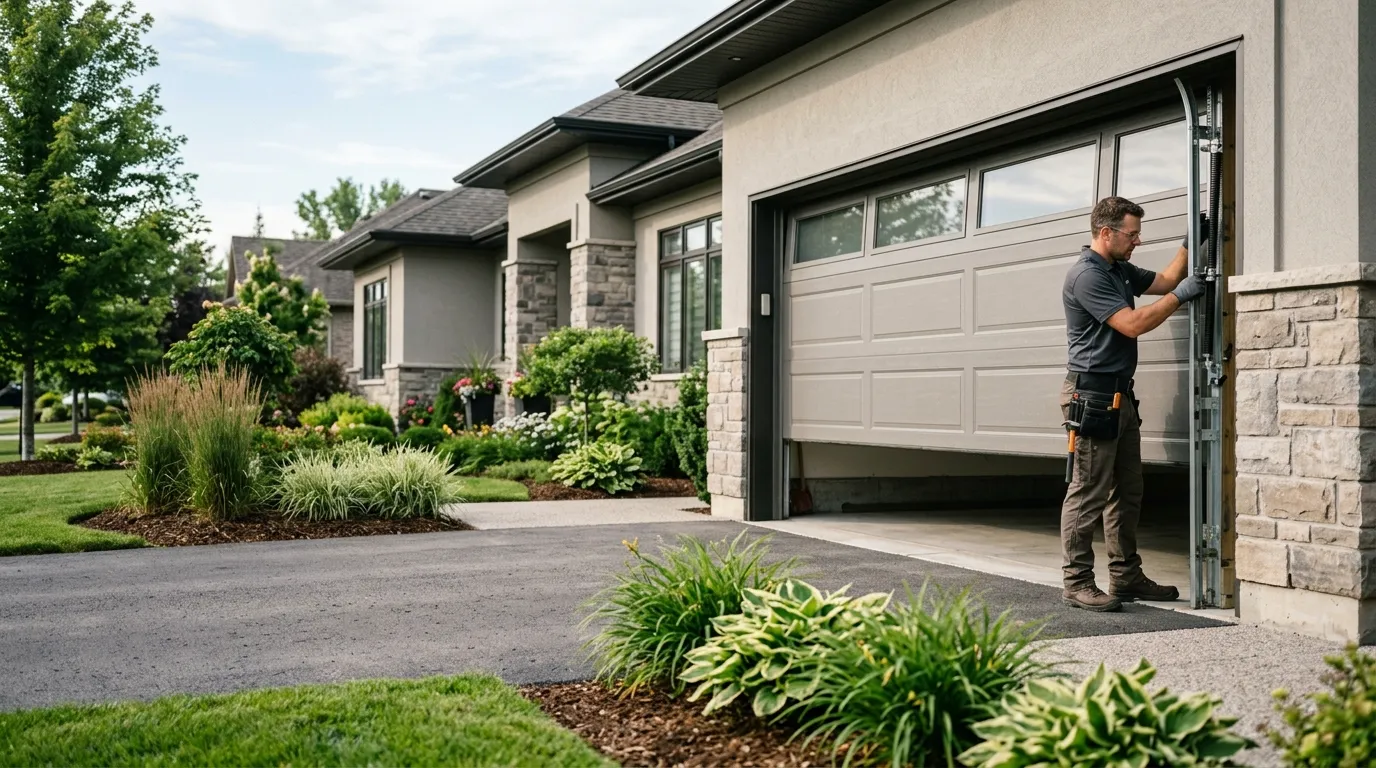
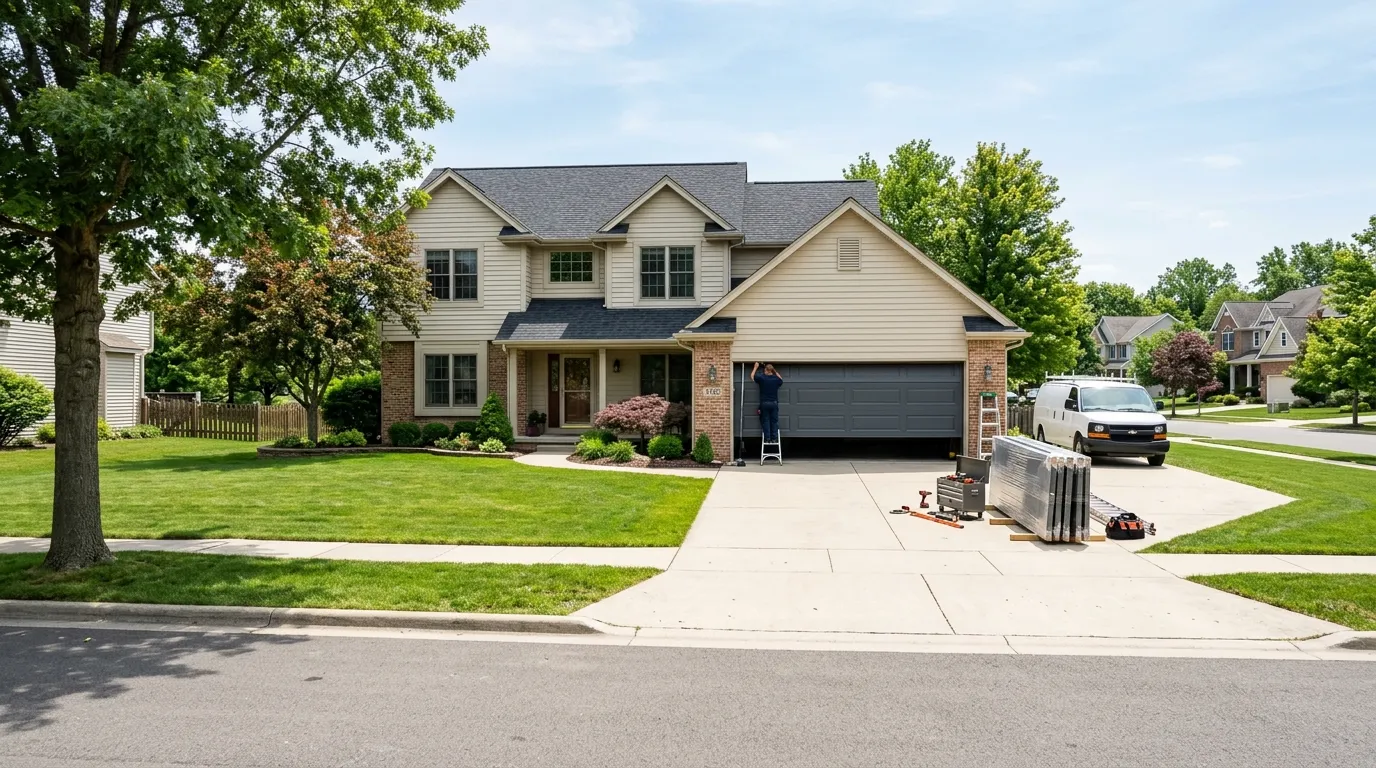
South Barrington sits about 17 miles from our Northbrook shop, which puts it near the outer edge of where we run trucks. Compare that to a stop like Northfield, four miles out, or Winnetka at five - those are quick hops. South Barrington is a real drive, and we plan the day around it rather than squeezing it between closer jobs. We don't keep a depot or a second location here; every truck that shows up came from Northbrook that morning. That means we're upfront about scheduling a specific window rather than promising a same-hour arrival, because 17 miles of Chicago-area traffic doesn't always cooperate. If your spring lets go on a Tuesday morning, we'd rather tell you honestly when we can get there than guess wrong.
What That Means for Doors
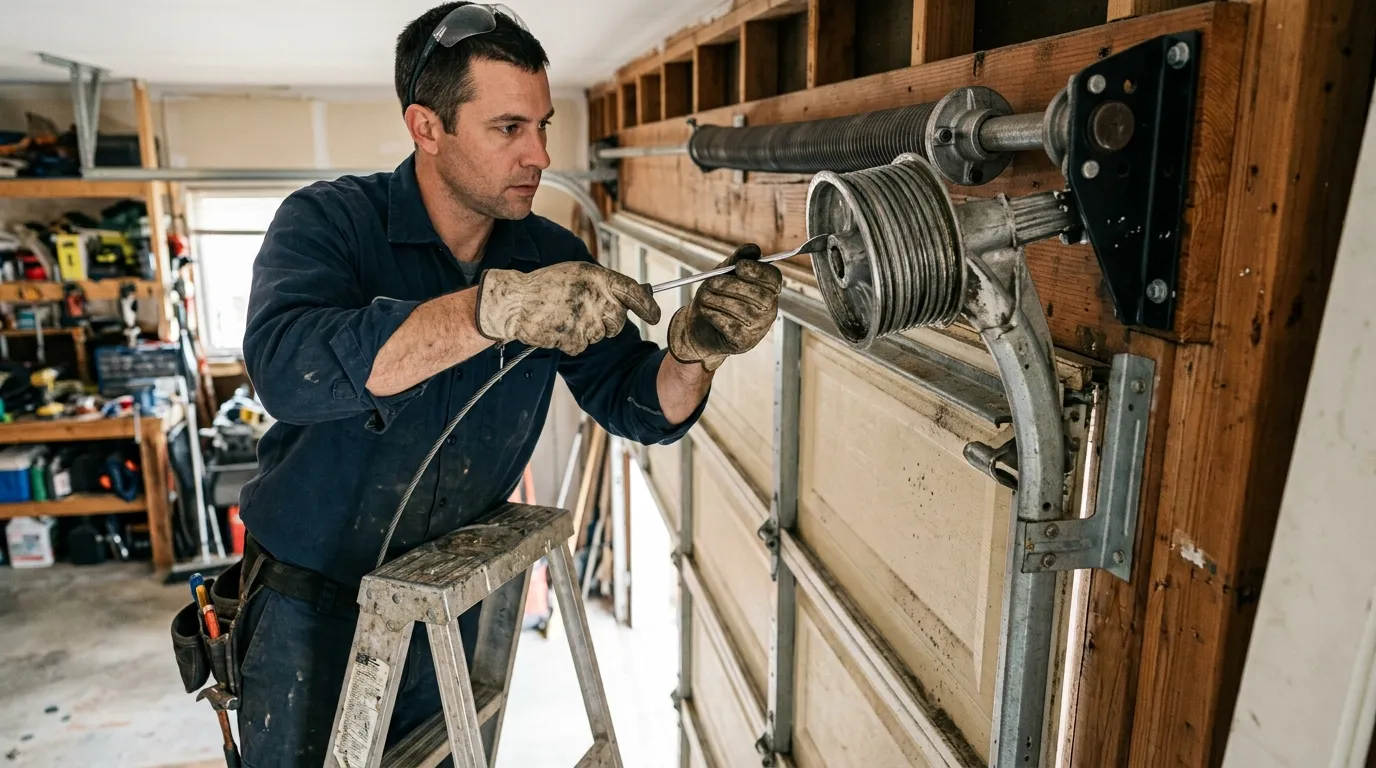
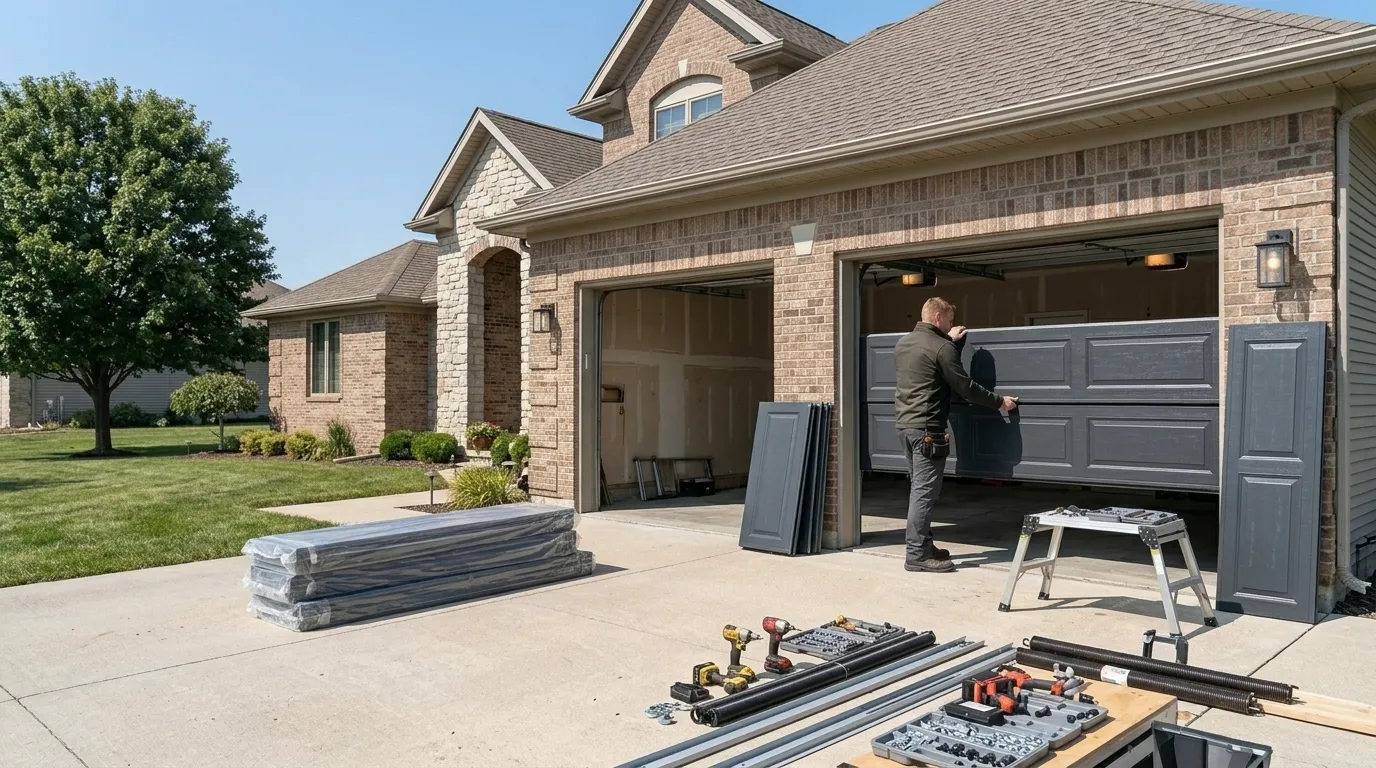
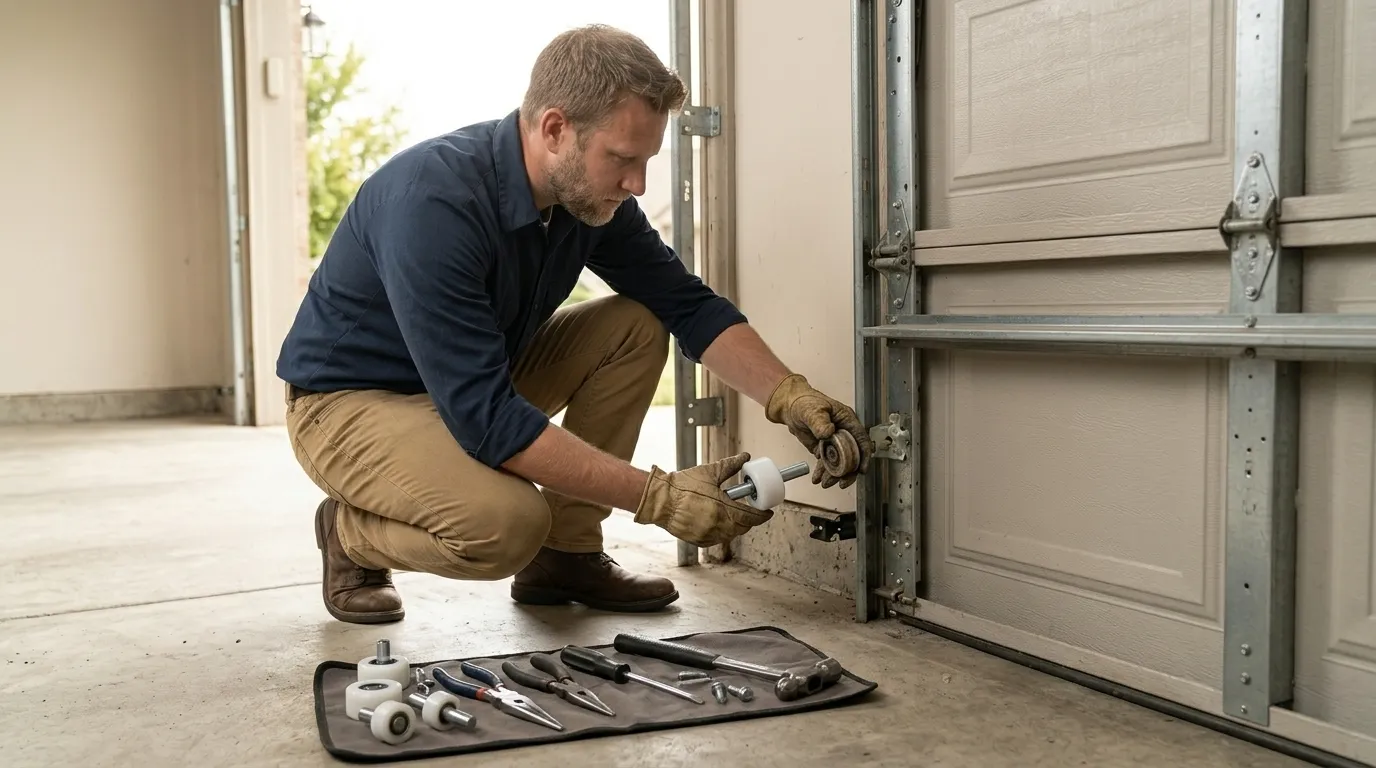
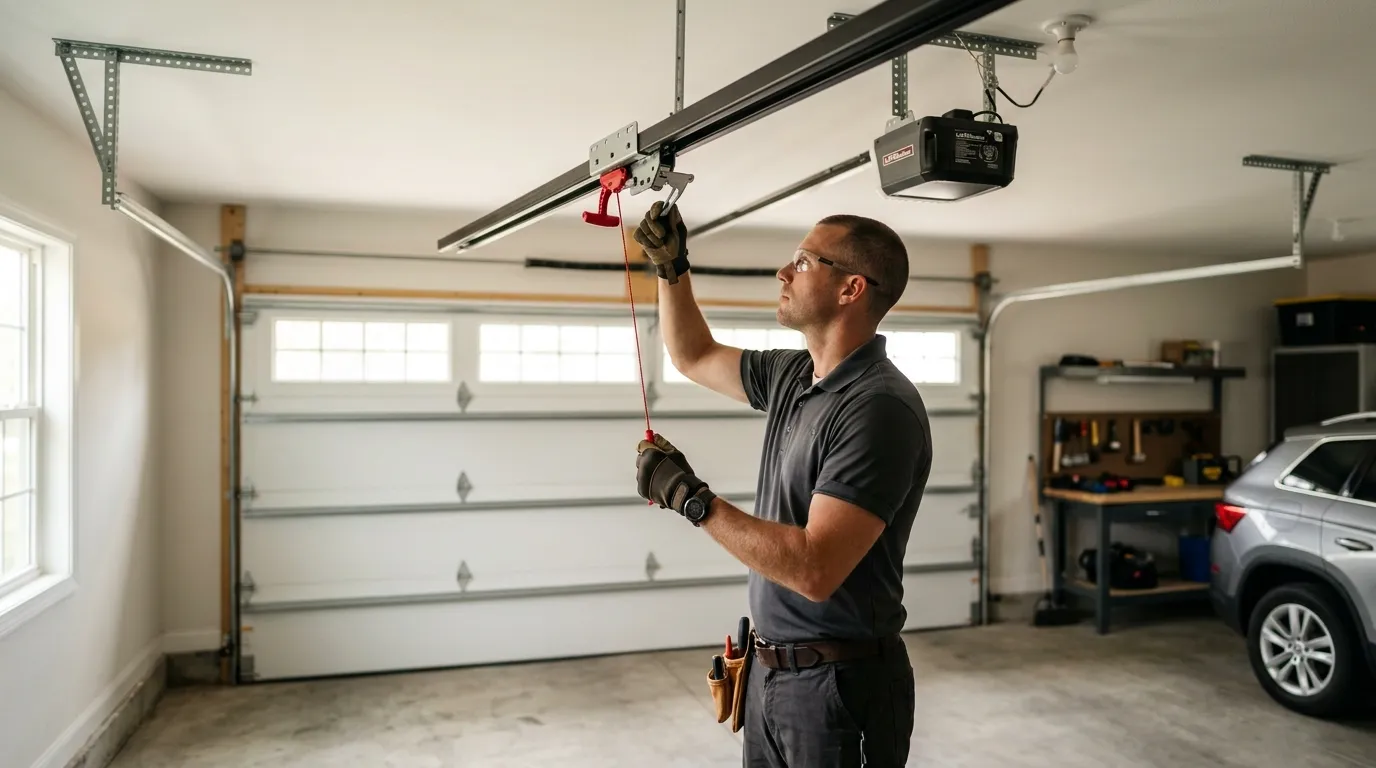
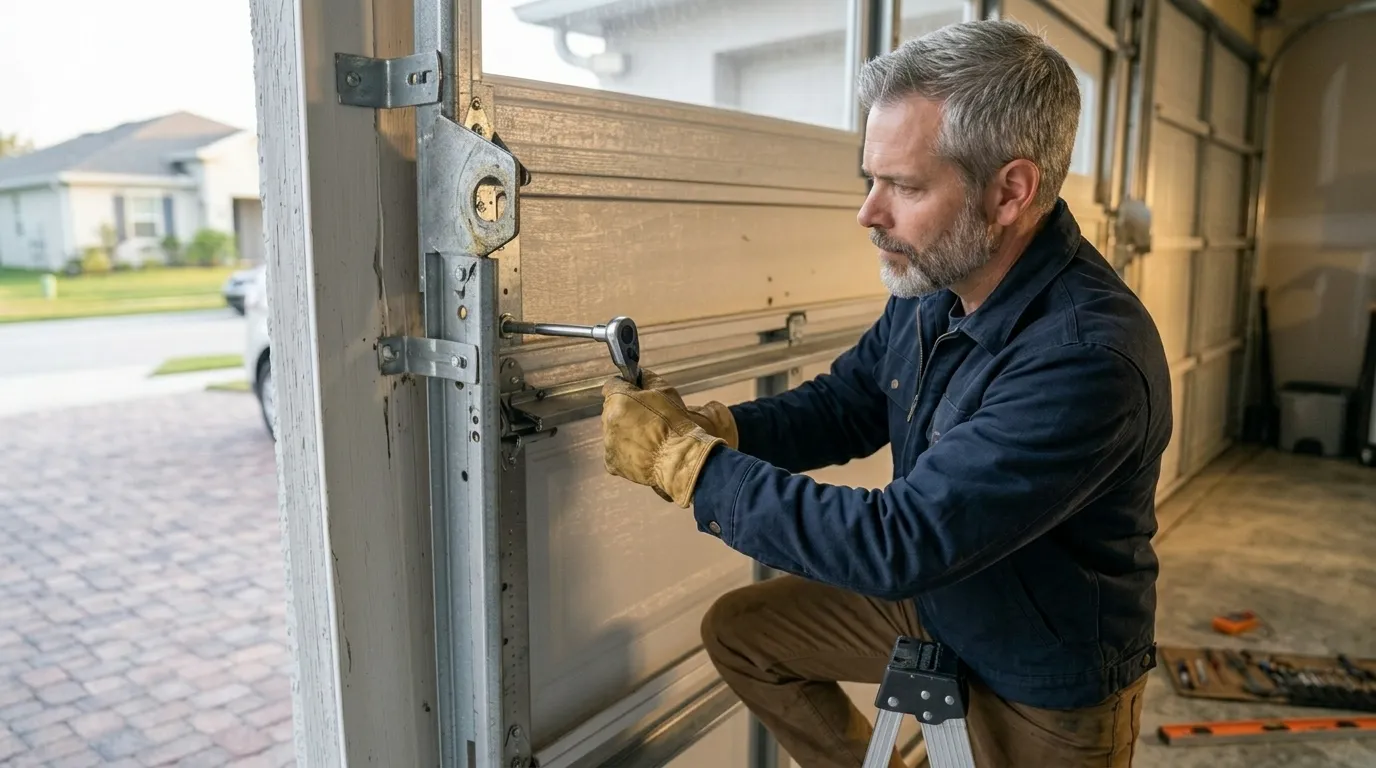
The median home in South Barrington was built around 1994 - two decades newer than the typical house across the rest of our coverage area, where the median build year sits closer to 1974. That gap matters more than it sounds. A 1994 door is almost certainly a factory steel or fiberglass raised-panel unit on a torsion spring system that already meets modern safety standards, not the older extension-spring setups or one-piece doors we still find on the 1960s and '70s housing stock elsewhere. Rollers here are more likely nylon than steel, and openers are more likely chain or belt drive with a photo-eye sensor already wired in, since that hardware became standard through the '90s. Our cold-moderate climate still hardens grease, stiffens springs, and shrinks weatherstripping every winter regardless of the door's age, so seal and lubrication calls are common here too. What's different is we're rarely swapping out an original spring from four decades ago - the failures we see tend to be newer-generation parts reaching the end of a normal service life, not obsolete hardware nobody stocks.
What Was Built Here
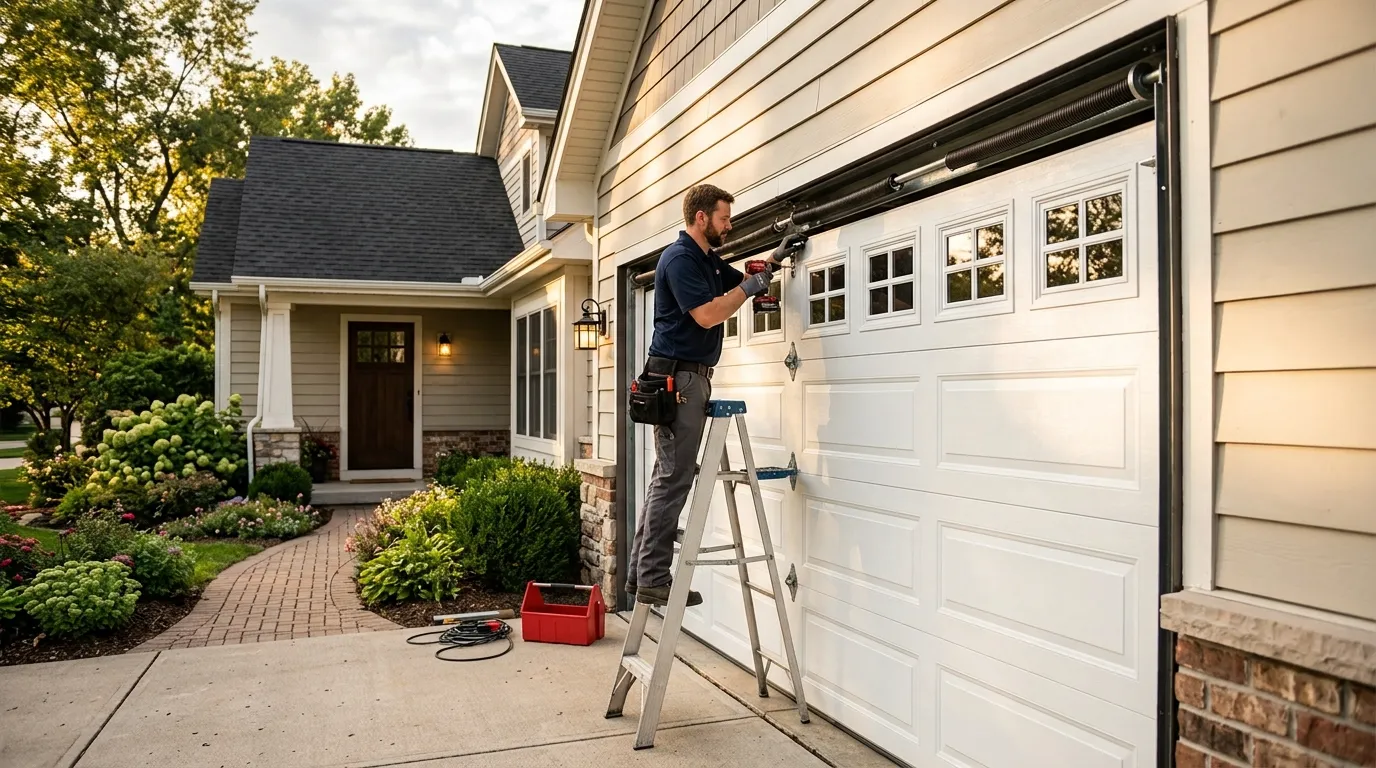
With a median construction year around 1994, South Barrington's housing stock reflects a different building era than most of what surrounds Northbrook, where homes typically date to the 1960s and '70s within a broader range running from 1938 to 1996. Doors installed when these houses went up were already required to meet more current torsion-spring safety practices, and insulated steel sections were common rather than the thin single-layer panels found on older builds. That doesn't mean nothing breaks - cables fray, torsion springs still fatigue after thousands of cycles, and openers from the '90s and early 2000s are now old enough that circuit boards and logic units can fail outright rather than just needing a sensor realignment. We'll tell you plainly when a board or opener from that era isn't worth chasing parts for and a full replacement is the better call.