How We Get to You
Streamwood sits about 19 miles out from Northbrook, which makes it the farthest stretch of ground we cover on a regular basis. We don't keep a truck stationed here, and we won't tell you we do - every job starts with a drive down from Northbrook. That means we schedule Streamwood calls with the trip in mind rather than treating it like a five-minute hop, and it's worth knowing up front if you're calling for something urgent. We still take the call. We just want you to know the honest shape of it: a longer lead time than a customer four miles from our shop would get, and a better chance we can bundle your job with another one nearby on the same run. If you need same-day work and we can't make the math work that day, we'll tell you straight rather than promise a window we can't hit.
What That Means for Doors
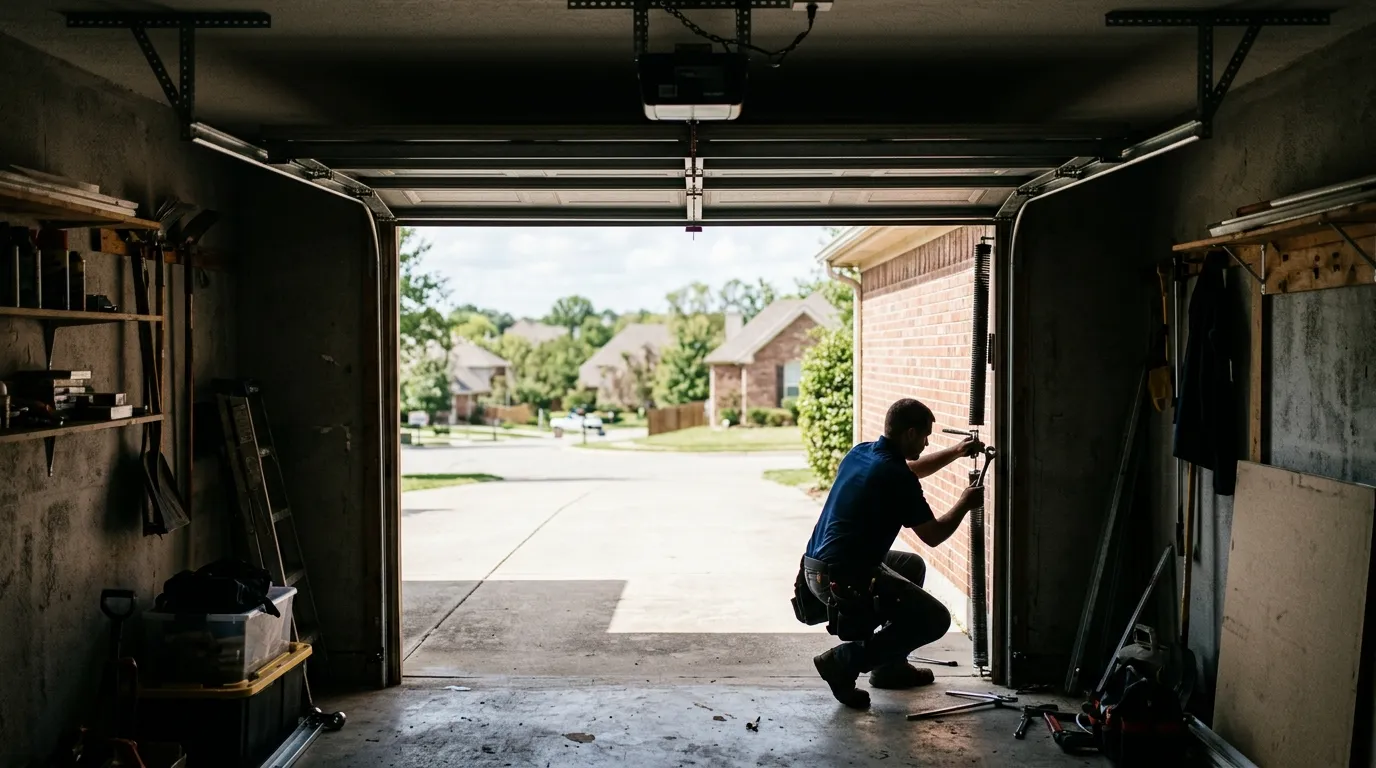
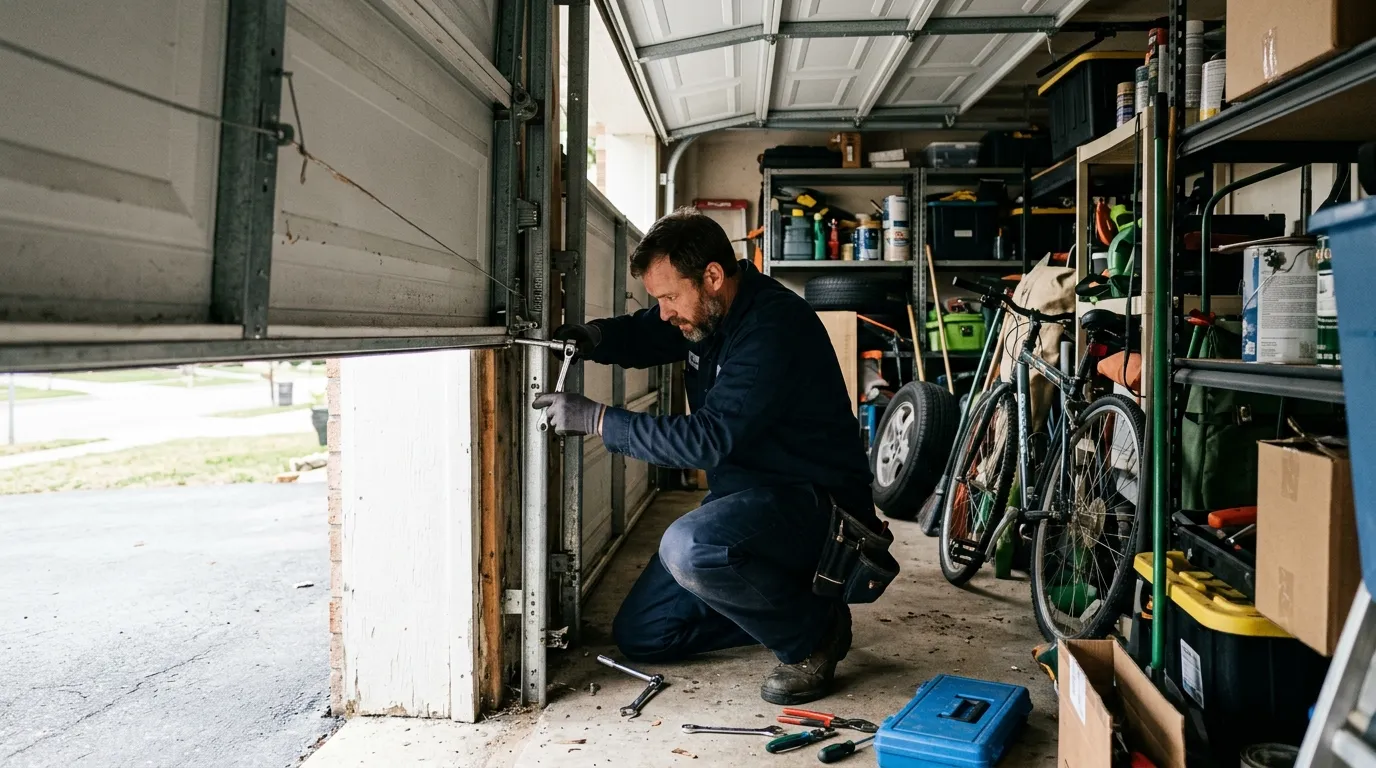
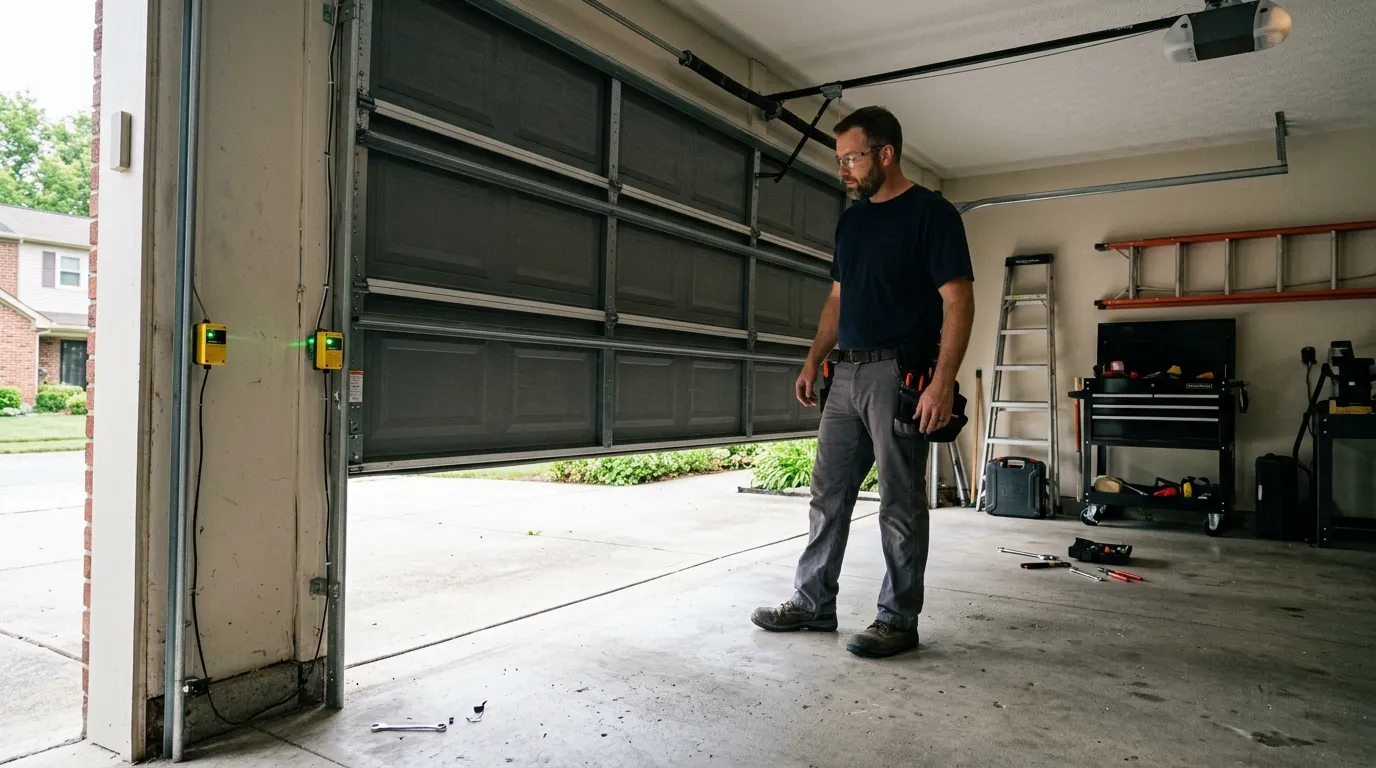
The median home in Streamwood went up in 1981 - a good seven years newer than the 1974 median across the whole territory we serve. That gap matters more than it sounds. Houses from this era typically shipped with steel roll-up sectional doors running on extension springs mounted along the horizontal track, not the older one-piece or torsion setups you find on 1960s stock closer to Northbrook. Extension spring systems fail differently: the springs stretch and fatigue rather than wind and snap, and the safety cables that keep a broken spring from whipping across the garage are a retrofit on a lot of these doors rather than a factory part. If your door is original to a 1981-built house, the opener is almost certainly a later add-on, since garage door openers weren't standard equipment in this price range at that build date. We're working with steel panels, extension coils, and aftermarket openers here more often than the older torsion drums and wood panel doors we see on the earlier side of the territory.
What Was Built Here
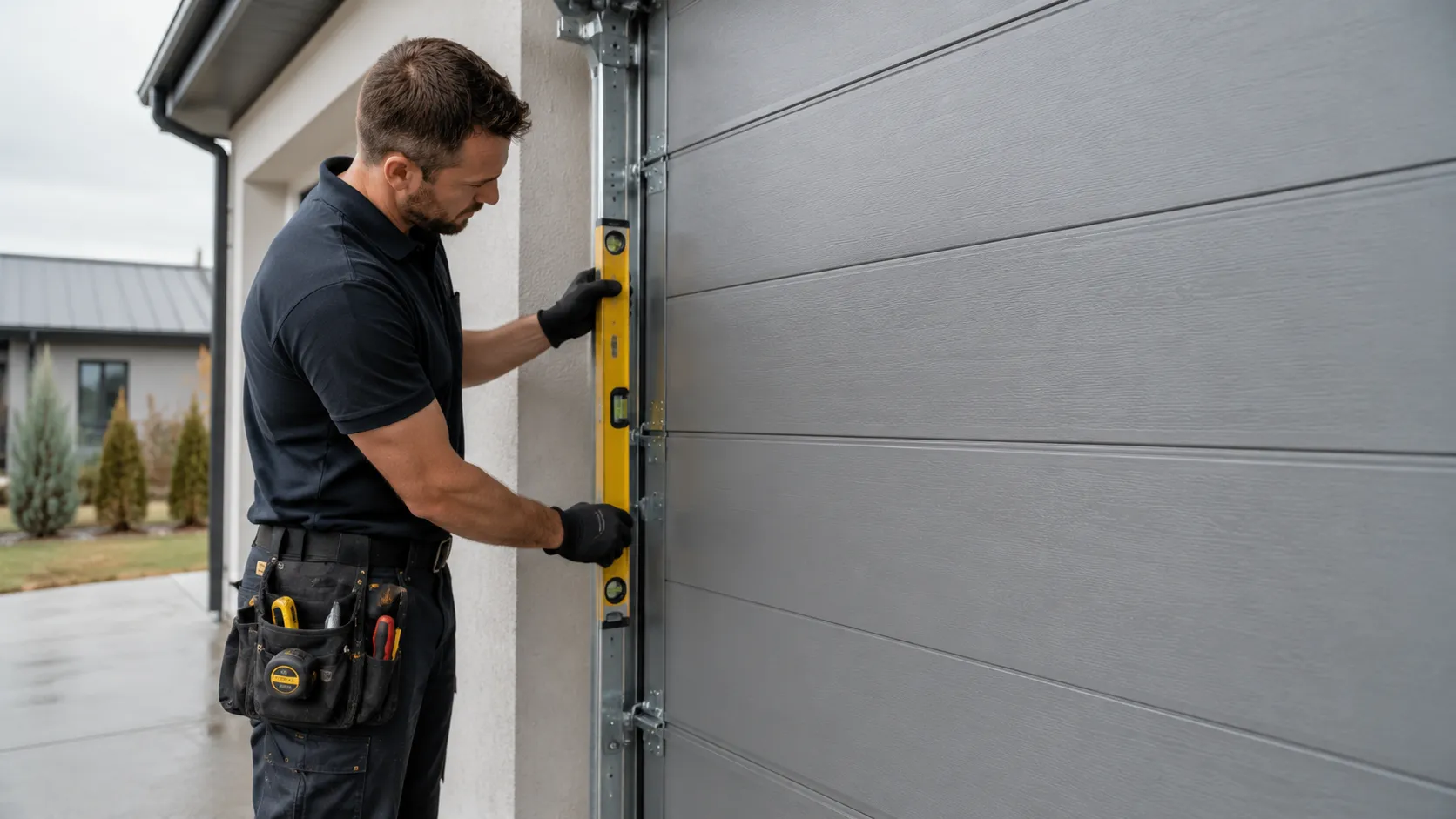
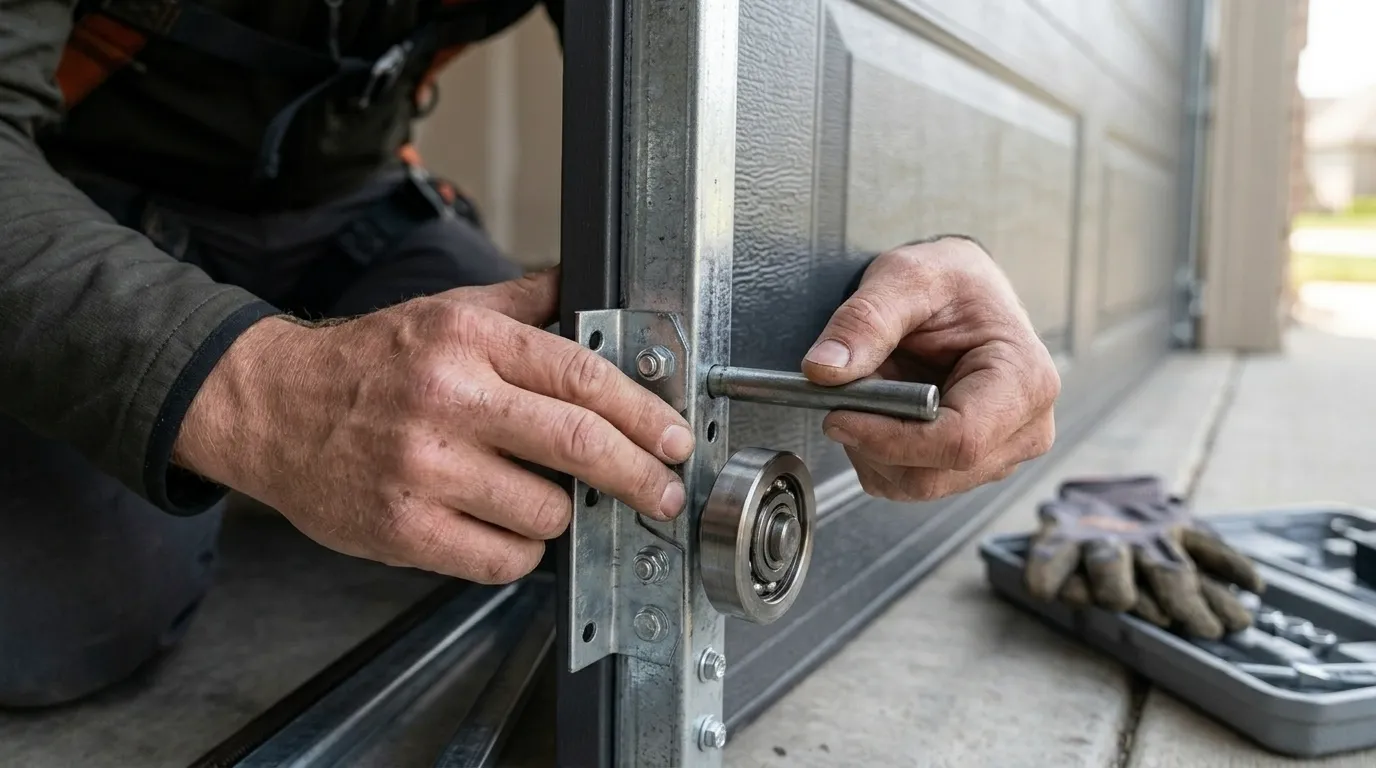
Across the wider service area, housing runs from 1938 to 1996 with a median around 1974, and most of the stock in the 61 named communities we cover dates to the 1960s and '70s. Streamwood breaks from that pattern - its own median build year is 1981, putting it on the newer end of what we see. That decade shift shows up in the doors themselves: steel construction instead of wood, extension springs instead of torsion, and garage openings sized for the wider two-car layouts that became standard as the area filled in through the late '70s and early '80s. The climate here is the same cold-moderate band as the rest of the territory, so winter still stiffens steel tracks and thickens grease on rollers regardless of when the house was framed. What changes with the build year is the hardware you're actually replacing, not whether the cold gets to it.