How We Get to You
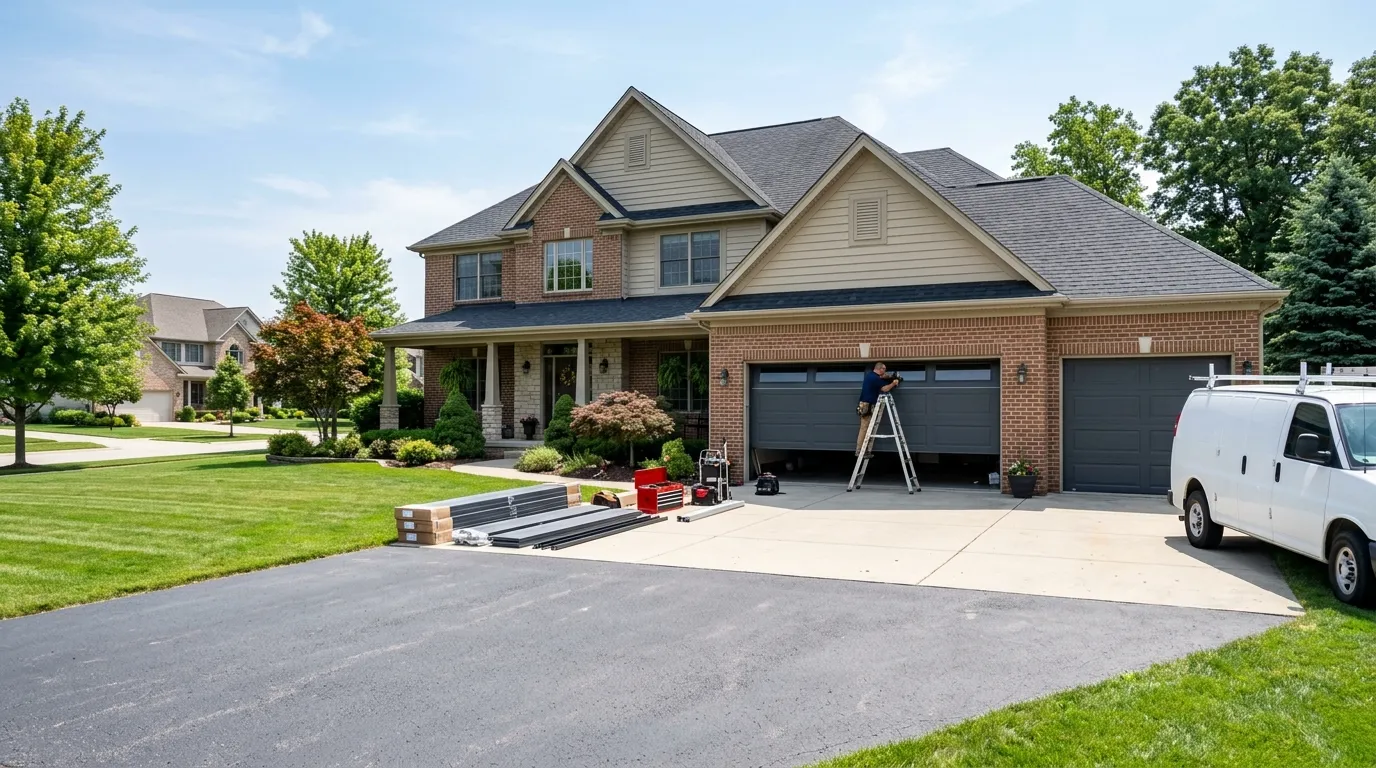
Wauconda sits about 18 miles from our Northbrook shop, out past the closer-in towns we service on the same runs. It's not a same-day-every-day stop the way a job five minutes from the shop is, so when you call, we're scheduling the drive along with the work - tell us what the door is doing and we'll tell you when we can be there. We don't keep a second location out this way. Every truck that shows up at your driveway came from Northbrook, which means we plan the trip, not improvise it. That's worth knowing up front: it affects how fast we can turn around a same-day call versus a job we can pencil in for later in the week.
We don't cover everywhere near Wauconda, and we won't pretend otherwise. If your address falls outside the towns we already run to, say so on the call and we'll tell you straight whether it makes sense for us to come out.
What That Means for Doors
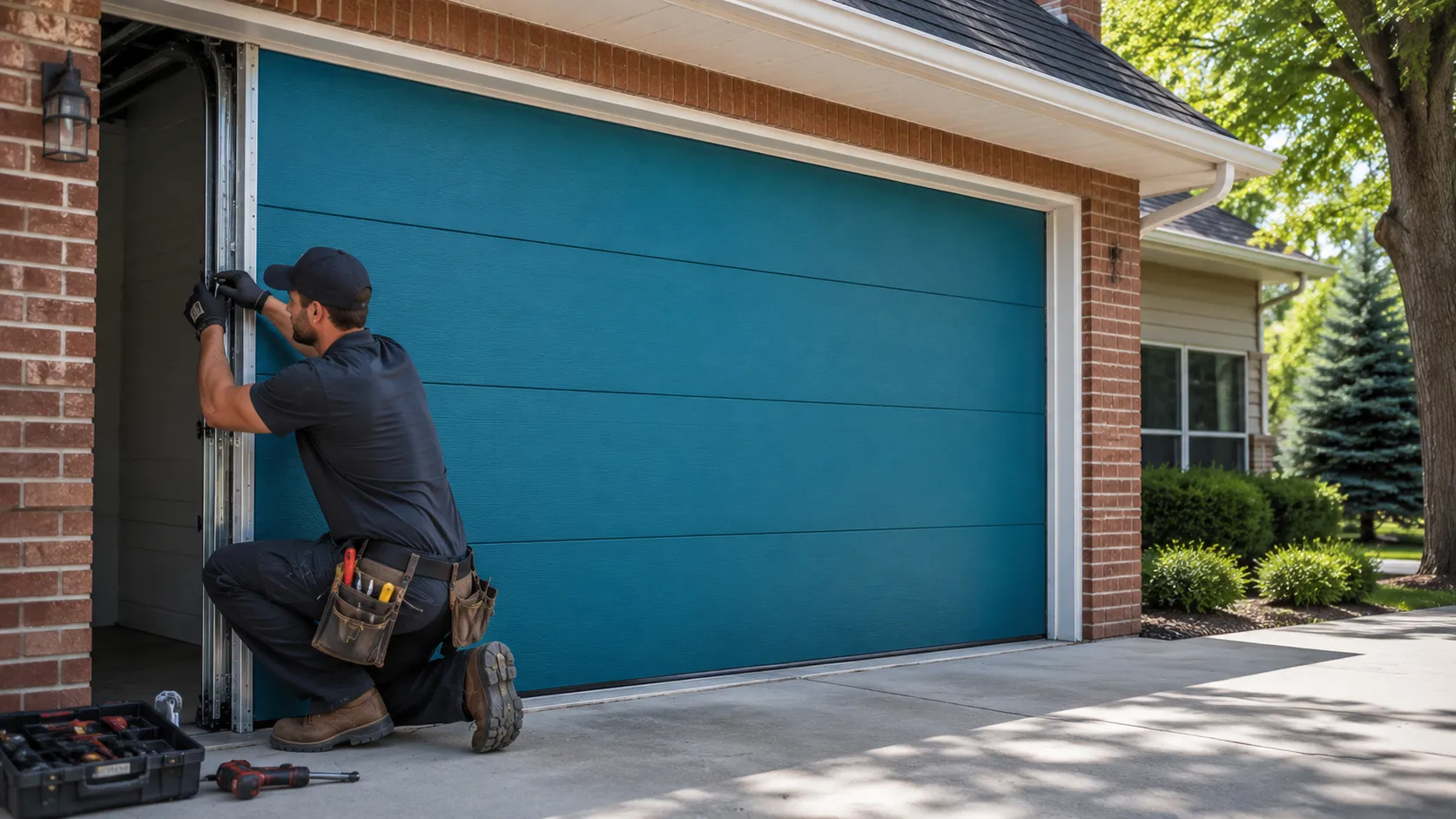
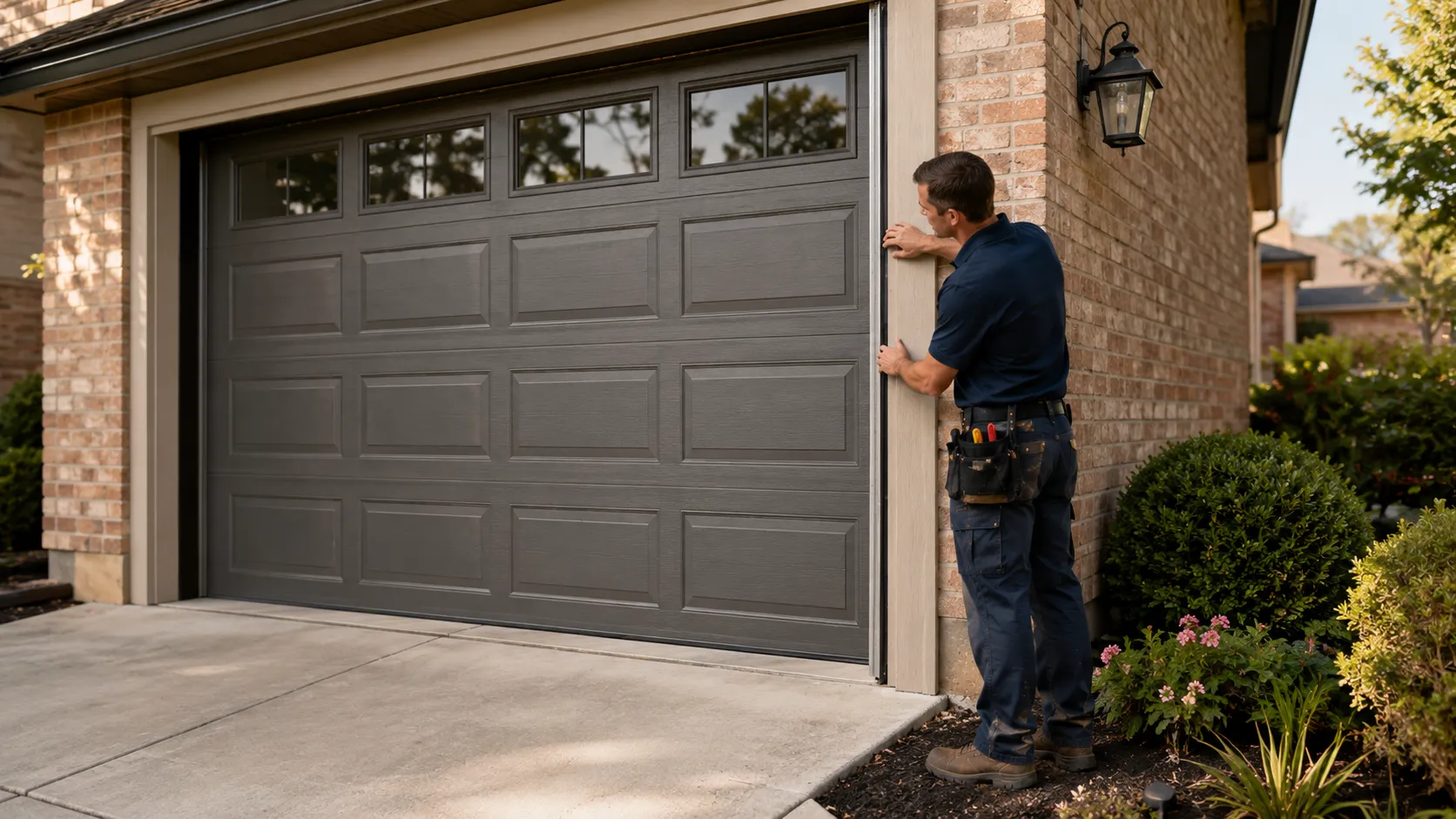
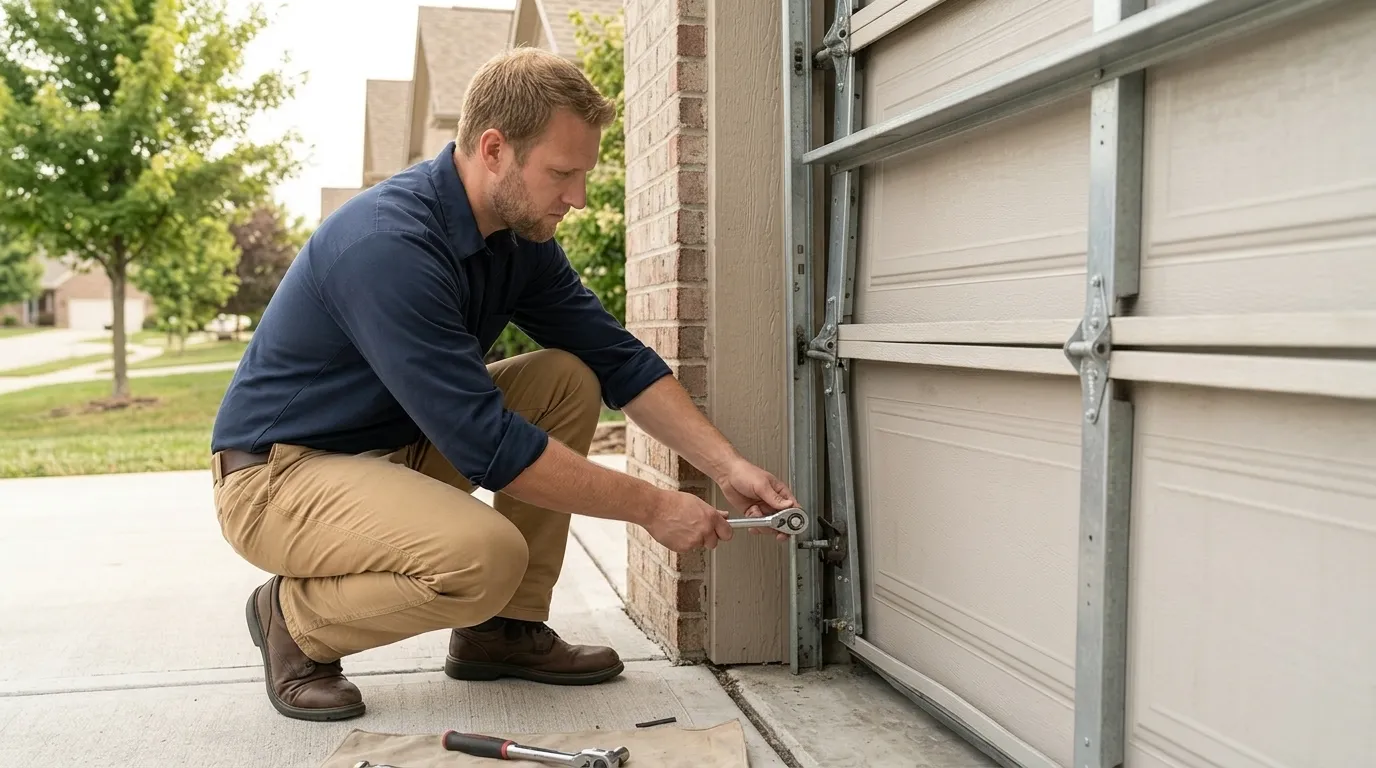
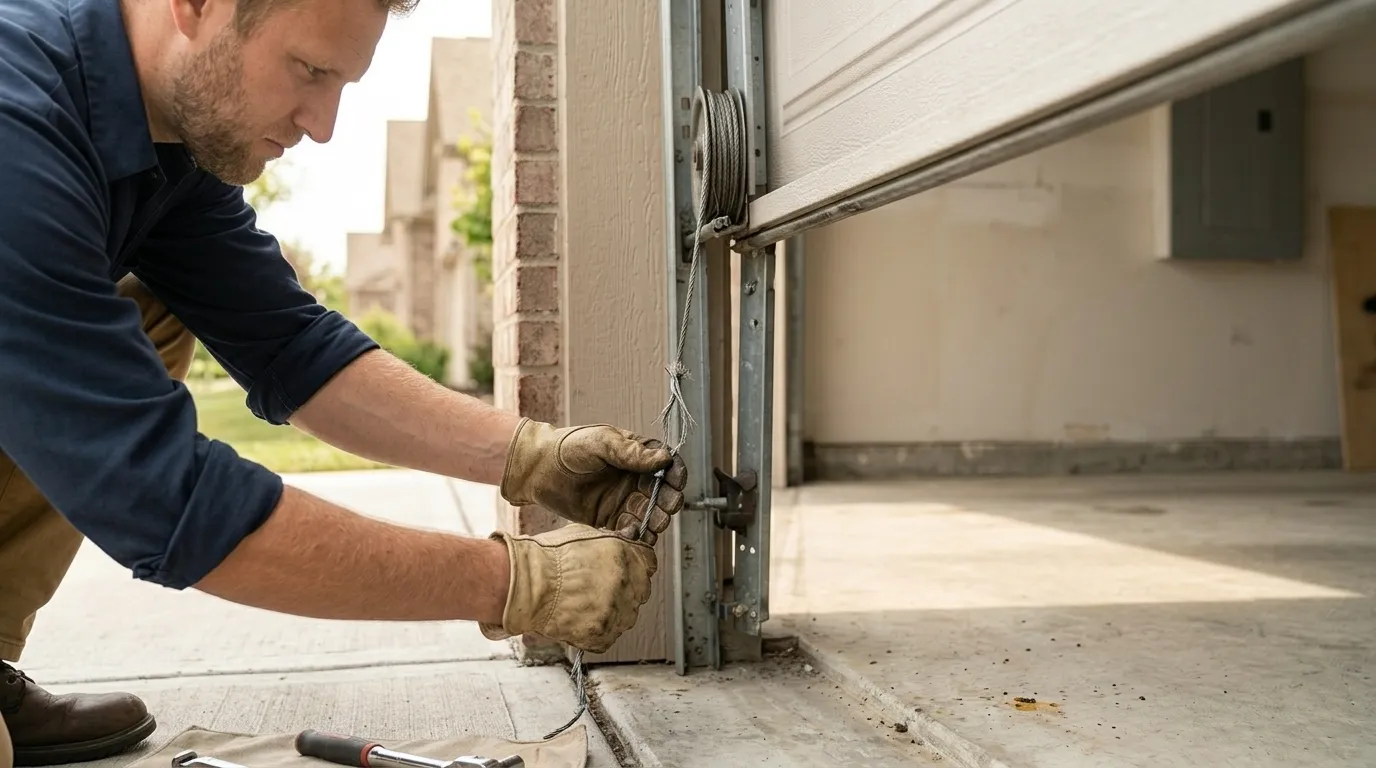
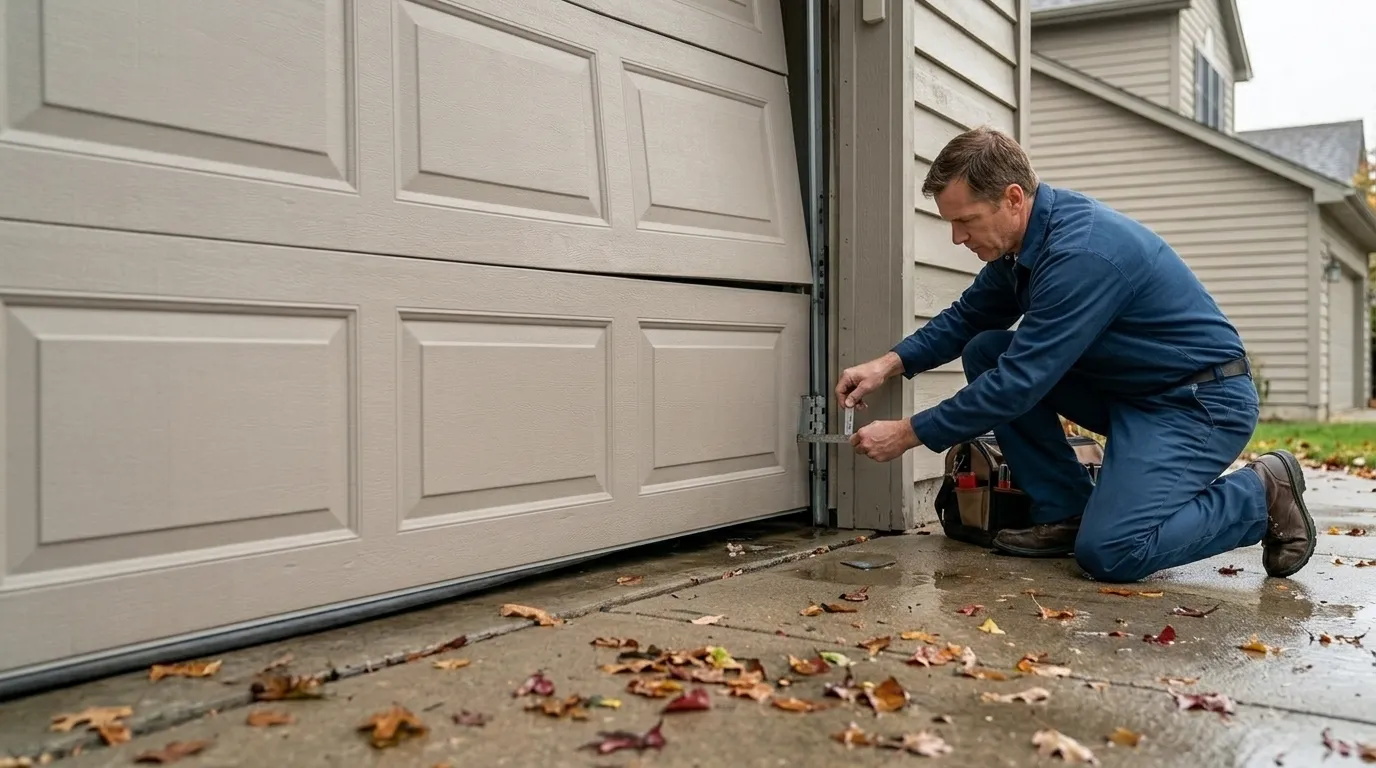
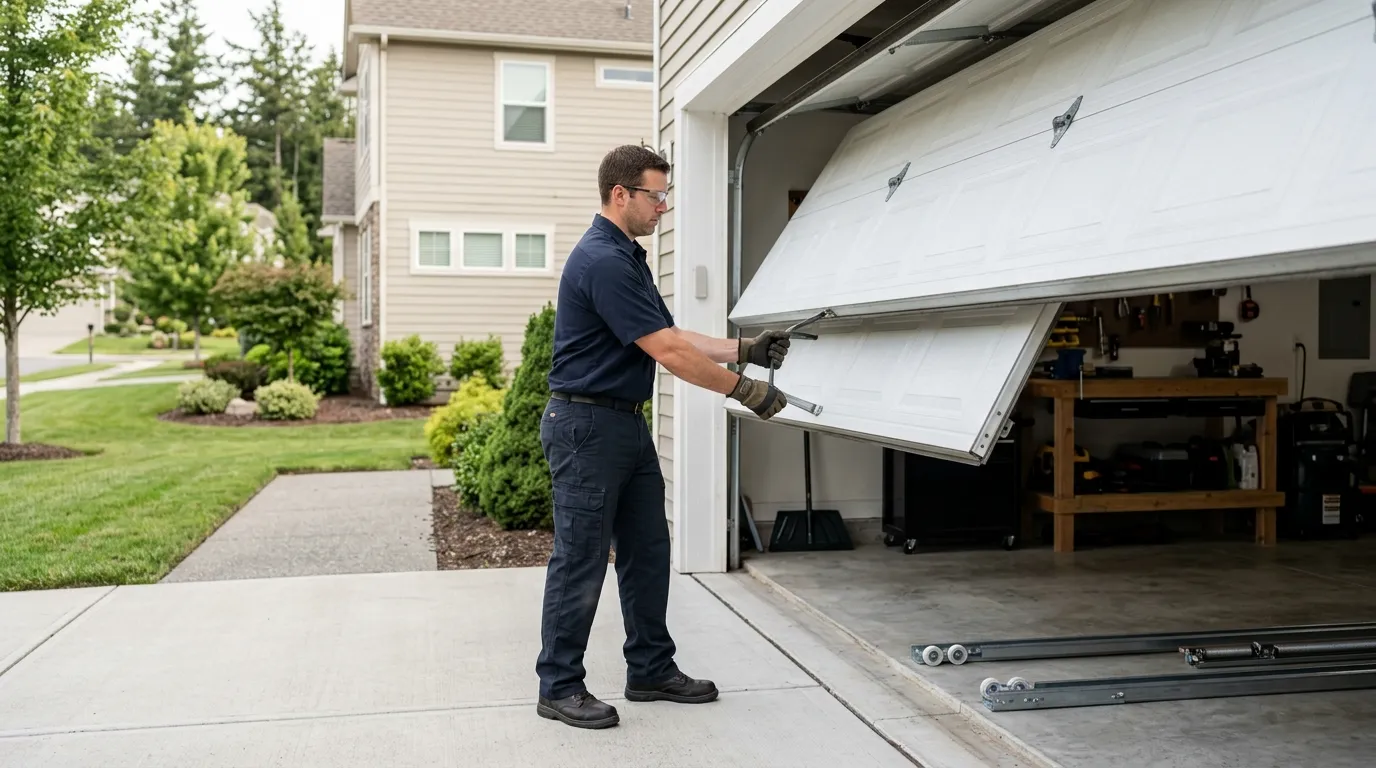
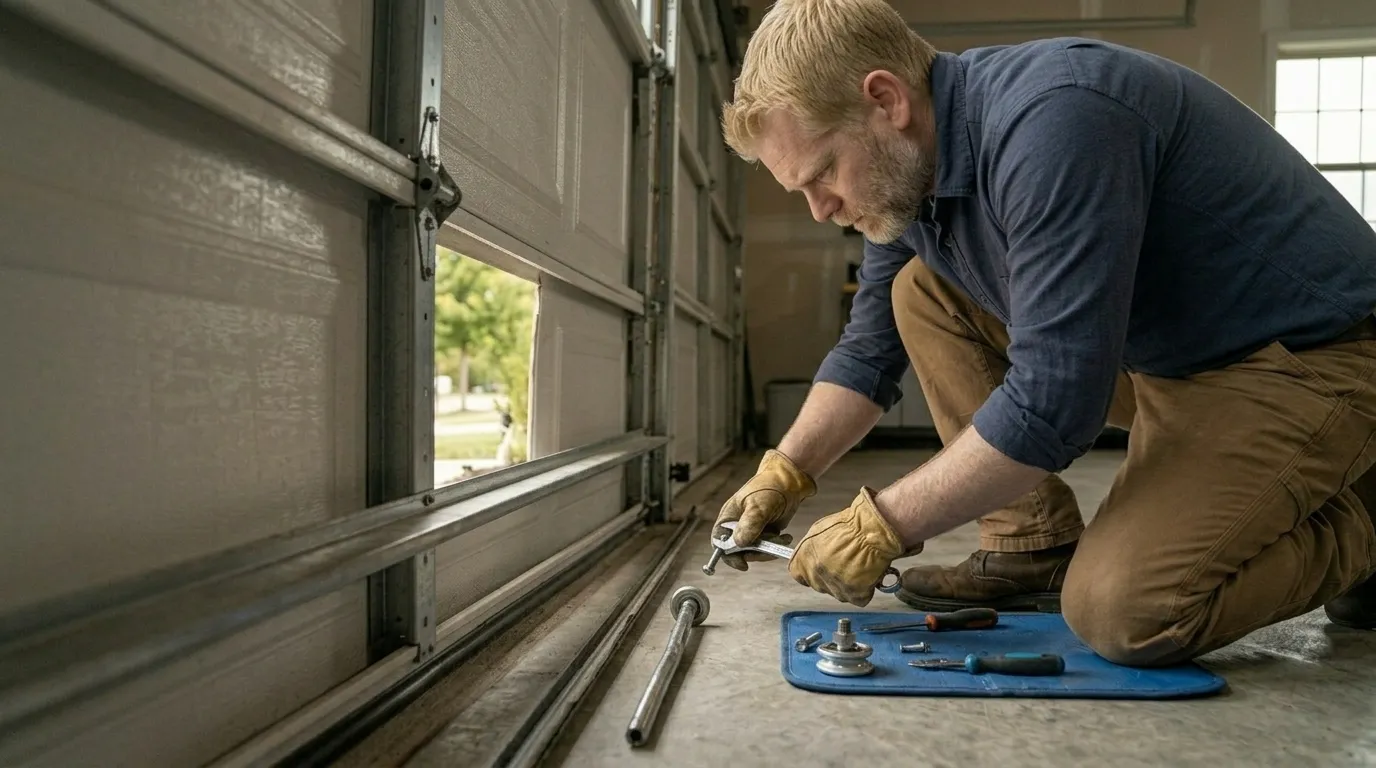
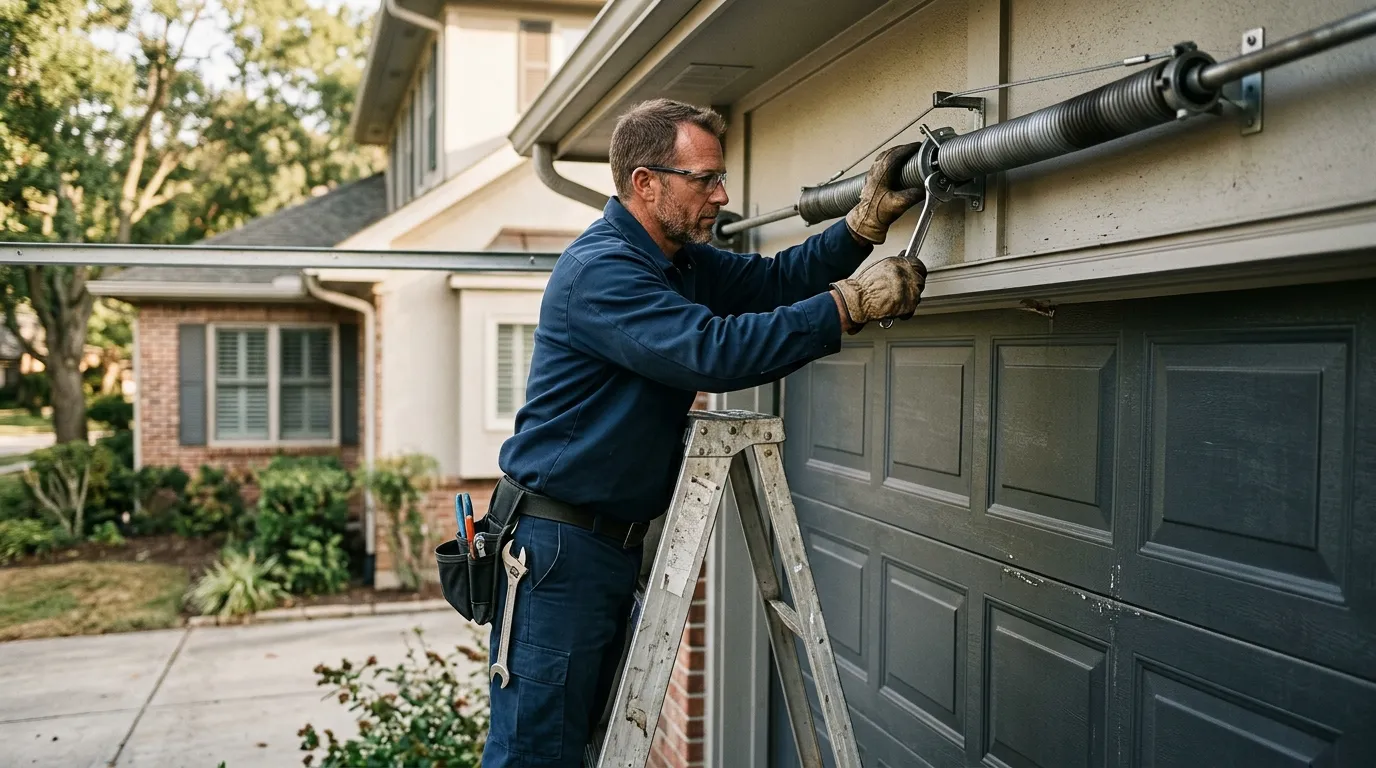
Most of Wauconda's housing dates to around 1990, which puts it a good fifteen to twenty years newer than a lot of what we see closer to Northbrook, where median construction sits around 1974. That gap matters more than it sounds like it should. Homes built in this era mostly came with steel sectional doors on torsion springs rather than the older single-panel or extension-spring setups you find on 1960s and 70s stock - so the failure points are different. You're more likely dealing with a worn torsion spring, a stripped opener gear, or a bent track than with the side-mounted extension hardware that shows up on older builds.
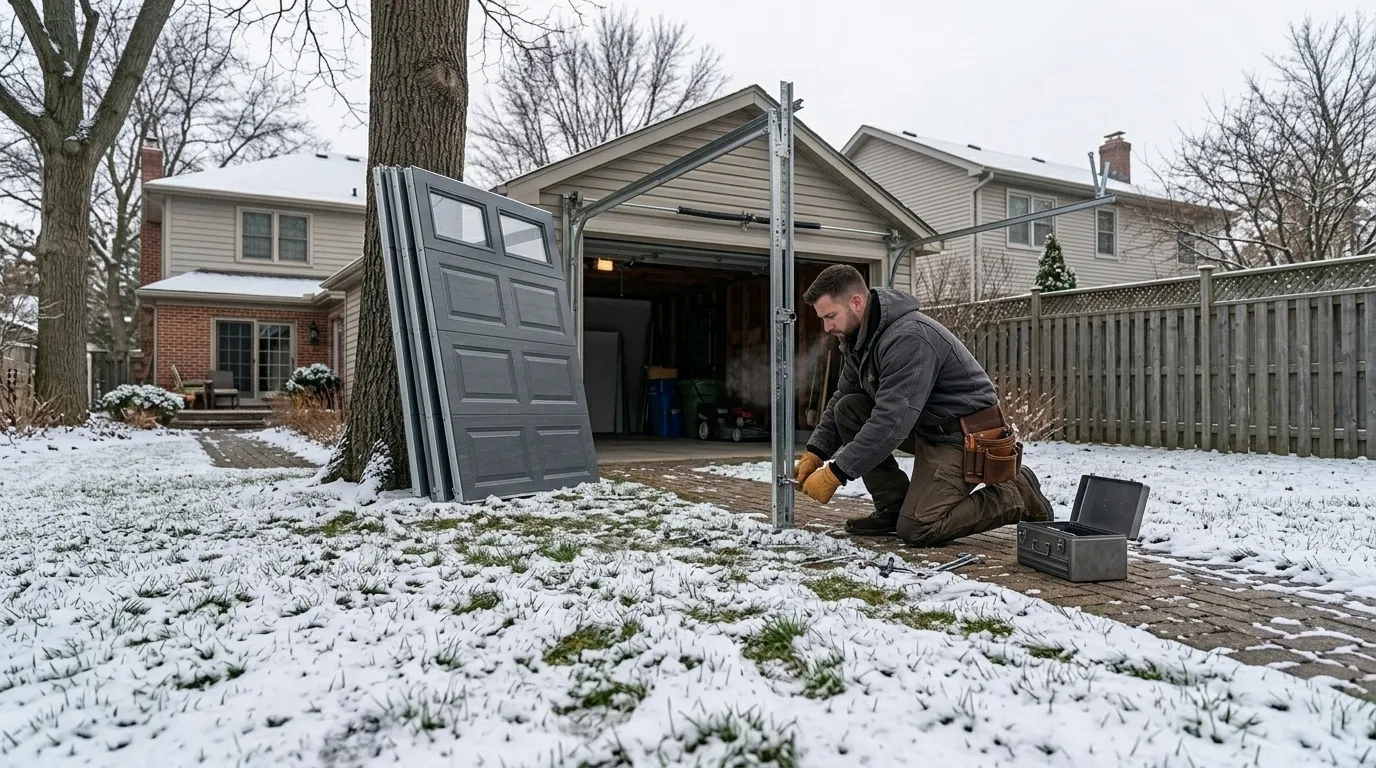
The climate here is the same cold-moderate band as the rest of the region, so the freeze-thaw cycle still stiffens up steel rollers and thickens old grease every winter regardless of when the house went up. What changes with the newer stock is less the weather stress and more what's actually bolted to the header - newer track hardware, more doors with factory-installed openers rather than retrofits. When we come out, we're not guessing at a 1970s panel door; we're expecting sectional steel and torsion springs, and that shapes what's on the truck.
What Was Built Here
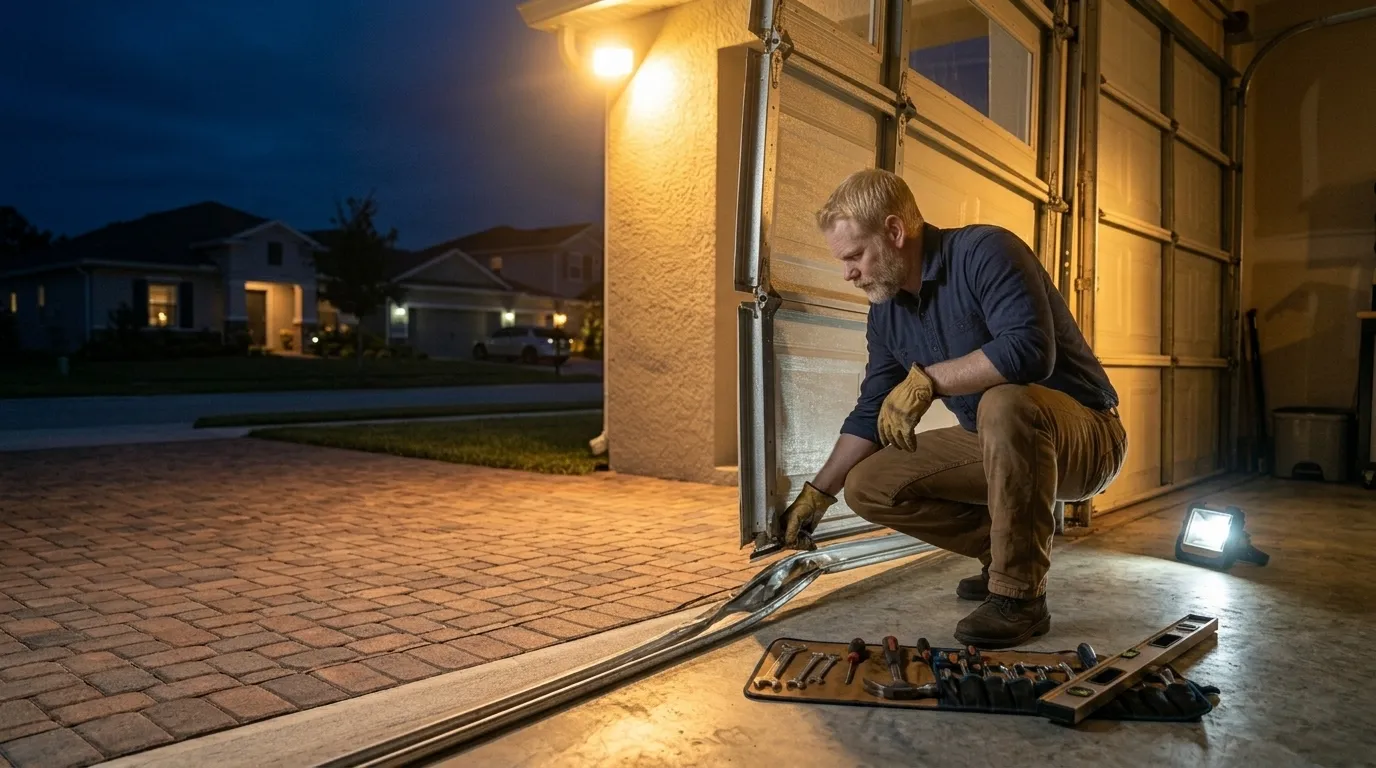
With a median build year around 1990, Wauconda's housing stock skews newer than much of the wider service area, where homes typically date to the 1960s and 70s. That means fewer of the original one-piece doors and worn-out extension springs we run into on older blocks, and more factory steel sectional doors that are now entering their thirties - old enough for springs, cables, and rollers to be due, but not old enough to need a full hardware swap in most cases.
Household income here runs higher than the broader area median - $112,438 against $103,561 across the service area - and with roughly 5,115 households in town, it's a smaller, tighter market than the city proper, where the household count runs into the hundreds of thousands. Practically, that means we're not seeing the mixed-vintage door lineup you get in older, denser neighborhoods - it's a more uniform generation of hardware, and repairs tend to be more predictable because of it.